Does Whitening Mouthwash Work: Is It Worth the Hype?
September 22, 2025
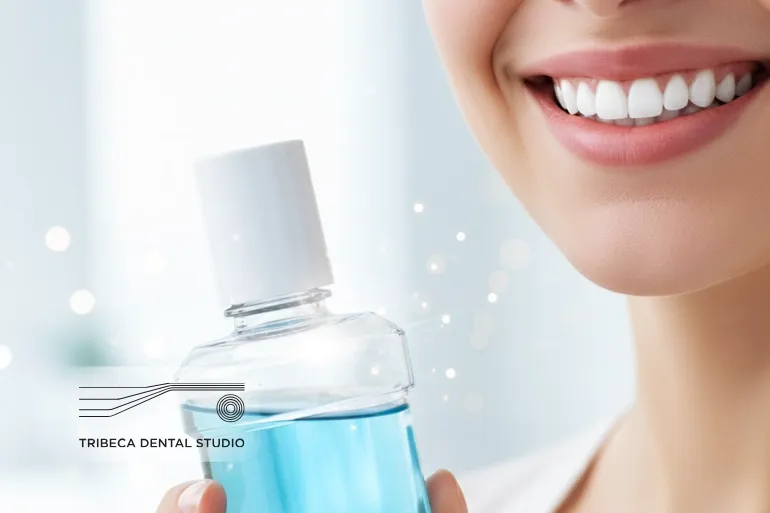
A bright, white smile is often seen as a sign of health and confidence, which is why so many people turn to whitening products to enhance their appearance. Among these options, whitening mouthwash stands out for its convenience and ease of use. It promises to lift stains, freshen breath, and gradually improve tooth color, all without the hassle of trays or strips.
But how effective is it really? Understanding how whitening mouthwash works and what results you can expect is key to deciding whether it deserves a spot in your daily routine.
What Is Teeth Whitening Mouthwash and How Does It Work?
Teeth whitening mouthwash is an oral rinse formulated to reduce surface stains on teeth. Unlike traditional mouthwash, which primarily targets bacteria and bad breath, whitening mouthwash contains active ingredients designed to break down discoloration on the enamel.
Most whitening mouthwashes use low concentrations of hydrogen peroxide or similar bleaching agents. These ingredients work by oxidizing stain molecules, making them less visible and gradually brightening the tooth surface. Some formulas also include stain-preventing agents like sodium hexametaphosphate, which help repel new discoloration.
If you’re looking for more reliable results, then our professional teeth whitening treatment offer advanced solutions that go beyond the power of rinses and over-the-counter products.
What Ingredients in Whitening Mouthwash Help Whiten Teeth
The power of whitening mouthwash comes from its active ingredients. Some of the most common include:
- Hydrogen Peroxide or Carbamide Peroxide: A 2024 MDPI study confirms peroxide compounds effectively whiten teeth by oxidizing stains; results depend on concentration, application method, and exposure time for optimal bleaching outcomes.
- Polyphosphates: Help prevent new stains by creating a barrier on the enamel surface.
- Fluoride: Strengthens enamel and protects against decay, making whitening safer.
- Essential Oils and Antimicrobials: Contribute to fresher breath and improved gum health.
Different products combine these ingredients in varying strengths, which is why results differ across brands.
How Effective Is Whitening Mouthwash for Stains and Discoloration
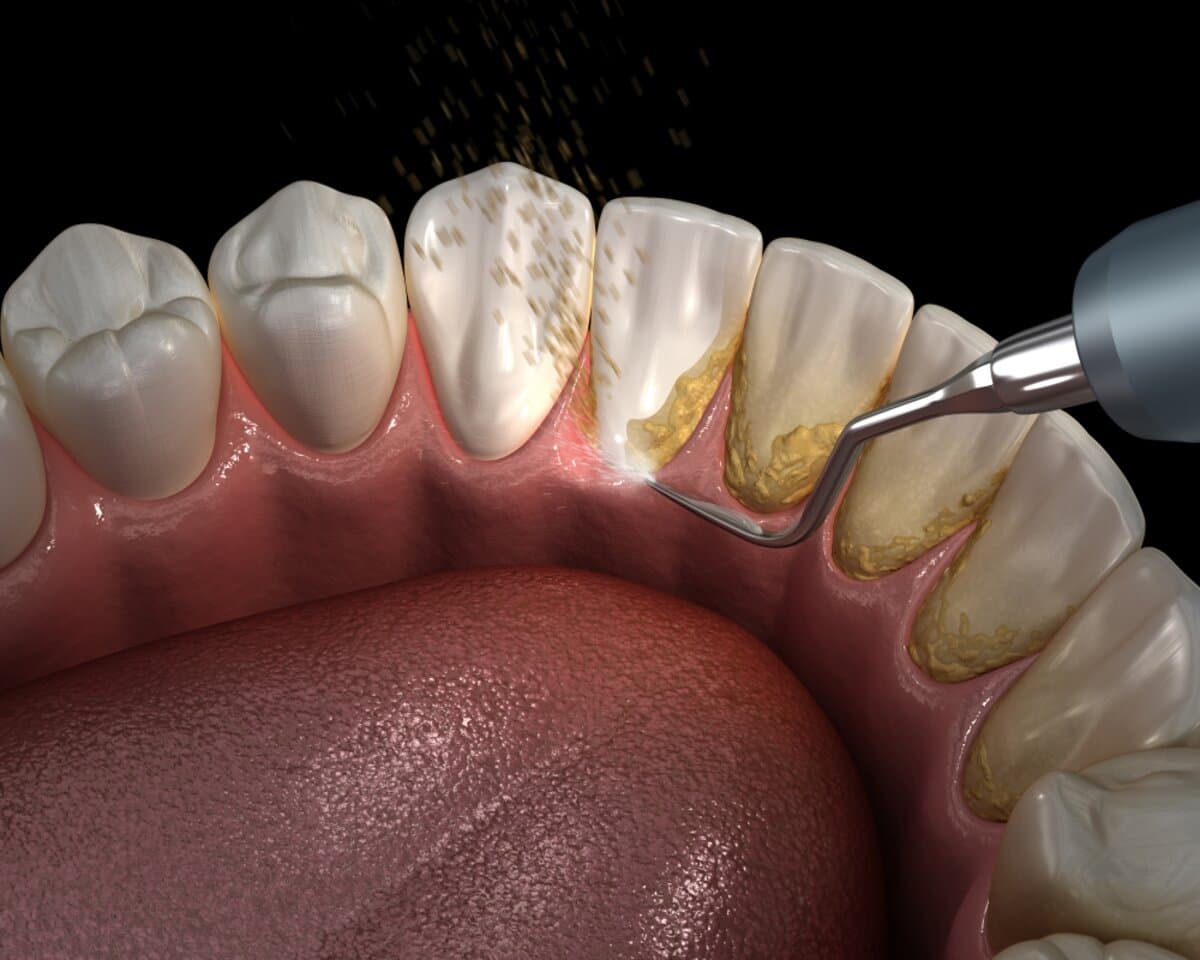
Whitening mouthwash works best on extrinsic stains, the kind that develop on the outer layer of enamel. These stains are typically caused by lifestyle factors such as coffee, red wine, tea, and smoking. With consistent use, whitening mouthwash can lighten these stains and help maintain a cleaner appearance.
However, intrinsic stains, which occur deeper inside the tooth structure due to aging, genetics, or certain medications, are not effectively treated with mouthwash. These cases often require professional whitening or restorative solutions.
Pros of Whitening Mouthwash You Should Know
Whitening mouthwash offers several advantages:
- Convenience: Easy to use and fits into any oral care routine.
- Affordability: Less expensive than professional treatments or whitening strips.
- Dual Function: Freshens breath while whitening teeth.
- Gentle Action: Suitable for individuals with mild sensitivity.
- Preventive Benefits: Helps reduce plaque and prevent future staining.
It’s a great option for those seeking low-maintenance whitening support.
Cons and Limitations of Whitening Mouthwash
Despite its benefits, whitening mouthwash has limitations:
- Short Contact Time: It only remains on teeth for about 60 seconds.
- Mild Whitening Power: Results are modest compared to other methods.
- Limited Effect on Intrinsic Stains: Cannot reach discoloration inside the tooth.
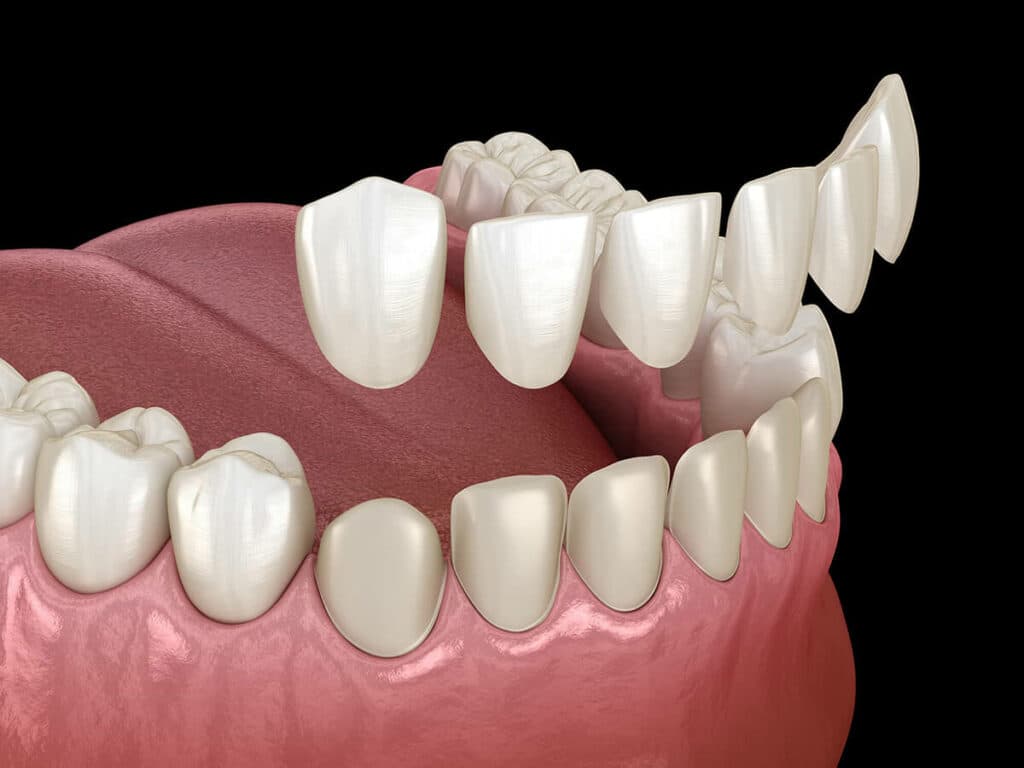
- No Impact on Dental Restorations: Won’t whiten crowns, veneers, or fillings.
- Requires Patience: Results take weeks to appear.
Understanding these drawbacks helps set realistic expectations
Potential Side Effects and Safety Concerns
When used correctly, whitening mouthwash is generally safe, but some users may experience side effects:
- Tooth sensitivity: Common with peroxide-based products.
- Gum irritation: Especially if the formula contains higher peroxide levels.
- Enamel erosion risk: Excessive or prolonged use, combined with acidic foods and drinks, may weaken enamel.
- Uneven whitening: Dental restorations such as crowns and veneers won’t whiten, creating uneven shades.
According to the WHO, oral diseases affect nearly 3.7 billion people globally, making them one of the most widespread health conditions. Learn more about prevention in our guide to the early signs of gum disease.
How Long Does It Take to See Results with Whitening Mouthwash?
Most users begin to notice results after 4 to 8 weeks of consistent use, with more visible changes appearing around the 12-week mark. The key is consistency; skipping days or using the product sporadically will delay results.
For best outcomes, use the mouthwash twice daily and avoid foods and drinks that contribute to staining.
Tips to Maximize Results When Using Whitening Mouthwash
To enhance the effectiveness of whitening mouthwash:
- Brush Before Use: Cleaning your teeth allows better contact with whitening agents.
- Swish for Full Duration: Follow the label’s recommended time (usually 60 seconds).
- Avoid Rinsing Immediately After: Let the ingredients sit for 30 minutes before eating or drinking.
- Limit Staining Foods: Reduce intake of coffee, tea, and wine.
- Combine with Whitening Toothpaste: Boosts overall effectiveness.
- Stay Hydrated: Saliva helps neutralize acids and protect enamel.
These habits support both whitening and overall oral health.
Whitening Mouthwash vs Whitening Toothpaste vs Whitening Strips
Here’s a quick comparison of popular whitening methods:
| Method | Active Ingredient | Contact Time | Effectiveness | Best For |
|---|---|---|---|---|
| Whitening Mouthwash | 1.5 – 2% Hydrogen Peroxide | ~1 minute | Mild | Maintenance & surface stains |
| Whitening Toothpaste | Abrasives + Peroxide | ~2 minutes | Moderate | Daily stain removal |
| Whitening Strips | 5 – 10% Hydrogen Peroxide | 30 – 60 minutes | Strong | Quick, noticeable whitening |
Each method has its place. Mouthwash is great for maintenance, toothpaste for daily stain control, and strips for faster results.
Professional Alternatives for More Noticeable Whitening Results
For individuals seeking more dramatic whitening results, professional alternatives provide superior effectiveness. In-office whitening treatments can lighten teeth by 6-8 shades in a single visit, using higher concentrations of active ingredients under professional supervision.
Custom take-home trays from dentists offer professional-strength results with the convenience of home use, typically producing 3-5 shade improvements over 2-3 weeks.
Professional treatments also include safety measures and customization options that over-the-counter products cannot provide, making them ideal for people with sensitive teeth or specific whitening goals. You can also pair whitening with routine dental checkups and teeth cleaning for long-term oral health and stain prevention.
The Bottom Line: Does Whitening Mouthwash Really Work?
Yes, but with realistic expectations. Whitening mouthwash can gently lift surface stains and brighten your smile over time. It’s not a standalone solution for deep discoloration, but it’s a valuable tool for maintaining results and preventing new stains.
Think of it as a supporting player in your oral care routine. For those with deeper stains or more ambitious whitening goals, professional treatments are the way to go.
Frequently Asked Questions (FAQs)
About Tribeca Dental Studio
Tribeca Dental Studio, located at 54 Warren St, New York, NY 10007, has provided comprehensive dental care to Lower Manhattan since 2007. Led by Dr. Nina Izhaky, our practice combines general, pediatric, orthodontic, oral surgery, and periodontal care under one roof.
Our focus on airway health, dental implants, veneers, and pediatric dentistry sets us apart. We use 3D CBCT imaging, digital planning, and laser technology — including NightLase for snoring — to deliver precise, comfortable care.
To schedule a consultation, call (212) 561-5303 or book online. We welcome patients from Tribeca, SoHo, Battery Park City, the Financial District, and throughout downtown Manhattan.