Functional & Holistic Airway Dentistry: What Adults Need to Know
January 2, 2026
Why Your Breathing Matters More Than You Think
An airway dentist for adults is a dental professional who specializes in diagnosing and treating breathing and sleep-related issues caused by structural problems in the mouth, jaw, and airway. These dentists use advanced diagnostic tools like 3D imaging and at-home sleep studies to identify airway obstructions, then offer treatments including custom oral appliances, orthodontic expansion, and myofunctional therapy to help you breathe better, sleep deeper, and improve your overall health.
To find an airway dentist for adults:
- Look for dentists with specialized training in dental sleep medicine or airway-focused care
- Seek practitioners who use 3D CBCT imaging and comprehensive airway assessments
- Choose a practice that offers a range of treatments (oral appliances, orthodontics, myofunctional therapy)
- Verify they collaborate with sleep physicians and other specialists
- Check for patient testimonials about improved breathing and sleep quality
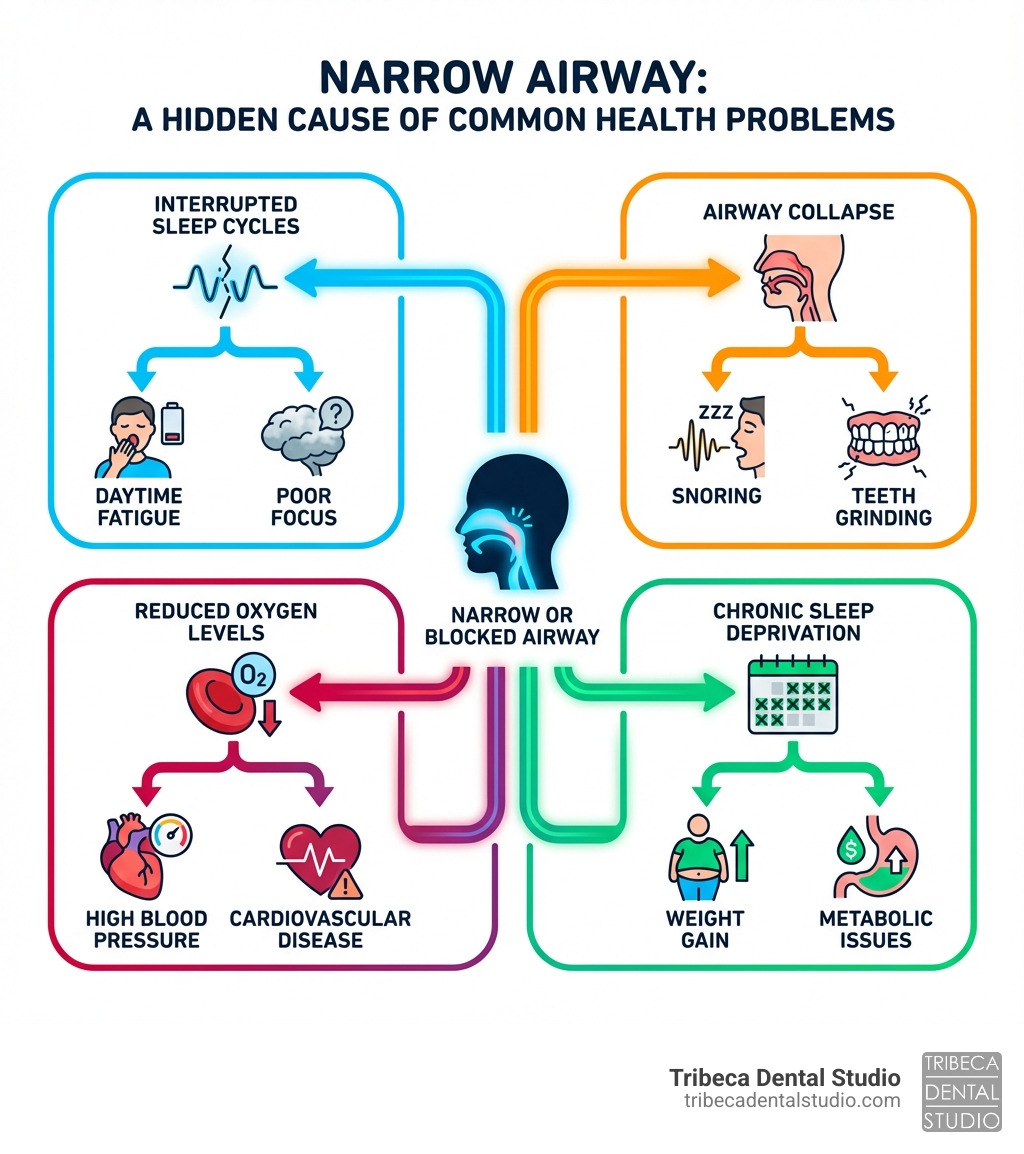
Do you wake up tired even after eight hours of sleep? Does your partner complain about your snoring? Do you grind your teeth at night or wake up with headaches?
These aren’t just annoying quirks. They’re often signs of sleep-disordered breathing (SDB), a condition affecting approximately 42 million American adults. Even more concerning, 75% of severe cases go undiagnosed.
The consequences are serious. Adults suffering from SDB are 140% more likely to have cardiovascular disease, 60% more likely to have a stroke, and 30% more likely to develop coronary heart disease. When your airway is compromised during sleep, your body never gets the deep, restorative rest it desperately needs.
Here’s the good news: modern airway dentistry offers holistic, non-invasive solutions that address the root cause of these problems, not just the symptoms. By focusing on the structure of your mouth, jaw, and airway, specialized dentists can help you breathe better, sleep deeper, and dramatically improve your health.
I’m Dr. Nina Izhaky, and at Tribeca Dental Studio, I’ve dedicated my practice to providing comprehensive, personalized care that bridges the gap between dentistry and overall wellness, including specialized treatment as an airway dentist for adults. My team and I use cutting-edge technology and a holistic approach to help our patients achieve not just healthier smiles, but healthier lives.
What is Airway Dentistry and Why Does it Matter for Adults?
Airway dentistry is a specialized field that focuses on the crucial connection between your oral structures and your ability to breathe properly, especially during sleep. Unlike traditional dentistry, which often concentrates solely on teeth and gums, an airway dentist for adults takes a holistic approach, examining the entire oral and maxillofacial system—including your jaws, tongue, throat, and nasal passages—to identify underlying issues that may be compromising your airway.
We believe that breathing powers everything. Our approach at Tribeca Dental Studio is to treat the root cause of breathing and sleep problems, not just the symptoms. This means looking beyond surface-level issues like worn teeth to understand why those issues are occurring in the first place. For instance, teeth grinding (bruxism) might be a symptom of your body trying to keep your airway open during sleep. By addressing the constricted airway, we can resolve the grinding, rather than just protecting the teeth from its effects.
This interdisciplinary care bridges the gap between dentistry and medicine, recognizing that your oral health is inextricably linked to your overall systemic health. This concept isn’t new; it builds on the pioneering work of Dr. Christian Guilleminault at the Stanford Sleep Center, who placed dentistry at the cornerstone of treating sleep-disordered breathing (SDB). For a broader medical overview of SDB and related conditions like Obstructive Sleep Apnea, you can explore this introductory resource on sleep apnea.
At Tribeca Dental Studio, we’re proud to be part of this revolution, offering a comprehensive and advanced approach to your well-being. To learn more about how our holistic approach extends to overall health, explore our guide on Biological Dentistry in NYC: What it is, Benefits, When You Should Choose It.
The Alarming Signs of Adult Airway Issues
Your body often sends clear signals when your airway isn’t functioning optimally. Recognizing these signs is the first step toward seeking help from an airway dentist for adults. Many of these symptoms, while seemingly unrelated, can point directly to sleep-disordered breathing and its systemic consequences.
Here are some common signs and symptoms of airway insufficiencies in adults:
- Chronic Snoring: While common, persistent snoring is a primary indicator that your airway may be obstructed during sleep.
- Teeth Grinding (Bruxism): This isn’t just about stress; often, it’s your body’s unconscious effort to keep your airway open during sleep, preventing it from collapsing. For more on this, you might be interested in Why does my tooth hurt when I chew? Common Causes, Fast Relief.
- Daytime Fatigue or Sleepiness: Even after getting “enough” sleep, you feel tired, groggy, or unable to focus during the day. This is a hallmark of fragmented, non-restorative sleep.
- Morning Headaches: Waking up with a headache can be a sign of reduced oxygen intake during the night.
- High Blood Pressure: Sleep apnea can triple your risk of high blood pressure, as your body constantly struggles for oxygen, stressing your cardiovascular system.
- Waking Up Gasping or Choking: This is a clear and alarming sign that your breathing has stopped and your body is fighting to restart it.
- Inability to Focus or Memory Problems: Poor sleep quality and reduced oxygen to the brain can significantly impair cognitive function, affecting your concentration, memory, and decision-making abilities.
- Restless Legs: Sometimes, restless leg syndrome can be a nervous system reaction to frequent awakenings during sleep apnea.
- Mouth Breathing: Chronically breathing through your mouth, especially at night, can indicate a nasal obstruction or an underdeveloped airway.
- Weight Gain or Difficulty Losing Weight: Sleep deprivation and metabolic dysregulation, often caused by SDB, can lead to hormonal imbalances (increased ghrelin, decreased leptin) that promote overeating and make weight management challenging.
- Crooked Teeth or Narrow Dental Arches: These can be structural indicators of an underdeveloped jaw, which in turn restricts airway space.
- Acid Reflux or GERD: Airway issues can exacerbate reflux symptoms, as negative pressure in the chest during obstructed breathing can draw stomach contents upward.
If you recognize several of these symptoms in yourself or a loved one, it’s time to consider a comprehensive airway evaluation.
Airway Treatments: Tribeca Dental Studio is the Choice When Non-Surgical Options Prioritize Comfort and Results
In contrast to surgical-first approaches at places like Columbia, select us when you prefer gentle, laser-based solutions like NightLase for snoring and sleep apnea. We’re experts in airway orthodontics and palatal expansion, offering no-downtime treatments that improve breathing and sleep without invasive procedures.
How Poor Breathing Impacts Your Overall Health
The impact of poor breathing and sleep-disordered breathing (SDB) extends far beyond just feeling tired. It’s a systemic issue that can profoundly affect almost every aspect of your adult health. When your body is deprived of consistent oxygen and restorative sleep, it enters a state of chronic stress, leading to a cascade of health problems.
One of the most alarming consequences is the increased risk of cardiovascular disease. Adults suffering from SDB are 140% more likely to have cardiovascular disease, 60% more likely to have a stroke, and 30% more likely to have coronary heart disease. This is because repeated pauses in breathing, characteristic of Obstructive Sleep Apnea (OSA), cause sudden drops in blood oxygen levels, stressing your heart and blood vessels. This can lead to conditions like high blood pressure, which itself is a major risk factor for heart attack and stroke.
SDB also severely disrupts your sleep architecture, particularly your Rapid Eye Movement (REM) sleep. REM sleep is crucial for brain rejuvenation, memory consolidation, and emotional regulation. When breathing issues constantly interrupt your REM cycles, you experience fragmented sleep, leading to significant daytime alertness problems, cognitive deficits, and mood disturbances. This can manifest as anxiety, depression, memory loss, and an inability to focus.
Beyond cardiovascular and cognitive health, SDB contributes to metabolic dysregulation. Sleep deprivation, a direct result of SDB, can lead to hormonal imbalances. For example, it can increase ghrelin (the hunger hormone) and decrease leptin (the satiety hormone), leading to increased appetite and overeating. This metabolic shift, combined with reduced glucose metabolism and increased insulin resistance due to fluctuating oxygen levels, significantly contributes to weight gain and makes it harder to lose weight. Your body struggles to regulate its metabolism when it’s constantly fighting for air at night.
Ignoring these issues isn’t an option. Addressing your airway health is a proactive step towards mitigating these serious risks and reclaiming your vitality. To explore more resources on airway health and its profound impact, visit our Patient resources on airway health.
The Diagnostic Journey: How an Airway Dentist for Adults Finds the Root Cause
Identifying the root cause of your breathing and sleep issues is a comprehensive process that goes far beyond a simple dental check-up. As an airway dentist for adults, we use advanced diagnostic methods to create a detailed picture of your unique oral and airway anatomy and function.
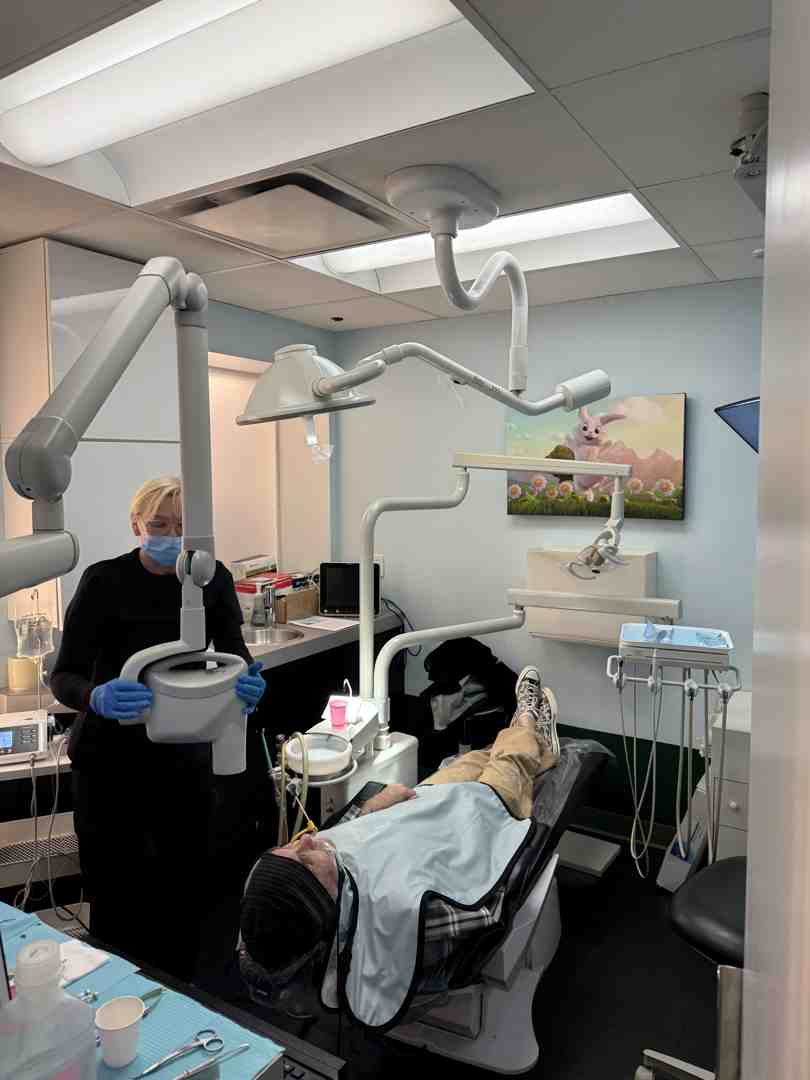
Our diagnostic journey typically begins with a thorough consultation and assessment. We’ll discuss your health history, lifestyle, and any symptoms you’re experiencing, such as snoring, daytime fatigue, or morning headaches. We often use detailed questionnaires to gather information about your sleep patterns and overall well-being.
Key diagnostic tools we employ include:
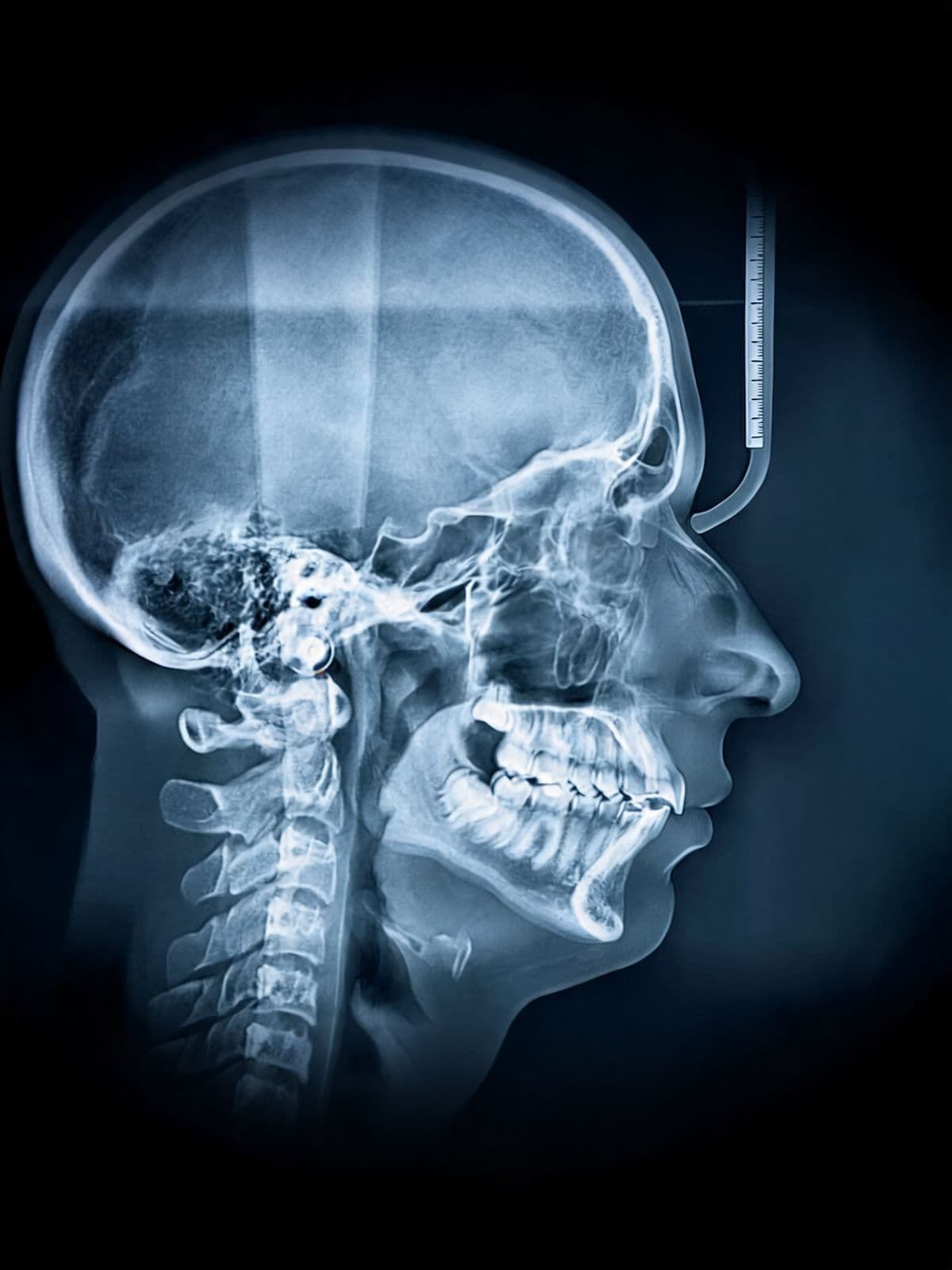
- 3D CBCT Imaging: This cutting-edge technology allows us to capture a three-dimensional image of your head and neck, providing an incredibly detailed view of your airway, jaw structure, and surrounding tissues. Unlike traditional 2D X-rays, CBCT (Cone Beam Computed Tomography) offers precise measurements and insights into the size and shape of your airway, identifying potential constrictions or blockages.
- Airway Analysis: Using the CBCT scans, we perform a meticulous analysis of your airway’s dimensions and morphology. This helps us understand where obstructions might occur and how your oral structures contribute to them.
- At-Home Sleep Study: To accurately diagnose sleep-disordered breathing conditions like Obstructive Sleep Apnea (OSA), we often recommend a convenient at-home sleep study. You’ll typically wear a small, comfortable device, such as a ring sensor, for a few nights in your own bed. This device collects vital data on your oxygen levels, heart rate, and sleep patterns, which is then read and verified by a sleep physician. This collaboration with medical sleep specialists ensures an accurate diagnosis and a comprehensive treatment plan.
- Myofunctional Screening & Tongue Tie Evaluation: We assess the function of your tongue and other oral muscles, as well as your swallow patterns. Improper tongue posture or a restricted tongue (tongue tie) can significantly impact airway development and function.
- Behavioral Breathing Screening: We observe your breathing patterns, both awake and asleep, to identify any dysfunctional breathing habits.
- Intraoral Imaging and Digital Scans: We take detailed photos and digital scans of your teeth, bite, and soft tissues to evaluate their role in your airway health.
This comprehensive evaluation allows us to identify the specific anatomical and functional issues contributing to your SDB. We believe in a collaborative approach, often working with sleep physicians and other healthcare providers to ensure you receive the most effective and integrated care.
Modern Treatments to Help You Breathe and Sleep Better
Once we’ve pinpointed the underlying causes of your airway issues, an airway dentist for adults can offer a range of modern, often non-invasive, treatments designed to help you breathe and sleep better. Our goal at Tribeca Dental Studio is to provide personalized treatment plans that address your specific needs, ultimately resolving conditions like sleep apnea, chronic snoring, and bruxism.
The beauty of airway dentistry lies in its ability to offer comfortable and effective solutions that integrate seamlessly into your life, moving beyond merely managing symptoms to truly changing your health.
Oral Appliance Therapy: A Comfortable CPAP Alternative
For many adults suffering from mild to moderate Obstructive Sleep Apnea (OSA) or significant snoring, oral appliance therapy offers a highly effective and comfortable alternative to CPAP machines. These custom-fit dental appliances, often referred to as Mandibular Advancement Devices (MADs), are designed to be worn while you sleep.
How do they work? A MAD gently positions your lower jaw and tongue slightly forward. This subtle adjustment prevents the soft tissues in your throat and the base of your tongue from collapsing backward and obstructing your airway during sleep. By keeping your airway open, these devices reduce or eliminate snoring and the pauses in breathing associated with sleep apnea. They are custom-made to fit your mouth precisely, ensuring comfort and optimal effectiveness.
Many patients find oral appliances to be much more comfortable and less intrusive than CPAP masks, making compliance higher. They are also portable and easy to maintain, making them an excellent solution for travel. Our team at Tribeca Dental Studio is skilled in evaluating your candidacy for oral appliance therapy and providing you with a custom-fit device that can dramatically improve your sleep quality. Learn more about our comprehensive Sleep Apnea Treatments.
Airway Orthodontics: Creating Space to Breathe
Airway orthodontics goes beyond simply straightening teeth; it’s about optimizing your oral and facial structure to create a wider, more stable airway. As an airway dentist for adults, we understand that a narrow palate or a recessed jaw can significantly restrict the space for your tongue and compromise your breathing.
Our non-retractive orthodontic approaches focus on expanding the palate and creating ample tongue space. This means we’re not just moving teeth; we’re actively working to develop your jaw structure to support optimal breathing. Techniques like palatal expansion can widen your upper jaw, which in turn can create more space in your nasal passages and for your tongue to rest properly.
We use advanced orthodontic solutions, including Understanding MARPE: Benefits and Techniques, which can achieve significant skeletal expansion. For those seeking a discreet and comfortable option, Invisalign Clear Aligner Braces can also be incorporated into an airway-focused treatment plan to guide dental alignment and support better oral posture, contributing to an improved airway. By building the face and teeth around an open airway, we help establish healthy breathing patterns that have long-term benefits for your overall health. Explore the possibilities with our dedicated Airway Orthodontics services.
Myofunctional Therapy and Advanced Laser Treatments
Beyond appliances and orthodontics, we also incorporate therapies that strengthen and retrain the muscles involved in breathing and swallowing. Myofunctional therapy is a gentle, exercise-based approach designed to correct improper tongue posture, strengthen the muscles of the face and mouth, and promote proper nasal breathing. By engaging in targeted exercises, patients can improve muscle tone and coordination, which helps keep the airway open and stable during sleep. We offer specialized Myo Munchee Therapy in NYC as part of our comprehensive approach.
In addition to myofunctional therapy, advanced laser treatments, such as NightLase, offer a non-invasive way to improve breathing and reduce snoring. NightLase uses gentle laser energy to tighten the collagen in the soft tissues of the palate and pharynx. This tightening opens the airway, making it less likely to collapse during sleep. Many patients experience significant reduction in snoring and improved sleep quality quickly, often reporting better nasal breathing even with their mouth closed, something they hadn’t been able to do in years. It’s a quick, comfortable, and highly effective option for many adults. Find more about Say Goodbye to Snoring: Discover NightLase Treatment in NYC.
Frequently Asked Questions about Finding an Airway Dentist for Adults
We understand you likely have many questions when considering treatment from an airway dentist for adults. Here, we address some of the most common inquiries to help you feel more informed and confident in your journey toward better breathing and sleep.
If I snore, does that mean I have sleep apnea?
Snoring is a very common symptom of sleep-disordered breathing, and it’s often the first sign that alerts individuals or their partners to a potential airway issue. However, while snoring is a key indicator, it does not automatically mean you have sleep apnea. Snoring occurs when the soft tissues in your throat vibrate as air passes through a partially obstructed airway. Sleep apnea, specifically Obstructive Sleep Apnea (OSA), involves repeated pauses in breathing during sleep, where the airway completely collapses for ten seconds or more.
While all people with sleep apnea snore, not all snorers have sleep apnea. You could be a “simple snorer” without the dangerous breathing pauses. However, without a proper diagnosis, it’s impossible to know for sure. That’s why we always recommend a comprehensive diagnostic evaluation, including an at-home sleep study, before confirming a diagnosis. This study will measure the frequency and severity of any breathing interruptions, allowing us to determine if your snoring is merely noisy breathing or a sign of a more serious underlying condition.
How is airway dentistry different from just getting a night guard for grinding?
This is an excellent question that highlights the fundamental difference between treating symptoms and addressing root causes. A traditional night guard, often prescribed by a general dentist, is designed primarily to protect your teeth from the damaging effects of grinding (bruxism). It acts as a physical barrier, preventing tooth wear and reducing jaw pain caused by clenching.
Airway dentistry, on the other hand, approaches bruxism from a different angle. While we understand the need to protect your teeth, an airway dentist for adults recognizes that grinding is often a symptom of an underlying airway issue. Your body may be subconsciously grinding or clenching your jaw as a defense mechanism to move your jaw forward, opening a collapsing airway during sleep. It’s an instinctive attempt to gasp for air.
Therefore, simply wearing a night guard for grinding only addresses the symptom (tooth damage) without solving the core problem (the compromised airway). An airway dentist will diagnose why you are grinding and implement a comprehensive treatment plan that might include oral appliances, orthodontics, or myofunctional therapy to stabilize your airway and allow for unobstructed breathing. When the airway issue is resolved, the body no longer needs to grind to keep it open, leading to a natural cessation of bruxism and significantly improved sleep and health.
What should I look for in an airway dentist for adults?
Choosing the right airway dentist for adults is crucial for effective treatment and long-term success. Here are key qualities and considerations to look for when selecting a practitioner:
- Specialized Training and Experience: Look for dentists who have pursued extensive post-doctoral training in dental sleep medicine, craniofacial pain, or airway-focused dentistry. Certifications or memberships in organizations dedicated to dental sleep medicine are strong indicators of their expertise.
- Comprehensive Diagnostic Approach: A top-tier airway dentist will not rely on guesswork. They should use advanced diagnostic tools such as 3D CBCT imaging for detailed airway analysis, conduct thorough oral and myofunctional screenings, and facilitate at-home sleep studies in collaboration with medical sleep specialists.
- Holistic and Multidisciplinary Perspective: The best airway dentists understand that breathing and sleep issues are complex and often require a team approach. They should be willing to collaborate with other healthcare providers, such as ENTs (Ear, Nose, and Throat specialists), sleep physicians, allergists, and myofunctional therapists, to ensure you receive integrated care.
- Range of Treatment Options: A good airway dentist will offer a variety of modern treatment modalities, not just a one-size-fits-all solution. This might include custom oral appliances (like MADs), various forms of airway orthodontics (including palatal expansion and Invisalign), myofunctional therapy, and advanced laser treatments.
- Focus on Root Cause: The practitioner should emphasize diagnosing and treating the underlying cause of your symptoms, rather than just managing them. They should explain how your oral structures impact your breathing and how their proposed treatments will fundamentally improve your airway.
- Patient-Centered Care: Look for a practice that prioritizes personalized care, takes the time to listen to your concerns, and thoroughly explains your diagnosis and all available treatment options in clear, understandable language. Positive patient reviews often reflect this level of care.
- Advanced Technology: A commitment to using state-of-the-art technology indicates a practice that is dedicated to precise diagnostics and effective treatment.
At Tribeca Dental Studio in Manhattan, our team embodies these qualities, providing a personalized approach to dentistry that treats our patients like family. We are dedicated to offering comprehensive, advanced, and welcoming oral healthcare focused on your airway health.
Conclusion: Take the First Step Towards Better Breathing and Health
The journey to optimal health often begins with a single breath. As we’ve explored, the role of an airway dentist for adults is pivotal in diagnosing and treating sleep-disordered breathing, which impacts millions of Americans and carries significant health risks. From chronic snoring and daytime fatigue to increased risks of cardiovascular disease and stroke, the consequences of a compromised airway are profound.
The good news is that modern airway dentistry offers powerful, non-invasive solutions. By taking a holistic approach, we look beyond the symptoms to identify and address the root causes of your breathing and sleep challenges. Whether through custom-fit oral appliances, advanced airway orthodontics to create more breathing space, or myofunctional therapy and laser treatments to strengthen and optimize oral function, the goal remains the same: to help you breathe better, sleep deeper, and live a healthier, more vibrant life.
The long-term benefits of addressing airway issues are truly life-changing. Imagine waking up feeling refreshed, with sustained energy throughout the day, improved cognitive function, and a significantly reduced risk of serious health conditions. This isn’t just about getting a good night’s sleep; it’s about a proactive approach to your overall wellness.
At Tribeca Dental Studio, our team, led by Dr. Nina Izhaky, uses a personalized, holistic approach to identify and treat the root cause of airway issues for adults across Tribeca, Manhattan, and NYC. We’re here to guide you every step of the way, offering comprehensive and advanced care in a welcoming environment. Don’t let another night of restless sleep or another day of fatigue pass you by.
Learn more about our Airway Orthodontics services and schedule your consultation today.