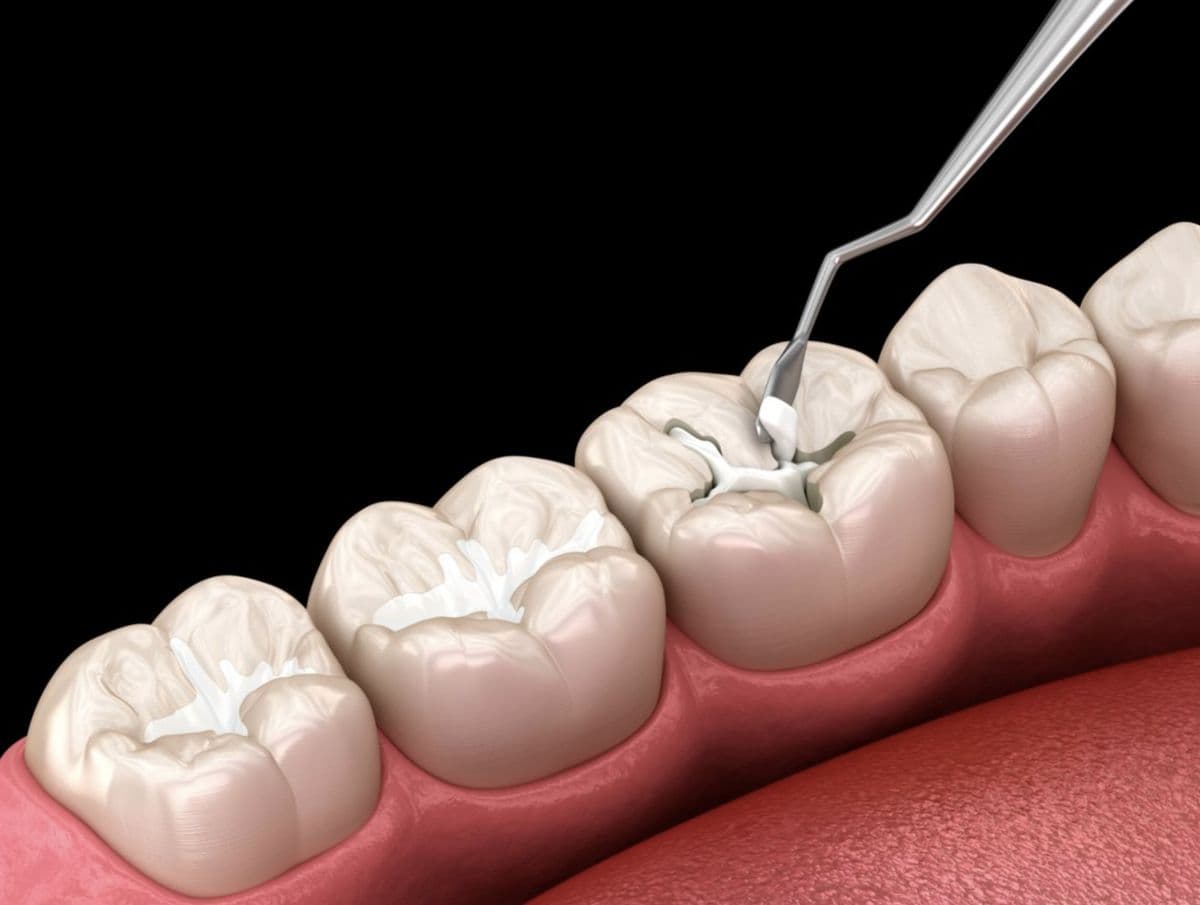
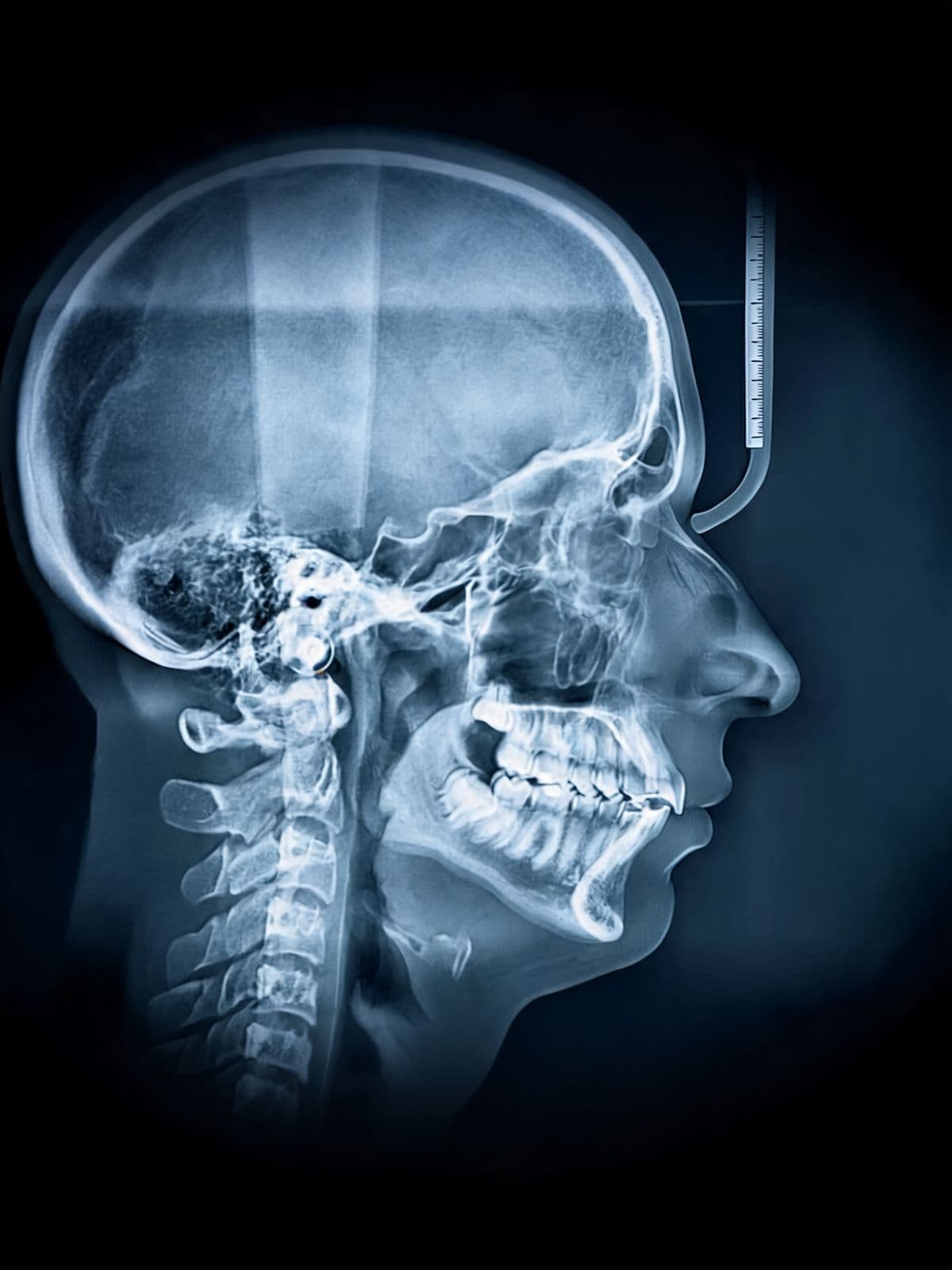
3D Diagnostic Planning
CBCT imaging can provide a three-dimensional view of the jaw, nearby anatomical structures, and available bone when it is clinically indicated.
Looking for dental implants in New York City? At Tribeca Dental Studio in Tribeca, implant treatment begins with an individualized evaluation of your teeth, gums, bite, bone, and overall treatment goals. When clinically appropriate, 3D CBCT imaging and digital planning guide precise implant placement.

Explore additional information about full-arch treatment, complex bone-loss cases, zygomatic implant evaluations, and implant-supported restorations.
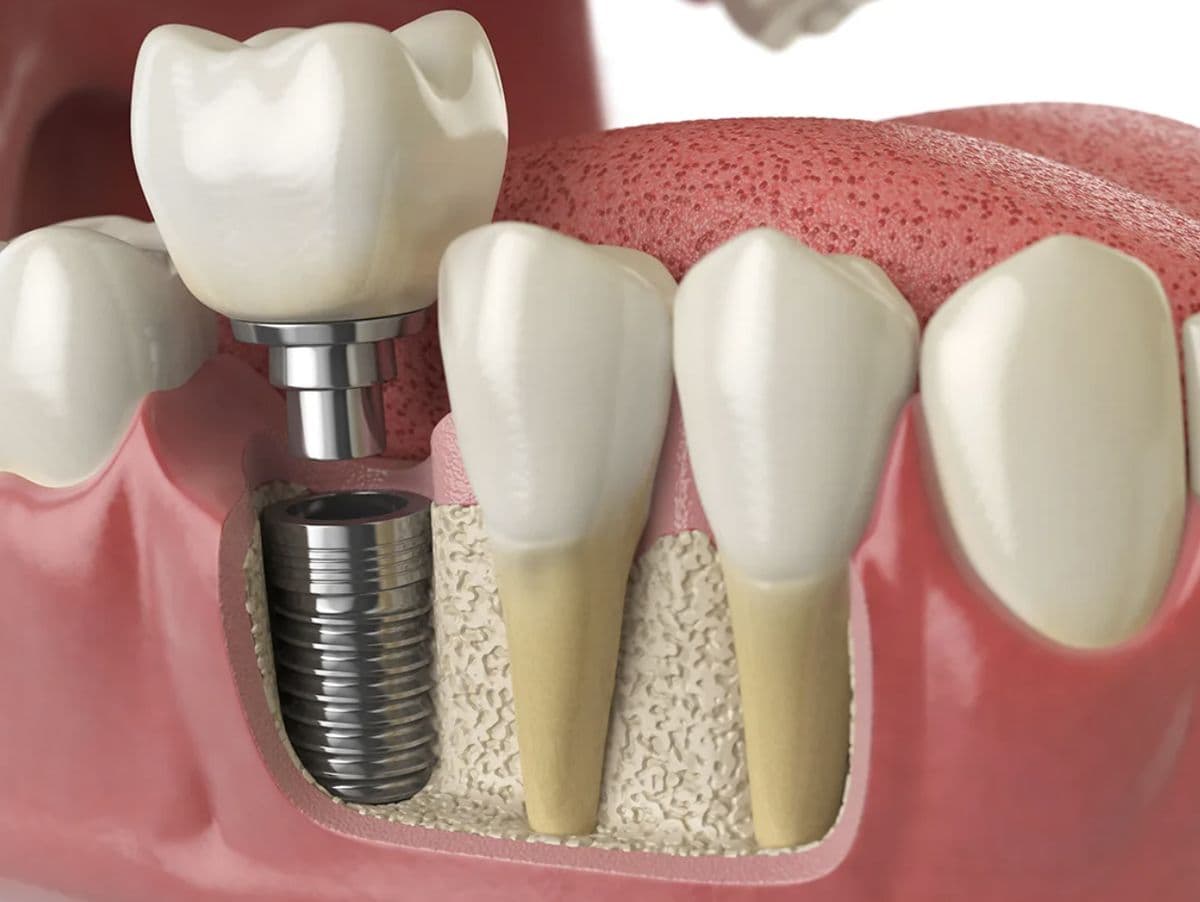
implants.tribecadentalstudio.comA missing tooth doesn't have to change how you eat, speak, or smile. An implant replaces the tooth root itself — a small titanium post placed in the jawbone that holds a crown, bridge, or full-arch restoration. It starts with a careful evaluation of your bone, gums, and bite, planned with 3D imaging.
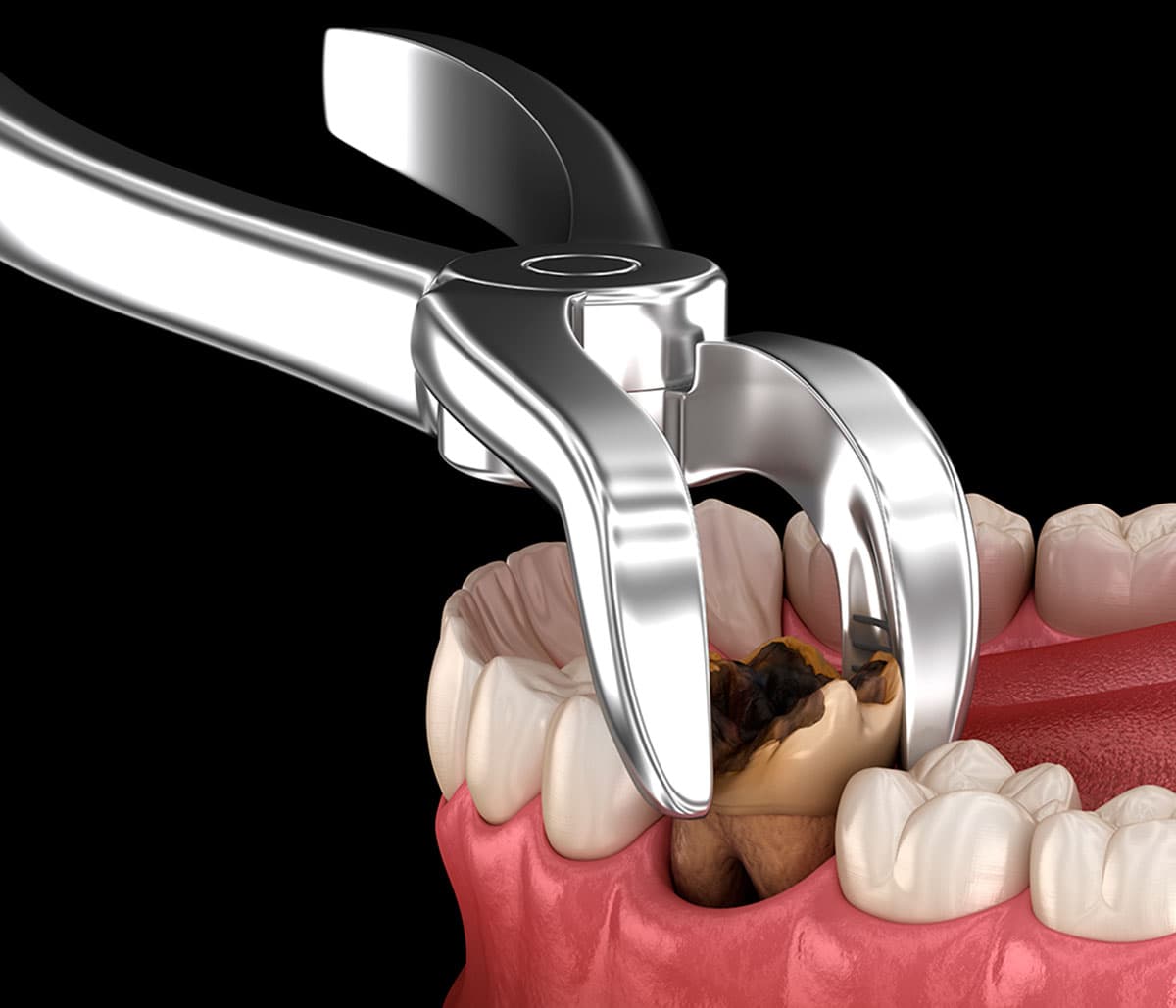
When a patient comes in with a broken or non-restorable tooth that needs extraction, we're in control. We take the tooth out, place bone graft and membrane to replace the missing bone, wait for healing, then place the implant 3 to 4 months later.
If it's a front tooth with optimal bone and a single root, most of the time we can remove the tooth and place the implant at the same visit.
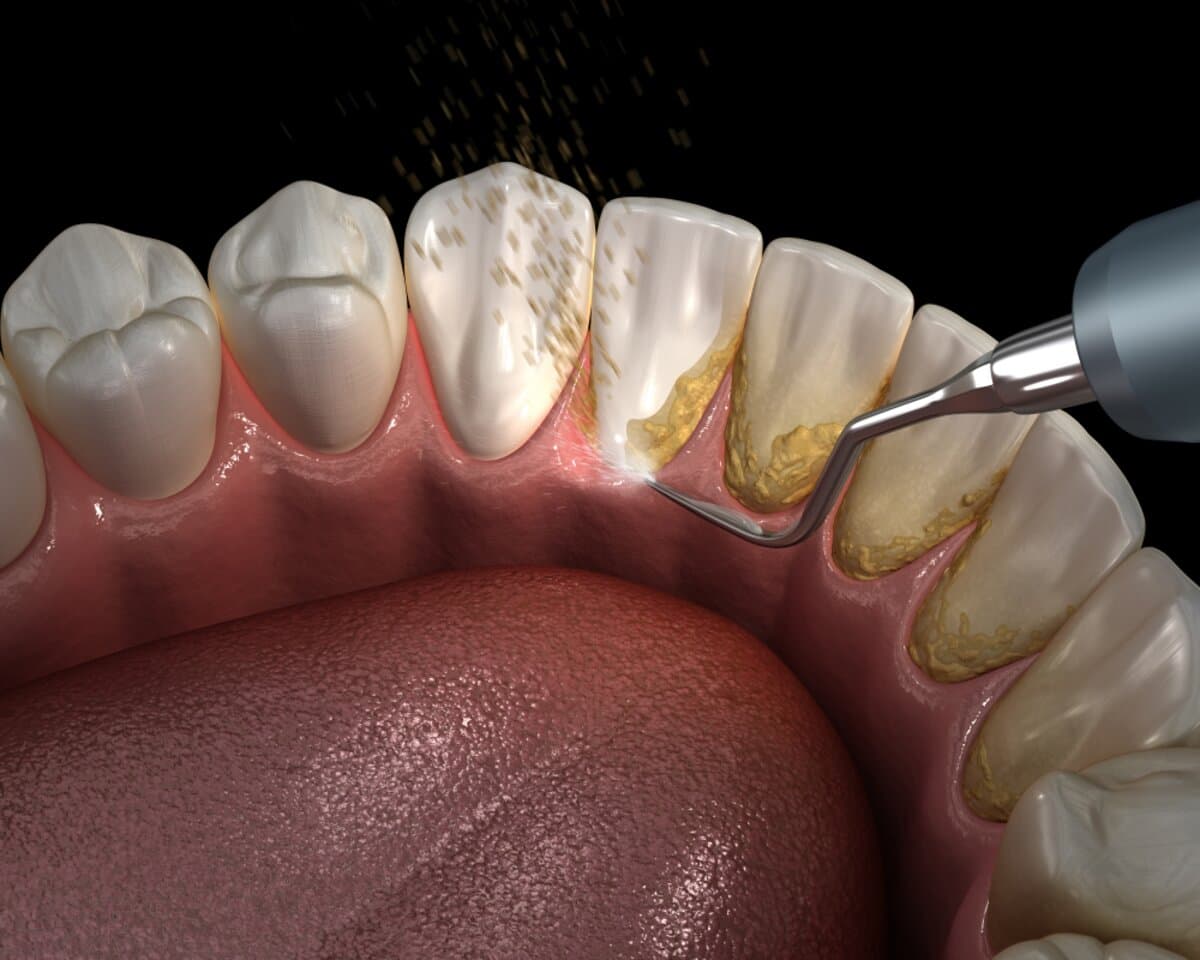
Doing surgery in a mouth that has infection is doing harm to the patient. Any office that doesn't focus on fixing everything — cleaning, removing all plaque — prior to surgery is harming the patient. That's our standard of care.
We take the CT scan of your jaw, find the exact shape and size of the defect, and order a bone graft made to fit. It's placed and integrates over 3 to 4 months.
If significant upper jaw bone is missing and you need full-mouth restoration, we offer zygomatic implants.
For big cases: full anesthesia with an anesthesiologist, the prosthodontist on site — you wake up with the prosthesis attached, never without teeth. The implant rep is on site with every part needed.
A dental implant replaces the root portion of a missing tooth and supports a crown, bridge, or full-arch restoration. Treatment is planned around your anatomy, oral health, restorative needs, and healing factors rather than a one-size-fits-all protocol.
CBCT imaging can provide a three-dimensional view of the jaw, nearby anatomical structures, and available bone when it is clinically indicated.
Some patients have adequate bone for direct implant placement, while others may need grafting or an alternative implant approach after evaluation.
Local anesthesia is used for implant surgery, and additional sedation options may be discussed when appropriate for the procedure and your medical history.
The right restoration depends on how many teeth are missing, the condition of neighboring teeth, available bone, bite forces, and your long-term maintenance needs.
An implant can support an individual crown without relying on the neighboring teeth for support. The final design is customized to the space, bite, and surrounding teeth.
When several teeth are missing, implants may support individual crowns or an implant-supported bridge depending on the location and restorative plan.
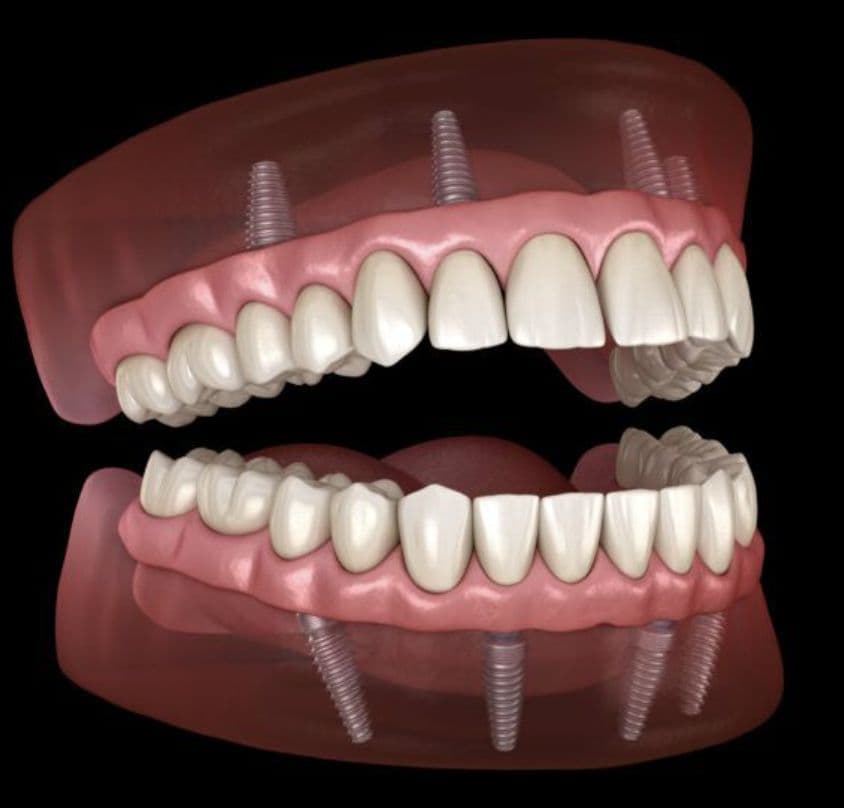
For patients missing most or all teeth in an arch, a fixed implant-supported restoration may be considered after a comprehensive surgical and restorative evaluation.
Explore All-on-4®If conventional implant placement is limited by bone volume or anatomy, the team can evaluate grafting and other advanced implant approaches, including zygomatic options in selected cases.
Every case is different, but implant treatment commonly follows these stages. Your exact sequence and healing time are determined after examination and imaging.
We review the missing tooth or teeth, gum health, bite, medical history, existing restorations, and your goals for the final result.
When indicated, CBCT imaging and digital scans are used to assess anatomy, plan implant position, and coordinate the surgical and restorative phases.
The implant is surgically placed under local anesthesia. In selected cases, a temporary tooth or provisional restoration may be possible during the healing period.
Bone heals around the implant over time. After adequate integration, the final crown, bridge, or full-arch restoration is delivered and a maintenance plan is established.
Age alone does not determine whether someone is an implant candidate. The evaluation focuses on health, healing, oral conditions, anatomy, and the ability to maintain the restoration over time.
Health of the gums and tissues around the proposed implant site
Available bone volume and the relationship to nerves and sinus anatomy
Medical history, medications, tobacco use, and other factors that may affect healing
Bite, neighboring teeth, restorative space, and long-term hygiene access
More than one treatment can sometimes replace a missing tooth. A consultation helps compare the tradeoffs for your specific situation.
| Option | How it replaces teeth | What to consider |
|---|---|---|
| Dental Implant | Uses an implant in the jaw to support a crown, bridge, or full-arch restoration. | Requires surgery and a healing phase; candidacy depends on anatomy and health factors. |
| Fixed Dental Bridge | Uses adjacent teeth or existing restorations to support a replacement tooth or teeth. | Usually avoids implant surgery but may require preparation of supporting teeth. |
| Removable Denture | Replaces multiple or all missing teeth with a removable prosthesis. | Does not require an implant at every missing tooth, but fit, stability, cleaning, and maintenance differ from fixed options. |
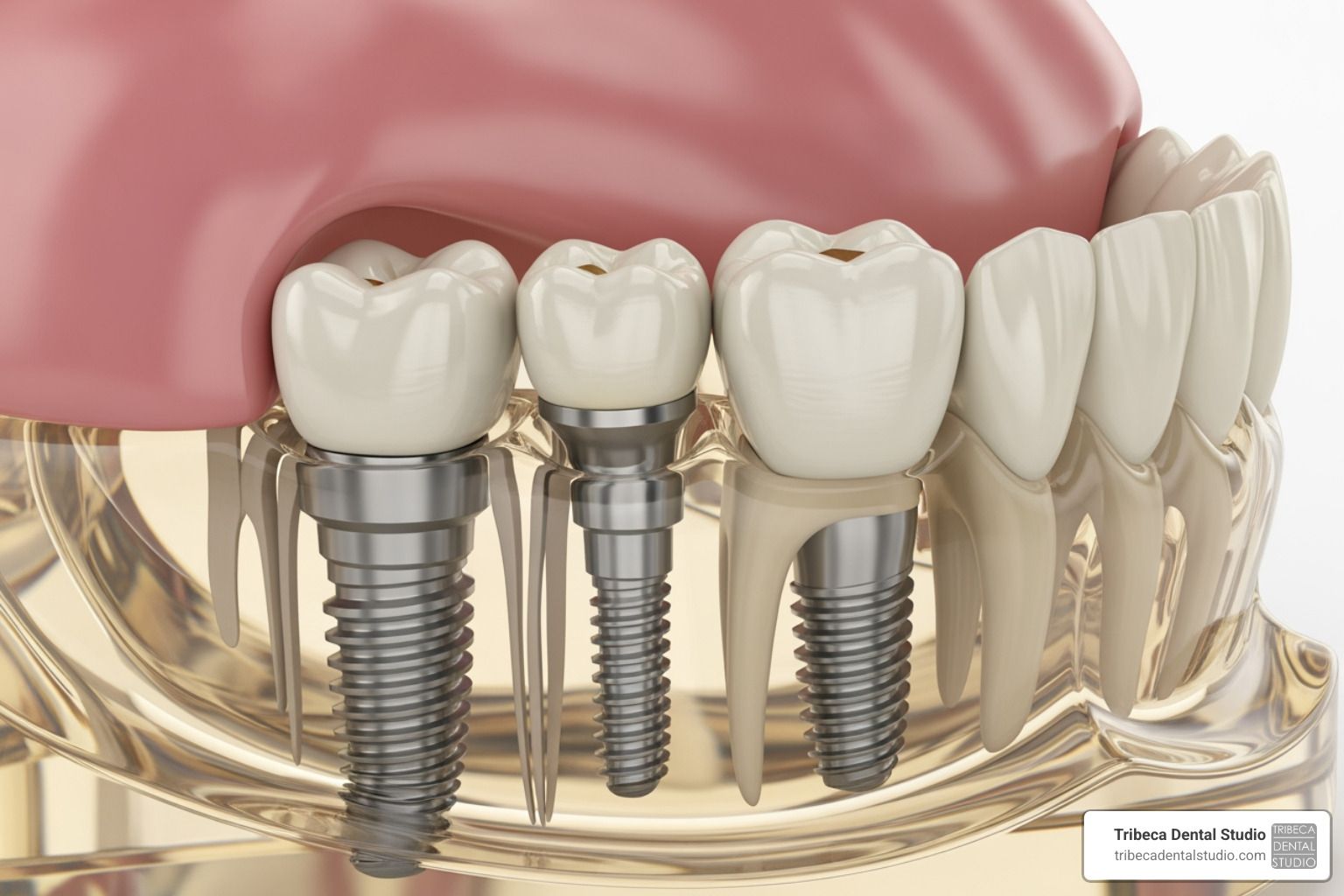
Implants do not develop cavities, but the gum and bone around them still require consistent hygiene and professional monitoring. Your maintenance plan is personalized to the type of restoration and your periodontal history.
Brush thoroughly around implant crowns and the gumline
Clean between implants and under bridges with the tools recommended for your restoration
Keep regular dental and hygiene visits based on your individual risk factors
Contact the office if you notice persistent bleeding, swelling, looseness, or a change in your bite
If the tooth is no longer there and the bone is good, the replacement process is actually very uneventful — very little recovery at all. What we hear from our patients is how unremarkable the procedure was. They're surprised, and we're thankful for their appreciation.
Dr. Nina Izhaky says:
Tribeca Dental Studio
These are general answers. Your exact recommendation, timeline, and risks depend on an in-person examination and treatment plan.
The timeline varies. Bone healing around an implant can take several months, although some patients may be able to receive a temporary restoration sooner. The final schedule depends on healing, whether grafting is needed, and the type of restoration.
Possibly. Bone loss does not automatically rule out implant treatment. Depending on the anatomy, options may include bone grafting, changes in implant position or design, or advanced approaches for selected cases. Imaging is needed before recommending a specific option.
Implant placement is performed with local anesthesia. Sedation may also be discussed for certain procedures or patient needs. After surgery, temporary soreness, swelling, or tenderness can occur, and your clinician will provide individualized postoperative instructions.
In selected cases, immediate implant placement may be possible. A temporary restoration may also be possible when stability and other clinical conditions are appropriate. Immediate treatment is not suitable for every site.
No. Some sites have enough bone for implant placement without grafting, while others need additional bone or a different approach. The decision is based on 3D anatomy, implant position, and restorative goals.
Daily brushing and interdental cleaning are important. The exact tools vary by restoration and may include floss, interdental brushes, or other devices recommended by your dental team. Professional maintenance is also important for monitoring the tissues around the implant.
These pages provide more detail about technologies and procedures that may be part of an implant treatment plan.
Learn about full-arch implant-supported treatment for patients replacing most or all teeth in an arch.
Learn moreReview oral surgery services, including extractions, socket preservation, and implant-related surgical care.
Learn moreSee how CBCT, digital scanning, and other diagnostic technologies are used across the practice.
Learn moreLong-term implant care also depends on routine exams, professional hygiene, and monitoring of the surrounding tissues.
Learn moreExplore what same-day or immediate implant treatment can mean and why candidacy depends on anatomy, stability, and the individual treatment plan.
Learn moreLearn about the factors considered when evaluating dental implant treatment for older adults, including health, bone, healing, and maintenance.
Learn moreCompare common restorative approaches for damaged or missing teeth and understand how their support systems differ.
Learn moreTribeca Dental Studio is located in Lower Manhattan at 54 Warren Street, New York, NY 10007. Implant consultations can include review of your current teeth, prior dental work, treatment goals, and imaging needs.
A consultation is the best way to determine whether an implant, bridge, removable option, or full-arch approach fits your anatomy and restorative goals.
Schedule Implant ConsultationFor additional information about complex implant cases, full-arch treatment, and advanced implant approaches, visit our dedicated implant website.