Beyond the Brush: How to Get That Perfect White Smile You've Always Dreamed Of
July 10, 2026
The Truth About Perfect White Teeth (And How to Actually Get Them)
Perfect white teeth are one of the most sought-after features in cosmetic dentistry — and it’s easy to see why. Research shows that people with bright, white smiles are perceived as smarter, more successful in business, and more attractive in relationships. And in 2026, Americans are expected to spend $8.21 billion chasing that brighter smile.
Here’s a quick answer to what actually works:
- Prevent stains — limit coffee, red wine, and tobacco; brush twice daily
- Try safe home remedies — baking soda, diluted hydrogen peroxide, or oil pulling
- Use OTC products — whitening strips or prefilled trays for gradual results
- Go professional — in-office treatments like Zoom whitening deliver the fastest, most dramatic results
- Consider veneers — for stubborn stains or structural concerns that whitening can’t fix
But here’s something most people don’t know: white teeth aren’t always healthy teeth — and the whitest shade isn’t always the most flattering one. This guide cuts through the noise.
An American traveler once described how, on a 36-hour bus ride across Western Australia, she didn’t have to introduce herself. Her teeth did it for her. That story captures something real: in the U.S., a gleaming white smile has become a cultural signature. But is that goal realistic, safe, or even right for everyone?
I’m Dr. Nina Izhaky, a New York University College of Dentistry graduate and founder of Tribeca Dental Studio, where I’ve helped countless patients achieve their version of perfect white teeth through personalized, evidence-based cosmetic care. In this guide, I’ll walk you through everything — from what actually causes discoloration to which treatments deliver real, lasting results.
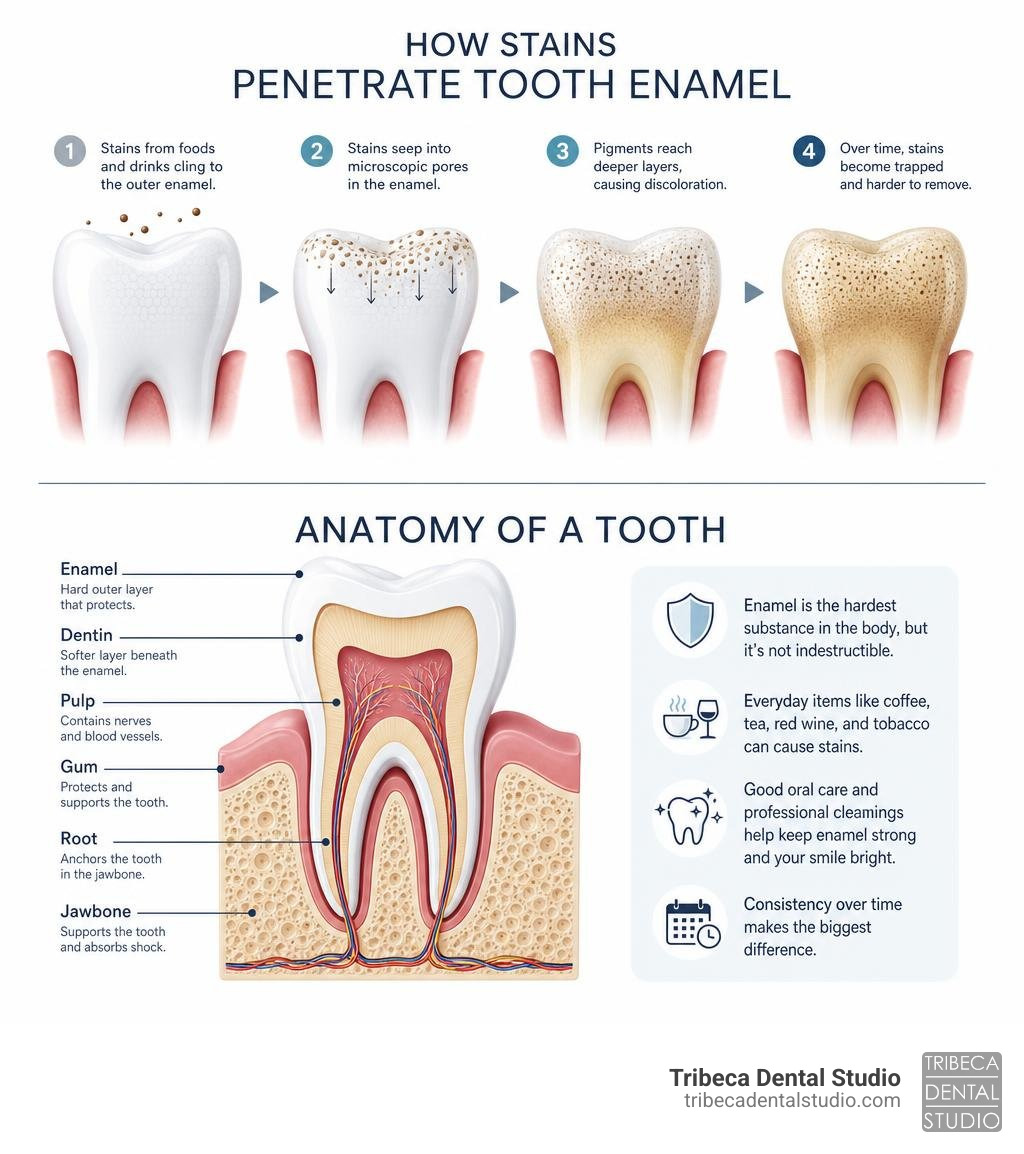
Easy perfect white teeth glossary:
The Science of Perfect White Teeth: Why Do Teeth Discolor?
To understand how to get perfect white teeth, we first need to understand why they lose their luster in the first place. Your teeth are not solid blocks of porcelain; they are complex living structures.
The outermost layer of your tooth is the enamel. Enamel is semi-translucent and is actually the hardest substance in the human body. Directly beneath the enamel lies dentin, a dense, bony tissue that is naturally yellow.
As we age, two major things happen:
- Enamel wear: Years of chewing, brushing, and exposure to acidic foods gradually wear down the outer enamel layer. As the enamel thins, more of the yellow dentin underneath shows through, making your teeth look yellow even if they are perfectly clean.
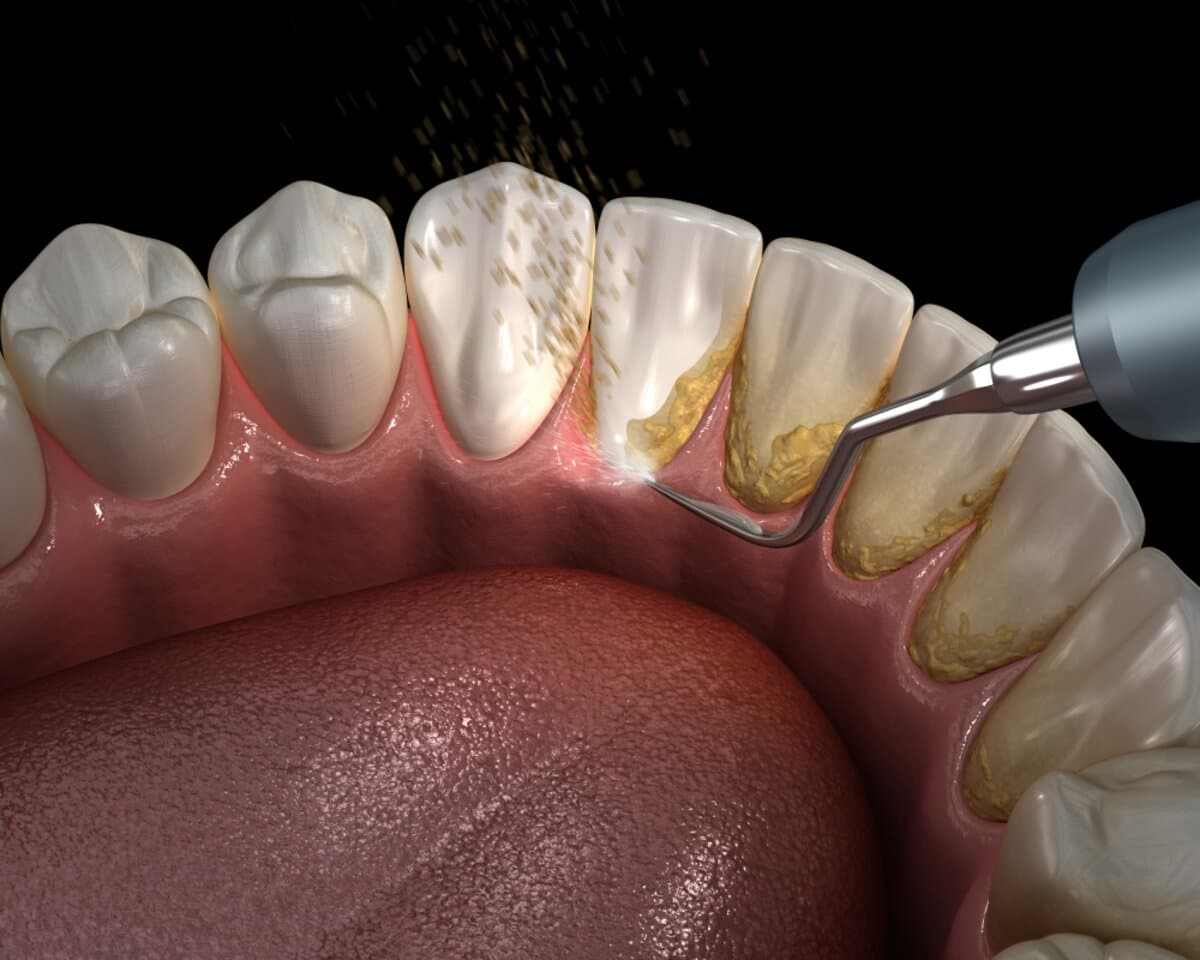
- Tartar buildup: Plaque that isn’t removed can harden into tartar (calculus). Tartar has a naturally porous, yellowish appearance and easily traps stains and harmful bacteria.
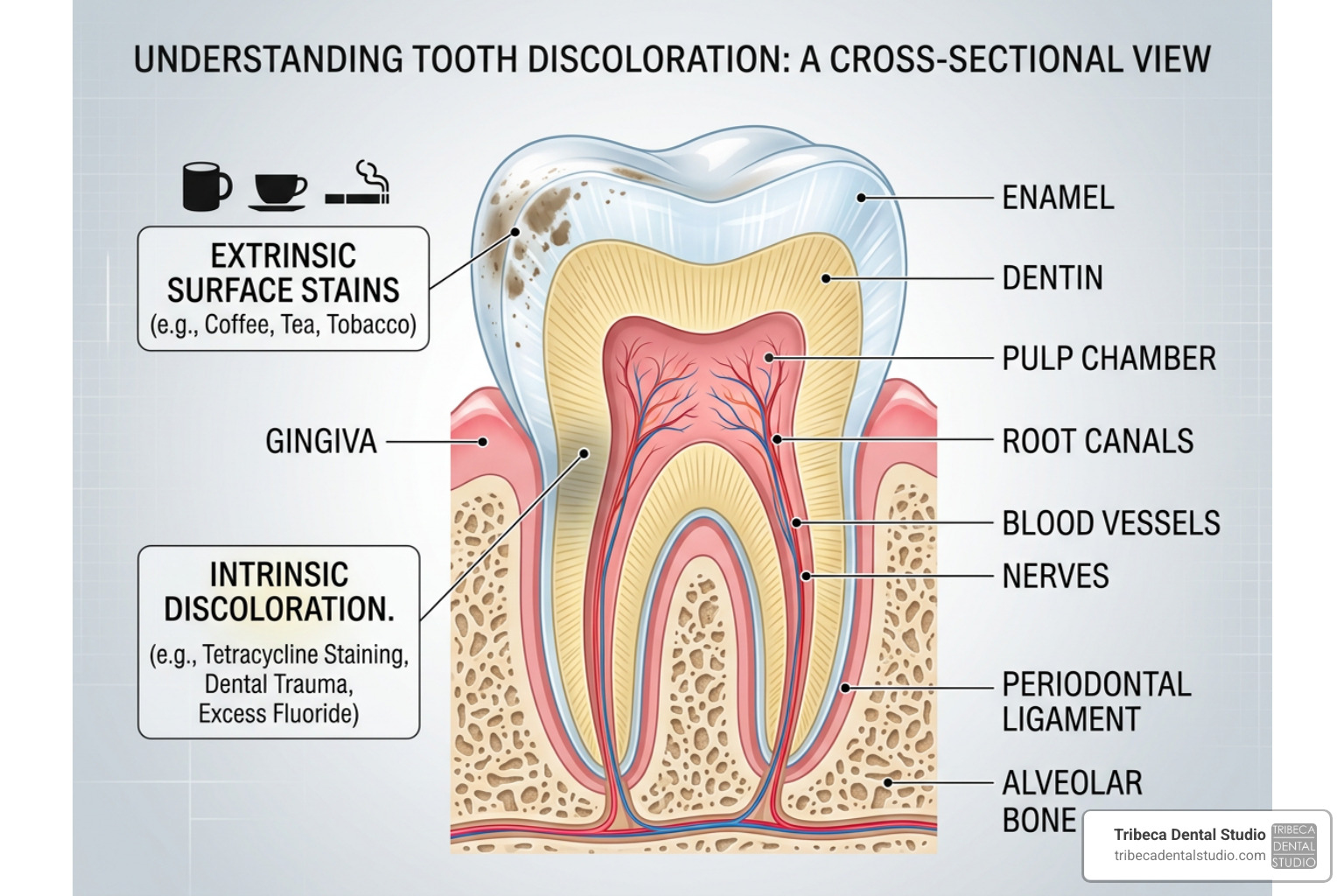
Extrinsic vs. Intrinsic Stains
When dealing with discoloration, dentists categorize stains into two main groups:
- Extrinsic Stains: These are surface stains that develop on the outer enamel layer. They are typically caused by lifestyle factors, such as smoking or consuming highly pigmented foods and beverages like coffee, black tea, red wine, dark berries, and curry. Because these stains live on the surface, they are relatively easy to target with daily hygiene, whitening toothpastes, and professional cleanings.
- Intrinsic Stains: These stains occur deep within the inner structure of the tooth (the dentin). Intrinsic discoloration can be caused by genetics, exposure to certain medications (such as tetracycline antibiotics) during tooth development, excessive fluoride intake during childhood, or internal dental trauma. Because these stains are locked deep inside the tooth, standard surface-level products won’t touch them.
To dive deeper into what actually works for different stain types, check out our guide on Teeth Whitening Myths Debunked: What Really Works for a Brighter Smile.
Are Perfect White Teeth Always Healthy Teeth?
We have all seen the advertisements: a blinding, fluorescent smile is marketed as the ultimate symbol of health and vitality. But as dental professionals, we must bust this myth. No, white teeth do not automatically mean healthy teeth.
As highlighted by Popular Science, tooth shade is heavily influenced by genetics, childhood health, and aging. A person can have naturally darker or slightly yellow teeth but possess incredibly strong enamel, healthy gums, and zero decay. Conversely, someone could have paper-white veneers or freshly bleached teeth while suffering from active interproximal cavities (decay between the teeth that remains invisible to the naked eye) or advanced gum disease.
Furthermore, tartar is highly porous. When people try to aggressively bleach over tartar buildup at home without getting a professional cleaning first, they end up trapping bacteria and irritating their gums. Our priority should always be health and function first, followed by safe cosmetic enhancements.
Natural and At-Home Whitening Methods
If you want to brighten your smile without jumping straight into a dental chair, you are not alone. Many people prefer starting with natural or over-the-counter (OTC) options. However, safety must always come first to prevent irreversible enamel erosion. For a comprehensive breakdown, take a look at our Natural Teeth Whitening Complete Guide.
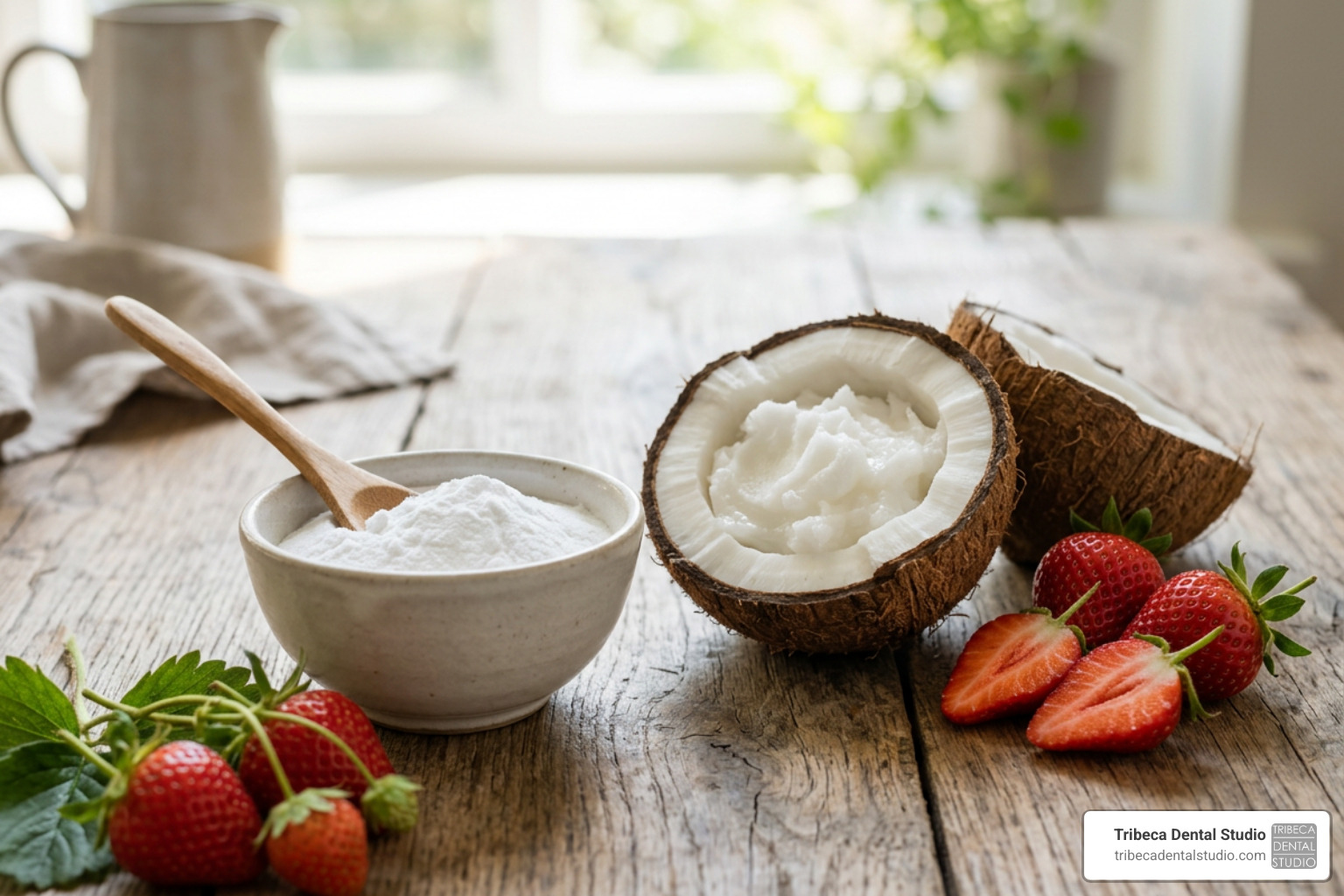
Safe DIY Remedies That Actually Work
If you are looking at home remedies, separate scientifically backed methods from internet myths that can ruin your teeth.
- Baking Soda and Hydrogen Peroxide: Baking soda (sodium bicarbonate) is a mild abrasive that gently scrubs away surface stains. It also creates an alkaline environment in your mouth, which prevents harmful bacteria from growing. When mixed with a highly diluted hydrogen peroxide solution (1.5% to 3%), it creates a safe, temporary whitening paste. You can mix 1 teaspoon of baking soda with 2 teaspoons of diluted hydrogen peroxide and brush gently a few times a week.
- Coconut Oil Pulling: This ancient practice involves swishing a tablespoon of organic coconut oil in your mouth for 15 to 20 minutes daily. Coconut oil is rich in lauric acid, which has proven antimicrobial properties that reduce plaque buildup and fight off Streptococcus mutans (the primary bacteria responsible for cavities and plaque). While it won’t bleach your teeth chemically, it keeps them clean and naturally bright. Just remember to spit the oil into a trash can or toilet to avoid clogging your sink plumbing!
- Fruit Peels: Some people swear by rubbing orange, lemon, or banana peels on their teeth for two minutes daily. While these peels contain natural compounds that can help lift minor surface stains, acidic fruits carry a risk. Excessive exposure to citric acid can weaken and dissolve your protective enamel. Always rinse your mouth thoroughly with water afterward.
- The Danger of Activated Charcoal: Activated charcoal has exploded in popularity, but we strongly advise against it. Charcoal is highly abrasive. While it might make your teeth look temporarily brighter by stripping away surface stains, it also strips away your precious enamel. Once that enamel is gone, it cannot grow back, leaving your yellow dentin exposed and making your teeth look permanently darker and highly sensitive.
Over-the-Counter Whitening Products
For those who want something more convenient than mixing DIY pastes, the retail market offers a massive variety of solutions.
- Whitening Toothpastes: Most whitening toothpastes rely on mild abrasives to polish surface stains. Some modern formulations, however, use chemical bleaching agents. For instance, a 2020 clinical trial confirmed that toothpastes containing higher concentrations of hydrogen peroxide were significantly more effective at whitening teeth over a 12-week period. Brands like Pearl Drops utilize professional-grade polishing agents like Perlite to smooth the enamel surface safely. If you are looking for the best daily options, read our guide on Dentist-Approved Dazzle: 5 Best Whitening Toothpastes for a Brighter Smile. You should limit highly abrasive whitening toothpastes to a couple of weeks at a time to prevent enamel wear.
- Whitening Strips: Standard OTC whitening strips, like those from SNOW, are coated with a thin layer of peroxide gel. They adhere to your front teeth and lift stains over a period of days or weeks. Some modern variations even dissolve completely on your teeth, utilizing ingredients like nano-hydroxyapatite to support and protect your enamel during the process.
- Prefilled Whitening Trays: If you want a step up from basic strips, prefilled trays like Opalescence Go offer a comfortable, semi-custom fit. These trays use the natural heat of your mouth to conform to your unique dental alignment, ensuring even distribution of their 10% hydrogen peroxide gel.
For a deeper dive into these consumer options, read The Ultimate Guide to At-Home Teeth Bleaching Products, Methods, and More.
Professional vs. At-Home Teeth Whitening
When deciding how to invest in your smile, it helps to compare the two primary pathways side-by-side.
| Feature | Over-the-Counter (At-Home) | Professional (In-Office) |
|---|---|---|
| Peroxide Concentration | Low (typically 0.1% to 10%) | High (typically 25% to 40%) |
| Treatment Speed | Gradual (2 to 4 weeks) | Rapid (often 1 hour) |
| Customization | One-size-fits-all strips/trays | Custom-molded trays and targeted barriers |
| Safety Monitoring | None (self-applied) | Supervised directly by a dentist |
| Effectiveness on Tough Stains | Minimal on deep or intrinsic stains | High (can even treat mild tetracycline stains) |
If you are looking for the absolute Most Effective Way to Whiten Teeth, professional, dentist-supervised care remains the gold standard.
Dentist-Supervised Treatments
In-office treatments are designed to deliver maximum results in minimum time, all while keeping your oral tissues completely safe.
- In-Office Bleaching (e.g., Zoom Whitening): This popular method utilizes a highly concentrated hydrogen peroxide gel that is carefully applied to your teeth. A specialized light or laser is then used to activate the gel, speeding up the chemical reaction that breaks down deep stains. This process can make your teeth up to six to eight shades whiter in just a single 60-minute session.
- Deep Conditioning Systems (e.g., KöR Whitening): For patients with incredibly stubborn discoloration or severe tooth sensitivity, we often recommend the KöR system. KöR uses a proprietary, continuously refrigerated gel that restores your teeth’s ability to absorb oxygen. This allows the whitening molecules to penetrate deeply into the microstructure of the tooth. The system combines precise in-office sessions with custom-fitted take-home trays worn overnight.
- Professional Custom Take-Home Trays: If you prefer the comfort of whitening at home but want professional-strength results, we can create custom-molded trays from physical or digital impressions of your teeth. Because these trays fit your teeth perfectly, they prevent the whitening gel from leaking out onto your sensitive gums, maximizing both comfort and safety.
To explore how we protect your comfort during these procedures, take a look at our resource on Get That Pro Glow: Safe Professional Whitening for Sensitive Teeth or read about our philosophy in Discover the Power of Professional Teeth Whitening at Tribeca Dental Studio.
Risks and Side Effects of Whitening
While teeth whitening is highly popular and generally very safe, it is still a chemical process that carries potential side effects:
- Tooth Sensitivity: The active peroxide temporarily opens up the microscopic pores (dentinal tubules) in your enamel to reach deeper stains. This can expose the nerves inside your teeth to temperature changes, causing temporary “zingers” or mild sensitivity.
- Gum Irritation: If whitening gel leaks out of ill-fitting OTC trays or strips, it can cause chemical burns and tissue irritation on your gums.
- Enamel Damage: Overusing bleaching products or using unregulated, highly acidic DIY whitening mixtures can wear down your enamel, leaving your teeth more vulnerable to decay and future staining.
Alternatives to Traditional Whitening: Dental Veneers
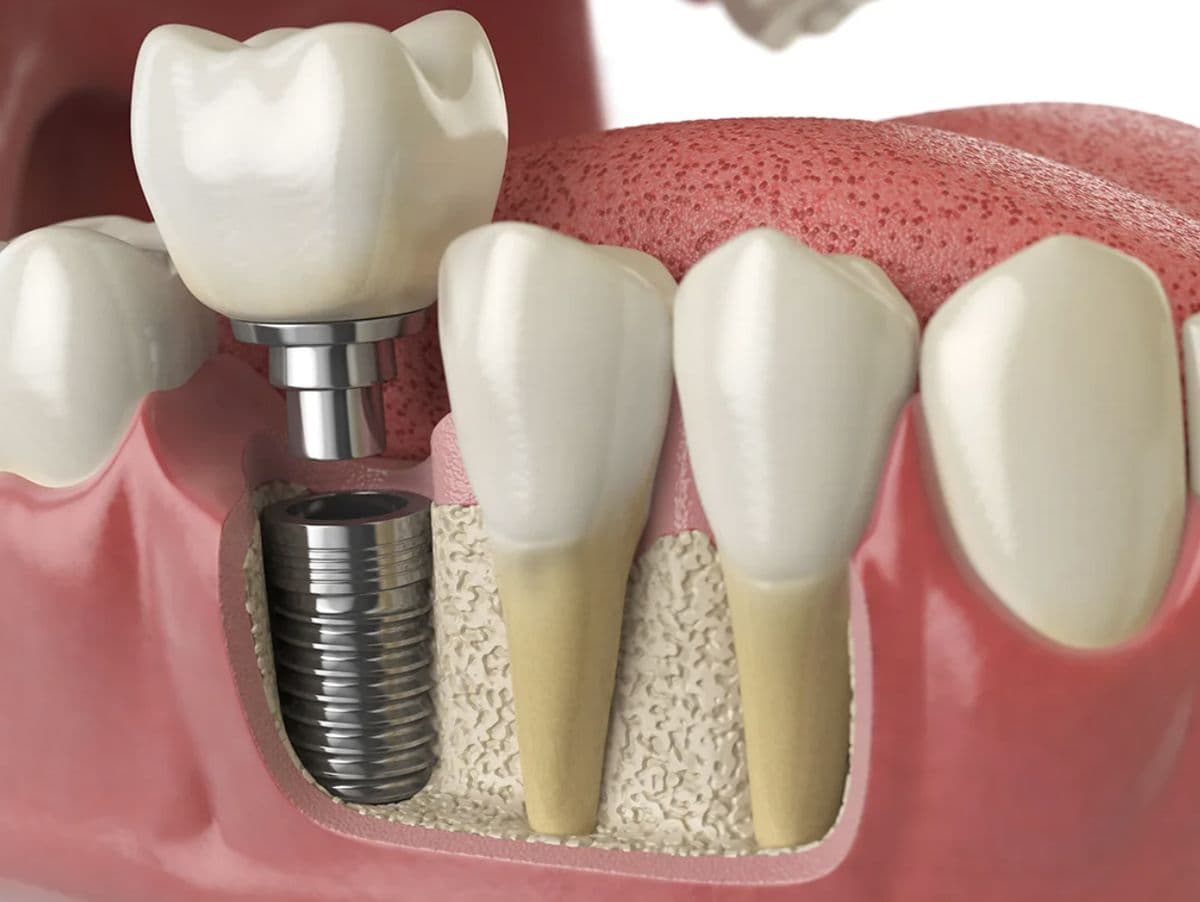
Traditional chemical whitening is highly effective, but it does have its limitations. It cannot change the color of existing crowns, composite fillings, or dental bridges. Furthermore, severe intrinsic staining — such as discoloration caused by childhood tetracycline use, trauma, or genetic conditions — often won’t budge even with professional-grade bleaching.
For patients facing these challenges, dental veneers offer a transformative alternative.
Porcelain Veneers: Pros and Cons
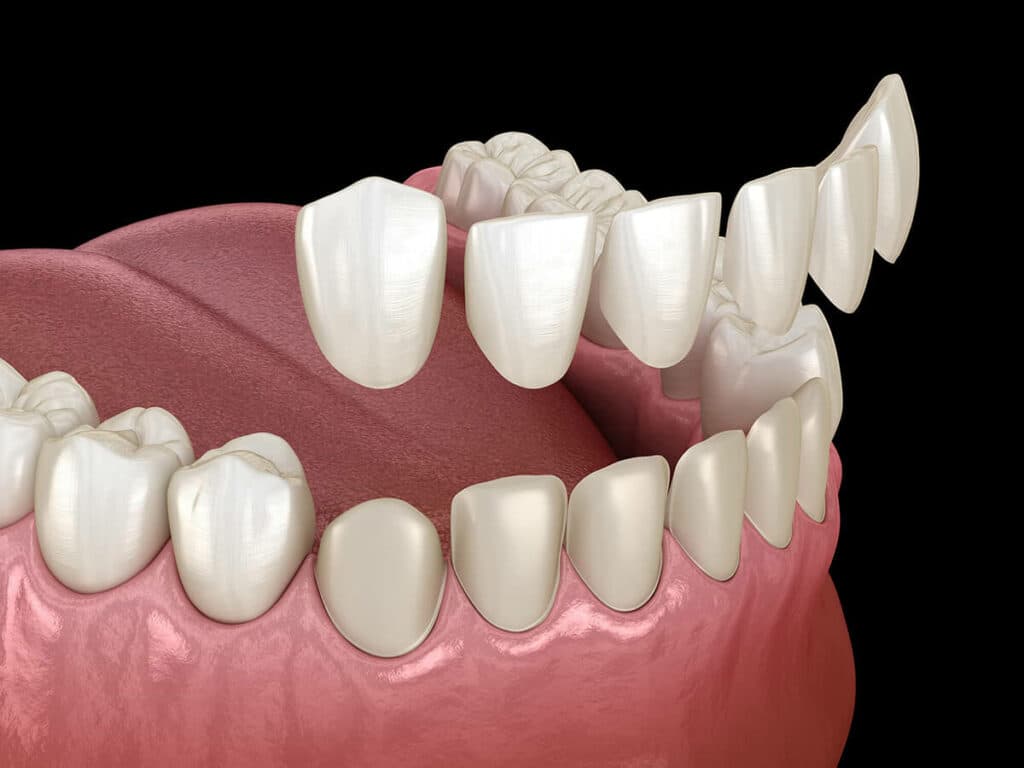
Porcelain veneers are ultra-thin, custom-crafted shells of biocompatible ceramic that are permanently bonded to the front surfaces of your teeth. They don’t just brighten your smile; they can completely redesign it. Learn more about your options in Your Dazzling Dozen: Top-Rated Teeth Whitening Solutions for 2026.
The Pros:
- Complete Aesthetic Control: Veneers can instantly correct severe discoloration, chips, minor gaps, unequal tooth lengths, and moderate misalignment.
- Stain Resistance: High-quality dental porcelain is highly glazed and entirely non-porous, meaning it is completely resistant to stains from coffee, tea, and red wine.
- Lifelike Translucency: Porcelain reflects light in the exact same way natural tooth enamel does, giving you a beautiful, seamless, and completely natural look.
- Exceptional Durability: With proper care and routine dental hygiene, porcelain veneers easily last 10 to 15 years (and often much longer) before needing replacement.
The Cons:
- Irreversible Process: To ensure the veneers sit flush and look natural, your dentist must remove a tiny fraction of your natural enamel. This means your teeth will always require some form of restoration moving forward.
- Upfront Cost: Veneers are a premium cosmetic investment and are generally not covered by dental insurance.
- No Changes After Bonding: Once veneers are fabricated and bonded, their color cannot be altered. If you want to whiten your surrounding natural teeth, you must do so before your veneers are placed so we can match the porcelain perfectly to your newly brightened smile.
Maintaining Your Bright Smile and Preventing Future Stains
Whether you have just completed an in-office Zoom session or finished a course of at-home whitening strips, maintaining your results requires daily mindfulness. Without proper care, stains will slowly find their way back.
To keep your smile glowing, try these practical strategies:
- The “Straw Rule”: Use a straw when drinking iced coffee, tea, or dark sodas to bypass your front teeth entirely.
- Rinse Immediately: If you can’t brush your teeth immediately after drinking red wine or coffee, swish your mouth thoroughly with plain water to rinse away the staining pigments.
- Avoid Acidic Brushing: Never brush your teeth immediately after consuming acidic foods or drinks (like citrus fruits or sports drinks). Acid temporarily softens your enamel, and brushing right away can scrub that protective layer clean off. Wait at least 60 minutes.
- Eat Crunchy Foods: Foods like apples, celery, carrots, and pears act as natural toothbrushes, scrubbing away plaque and food debris while stimulating saliva flow.
- Keep Up with Professional Cleanings: Visiting us every six months for a professional cleaning is essential. Our hygienists can remove hardened tartar that you simply cannot brush away at home, keeping your smile clean and bright.
Discover more maintenance tips in our guide to Effective Teeth Whitening.
Cultural Perceptions of Perfect White Teeth Around the Globe
It is fascinating to note how much the ideal of “perfect” teeth varies across the globe. While North Americans heavily favor the ultra-bright, perfectly symmetrical “Hollywood” look, other cultures view dental aesthetics through very different lenses.
- The European Aesthetic: In many European countries, a slightly softer, more natural shade of white is preferred. Overly bright, perfectly uniform teeth are often viewed as artificial or distracting.
- The Japanese “Yaeba” Trend: In Japan, a cosmetic trend known as yaeba (meaning “double tooth”) involves intentionally altering teeth to make the upper canines look slightly crooked or prominent. This look is widely celebrated as youthful, charming, and unique.
- Global Suspicion of the “American Smile”: In cultures such as Argentina, a smile that displays too many blindingly white teeth can sometimes be met with suspicion, occasionally being perceived as insincere or aggressive.
At Tribeca Dental Studio, we believe the best cosmetic dentistry honors your unique facial features, skin tone, and personal background. We often use the sclera test — matching the shade of your teeth to the whites of your eyes — to ensure your smile looks naturally radiant, rather than artificially flat.
Frequently Asked Questions about Teeth Whitening
How long do teeth whitening results typically last?
Generally, professional teeth whitening results last anywhere from six months to three years. The exact lifespan of your bright smile depends heavily on your lifestyle habits. If you smoke or frequently drink red wine, black tea, and espresso without rinsing, you will likely need minor touch-ups every six months. If you practice excellent oral hygiene and avoid staining foods, your results will last significantly longer.
Can you whiten crowns, veneers, or fillings?
No. Chemical whitening agents only work on natural tooth structure. They cannot alter the color of porcelain, composite resin, or dental acrylics. If you have visible crowns or fillings on your front teeth, whitening your natural teeth may create an uneven, mismatched look. We always recommend planning your whitening treatments before getting any permanent restorations placed so we can match your new dental work to your brightened smile.
Is professional teeth whitening safe for sensitive teeth?
Absolutely. If you have naturally sensitive teeth, professional whitening is actually much safer than experimenting with random OTC products. Under dentist supervision, we can use specialized, lower-concentration formulas, apply protective barriers to your gums, and use advanced desensitizing gels containing Amorphous Calcium Phosphate (ACP) to block sensitivity before it even starts.
Conclusion
Achieving a bright, confident smile is a highly personal journey. While the commercial market is flooded with quick-fix products promising instant perfect white teeth, the safest and most satisfying results always stem from a foundation of excellent oral health. Whether you are interested in gentle natural remedies, professional-strength in-office Zoom whitening, or the long-lasting transformation of porcelain veneers, we are here to guide you every step of the way.
At Tribeca Dental Studio, located in the heart of Lower Manhattan, our dedicated team — led by Dr. Nina Izhaky — provides a warm, welcoming, and highly personalized approach to cosmetic dentistry. We treat our patients like family, ensuring your treatment plan is custom-tailored to your unique goals, dental health, and lifestyle.
Ready to take the first step toward your dream smile? Read our comprehensive Best Teeth Whitening NYC: Tribeca Dental Studio Whitening Experts Guide or schedule a professional teeth whitening consultation today!