Emergency Dentist in NYC: What to Do When You Need Urgent Dental Care
September 16, 2025
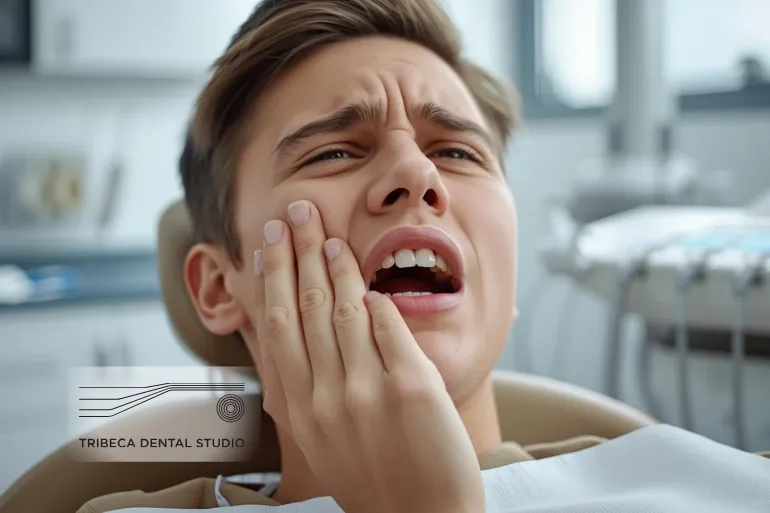
Dental problems rarely happen at a convenient time. A broken tooth, swelling, severe pain, a lost restoration, or dental trauma can make it difficult to know whether to wait for a routine appointment or seek urgent care.
The safest first step is to contact a dental office and describe what happened, when symptoms began, whether swelling or trauma is present, and whether the problem is getting worse. That information helps the office determine how quickly you should be evaluated.
Situations that often need prompt evaluation
Severe or escalating tooth pain, visible swelling, a broken tooth with sharp edges, trauma, uncontrolled bleeding, or a lost restoration with significant discomfort are common reasons people seek urgent dental care.
Symptoms involving difficulty breathing, swallowing, rapidly spreading swelling, or serious facial trauma require emergency medical evaluation rather than waiting for a routine dental visit.
What to tell the dental office
Be specific about the location of the problem, pain level, swelling, sensitivity, recent treatment, trauma, and medications you have taken. If a tooth broke, mention whether a piece is missing and whether the tooth is sharp or mobile.
Clear information can help the office reserve an appropriate appointment and prepare for imaging or treatment.
What you can do before the visit
Keep the area clean, avoid chewing on a damaged tooth, and follow reasonable pain-relief directions that are safe for you. Do not place aspirin directly on the gums or attempt to glue a broken restoration back into place with household products.
For a knocked-out permanent tooth or significant trauma, contact a dental professional immediately for case-specific instructions.
Why the first appointment may focus on diagnosis
Urgent care often begins with examination, imaging, and control of the immediate problem. Definitive treatment may be completed the same day in some cases or scheduled after the diagnosis is clear.
The priority is to identify the cause, reduce risk, and establish the next step.
Questions and practical points to bring to your visit
- Call early and describe symptoms clearly.
- Bring a medication list and relevant dental history.
- Avoid chewing on the affected side.
- Seek emergency medical care for breathing or swallowing difficulty or rapidly spreading facial swelling.
Related reading from Tribeca Dental Studio
- Urgent dental care NYC
- Emergency dentist in Manhattan
- Emergency broken tooth repair
- Tooth extractions & oral surgery
Next steps
The information above is intended to help you prepare better questions and understand the topic before an appointment. Individual recommendations depend on an examination, dental history, imaging when appropriate, and the specific condition of your teeth, gums, bite, and supporting structures.
For care in Tribeca and Lower Manhattan, explore the related service and educational pages above or contact Tribeca Dental Studio to discuss which type of evaluation fits your concern.