The Future is Here: Why Guided Implants Are a Game Changer
December 23, 2025
Why Understanding Guided Dental Implant Surgery Matters
Guided dental implant surgery is changing how we replace missing teeth. Instead of relying on a surgeon’s judgment alone, this advanced technique uses 3D imaging and custom-printed surgical guides to place implants with remarkable precision—often within 2mm of the planned position.
Key Benefits of Guided Implant Surgery:
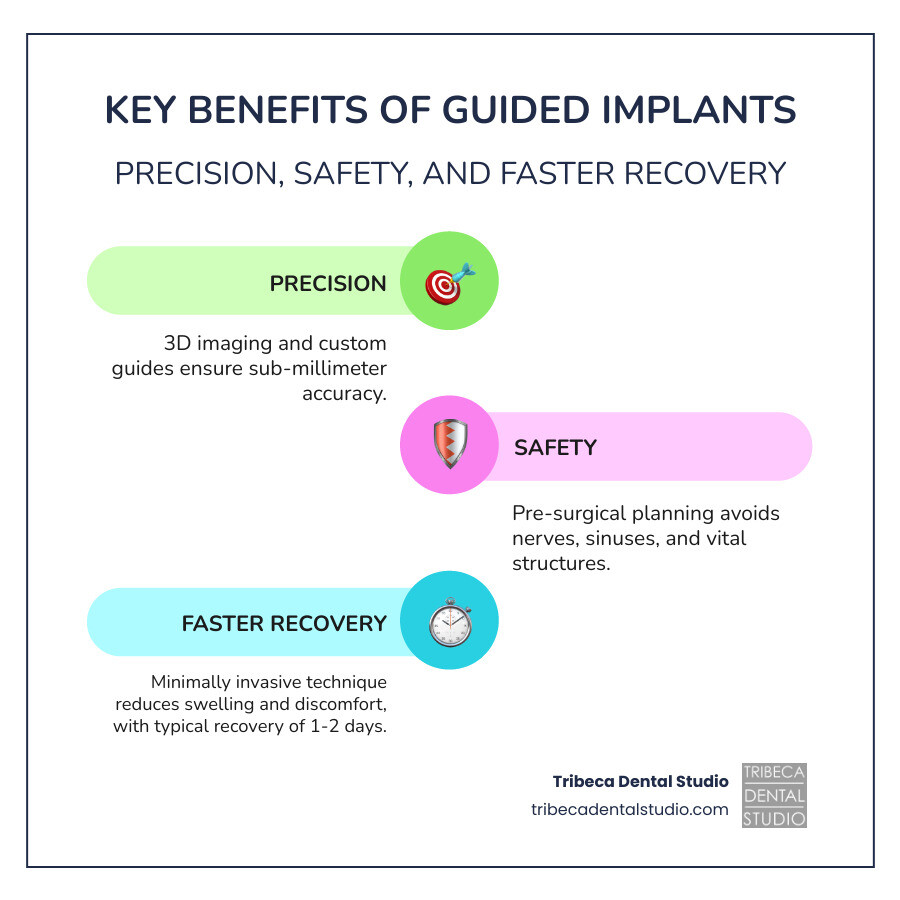
- Best Precision: Computer-planned placement ensures optimal positioning, angle, and depth
- Improved Safety: Avoids critical structures like nerves and sinuses with pre-surgical mapping
- Minimally Invasive: Smaller incisions mean less pain, swelling, and bleeding
- Faster Recovery: Most patients recover in just 1-2 days vs. longer healing with traditional methods
- Higher Success Rates: Studies show implant survival rates of 96-100%, with early failure rates as low as 1.60%
If you’ve been told you need dental implants, you might be wondering why this matters. Traditional “freehand” surgery works—it has for decades. But guided surgery represents a leap forward in predictability and patient comfort. It’s like the difference between drawing a straight line freehand versus using a ruler.
The technology combines CBCT scans, digital treatment planning software, and 3D-printed surgical guides to create a precise roadmap for your procedure. Think of it as GPS for dental implants—guiding every step with accuracy that’s simply impossible to achieve manually.
I’m Dr. Nina Izhaky, and at Tribeca Dental Studio, I’ve acceptd digital dentistry and guided dental implant surgery to provide my patients with the most precise, comfortable treatment possible. My commitment to staying at the forefront of dental technology means you benefit from proven innovations that make your experience better and your results more predictable.
Guided vs. Traditional Implants: The Precision Revolution
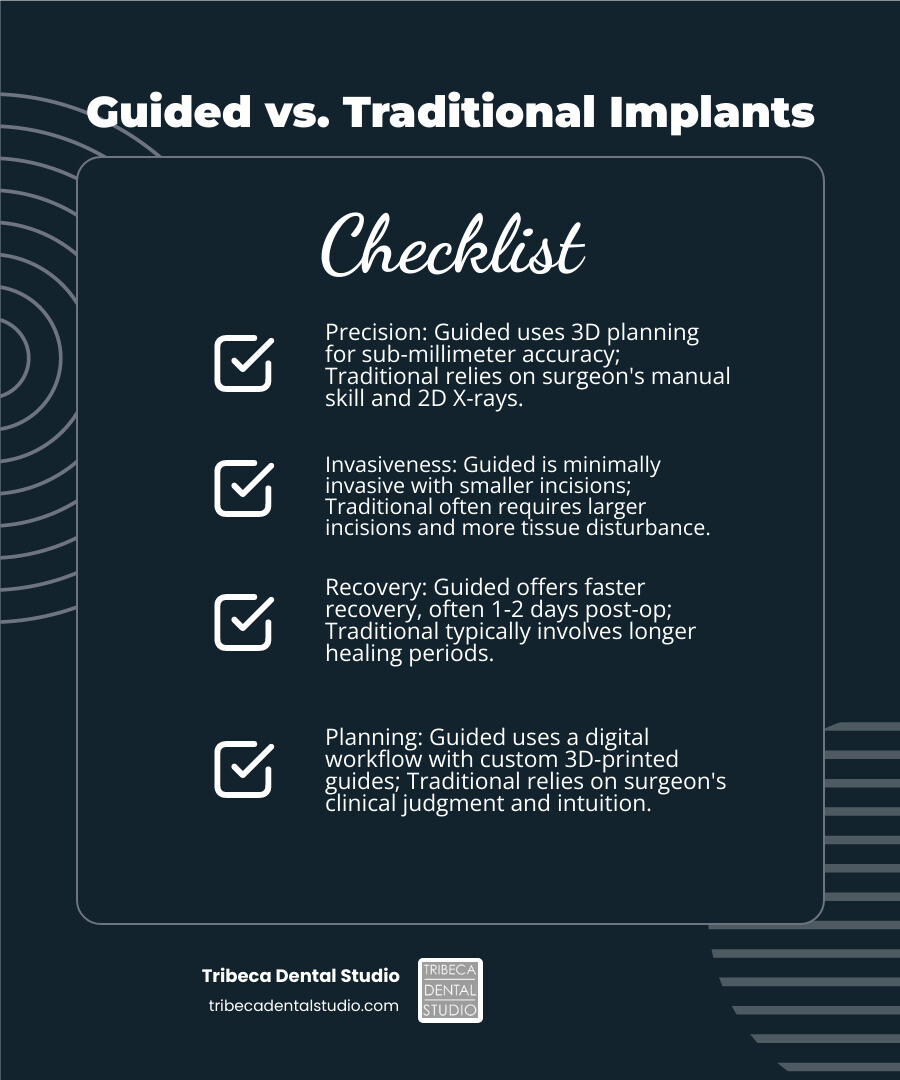
When it comes to dental implant placement, the method chosen profoundly impacts the outcome. For years, traditional implant surgery was the standard, relying heavily on the surgeon’s skill and experience. While effective, advancements in digital dentistry have introduced guided dental implant surgery, a method that lifts precision and predictability to a whole new level. It’s truly a precision revolution in our field.
The digital workflow inherent in guided surgery allows us to plan every detail of your implant placement before we even begin. This contrasts sharply with the more spontaneous nature of freehand placement. The result is a surgical guide that acts as a blueprint, ensuring your implant is placed exactly where it needs to be for optimal health and aesthetic results.
Let’s look at how these two approaches stack up:
What is Traditional “Freehand” Implant Surgery?
Traditional or “freehand” implant surgery has been the go-to method for decades. In this approach, the dental surgeon uses their clinical judgment, visual assessment, and 2D X-rays (like panoramic radiographs) to determine the best location, angle, and depth for implant placement. While an experienced surgeon can achieve excellent results, this method inherently relies on manual placement and intuition during the procedure.
The process often involves larger incisions to expose the jawbone fully, allowing the surgeon to see and feel the bone structure. This can lead to more tissue disturbance, increased post-operative swelling and discomfort, and a longer recovery period. Without a rigid guide, there’s a potential for human error, even if slight, in implant positioning. This doesn’t mean traditional surgery is bad, but it does mean it lacks the digital certainty that guided dental implant surgery offers. It’s like navigating a new city with only a paper map and your instincts, rather than a GPS.
What is Guided Dental Implant Surgery?
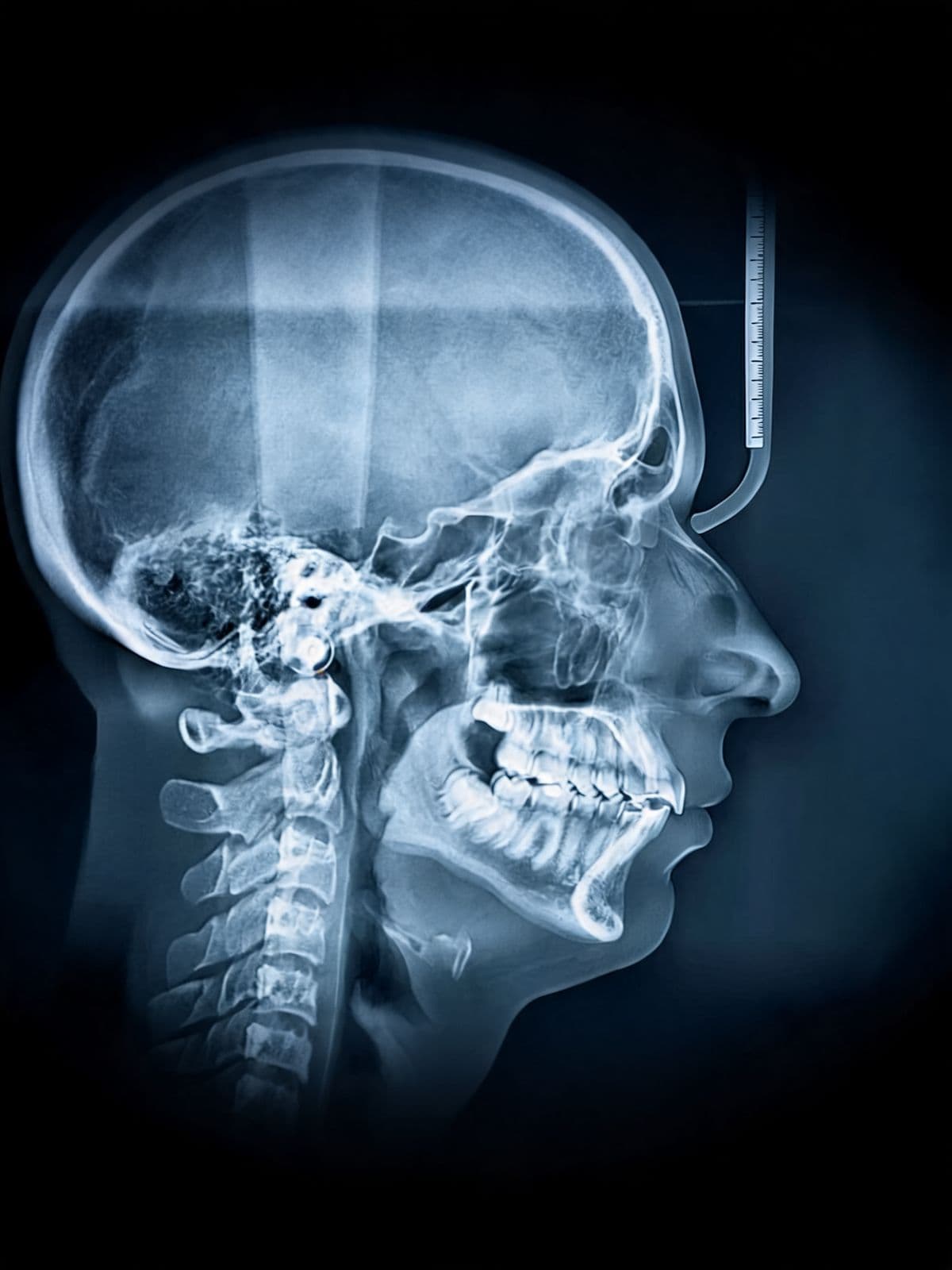
Guided dental implant surgery is the modern evolution of implant placement. It’s a sophisticated technique that leverages cutting-edge technology to achieve unparalleled accuracy. The journey begins with comprehensive 3D imaging, typically using Cone Beam Computed Tomography (CBCT) scans. These scans provide us with a detailed, three-dimensional view of your jawbone, teeth, nerves, and sinuses.
This 3D data is then fed into specialized digital planning software. Here, we can virtually place your dental implants on a computer screen, selecting the ideal position, angle, and depth down to a fraction of a millimeter. We can carefully plan to avoid critical anatomical structures like nerves and sinuses, ensuring maximum safety.
Once the virtual surgery is complete, a custom 3D-printed guide is fabricated. This surgical guide fits precisely over your existing teeth or gums, acting as a template during the actual procedure. It has pre-drilled holes that dictate the exact trajectory, depth, and angulation for the implant drill, removing any guesswork from the surgical process. This makes the procedure minimally invasive, often requiring only a small incision or no incision at all (flapless surgery). At Tribeca Dental Studio, we pride ourselves on utilizing more info about our leading-edge technology to bring you these advanced treatment options.
The Guided Implant Process: From Digital Plan to Perfect Smile
The journey to a restored smile with guided dental implant surgery is a meticulous process, but one that is streamlined and highly predictable thanks to advanced digital technologies. It’s a true collaboration between detailed planning and precise execution, ensuring your new implants are perfectly integrated.
Step 1: Advanced 3D Imaging and Planning
The foundation of any successful guided dental implant surgery is comprehensive planning. This starts with gathering precise diagnostic information about your oral anatomy. We begin with a Cone Beam Computed Tomography (CBCT) scan, which provides a highly detailed, three-dimensional model of your jawbone, including bone density, nerve pathways, and the exact location of your sinuses. This is crucial for assessing the quantity and quality of bone available for implant placement. For patients with insufficient bone, we can also discuss options like more info about bone grafting to prepare the site.
In addition to the CBCT scan, we use an intraoral scanner to create digital impressions of your teeth and gums. This eliminates the need for messy traditional molds, offering a much more comfortable experience. These digital impressions provide a highly accurate 3D model of your oral cavity, which is then merged with the CBCT data in specialized planning software. This combined 3D model allows us to perform “virtual surgery,” where we precisely determine the optimal implant size, position, and angulation, taking into account both anatomical safety and the final prosthetic outcome.
Step 2: Creating the Custom Surgical Guide
Once we’ve carefully planned the ideal implant placement in the digital field, the next step is to translate that plan into physical reality. This is where the custom surgical guide comes in. Using the specialized software, we design a 3D-printed guide that acts as a precise template for your surgery. This guide is crafted to fit snugly over your existing teeth or gum tissue, ensuring stability during the procedure.
The surgical guide contains sleeves or channels that dictate the exact drilling path, angle, and depth for each implant. This means that during the actual surgery, we simply follow the guide, eliminating any potential for deviation from the pre-approved plan. It takes the guesswork out of the equation, ensuring that the implant is placed in the optimal position for long-term success and proper chewing function. This fusion of digital design and physical precision is truly remarkable. To see this technology in action, you can watch a video on Digitally Guided Implant Placement.
Step 3: The Minimally Invasive Placement Procedure
With the custom surgical guide prepared, we are ready for the placement procedure. One of the most significant advantages of guided dental implant surgery is its minimally invasive nature. In many cases, we can perform “flapless surgery,” which means we don’t need to make a large incision to expose the bone. Instead, a small, circular incision is made precisely where the implant will be placed, guided by the surgical template.
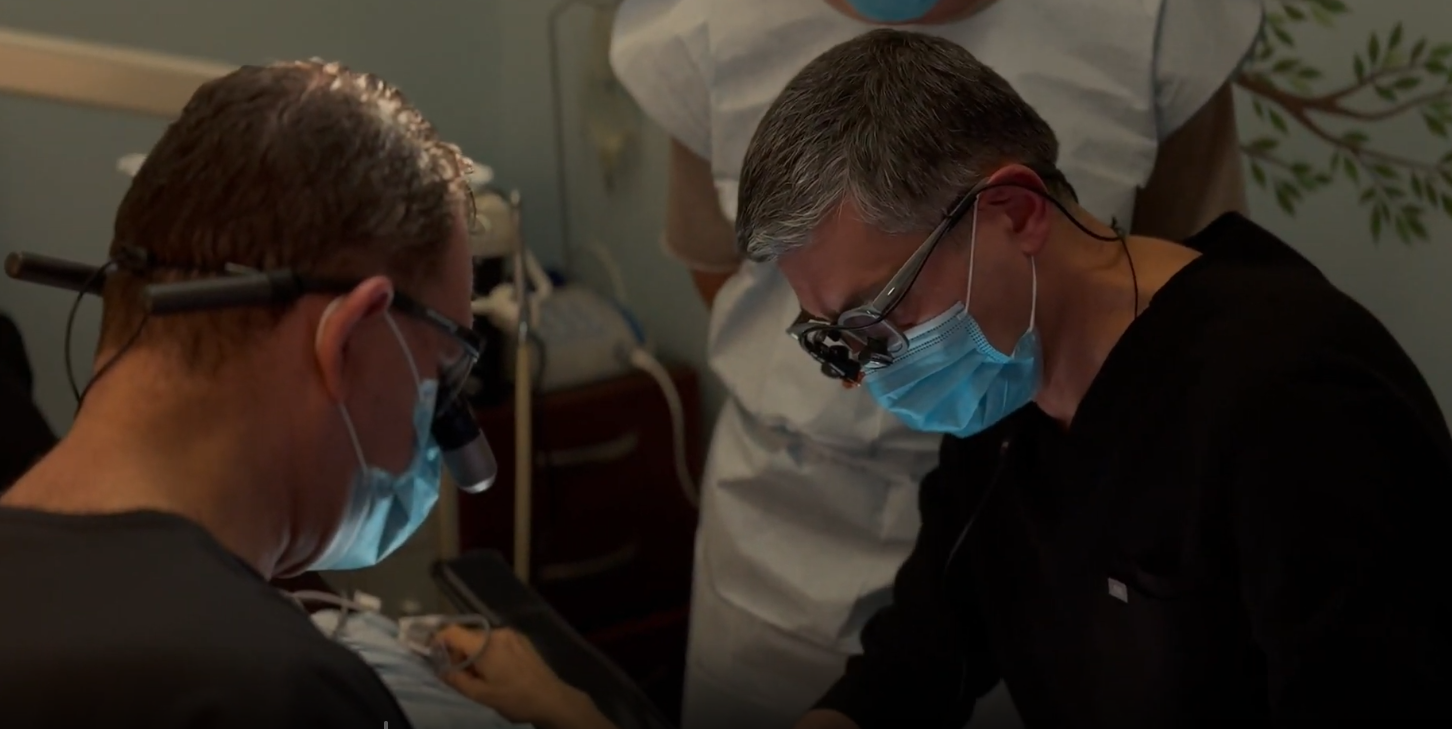
During the procedure, you’ll receive local anesthesia to ensure you’re completely comfortable and pain-free. The surgical guide is then positioned, and the implant site is prepared using specialized drills that fit through the guide’s channels. This ensures the implant is inserted at the exact depth and angle determined during the planning phase. The implant itself is then gently placed into the prepared site.
This guide-assisted drilling significantly reduces surgery time and minimizes trauma to the surrounding tissues. Because there’s less cutting and suturing involved, you can expect less post-operative swelling, discomfort, and a much faster healing period. This advanced approach to more info about oral surgery truly improves the patient experience.
The Best Benefits of Guided Dental Implant Surgery
The adoption of guided dental implant surgery isn’t just about using fancy new gadgets; it’s about delivering superior outcomes and a significantly improved patient experience. The benefits extend far beyond the operating chair, impacting your comfort, recovery, and the long-term success of your new smile.
Improved Precision and Safety
Precision is the cornerstone of guided dental implant surgery. By combining high-resolution CBCT scans with advanced planning software, we can achieve sub-millimeter accuracy in implant placement. This level of precision means we can precisely position the implant to optimize its integration with your bone and ensure it supports your final restoration perfectly. Studies show that guided implantology systems achieve an average error of only 0.5 mm in the vertical direction and 1.2 mm in the horizontal direction, which is nearly impossible to match freehand.
More importantly, this precision dramatically improves safety. During the planning phase, we map out the exact locations of critical anatomical structures, such as nerves, blood vessels, and sinus cavities. The surgical guide then ensures that the drills and implants stay well clear of these sensitive areas, virtually eliminating the risk of nerve damage or accidental sinus perforation. This meticulous planning leads to an optimal prosthetic outcome, where your new tooth or teeth are not only stable but also look and feel completely natural. You can dig deeper into the science behind these outcomes in this scientific review of guided surgery outcomes.
Improved Patient Experience and Faster Recovery
One of the most appreciated benefits for our patients at Tribeca Dental Studio is the significantly improved experience and faster recovery associated with guided dental implant surgery. Because the procedure is so precisely planned and executed, it’s typically much less invasive than traditional methods. Often, we can perform flapless surgery, meaning no large incisions or extensive suturing are needed. This minimal tissue disturbance translates directly into:
- Minimal swelling and discomfort: Less trauma means less post-operative pain and swelling.
- Fewer stitches (or none at all): Flapless surgery eliminates the need for sutures, reducing irritation and simplifying post-op care.
- Shorter procedure time: With a clear roadmap, the actual implant placement can be remarkably efficient, sometimes taking as little as 15-20 minutes per implant.
- Faster recovery: Most patients report a typical recovery time of just 1-2 days, allowing them to return to their normal routines much sooner. This focus on minimizing discomfort is central to our philosophy of more info about pain-free dentistry.
Long-Term Success and Durability
The goal of any dental implant procedure is long-term success and durability. Guided dental implant surgery contributes significantly to this by ensuring optimal implant position. When an implant is placed in the best possible bone quality and at the correct angle, it allows for better load distribution when you bite and chew. This even distribution of forces is crucial for the long-term health of the implant and the surrounding bone.
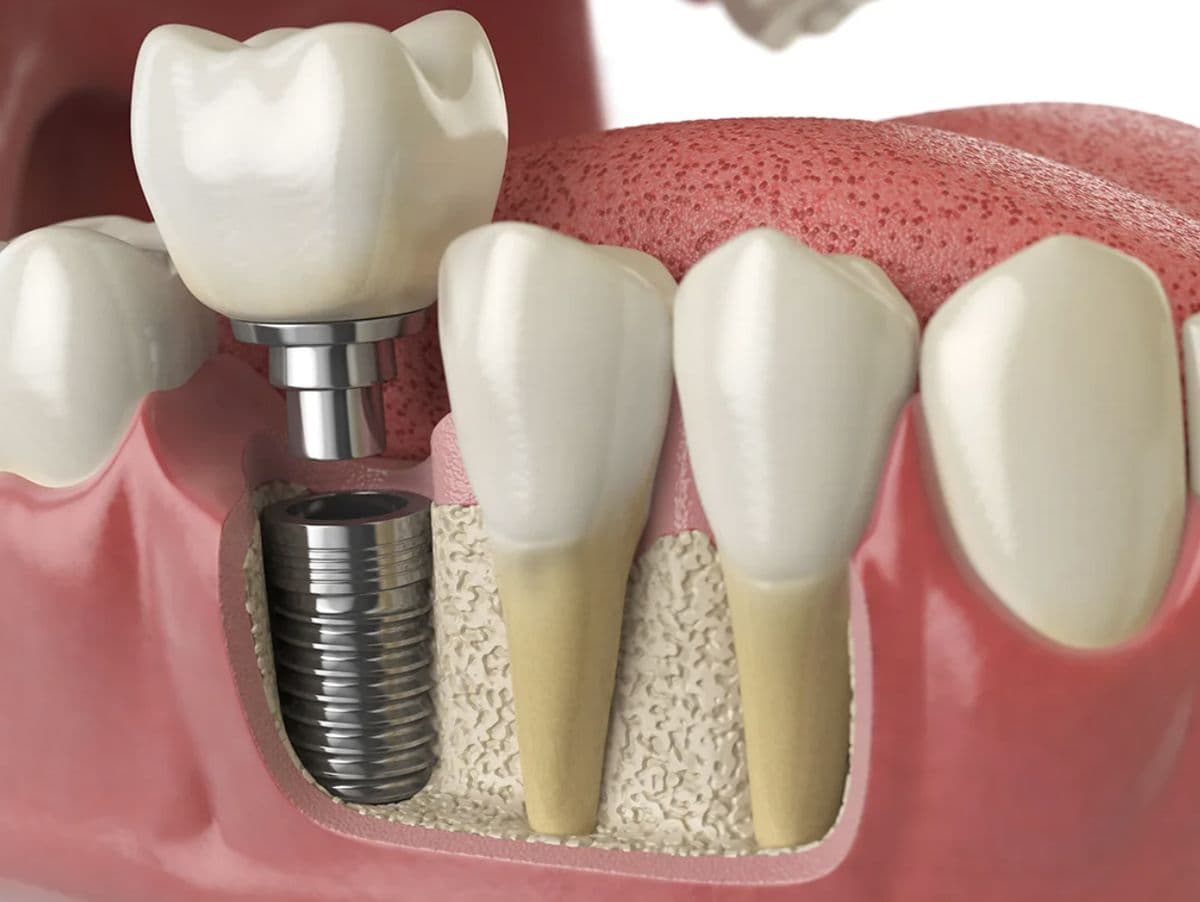
Dental implants generally boast an amazing success rate of over 95%. For guided dental implant surgery specifically, research shows exceptionally high implant survival rates, ranging from 96.3% to a maximum of 100%. The early failure rate at the implant level is remarkably low, at just 1.60%. This high degree of predictability and success directly promotes osseointegration—the vital process where the implant fuses directly with your jawbone. This strong, biological bond is what makes dental implants feel so secure and function like natural teeth, ensuring they are a durable, long-lasting solution for tooth replacement. To explore the full range of options, visit our page on more info about our dental implants.
Is Guided Surgery for You? Candidacy, Cost, and Risks
Deciding on any medical procedure involves careful consideration of various factors, and guided dental implant surgery is no exception. While it offers numerous advantages, it’s important to understand who makes an ideal candidate, the potential risks involved, and the financial investment required. Our goal is always to help you make an informed decision that’s best for your oral health and overall well-being.
Who is an Ideal Candidate for Guided Dental Implant Surgery?
Most patients considering dental implants can benefit from guided dental implant surgery. However, certain characteristics make someone an especially ideal candidate:
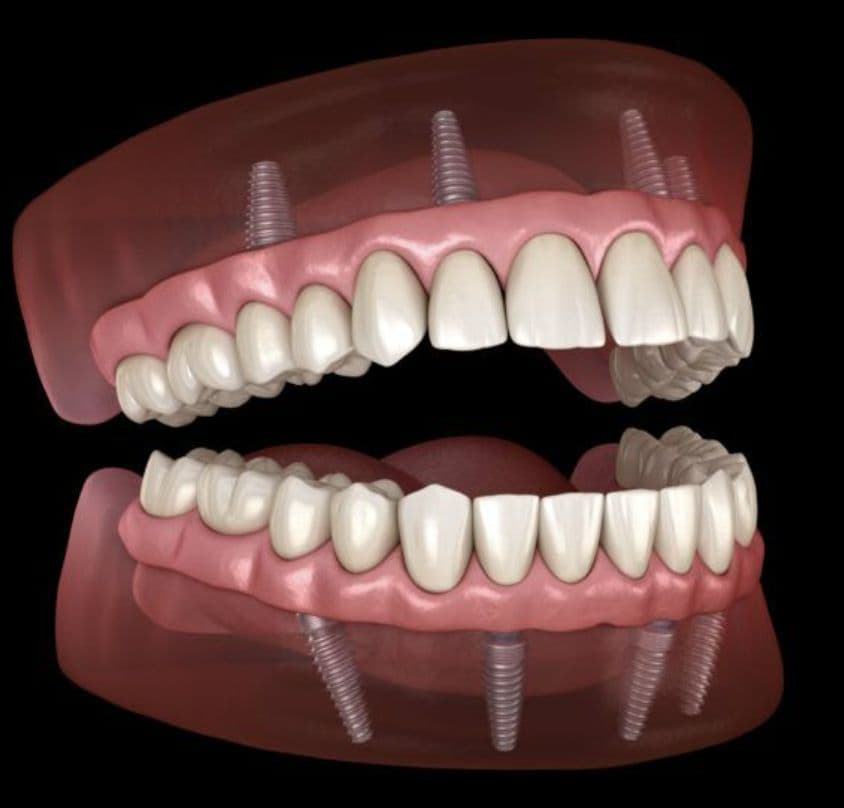
- Missing one or more teeth: Whether it’s a single tooth, multiple teeth, or a full arch, guided surgery can precisely plan for optimal replacement.
- Sufficient jawbone density: While guided surgery can sometimes reduce the need for extensive bone grafting by finding optimal bone, having adequate bone volume is still essential for implant stability. We can accurately assess this with CBCT scans.
- Good overall health: General good health, free from uncontrolled systemic diseases that might impair healing, is important for any surgical procedure.
- Non-smokers: Smoking can significantly impact implant success rates and healing. While not an absolute contraindication, non-smokers generally have better outcomes.
- Patients with dental anxiety: The predictability, minimal invasiveness, and shorter procedure time of guided surgery can greatly reduce anxiety for those who are nervous about dental treatments.
A thorough consultation with our team will determine if guided dental implant surgery is the right path for your unique needs. We believe that age is often just a number when it comes to restoring your smile; many seniors are excellent candidates for this procedure.
Understanding Potential Risks
While guided dental implant surgery significantly reduces many risks associated with traditional implant placement, no surgical procedure is entirely without them. It’s important to be aware of potential, albeit rare, complications:
- Surgical guide fit issues: In rare cases, the guide might not fit perfectly, which could necessitate adjustments or a switch to a modified approach.
- Limited mouth opening: For patients with very limited mouth opening, using certain guided systems or instruments might be challenging, though our team can assess this during planning.
- Infection: As with any surgery, there’s a small risk of infection, which can usually be managed with antibiotics.
- Nerve damage: While guided dental implant surgery drastically reduces this risk by precisely mapping nerve pathways, it’s still a theoretical possibility, particularly in very complex cases.
- Implant failure: Though rare (early failure rate at implant level is 1.60%), an implant might not integrate with the bone. This can be due to various factors and might require removal and re-placement.
The success of your implant also depends on several key factors:
- Patient health: Overall systemic health and healing capacity.
- Oral hygiene: Diligent post-operative care and long-term oral hygiene are paramount.
- Surgeon experience: The skill and experience of the dental team in both planning and executing the guided procedure.
Cost Comparison: An Investment in Excellence
It’s natural to wonder about the cost of advanced procedures. Generally, guided dental implant surgery tends to have a higher initial cost compared to traditional freehand methods. This difference, typically ranging from an additional $500 to $1500 per implant, stems from the investment in sophisticated technology and additional lab fees required for:
- High-resolution CBCT scans
- Advanced 3D planning software
- The custom fabrication of the surgical guide
However, it’s crucial to view this as an investment in excellence and predictability. The benefits often translate into long-term savings and value:
- Fewer follow-up visits: The precision of guided surgery often leads to smoother healing and fewer complications, potentially reducing the need for unscheduled follow-up appointments.
- Reduced risk of costly complications: By minimizing risks like nerve damage or implant malposition, guided surgery can prevent expensive corrective procedures down the line.
- Long-term durability: Optimal placement contributes to the longevity of the implant, meaning your investment lasts longer.
When considering the overall value—including peace of mind, comfort, and predictable results—many patients find the initial investment in guided dental implant surgery to be well worth it.
Frequently Asked Questions about Guided Implants
We understand you might have more questions about this innovative procedure. Here are some of the most common ones we hear at Tribeca Dental Studio:
How long does the guided implant procedure take?
The actual surgical placement of each implant in guided dental implant surgery is remarkably efficient. Thanks to the meticulous pre-planning and the precision of the surgical guide, the drilling and implant insertion can often take as little as 15-20 minutes per implant. Of course, the entire appointment will be longer, as it includes preparation, anesthesia, and post-operative instructions, but the active surgical time is significantly reduced compared to traditional methods.
Does guided implant surgery hurt?
We prioritize your comfort above all else. During the procedure, we use local anesthesia to ensure you won’t feel any pain. Because guided dental implant surgery is minimally invasive—often involving smaller incisions or even flapless techniques—post-operative discomfort is significantly less than with traditional, more invasive methods. Many of our patients report only mild soreness that can be easily managed with over-the-counter pain relievers, and a quick recovery.
What is the success rate of guided implant surgery?
The success rates for guided dental implant surgery are exceptionally high, making it one of the most reliable options for tooth replacement. Dental implants generally boast an amazing success rate of over 95%. Specifically for guided implant procedures, studies have shown implant survival rates ranging from an impressive 96.3% to a maximum of 100%. The early failure rate at the implant level is also very low, around 1.60%. This high predictability is a testament to the precision and safety offered by this advanced technique.
Conclusion: Experience the Future of Dental Implants
At Tribeca Dental Studio, we believe in combining the most advanced dental technologies with a deeply personalized, patient-first approach. Guided dental implant surgery embodies this philosophy perfectly, offering a game-changing solution for tooth replacement that prioritizes your comfort, safety, and long-term oral health.
This innovative approach delivers unparalleled precision, allowing us to place your implants with sub-millimeter accuracy while safeguarding vital anatomical structures. The result is a less invasive procedure, minimal post-operative discomfort, and a significantly faster recovery, often allowing you to get back to your routine in just a day or two. With high success rates and optimal placement for durability, guided implants are truly an investment in a predictable, long-lasting, and beautiful smile.
We are committed to treating you like family, guiding you through every step of your dental journey with care and expertise. When you choose Tribeca Dental Studio for your dental implant needs, you’re choosing a team dedicated to outstanding outcomes and a positive experience. We’re excited to help you experience the future of dental care.
Ready to learn how guided dental implant surgery can transform your smile? Schedule your consultation for dental implants in New York with us today. We look forward to welcoming you!