Budgeting for a Brilliant Bite: Single Tooth Implant Costs Explained
February 11, 2026
Understanding the True Cost of Replacing a Missing Tooth
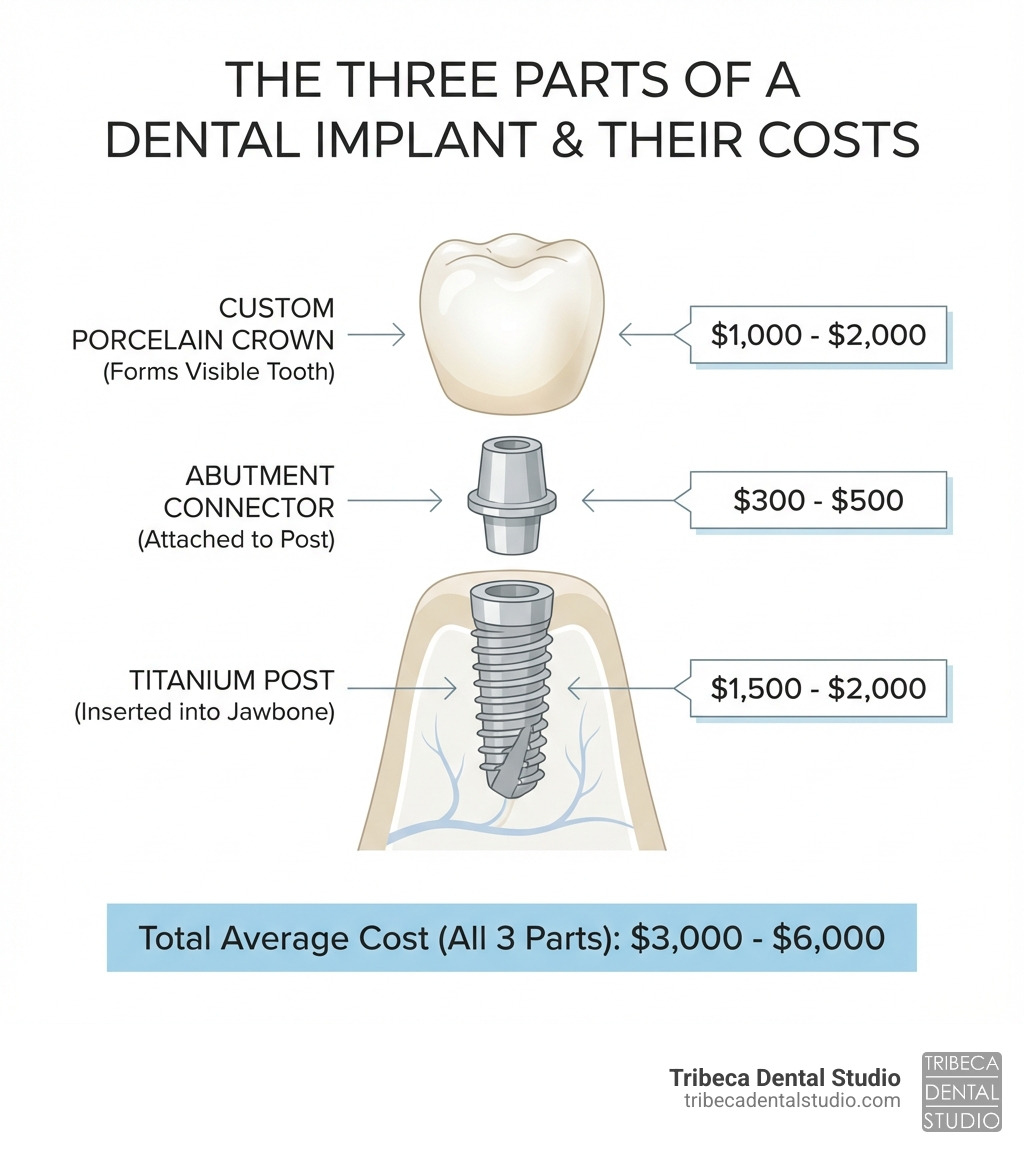
How much 1 tooth implant cost is a question that weighs on the minds of millions of Americans facing tooth loss. The straightforward answer: a complete single tooth implant typically ranges from $3,000 to $6,000 in total cost, though this can vary based on your specific needs and location.
Here’s what you need to know at a glance:
- Implant post (titanium screw): $1,500 – $2,000
- Abutment (connector piece): $300 – $500
- Crown (visible tooth): $1,000 – $2,000
- Additional procedures (if needed): $500 – $3,000+
Total average cost: $3,000 – $6,000 per tooth
Whether you’ve lost a tooth due to decay, injury, or another dental issue, you’re not alone. According to the American Academy of Implant Dentistry, 3 million people in the United States have dental implants, and that number grows by 500,000 annually. A missing tooth isn’t just about appearance—it can affect your ability to eat comfortably, speak clearly, and maintain jawbone health over time.
Dental implants offer a permanent solution that looks, feels, and functions like your natural teeth. Unlike bridges or dentures that require replacement every few years, implants can last 15 to 20 years or even a lifetime with proper care. This makes them a true long-term investment in your oral health and quality of life.
Understanding how much 1 tooth implant cost involves looking beyond the initial price tag. The total expense includes multiple components and potential preparatory procedures, all of which we’ll break down in this guide. From the titanium post that replaces your tooth root to the custom crown that restores your smile, each element plays a crucial role in the final cost and outcome.
I’m Dr. Nina Izhaky, and through years of placing dental implants at Tribeca Dental Studio, I’ve helped countless patients steer the financial and clinical aspects of understanding how much 1 tooth implant cost while achieving beautiful, lasting results. My goal is to provide transparent, personalized care that makes this investment accessible and worthwhile.
Breaking Down the Bill: What’s Included in a Single Implant Cost?
When we discuss how much 1 tooth implant cost, it’s crucial to understand that we’re talking about a comprehensive package, not just a single item. The total cost, which we’ve established can range from $3,000 to $6,000 from beginning to end, encompasses several distinct components and services. Think of it like building a house – there are foundations, framing, and finishing touches, all contributing to the final structure. A single dental implant is much the same, with each part playing a vital role in restoring your smile.
Core Components of the Implant Price
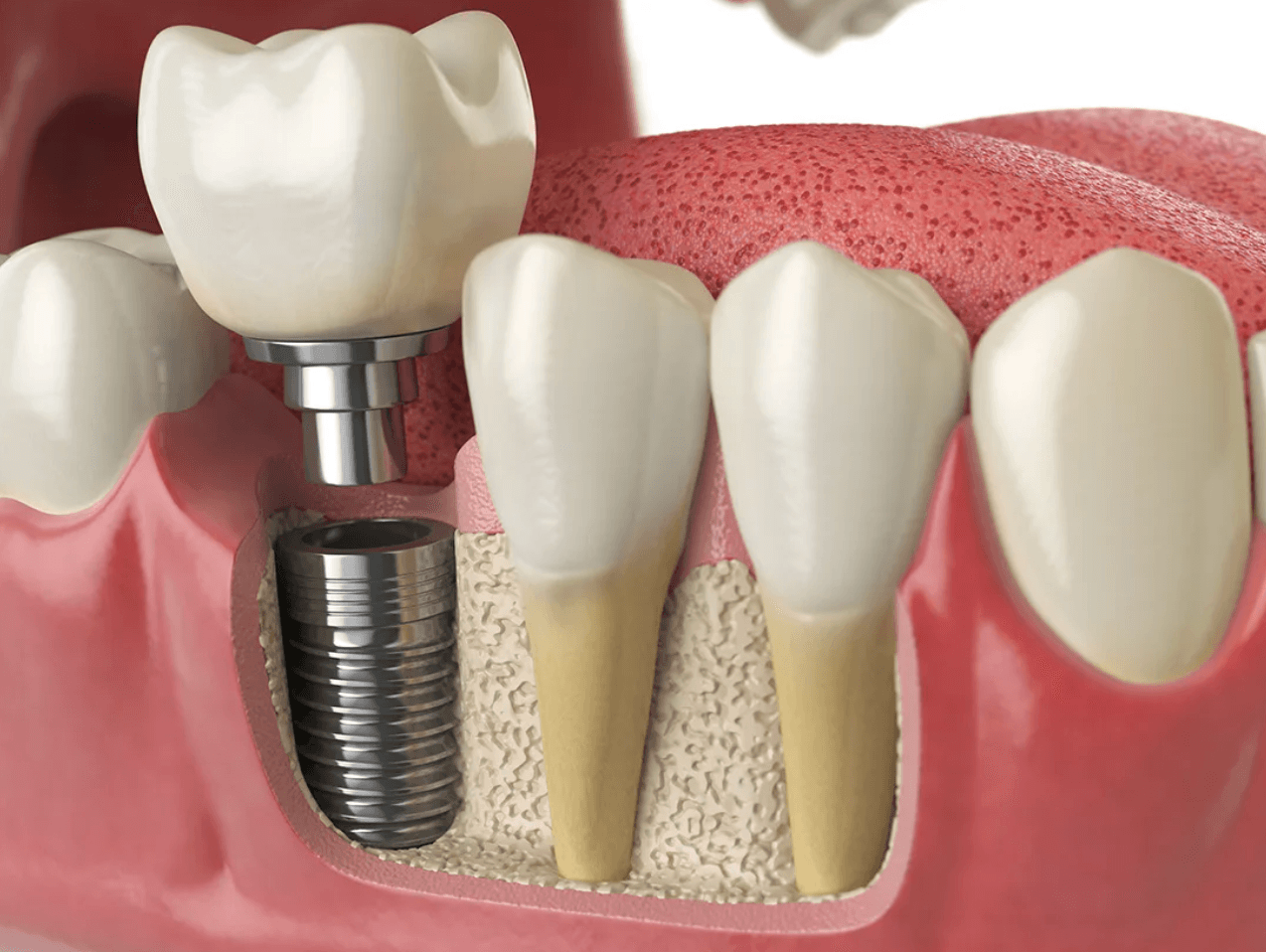
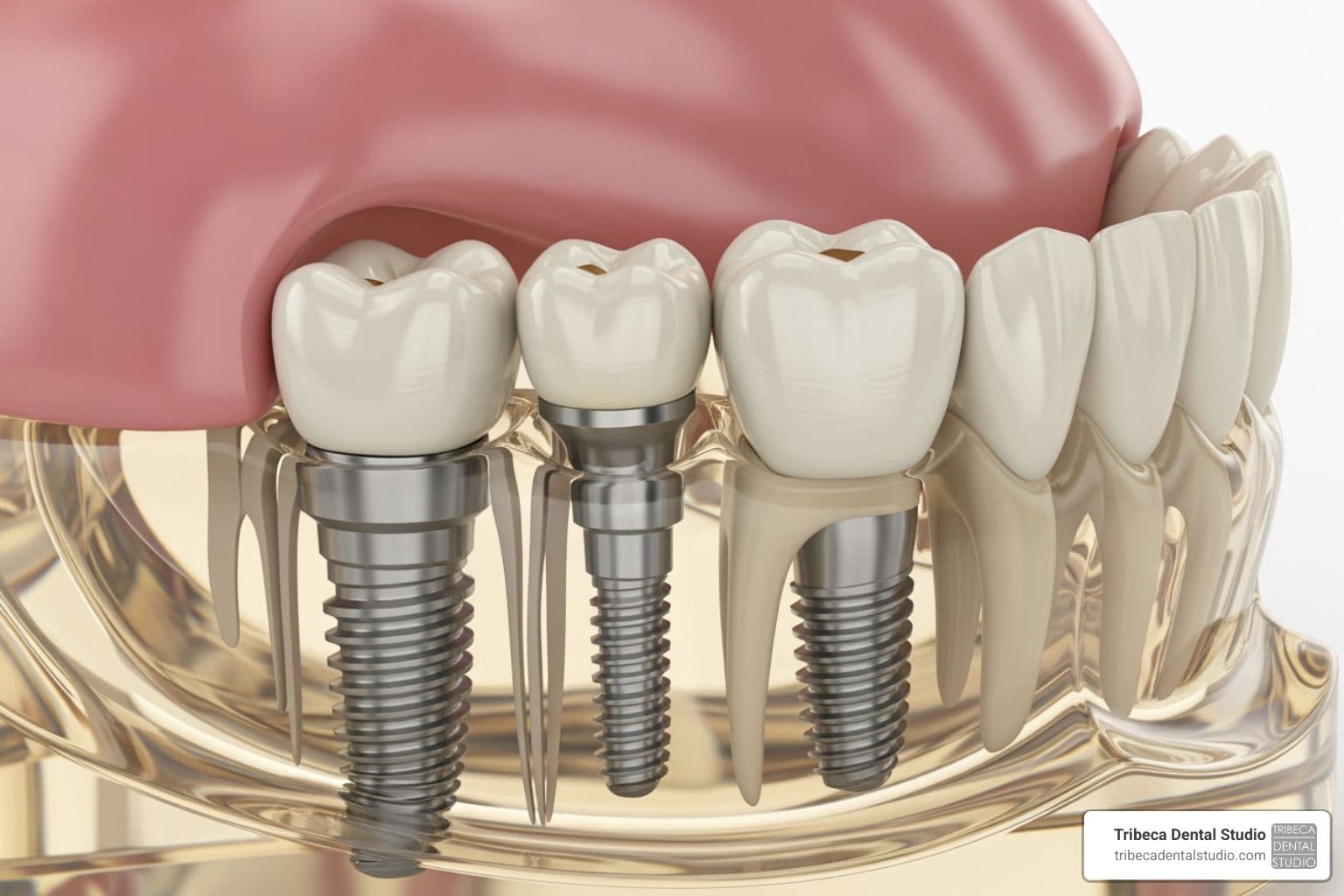
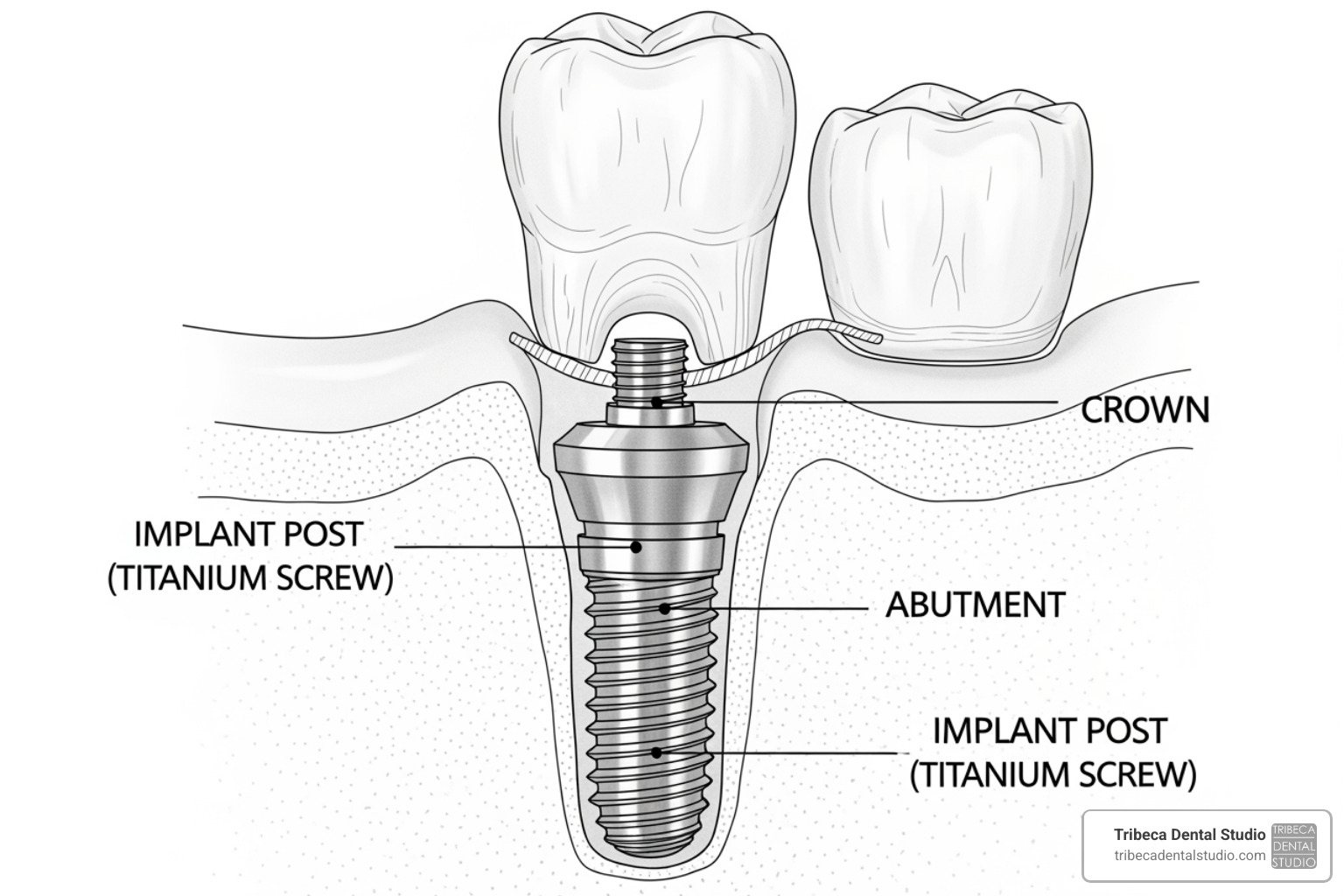
At the heart of every single tooth implant are three primary components:
- The Implant Post: This is the screw-shaped fixture that is surgically placed into your jawbone, acting as the artificial tooth root. It’s typically made from titanium alloy, a material renowned for its strength, lightness, biocompatibility (meaning your body accepts it well), and corrosion resistance. This is the foundation upon which your new tooth will rest. The cost for the implant itself often falls in the range of $1,500 to $2,000. While titanium is the most popular and dependable material, zirconia is also an alternative material for implant posts, offering a metal-free option.
- The Abutment: Once the implant post has integrated with your jawbone, an abutment is attached. This small connector piece extends from the implant post, just above the gum line, and serves as the anchor for your new tooth. Abutments can be pre-fabricated or custom-made, influencing their cost, which generally ranges from $300 to $500.
- The Dental Crown: This is the visible part of your new tooth, carefully crafted to match the shape, size, and color of your natural teeth. Our goal at Tribeca Dental Studio is to create custom dental crowns that blend seamlessly with your smile. Crowns can be made from various materials, including metal, ceramic, or porcelain, with porcelain being a popular choice for its aesthetic appeal. The cost for the crown typically ranges from $1,000 to $2,000, depending on the material and the complexity of its design.
Potential Additional Procedures and Their Costs
Beyond the core components, several additional procedures might be necessary to ensure the success and longevity of your dental implant. These are not always required but are important to factor into the overall picture when considering how much 1 tooth implant cost.
- Initial Consultation and Examination: Before any procedure, we conduct a thorough examination. This includes an initial consultation, which can range from $100 to $200, to assess your oral health and discuss your treatment plan.
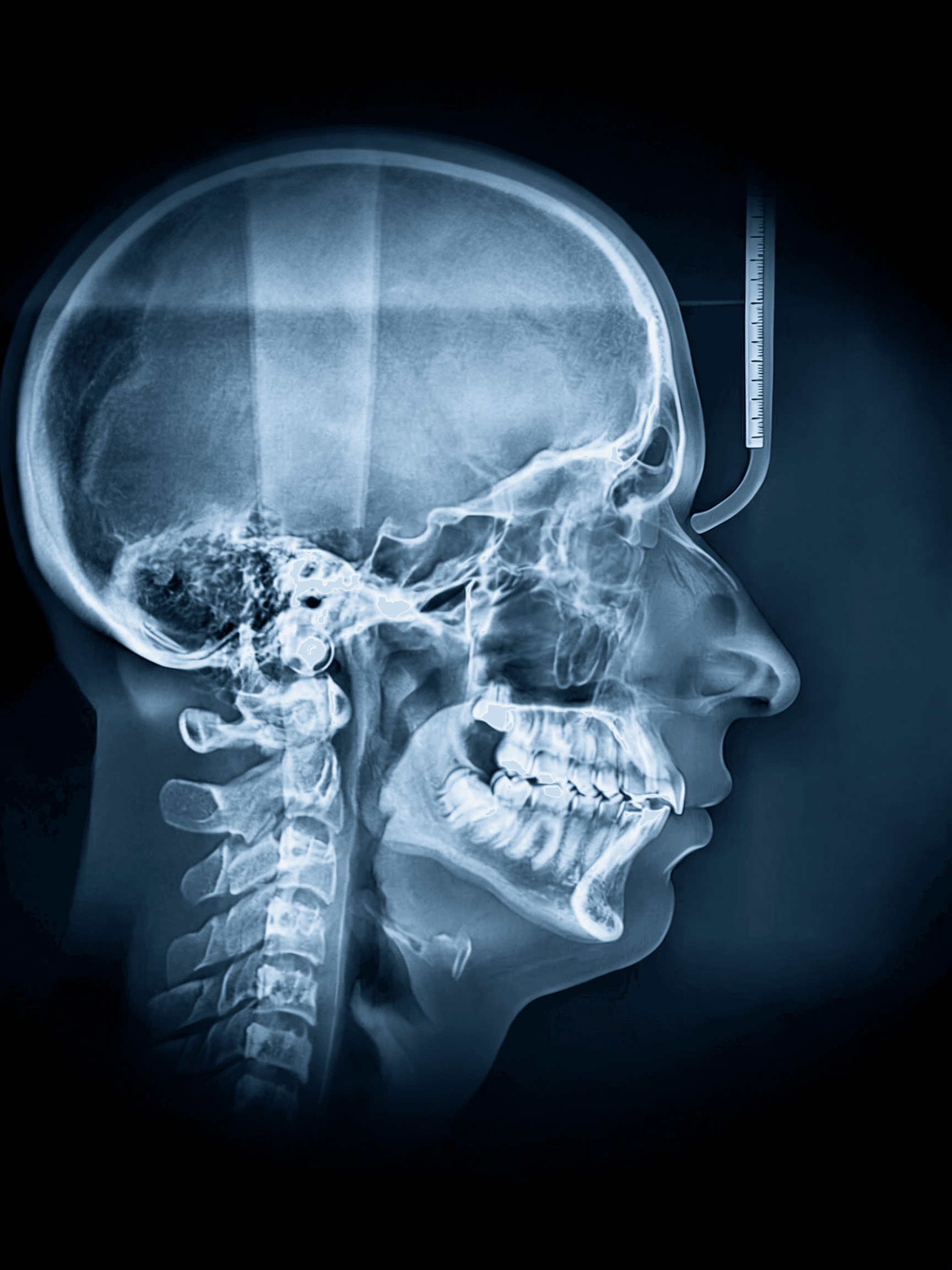
- 3D Imaging (CBCT) and X-rays: Accurate diagnostics are crucial for precise implant placement. We often use advanced 3D imaging, such as Cone Beam Computed Tomography (CBCT) scans, which typically cost between $100 and $400 per jaw, along with standard X-rays ranging from $100 to $250. These provide a detailed view of your jawbone, nerves, and sinuses, minimizing risks during surgery.
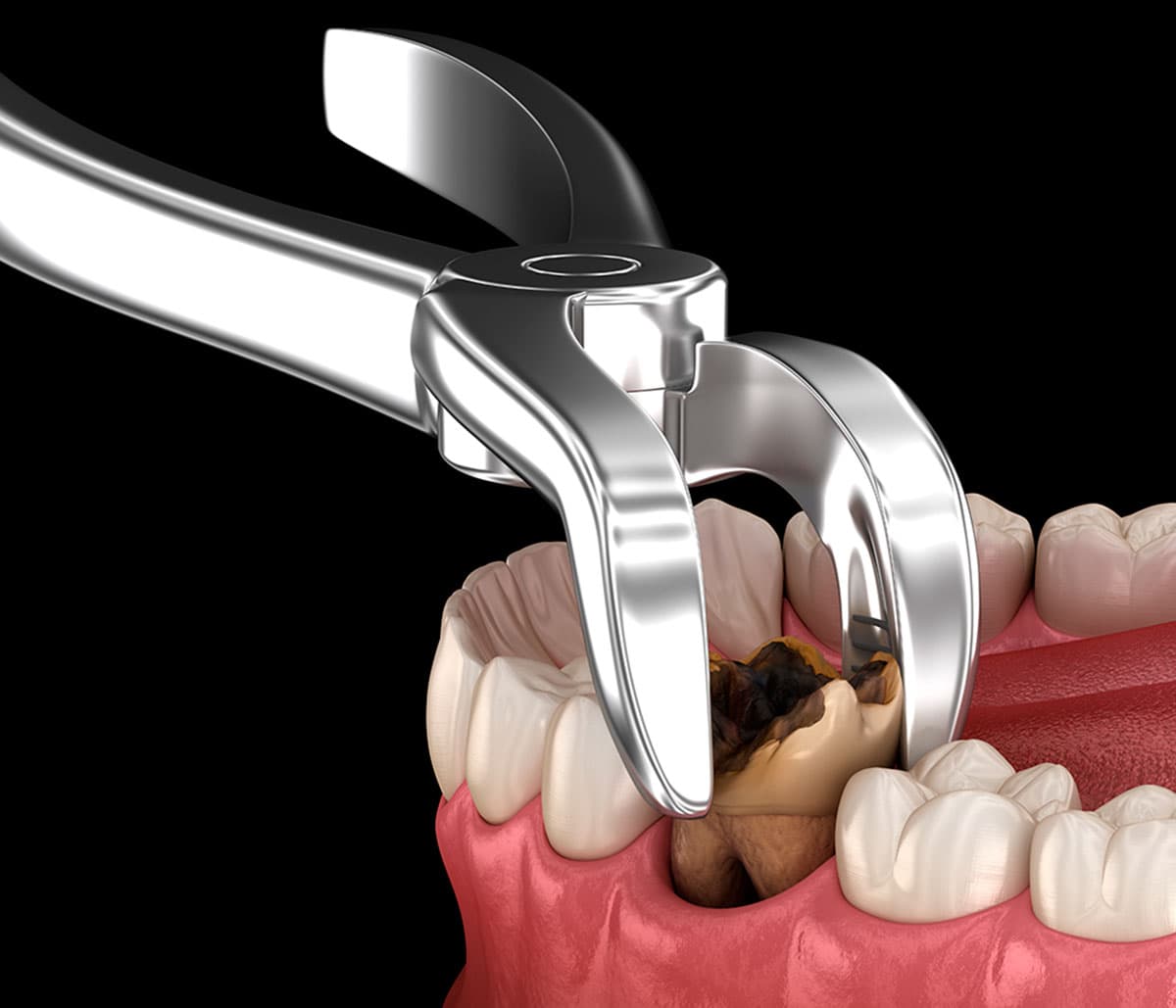
- Tooth Extraction: If the tooth needing replacement is still present but damaged beyond repair, an extraction will be necessary. This procedure can cost anywhere from $150 to $700 per tooth, depending on its complexity.
- Bone Grafting: A strong, healthy jawbone is essential to support a dental implant. If your jawbone has deteriorated due to tooth loss, disease, or trauma, a bone graft may be required. This procedure “adds more volume and density to your jaw” to create a stable foundation. Bone grafting costs usually range from $200 to $3,000, or even $500 to $2,000 in other estimates, depending on the extent and type of graft material used.
- Sinus Lift Procedure: Sometimes, for implants in the upper jaw, the maxillary sinuses are too close to the implant site. A sinus lift is a specialized bone grafting procedure that raises the sinus floor, creating enough space for the implant. These procedures typically range from $1,500 to $5,000.
- Anesthesia: To ensure your comfort during the procedure, various anesthesia options are available. The cost can vary from $200 to $500 per hour for local anesthesia and sedation, with IV sedation potentially costing around $1,000. Our commitment to pain-free dentistry means we prioritize your comfort throughout the entire process.
Why Prices Vary: Key Factors That Affect How Much 1 Tooth Implant Cost
Understanding how much 1 tooth implant cost is rarely a one-size-fits-all answer. We often tell our patients that the cost is influenced by a unique blend of factors, much like a bespoke suit – custom to your specific needs and circumstances. The dentist’s role is to provide a detailed quote based on these variables, ensuring transparency every step of the way.
Geographic Location: The NYC Factor
As a dental practice in Tribeca, Manhattan, we know that location significantly impacts dental care costs. New York City, with its high cost of living and operating expenses, naturally sees higher prices for dental procedures compared to more rural or less expensive urban areas. While some national averages for a single tooth implant might be quoted lower, you can expect costs in Manhattan to often be at the higher end of the national range. This isn’t just about rent; it also reflects the cost of highly trained staff, advanced technology, and premium materials available in a metropolitan hub like ours.
Dentist’s Experience and Specialization
The expertise of your dental professional plays a pivotal role in the cost. An experienced dentist, especially one with advanced training in implantology or a board-certified implant specialist, may charge more for their services. This higher fee often reflects years of specialized education, countless successful procedures, and a commitment to utilizing the latest techniques and technologies. Dental implants are a wonderful solution for anyone who has lost a tooth due to injury, decay, or periodontal disease. Choosing a highly skilled practitioner like those at Tribeca Dental Studio offers peace of mind and often translates to better, more predictable outcomes, which is invaluable for a long-term investment like a dental implant.
How materials influence how much 1 tooth implant cost
The materials used for your implant components also contribute to the overall price.
- Implant Materials: While titanium alloy is the industry standard due to its proven strength and biocompatibility, some patients opt for zirconia implants. Zirconia is a ceramic material that offers an esthetic, metal-free alternative, which can sometimes come at a slightly higher cost.
- Crown Materials: The crown, being the visible part of your tooth, demands both durability and aesthetic appeal. Options include high-quality porcelain, zirconia, or E-max, each offering different levels of strength, translucency, and cost. A crown made from premium, highly aesthetic material designed to perfectly match your natural teeth will naturally be more expensive than a more basic option.
- Lab Fees: Creating a custom crown is an art form, often involving specialized dental laboratories. These labs charge fees for the precision craftsmanship required to fabricate a crown that looks and feels natural. These lab fees are an integral part of the total crown cost.
Paying for Your Implant: Insurance, Financing, and Long-Term Value
We understand that investing in a dental implant is a significant financial decision. That’s why we believe in helping our patients explore all available options to make this life-changing procedure as accessible as possible. Thinking of a dental implant as a long-term investment, rather than just an expense, can help put the cost into perspective.
Does Dental Insurance Cover Implants?
This is one of the most common questions we hear, and the answer is: it varies significantly by plan. While some dental insurance providers, like those Aflac works with, may offer some coverage, dental implants are often considered an elective or cosmetic procedure, which means full coverage is rare.
However, don’t lose hope! Here’s what we typically see:
- Partial Coverage: Many plans may cover specific parts of the procedure, even if they don’t cover the implant itself. For example, some insurance plans might cover the diagnostic X-rays and initial consultation at 80-100%. They might also cover the implant surgery or the abutment and crown at 50%.
- Crown Coverage: Some plans that don’t cover the implant post might still contribute towards the cost of the implant crown, as crowns are often covered for restorative purposes.
- Annual Maximums and Waiting Periods: Be aware that most dental insurance plans have annual maximum benefits, often ranging from $1,000 to $2,000, which may not cover the full cost of an implant. Additionally, major procedures like implants often have waiting periods, typically 6-12 months, before coverage kicks in.
- “Missing Tooth Clause”: A less common but important clause is the “missing tooth clause,” which may restrict coverage for teeth lost before your policy’s inception.
We always recommend thoroughly checking your insurance policy details and working with our administrative team. We’re here to help you understand your benefits and maximize any potential coverage.
Payment and Financing Solutions
Even if your insurance coverage is limited, several payment and financing options can help manage the cost of your single tooth implant:
- In-House Payment Plans: At Tribeca Dental Studio, we understand that flexibility is key. We often offer customized in-house payment plans to help spread the cost over a manageable period, making your treatment more affordable.
- Third-Party Financing: Companies like CareCredit specialize in healthcare financing. They offer credit cards specifically for health expenses, allowing you to pay for your dental implant over time with convenient monthly payments, often with promotional interest-free periods.
- Flexible Spending Accounts (FSA) and Health Savings Accounts (HSA): If you have an FSA or HSA through your employer, these tax-advantaged accounts are excellent ways to pay for out-of-pocket dental expenses, including dental implants. You use pre-tax dollars, effectively reducing your overall cost.
Implants vs. Alternatives: A Cost and Benefit Comparison
When considering how much 1 tooth implant cost, it’s helpful to compare it against alternative tooth replacement options. While dental implants may have a higher upfront cost, their long-term benefits and value proposition are often best.
| Feature | Dental Implants | Dental Bridges | Partial Dentures |
|---|---|---|---|
| Cost Range (Single Tooth) | $3,000 – $6,000 (full procedure) | $500 – $5,000 (per unit, often 3 units for one gap) | $1,200 – $2,500 (per arch) |
| Longevity | Decades to a lifetime (with proper care) | 5-15 years | 5-10 years |
| Jawbone Preservation | Yes, stimulates bone, prevents deterioration | No, bone loss can still occur | No, can accelerate bone loss |
| Adjacent Teeth | Does not affect adjacent teeth | Requires modification of adjacent healthy teeth | Rests on gums, may put stress on adjacent teeth |
| Comfort & Function | Feels and functions like a natural tooth | Can feel stable, but not as natural as implants | Can be removable, may shift, less chewing power |
| Maintenance | Regular brushing, flossing, dental check-ups | Requires special cleaning under bridge | Must be removed and cleaned daily |
| Aesthetics | Excellent, looks like a natural tooth | Good, but may show metal or require tooth prep | Can look artificial, may cover palate |
As you can see, while alternatives like dental bridges (which replace missing teeth by crowning adjacent natural teeth) or partial dentures (attachable plates with false teeth) might seem less expensive initially, dental implants offer superior longevity and a more natural feel. With minimal care and appropriate hygiene, dental implants can last many decades or even a lifetime. This makes them a more cost-effective solution over your lifetime. For a more in-depth comparison, we invite you to read our guide on Crowns vs. Bridges vs. Implants: Which is Right for You?
The Implant Process: From First Visit to Final Smile
Getting a single tooth implant is a multi-stage process, and patience is definitely a virtue here. We guide our patients through each step, ensuring they understand what to expect from their first visit to their final, brilliant smile. The entire procedure is designed to create a strong, lasting foundation for your new tooth, much like a carefully planned construction project. You can find a general overview of dental implant surgery from the Mayo Clinic.
Typical Timeline for a Single Tooth Implant
The timeline for a single tooth implant can vary depending on individual healing capabilities and whether additional procedures like bone grafting are needed. Generally, the process takes anywhere from 3 to 9 months:
- Consultation and Planning (1-2 weeks): This initial phase involves a comprehensive examination, including X-rays and 3D imaging, to assess your oral health and determine if you’re a good candidate for implants. We develop a personalized treatment plan during this time.
- Implant Placement Surgery (1-2 hours): The titanium implant post is surgically placed into your jawbone. This is typically an outpatient procedure performed under local anesthesia, sometimes with sedation for added comfort.
- Osseointegration (3-6 months): This is the crucial healing period where the implant fuses with your jawbone. It’s a natural biological process, and it’s essential for the stability and success of the implant. During this time, we might provide a temporary restoration so you don’t have to go without a tooth.
- Abutment Placement (1-2 weeks after osseointegration): Once osseointegration is complete, a minor surgical procedure may be performed to attach the abutment to the implant post. In some cases, the abutment is placed at the same time as the implant.
- Crown Placement (1-2 weeks after abutment): After your gums heal around the abutment, impressions are taken to create your custom dental crown. Once fabricated, the crown is securely attached to the abutment, completing your new tooth.
Recovery and Aftercare Considerations
Your comfort and successful healing are our top priorities. After implant surgery, some recovery and aftercare are necessary:
- Post-Surgery Care: You might experience mild swelling, bruising, and discomfort for a few days. We will provide detailed instructions on managing these symptoms, including pain medication prescriptions if needed.
- Diet Recommendations: For the first few days, we recommend a soft diet to avoid disturbing the surgical site. Gradually, you can reintroduce harder foods as comfort allows.
- Long-Term Hygiene: Maintaining excellent oral hygiene is paramount for the longevity of your implant. Regular brushing, flossing, and routine dental check-ups are essential, just like with your natural teeth. Our commitment to preventive dentistry extends to your implants!
- Potential Side Effects: While dental implants have a high success rate, potential side effects or complications, though rare, can include bleeding, infection, or temporary nerve or sinus irritation. We carefully plan and execute each procedure to minimize these risks.
Frequently Asked Questions About Single Tooth Implant Costs
We often hear similar questions from patients considering dental implants. Let’s address some of the most common ones to help you feel more informed and confident about your decision.
How long do dental implants last?
One of the most appealing aspects of dental implants is their impressive longevity. Unlike alternatives that require frequent replacement, implants are designed to last. With proper care and good oral hygiene, dental implants can last many decades or even a lifetime. This makes them a truly long-term solution and a wise investment in your oral health. While some statistics might quote a lifespan of 15 to 20 years, this often refers to the crown, which may need replacement due to wear and tear, not the implant post itself.
Is the implant procedure painful?
We understand that the idea of dental surgery can be daunting, but we want to assure you that patient comfort is a cornerstone of our practice at Tribeca Dental Studio. We employ a pain-free dentistry approach, utilizing local anesthesia to numb the surgical area completely, so you won’t feel pain during the procedure. For those who experience dental anxiety, we also offer sedation options to help you relax.
After the procedure, it’s normal to experience some mild discomfort, swelling, or bruising, similar to what you might feel after a tooth extraction. This can typically be managed with over-the-counter pain relievers or, if necessary, prescribed medication. We’ll provide you with detailed aftercare instructions to ensure a smooth and comfortable recovery. Our patients often express surprise at how comfortable the process is, a testament to our gentle techniques and commitment to your well-being.
How much does it cost to replace a front tooth implant?
Replacing a front tooth implant often involves a slightly higher cost compared to a back tooth. This is primarily due to the increased aesthetic demands of a highly visible tooth. When restoring a front tooth, our focus is not just on function but also on achieving impeccable aesthetics. This includes:
- Precision and Skill: Placing an implant in the front of the mouth requires exceptional precision and artistry to ensure it aligns perfectly with your existing teeth and gum line.
- Custom Shading and Craftsmanship: The crown for a front tooth needs meticulous custom shading to match the natural translucency and color variations of your adjacent teeth. This often involves using premium crown materials and specialized lab techniques, which can increase the cost.
- Specialist Skill: The expertise of a highly skilled dentist or specialist is crucial to achieve a flawless, natural-looking result that blends seamlessly with your smile.
While the core components remain the same, the heightened attention to detail and specialized craftsmanship for a front tooth can push the overall cost towards the higher end of the $3,000 to $6,000 range.
Your Smile is Worth the Investment
Understanding how much 1 tooth implant cost involves looking at the complete picture – from the initial diagnostics and preparatory procedures to the implant components and the expertise of your dental team. While the upfront investment might seem significant, we firmly believe that the long-term benefits of a single tooth implant far outweigh the cost.
Choosing a dental implant means choosing a solution that:
- Preserves your jawbone and facial structure.
- Restores your ability to eat, speak, and smile with confidence.
- Offers unparalleled longevity, often lasting a lifetime.
- Feels and functions just like your natural teeth.
At Tribeca Dental Studio, led by Dr. Nina Izhaky, we pride ourselves on offering comprehensive, advanced, and welcoming oral healthcare. We treat every patient like family, providing a personalized approach to dentistry that focuses on your unique needs and goals. We’re here to answer all your questions, explain the costs, and help you make an informed decision about your oral health.
Your brilliant bite is an investment in your health, confidence, and quality of life. We invite you to experience the difference personalized care can make.
Ready to explore how a single tooth implant can transform your smile? Schedule your dental implant consultation in New York with us today.