How To Get Rid of Braces Pain? Effective Tips to Relieve Braces Pain
September 29, 2025
Ever wondered what to do if your braces hurt and why straightening your teeth often comes with a little soreness? Braces and clear aligners are powerful tools that guide teeth into healthier alignment, improving bite function, speech, and long-term stability. As teeth shift, tissues naturally respond with pressure and tenderness.
Recognizing this process prepares patients for what to expect. With simple methods to ease discomfort, individuals can stay consistent with treatment and maintain strong oral health throughout their orthodontic journey toward a balanced and confident smile.
According to the National Library of Medicine (NLM), between 70% and 95% of orthodontic patients report experiencing pain during treatment.
What Causes Braces Pain?
Braces discomfort develops as teeth shift under controlled pressure. The surrounding tissues react to this force, creating temporary soreness that signals natural adjustment and progress toward healthier alignment.
- Controlled force stimulates tooth movement and tissue inflammation
- Brackets and wires irritate cheeks, lips, or gums
- Tightening sessions increase pressure, causing temporary soreness
- Clear aligners also create tenderness with new trays
These reactions signal progress toward proper alignment and stability, which is why professional guidance from services like traditional braces is essential.
How Long Does Braces Pain Usually Last?
Braces pain usually peaks in the first two to three days after placement or tightening as tissues adapt. Mild soreness can continue for about a week but gradually decreases as the mouth adjusts. With later adjustments, discomfort tends to fade faster since teeth and surrounding structures become accustomed to the orthodontic movement.
A study available through PubMed Central reported that 91.3% of patients with fixed orthodontic appliances experienced discomfort lasting for several days.
Effective Home Remedies for Braces Pain Relief
Simple home practices can reduce discomfort during orthodontic treatment. Cold compresses or chilled water soothe inflammation and numb sensitive areas. Soft foods minimize chewing strain while tissues recover. Saltwater rinses calm irritation from brackets or wires.
Over-the-counter pain relievers provide temporary relief when used as directed. Applying orthodontic wax creates a protective barrier against rubbing surfaces, helping prevent sores and reducing irritation throughout the adjustment process. Below are some of the most common answers to how do you make your braces stop hurting without relying solely on medication.
Cold Foods and Drinks to Reduce Discomfort
Cold temperatures help numb irritated tissues and ease inflammation caused by braces adjustments. Ice water, chilled smoothies, or frozen yogurt can provide quick soothing effects without added strain on teeth.
Soft cold foods such as applesauce or pudding are gentle to chew while offering relief. Limiting sugary options is important, as frequent sugar intake increases the risk of plaque buildup around brackets and wires.
Best Soft Foods to Eat When Your Braces Hurt
Soft foods ease pressure on sore teeth during adjustments. Mashed potatoes, yogurt, oatmeal, and scrambled eggs provide gentle nourishment. Smoothies and blended soups add variety without strain. Pasta and rice are filling yet easy to chew, helping reduce irritation and supporting balanced nutrition throughout orthodontic treatment.
How Orthodontic Wax Helps With Braces Pain
Orthodontic wax forms a smooth barrier between brackets and soft tissues, reducing friction that causes irritation and sores. When applied over rough edges, it cushions cheeks, lips, and gums from direct contact with metal. The wax is safe, non-toxic, and can be reapplied after meals or brushing. Consistent use during sensitive periods helps prevent discomfort while allowing tissues to adapt to ongoing orthodontic movement.
Using Ice Packs for Swelling and Soreness
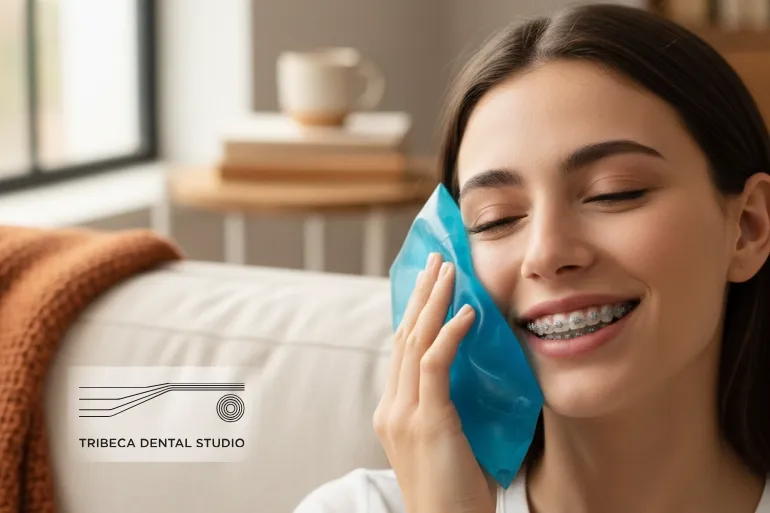
Ice packs help reduce soreness after orthodontic adjustments by numbing nerves and easing discomfort. Applying a pack wrapped in a cloth to the outside of the mouth for 10 to 15 minutes is effective. Repeating a few times daily controls swelling and improves comfort during adjustment periods.
Warm Salt Water Rinses for Faster Relief
Warm salt water rinses gently soothe oral tissues irritated by braces. The solution reduces bacteria, promotes healing of minor sores, and eases gum tenderness. Mixing half a teaspoon of salt into a glass of warm water creates an effective rinse. Swishing for 30 seconds several times a day can lessen irritation from brackets or wires, supporting comfort and maintaining a clean oral environment.
Gentle Gum Massages for Pain Reduction
Gum massage boosts blood flow and relaxes tissues affected by braces. Using clean fingertips in gentle circles can ease pressure and reduce soreness. Cooling gums briefly with an ice cube before massage adds relief. Short, regular sessions improve circulation, lessen tenderness, and help the mouth adapt to orthodontic adjustments.
Oral Hygiene Tips to Prevent Extra Irritation
Proper hygiene reduces the risk of irritation and infection while wearing braces. Brushing with a soft-bristled toothbrush helps remove trapped food without damaging brackets. Flossing with specialized tools or threaders clears debris between teeth and wires.
Antimicrobial mouth rinses limit bacterial buildup that worsens soreness. Regular cleaning prevents plaque accumulation, lowers gum inflammation, and ensures that minor discomfort from adjustments does not develop into more persistent pain.
Lifestyle Habits That Can Make Braces Hurt Less
Daily habits influence how braces feel. Drinking enough water prevents dryness and irritation. Avoiding hard or sticky foods protects brackets and reduces strain on teeth. Chewing slowly limits pressure on sore areas. Consistent sleep helps tissues recover, while managing stress prevents jaw clenching that worsens soreness. Mindful routines keep discomfort lower, much like the tips in our guide on how to stop grinding teeth in sleep naturally.
How to Sleep Comfortably With Braces
Quality sleep supports healing and reduces soreness from braces. Sleeping on the back prevents direct pressure on cheeks and braces hardware. Using a soft pillow for head elevation minimizes swelling and helps reduce discomfort.
A clean mouth before bed lowers the chance of irritation from trapped food. Applying orthodontic wax at night can protect tissues, ensuring fewer disturbances and more restful sleep during treatment.
Is Invisalign Less Painful Than Braces?
Invisalign often produces less irritation than traditional braces because smooth aligners lack brackets and wires. Discomfort usually appears when switching to a new tray, as pressure shifts teeth gradually.
Patients may feel tightness or tenderness for a few days, which then subsides. While Invisalign reduces risks of mouth sores, both treatments involve controlled force, so some level of soreness remains a natural part of alignment.
When to Contact Your Orthodontist About Braces Pain
While mild soreness is normal, certain signs require professional evaluation. Persistent pain lasting longer than a week may indicate underlying issues. Sharp edges from broken wires or loose brackets can cut oral tissues and should be addressed quickly.
Swelling, bleeding, or infection around gums also requires attention. If home remedies provide no relief or pain worsens over time, contacting the orthodontist ensures proper treatment adjustments.
Get Professional Orthodontic Care for Lasting Relief
Orthodontic discomfort can be eased with home remedies, but professional oversight ensures safe, effective treatment. Orthodontists monitor alignment, adjust appliances, and resolve issues like broken brackets or excess pressure. When pain persists, expert care protects oral health, supports steady progress, and helps patients adapt more comfortably during orthodontic treatment.
At Tribeca Dental Studio, our team is dedicated to making your orthodontic journey as comfortable and effective as possible. Whether you’re considering braces Wilco (Wilckodontics) Speed Braces, BRIUS Braces, Lingual Braces or exploring Invisalign clear aligner braces, we provide personalized solutions to fit your needs.
If you are experiencing persistent braces pain or have questions about your care, we are here to help at our NYC dental office. Simply contact us today to schedule your appointment.
About Tribeca Dental Studio
Tribeca Dental Studio, located at 54 Warren St, New York, NY 10007, has provided comprehensive dental care to Lower Manhattan since 2007. Led by Dr. Nina Izhaky, our practice combines general, pediatric, orthodontic, oral surgery, and periodontal care under one roof.
Our focus on airway health, dental implants, veneers, and pediatric dentistry sets us apart. We use 3D CBCT imaging, digital planning, and laser technology — including NightLase for snoring — to deliver precise, comfortable care.
To schedule a consultation, call (212) 561-5303 or book online. We welcome patients from Tribeca, SoHo, Battery Park City, the Financial District, and throughout downtown Manhattan.