NYC Dental Crowns: Restore Your Smile, Find Your Dentist
January 22, 2026
Why Manhattan Dental Crowns Matter for Your Smile
Manhattan dental crowns are one of the most effective ways to restore damaged teeth, protect weak structures, and improve your smile’s appearance. If you’re searching for this service, here’s what you need to know:
Quick Answer: Manhattan Dental Crowns Overview
- What they are: Custom-made caps that cover and protect damaged teeth
- When you need one: Large cavities, cracked teeth, after root canals, severe wear, or cosmetic improvements
- Procedure: Usually 2 visits (or same-day with CEREC technology)
- Cost in Manhattan: Typically $800-$3,000 per crown
- How long they last: 10-15+ years with proper care
- Best for: Restoring function, preventing further damage, and boosting confidence
Despite dental enamel being the hardest substance in your body—stronger than bone—your teeth remain vulnerable to cavities, cracks, and trauma. When fillings aren’t enough to restore a tooth’s strength and function, a dental crown becomes the solution. Modern crowns look incredibly natural, and when placed by an experienced dentist, even other dental professionals have trouble distinguishing them from your natural teeth.
The good news? Getting a crown is simpler than most people think. The procedure is performed with local anesthesia, so you won’t feel pain during treatment. Most patients are surprised by how easy the process is and how natural their new crown feels right away.
As Dr. Nina Izhaky, a graduate of New York University College of Dentistry, I’ve helped countless Manhattan patients restore their smiles with high-quality dental crowns using state-of-the-art technology in my Tribeca practice. My team and I specialize in providing personalized, comprehensive care that combines advanced techniques with a welcoming, patient-focused approach to ensure your Manhattan dental crowns deliver both exceptional function and natural aesthetics.
What Are Dental Crowns and Why Might You Need One?
A dental crown, often referred to as a “cap,” is a custom-made, tooth-shaped covering that encases the entire visible surface of a damaged tooth, from the gum line up. Its primary purpose is to restore the tooth to its original shape, size, and strength, while also improving its appearance. Think of it as a protective helmet for a vulnerable tooth.
When a tooth is compromised due by decay, injury, or wear, its ability to function properly and withstand chewing forces is diminished. A crown steps in to provide that much-needed support, restoring the tooth’s integrity and allowing you to eat, speak, and smile with confidence.
Signs You Need a Dental Crown
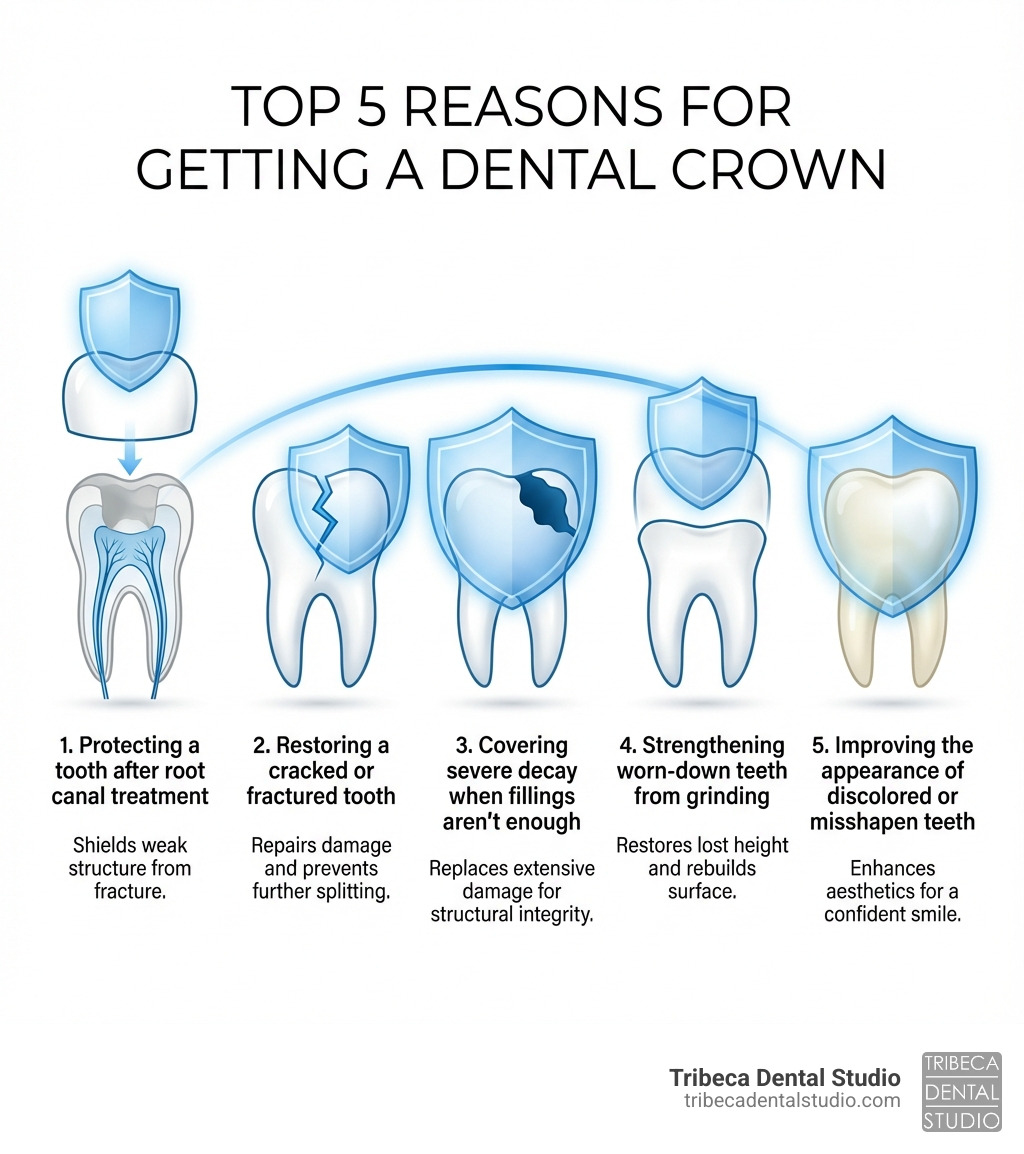
We often recommend a dental crown when a tooth has sustained damage that’s too extensive for a simple filling. Here are some common signs that you might benefit from a crown:
- Large Cavity: When a cavity is so large that it compromises more than 50% of the tooth’s structure, a filling won’t provide adequate support. A crown can then protect the remaining tooth from further decay and fracture.
- Cracked or Fractured Tooth: If you’ve cracked a tooth – perhaps by biting down on something hard – a crown can bind the broken pieces together, preventing the crack from worsening and protecting the tooth from further damage. For more information on repairing dental fractures, you can read about how we fix a fractured tooth.
- After Root Canal Treatment: While a root canal saves an infected tooth, it can also make the tooth more brittle and susceptible to fracture. A crown is essential to protect the treated tooth, especially molars, from breaking under chewing pressure.
- Severe Tooth Wear: Teeth worn down from grinding, an uneven bite, or acid erosion can lose their natural shape and function. Crowns can restore their original form and strengthen them against further wear.
- Discolored or Misshapen Tooth: Sometimes, a tooth might be significantly discolored, misshapen, or undersized, impacting your smile’s aesthetics. A crown can dramatically improve its appearance, blending seamlessly with your other teeth.
The Benefits of Restoring Your Tooth
Choosing to restore a damaged tooth with a crown offers a multitude of benefits that go beyond just fixing the immediate problem:
- Preserving Natural Tooth Structure: A crown allows us to save your natural tooth, which is always our priority. Preserving your natural tooth helps maintain the stability of surrounding teeth and supports the underlying bone structure.
- Maintaining Bite Alignment: When a tooth is damaged or worn, it can throw your entire bite out of alignment, leading to issues like jaw pain or further tooth wear. A crown restores proper bite function, ensuring your teeth meet correctly.
- Preventing Further Damage: A crown acts as a shield, protecting a weakened tooth from breaking further or succumbing to additional decay. This proactive step can prevent more extensive and costly treatments down the line.
- Boosting Confidence: Broken, discolored, or misshapen teeth can make us self-conscious. Restoring your smile with a beautiful, natural-looking crown can significantly boost your confidence, allowing you to smile, speak, and eat without worry.
- Supporting Overall Oral Health: By restoring individual teeth, we contribute to the overall health and longevity of your entire oral system. This commitment to restorative dentistry is key to a healthy, happy smile. Learn more about our comprehensive restorative dentistry options.
The Dental Crown Procedure: From Consultation to Final Placement
Receiving a dental crown is a precise process that typically involves two visits to our Tribeca studio, though we also offer same-day options for your convenience. We strive to make each step as comfortable and straightforward as possible, ensuring you understand everything along the way.

Your First Visit: Preparation and Impressions
Your journey to a restored smile begins with an initial consultation where we evaluate your oral health and discuss the best treatment plan for you. Once we’ve determined that a crown is the ideal solution, we’ll proceed with the first stage of the procedure:
- Tooth Preparation: We’ll begin by numbing the area around the tooth to ensure you’re completely comfortable. Then, we carefully reshape the tooth, removing any decay or damaged areas. This creates space for the crown to fit seamlessly over your natural tooth without appearing bulky. The amount of tooth removed depends on the type of crown material we’ll be using.
- Digital Scanning vs. Traditional Impressions: To create a crown that perfectly matches your bite and smile, we need a precise model of your tooth. At Tribeca Dental Studio, we leverage leading-edge technology, often using advanced 3D digital scanning. This eliminates the need for messy, uncomfortable traditional putty impressions, providing a more accurate and pleasant experience.
- Temporary Crown Placement: While your custom permanent crown is being carefully crafted in a dental lab, we’ll place a temporary crown over your prepared tooth. This temporary cap protects the tooth from sensitivity and further damage, and helps you maintain normal function and appearance in the interim. You’ll wear this temporary crown for about two weeks.
Your Second Visit: Placing Your Permanent Crown
Once your permanent crown arrives from the lab, you’ll return for your second visit, typically about two weeks after your first:
- Removing the Temporary Crown: We’ll gently remove the temporary crown and thoroughly clean the prepared tooth.
- Checking Fit and Color: This is a crucial step! We’ll carefully check the new permanent crown for its fit, ensuring it aligns perfectly with your bite and doesn’t cause any discomfort. We also confirm that the color, shape, and size blend harmoniously with your surrounding natural teeth. We want you to love your new smile!
- Bite Adjustment: We’ll ask you to bite down and make any necessary micro-adjustments to ensure your bite feels completely natural and comfortable.
- Permanent Cementation: Once we’re both thrilled with the fit and aesthetics, we’ll permanently bond the crown to your tooth using a strong dental adhesive.
- Final Polishing: A final polish gives your new crown a natural luster, making it virtually indistinguishable from your other teeth.
Same-Day Crowns (CEREC): A Modern Manhattan Solution
For those with busy schedules or who prefer to minimize dental visits, we offer the convenience of same-day crowns using advanced CEREC technology. This modern Manhattan solution allows us to complete the entire crown process in a single appointment, typically lasting around two hours.
With CEREC, we use sophisticated 3D imaging to take a digital impression of your tooth. Then, while you wait comfortably in our office, our in-office milling unit precisely sculpts your new crown from a high-quality ceramic block. This means no temporary crown, no second visit, and immediate restoration of your smile. We believe in pain-free dentistry, and CEREC technology improves that commitment by streamlining the process and reducing potential discomfort.
Types of Dental Crowns & Making the Right Choice
Choosing the right type of dental crown involves considering several factors, including aesthetics, durability, the tooth’s location, and your budget. We’ll always discuss the best options for your unique needs, ensuring you make an informed decision.
Comparing Your Dental Crown Options
Here’s a comparison of the most common types of dental crowns we offer in our Manhattan practice:
| Crown Type | Aesthetics | Durability & Strength | Best Location | Cost |
|---|---|---|---|---|
| All-Ceramic/Porcelain | Excellent, mimics natural tooth translucency | Good, but can be prone to chipping under heavy force | Front teeth (highly visible areas) | Moderate to High |
| Zirconia | Very good, tooth-colored, opaque | Excellent, highly resistant to fracture and wear | Front or back teeth (versatile) | Moderate to High |
| Porcelain Fused to Metal (PFM) | Good, but a metal line may show at gumline | Very good, combines strength of metal with porcelain look | Front or back teeth (versatile) | Moderate |
| Gold Alloys | Poor (metallic appearance) | Excellent, very durable, gentle on opposing teeth | Back teeth (molars, where strength is key) | Moderate (cost fluctuates with gold prices) |
- All-Ceramic/Porcelain Crowns: These are ideal for highly visible teeth, especially in the front of your mouth, due to their superior aesthetic qualities. They are metal-free, biocompatible, and reflect light much like natural tooth enamel. While they offer beautiful, lifelike results, they can be more prone to chipping than some other materials.
- Zirconia Crowns: A newer, high-strength ceramic option, zirconia crowns are incredibly durable and resistant to chipping and cracking. They offer excellent aesthetics, though they can be more opaque than traditional porcelain. They are a fantastic choice for both front and back teeth.
- Porcelain Fused to Metal (PFM) Crowns: PFM crowns offer a balance of strength and aesthetics. They have a metal substructure for durability, with a layer of porcelain fused over it for a natural appearance. While strong, sometimes a dark line can become visible at the gum line over time.
- Gold Alloys: Gold crowns are renowned for their exceptional durability and biocompatibility. They are extremely strong and wear down at a rate similar to natural tooth enamel, making them gentle on opposing teeth. Their metallic color makes them less aesthetically suitable for front teeth, but they are an excellent choice for molars, especially for patients who grind their teeth.
Crowns vs. Other Restorations
Understanding when a crown is the best option compared to other restorative treatments is crucial:
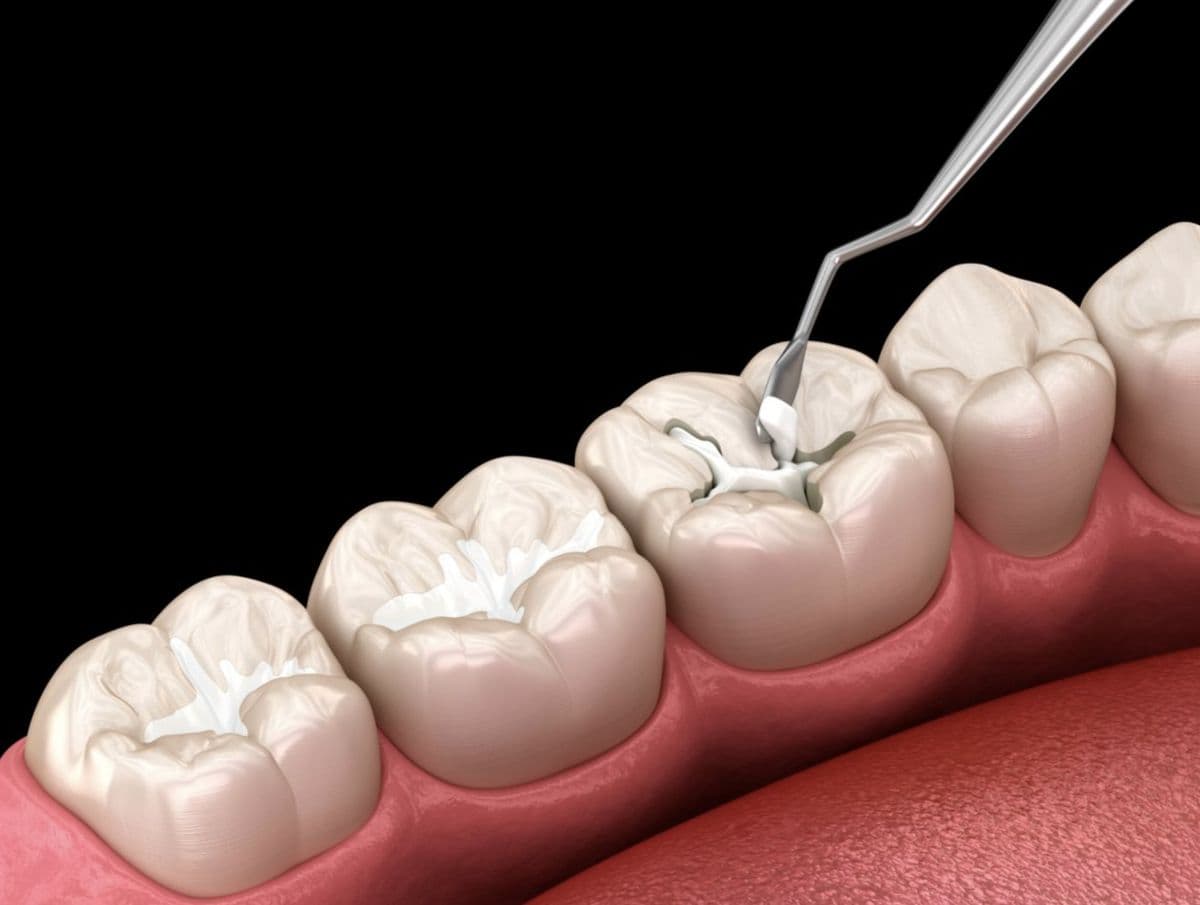
- When to Choose a Crown Over a Filling: If a cavity or fracture affects more than half the width of your tooth, or if your tooth’s structure is severely compromised, a simple dental filling won’t provide enough strength to protect it long-term. In such cases, a crown is recommended to fully cover and reinforce the tooth. For more details on fillings, explore our dental fillings information.
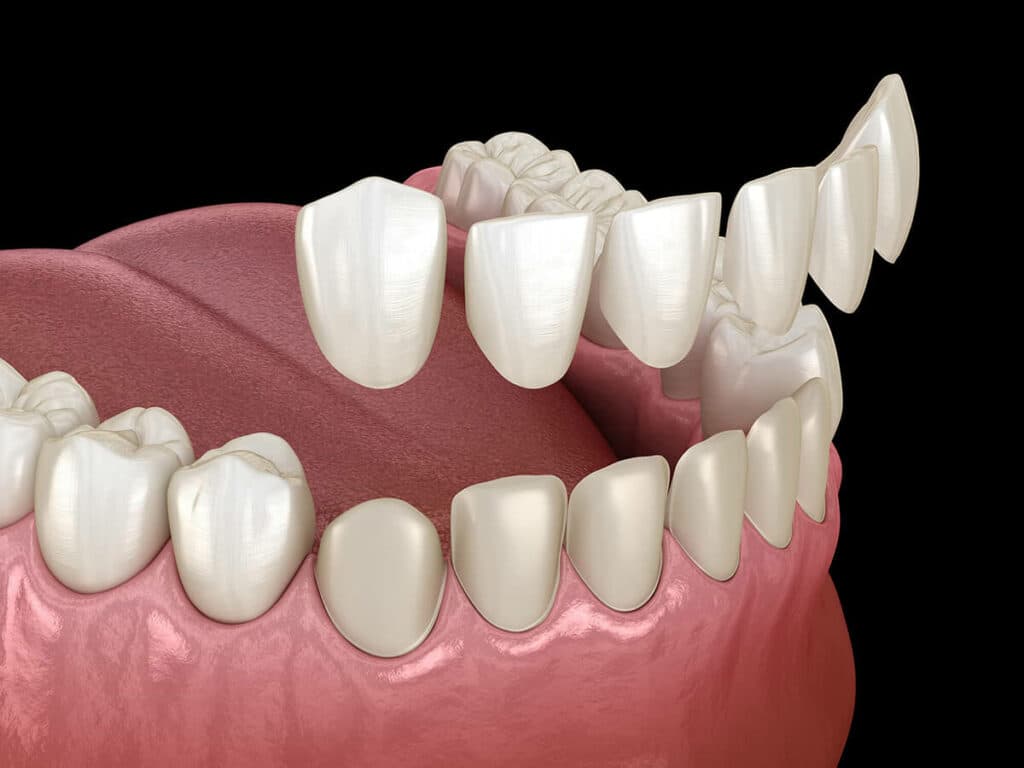
- Crowns vs. Veneers for Cosmetic Changes: While both crowns and veneers can improve your smile’s appearance, they serve different primary purposes. Crowns are used when a tooth has significant structural damage, requiring full coverage for protection and restoration. Veneers, on the other hand, are thin, custom-made shells that cover only the front surface of a tooth, primarily for cosmetic improvements like correcting discoloration, minor chips, or slight misalignments on otherwise healthy teeth. If you’re considering purely cosmetic changes, our guide to veneers in NYC might be helpful.
Cost, Care, and Longevity of Manhattan Dental Crowns
Investing in Manhattan dental crowns is an investment in your oral health and overall well-being. Understanding the cost, how to care for your new crown, and its expected lifespan will help you maintain your beautiful, restored smile for years to come.
How Much Do Dental Crowns Cost in Manhattan?
The cost of dental crowns in Manhattan can vary, but generally, you can expect to invest between $800 and $3,000 per crown. Several factors influence this range:
- Material Choice: As discussed, different materials like porcelain, zirconia, PFM, or gold have varying costs due to material expense and fabrication complexity.
- Case Complexity: The overall condition of your tooth, whether additional treatments like a root canal or a preliminary restoration (buildup) are needed, and the specific tooth’s location can affect the total cost.
- Dentist’s Experience and Technology: Highly experienced dentists utilizing state-of-the-art technology, like our team at Tribeca Dental Studio, may have costs that reflect their expertise and advanced equipment.
- Dental Insurance Coverage: Most dental insurance plans provide some coverage for crowns, especially when they are placed for medical or functional reasons (e.g., to restore a broken tooth or after a root canal), rather than purely cosmetic ones. Coverage typically ranges around 50% of the cost after your deductible, and many plans have an annual maximum limit, often between $1,000 and $1,500. It’s also common for insurance to cover replacement crowns only after a certain period, usually 5-7 years. We encourage you to view our accepted insurance plans or contact our office for a detailed discussion about your specific coverage.
Caring for Your New Crown
Caring for your new crown is much like caring for your natural teeth. With proper hygiene and attention, your crown can last for many years.
- Daily Hygiene: Brush your teeth twice a day with a soft-bristled toothbrush and floss daily. Pay special attention to the gum line around the crown, as this is where plaque and food debris can accumulate, potentially leading to decay on the underlying tooth.
- Brushing and Flossing Techniques: When flossing around a crown, gently slide the floss out rather than lifting it up, especially if the crown is new or feels slightly loose. A dental water pik can also be an excellent tool for cleaning around crowns, reaching areas that traditional floss might miss.
- Foods to Avoid: To protect your crown, especially temporary ones, avoid very hard, sticky, or crunchy foods. This includes ice, hard candy, caramels, and chewy bagels. These foods can potentially dislodge or damage your crown.
- Night Guards for Grinding: If you have a habit of grinding or clenching your teeth (bruxism), particularly at night, we highly recommend a custom night guard. This protective appliance can significantly extend the life of your crown and protect your other teeth from excessive wear. If your crown is sensitive to cold, it could be a sign of grinding.
- Regular Dental Check-ups: Consistent professional cleanings and exams every six months are vital. During these visits, we can monitor the health of your crown and the surrounding tooth structure, catching any potential issues early.
Lifespan and Potential Risks of Manhattan Dental Crowns
With proper care and good oral hygiene, Manhattan dental crowns are designed to be a long-lasting solution.
- Average Lifespan: The average lifespan of a dental crown can range from 10 to 15 years, and often much longer – some can even last 20 to 30 years! Factors like the crown material, your oral hygiene habits, diet, and whether you grind your teeth all play a role in its longevity.
- Potential Complications: While crowns are generally very safe and effective, some potential risks and complications can occur:
- Cavities Under the Crown: Although the crown material itself cannot decay, the natural tooth underneath can still develop cavities at the margin where the crown meets the tooth. This emphasizes the importance of diligent oral hygiene.
- Crown Falling Off: Occasionally, a crown can become loose or fall off, often due to issues with the cement or decay underneath. If this happens, it’s crucial to contact us immediately.
- Chipping or Cracking: Porcelain crowns, while beautiful, can sometimes chip, especially if you bite down on something very hard. Minor chips can often be repaired with composite resin, but a more extensive fracture might require a crown replacement.
- Sensitivity: It’s normal to experience some sensitivity to hot or cold temperatures after a crown is placed, especially if the tooth’s nerve is still intact. This usually subsides, but persistent or severe sensitivity should be reported to us. In rare cases, severe sensitivity could indicate the need for a root canal.
For general information about dental crowns and bridges, you can visit our dental crowns and bridges page.
Frequently Asked Questions about Dental Crowns
We understand you might have more questions about Manhattan dental crowns. Here are answers to some of the most common inquiries we receive:
What’s the difference between a crown, a bridge, and an implant?
These are all restorative dental options, but they serve different purposes:
- Dental Crown: A crown covers a single damaged tooth to restore its shape, size, strength, and appearance.
- Dental Bridge: A bridge is used to replace one or more missing teeth. It consists of artificial teeth (pontics) fused between two crowns, which are then anchored to your natural teeth on either side of the gap.
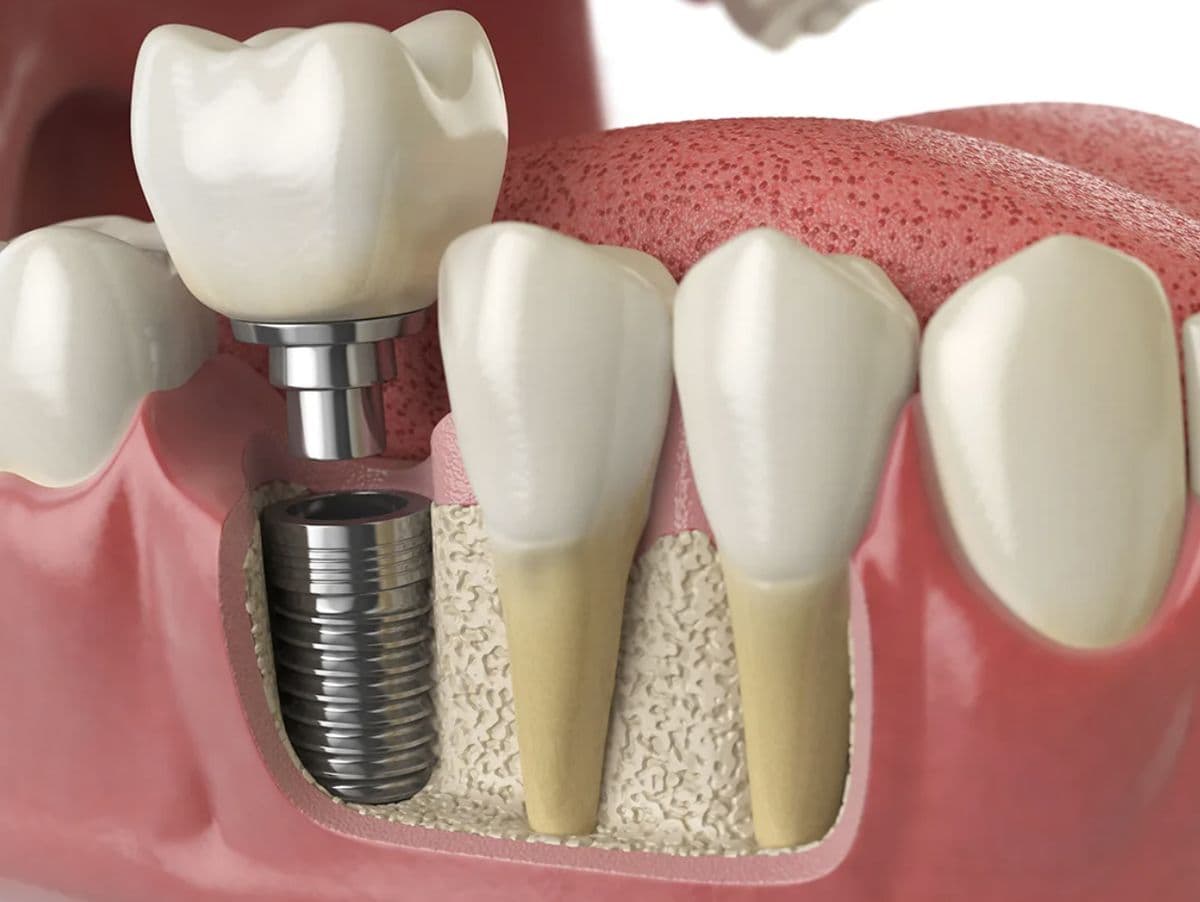
- Dental Implant: A dental implant is a more comprehensive solution for missing teeth. It involves surgically placing a titanium post into your jawbone to act as an artificial tooth root, which is then topped with a custom crown.
To help you decide which option is right for you, we have a detailed guide comparing crowns vs. bridges vs. implants.
Does getting a dental crown hurt?
No, getting a dental crown should not be a painful experience. We use local anesthesia to thoroughly numb the tooth and surrounding area before we begin any work, ensuring your comfort throughout the procedure. You might feel some pressure, but not pain. After the anesthesia wears off, it’s normal to experience some mild tenderness or sensitivity for a few days. This can usually be managed with over-the-counter pain relievers. However, if you experience severe or prolonged pain, or unusual discomfort, please contact our office immediately.
Can a crowned tooth still get a cavity?
Yes, unfortunately, a crowned tooth can still get a cavity. While the crown material itself is impervious to decay, the natural tooth structure underneath, particularly at the margin where the crown meets your gum line, remains vulnerable. If plaque and bacteria accumulate in this area, a cavity can form. This is why diligent oral hygiene – brushing twice daily, flossing daily, and regular dental check-ups – is just as important for a crowned tooth as it is for your natural teeth.
Find the Best Dentist for Your Manhattan Dental Crowns
Choosing the right dental practice for your Manhattan dental crowns is a decision that impacts not only your smile but your overall oral health and confidence. A dental crown is a significant investment, and you deserve a team that combines expertise, advanced technology, and a truly personalized approach.
At Tribeca Dental Studio, we are dedicated to providing comprehensive, advanced, and welcoming oral healthcare. We believe in treating our patients like family, taking the time to listen to your concerns, answer your questions, and tailor every treatment plan to your unique needs and cosmetic expectations. Our commitment to leading-edge technology, combined with Dr. Nina Izhaky’s extensive experience, ensures that your dental crown will be a long-lasting, natural-looking restoration that truly improves your smile.
When you choose us, you’re not just getting a dental crown; you’re gaining a partner in your oral health journey. We’re proud of the relationships we build and the beautiful smiles we create. Don’t just take our word for it—read our patient testimonials to see what others say about their experience with us.
Ready to restore your smile and invest in your long-term oral health? We invite you to experience the Tribeca Dental Studio difference.
Schedule your consultation for dental crowns in NYC today, and let us help you achieve the healthy, confident smile you deserve.