NYC Sinus Lift Surgery: What You Need to Know for Dental Implants
January 14, 2026
Understanding Sinus Lift Surgery for Dental Implants
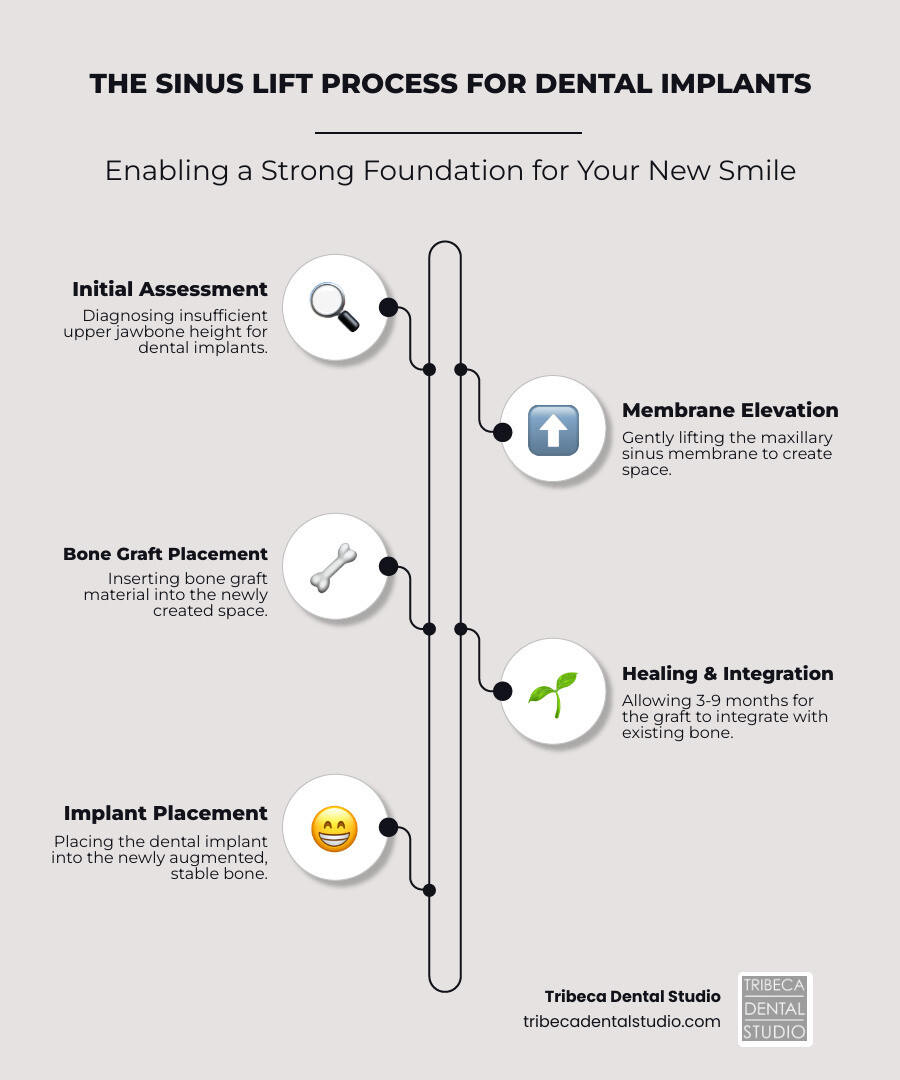
Sinus lift dental implants NYC is a specialized bone grafting procedure that creates space in your upper jaw for dental implants when your natural bone height is insufficient. Here’s what you need to know:
Quick Overview:
- What it is: A surgical procedure that lifts the sinus membrane and adds bone graft material to the upper jaw
- Why it’s needed: Insufficient bone height in the upper jaw due to tooth loss, aging, or sinus expansion
- When it’s performed: Before dental implant placement, or sometimes simultaneously if enough bone exists
- Healing time: Typically 3-9 months before implant placement
- Success rate: Over 90% for subsequent dental implants
- Who needs it: Patients missing upper back teeth with inadequate bone for implant support
If you’ve been told you lack enough bone for dental implants in your upper jaw, a sinus lift can be the solution. This procedure addresses a common problem: the maxillary sinuses sitting too close to the jawbone, leaving insufficient room to anchor an implant securely. This often happens after tooth loss, as the bone naturally resorbs and the sinus cavity expands downward.
The good news is that modern sinus lift techniques, including advanced microsurgery, have made this procedure more predictable and comfortable than ever. Many patients report minimal discomfort and can return to normal activities within days.
I’m Dr. Nina Izhaky, and at Tribeca Dental Studio, I work with our specialist team to provide comprehensive care for patients seeking sinus lift dental implants NYC, combining advanced 3D imaging technology with personalized treatment plans to help you achieve the permanent smile solution you deserve. Our on-site periodontics and oral surgery specialists ensure you receive coordinated, expert care throughout your entire treatment journey.
Why a Sinus Lift is Essential for Upper Jaw Implants
The maxillary sinuses are air-filled spaces behind your cheeks, just above your upper back teeth. For a dental implant to be successful, it needs a solid foundation of healthy bone to anchor into. If your upper jawbone is too thin or the sinus floor is too low, this foundation is compromised.
Bone loss in the upper jaw happens for a few key reasons:
- Tooth Loss: When a tooth is lost, the jawbone that supported it no longer receives stimulation from chewing. This leads to a process called jawbone resorption, where the bone shrinks and deteriorates.
- Sinus Expansion (Pneumatization): As we age and after long-term tooth loss, the sinus cavity tends to expand downward into the space where bone has been lost, further reducing the available bone height.
- Periodontal Disease: This progressive gum infection can erode the bone structure that supports your teeth.
A sinus lift rebuilds this lost bone, enabling patients who were previously ineligible for dental implants to become candidates. This restores your ability to chew and speak comfortably and prevents further bone atrophy, which is crucial for maintaining your facial structure. Dental implants function like natural tooth roots, providing the stimulation needed to keep your jawbone healthy. Learn more about how we build this foundation with More info about Bone Grafting.
Who is a Good Candidate for a Sinus Lift?
You may be a candidate for a sinus lift if you are exploring sinus lift dental implants NYC and have one or more of the following:
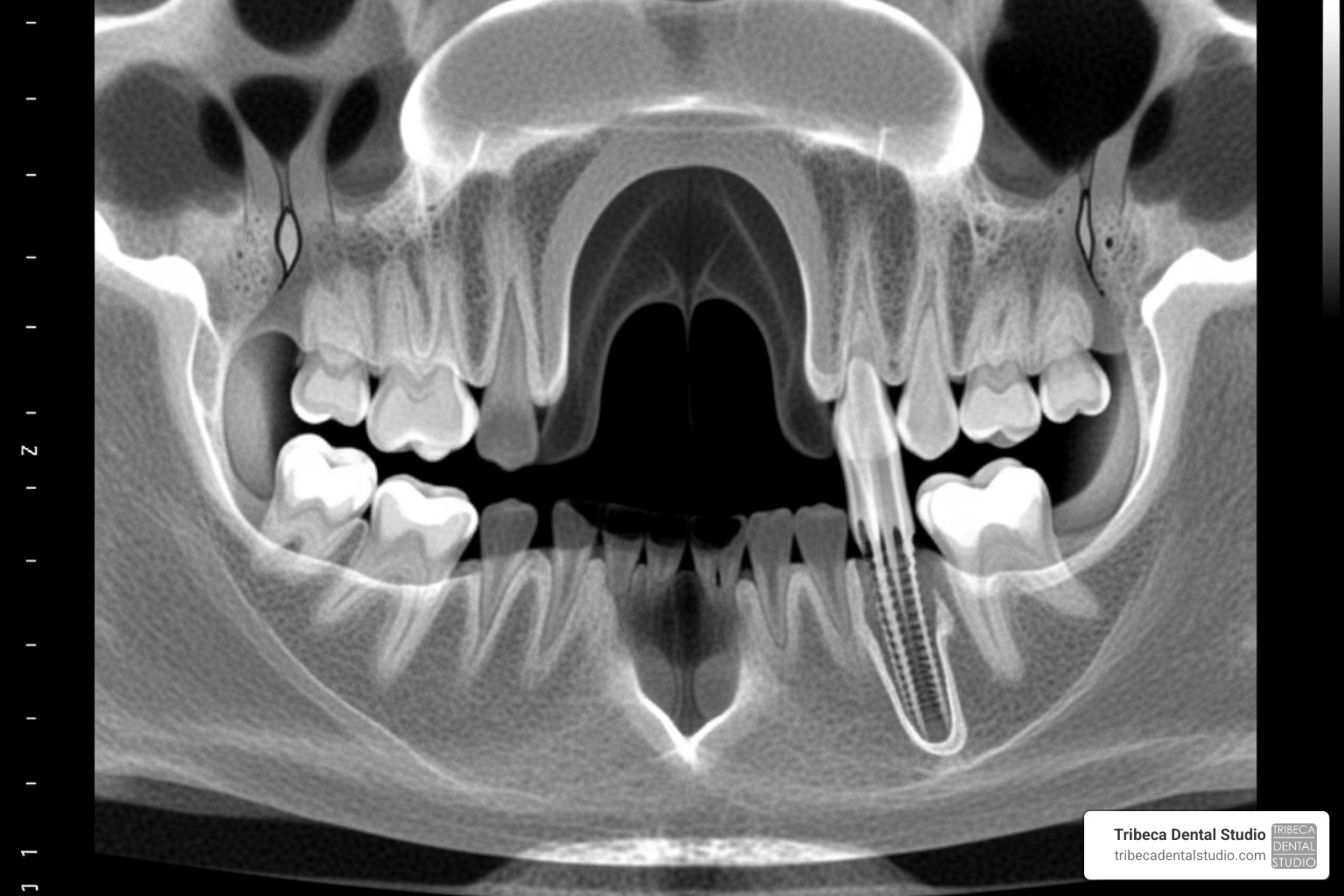
- Insufficient bone height: Diagnostic imaging shows less than 8-10mm of bone between your jaw ridge and the bottom of your maxillary sinus.
- Sinus proximity to jaw: Your natural sinus floor is too close to your jawbone for secure implant placement.
- Missing upper back teeth: This is where bone loss and sinus expansion are most common.
- Long-term tooth loss: The longer a tooth has been missing, the more likely significant bone loss has occurred.
- Missing teeth due to birth defects or conditions: Some congenital or medical issues can result in insufficient upper jaw bone.
- Missing most maxillary teeth: Patients needing full arch support often require a sinus lift to create a stable foundation for multiple implants.
If you’re seeking a permanent solution like Dental Implants in New York but lack sufficient bone density in your upper jaw, a sinus lift can be your pathway to a complete and healthy smile.
How Aging and Tooth Loss Affect Your Need for a Sinus Lift
As you age, natural changes in your facial structures can affect your jawbone and sinuses:
- Jawbone Resorption: After a tooth is removed or lost, the surrounding bone no longer receives the normal chewing forces that keep it strong. Over time, the body breaks down and resorbs this unused bone.
- Sinus Pneumatization: The maxillary sinus can slowly expand downward into the space where bone has been lost in the upper jaw. This reduces the vertical height of bone available for placing dental implants.
- Reduced Bone Density: Age-related changes and long-standing tooth loss can gradually decrease bone density, making it harder for implants to achieve stable anchorage.
A sinus lift reverses some of these changes in the upper jaw by rebuilding bone height beneath the sinus, creating a stronger, more supportive foundation for dental implants. For more detailed scientific research on the Sinus Lift procedure, oral and maxillofacial surgeons have documented the long-term effectiveness of this treatment approach.
Your Guide to Sinus Lift Dental Implants NYC: Procedure and Process
Starting your sinus lift dental implants NYC journey begins with meticulous planning. At Tribeca Dental Studio, we prioritize your comfort and ensure every step is thoroughly explained.
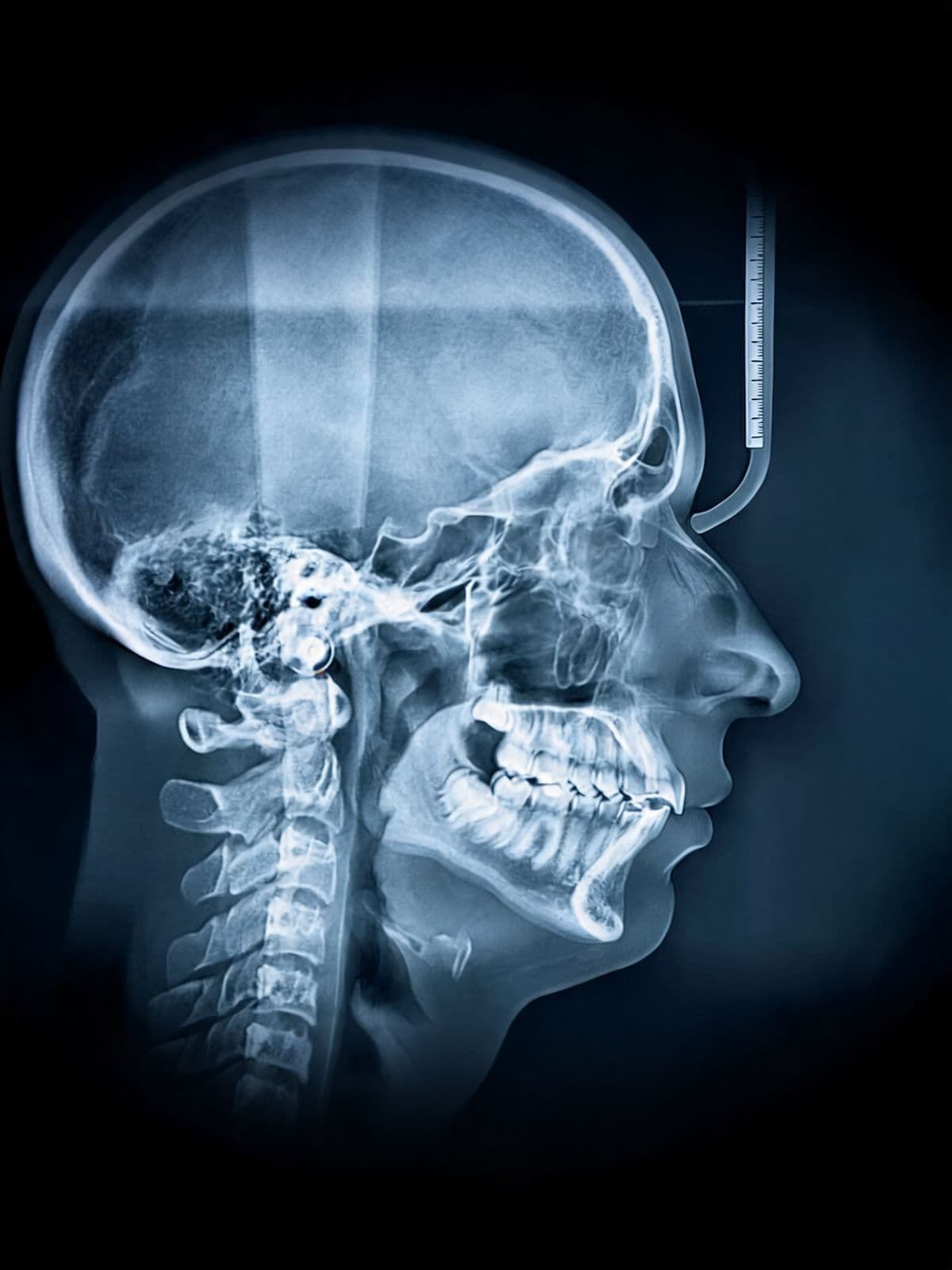
Your journey starts with a comprehensive consultation, including advanced 3D CBCT scans. These detailed images allow us to precisely measure your bone, assess your sinuses, and map out the safest and most effective treatment plan. We offer various anesthesia and sedation dentistry options to ensure your comfort throughout the procedure. Our experienced oral surgeons and periodontists are highly skilled in these delicate procedures. For more detailed information on surgical procedures, please visit More info about Oral Surgery.
Different Types of Sinus Lift Procedures
There are two main approaches to sinus lift surgery, chosen based on the level of bone deficiency:
| Procedure Type | Indications | Surgical Invasiveness | Healing Time Differences | Simultaneous Implant Possibility |
|---|---|---|---|---|
| Lateral Window (External) Sinus Lift | Severe bone loss (less than 5-6mm of bone height) | More invasive | Typically 6-9 months before implant placement | Less common, usually staged |
| Crestal (Internal) Sinus Lift | Moderate bone loss (5-8mm of bone height) | Less invasive | Often 3-6 months, sometimes less, before implant placement | More common, often simultaneous |
The Lateral Window Sinus Lift is for significant bone loss. A small “window” is created on the side of the jawbone to access and lift the sinus membrane, allowing for a substantial bone graft. This more extensive procedure typically requires a longer healing period before implants are placed in a separate stage.
The Crestal Sinus Lift is a less invasive option for moderate bone loss. The surgeon accesses the sinus through the implant site, gently lifting the membrane and placing the graft material. This approach often allows for a shorter healing time and, in some cases, simultaneous implant placement.
The Step-by-Step Surgical Method
While the technique varies, the general steps for a sinus lift are as follows:
- Incision Creation: After administering local anesthesia, a small incision is made in the gum tissue to expose the bone.
- Creating Access: A small opening is made in the bone—either a lateral “window” or directly through the implant site for a crestal approach.
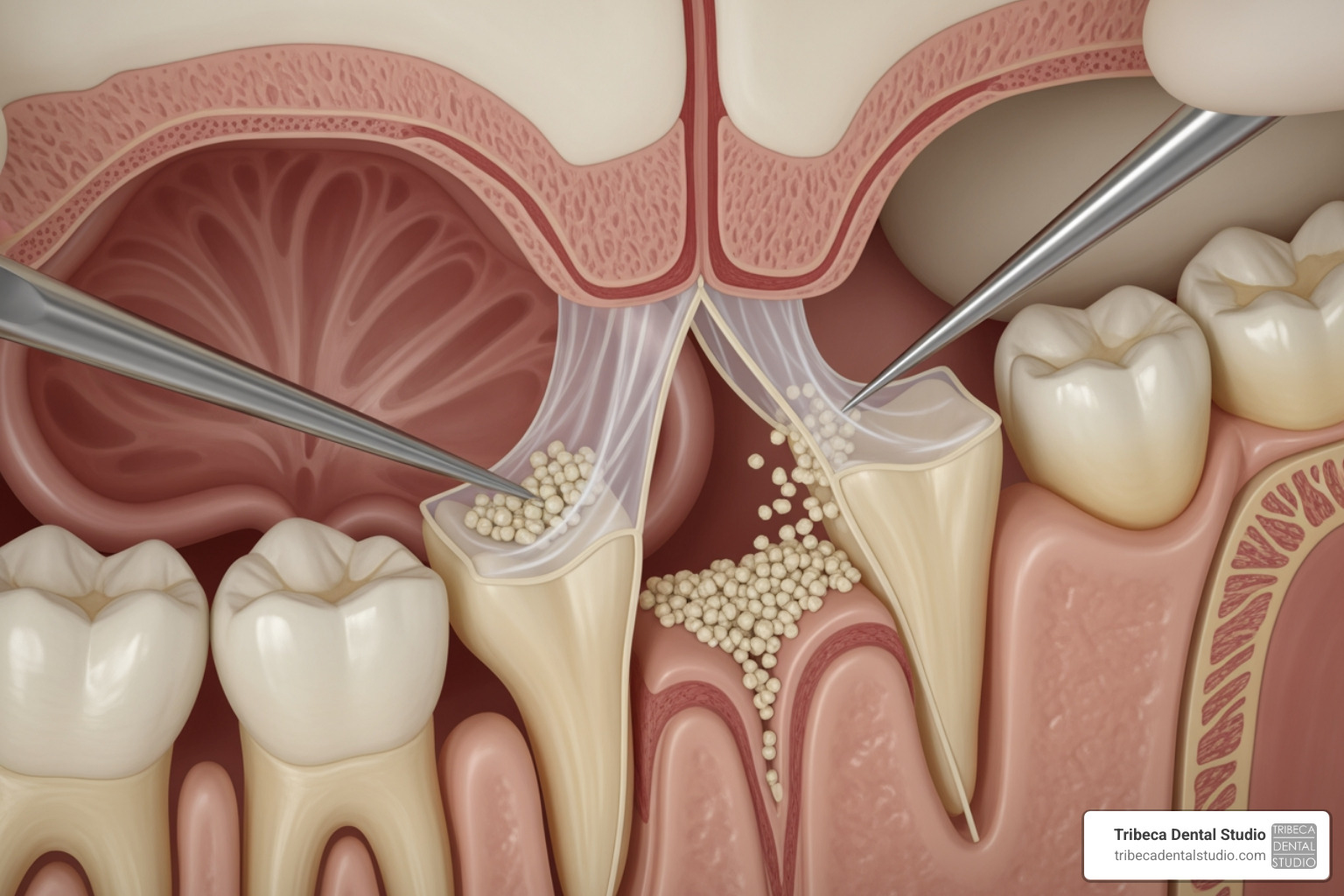
- Gently Lifting the Schneiderian Membrane: The thin membrane lining the sinus is carefully lifted. Our specialists use advanced microsurgery techniques for greater precision, which reduces the risk of perforation and leads to less post-operative pain and swelling.
- Placing Bone Graft Material: The newly created space is filled with bone graft material, which acts as a scaffold for new bone growth.
- Suturing the Site: The gum tissue is sutured back into place to protect the graft and promote healing.
Our commitment to advanced techniques means many patients report minimal to no discomfort post-procedure.
Bone Grafting Materials Used in a Sinus Lift
The success of a sinus lift depends on the quality of the bone grafting material, which provides the framework for new bone regeneration.
- Autograft (Patient’s Own Bone): Considered the “gold standard,” this uses your own living bone, offering excellent integration and no rejection risk.
- Allograft (Donor Bone): This is processed and sterilized bone from a human donor that acts as a scaffold for your body’s bone regeneration.
- Xenograft (Animal Source): Derived from an animal source (typically bovine), this provides a stable, sterilized scaffold that your body replaces with new bone over time.
- Alloplast (Synthetic Materials): These are synthetic, biocompatible materials designed to mimic natural bone structure.
- Growth Factors (PRF/PRP): In some cases, we use concentrates from your own blood (PRF/PRP) or special proteins (like INFUSE®) to accelerate healing and improve bone regeneration.
We will discuss the pros and cons of each material with you during your consultation.
Can a Sinus Lift and Implant Be Placed at the Same Time?
The decision to place implants simultaneously (one-stage) or separately (two-stage) depends on your existing bone quantity.
- Simultaneous Approach (One-Stage): If you have enough existing bone (typically 4-5mm) for initial implant stability, we can perform the sinus lift and place the implant in a single appointment. This reduces overall treatment time and is often possible with a crestal sinus lift. For more about rapid implant solutions, see More info about Immediate Dental Implants NYC.
- Staged Approach (Two-Stage): If there is insufficient bone (less than 4mm) to stabilize an implant, the sinus lift is performed first. The bone graft is allowed to heal for several months (typically 6-9) to create a solid foundation. The implant is then placed in a second procedure. This approach maximizes the long-term success of your implants.
Our specialists will use 3D imaging to determine the best approach for you, always prioritizing the long-term stability of your dental implants.
Recovery, Risks, and Long-Term Success
Understanding the recovery process, potential risks, and long-term success rates will help you feel confident about your sinus lift dental implants NYC journey. Proper post-operative care is crucial for optimal healing.
- Pain Management: Manage discomfort with prescribed or over-the-counter pain medication.
- Swelling and Bruising: Apply ice packs to your face for the first 24-48 hours to reduce swelling.
- Antibiotics: Take prescribed antibiotics as directed to prevent infection.
- Diet Recommendations: Stick to a soft food diet for the first few days, avoiding anything hard, crunchy, or spicy.
- Activity Restrictions: Avoid strenuous activity and anything that creates sinus pressure (e.g., blowing your nose forcefully, using straws) for several weeks.
- Oral Hygiene: Maintain careful oral hygiene, brushing gently around the surgical area and using any prescribed antiseptic mouth rinses.
For more comprehensive guidance, please refer to our More info about Dental Implant Post Care: Complete Guide.
The Healing Timeline: From Surgery to Implant
Patience is key to a successful outcome for your sinus lift dental implants NYC.
- Initial Recovery (1-2 weeks): You’ll manage pain and swelling. We’ll schedule a follow-up around 7-10 days to check healing. Most patients return to light activities within a few days.
- Bone Integration Period (3-9 months): This is the crucial phase where the bone graft matures into new, viable bone. The timeline varies depending on the graft and your body’s healing.
- Success Rate Statistics: The success rate for dental implants placed after a sinus lift is very high, often exceeding 90%.
- Follow-up and Evaluation: We will monitor your healing and may take follow-up imaging to confirm that enough dense bone has formed to support dental implants.
- Cleared for Implants: Only after we confirm adequate bone integration will you be cleared for Dental Implant Surgery.
Potential Risks and Complications
While sinus lifts are highly successful, all surgeries have potential risks. Our team takes every precaution to minimize them:
- Sinus Membrane Perforation: This is the most common complication. Minor tears can often be repaired during surgery. Larger tears may require delaying the bone graft to allow the membrane to heal.
- Infection: Though rare, infection can occur. We prescribe antibiotics to minimize this risk.
- Graft Failure: In rare instances, the bone graft may not integrate successfully, which might require repeating the procedure.
- Sinusitis: Inflammation of the sinus cavity is uncommon.
- Bleeding, Swelling, and Bruising: These are normal post-operative effects.
When to call your surgeon: Contact our office immediately if you experience severe pain not managed by medication, uncontrolled bleeding, a high fever (above 101°F or 38.3°C), or any signs of an allergic reaction. We are here to support you throughout your recovery.
Navigating Your Sinus Lift Journey in NYC
Choosing the right dental professional for your sinus lift dental implants NYC is paramount to a successful outcome.
Finding a Qualified Specialist in NYC
A sinus lift is a specialized procedure performed by a periodontist (a gum and bone specialist) or an oral surgeon. At Tribeca Dental Studio, we have both on our team, ensuring you receive care from a specialist with the precise expertise for your case.
When choosing a surgeon, look for:
- Credentials: Verify that the surgeon is board-certified, which indicates a high level of expertise.
- Experience: Ask how many sinus lifts they have performed and inquire about their experience with advanced techniques like microsurgery, which can improve outcomes.
- Before-and-After Photos: Reviewing previous cases can give you a visual understanding of the surgeon’s work.
- Patient Testimonials: Hearing from other patients offers valuable insight into the quality of care.
A thorough consultation is your opportunity to ask questions and get comfortable with the team. We encourage you to ask about the recommended procedure, materials, risks, and healing time. Our personalized approach at Tribeca Dental Studio means we take the time to ensure you feel confident and informed. To learn more about our commitment to excellence, visit More info about the Best Dentist in NYC.
Understanding the Cost of Sinus Lift Dental Implants NYC
The cost of a sinus lift in NYC varies, as it is a custom surgical procedure. It’s an investment in your long-term oral health and a necessary step for many to become candidates for dental implants.
Factors influencing the cost include:
- Type of Procedure: A more extensive lateral window lift generally costs more than a crestal lift.
- Bone Graft Material: Costs vary based on the material used (e.g., patient’s own bone, donor bone, synthetic).
- Anesthesia Fees: The type of sedation chosen (local, IV sedation) will affect the cost.
- Surgeon’s Expertise and Location: Fees reflect the surgeon’s experience and the higher costs of operating in NYC.
During your consultation, we provide a detailed breakdown of all anticipated costs. We are transparent about pricing and will discuss payment and financing options. We also recommend contacting your insurance provider to understand your benefits for surgery and bone grafting. For general information, please refer to More info about Insurance. To learn more about our dedicated team, please visit More info about our team.
Frequently Asked Questions about Sinus Lifts
How painful is a sinus lift procedure?
During the procedure, you will feel no pain due to effective anesthesia during surgery and available sedation options. Post-operatively, discomfort is typically mild, similar to a tooth extraction, and includes some soreness and swelling expectations. This is managed with prescribed pain medication and ice packs. Modern techniques reducing pain, such as microsurgery, further minimize discomfort, and many patients find over-the-counter relievers are sufficient after the first few days.
How does a sinus lift compare to other bone grafts?
A sinus lift is a highly site-specific procedure performed only in the upper jaw to increase bone height below the maxillary sinus floor. Its unique challenge is carefully lifting the delicate sinus membrane.
- Compared to Ridge Augmentation: This is a broader term for rebuilding jawbone width or height anywhere in the jaw. A sinus lift is a form of vertical ridge augmentation in a specific location.
- Compared to Socket Preservation: This is a minor graft placed immediately after an extraction to prevent bone loss, whereas a sinus lift is performed after significant bone loss has already occurred.
For cases of extremely severe bone loss, alternatives like More info about Zygomatic Implants as an alternative might be considered.
What is the long-term success rate of implants after a sinus lift?
The long-term success rate is exceptionally high, with studies showing high success rates often exceeding 90%. This success is due to the osseointegration process, where the titanium implant fuses with the new, strong bone created by the graft. Key factors for success include skilled surgery, quality graft materials, adequate healing time, and patient compliance with post-operative care and proper oral hygiene. With regular dental check-ups and maintenance, long-term studies show these implants can last for decades, often a lifetime.
Restore Your Smile with Confidence in NYC
If you’ve been told that a lack of bone in your upper jaw prevents you from getting dental implants, don’t lose hope! A sinus lift procedure can effectively address this challenge, paving the way for a strong, stable, and beautiful smile. This specialized bone grafting technique is designed to create the necessary foundation for dental implants, changing your candidacy and opening the door to a permanent tooth replacement solution.
The benefits extend far beyond aesthetics. By enabling dental implants, a sinus lift allows you to restore function and aesthetics, regaining the ability to chew comfortably, speak clearly, and smile with confidence. It’s truly a necessary investment for a permanent smile, preventing further bone loss and supporting your long-term oral health.
At Tribeca Dental Studio, we are dedicated to providing personalized, expert care right here in the heart of NYC. Our team, led by Dr. Nina Izhaky, combines advanced technology with a warm, family-like approach to ensure your comfort and the success of your treatment.
Don’t let bone loss hold you back from the smile you deserve. Take the first step towards a complete smile and find how sinus lift dental implants NYC can transform your life.
Schedule your consultation for Sinus Lift Dental Implants NYC with us today. We look forward to helping you achieve a healthy, confident smile that lasts a lifetime.