Sweet Dreams, Silent Jaws: How to Stop Grinding Your Teeth at Night
January 21, 2026
Waking Up to the Problem of Nighttime Teeth Grinding
How not to grind your teeth at night starts with understanding the problem and taking action. Here’s what works:
- Wear a custom-fitted night guard to protect your teeth from grinding damage
- Manage stress through meditation, yoga, or deep breathing exercises
- Improve sleep hygiene by maintaining consistent sleep times and avoiding caffeine/alcohol before bed
- Practice jaw exercises to relax facial muscles
- Address underlying causes like sleep apnea or anxiety with professional help
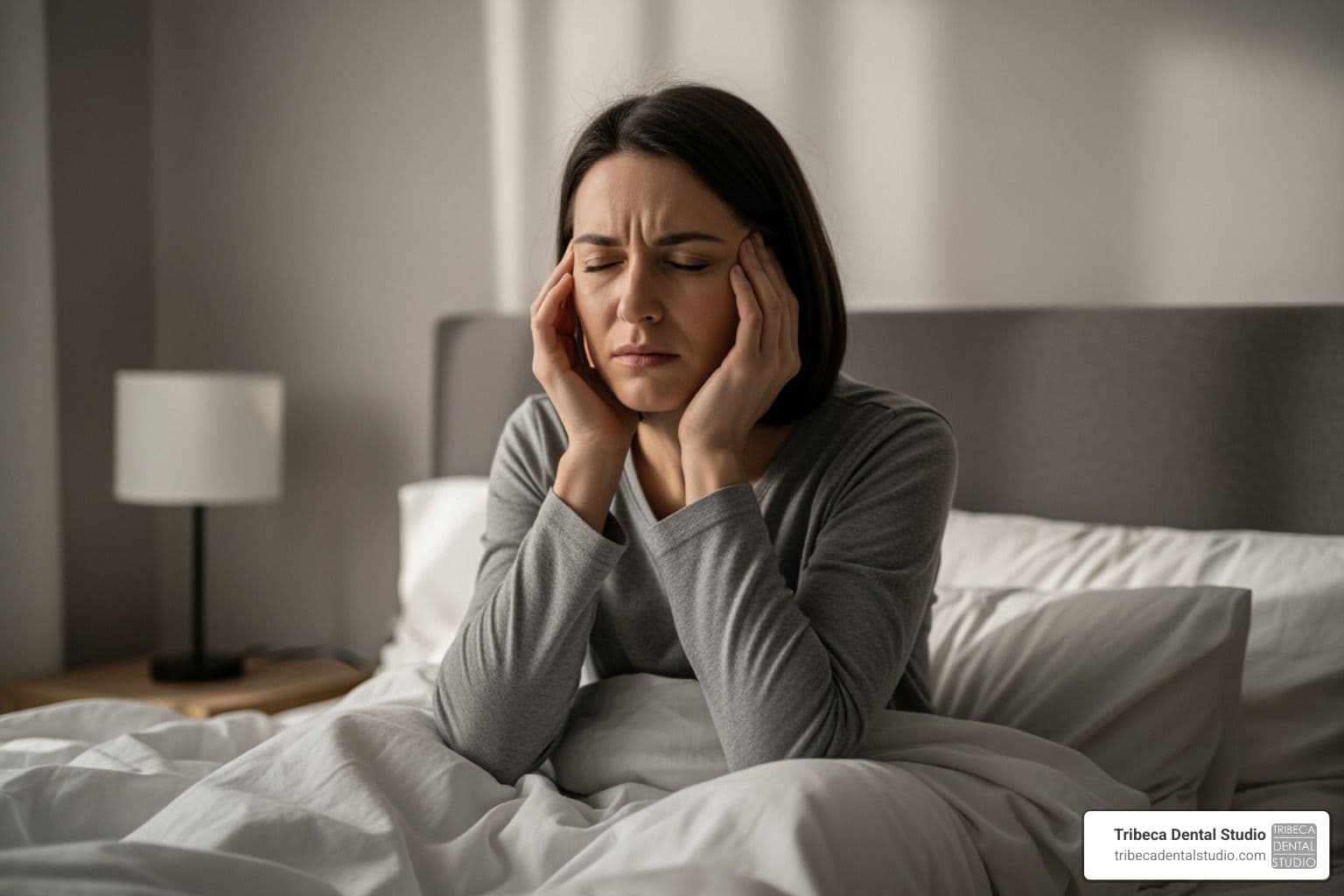
Do you wake up with a sore jaw, dull headaches, or sensitive teeth? You might be one of the millions grinding your teeth at night without even knowing it.
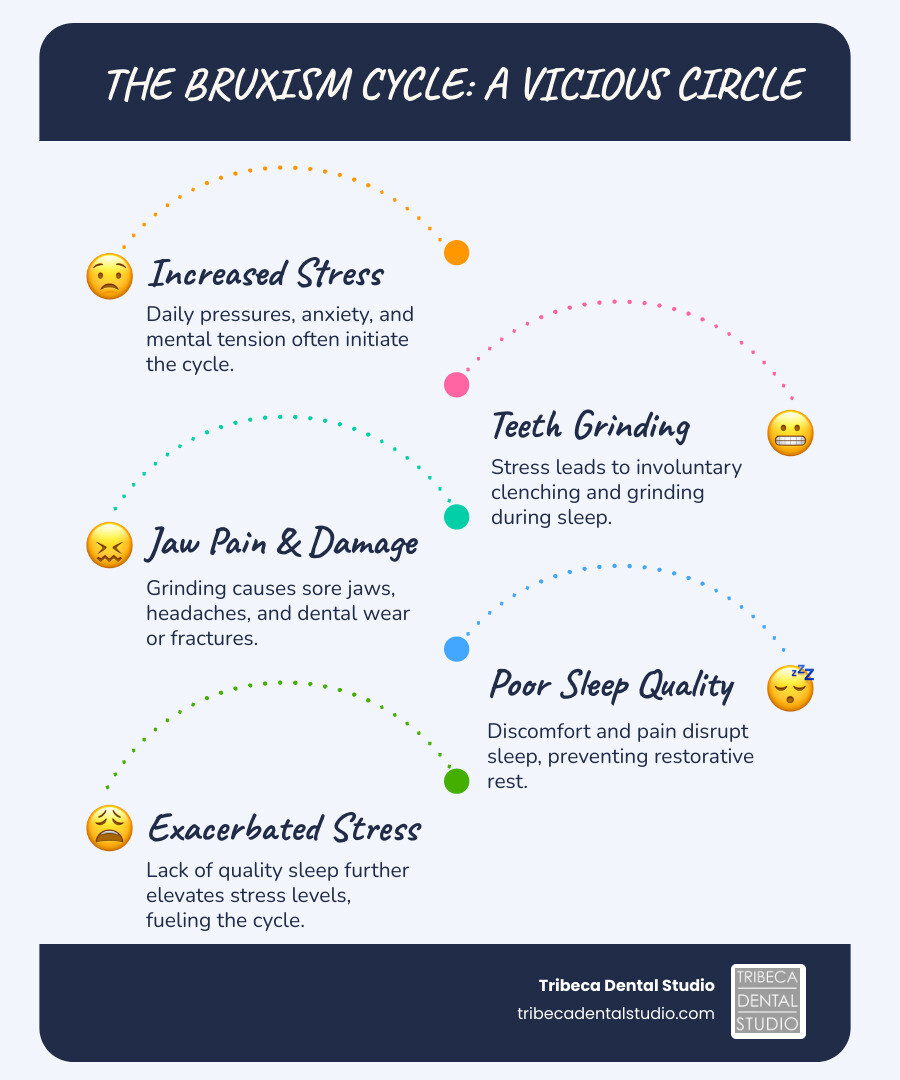
This involuntary clenching and grinding is called bruxism. It’s more common than you think—about 8.6% of adults experience sleep bruxism. The scary part? When you grind your teeth during sleep, you can apply up to 250 pounds of force. That’s like having a small gorilla sitting on your jaw.
Left untreated, nighttime teeth grinding can lead to cracked teeth, worn enamel, jaw disorders, and chronic pain. But here’s the good news: you can manage it effectively with the right approach.
This guide will walk you through everything you need to know—from recognizing the signs to practical solutions that actually work.
I’m Dr. Nina Izhaky, and at Tribeca Dental Studio, I’ve helped countless patients find relief from bruxism. Through my years of practice, I’ve learned that understanding how not to grind your teeth at night requires addressing both the dental and lifestyle factors that contribute to this condition.
Why Am I Grinding My Teeth? Uncovering the Signs and Causes
Many of our patients come to us asking, “Why me?” or “How do I even know I’m doing this?” The truth is, nighttime teeth grinding often happens without you realizing it. However, your body, and sometimes your sleep partner, will send clear signals. Understanding these signs and the underlying causes is the first crucial step in learning how not to grind your teeth at night.
Telltale Signs and Symptoms of Sleep Bruxism
Because bruxism occurs unconsciously during sleep, you might not be aware of it until symptoms manifest or someone else points it out. We often hear from patients who’ve been told by a partner that they make grinding noises at night—which can sometimes sound like fingernails on a chalkboard or stones rubbing together! But there are other key indicators:
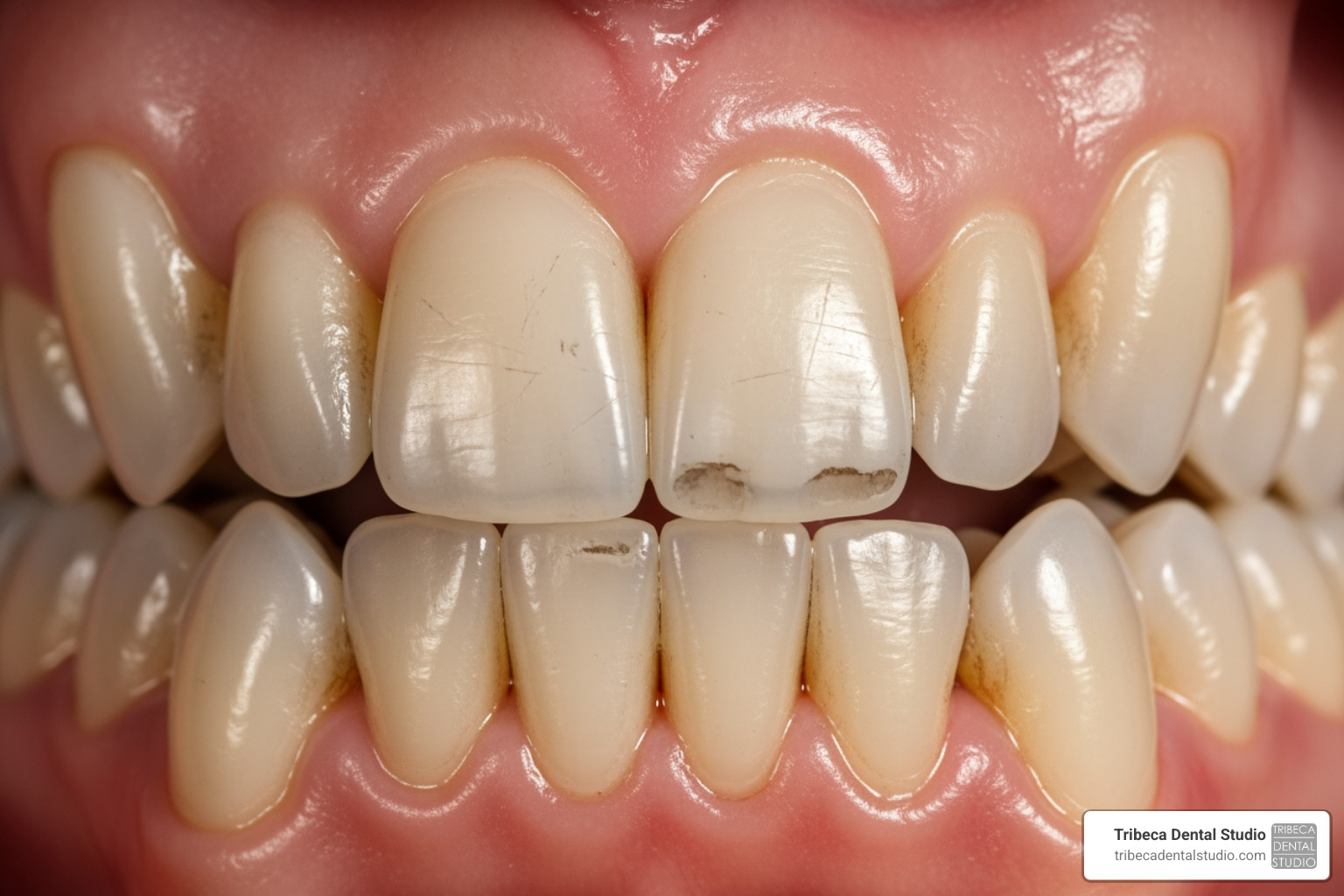
- Worn Tooth Enamel: One of the most common and damaging signs we see is the gradual wearing down of tooth enamel. This can make your teeth appear shorter or have flat biting edges.
- Chipped or Cracked Teeth: The immense force exerted during grinding can lead to chipped, fractured, or even broken teeth. Fillings and crowns can also be damaged or loosened.
- Increased Tooth Sensitivity: As enamel wears away, the underlying dentin becomes exposed, leading to heightened sensitivity to hot, cold, or sweet foods and drinks. Imagine your morning orange juice becoming a painful experience!
- Jaw Pain or Soreness: Waking up with a tired, stiff, or aching jaw is a classic sign. This pain can feel similar to what you’d experience after chewing gum for hours.
- TMJ Disorders: Prolonged grinding puts significant stress on your temporomandibular joints (TMJ), which connect your jawbone to your skull. This can lead to a range of issues, including clicking or popping sounds when you open your mouth, pain in the jaw joint, and even difficulty opening or closing your mouth completely. If you’ve recently had wisdom teeth removed and are experiencing TMJ issues, address it. You can find more information about this at TMJ Disorder After Wisdom Teeth Removal.
- Dull Headaches: Many bruxism sufferers experience dull headaches, particularly in the temples, upon waking. This is due to the strain on the jaw muscles radiating upwards.
- Earache-like Pain: The jaw joint is very close to the ear, so the pain from bruxism can often be mistaken for an earache, even when there’s no infection present.
- Scalloped Tongue or Cheek Damage: You might notice indentations along the sides of your tongue, matching your teeth, or damage to the inside of your cheek from biting or clenching.
- Partner Complaints: As mentioned, your sleep partner is often your best (or loudest!) alarm. They might report hearing grinding noises, or even observe your jaw movements during sleep.
If any of these sound familiar, it’s time to investigate further into how not to grind your teeth at night.
The Root Causes: From Stress to Sleep Disorders
Bruxism is complex, and its causes are often multifactorial. It’s rarely just one thing, but rather a combination of factors that contribute to this unconscious habit.
- Stress and Anxiety: This is perhaps the most commonly cited culprit. We know that 70% of people grind their teeth when stressed. Nervous tension, anger, frustration, and even aggressive or competitive personality traits can manifest as clenching and grinding, especially during sleep. Managing stress is a cornerstone of learning how not to grind your teeth at night. We dig deeper into this connection at Grind Teeth Anxiety.
- Sleep Apnea and Other Sleep Disorders: There’s a strong link between sleep bruxism and other sleep issues. Research suggests that about half of people who grind their teeth also have sleep apnea. In these cases, grinding might actually be a physiological response to an obstructed airway, where jaw movement helps to open it. Other sleep disorders like restless leg syndrome can also contribute. The NIH has more on this connection in their article Taking on Teeth Grinding and Clenching.
- Lifestyle Factors: Your daily habits can play a significant role.
- Caffeine: Heavy caffeine intake, especially later in the day, can increase muscle tension and contribute to bruxism.
- Alcohol: Alcohol consumption, particularly before bed, disrupts sleep patterns and can worsen grinding.
- Smoking/Nicotine: Nicotine is a stimulant that can increase muscle activity and anxiety, both of which are risk factors.
- Drug Use: Certain recreational drugs, like cocaine and amphetamines, are also associated with bruxism.
- Certain Medications: Some prescription medications can have bruxism as a side effect. Antidepressants (like fluoxetine, sertraline, and paroxetine) and amphetamines are notable examples. If you suspect your medication is contributing, always consult your prescribing doctor before making any changes.
- Misaligned Bite (Malocclusion): While some experts debate its primary role, an improper bite or misaligned teeth (malocclusion) can sometimes contribute to grinding as your jaw tries to find a comfortable resting position.
- Genetics: There appears to be a hereditary component to bruxism. Studies show that 20-50% of people who grind their teeth have family members who also do. So, if your parents or siblings grind, you might be more predisposed.
Understanding these underlying causes helps us tailor the most effective strategy for how not to grind your teeth at night.
Your Action Plan: How to Stop Grinding Your Teeth at Night
Now that we’ve identified the problem and its potential causes, let’s talk about solutions. Our goal at Tribeca Dental Studio is to provide you with a comprehensive action plan, combining professional dental interventions with practical lifestyle adjustments and stress management techniques.
Professional Dental Solutions to Protect Your Smile
For many, the first line of defense and often the most effective way to prevent damage from grinding is through professional dental intervention.
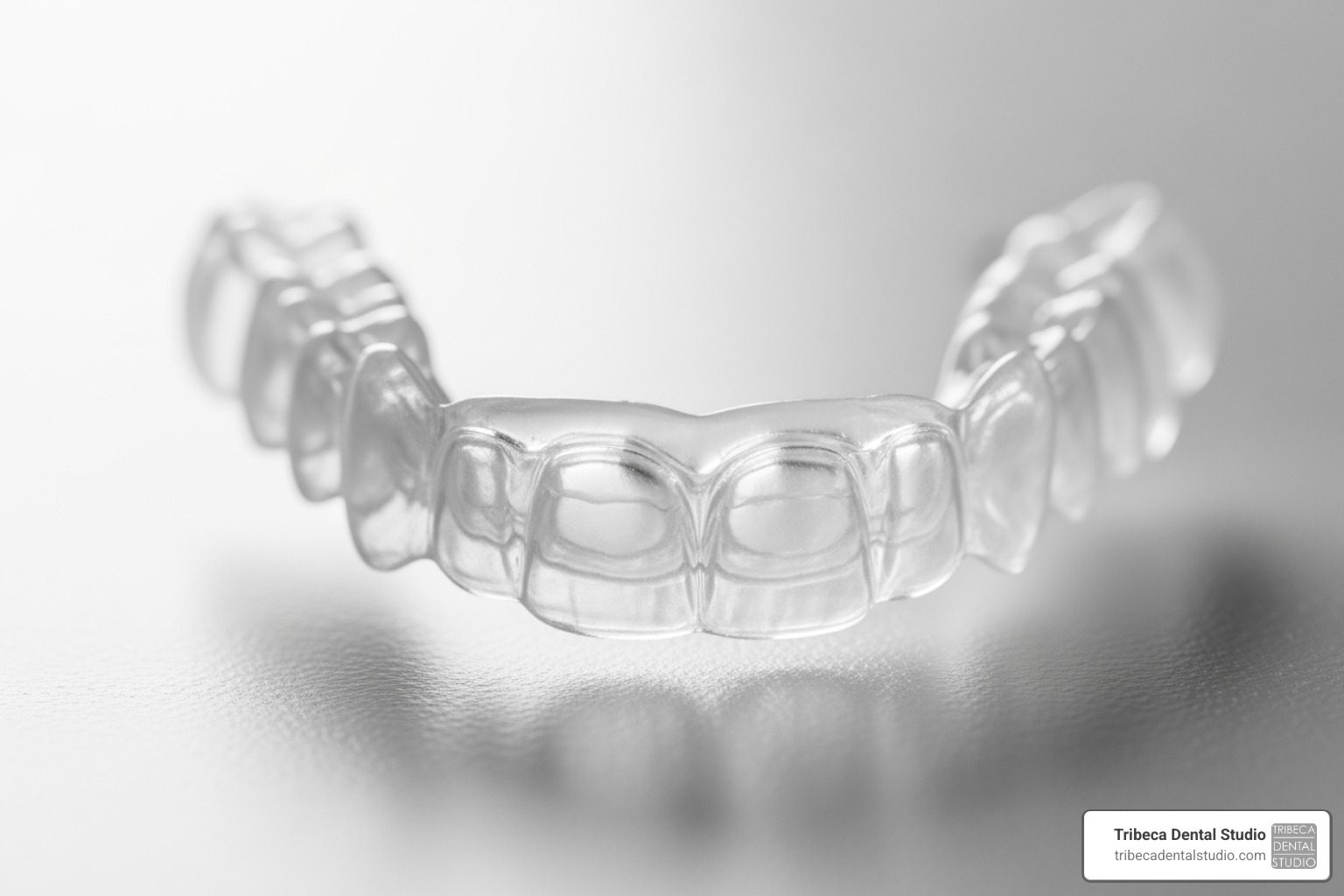
- Dental Splints and Mouthguards: These are custom-fitted oral appliances worn over your teeth, typically at night. They don’t stop the grinding itself, but they act as a protective barrier, absorbing the immense forces (up to 250 pounds!) and preventing your upper and lower teeth from contacting each other directly. This protects your enamel, prevents chips and cracks, and can reduce jaw pain.
- Custom-Fitted Options: At Tribeca Dental Studio, we emphasize custom-fitted night guards. Unlike over-the-counter “boil and bite” versions, custom guards are precisely molded to your unique bite. This ensures optimal comfort, effectiveness, and protection, without risking changes to your bite alignment. A poorly fitting appliance can sometimes worsen jaw issues.
- How They Work (Protection, Not a Cure): A night guard is like protective equipment for your teeth – it prevents damage but doesn’t necessarily stop the muscle activity causing the grinding. However, by eliminating the direct tooth-on-tooth contact, it significantly alleviates symptoms and prevents long-term damage.
- Bite Alignment: In some cases, if a misaligned bite (malocclusion) is a significant contributing factor to your bruxism, we might discuss options to correct your bite. This could involve orthodontic treatment or other restorative procedures. Addressing bite issues can be part of our overall approach to Preventive Dentistry, ensuring your long-term oral health.
Lifestyle Adjustments for how not to grind your teeth at night
Beyond dental appliances, simple changes to your daily routine and sleep habits can make a big difference in learning how not to grind your teeth at night.
- Consistent Sleep Schedule: Going to bed and waking up at the same time every day, even on weekends, helps regulate your body’s internal clock and promotes more restful sleep.
- Relaxing Bedtime Routine: Create a calming ritual before bed. This could include a warm bath, reading a book, listening to soothing music, or gentle stretching. Avoid stimulating activities.
- Limiting Screen Time: The blue light emitted from smartphones, tablets, and computers can interfere with melatonin production, a hormone essential for sleep. Try to avoid screens for at least an hour before bed.
- Avoiding Stimulants (Caffeine, Alcohol, Nicotine):
- Caffeine: Cut out caffeine after lunch. This includes coffee, tea, energy drinks, and even some sodas.
- Alcohol: While alcohol might make you feel sleepy initially, it disrupts sleep quality later in the night and can worsen bruxism. Limit or avoid it, especially in the evenings.
- Nicotine: As a stimulant, nicotine can increase muscle tension. If you smoke or use other nicotine products, consider cutting back or quitting.
- Dietary Changes (Avoiding Hard, Chewy Foods): Give your jaw muscles a break! Avoid hard or chewy foods like nuts, tough meats, hard candies, and even chewing gum, especially in the hours leading up to bedtime.
Stress Management and Relaxation Techniques for how not to grind your teeth at night
Given the strong link between stress and bruxism, managing your stress levels is a powerful tool in your arsenal for how not to grind your teeth at night.
- Jaw Exercises and Stretches: Gentle exercises can help relax tense jaw muscles and improve flexibility. For instance, place your tongue on the roof of your mouth, just behind your front teeth, and slowly open your mouth as wide as comfortable, holding for 5-10 seconds before closing. Repeat this several times a day. You can find more natural approaches and exercises at How to Stop Grinding Teeth in Sleep Naturally.
- Facial Massage: Gently massaging your jaw and facial muscles can relieve tension. Focus on the areas around your temples, cheeks, and along your jawline.
- Meditation and Mindfulness: Practicing meditation or mindfulness can help calm your mind and body, reducing overall stress and anxiety. Even a few minutes a day can make a difference.
- Deep Breathing Exercises: Simple deep breathing techniques can activate your body’s relaxation response. Inhale slowly through your nose, hold for a few seconds, and exhale slowly through your mouth.
- Yoga or Tai Chi: These practices combine physical movement with breath control and mindfulness, offering excellent ways to reduce stress and promote relaxation.
By integrating these strategies, you’re not just treating the symptoms; you’re addressing the root causes and creating a more harmonious environment for your body and mind.
Advanced Treatments and When to See a Professional
While home remedies and lifestyle adjustments are important, sometimes bruxism requires a more advanced approach. Knowing when to seek professional help and what to expect is key to finding effective solutions.
Getting a Professional Diagnosis
Many people delay seeking professional help because they’re unsure if their symptoms are serious enough. However, early intervention can prevent significant damage and pain. You should definitely schedule an appointment with us at Tribeca Dental Studio if you experience:
- Persistent Pain: If you frequently wake up with jaw pain, headaches, earaches, or facial stiffness that doesn’t subside.
- Visible Tooth Damage: If you notice your teeth are visibly worn down, chipped, cracked, or if your fillings or crowns are damaged.
- Jaw Locking: If your jaw occasionally locks in an open or closed position, or if you have difficulty opening your mouth wide.
- Sleep Partner Observations: If your sleep partner consistently reports hearing loud grinding noises.
What to Expect at an Exam:
When you visit us at Tribeca Dental Studio, we’ll conduct a thorough examination. This typically involves:
- Oral Examination: We’ll look for signs of tooth wear, damage to existing dental work, and check for tenderness in your jaw muscles and joints (TMJ). We might also look for tongue indentations or cheek damage.
- Medical History Review: We’ll discuss your overall health, any medications you’re taking, your lifestyle habits (caffeine, alcohol, smoking), and your stress levels.
- Discussion of Symptoms: We’ll ask about your specific symptoms, when they occur, and their severity.
- Sleep Partner Input: If you have a sleep partner, their observations about your sleep habits can be incredibly valuable.
We pride ourselves on providing Pain Free Dentistry, ensuring your diagnostic experience is as comfortable as possible.
Sleep Study Referral:
If we suspect that your bruxism is linked to an underlying sleep disorder like sleep apnea, we might refer you for a sleep study. This can help diagnose the sleep disorder, which, if treated, can significantly reduce or eliminate your grinding.
Exploring Further Treatment Options
Once we have a clear diagnosis, we can discuss a range of treatment options custom to your specific needs.
- Medications (as prescribed by your dentist or physician): While medications are generally not considered a primary long-term solution for bruxism, they can sometimes be used for short-term relief or in severe cases.
- Muscle Relaxants: These can help relax the jaw muscles, especially if you’re experiencing significant pain and stiffness. They are typically prescribed for a limited period.
- Botox Injections: For severe bruxism that hasn’t responded to other treatments, Botox (botulinum toxin) injections into the chewing muscles can be an option. Botox temporarily paralyzes or weakens these muscles, reducing the force of grinding and clenching. The effects usually last for 3-4 months.
- Altering Existing Medications: If a medication you’re currently taking is identified as a cause of your bruxism, your doctor might suggest adjusting the dosage or switching to an alternative. Never alter your medication without consulting your prescribing physician.
- Physical Therapy: A physical therapist specializing in temporomandibular disorders (TMD) can provide exercises and techniques to strengthen jaw muscles, improve range of motion, and alleviate pain.
- Treating Underlying Conditions: Addressing any identified underlying conditions is crucial. This could include:
- Sleep Apnea Treatment: If a sleep study confirms sleep apnea, treatments like CPAP therapy or a mandibular advancement device (MAD) can resolve both the apnea and the associated bruxism.
- GERD Management: Gastroesophageal reflux disease (GERD) has been linked to bruxism, so managing acid reflux can sometimes help.
- Neurological Disorders: For bruxism linked to neurological conditions, treatment will focus on managing the primary disorder.
For a comprehensive overview of bruxism, including diagnosis and treatment, the Cleveland Clinic offers valuable insights on their page: Bruxism (Teeth Grinding). Our personalized approach at Tribeca Dental Studio ensures we consider all these avenues to find the most effective path forward for you.
Frequently Asked Questions About Nighttime Teeth Grinding
We get a lot of questions from our patients about bruxism. Here are some of the most common ones we hear, along with our expert answers, to help you better understand how not to grind your teeth at night.
Will a night guard stop me from grinding my teeth?
This is one of the most common misconceptions. A night guard, or dental splint, does not actually stop the act of grinding. Think of it as a protective shield for your teeth. It works by:
- Protection vs. Cure: Your night guard creates a physical barrier between your upper and lower teeth, preventing them from making direct contact. This means that while you might still clench or grind, your precious tooth enamel is protected from wear, chips, and cracks.
- Absorbs Force: The material of the night guard helps to absorb and distribute the significant forces (up to 250 pounds!) generated during grinding, reducing the strain on your jaw joints and muscles.
- Prevents Damage: Its primary function is to prevent damage to your teeth and dental work, and to alleviate associated pain in your jaw, head, and neck.
- Does Not Stop the Muscle Activity: The muscle activity that causes grinding continues. That’s why addressing underlying causes like stress or sleep disorders is so important for a comprehensive approach to how not to grind your teeth at night.
Can I use a sports mouthguard instead of a night guard?
We strongly advise against using a sports mouthguard as a substitute for a custom-fitted night guard for bruxism. Here’s why:
- Too Bulky: Sports mouthguards are designed to protect against impact during athletic activities. They are typically much bulkier than night guards, which can be uncomfortable to wear all night and may even interfere with your breathing.
- Not Designed for Grinding Forces: The materials and design of sports mouthguards are meant to cushion sudden impacts, not to withstand the sustained, repetitive grinding and clenching forces of bruxism. They can wear down quickly or become ineffective.
- Can Worsen Jaw Problems: A sports mouthguard isn’t custom-fitted to your bite. Wearing an ill-fitting appliance for extended periods can actually misalign your jaw, exacerbate TMJ issues, and potentially worsen your bruxism symptoms. Always invest in a proper, custom-made night guard for bruxism – your teeth (and jaw) will thank you!
Is it possible for children to grind their teeth?
Yes, it is quite common for children to grind their teeth, a condition often referred to as “sleep bruxism” in kids.
- Common in Children: Up to 40% of children grind their teeth at some point. It’s often observed when their baby teeth are coming in or when their permanent teeth begin to erupt.
- Most Outgrow It: The good news is that most children outgrow bruxism by adolescence without any lasting damage or intervention. Their developing jaws and teeth often self-correct.
- When to See a Dentist for a Child: While often harmless, it’s always a good idea to mention it to your pediatric dentist during regular check-ups. We would recommend a professional evaluation if your child:
- Complains of jaw pain or soreness.
- Experiences tooth sensitivity.
- Has visibly worn down, chipped, or cracked teeth.
- Their grinding is severe enough to disturb their sleep or yours.
- If there are concerns about their permanent teeth being affected.
In such cases, a dentist can assess the situation and recommend appropriate steps, which might include monitoring, simple exercises, or, in rare severe cases, a custom appliance.
Conclusion: Reclaim Your Peaceful Sleep and Healthy Smile
Understanding how not to grind your teeth at night is a journey, not a destination. It involves a combination of awareness, protective measures, lifestyle adjustments, and, often, professional guidance. We’ve explored the telltale signs, uncovered the diverse causes, and outlined actionable strategies—from custom dental splints to stress management techniques and improved sleep hygiene.
You don’t have to live with the pain, damage, and discomfort that bruxism can cause. Our personalized approach at Tribeca Dental Studio means we treat you like family, listening to your concerns and crafting a treatment plan that fits your unique needs and lifestyle in Tribeca, Manhattan, New York City.
Whether it’s a custom-fitted night guard to protect your smile, advice on managing stress, or exploring advanced treatments for underlying conditions like sleep apnea, we are here to help you achieve sweet dreams and silent jaws. Don’t let nighttime teeth grinding compromise your oral health or your quality of life.
If you suspect you’re grinding your teeth, or if you’re experiencing any of the symptoms we’ve discussed, we encourage you to reach out to us. A healthy smile and a peaceful night’s sleep are within reach.
Learn more about Sleep Apnea Treatments and find how we can help you on your path to optimal oral health and well-being.