Why Do Some People Get Gum Recession Even With Good Cleaning?
December 3, 2025
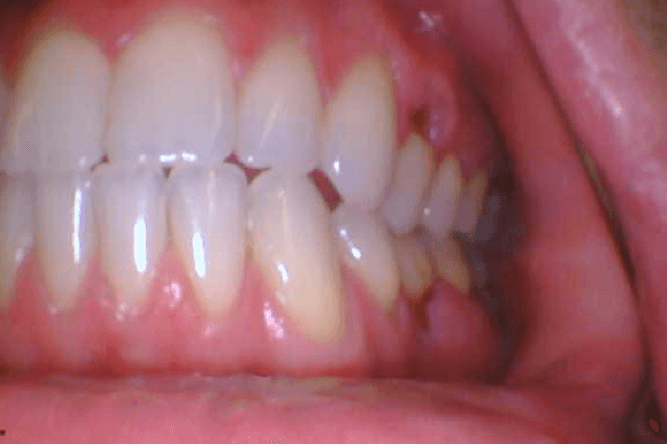
Many adults are surprised to see new or worsening gum recession even after keeping their mouth clean, treating past periodontal infections, and following a professional hygiene routine.
But in many cases, bacteria are no longer the main cause.
Research shows that for a significant number of adults, gum recession is driven by how the teeth bite together (occlusion) — not infection alone.
A study published by the National Institutes of Health (NIH) confirms that recession can progress even in clinically healthy mouths when the bite overloads thin gum tissue.
Source
How Your Bite Affects Your Gums
When your teeth don’t fit together properly — a condition known as malocclusion — certain teeth absorb too much force every time you chew, clench, or grind.
This is called traumatic occlusion, and over time it can damage the bone and thin gum tissue around overloaded teeth.
According to ScienceDirect research, bite pressure contributes significantly to bone remodeling and periodontal breakdown even in non-infected mouths.
Source
People often experience recession in:
-
lower front teeth
-
teeth that sit slightly forward
-
teeth pushed toward the lip or cheek side
-
crowded or rotated teeth
A narrow or small jaw makes it worse.
When the roots sit close to — or outside of — the bone housing, the gum is naturally thinner and more fragile. Everyday actions like chewing or brushing can cause it to recede.
The American Dental Association (ADA) notes that thin gum tissue and tooth position are major risk factors for recession.
Why Cleaning Alone Doesn’t Fix Recession
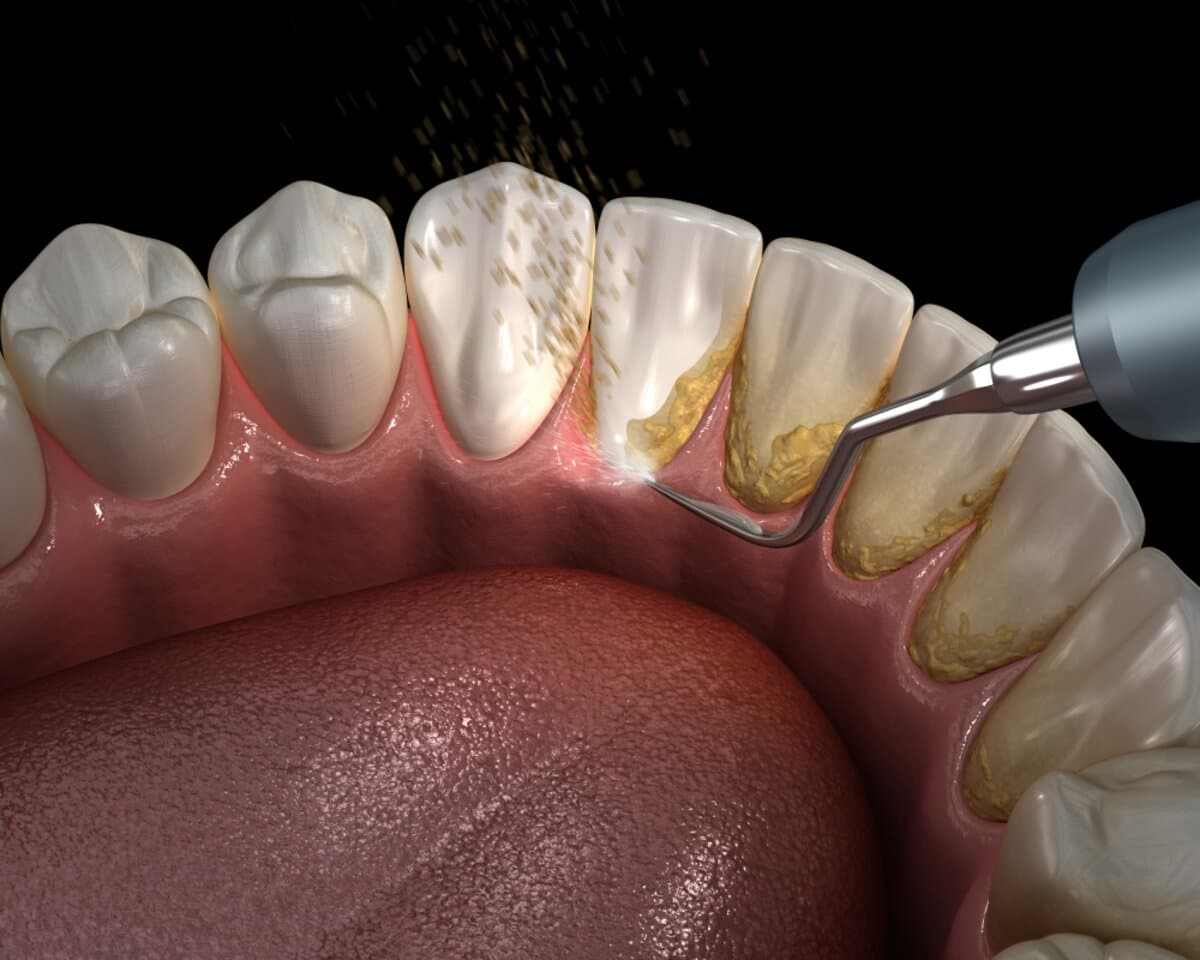
Treating gum infection and getting regular cleanings reduces inflammation — but it does not fix an overloaded bite.
If a tooth continues to:
-
hit too hard
-
hit at the wrong angle
-
sit outside thin bone
-
receive pressure during grinding
…recession can keep progressing even when your gums look clean and healthy.
A professional article from Dimensions of Dental Hygiene explains that periodontal therapy fights inflammation, but occlusal trauma continues damaging gum support if it’s not addressed.
This is why a recession evaluation should include:
-
periodontal charting
-
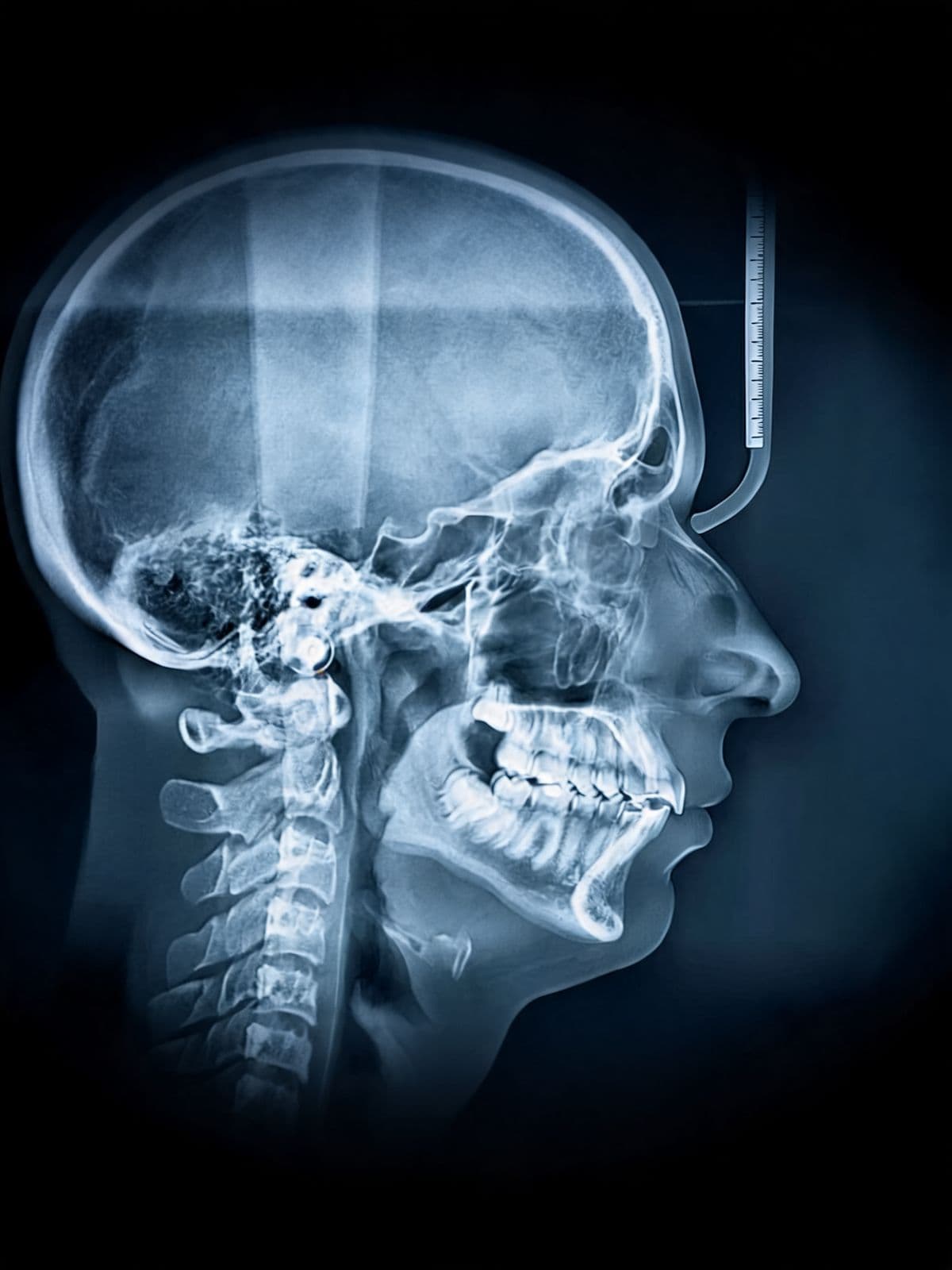
X-rays
-
occlusal analysis
-
evaluation of bite contacts and jaw movement
Cleaning removes bacteria — but only bite correction removes the mechanical stress that causes recession to return.
How Adult Orthodontics Helps Protect Your Gums
Modern orthodontics is not just for cosmetics — it is a functional treatment that protects teeth, bone, and gum tissue.
According to research published in the Journal of Periodontology (Wiley Online Library), controlled tooth movement and proper root positioning significantly reduce the risk of future recession.
1. Clear Aligners or Braces
These can correct:
-
deep bites
-
edge-to-edge bites
-
crossbites
-
crowding
-
misaligned lower front teeth
Each of these bite problems can overload specific teeth and contribute to recession.
The American Association of Orthodontists (AAO) emphasizes that aligning teeth into proper positions reduces gum stress and improves periodontal stability.
2. Arch Expansion for Narrow Jaws
In adults with a narrow or constricted arch, targeted expansion can:
-
create more room
-
bring roots back inside the bone housing
-
reduce tension on gum tissue
-
improve long-term stability of gum grafts
NIH-backed studies highlight that ensuring roots remain inside the bone “envelope” is critical for preventing recession relapse.
(Source: Schedule a Gum Recession & Bite Evaluation )
3. Controlled Root Positioning
Even small root adjustments protect delicate gum tissue and strengthen the support system of the teeth.
This reduces sensitivity, recession progression, and the risk of future periodontal breakdown.
Why a Combined Approach Works Best
The most stable long-term results happen when several therapies work together:
-
orthodontic correction
-
precise bite adjustment
-
minimally invasive gum grafting when needed
-
professional cleanings
-
home hygiene
-
bone and gum evaluation via X-rays or CBCT
According to ScienceDirect, multimodal treatment significantly lowers the risk of recession returning in the same areas.
Gum Recession Care at Tribeca Dental Studio (NYC)
At Tribeca Dental Studio, we evaluate gum recession using a dual approach:
Periodontal (gum health)
We check for inflammation, bone loss, pocket depth, and tissue thickness.
Occlusal (bite health)
We analyze how your teeth contact when:
-
biting down
-
moving side to side
-
moving forward
-
clenching or grinding
Many patients who experienced recession even after excellent cleanings find that the real cause is mechanical overload — not bacteria.
Your personalized plan may include:
-
clear aligner therapy
-
bite balancing (equilibration)
-
expansion when needed
-
collaboration with a periodontist for gum grafting
-
digital occlusal analysis
-
CBCT evaluation when appropriate
The American Academy of Periodontology (AAP) supports a multidisciplinary approach for stability and soft tissue protection.
This comprehensive care reduces the chance of recession returning in the same spots — giving you healthier gums, stronger support, and a more comfortable bite.
Frequently Asked Questions
Yes. When teeth hit with excessive force, the gum and bone around those teeth can break down over time, leading to recession even without gum disease.
If oral hygiene is good, the more common cause is bite pressure, thin gum tissue, or the position of your teeth — not bacteria.
Yes. Clear aligners can correct bite issues (like deep bites or crowding) that overload certain teeth and contribute to recession
Not always. If the cause is bite-related, orthodontics or bite adjustment may be needed before grafting to ensure long-term success.
Yes, once the underlying cause is treated. This may include controlling bite forces, improving tooth position, and managing grinding habits.
If You’re Noticing Recession, Schedule a Consultation
Gum recession doesn’t always mean gum disease — it often means your bite needs attention.
At Tribeca Dental Studio, we identify the true cause and design long-term solutions that protect your smile.
Located in Tribeca, New York City
Cosmetic, Orthodontic & Periodontal Care
Book your appointment today
About Tribeca Dental Studio
Tribeca Dental Studio, located at 54 Warren St, New York, NY 10007, has provided comprehensive dental care to Lower Manhattan since 2007. Led by Dr. Nina Izhaky, our practice combines general, pediatric, orthodontic, oral surgery, and periodontal care under one roof.
Our focus on airway health, dental implants, veneers, and pediatric dentistry sets us apart. We use 3D CBCT imaging, digital planning, and laser technology — including NightLase for snoring — to deliver precise, comfortable care.
To schedule a consultation, call (212) 561-5303 or book online. We welcome patients from Tribeca, SoHo, Battery Park City, the Financial District, and throughout downtown Manhattan.