Your Dazzling Dozen: Top-Rated Teeth Whitening Solutions for 2026
May 27, 2026
The Science of a Brighter Smile: Ingredients in the Best Teeth Whitening Products
To find the best teeth whitening solution, you first need to understand the chemistry happening on your enamel. Not all whitening agents are created equal, and the concentration of these ingredients determines both how fast you’ll see results and how much sensitivity you might experience.
Hydrogen Peroxide vs. Carbamide Peroxide
Most traditional whitening products rely on peroxides. Hydrogen peroxide is the heavy hitter; it breaks down quickly into water and oxygen, releasing whitening power almost immediately. Most at-home treatments use a 10% hydrogen peroxide formula, which is effective for surface stains.
Carbamide peroxide, on the other hand, is a more stable form that breaks down into hydrogen peroxide and urea. Because it releases its whitening power over a longer period (up to eight hours), it is often the preferred choice for at-home custom tray systems. The ADA notes that at-home concentrations typically range from 10% to 38% carbamide peroxide. While hydrogen peroxide is faster, carbamide peroxide is often gentler for those with a history of “zingers.”
The New Kids on the Block: PAP and Nano-Hydroxyapatite
In 2026, we are seeing a massive shift toward “biocompatible” whitening. Phthalimidoperoxycaproic Acid (PAP) is a non-peroxide bleaching agent that whitens discolored molecules inside the tooth without the free radicals that cause sensitivity.
We also frequently recommend products containing Nano-hydroxyapatite. Since hydroxyapatite makes up 97% of your tooth enamel, adding it to a whitening formula helps with enamel remineralization. It essentially “plugs” the tiny holes in your teeth, making the surface smoother and less prone to future staining.
Managing the “Ouch”: Potassium Nitrate
If you have sensitive teeth, look for potassium nitrate. This ingredient works by flooding the nerve with potassium ions, effectively blocking pain signals. It’s a standard desensitizer that makes the most effective way to whiten teeth much more comfortable.
The Dazzling Dozen: Top Categories for 2026
When shopping for the best teeth whitening products, the first thing we tell our Tribeca patients is to look for the ADA Seal of Acceptance. This voluntary seal ensures the product is both safe and effective when used as directed.
The timeline for results varies wildly. Some express strips promise a change in three days, while mouthwashes might take three months. For a deeper dive, check out the ultimate guide to at-home teeth bleaching products.
Best Teeth Whitening Strips and Gels
Strips remain the most popular at-home method because they are incredibly easy to use.
- Non-slip technology: Modern strips use advanced adhesives that allow you to talk (and even drink water) while wearing them.
- Dissolving strips: A major trend in 2026, these strips dissolve in about 15 minutes. This limits the peroxide exposure time, which is great for sensitivity.
- Peroxide-free options: Using PAP technology, these are perfect for those who want a brighter smile without any chemical sting.
- Efficiency: You can often find a high-quality Advanced At-Home Teeth Whitening Kit that uses pre-filled trays or strips to ensure the gel stays on your teeth and off your gums.
Best Teeth Whitening Toothpastes and Rinses
Whitening toothpastes are best viewed as maintenance tools rather than transformative treatments.
- RDA Scores: The Relative Dentin Abrasivity (RDA) score tells you how “scrubby” a toothpaste is. Anything under 250 is safe for daily use, but we prefer lower scores to protect your enamel.
- Calprox Technology: Found in premium brands, this dissolves the protein pellicle (the thin film on your teeth) so stains can’t stick.
- Rinses: You might wonder, does whitening mouthwash work? The answer is yes, but slowly. Because the contact time is so short, rinses are best for preventing new stains from coffee or wine rather than removing old ones.
Whitening Pens and LED Kits
For those with busy NYC lifestyles, pens and LED kits offer the most flexibility.
- Precision Applicators: Pens allow you to paint the gel exactly where you need it, avoiding sensitive gum tissue.
- Serum Activation: High-tech best teeth whitening kits and brushes often use blue LED light to accelerate the peroxide reaction, helping the serum penetrate deeper into the enamel in less time.
Professional Treatments vs. At-Home Kits
While OTC products have come a long way, there is still a significant gap between what you can buy at a drugstore and what we can do for you at Tribeca Dental Studio.
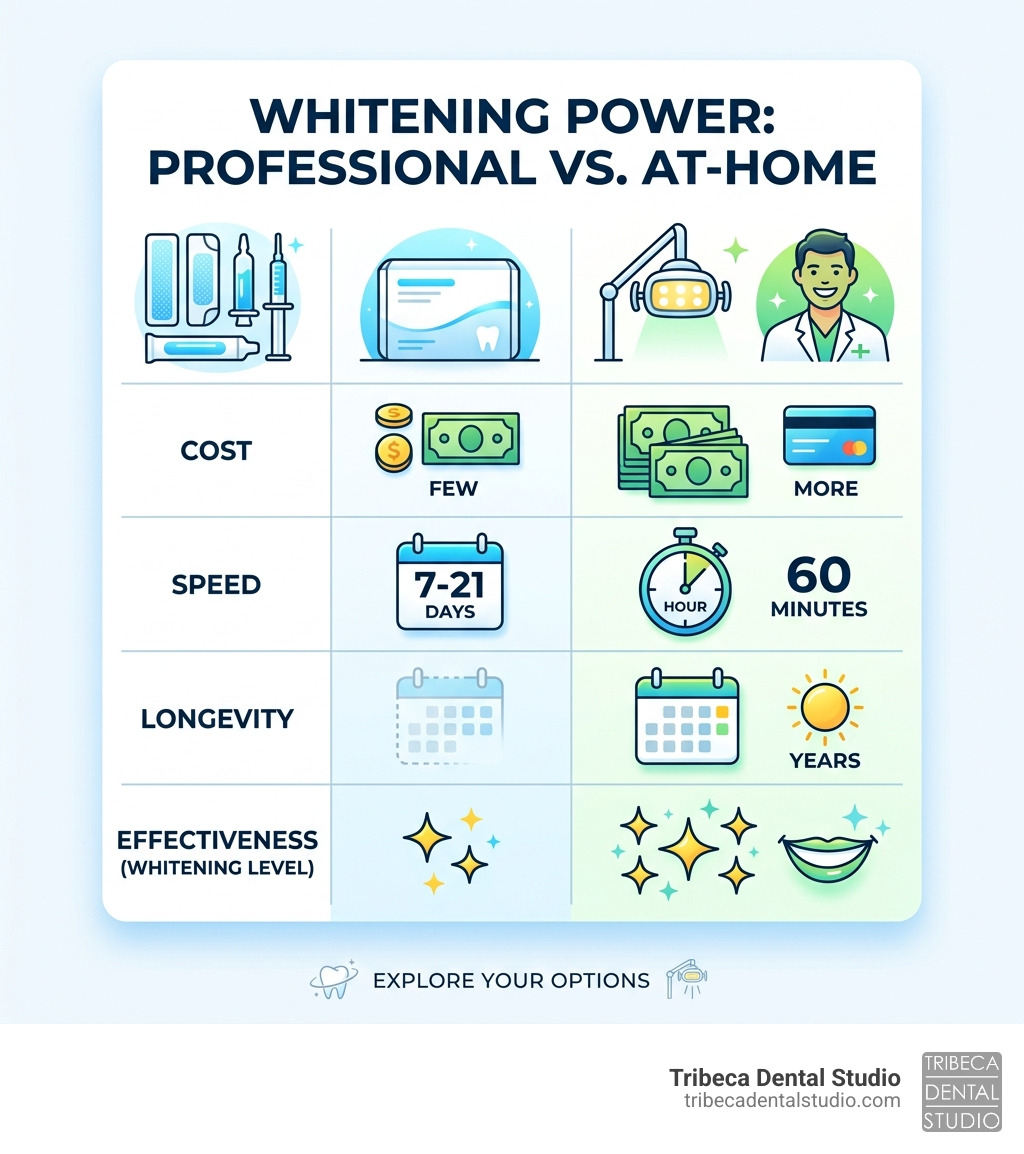
| Feature | At-Home OTC Kits | Professional In-Office |
|---|---|---|
| Peroxide Strength | 10% – 15% | 25% – 40% |
| Application | Universal fit (strips/trays) | Custom-fitted or barrier-protected |
| Speed | 7-21 days | ~60 minutes |
| Cost | $20 – $150 | $500 – $1,000 |
| Longevity | 4-6 months | 1-3 years |
The Power of Professional Supervision
Professional teeth whitening in Manhattan offers results that OTC kits simply can’t match. We use Zoom technology, which utilizes a powerful LED lamp to activate a high-concentration hydrogen peroxide gel.
One of the biggest advantages is the use of custom-fitted trays. Unlike “one-size-fits-all” trays, these are made from a 3D scan of your mouth. This ensures the whitening gel is in constant, even contact with your teeth while protecting your gums from irritation. When you discover the power of professional teeth whitening, you’re not just paying for the bleach; you’re paying for the safety and precision of a clinical environment.
Safe Whitening for Sensitive Teeth and Maintenance
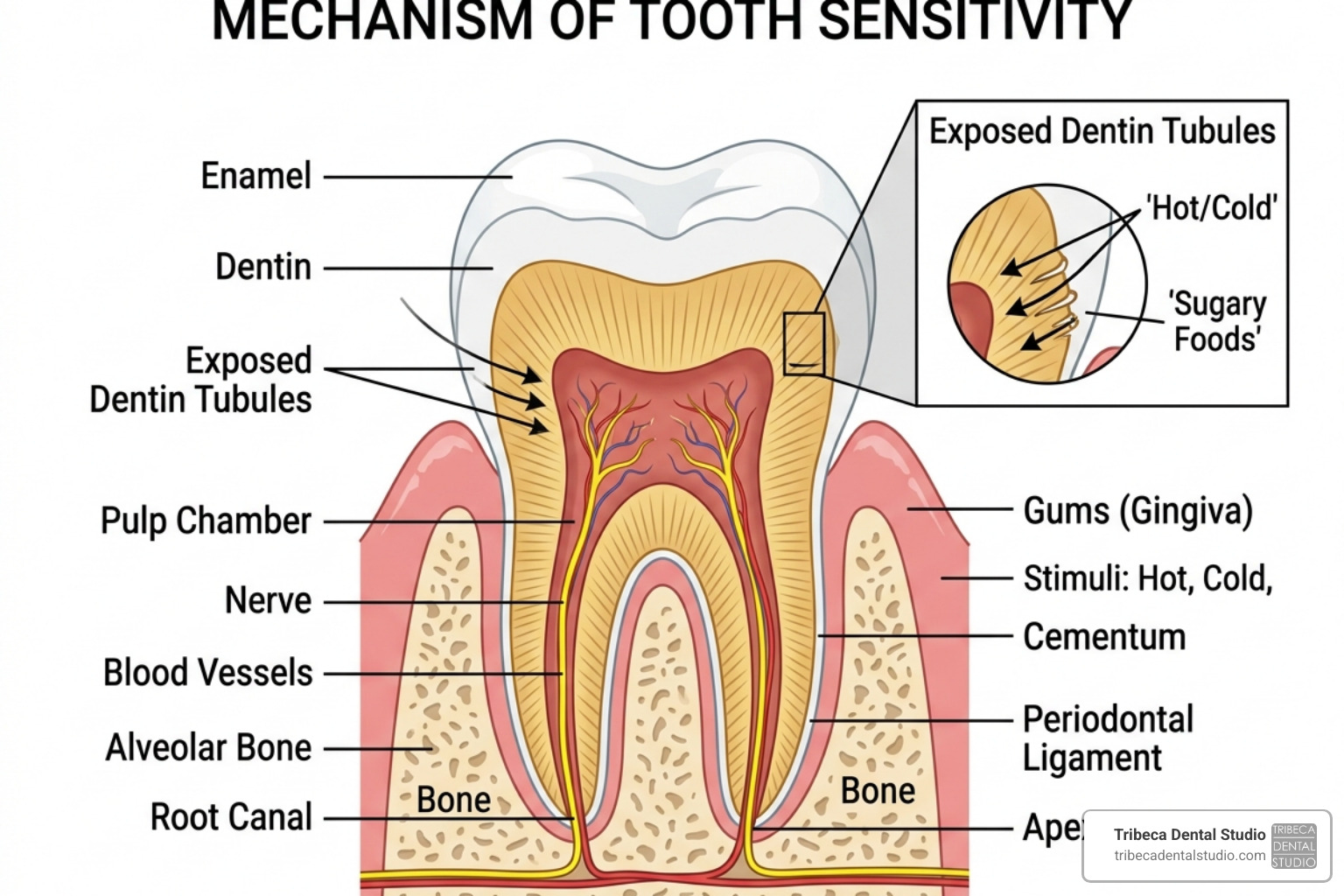
Tooth sensitivity happens when the whitening agent reaches the dentin tubules — microscopic channels that lead straight to the nerve. When these tubules are “open,” hot, cold, or chemical stimuli cause those sharp “zingers.”
How to Avoid the Sting
To ensure safe professional whitening for sensitive teeth, we recommend:
- Pre-treating: Use a potassium nitrate toothpaste for two weeks before you start whitening.
- Desensitizing Gels: Many professional kits now include a post-treatment gel that seals the tubules immediately.
- The “White Diet”: For 48 hours after whitening, your enamel is more porous. Avoid “staining” foods like soy sauce, red wine, and blueberries. If it can stain a white t-shirt, it can stain your newly whitened teeth.
For a chemical-free approach, you can also explore our natural teeth whitening guide. While not as dramatic as peroxide, methods like baking soda can help lift surface stains gently.
Frequently Asked Questions about the Best Teeth Whitening
How long do whitening results typically last?

Generally, professional whitening results last between one and three years, while OTC products may need a “refresh” every four to six months. Your lifestyle is the biggest factor. If you are a heavy coffee drinker or smoker, you will need more frequent touch-ups. Using a straw for dark beverages and maintaining a solid hygiene routine will extend your results. You can find more specific advice in our best teeth whitening NYC guide.
Can you whiten dental work like crowns or veneers?
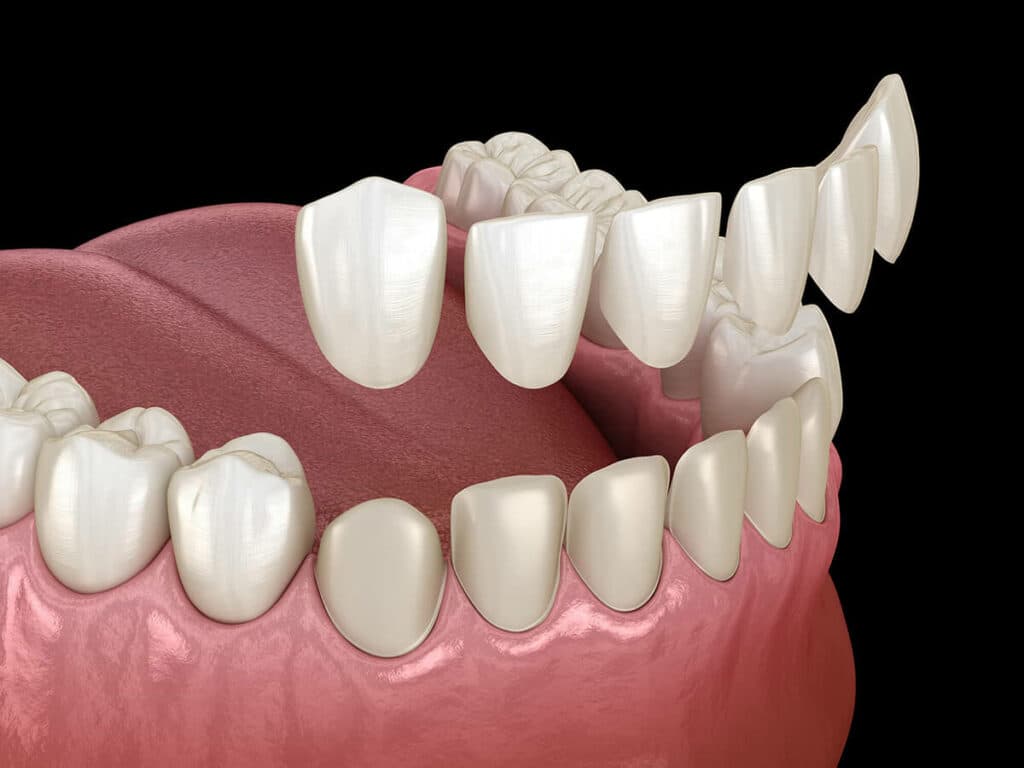
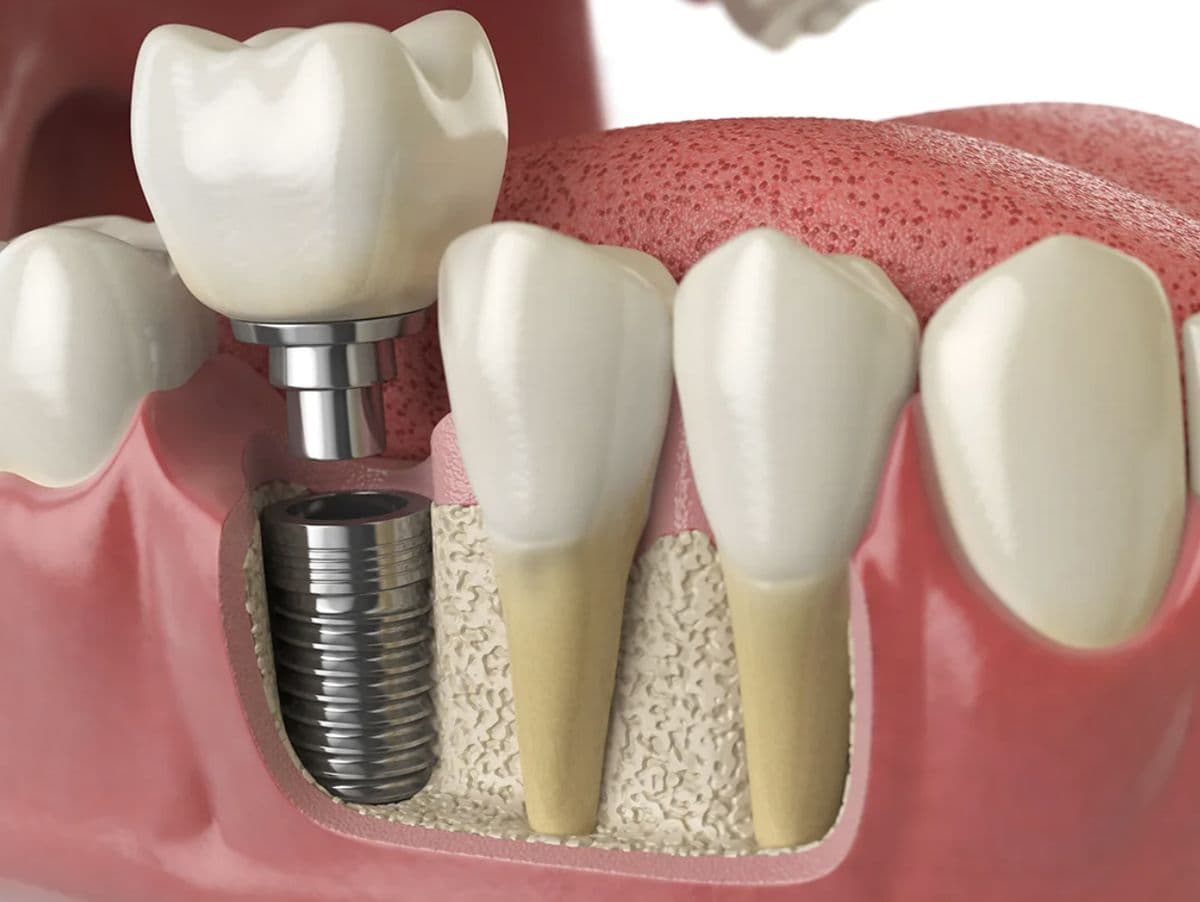
The short answer is no. Whitening agents only work on natural tooth enamel. If you have a crown or veneer, the porcelain will stay the same color while the surrounding teeth get whiter, which can create a mismatched look.
If you have a tooth that has darkened after a root canal, we may recommend internal tooth bleaching, where the whitening agent is placed inside the tooth. For external restorations, the only way to “whiten” them is to have them replaced by a dentist to match your new, brighter shade.
Are LED lights in at-home kits actually effective?
This is a hot topic in 2026. While expert teeth whitening NYC insights suggest that the lights used in dental offices are powerful enough to catalyze the peroxide reaction, many cheap at-home LED lights are simply blue bulbs with little clinical efficacy. However, high-end at-home kits that use specific wavelengths can help accelerate the process slightly by warming the gel, making it more active. Just don’t expect a $10 light to do the work of a professional laser.
Conclusion
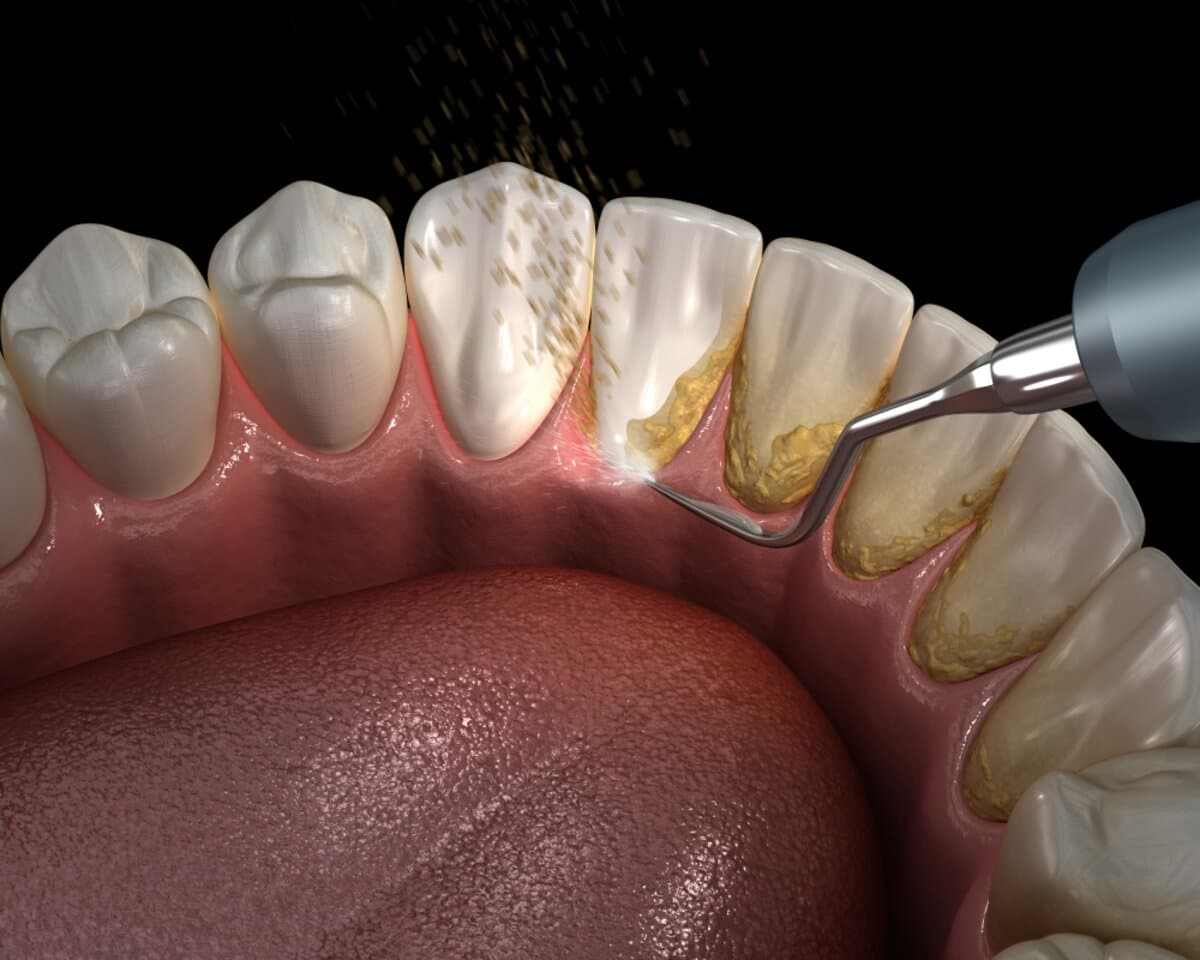
At Tribeca Dental Studio, we believe that the best teeth whitening journey starts with a healthy foundation. Before you start any whitening regimen, it’s vital to ensure you don’t have untreated cavities or gum disease, as whitening chemicals can be very painful if they leak into a decayed area.
Led by Dr. Nina Izhaky, our team provides personalized NYC oral care that treats you like family. Whether you want the instant gratification of an in-office Zoom treatment or a professional-grade take-home kit with custom trays, we are here to help you achieve a smile that is as healthy as it is bright.
Ready to transform your smile? Schedule your professional whitening consultation at our Tribeca office today!