Zooming Towards a Brighter Smile: Top Professional Whitening Techniques
June 25, 2026
Why So Many People Are Searching for the Best Professional Teeth Whitening
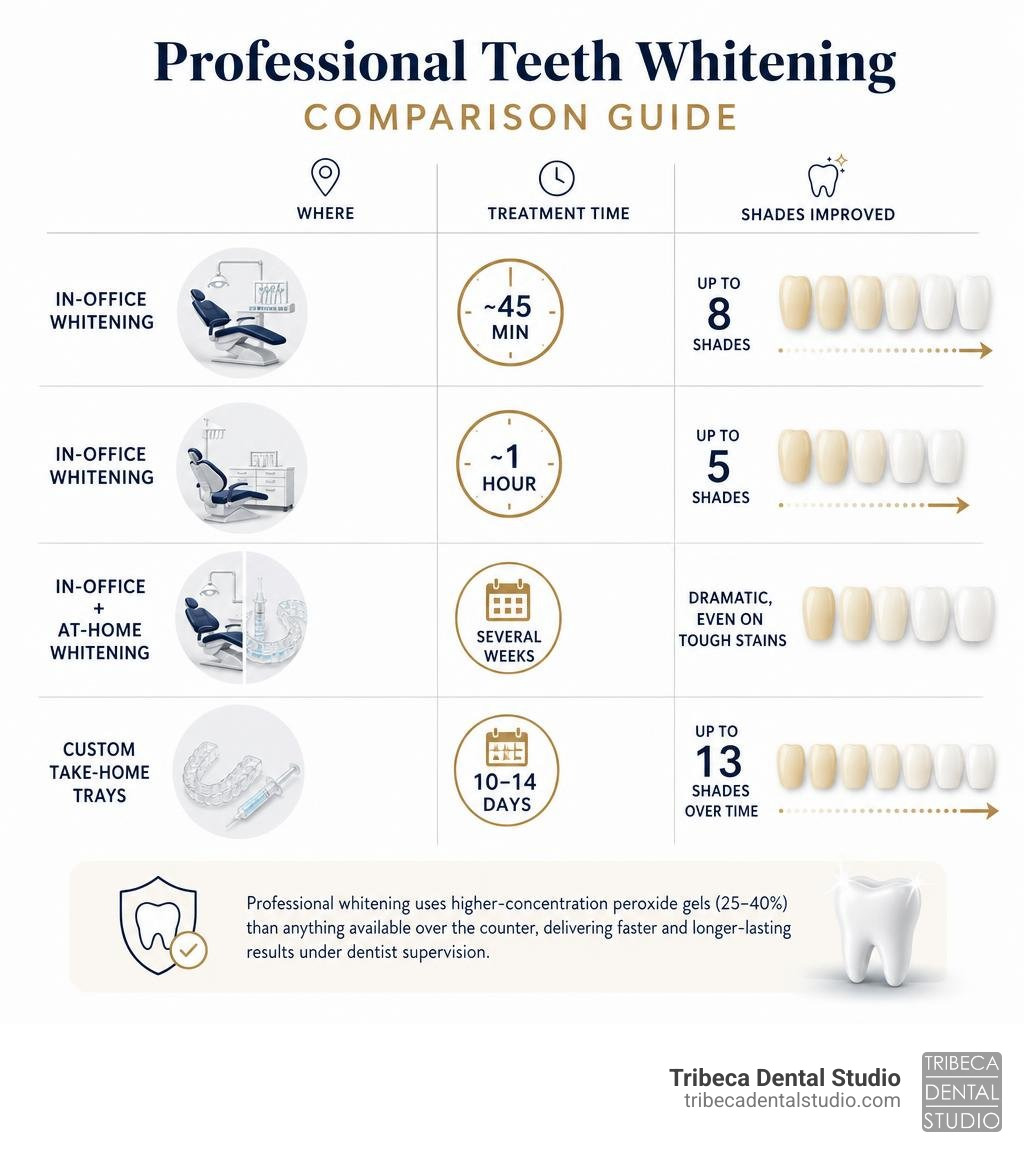
When it comes to best professional teeth whitening, here is a quick answer:
| Method | Where | Time | Shades Whiter |
|---|---|---|---|
| Philips Zoom! WhiteSpeed | In-office | ~45 min | Up to 8 |
| Opalescence Pro | In-office | ~1 hour | Up to 5 |
| KöR Whitening | In-office + home | Several weeks | Dramatic, even on tough stains |
| Custom take-home trays | At home | 10–14 days | Up to 13 over time |
Professional whitening uses higher-concentration peroxide gels (25–40%) than anything available over the counter, delivering faster and longer-lasting results under dentist supervision.
Daily coffee, tea, and red wine have a way of leaving their mark. And while drugstore strips and whitening toothpastes can help a little, they often fall short of the dramatic, lasting results most people are hoping for.
That is exactly why professional teeth whitening has become one of the most requested cosmetic dental treatments today. It goes beyond surface stains, targeting discoloration that is embedded deep in the enamel — the kind that no OTC product can reliably reach.
This guide walks you through every major professional whitening option: how they work, what results to expect, who they are best suited for, and how to choose the right approach for your smile.
I’m Dr. Nina Izhaky, a New York University College of Dentistry graduate and the founder of Tribeca Dental Studio, where I offer personalized cosmetic dental care including the best professional teeth whitening treatments available today. With years of hands-on experience helping patients achieve noticeably brighter smiles safely, I’ll share everything you need to make a confident, informed decision.
Best professional teeth whitening terms to remember:
- best whitening for sensitive teeth
- professional teeth whitening for sensitive teeth
- effective teeth whitening
What is the Best Professional Teeth Whitening?
When we talk about the best professional teeth whitening, we are referring to medical-grade, dentist-supervised treatments designed to safely and dramatically lift deep-set stains. While over-the-counter (OTC) products like strips, rinses, and paint-on varnishes are easily accessible, they operate under strict concentration limits. OTC products typically contain only 7% to 10% hydrogen peroxide. In contrast, professional-strength systems utilize concentrations ranging from 25% to 40%.
But professional whitening is about more than just higher percentages of bleaching agents. The true value lies in professional supervision and customization. When you visit a dental office, we begin by evaluating your overall oral health. We look for underlying issues like active decay, gum recession, or thin enamel that could make whitening painful or unsafe.
Furthermore, professional treatments protect your delicate oral tissues. During an in-office whitening procedure, we apply a specialized protective barrier (often a light-cured resin gum shield) to isolate your teeth and keep the high-concentration bleaching gel completely off your gums. This virtually eliminates the chemical burns and severe gum irritation frequently caused by ill-fitting, one-size-fits-all OTC whitening trays.
If you choose a professional take-home kit, we take precise physical or digital impressions of your teeth to fabricate custom-fitted trays. These custom trays hold the gel perfectly against your enamel, ensuring even distribution and preventing the gel from leaking onto your gums. For those looking to understand why customized, clinical approaches consistently outperform retail kits, exploring the most effective way to whiten teeth provides valuable insight into the science of dental stains.
How Active Ingredients Work in the Best Professional Teeth Whitening
To truly appreciate the best professional teeth whitening, it helps to understand the chemistry happening on your enamel. The two primary active ingredients used in professional bleaching are hydrogen peroxide (HP) and carbamide peroxide (CP).
Both chemicals work via an oxidation process. When the gel is applied to your teeth, it penetrates the semi-permeable enamel and dentin layers. The peroxide molecules break down, releasing highly reactive oxygen radicals. These oxygen molecules target and attack the double carbon bonds of complex organic stain molecules (chromophores) embedded deep within the tooth structure. By breaking these complex bonds into simpler, smaller structures, the light reflects differently off your teeth, making them appear significantly lighter and brighter.
- Hydrogen Peroxide (HP): This is the faster-acting agent of the two. It is highly potent and breaks down rapidly, releasing the majority of its whitening power within the first 30 to 60 minutes of application. Because of its speed and intensity, HP is the standard choice for rapid, in-office treatments.
- Carbamide Peroxide (CP): This compound is hydrogen peroxide synthesized with urea. It breaks down much more slowly. CP first has to break down into hydrogen peroxide and urea, which extends its active whitening window over a period of 2 to 6 hours. Because of this slow, sustained release, carbamide peroxide is highly favored for professional take-home custom trays, particularly for overnight wear.
To compare how these professional formulations match up against drugstore options, you can read more about at-home teeth bleaching products and methods to see why clinical-strength concentrations yield such vastly superior results.
Managing Sensitivity with the Best Professional Teeth Whitening
One of the most common concerns patients have when asking about the best professional teeth whitening is, “Will this hurt?” It is a fair question. Temporary tooth sensitivity—sometimes described as quick, sharp “zingers”—is a common side effect of whitening. This occurs because the peroxide temporarily dehydrates the enamel and opens up microscopic channels called dentinal tubules, allowing temperature changes and the bleaching agent to stimulate the nerves inside the pulp chamber.
Fortunately, professional whitening systems are specifically engineered to combat this issue. Unlike basic retail products, professional-grade gels are formulated with built-in desensitizing agents:
- Potassium Nitrate: This ingredient penetrates the enamel to reach the pulp, where it acts directly on the dental nerves. It calms the nerve excitability, blocking pain signals from traveling to the brain.
- Amorphous Calcium Phosphate (ACP): ACP helps rebuild and mineralize the enamel. By filling in the microscopic dentinal tubules, it seals the pathways to the nerve, significantly reducing post-treatment sensitivity while restoring a healthy, glossy sheen to the teeth.
- Sodium Fluoride: Fluoride works hand-in-hand with ACP to strengthen the tooth structure, reducing both sensitivity and the risk of decay.
By utilizing professional formulations that contain high water content to prevent tooth dehydration, we can keep patients highly comfortable. To learn more about separating fact from fiction when it comes to safe bleaching practices, take a look at our guide on debunking teeth whitening myths.
Leading Professional Teeth Whitening Systems Compared
To help you navigate the landscape of professional teeth bleaching, we have compiled a direct comparison of the three most popular and trusted clinical systems available today.
| Whitening System | Activation Method | Average Shade Improvement | Key Advantage | Best Suited For |
|---|---|---|---|---|
| Philips Zoom! WhiteSpeed | Blue LED Light-Activated | Up to 8 Shades | Extremely fast, completed in under an hour | Busy professionals wanting immediate results |
| Opalescence Pro | Chemical Activation (No Light) | Up to 5 Shades | High water content prevents enamel dehydration | Patients prone to light-induced tooth sensitivity |
| KöR Whitening | Dual-Activated & Cold-Stored | Dramatic (Highly predictable) | Lifts tetracycline and deep intrinsic stains | Severe discoloration and geriatric yellowing |
In-Office Light-Activated Systems
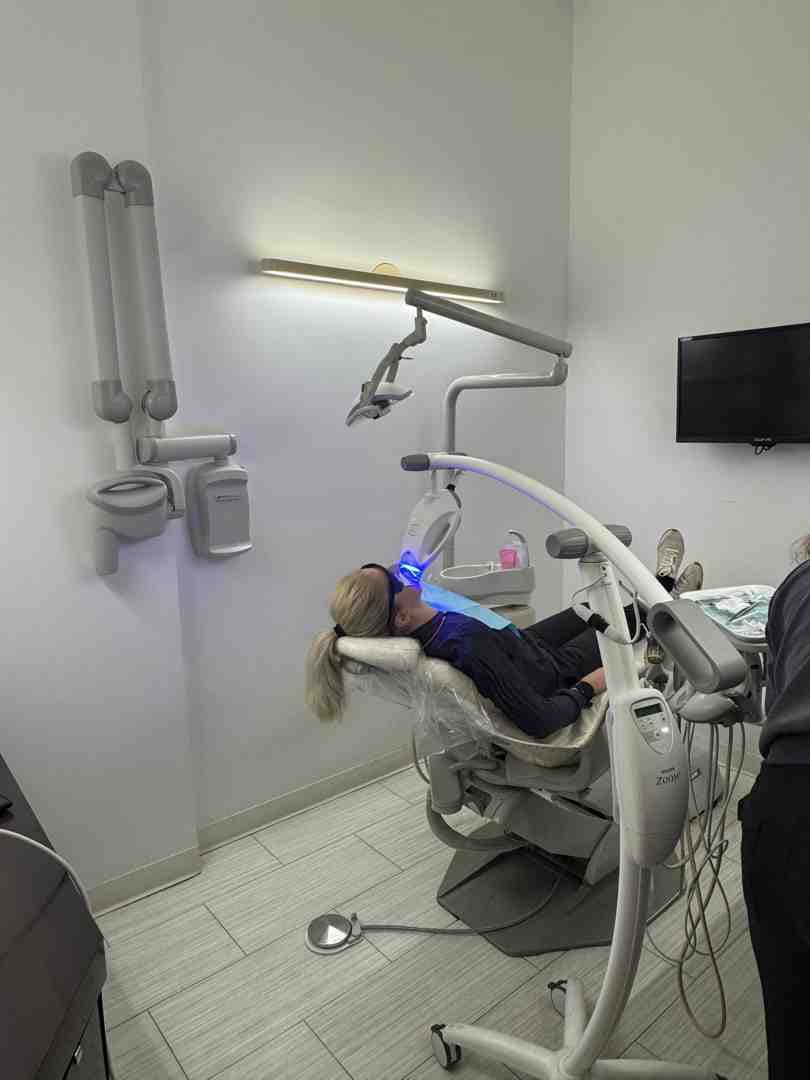
Philips Zoom! WhiteSpeed is widely recognized as the #1 patient-requested professional whitening brand in the United States. This system relies on a advanced blue LED light-activating lamp to accelerate the bleaching process.
During a Zoom! treatment, a 25% hydrogen peroxide gel is carefully applied to the teeth. The specialized WhiteSpeed blue LED light is then positioned over the smile. The specific wavelength of this light excites the peroxide molecules, allowing them to break down and lift stains up to 87% more effectively than gel alone.
The entire clinical procedure consists of three to four 15-minute sessions, taking just under an hour in total. Zoom! is highly customizable; the LED lamp features variable intensity settings (low, medium, and high) so that we can easily dial back the energy if a patient begins to experience sensitivity. For an in-depth technical look at how this light-activated powerhouse is packaged and delivered, you can review the Philips Zoom WhiteSpeed Kit.
Chemically Activated In-Office Whitening
For patients who prefer to avoid the intense heat or bright light of LED-based procedures, chemically activated systems represent an outstanding alternative. The premier system in this category is Opalescence Pro In-Office Teeth Whitening.
Opalescence Pro utilizes a highly potent 40% hydrogen peroxide gel that activates chemically upon mixing, completely eliminating the need for a hot laser or light. The gel is packaged in a unique syringe-to-syringe design, which means the active ingredients are freshly mixed right before application, ensuring maximum strength and efficacy.
Because it contains at least 20% water content alongside potassium nitrate and fluoride, Opalescence Pro keeps the teeth hydrated throughout the treatment, significantly reducing the risk of post-whitening discomfort. The gel also features a distinct red color, which allows us to place it with absolute precision and ensure it is entirely rinsed away at the end of the 20-minute sessions.
Deep Bleaching and Refrigerated Gels
When it comes to treating the most challenging cases of tooth discoloration—such as dark gray tetracycline antibiotic staining, deep fluorosis, or severe geriatric yellowing—the KöR Whitening system is widely considered the gold standard.
KöR’s unmatched success lies in its commitment to chemical stability and continuous refrigeration. Peroxide is an inherently unstable molecule that naturally degrades when exposed to room temperature and heat during shipping. To prevent this degradation, KöR gels are kept constantly refrigerated from the moment of manufacture until they are applied to your teeth. This ensures that the bleaching molecules remain highly active and powerful, without requiring the heavy chemical stabilizers that can trigger severe tooth sensitivity.
The KöR protocol typically combines custom-fit, seal-tight take-home trays (worn overnight for two weeks) with a final, high-concentration in-office deep bleaching session. By allowing the peroxide to slowly and deeply penetrate the enamel over several weeks, KöR restores the teeth’s ability to absorb oxygen, resulting in phenomenal, permanent whitening. If you struggle with severe discoloration but are worried about dental discomfort, explore how to achieve a safe professional whitening for sensitive teeth using these specialized, low-sensitivity clinical protocols.
Candidacy, Costs, and What to Expect During Treatment

Before undergoing any whitening treatment, a comprehensive dental exam is essential. While professional whitening is highly safe, it is not suitable for everyone.
Who is a Good Candidate?
The ideal candidate has healthy teeth and gums, free of active tooth decay, root exposure, or periodontal disease. Whitening is highly effective at lifting extrinsic stains caused by food, beverages, and smoking, as well as mild-to-moderate intrinsic yellowing.
Who Should Delay or Avoid Treatment?
- Pregnant or Nursing Individuals: While there is no definitive evidence of harm, dental organizations recommend delaying cosmetic bleaching as a precautionary measure.
- Children Under 16: The pulp chambers of young teeth are larger and more sensitive, making them highly susceptible to irritation.
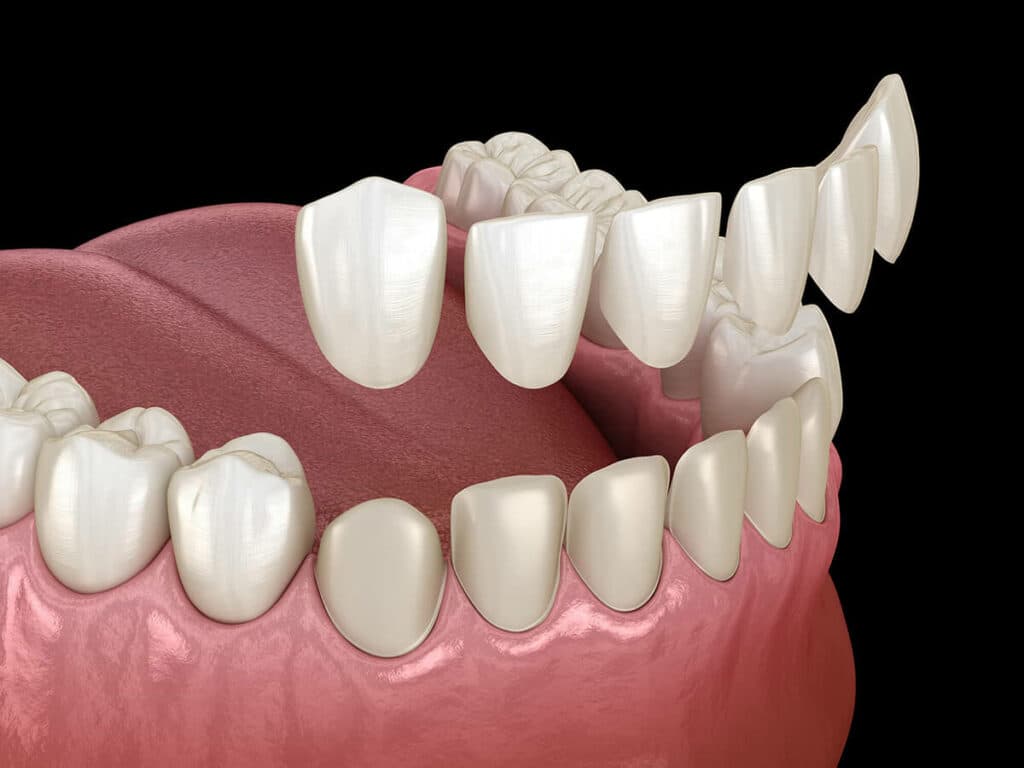
- Patients with Extensive Restorations: Bleaching gels do not affect porcelain, composite resins, or metal fillings. If you have visible crowns or veneers, whitening your natural teeth may lead to an uneven, mismatched smile.
What to Expect During the Procedure
If you choose an in-office treatment like Zoom! or Opalescence Pro, your appointment will follow these steps:
- Shade Evaluation: We use a physical shade guide to record your starting tooth color.
- Preparation: We place lip retractors and apply a protective resin barrier along your gum line, curing it with a light to shield your soft tissues.
- Gel Application: The professional-strength gel is applied directly to the front surfaces of your teeth.
- Activation: Depending on the system, the gel is either left to activate chemically or illuminated with a specialized LED light for 15 to 20 minutes.
- Repeat: The process is repeated for up to three or four cycles.
- Post-Treatment Care: We rinse away the gel, remove the protective barriers, and apply a soothing desensitizing paste to protect your enamel.
Understanding the Investment and Costs
The cost of professional teeth whitening varies depending on the specific system used and the complexity of your case. Generally, custom take-home trays range from $150 to $500, while advanced in-office procedures typically range from $300 to $1,000.
Because teeth whitening is classified as an elective cosmetic procedure, dental insurance plans do not cover the cost. However, many dental offices offer flexible payment options and third-party financing to make achieving your dream smile highly accessible. To explore how professional whitening can transform your confidence and fit into your lifestyle, read more about how to discover the power of professional teeth whitening.
Frequently Asked Questions about Professional Teeth Whitening
How long do professional teeth whitening results last?
On average, professional whitening results last anywhere from one to three years. However, the longevity of your bright smile depends heavily on your daily lifestyle habits and oral hygiene.
Consuming highly pigmented foods and beverages (like black coffee, dark teas, red wine, soy sauce, and berries) or using tobacco products will accelerate shade relapse. To preserve your results, we recommend drinking staining liquids through a straw, rinsing your mouth with water immediately after eating, and maintaining a meticulous brushing and flossing routine. Periodic touch-ups—using your custom take-home trays for a single night every few months—can also keep your smile looking freshly whitened indefinitely.
Can you whiten teeth with veneers, crowns, or fillings?
No. Professional bleaching agents only work on natural tooth structure. The oxygen molecules cannot penetrate or alter the color of non-porous materials like porcelain, ceramic, or composite bonding resins.
If you have crowns, veneers, or white fillings on your front teeth, they will remain their original color while your surrounding natural teeth brighten. This can result in an uneven, multi-colored smile. If you are planning to replace old crowns or veneers, we highly recommend whitening your natural teeth first. Once your desired shade is reached and stabilized (usually 7 to 10 days post-whitening), we can fabricate your new restorations to perfectly match your bright, new smile.
What is internal or endodontic teeth whitening?
Sometimes, a single tooth can turn dark gray or brown, often as a result of dental trauma or a past root canal treatment. Because this discoloration originates from inside the tooth’s pulp chamber (due to broken-down blood cells and necrotic tissue), standard external bleaching treatments will not work.
In these cases, we perform internal or endodontic whitening. During this specialized clinical procedure, we create a tiny access point in the back of the tooth, place a medical-grade bleaching agent like Opalescence Endo In-Office Whitening Treatment directly inside the pulp chamber, and seal it temporarily. Over the course of 1 to 5 days, the gel safely breaks down the deep, internal discolored molecules from the inside out, restoring the tooth to its natural, healthy shade before we seal it with a permanent tooth-colored filling.
Conclusion
Achieving a radiant, healthy smile is a deeply personal journey. Whether you are looking for the rapid, dramatic results of Philips Zoom! WhiteSpeed, the comfortable, light-free application of Opalescence Pro, or the deep, stain-lifting power of KöR Whitening, the best professional teeth whitening is always customized to your unique dental profile.
At Tribeca Dental Studio, located in the heart of Tribeca, Manhattan, we pride ourselves on our advanced, welcoming, and family-oriented approach to oral healthcare. Led by Dr. Nina Izhaky, our highly skilled team treats every patient like family, taking the time to understand your cosmetic goals and design a customized whitening plan that protects your enamel and guarantees gorgeous, natural-looking results.
If you are ready to lift years of deep-set stains and smile with absolute confidence, we invite you to schedule a personalized consultation with us. Explore our comprehensive professional teeth whitening services and let us help you achieve the dazzling, brilliant smile you deserve.