The Ins and Outs of Zygomatic Dental Implants
February 3, 2026
A New Horizon for Dental Restoration
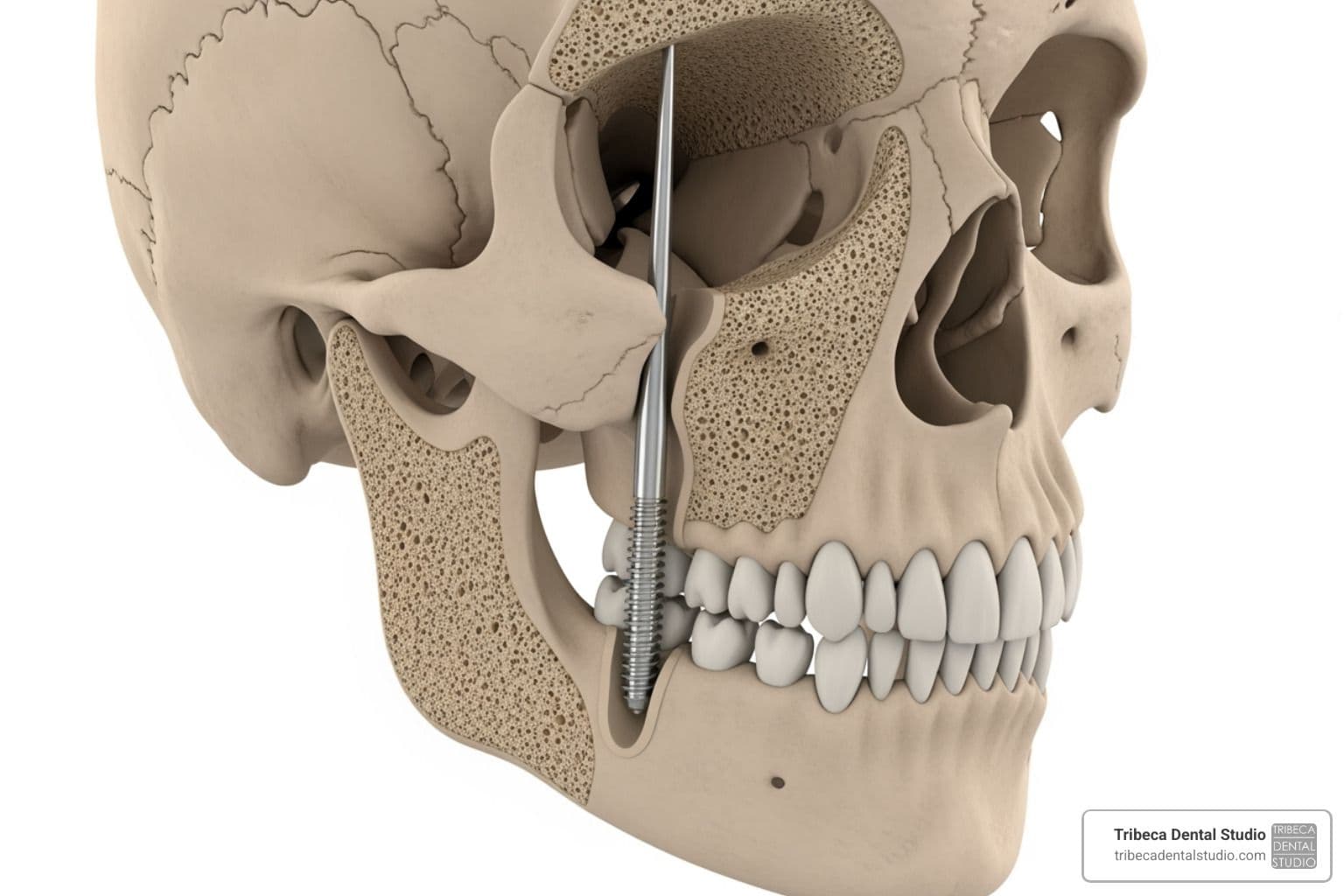
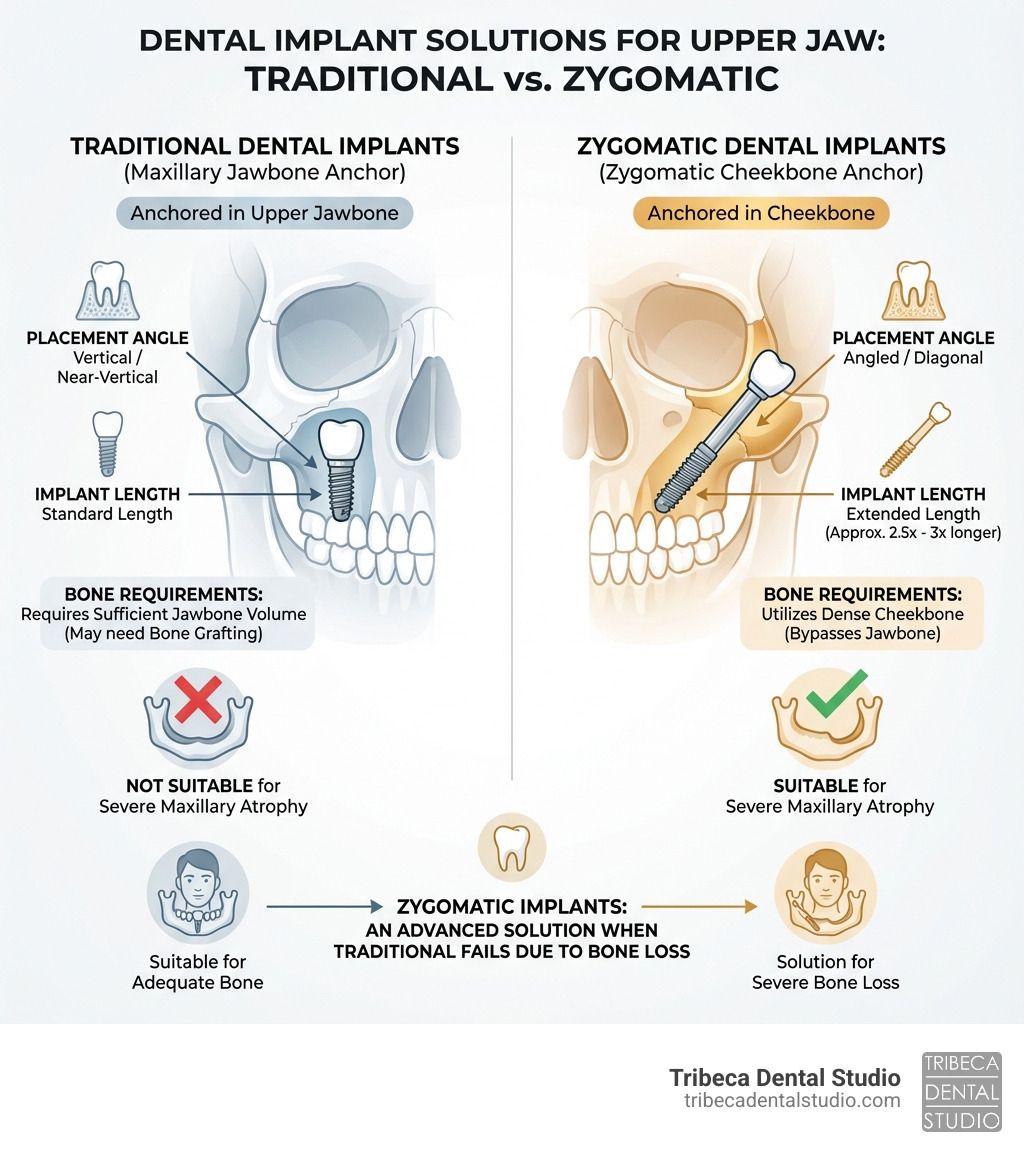
Zygomatic dental implants are specialized implants that anchor into the zygomatic bone (cheekbone) instead of the upper jawbone, offering a solution for patients with severe bone loss who cannot receive traditional dental implants.
Key Facts About Zygomatic Implants:
- What they are: Longer implants placed in the cheekbone rather than the jaw
- Who needs them: Patients with severe upper jaw bone loss or failed conventional implants
- Main benefit: No bone grafting required in most cases
- Treatment time: Fixed teeth possible within 3 days vs. 6+ months for traditional implants
- Success rate: 96.1% survival rate after 10+ years
- Recovery: Typically 3-5 days initial healing, 3-6 months for full bone integration
For many patients told they don’t have enough bone for dental implants, zygomatic implants represent a breakthrough. They bypass the lengthy and complex process of bone grafting by using the dense, stable cheekbone as an anchor point.
The technology was developed in Europe and has evolved significantly over the past 25+ years. Modern zygomatic implants can often support immediate loading, meaning you can leave with functional teeth on the same day as surgery.
As Dr. Nina Izhaky, I’ve helped countless patients at Tribeca Dental Studio explore advanced solutions like zygomatic dental implants when traditional options weren’t viable due to bone loss. My commitment is to provide personalized, cutting-edge care that restores both function and confidence.
Who is a Candidate for Zygomatic Implants and What are the Benefits?
Imagine being told you can’t have the stable, permanent teeth you’ve dreamed of because your upper jawbone just isn’t strong enough. It’s a common and disheartening scenario, especially for those who have lived with missing teeth or ill-fitting dentures for years. But what if we told you there’s a solution that can turn that “no” into a resounding “yes”? That’s precisely what zygomatic dental implants offer.
These specialized implants are a game-changer for individuals facing severe bone loss in their upper jaw. Instead of relying on the compromised maxillary bone, zygomatic implants are strategically anchored into the dense, robust zygoma bone, or cheekbone. This approach completely bypasses the need for extensive bone grafting, opening the door to a fixed dental solution for many who were previously deemed ineligible.
So, who exactly is an ideal candidate for zygomatic dental implants?
- Severe Upper Jaw Bone Loss: This is the primary indication. If you’ve been told your upper jaw lacks sufficient bone quality or quantity for traditional dental implants, perhaps due to long-term tooth loss, periodontal disease, trauma, or even congenital abnormalities, zygomatic implants could be your answer. They are particularly effective for individuals with a “significantly atrophic maxilla.”
- Failed Conventional Implants or Grafts: Sometimes, previous attempts with traditional implants or bone grafting procedures haven’t yielded the desired long-term stability. Zygomatic dental implants can serve as a “rescue alternative” in such complex cases, providing a fresh, stable foundation.
- Long-Term Denture Wearers: If you’ve struggled with loose, ill-fitting, or uncomfortable dentures for many years, you know the daily frustrations they bring. Dentures can shift, making eating and speaking difficult, and they often lead to further bone loss over time. Zygomatic dental implants offer a permanent, fixed solution that restores natural chewing ability and confidence, eliminating the need for adhesives and nightly removal.
- A Desire to Avoid Complex Bone Grafting: For many, the idea of undergoing multiple, lengthy bone grafting procedures is daunting. Zygomatic dental implants allow us to avoid these often time-consuming and invasive surgeries, significantly streamlining your treatment journey.
We believe everyone deserves a healthy, functional smile. If you’re in Tribeca or elsewhere in NYC and have been searching for solutions for severe bone loss, we invite you to explore your options. You can find More info about Dental Implants for Severe Bone Loss in Tribeca: Zygomatic Bone Grafting Solutions on our website.

Key Advantages Over Traditional Methods
The benefits of choosing zygomatic dental implants are truly transformative, offering significant advantages over conventional dental implant procedures and bone grafting. It’s not just about getting new teeth; it’s about reclaiming your quality of life.
Here’s a breakdown of the key advantages:
- No Need for Bone Grafting: This is arguably the most significant benefit. Traditional implants often require extensive bone grafting or Bone Grafting procedures to build up sufficient jawbone density. With zygomatic dental implants, we leverage the naturally dense cheekbone, eliminating the need for these additional surgeries. This means fewer procedures, less discomfort, and a faster path to your new smile.
- Shorter Treatment Time: Because bone grafting is typically avoided, the overall treatment timeline for Zygomatic dental implants is dramatically reduced. While traditional implants with grafting can take six months or even longer to complete, many patients receiving zygomatic dental implants can receive a fixed row of teeth within just 3 days! This immediate rehabilitation significantly cuts down on your time in treatment.
- Immediate Function: Imagine walking into our Tribeca office and leaving the same day with a functional set of teeth. That’s often a reality with zygomatic dental implants due to their immediate loading capabilities. You can typically resume eating a soft diet almost immediately, enjoying the simple pleasure of chewing without worry. This rapid return to function greatly improves patient satisfaction and convenience.
- Improved Quality of Life: Patients consistently report a substantial increase in satisfaction and a better quality of life after receiving zygomatic dental implants. This isn’t just anecdotal; clinical studies show significant improvements in oral health-related quality of life and general satisfaction.
- Improved Chewing Ability: One of the most common complaints among denture wearers is the inability to chew effectively. Zygomatic dental implants provide unparalleled stability, allowing you to eat a wider variety of foods with confidence and comfort. This improved chewing ability leads to better digestion and nutrient absorption, contributing to your overall health.
- Aesthetic Improvement: Beyond function, these implants restore a natural-looking smile, enhancing your facial aesthetics and boosting self-esteem. The fixed nature of the prosthesis means no more worries about dentures slipping or affecting your speech.
As a paradigm shift in the treatment of patients with severely atrophied maxilla, zygomatic dental implants offer a promising alternative to costly heavy bone graft techniques, fewer complications, and less time for rehabilitation.
Are Zygomatic Dental Implants the Right Choice for You?
Determining if zygomatic dental implants are the best solution for your unique situation requires a thorough and personalized assessment. We pride ourselves on a comprehensive and welcoming approach, treating each patient like family here at Tribeca Dental Studio.
Your journey begins with an in-depth consultation process. During this initial visit, we will carefully evaluate your oral health, discuss your medical history, and understand your treatment goals. We want to hear your concerns and answer all your questions.
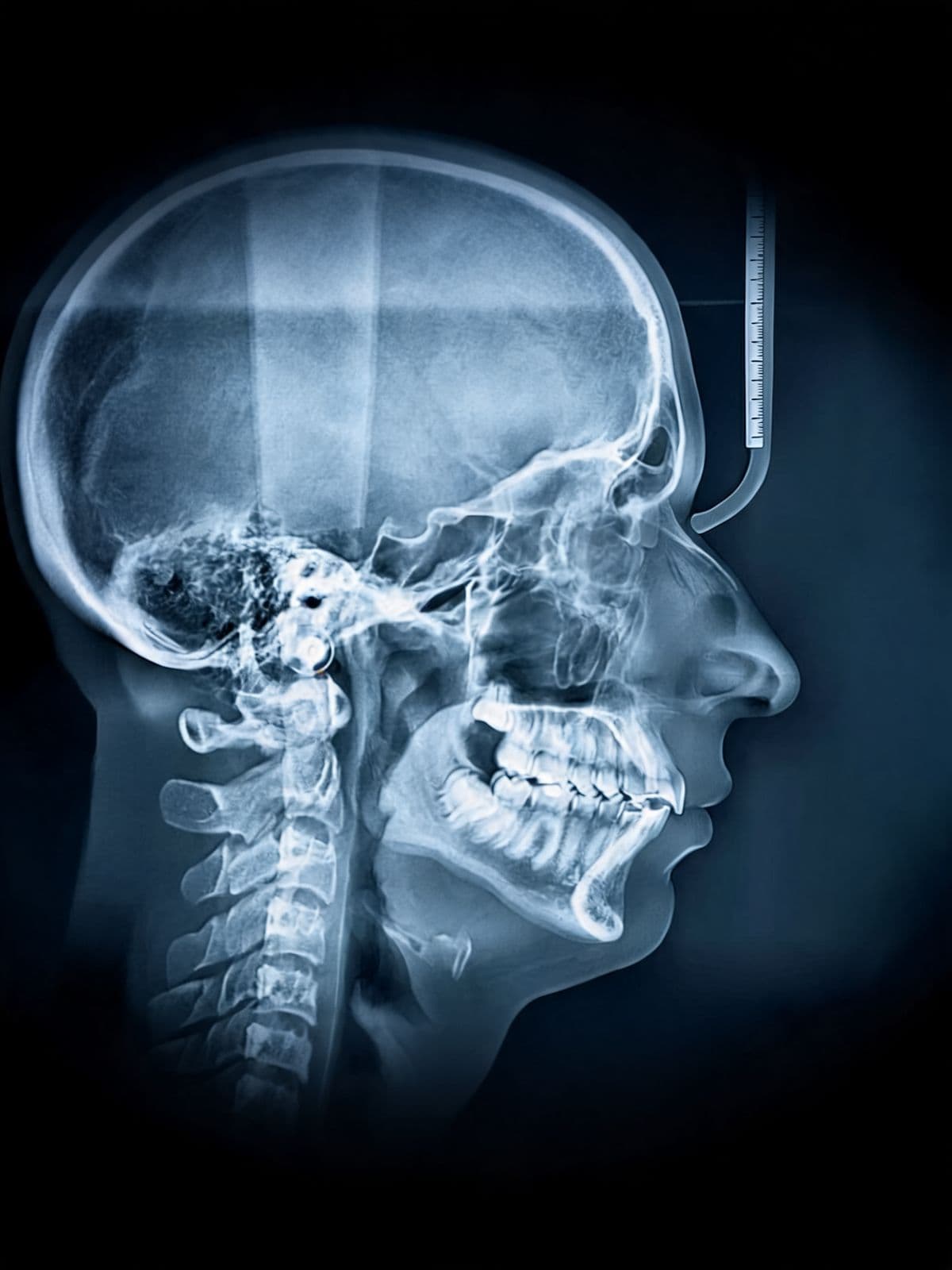
A critical step in this assessment is detailed 3D CBCT scans (Cone Beam Computed Tomography). These advanced imaging techniques provide us with a precise, three-dimensional view of your jawbone, sinuses, and the crucial zygoma bone. This allows us to accurately assess your bone structure, identify the optimal placement for the implants, and carefully plan your surgical procedure. This detailed 3D imaging analysis is essential for evaluating surgical alternatives and potential risks.
We also conduct a thorough patient health assessment. While zygomatic dental implants are suitable for a wide range of patients, certain health conditions or habits may require careful management or may impact candidacy. For instance:
- Uncontrolled diabetes: Patients with uncontrolled diabetes may have impaired healing and a higher risk of complications. We’ll work with your medical doctor to ensure your condition is well-managed before proceeding.
- Smoking risks: Heavy smoking can significantly compromise healing and increase the risk of implant failure. We strongly encourage patients to quit or reduce smoking before and after treatment.
- Other conditions: Immunocompromised patients, those with acute sinusitis, or individuals who have received high-dose radiation to the head and neck region (>70 Gy) may have contraindications.
However, don’t let these considerations discourage you. Many of these issues can be managed or addressed, allowing you to become a candidate. We believe age is just a number when it comes to restoring your smile. Our goal is always to find the safest and most effective path to your new, confident smile.
The Zygomatic Implant Procedure: From Consultation to Recovery
Starting on the journey to a new smile with zygomatic dental implants is an exciting prospect. Here at Tribeca Dental Studio, we ensure that every step, from your initial consultation to your final recovery, is handled with the utmost care, precision, and transparency.
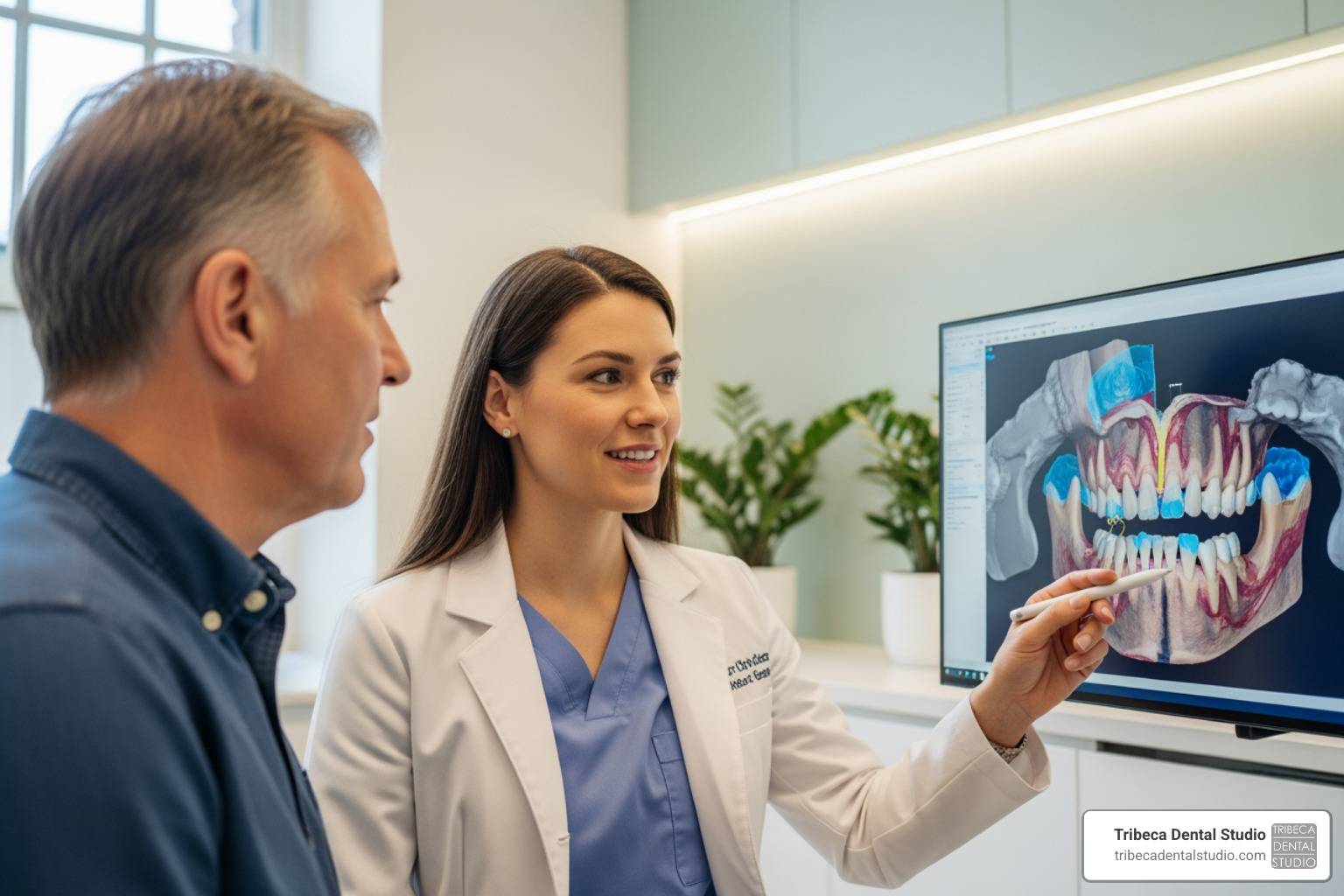
The process begins long before surgery with meticulous pre-surgical planning. Based on your comprehensive consultation and those detailed 3D CBCT scans, we create a custom treatment plan that is unique to your anatomy and needs. This involves precisely mapping the optimal placement and angulation of each zygomatic implant to ensure maximum stability and long-term success.
On the day of your procedure, your comfort is our priority. We offer various anesthesia options, including intravenous sedation or general anesthesia, to ensure you are completely relaxed and pain-free throughout the surgery.
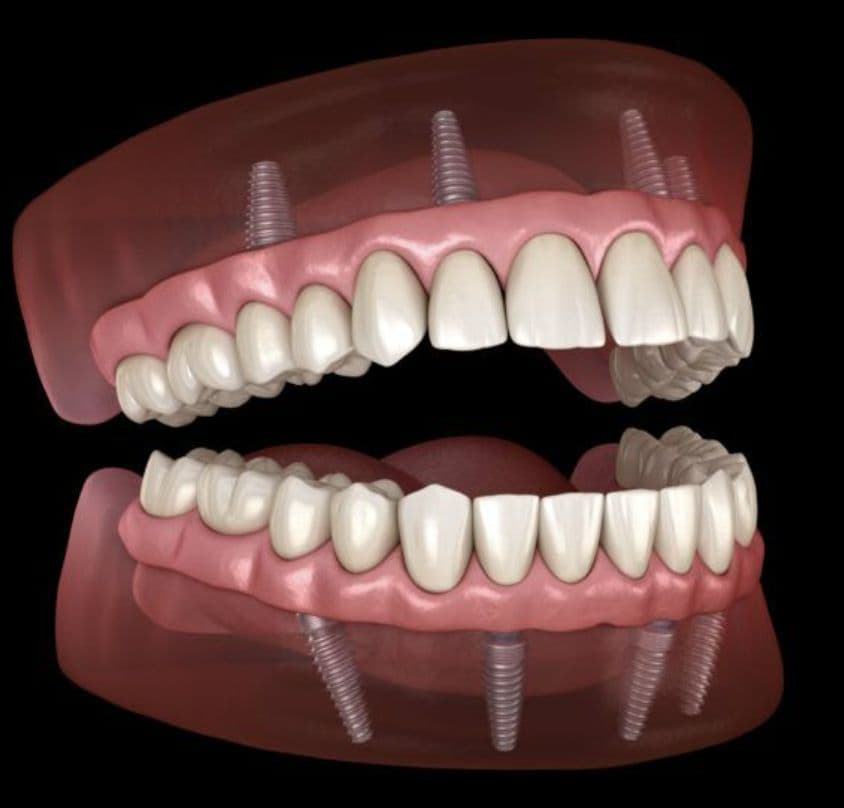
The surgical steps for placing zygomatic dental implants involve a specialized technique. After numbing the gums and upper jaw, our skilled oral surgeon makes precise incisions that extend to the cheekbones. Longer, specialized zygomatic implants are then carefully inserted into the dense zygoma bone, often angled to optimize anchorage. Depending on your case, one or two zygomatic implants may be placed on each side of your dental arch, sometimes in conjunction with traditional implants in the anterior region, to create a robust foundation for your new teeth. Once the implants are securely in place, the incisions are carefully sutured. You can learn More info about Oral Surgery on our website.
What makes zygomatic dental implants truly remarkable is the possibility of immediate rehabilitation. In many cases, a temporary prosthesis attachment – often a complete, modified denture – can be placed on your new implants on the very same day as your surgery. This means you can leave our office with a fixed set of teeth, ready to enjoy a soft diet immediately. This immediate function is a significant advantage, restoring aesthetics and confidence without a prolonged period of toothlessness.
What to Expect During Recovery
Understanding the recovery process is key to a smooth and successful outcome. The immediate post-op period for zygomatic dental implants typically involves some swelling, bruising, and mild discomfort, which can be managed with prescribed medication. Most patients find that the initial recovery time, where these symptoms are most noticeable, is usually three to five days.
During this time, we provide clear diet recommendations. While you’ll have functional teeth, we advise sticking to a soft diet to allow the implants to settle and begin the healing process undisturbed. Think smoothies, soups, mashed potatoes, and soft-cooked foods.
The full healing timeline for zygomatic dental implants involves a crucial biological process called osseointegration. This is where the implant gradually integrates and fuses with your bone. For zygomatic implants, this process typically takes about three to six months. During this period, the temporary prosthesis provides function and aesthetics while the implants establish a strong bond with your zygoma bone. Once osseointegration is complete, we’ll create and attach your final, custom-made, screw-retained teeth, allowing you to resume a full and unrestricted diet.
Long-term care is vital for the longevity of your zygomatic dental implants. Just like natural teeth, they require diligent oral hygiene, including regular brushing and flossing, and routine dental check-ups at Tribeca Dental Studio. With proper care, your zygomatic dental implants can last for many, many years, offering a durable and reliable solution. For a detailed guide on maintaining your new smile, please refer to our More info about our Dental Implant Post Care: Complete Guide.
Innovations in Zygomatic Dental Implants Surgery
The field of implant dentistry is constantly evolving, and zygomatic dental implants are no exception. We are always embracing the latest advancements to provide our patients in Tribeca and NYC with the most predictable and comfortable outcomes.
One such innovation is Guided Dental Implant Surgery. Using advanced 3D imaging and specialized software, we can create a precise surgical guide that dictates the exact position, depth, and angle for each implant. This technology improves accuracy, reduces invasiveness, and can lead to a more efficient procedure and smoother recovery. You can learn more about this cutting-edge approach here: Guided Dental Implant Surgery.
Manufacturers like Nobel Biocare and Straumann, leaders in dental implant technology, continually develop advanced implant surfaces. For example, the NobelZygoma TiUltra™ system features TiUltra and Xeal surfaces, specifically designed to promote soft tissue health and stability around the implant, which minimizes complications and improves long-term success. These surfaces encourage faster and stronger integration with the bone.
We’ve also seen the evolution of minimally invasive techniques. Early placement methodologies have been refined, with techniques like the “slot technique” proposed to reduce invasiveness compared to traditional approaches, making the procedure more comfortable for patients.
A significant stride in personalized treatment is the ZAGA classification concept (Zygomatic Anatomically Guided Approach). Developed by Dr. Aparicio, this system categorizes different anatomical situations of the maxillary wall (ZAGA 0-4). This classification allows us to tailor the implant pathway to your specific anatomy, ensuring the best fit and reducing the risk of complications. Building on this, specialized implants like ZAGA Flat and ZAGA Round have been developed. ZAGA Flat implants, for instance, are ideal for cases of extreme maxillary resorption and sinus wall concavity, as their flattened shaft allows deeper submersion in the bone crest, reducing the risk of soft tissue irritation and exposure. This anatomical approach is more than just a technique; it’s a philosophy that adapts the tools and technologies to your unique anatomy, ensuring a predictable and long-lasting result.
Success Rates, Risks, and Long-Term Prognosis
When considering any significant dental procedure, understanding the potential for success and any associated risks is paramount. We want you to feel fully informed and confident in your decision at Tribeca Dental Studio. The good news is that zygomatic dental implants boast impressive statistics, making them a highly reliable solution.
Clinical studies and extensive follow-up research demonstrate remarkable high survival rates for zygomatic dental implants. They show an average implant survival of 96.1% after 10+ years. Even more impressively, the success rate for zygomatic dental implants to fuse to bone, a process called osseointegration, is approximately 98%. This strong fusion is what gives your new teeth their incredible stability. Furthermore, long-term data indicates that 96% of these implants are still functioning and in place after 12 years, outperforming many conventional implants. A mean zygomatic implant survival rate of 96.2% has been reported over a mean follow-up of 75.4 months (about 6.3 years). For cases with immediate loading protocols, the survival rate is even higher, at 98.1% over a mean of 73.6 months. The mean prosthesis survival supported by zygomatic dental implants is also excellent, at 94% after 76 months of follow-up.
Beyond these impressive numbers, patient satisfaction is a key indicator of success. Patients consistently report a significant increase in patient satisfaction, particularly concerning chewing ability and aesthetics, leading to a much better quality of life compared to previous solutions.
For a deeper dive into the scientific consensus on these implants, the ITI consensus report on zygomatic implants offers valuable insights.
Potential Risks and Complications
While zygomatic dental implants are highly successful, like any surgical procedure, they do carry some potential risks and complications. We believe in being fully transparent about these, ensuring you make an informed decision.
The most commonly reported biological complication is sinusitis. While the prevalence can vary, it has been reported in about 14.2% of cases. However, it’s important to note that sinusitis can often be successfully treated with antibiotics or a minor surgical procedure and typically does not impact the long-term survival of the implant itself.
Other potential surgical risks include:
- Nerve paresthesia: This refers to a transient numbness or tingling sensation, often in the infraorbital nerve region. It is usually temporary.
- Soft tissue recession: In some cases, the gum tissue around the implant may recede.
- Oro-antral communications: This is a rare occurrence where a connection forms between the mouth and the sinus cavity.
Prosthetic complications can also occur, though they are generally manageable. These can include:
- Fractures of the metal substructure supporting the teeth.
- Chipping or loss of the veneering material (the aesthetic outer layer of the teeth).
- Loosening or fracture of abutment screws.
It is crucial to emphasize the importance of surgeon experience in minimizing these risks. Zygomatic dental implants are a complex procedure requiring specialized expertise and advanced surgical skills. Our team at Tribeca Dental Studio has extensive training and experience in these advanced techniques, ensuring the highest standards of care and precision.
For a comprehensive understanding of the indications for these implants and associated considerations, you might find this Systematic review on Zygomatic Implant Indications insightful. While these risks exist, our rigorous planning, advanced techniques, and experienced team work diligently to mitigate them and ensure your safety and comfort throughout the process.
Cost and Comparisons to Other Dental Solutions
When considering any significant investment in your health, understanding the financial aspects and comparing options is naturally a key part of the decision-making process. Zygomatic dental implants are a specialized, advanced procedure, and their cost reflects the expertise, technology, and materials involved.
Generally, zygomatic dental implants are more expensive than traditional single dental implants due to the advanced surgical skills required and the complexity of the procedure. However, look at the long-term value. When you factor in the cost of multiple bone grafting procedures, extended healing times, and the potential for a less stable outcome with traditional methods in severely atrophic cases, zygomatic dental implants often prove to be more cost-effective in the long run. They bypass the need for extensive bone grafting and related procedures, which can add significant costs and time to your treatment.
Let’s look at a comparison between Zygomatic dental implants and a traditional approach involving a sinus lift with bone grafting for a severely atrophic upper jaw:
| Feature | Zygomatic Implants | Sinus Lift with Bone Grafting + Traditional Implants |
|---|---|---|
| Cost | Higher initial cost, but potentially more cost-effective long-term by avoiding multiple grafts | Lower initial for individual components, but can accumulate with multiple grafts and longer treatment phases |
| Timeline | Fixed teeth often within 3 days; full osseointegration 3-6 months | Often 6-12+ months (grafting, healing, then implant placement, then healing) |
| Invasiveness | Specialized, complex surgical procedure, but often fewer overall surgeries than staged grafting | Multiple surgical stages, including bone harvesting (if autogenous graft) and grafting procedures |
| Bone Required | Uses dense zygoma bone (cheekbone) | Requires significant bone augmentation in the maxilla |
| Healing Period | Initial recovery 3-5 days; full osseointegration 3-6 months | Varies widely based on graft type/size; often 6+ months for graft to mature before implants can be placed |
| Patient Comfort | Generally good, with temporary prosthesis placed quickly | Can involve more discomfort and longer periods of waiting for bone to heal |
While the initial investment in Zygomatic dental implants might seem higher, our patients often find that the immediate functional and aesthetic benefits, the reduced number of surgical procedures, and the accelerated treatment timeline offer unparalleled value.
Regarding insurance considerations, dental implants, including zygomatic ones, are generally not fully covered by standard dental insurance plans. However, some medical plans may offer partial coverage, especially if the tooth loss was due to trauma or a medical condition. We always recommend discussing your specific plan with your provider and our financial coordinator. We can help you steer your benefits and explore various financing options to make your treatment accessible. You can also find More info about Sinus Lift procedures to understand that alternative.
Conclusion: Reclaim Your Smile and Confidence
For individuals in Tribeca and throughout NYC struggling with severe upper jawbone loss, zygomatic dental implants offer more than just a dental solution—they offer a renewed lease on life. This advanced treatment represents a predictable, highly successful, and often life-changing pathway to a stable, beautiful smile, especially for those who previously believed their options were exhausted.
At Tribeca Dental Studio, we’ve seen the incredible impact these implants have on our patients’ lives. From restoring the simple joy of eating your favorite foods to boosting self-confidence in social settings, the benefits extend far beyond oral health. Our patients consistently report improved chewing ability, improved aesthetics, and a significant boost in their overall quality of life.
Our commitment to providing comprehensive, advanced, and welcoming oral healthcare is at the heart of everything we do. We offer a personalized approach to dentistry, treating every patient like family. With our expertise in cutting-edge solutions like zygomatic dental implants, led by Dr. Nina Izhaky and supported by our highly skilled team including Dr. Sam Morheim, we are dedicated to guiding you through every step of this transformative journey.
If you’re ready to explore how zygomatic dental implants can help you reclaim your smile and confidence, we invite you to connect with us. Let us show you how this innovative solution can provide the stable, permanent teeth you deserve.
Learn more about Zygomatic Dental Implants at our NYC practice