From Filling to Crown: What You Need to Know for a Stronger Smile
January 5, 2026
Understanding When Your Filled Tooth Needs a Crown
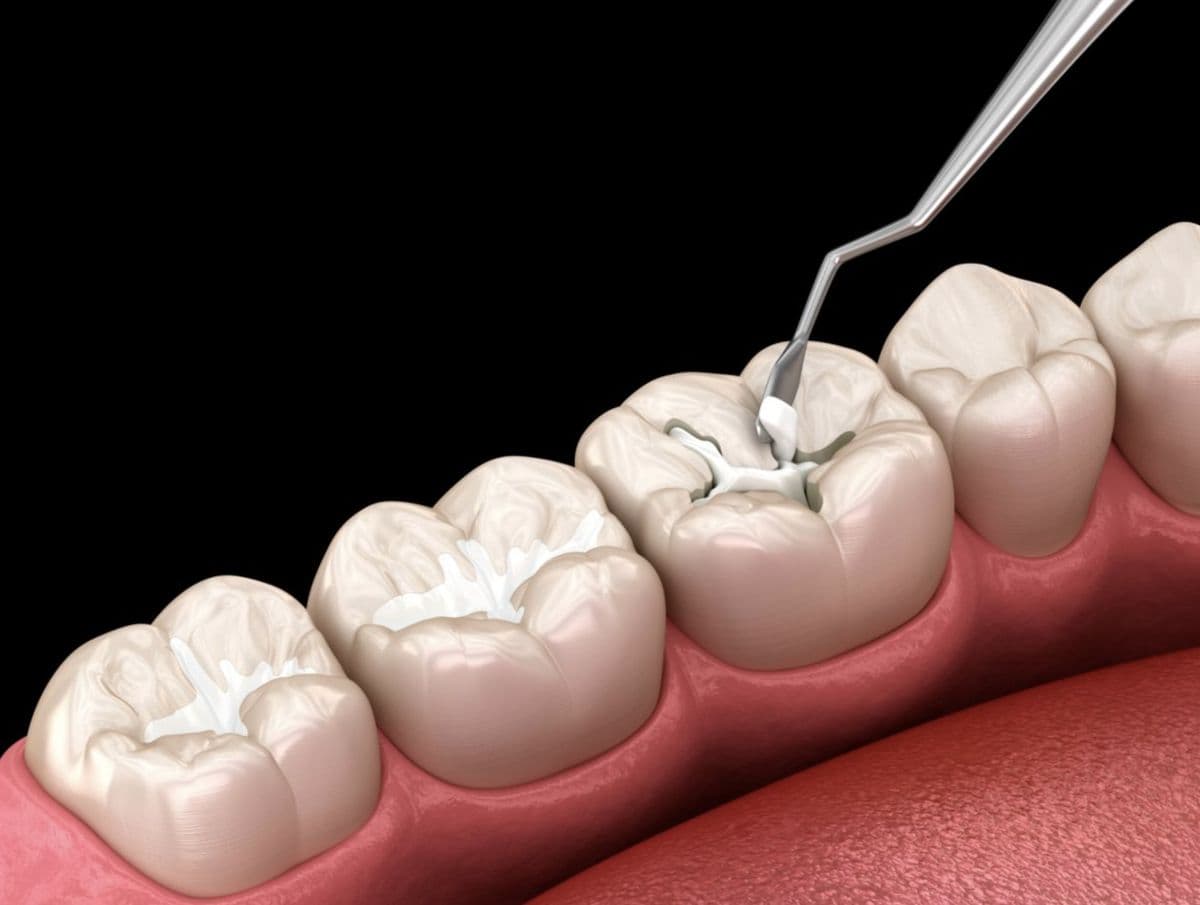
Dental Crown After Filling is often necessary when a tooth has been weakened by decay or a large filling and needs extra protection to prevent further damage or breakage. Here’s when your dentist might recommend this transition:
- Large fillings compromise more than 50% of your tooth structure
- Cracks or fracture lines appear around an existing filling
- Root canal treatment has been performed on the tooth
- Recurrent decay develops around or under an old filling
- The tooth shows signs it may break without additional support
You might feel confused or even frustrated if your dentist tells you that your filled tooth now needs a crown. After all, you already had that tooth fixed, right? The reality is that fillings repair damaged areas, but they don’t strengthen the remaining tooth structure. When too much of your natural tooth is gone or compromised, a crown becomes the better long-term solution because it covers and protects the entire tooth—like a helmet protecting your head.
Research shows that crowns typically last 10-15 years or longer with proper care, while fillings last 5-10 years depending on their size. For teeth that have already undergone significant repair, a crown often prevents more invasive procedures like root canals or extractions down the road. As one experienced dentist noted, many patients who hesitated to get a crown ended up needing more costly procedures later—procedures that the original crown would have prevented.
I’m Dr. Nina Izhaky, and throughout my years at Tribeca Dental Studio, I’ve helped countless patients steer the decision between maintaining a large filling and transitioning to a crown. Understanding the specific circumstances that make Dental Crown After Filling the right choice empowers you to protect your smile for the long term.
Why a Crown is Recommended After a Filling
It might seem counterintuitive to place a crown on a tooth that already has a filling. After all, the filling was supposed to fix the problem, right? While fillings are excellent for repairing small to moderate cavities, they have their limitations. When a tooth has significant damage, a large existing filling, or shows signs of structural weakness, a crown often becomes the best recommendation.
Imagine your tooth as a house. A filling is like patching a hole in the wall. It fixes the immediate issue but doesn’t reinforce the entire structure. If the hole is too big, or if the walls start cracking around the patch, you need more than just another patch – you need to rebuild a stronger exterior. That’s where a dental crown comes in. It acts as a full-coverage cap, restoring the tooth’s shape, appearance, and function while protecting it from further damage. The American Dental Association (ADA) explains that crowns are used to restore a tooth’s shape, appearance, and function.
Understanding the Need for a Dental Crown After Filling
So, when exactly do we recommend a Dental Crown After Filling? It typically boils down to the structural integrity of your tooth. Here are the primary reasons:
- Large Filling Size: If a filling occupies more than 50% of your tooth’s surface, or if it’s exceptionally deep, the remaining natural tooth structure can become severely weakened. This makes it vulnerable to fracture, especially under the daily stresses of chewing. A crown provides the necessary full-coverage support to prevent this. As one dental expert put it, if more than 50% of the tooth is damaged, a crown is usually recommended over a filling.
- Recurrent Decay: Over time, decay can develop around the edges or underneath an existing filling. This “recurrent decay” further compromises the tooth. If the decay is extensive after removing the old filling, there might not be enough healthy tooth structure left to support a new, larger filling. In such cases, a crown is essential to restore and protect the tooth.
- Cracked Tooth Syndrome: Existing fillings, especially large ones, can sometimes contribute to the development of micro-fractures or “cracked tooth syndrome.” These cracks can cause pain when biting or chewing and, if left untreated, can lead to more severe tooth damage or even tooth loss. A crown holds the tooth together, preventing the cracks from worsening and protecting the tooth from breaking apart. You can learn more about how we handle these situations in our restorative dentistry services.
- Fractured Cusps: The cusps are the pointed chewing surfaces of your teeth. When a tooth has a large filling, these cusps can become thin and brittle, making them susceptible to fracture. A fractured cusp can be quite painful and expose the inner part of the tooth to bacteria. A crown encapsulates the entire tooth, including the cusps, to provide strength and prevent such fractures.
- After Root Canal Treatment: When a tooth undergoes a root canal, its inner pulp is removed, making the tooth more brittle and prone to fracture. While a filling is used to seal the access hole, a crown is almost always recommended afterward to protect the tooth from breakage and seal it from future infection. This is crucial for the long-term success of the root canal. We provide comprehensive root canal therapy and subsequent crown placement to ensure your tooth remains strong and healthy.
The Benefits of a Crown Over a New, Larger Filling
When faced with a failing or large filling, choosing a crown over simply replacing it with another, even larger, filling offers significant advantages:
- Full Coverage Protection: Unlike a filling, which only repairs a portion of the tooth, a crown covers the entire visible surface of the tooth above the gum line. This comprehensive coverage provides a protective barrier against further decay, cracks, and fractures.
- Reinforces Tooth Strength: A crown acts like a helmet for your tooth, holding together weakened tooth structure and preventing it from breaking apart. This is especially vital for teeth that have been compromised by extensive decay or large fillings, or after a root canal. A filling, by contrast, does not significantly improve a tooth’s structural integrity.
- Improved Aesthetics: Modern crowns, especially those made from porcelain or ceramic, can be carefully matched to the color, shape, and size of your surrounding natural teeth. This results in a seamless and natural-looking restoration, enhancing your smile’s beauty. If you’re looking to fix a fractured tooth with aesthetic concerns, a crown is often the superior choice.
- Durability and Longevity: Crowns are designed to withstand significant chewing forces and typically last much longer than fillings. While fillings generally last 5-10 years, crowns can last 10-15 years or more with good care. This means fewer dental visits and potentially lower long-term costs.
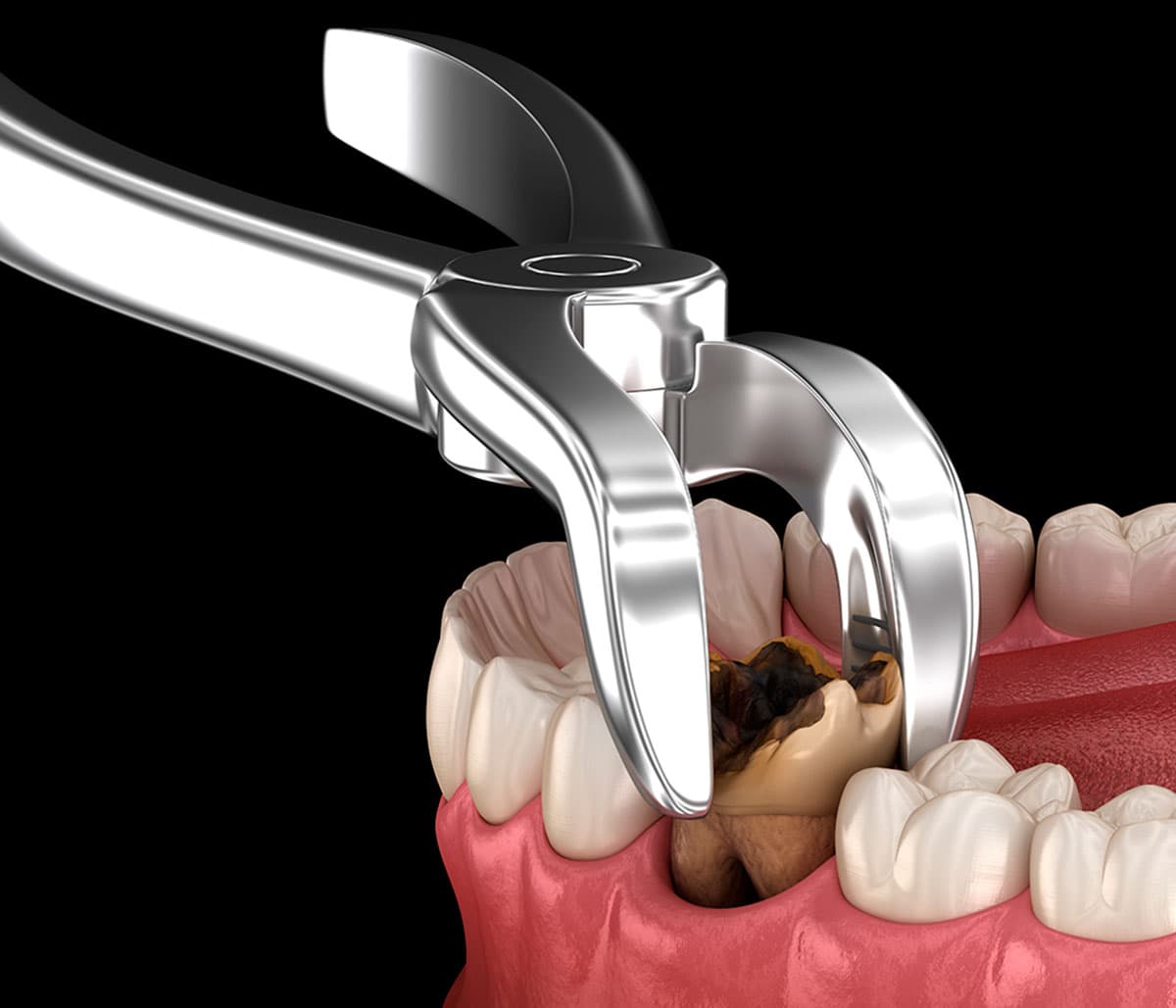
- Prevents Catastrophic Fractures: By providing complete protection and reinforcement, a crown can prevent a severely weakened tooth from fracturing catastrophically. Such fractures can sometimes be so extensive that the tooth cannot be saved, leading to extraction and more complex, costly procedures like dental implants or bridges. A crown acts as a preventative measure, safeguarding your natural tooth.
The Process: Getting a Dental Crown After a Filling
The procedure for getting a dental crown, even when a tooth already has a filling, is a straightforward process that typically involves two appointments. We strive to make each visit as comfortable and stress-free as possible for our patients here in Tribeca, NYC.
The process of placing a crown over a tooth that previously had a filling is largely similar to placing a crown on a natural tooth, with a few specific considerations during the initial preparation stage. The goal remains the same: to create a strong, durable, and aesthetically pleasing restoration.
Preparing the Tooth for a Dental Crown After Filling
The first appointment is crucial for preparing your tooth for its new crown. Here’s what you can expect:
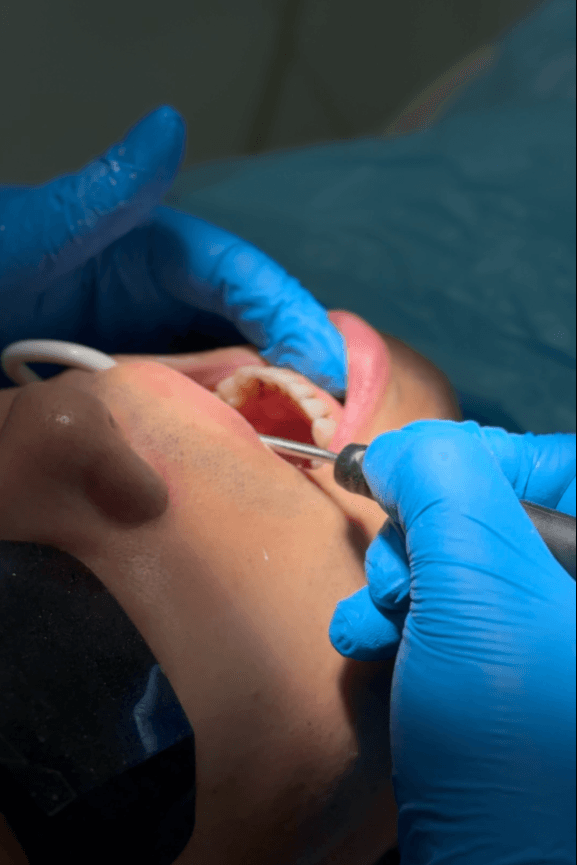
- Local Anesthesia: First and foremost, we’ll administer a local anesthetic to numb the tooth and surrounding gum tissue. This ensures you won’t feel any pain during the preparation, only perhaps some pressure. We want your experience to be as comfortable as possible.
- Assessing and Addressing the Existing Filling: This is where the “after filling” aspect comes into play. We will carefully examine the existing filling and the surrounding tooth structure. If there’s recurrent decay under or around the old filling, or if the filling itself is compromised, we will carefully remove it along with any decayed tooth material.
- Core Buildup (If Needed): If a significant amount of tooth structure or old filling material needs to be removed due to decay or damage, there might not be enough tooth left to support the crown. In such cases, we perform a “core buildup,” using a restorative material to rebuild the tooth’s foundation. This creates a stable base for the crown, much like rebuilding a solid foundation for a house.
- Shaping the Tooth: Once the tooth is healthy and has a stable foundation, we gently reshape it. This involves removing a small amount of enamel from all sides and the top of the tooth. The amount removed is precisely measured to ensure there’s enough room for the crown to fit over it without appearing bulky, matching the crown’s thickness. The edges of the prepared tooth are also smoothed and rounded.
- Digital Impressions: After the tooth is prepared, we take highly accurate digital impressions of your tooth, as well as the opposing teeth and your bite. This advanced technology allows us to create a precise 3D model of your mouth, which is then sent to a dental laboratory. These digital scans are far more comfortable than traditional gooey impressions! You can learn more about how we use modern techniques for dental fillings and other restorations.
- Temporary Crown Placement: While your permanent crown is being custom-fabricated by skilled dental technicians (which typically takes about 1-2 weeks), we’ll place a temporary crown over your prepared tooth. This temporary cap protects the tooth from sensitivity and damage, maintains your bite, and prevents your other teeth from shifting. We’ll give you specific instructions on how to care for your temporary crown, such as avoiding sticky or very hard foods.
Placing Your Permanent Crown
Your second appointment is when your smile truly begins to shine with its new, permanent crown:
- Removing the Temporary Crown: We’ll gently remove the temporary crown and clean the prepared tooth.
- Checking Fit and Color: We’ll carefully place the permanent crown on your tooth and carefully check its fit, bite, and color match with your surrounding teeth. We want to ensure it feels comfortable and blends seamlessly with your natural smile. We’ll make any necessary minor adjustments right here in the office.
- Cementing the Final Crown: Once you and we are completely satisfied with the fit and appearance, the crown is permanently bonded to your tooth using a strong dental cement or adhesive.
- Bite Adjustment and Polishing: After cementation, we’ll do a final check of your bite and polish the crown to ensure it’s smooth and comfortable. Most patients are surprised by how easy the process is and how natural their new crown feels right away.
Crown vs. Filling: Making the Right Choice for Your Tooth
Deciding between a crown and a filling, especially when dealing with existing restorations or significant decay, is a common dilemma. Both are restorative solutions, but they serve different purposes and have different implications for your long-term oral health. Our goal at Tribeca Dental Studio is always to preserve as much of your natural tooth as possible while ensuring the strongest, most durable outcome.
| Feature | Dental Filling | Dental Crown |
|---|---|---|
| Purpose | Repairs small to moderate cavities; Fills damaged portion of tooth. | Restores severely damaged, decayed, or weakened teeth; Covers entire tooth. |
| Materials | Composite resin, Amalgam, Glass ionomer. | Porcelain, Zirconia, E-MAX, Gold alloys, Porcelain-Fused-to-Metal (PFM). |
| Lifespan | 5-10 years (depending on size & placement). | 10-15+ years (with good care). |
| Cost | Generally less expensive. | Higher initial cost, but can be more cost-effective long-term by preventing further issues. |
| Procedure Time | Usually one visit. | Typically two visits (or one for same-day crowns). |
When considering a Dental Crown After Filling, we evaluate several factors: the extent of tooth decay, the amount of healthy tooth structure remaining, the location of the tooth in your mouth, and the bite forces it endures. If more than 50% of the tooth is damaged, a crown is usually the recommended option over a filling. The Cleveland Clinic provides a comprehensive overview of dental crowns and their benefits.
Materials: What Are They Made Of?
The materials used for fillings and crowns are chosen based on durability, aesthetics, and biocompatibility.
Filling Materials:
- Composite Resin: These are tooth-colored plastic and glass mixture fillings, popular for their aesthetic appeal as they can be matched to your natural tooth shade. They bond directly to the tooth structure.
- Amalgam: Also known as silver fillings, amalgam is a durable and cost-effective material made from a mixture of metals, including silver, tin, copper, and mercury. They are strong but noticeable due to their silver color.
- Glass Ionomer: These tooth-colored fillings are often used for smaller cavities or in areas not subject to heavy chewing pressure. They release fluoride, which can help protect the tooth from further decay.
Crown Materials:
- Porcelain (All-Ceramic): These crowns are highly aesthetic, mimicking the translucency and color of natural teeth. They are metal-free and an excellent choice for front teeth or for patients with metal allergies. However, they can be more brittle than other options.
- Zirconia: A very strong and durable ceramic material, zirconia crowns are tooth-colored and an excellent option for both front and back teeth, especially for patients who grind their teeth. They offer a good balance of strength and aesthetics.
- E-MAX (Lithium Disilicate): A type of all-ceramic crown, E-MAX is known for its exceptional strength, durability, and highly aesthetic properties. It’s a popular choice for both front and back teeth.
- Gold Alloys: These metal crowns are extremely durable, long-lasting, and require less tooth removal during preparation. They are often chosen for back molars due to their strength and minimal wear on opposing teeth, though their metallic appearance makes them less popular for visible teeth.
- Porcelain-Fused-to-Metal (PFM): These crowns have a metal substructure for strength, with a layer of porcelain fused over it for a tooth-colored appearance. They offer a good compromise between strength and aesthetics, though the metal can sometimes show through at the gum line if gums recede.
Durability, Longevity, and Cost
The lifespan and cost are significant factors when considering a Dental Crown After Filling.
- Longevity:
- Fillings: Typically last 5-10 years. This can vary significantly based on the material, the size and location of the filling, and your oral hygiene habits. Larger fillings in high-stress areas (like molars) tend to have a shorter lifespan.
- Crowns: Can last 10-15 years or more with good care. Some well-maintained crowns can even last upwards of 30 years. Factors influencing crown longevity include the material chosen, the quality of dental care, and your personal oral hygiene and habits (e.g., teeth grinding).
- Durability: Crowns are designed to withstand much greater biting and chewing forces than fillings. They encapsulate the entire tooth, providing structural integrity that a filling simply cannot. This improved durability is a key reason why a crown is often recommended for teeth that have been significantly compromised.
- Cost:
- Fillings: Generally, fillings are less expensive than crowns. The cost varies depending on the material and the size of the cavity.
- Crowns: The initial cost of a dental crown is higher, reflecting the more complex procedure, custom fabrication, and superior materials. In New York City, dental crown costs typically range from $800 to $3,000 per crown. However, considering their longer lifespan and ability to prevent more severe dental problems down the line, crowns can be a more cost-effective long-term investment.
- Insurance Coverage: Most dental insurance plans typically cover a portion of the cost of crowns, often around 50% after your deductible, up to your annual maximum (which is frequently $1,000-$1,500). Coverage for replacement crowns is usually only available after 5-7 years, depending on your plan. We always recommend checking with your insurance provider for specific details.
Same-Day Crowns: Tribeca Dental Studio is the Choice When You Want Precision and Convenience Without Compromises
While some offices like Tend emphasize quick, tech-driven crowns, Tribeca Dental Studio combines CEREC same-day technology with multi-specialty expertise. We’re the choice when you need crowns integrated with full-mouth care (e.g., alongside implants or orthodontics)—not just standalone fixes. Our 3D milling ensures sub-millimeter accuracy, reducing follow-ups, all in our Tribeca location with extended hours.
Frequently Asked Questions about Dental Crowns
We understand you might have many questions when considering a Dental Crown After Filling. Here are some of the most common ones we hear from our patients at Tribeca Dental Studio:
Can a crown be placed over multiple fillings in one tooth?
Yes, absolutely. In fact, placing a crown is common when a tooth has multiple fillings. This often indicates that the tooth’s structure has been significantly weakened by repeated decay and restorations. Each filling further compromises the tooth’s integrity, making it more susceptible to fracture. In such cases, a crown provides the comprehensive support and protection needed to hold the tooth together and prevent further breakdown. The crown acts as a protective cap, reinforcing the entire tooth structure, rather than simply filling another hole.
When is a filling still the better option even if a tooth has decay?
A filling remains the preferred option for small to moderate cavities where there is still ample healthy tooth structure to support the restoration. If the decay is minimal and doesn’t compromise the tooth’s overall strength, a filling is a more conservative and less expensive initial treatment. It requires removing less natural tooth structure compared to a crown. We always aim for the most conservative treatment that will effectively restore your tooth’s health and function. If the tooth is only slightly damaged, a filling is usually sufficient.
Does the procedure hurt?
No, the procedure for getting a dental crown should not hurt. We always use a local anesthetic to thoroughly numb the tooth and the surrounding area before we begin any work. While you won’t feel any pain, you might experience some pressure or vibration during the preparation process. Our team is dedicated to ensuring your comfort throughout the entire procedure. If you ever feel any discomfort, please let us know immediately so we can address it. Some patients might experience mild sensitivity to hot or cold for a few days after the permanent crown is placed, but this typically subsides quickly. Persistent or severe pain is not normal and should be reported to us right away.
Your Strongest Smile is Within Reach
At Tribeca Dental Studio, we believe in a personalized approach to dentistry, treating every patient like family. We understand that navigating dental health decisions, especially concerning a Dental Crown After Filling, can feel overwhelming. That’s why Dr. Nina Izhaky and our dedicated team are here to provide comprehensive, advanced, and welcoming oral healthcare right here in the heart of Tribeca, Manhattan.
We’re not just fixing teeth; we’re helping you achieve and maintain long-term oral health and a confident smile. Our modern office is designed to make you feel comfortable and at ease, ensuring a positive experience from the moment you walk through our doors.
Making informed decisions about your dental care is crucial. We encourage you to ask questions, understand your options, and partner with us in creating the best treatment plan for your unique needs. If you have an old filling that’s giving you trouble, or if you’re experiencing any tooth pain or sensitivity, don’t hesitate to reach out.
Ready to explore how a dental crown can strengthen your smile and protect your oral health? Schedule a consultation for Dental Crowns & Bridges with us today. We look forward to helping you smile brighter!