Uh Oh, My Filling Cracked! Your Go-To Guide for a Quick Fix
February 25, 2026

Understanding What to Do When My Filling Cracked
If you’ve finded my filling cracked, you’re facing a common dental issue that needs prompt attention. Here’s what you need to know right away:
Immediate Steps:
- Call your dentist today – A cracked filling is considered a dental emergency, even without pain
- Avoid chewing on that side – Protect the tooth from further damage
- Keep the area clean – Rinse gently with warm salt water
- Don’t panic – This is a routine fix with several repair options available
What Happens Next:
- Your dentist will examine the tooth and likely take X-rays
- Treatment options include replacing the filling, placing an inlay/onlay, or adding a crown
- Most repairs can be completed in a single appointment
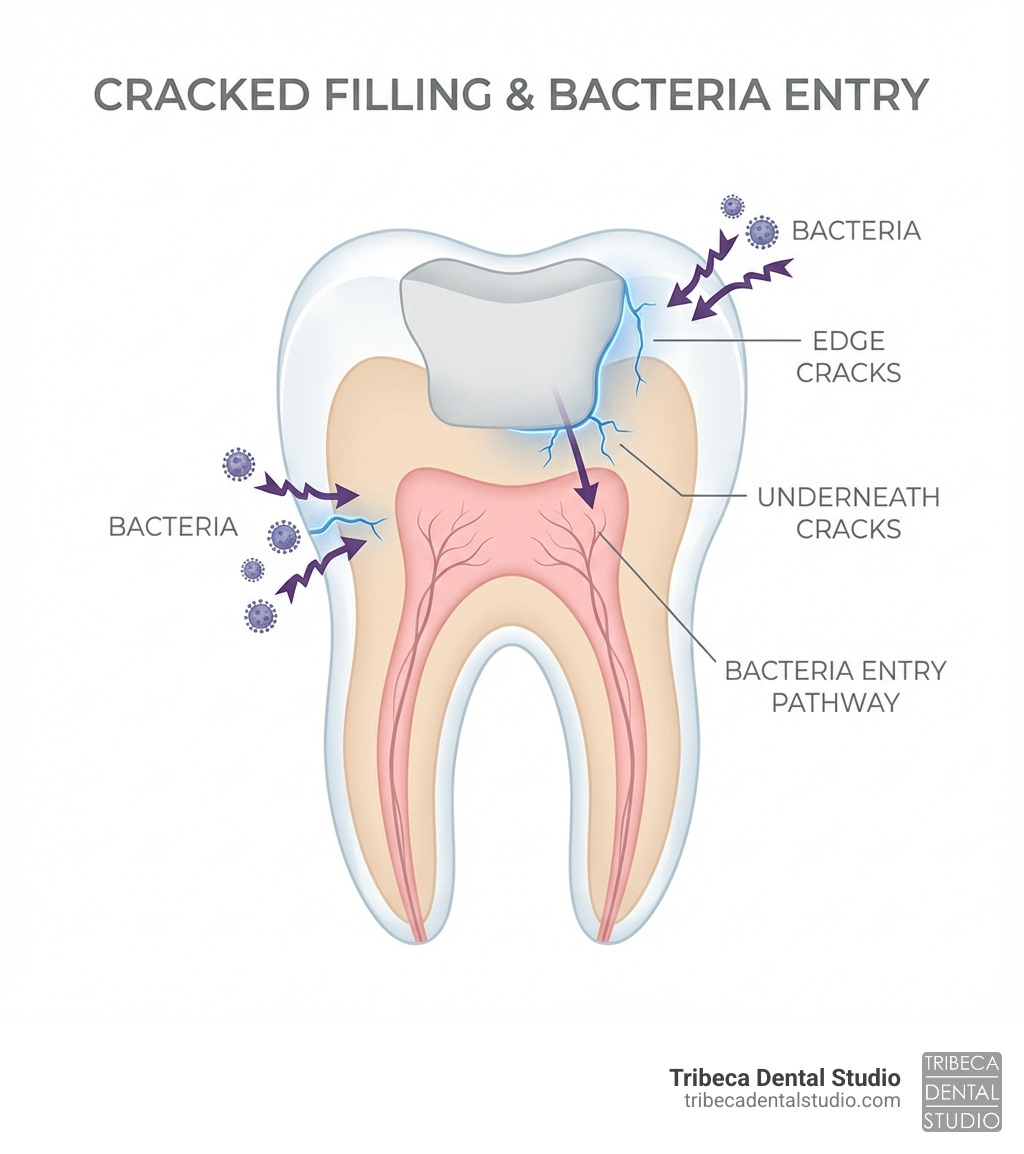
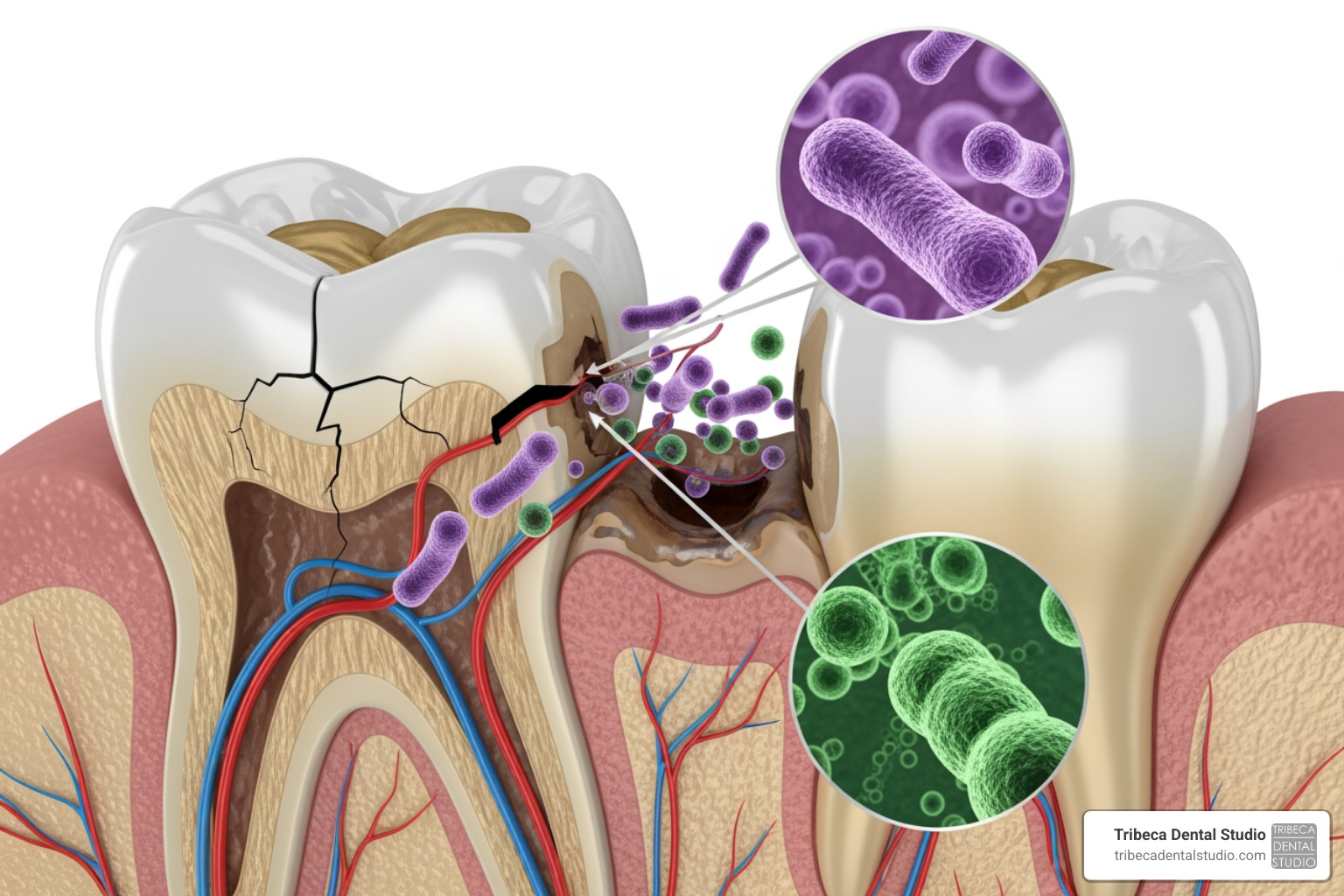
- Without treatment, bacteria can enter the crack and cause decay, infection, or even tooth loss
According to research, approximately 91% of adults in the United States have had a dental cavity, which means most people will deal with fillings at some point. Fillings typically last about 15 years, but they can crack due to biting pressure, teeth grinding, or simple wear and tear over time.
The good news? A cracked filling is completely treatable when you act quickly. The longer you wait, the more complex and costly the repair becomes. Studies show that dentists are seeing chipped and broken teeth more frequently, and these fractures are leading causes of tooth loss when left untreated.
I’m Dr. Nina Izhaky, and I’ve spent years helping patients steer dental emergencies like my filling cracked situations at Tribeca Dental Studio, using state-of-the-art digital technology and mercury-free materials to restore smiles quickly and comfortably. Let me walk you through exactly what’s happening with your tooth and how we can fix it.
My filling cracked terms you need:
Why Fillings Fail: The Top 5 Reasons Your Filling Cracked
It’s a common scenario: you’re enjoying your favorite meal, and suddenly, you feel something isn’t quite right. Or perhaps you wake up with an unfamiliar sensitivity. Many factors can contribute to the unfortunate event of my filling cracked. It’s not always about what you did wrong; sometimes, it’s just the natural lifespan and stresses your teeth endure.
Here are the top five reasons why a dental filling might crack:
- Excessive Biting Pressure: Our teeth are incredibly strong, but they’re not invincible. Biting down too hard on certain foods—think hard candies, nuts, ice cubes, or even popcorn kernels—can exert immense pressure on your fillings, causing them to fracture. If a filling is large, it may be more susceptible to this kind of stress.
- Teeth Grinding (Bruxism): If you grind or clench your teeth, especially while you sleep, you’re putting constant, often unconscious, strain on your dental work. This repetitive pressure can weaken fillings over time, eventually leading to cracks. People with strong chewing muscles or an unbalanced bite are also at higher risk.
- Age of the Filling: Dental fillings aren’t designed to last forever. While many factors influence their longevity, fillings typically last about 15 years. However, this can range anywhere from 5 to 20 years depending on the material. As they age, fillings can wear down, become brittle, and lose their integrity, making them more prone to cracking.
- New Decay Underneath the Filling: This is a sneaky culprit. If the tooth structure beneath or around an existing filling softens due to new decay, the filling loses its stable foundation. Without proper support, the filling can crack or even break away from the tooth. Bacteria can work their way under the filling over time, leading to this issue.
- Material Limitations: Different filling materials have varying strengths and weaknesses. For instance, composite (tooth-colored) fillings, while aesthetically pleasing, can sometimes be less durable than metal fillings, particularly for large restorations in high-stress areas. Metal fillings, like amalgam, can last 10-15 years, while composite fillings can also provide more than a decade of solid service. However, glass ionomer fillings, often used for smaller cavities or temporary restorations, may need replacement in as little as five years.
Understanding these causes helps us appreciate the importance of regular dental checkups. We can often identify and address potential issues with your fillings before they turn into a full-blown “my filling cracked” emergency.

Is It a Crack? 7 Signs and Symptoms You Can’t Ignore
When my filling cracked, the signs aren’t always obvious. Sometimes, the crack is so small you can’t see it, but your body sends you signals. Being aware of these symptoms can help you seek timely treatment and prevent further complications.
Here are 7 key signs and symptoms that indicate you might have a cracked dental filling:
- Sharp Pain When Chewing or Biting: This is one of the most common indicators. You might feel a sudden, sharp jolt of pain when you bite down on food, especially hard items, or when you release your bite. This happens because the pressure causes the crack to open and close, irritating the sensitive tissues inside your tooth. If you experience this, check out our insights on Why Does My Tooth Hurt When I Chew? Common Causes & Fast Relief.
- Sensitivity to Hot and Cold Temperatures: A cracked filling can expose the underlying dentin or even the tooth’s pulp to extreme temperatures. This can result in a quick, sharp pain or a lingering ache when you consume hot coffee, cold water, or even sugary or acidic foods.
- Feeling a Rough or Jagged Edge: Sometimes, you can literally feel the crack with your tongue. It might feel like a rough spot, a sharp edge, or even a small hole in your tooth where the filling should be smooth. Many people describe it as feeling like there’s a hard object in or around that tooth.
- Visible Crack or Hole: While not always present, a larger crack might be visible to the naked eye. You might see a fine line running through the filling or the tooth, or a piece of the filling might have completely broken off, leaving a noticeable hole or gap.
- Food Getting Stuck: If food particles consistently get trapped in a specific area around a filled tooth, it could be a sign that there’s a crack or gap in the filling, creating a space for debris to accumulate.
- Intermittent Pain: Unlike a constant toothache, pain from a cracked filling often comes and goes. It might only appear when you chew, or when the tooth is exposed to certain temperatures, making it tricky to pinpoint.
- Bad Breath (in severe cases): While fillings themselves don’t cause bad breath, a cracked filling creates openings for bacteria and food debris to get inside the tooth. The ensuing decay can lead to bad breath as bacteria produce volatile sulfur gases. The odor typically becomes significantly worse if the tooth gets infected.
It’s important to distinguish between a cracked filling and a lost filling. If my filling cracked, a portion of it might still be in place, but with a noticeable fracture. If a filling is lost, it means the entire filling has fallen out, leaving a clear hole or cavity in the tooth. Both scenarios require immediate dental attention, but the sensation and appearance might differ slightly.
The Dangers of Delay: Risks of an Untreated Cracked Filling
It’s tempting to put off a dental visit, especially if the pain from my filling cracked is intermittent or mild. But ignoring a cracked dental filling is a gamble with your oral health that we strongly advise against. The consequences of delaying treatment can be severe, leading to more complex, painful, and costly procedures down the road.
Here’s what can happen if you ignore a cracked filling:
- Bacterial Leakage and Worsening Decay: The primary purpose of a filling is to seal off a cavity and protect the inner tooth from bacteria. A crack compromises this seal, creating tiny pathways for bacteria and food particles to seep underneath the filling. This can lead to new decay forming in the tooth structure that is now exposed and vulnerable. This decay can progress rapidly and is often undetectable without professional examination and X-rays.
- Tooth Infection (Abscess): If decay continues unchecked, it can reach the pulp of the tooth, where the nerves and blood vessels are located. This can lead to a painful infection, known as a dental abscess. An abscess is a pocket of pus that forms at the tip of the tooth root or in the gums, causing severe pain, swelling, and even fever.
- Nerve Damage and Root Canal Therapy: Once bacteria reach the tooth’s nerve, the pulp can become irreversibly inflamed and infected. At this point, the only way to save the tooth and alleviate the pain is often through Root Canal Therapy. This procedure involves removing the infected pulp, cleaning the root canals, and sealing the tooth.
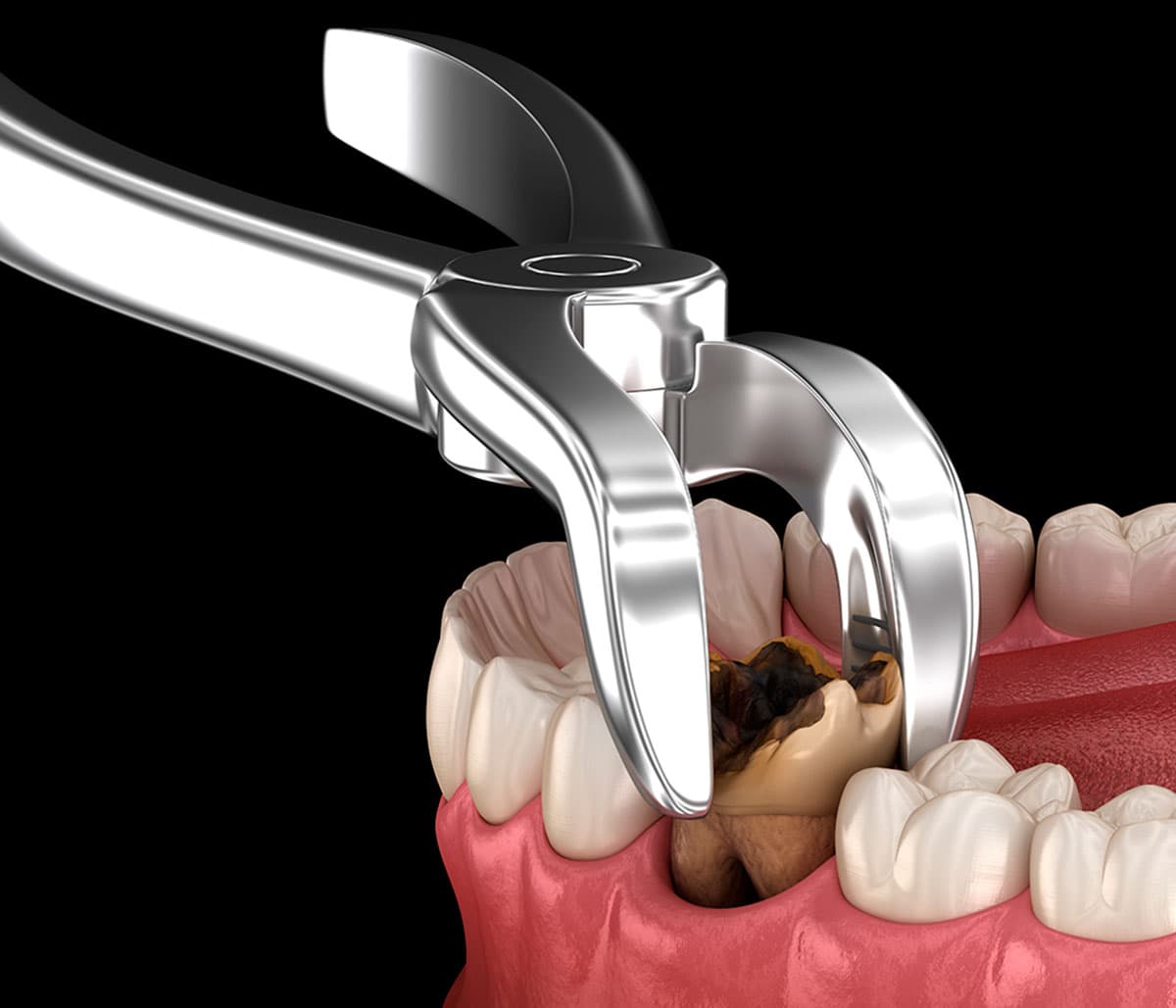
- Further Tooth Fracture or Loss: A cracked filling weakens the entire tooth structure. The continued stress of biting and chewing can cause the crack to deepen and spread, potentially leading to a larger Fix Fractured Tooth or even splitting the tooth completely. Studies show that chipped and broken teeth are leading causes of tooth loss, and dentists are seeing these issues more frequently. If the tooth splits beyond repair, extraction might be the only option.
- Increased Sensitivity and Pain: Even if an infection doesn’t immediately develop, the exposed tooth structure will likely become increasingly sensitive to hot, cold, and pressure, making everyday activities like eating and drinking uncomfortable.
A cracked filling is a ticking time bomb. The small space created by the crack allows bacteria to set up shop, leading to progressive damage. Prompt diagnosis and treatment are crucial to prevent a minor issue from escalating into a major dental crisis.
Your Action Plan: What to Do When You Realize “My Filling Cracked”
Finding my filling cracked can be unsettling, but knowing what to do immediately can make all the difference in saving your tooth and minimizing discomfort. We’re here to guide you through the necessary steps.
First and foremost, if you suspect my filling cracked, you need to call your dentist immediately. Even if you’re not experiencing pain, a cracked filling is considered a dental emergency. It’s an urgent matter because of the risks discussed above – bacterial invasion, decay, and potential infection. Delaying treatment can turn a simple repair into a much more complicated and invasive procedure.
At Tribeca Dental Studio, we understand that dental emergencies don’t always happen during regular business hours. That’s why we offer Emergency Dentist Tribeca NYC: Same-Day Relief, Open 7 Days a Week to ensure you get the care you need when you need it most.
Immediate At-Home Care for a Cracked Filling
While you’re waiting for your dental appointment, there are a few things you can do to manage the situation and prevent further damage:
- Avoid Chewing on That Side: This is crucial. Try to eat soft foods and chew only on the opposite side of your mouth to prevent putting more pressure on the compromised filling and tooth.
- Rinse with Warm Salt Water: Gently rinse your mouth with a solution of warm salt water several times a day. This can help keep the area clean, reduce inflammation, and soothe any irritation.
- Keep the Area Clean: Continue your regular oral hygiene routine, but be extra gentle when brushing and flossing around the affected tooth. This helps remove food particles and bacteria that might try to enter the crack.
- Over-the-Counter Pain Relief: If you’re experiencing pain or sensitivity, over-the-counter pain relievers like ibuprofen or acetaminophen can help manage the discomfort until you see us.
Professional Repair Options for When My Filling Cracked
Once you’re in our Tribeca office, we’ll begin with a thorough examination. This typically involves visually inspecting the tooth and taking X-rays to assess the extent of the crack and check for any underlying decay or infection. Based on our findings, we’ll recommend the most appropriate treatment option for you:
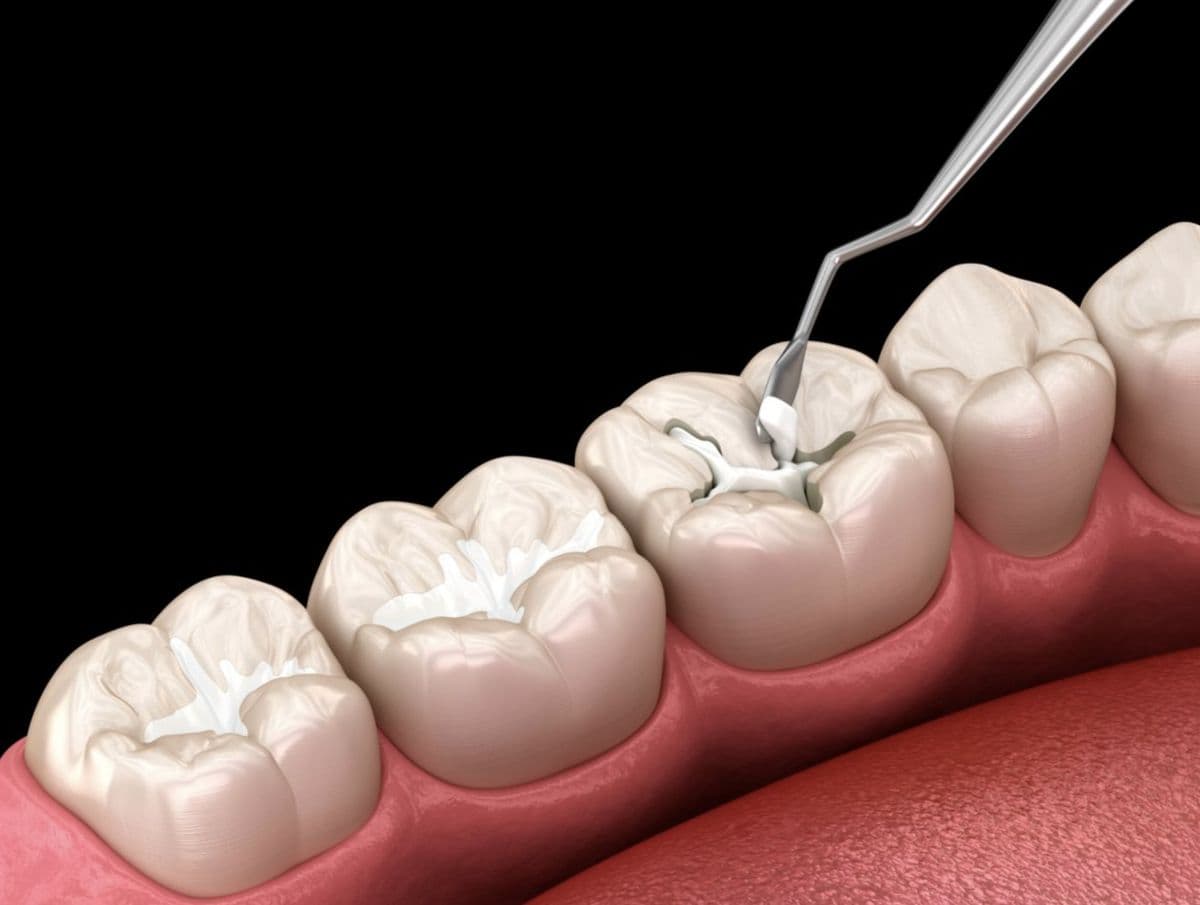
- Simple Replacement with a New Filling: If the crack is small and hasn’t caused significant damage to the tooth structure, we can often simply remove the old, cracked filling and replace it with a new one. At Tribeca Dental Studio, we prefer using Tooth-Colored Fillings made of composite resin. These fillings blend seamlessly with your natural teeth and are a durable, aesthetic solution.
- Dental Inlays and Onlays: For larger cracks or when a significant portion of the tooth needs restoration but a full crown isn’t yet necessary, we might recommend Dental Inlays and Onlays. These are custom-made restorations (often from porcelain or composite resin) that fit precisely into or onto the chewing surface of the tooth. An inlay fits within the cusps (the bumps on the chewing surface), while an onlay covers one or more cusps. They offer more strength and longevity than a traditional filling.
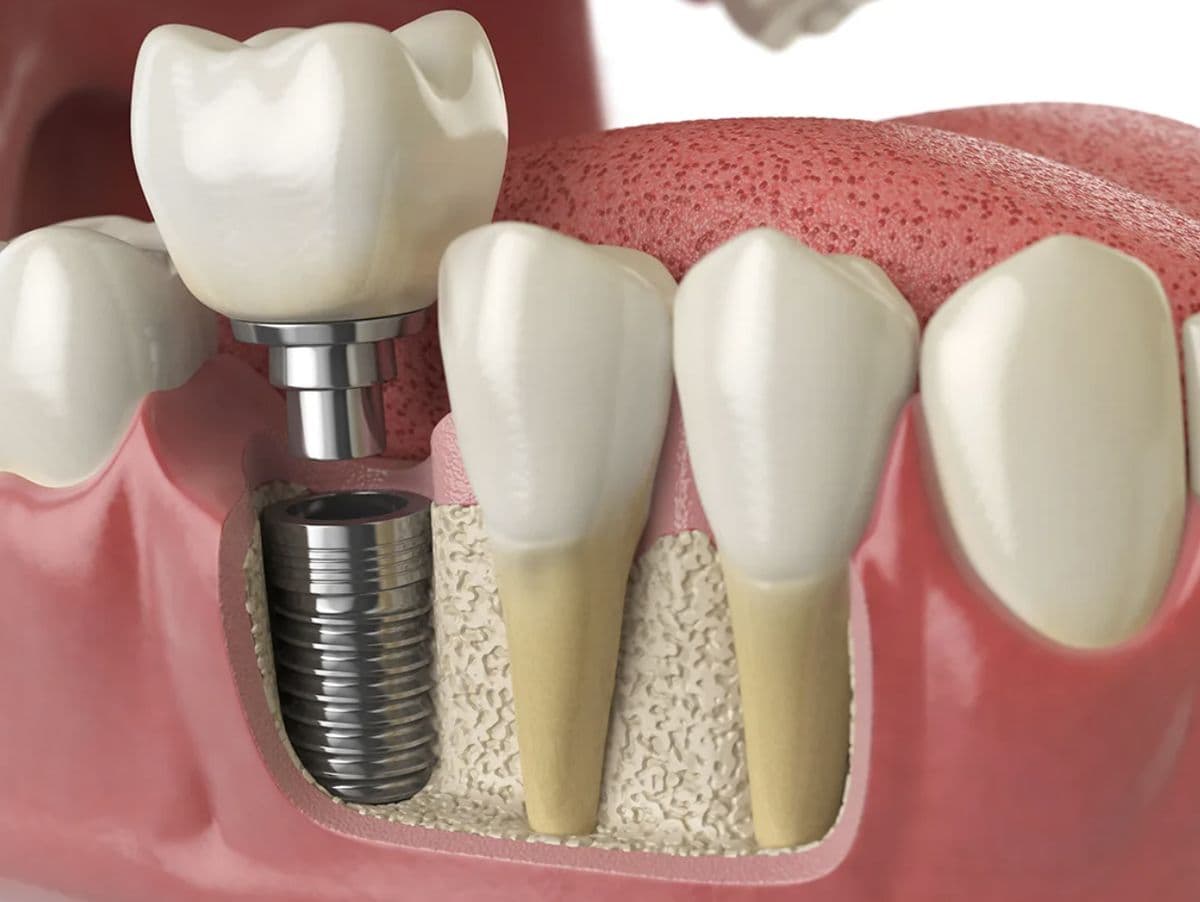
- Dental Crowns: If the crack is extensive, has weakened a large part of the tooth, or if there’s significant decay, a dental crown might be the best solution. A crown is a tooth-shaped cap that completely covers the visible portion of your tooth, restoring its strength, shape, size, and appearance. You can learn more about this option by exploring Crowns vs. Bridges vs. Implants: Which is Right for You?. Crowns provide maximum protection and are designed to withstand the forces of chewing.
Our goal is always to preserve as much of your natural tooth structure as possible while ensuring the long-term health and stability of your smile.
Prevention Is Key: How to Protect Your Fillings for Years to Come
While finding my filling cracked can be a jolt, many steps can be taken to prevent this from happening again and to extend the life of your dental restorations. Protecting your fillings is an investment in your overall oral health and can save you from future discomfort and dental visits.
Here’s how you can proactively protect your fillings:
- Maintain Excellent Oral Hygiene: This is the foundation of all dental health. Brushing twice a day with fluoride toothpaste, flossing daily, and using an antimicrobial mouthwash helps remove plaque and food particles that can lead to new decay around your fillings. New decay beneath a filling is a major cause of cracks.
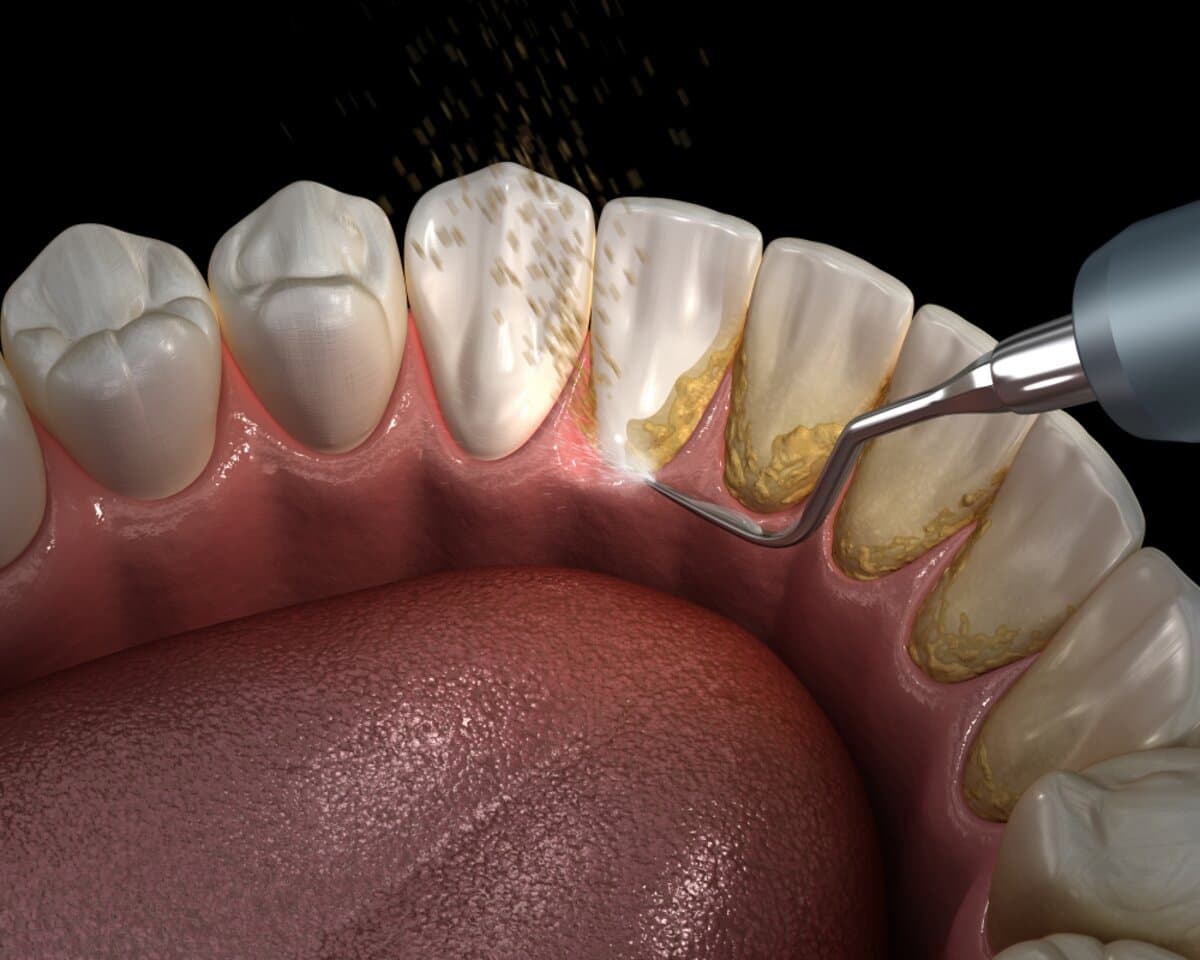
- Schedule Regular Dental Checkups and Cleanings: Visiting us at Tribeca Dental Studio for routine checkups allows us to monitor the condition of your fillings. We can spot early signs of wear, hairline cracks, or decay forming around a filling before it becomes a serious issue. Regular cleanings also remove plaque and tartar that can contribute to dental problems.
- Avoid Hard and Sticky Foods: Be mindful of what you eat. Hard candies, ice, nuts, hard pretzels, and even very crunchy vegetables can put excessive force on your fillings. Similarly, sticky foods like caramels can pull on fillings, potentially dislodging or cracking them.
- Consider a Nightguard for Bruxism: If you grind or clench your teeth (bruxism), especially at night, a custom-fitted nightguard can provide a protective barrier. This prevents your upper and lower teeth from grinding against each other, significantly reducing the stress on your natural teeth and fillings.
- Address an Unbalanced Bite: If your bite isn’t properly aligned, certain teeth and their fillings might bear more pressure than others. We can assess your bite and recommend adjustments to distribute chewing forces more evenly, reducing the risk of cracks.
- Be Mindful of Habits: Avoid using your teeth as tools to open packages, bite fingernails, or chew on pens. These habits can easily chip or crack both natural teeth and fillings.
The longevity of your fillings also depends significantly on the material used. Understanding the typical lifespan can help you anticipate when a filling might need attention.
| Filling Material | Typical Lifespan | Prone to Cracking? |
|---|---|---|
| Amalgam (Silver) | 10-15 years | Less prone to cracking than composite, but can expand/contract with temperature changes over time, stressing the tooth. |
| Composite (Tooth-Colored) | 5-10 years (can exceed 10) | Can be more prone to cracking under heavy biting pressure, especially in larger restorations, due to less inherent strength than metal. |
| Gold | 15-20+ years | Highly durable and resistant to cracking, but can be expensive and require multiple visits. |
| Porcelain (Ceramic) | 10-15 years | Very strong and aesthetic, but can be brittle under extreme pressure, sometimes leading to chipping or cracking. |
These are general guidelines. Factors like your oral hygiene, diet, and habits can all influence how long your fillings truly last. For more on how we approach dental restorations, visit our page on Dental Fillings in NYC: Natural, Durable, Aesthetic Restorations at Tribeca Dental Studio. We also offer insights into More on different types of fractures that can affect your teeth.
Conclusion: Restore Your Smile with Confidence
Facing the findy of my filling cracked can be a moment of concern, but as we’ve explored, it’s a common and highly treatable dental issue. The most important takeaway is the need for prompt action. Ignoring a cracked filling, even if it’s not causing immediate pain, can lead to a cascade of problems, from worsening decay and infection to the need for more complex procedures like root canals or even tooth extraction.
The good news is that with modern dentistry, a cracked filling is a routine fix. Whether it requires a simple replacement with a beautiful, mercury-free Tooth-Colored Fillings, a custom-made Dental Inlays and Onlays, or a protective Dental Crowns, we have the solutions to restore your tooth’s health, function, and appearance.
At Tribeca Dental Studio, we pride ourselves on our personalized approach to dentistry. We understand that each patient is unique, and we treat you like family, ensuring you receive comprehensive, advanced, and welcoming oral healthcare right here in Tribeca, NYC. Our Restorative Dentistry services are designed not just to fix problems but to improve your overall oral health and confidence.
Don’t let a cracked filling compromise your smile or your well-being. If you’ve noticed any of the signs or symptoms we’ve discussed, or if you simply have a concern about your dental health, we encourage you to reach out to us without delay. We’re here to provide the expert care and reassurance you need to get your smile back on track.
Ready to restore your smile with confidence?
Explore our Cosmetic Dentistry Options to Repair a Chipped Tooth and other services.
Contact Tribeca Dental Studio today to schedule your appointment. We’re open 7 days a week for your convenience.