Sinus Lift & Bone Grafts: Essential Steps for Successful Dental Implants
June 3, 2026
Why a Strong Jawbone Is the Foundation of Every Successful Dental Implant
Bone graft for implants is a procedure that rebuilds lost jawbone so a dental implant has a stable, secure place to anchor. If you’re wondering whether you need one before getting implants, here’s the short answer:
You likely need a bone graft if:
- Your jawbone is too thin (less than ~6 mm wide) or too short (less than ~10 mm tall)
- You’ve had a tooth missing for a long time
- You’ve experienced gum disease, infection, or jaw trauma
- You’re getting implants in the upper back jaw (where the sinus often limits space)
You may not need one if:
- Your jawbone still has enough volume and density for the implant to anchor securely
- A shorter or angled implant can work in your specific case
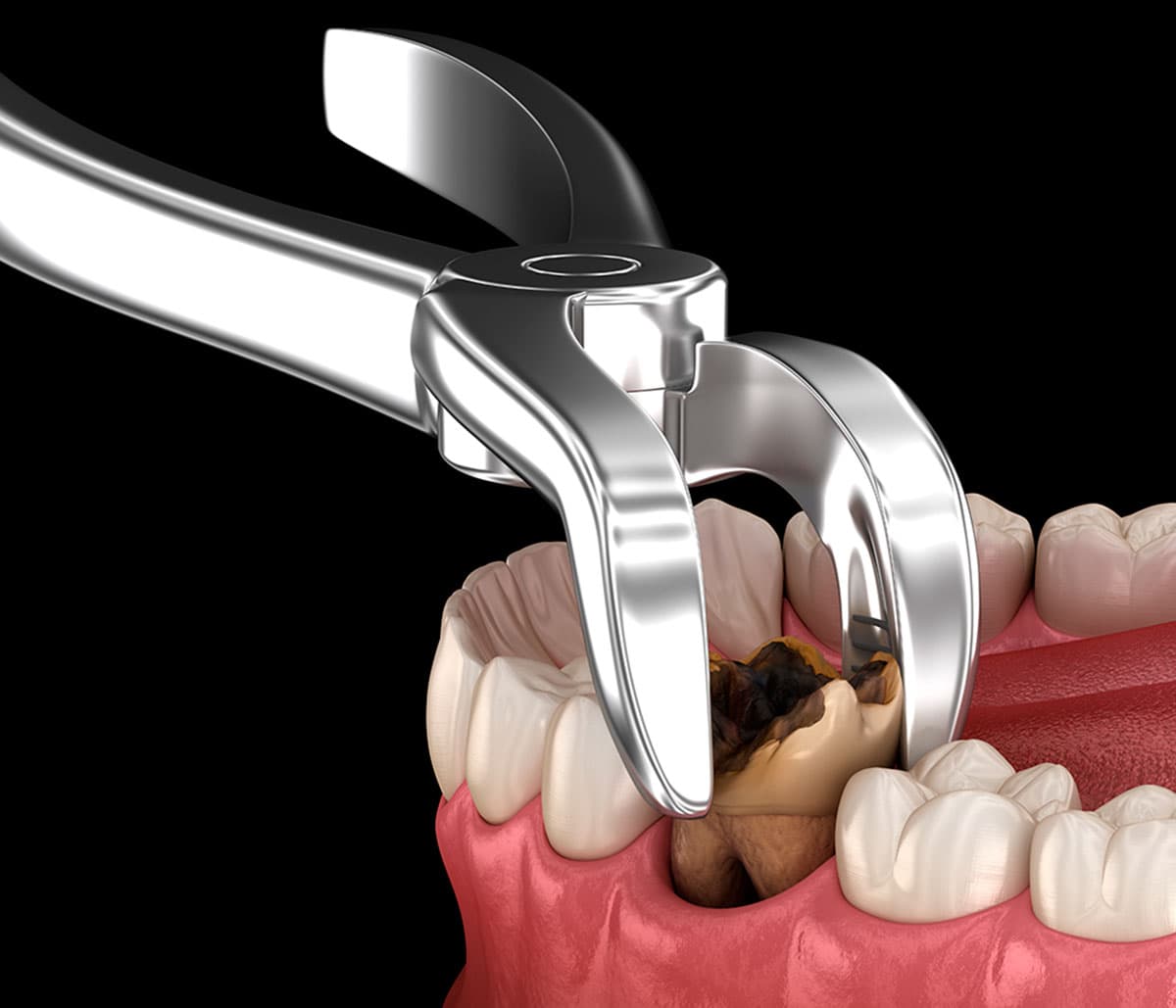
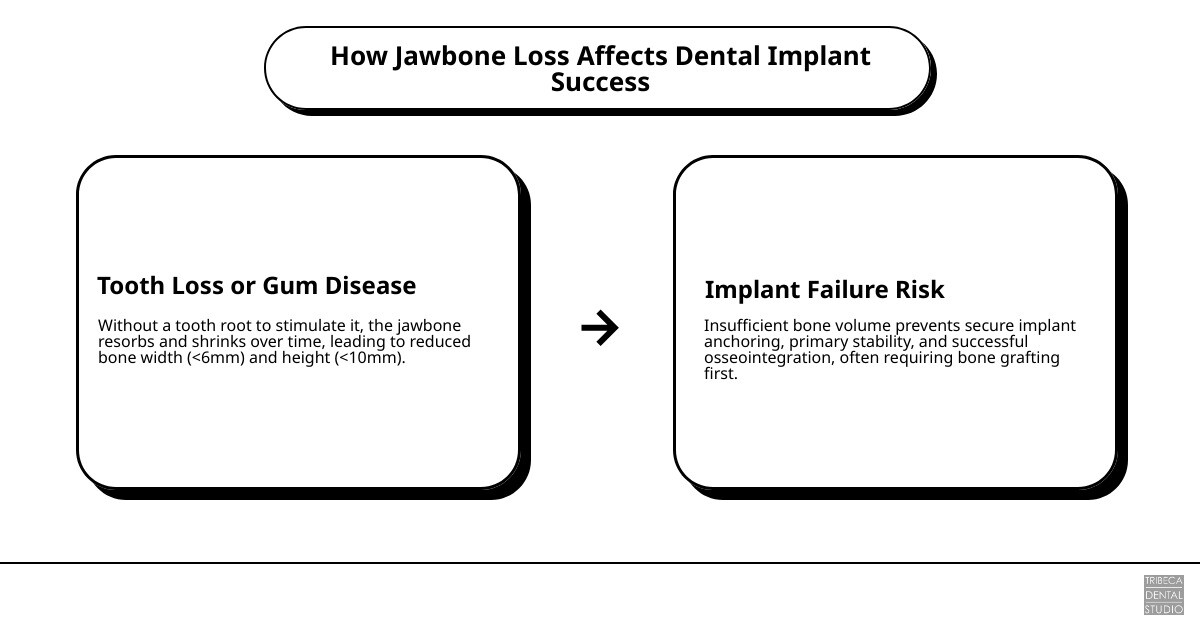
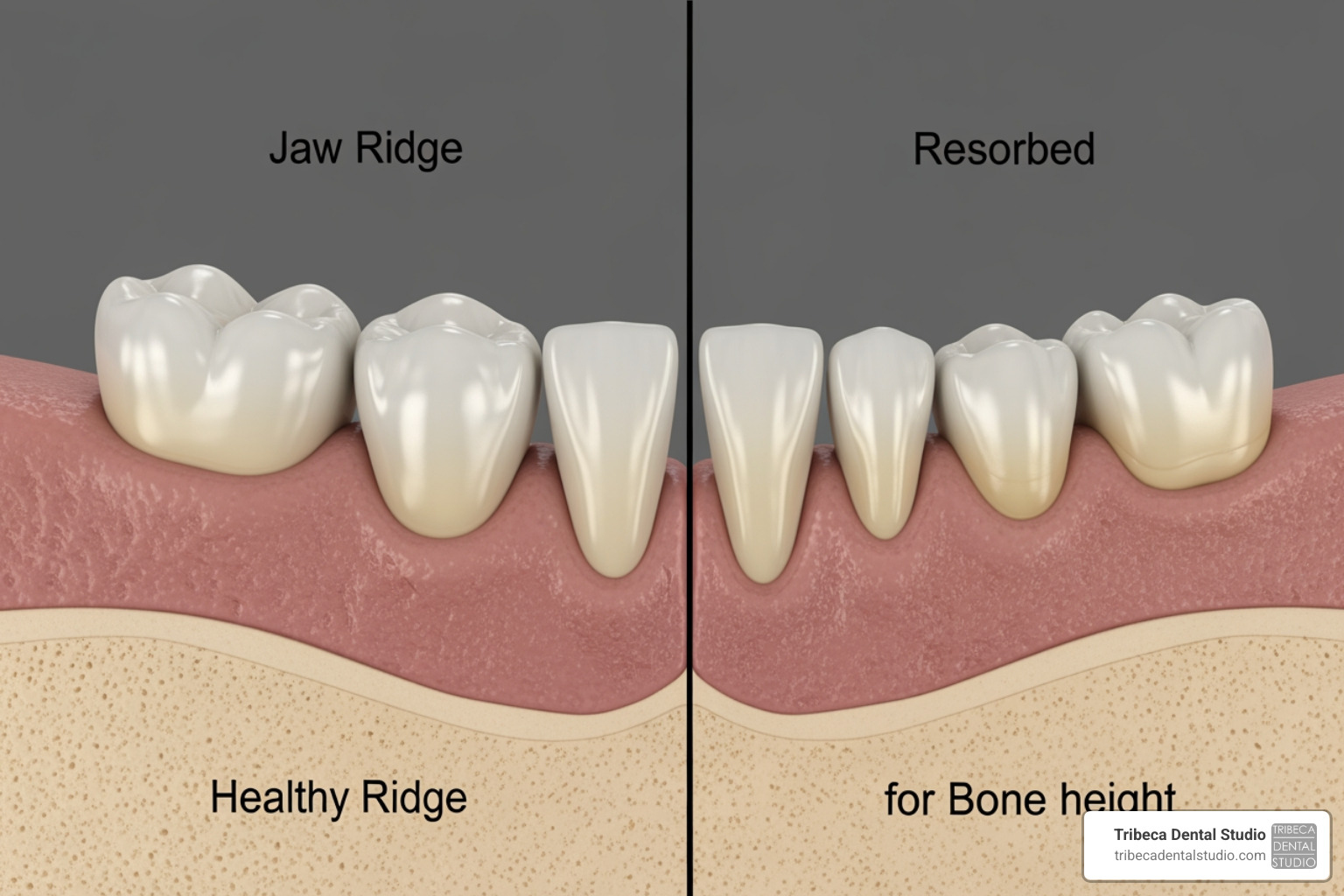
Once a tooth is lost, the jawbone beneath it begins to shrink — because without a root stimulating it, the body simply stops maintaining that bone. Over months and years, this can leave a jaw that’s too narrow or too short to support an implant. That’s where bone grafting comes in.
The good news? It’s one of the most routinely performed procedures in modern dentistry. Around 2.2 million bone grafts are placed globally every year, with success rates ranging from 90% to 99% — and up to 100% depending on the material and the patient’s health.
Still, the idea of a graft before implants can feel overwhelming. This guide walks you through everything: what the procedure involves, how long healing takes, which type of graft fits your situation, and what to realistically expect in terms of pain, cost, and outcomes.
I’m Dr. Nina Izhaky, a graduate of New York University College of Dentistry and founder of Tribeca Dental Studio, where I work alongside on-site specialists in periodontics and oral surgery to guide patients through every stage of bone graft for implants — from the first scan to the final crown. Whether your case is straightforward or complex, our goal is to give you a clear, personalized path forward.
Basic Bone graft for implants vocab:
What Is Bone Grafting and Why It Matters Before Implants
At its core, a dental bone graft isn’t just “filling a hole.” Think of it more as a biological bone scaffold. We aren’t just putting material in your jaw and leaving it there; we are providing a structure that encourages your own body to regenerate living bone tissue. Without sufficient jawbone density, an implant is like a house built on sand—it might look fine on the surface, but it won’t withstand the intense chewing forces of everyday life.
Bone graft for implants: the basic concept
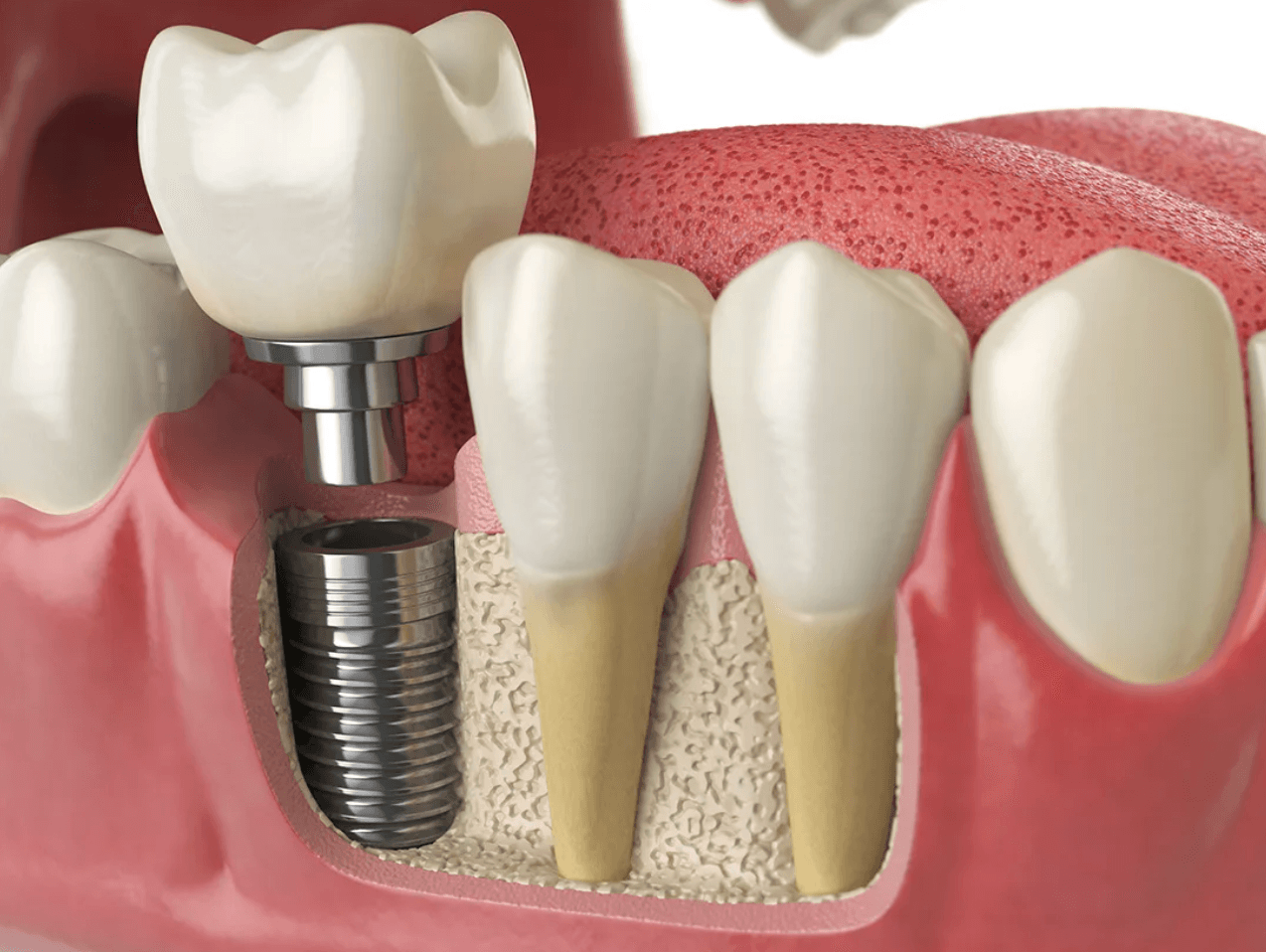
When we perform a bone graft for implants, we place specialized material into the areas where bone has receded. This material triggers a process called bone regeneration. Over several months, your body replaces the graft material with your own natural bone. This creates a rock-solid foundation for the titanium implant post to fuse with, a process known as osseointegration. Without this stable base, the implant would likely become loose or fail entirely.
Why implants fail without enough bone
Dental implants require a specific “envelope” of bone to survive. Generally, we look for a bone width of at least 6 mm and a bone height of at least 10 mm to avoid hitting key landmarks like nerves or sinus cavities.
If the ridge is too thin (ridge resorption), the titanium post won’t be fully encased in bone, leading to instability. Furthermore, without enough height, the implant cannot be long enough to handle the pressure of biting.
When a sinus lift becomes part of the plan
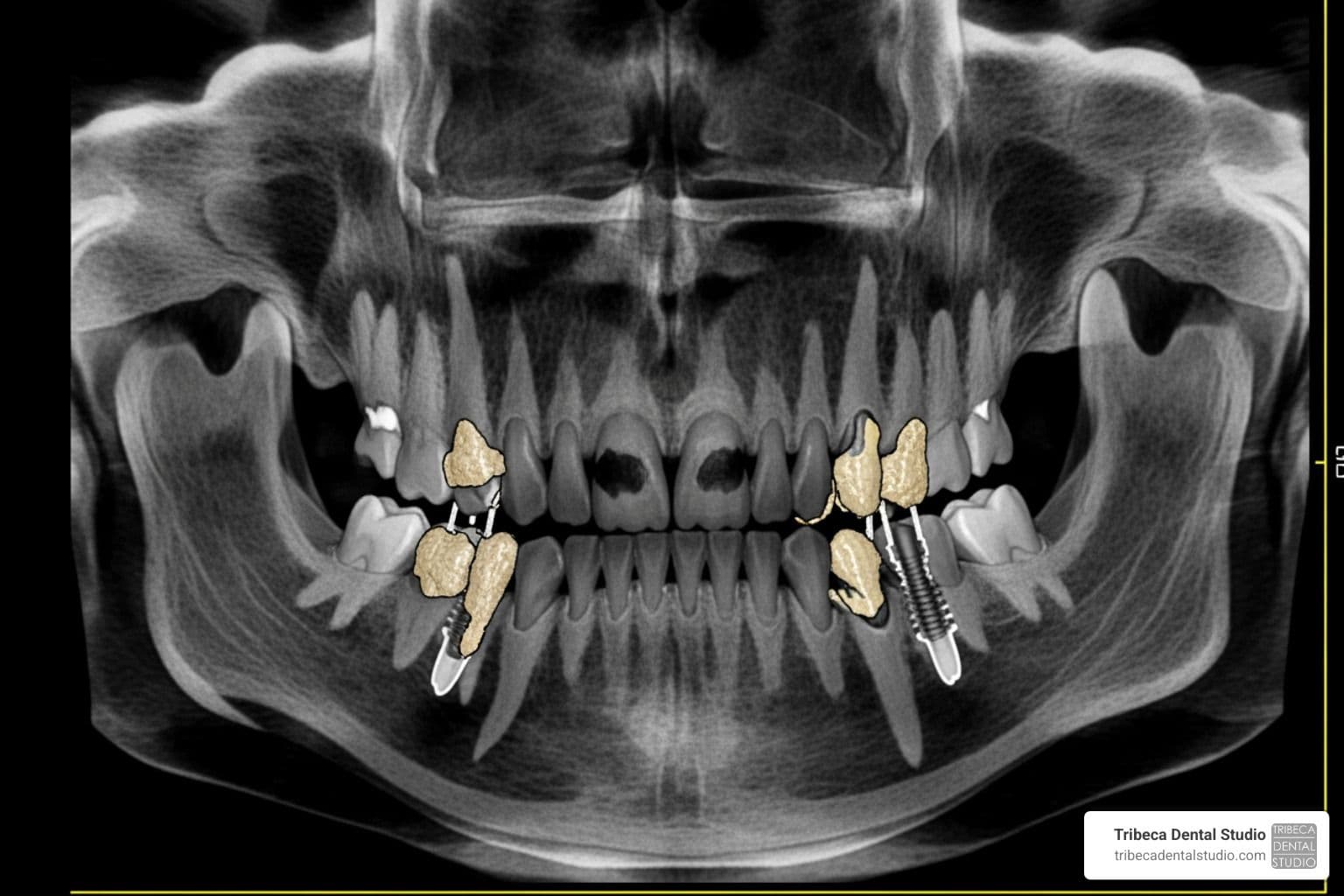
In the upper jaw, specifically where your back teeth (molars) are located, there is a unique challenge: the maxillary sinus. If you’ve been missing those back teeth for a while, the sinus floor can actually “drop” or expand downward (pneumatization), leaving very little bone between the mouth and the sinus cavity.
In these cases, we perform a sinus lift (or sinus augmentation). This involves gently lifting the sinus membrane and placing bone graft material underneath it to create enough vertical height for an implant.
When Patients Need Bone Graft for Implants
The decision to proceed with a bone graft for implants isn’t based on guesswork. In our Tribeca office, we use advanced diagnostics to see exactly what’s happening beneath your gums.
Bone graft for implants after tooth loss, infection, or gum disease
The most common reason for bone loss is simply the passage of time after a tooth is extracted. Within the first year of losing a tooth, the surrounding bone can lose up to 25% of its volume. Other culprits include:
- Periodontitis: Advanced gum disease literally eats away at the bone supporting your teeth.
- Infection: Abscesses or long-term infections can create “hollow” spots in the jaw.
- Trauma: A jaw fracture or significant injury can cause immediate bone loss.
Clinical signs and imaging dentists use to decide
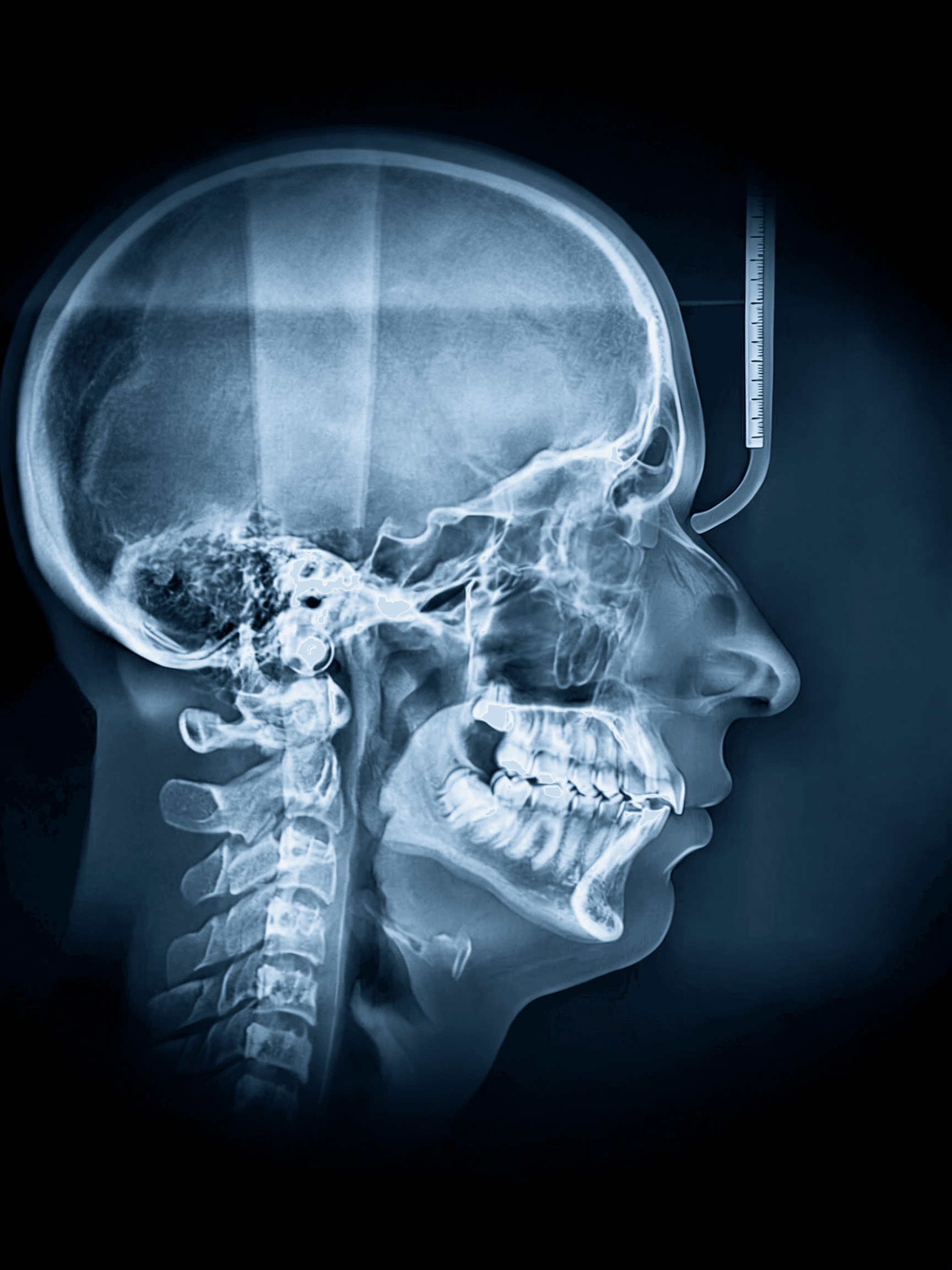
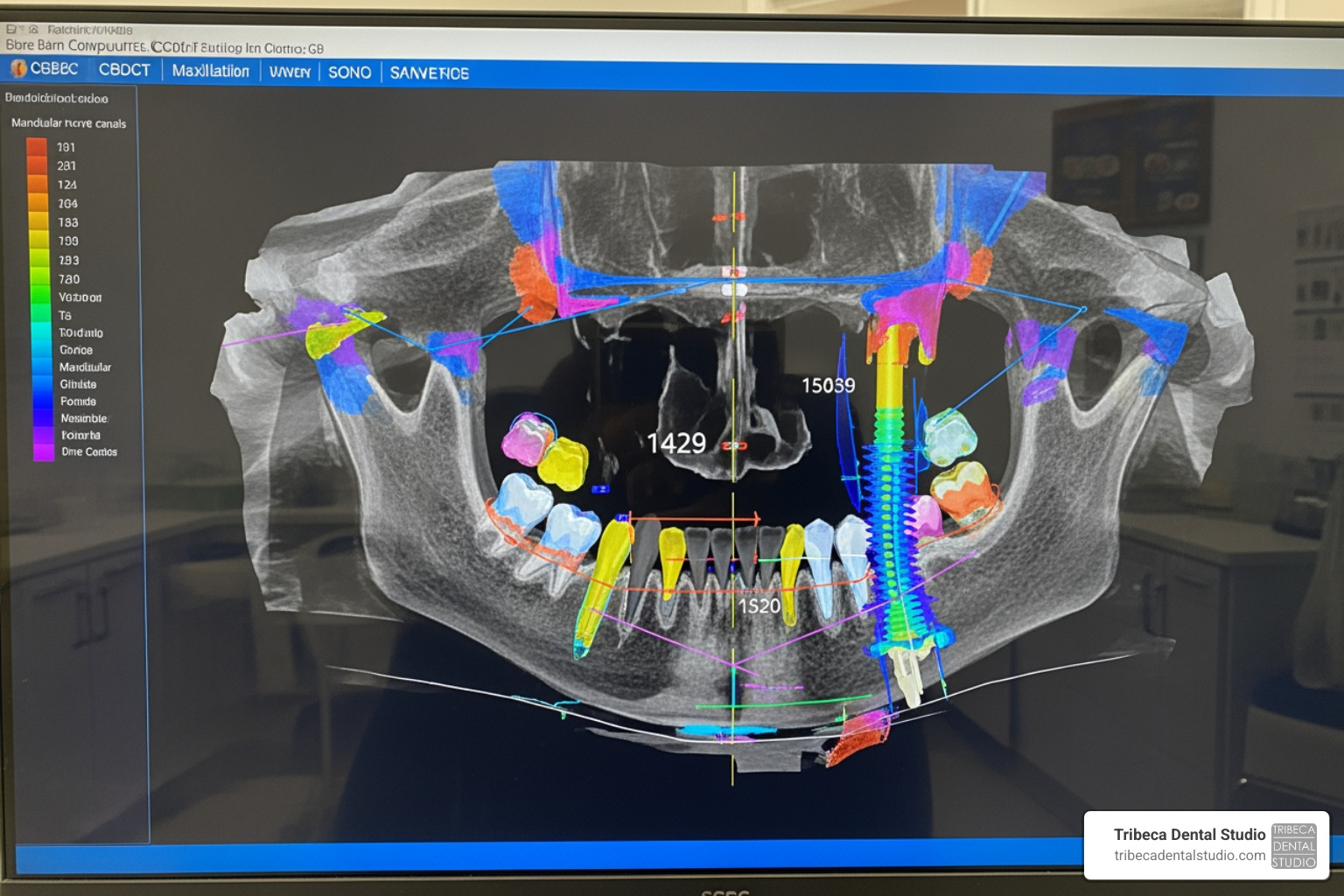
We utilize CBCT (Cone Beam Computed Tomography) scans to get a 3D view of your jaw. Unlike a standard 2D X-ray, a CBCT allows us to measure bone quality, ridge width, and the exact location of your nerves and sinuses. This level of precision allows for guided dental implant surgery, where we plan the entire procedure digitally before we even start.
Who is a good candidate and what can affect eligibility
Most patients are excellent candidates for bone grafting, but your overall health plays a role in how well you heal. Factors we evaluate include:
- Smoking: This is a major risk factor, as it restricts blood flow to the gums and bone, significantly increasing the chance of graft failure.
- Diabetes: Uncontrolled diabetes can slow the healing process.
- Oral Hygiene: A clean mouth is essential to prevent post-surgical infection.
- General Health: We review your medications and immune health to ensure you can safely undergo the procedure. For more details, check out our guide on dental implant safety.
Types of Dental Bone Grafts and the Best Option for Each Case
Not all bone grafts are the same. Depending on your needs, we may use bone from your own body, a donor, or even a lab-created synthetic.
Comparing graft materials used in implant dentistry
| Graft Type | Source | Key Benefit | Considerations |
|---|---|---|---|
| Autograft | Your own body (chin, jaw, or hip) | Highest success rate; contains living cells | Requires a second surgical site |
| Allograft | Human donor bone | Very common; no second surgery needed | Processed for safety; no living cells |
| Xenograft | Animal bone (usually bovine/cow) | Excellent scaffold for natural bone growth | Slower integration than human bone |
| Alloplast | Synthetic (calcium phosphate) | Predictable; zero risk of disease transmission | Acts strictly as a scaffold |
Common bone grafting techniques for implant cases
There are several ways we apply these materials:
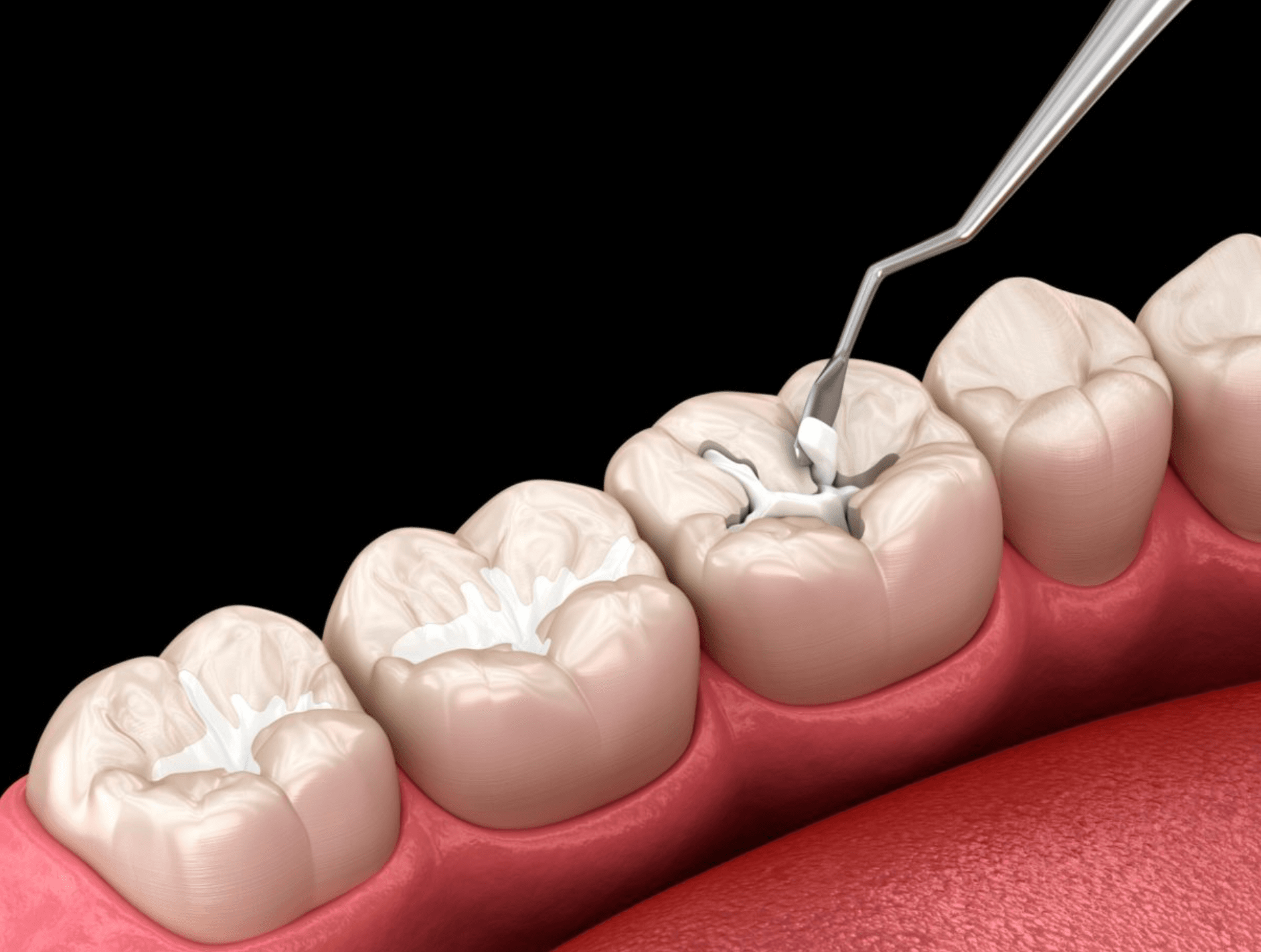
- Socket Preservation: Placing a graft immediately after an extraction to keep the bone from collapsing.
- Ridge Augmentation: Increasing the width or height of the jaw ridge.
- Guided Bone Regeneration (GBR): Using a specialized membrane to protect the graft while it heals.
- Sinus Lift: Adding bone to the upper jaw.
Depending on the amount of bone you have, we might perform simultaneous grafting (at the same time as the implant) or staged grafting (letting the bone heal for months before placing the implant). You can read more in the British Dental Journal’s research on grafting techniques.
Alternatives to traditional grafting in select patients
For patients with severe bone loss who want to avoid traditional grafting, we offer advanced solutions like zygomatic implants (which anchor into the cheekbone) or transnasal implants. These are often life-changing for patients who were told they weren’t candidates for implants elsewhere.
How the Procedure Works Step by Step
We want you to feel completely comfortable with the process. Here is how a typical bone graft for implants journey looks at Tribeca Dental Studio.
Step 1: Exam, scans, and treatment planning
Everything starts with a consultation. We’ll take those 3D CBCT scans and discuss your medical history. We also talk about sedation options—while many grafts only require local anesthesia, we offer various levels of sedation to keep you relaxed. This is where we map out your dental implants in New York timeline.
Step 2: Bone graft placement and site protection
Once the area is numb, we make a small incision in the gum tissue to access the jawbone. We clean the site thoroughly (debridement) and place the grafting material (particles or a small block).
To ensure the bone heals properly without gum tissue growing into the space, we often place a collagen membrane over the graft. In some cases, we use PRP (Platelet-Rich Plasma) from your own blood to speed up the healing process.
Step 3: Healing, implant placement, and final crown
Now, we wait. Your body needs 3 to 6 months (sometimes up to 9 or 12 for large grafts) to turn that material into solid bone. Once the graft has matured, we place the titanium implant. After another few months of osseointegration, we add the abutment and your custom-made final crown.
Recovery, Risks, Success Rates, and Cost Expectations
Recovery timeline: what happens in the first week to full healing
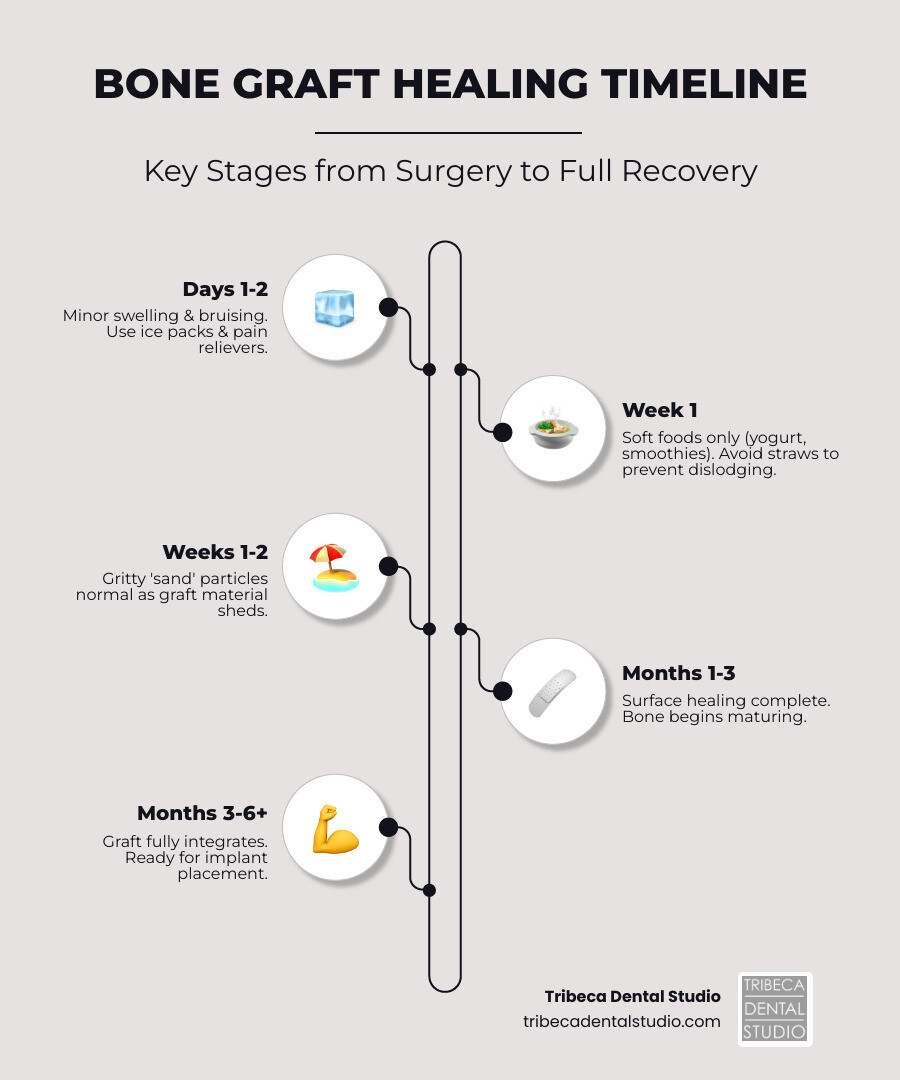
- The First 24-48 Hours: You may experience minor swelling and bruising. Use ice packs and take any prescribed pain relievers.
- The First Week: Stick to a soft food diet (yogurt, mashed potatoes, smoothies). Do not use straws, as the suction can dislodge the graft.
- The “Sand” Factor: It is completely normal to feel small, gritty particles in your mouth that look like grains of sand. These are just tiny pieces of the graft material working their way out.
- The Long Haul: While the surface heals in a week or two, the bone takes months to fully mature.
For a detailed look at life after surgery, see our implant post-op care guide.
Risks, warning signs, and how often grafts succeed
While success rates are incredibly high (90% to 99%), it’s important to watch for warning signs:
- A fever over 101°F.
- Pus or drainage from the site.
- Worsening pain after the first week.
- Significant gum recession.
If you notice these, call us immediately. Most “failures” are actually just the bone not integrating well, which can often be corrected.
Pain, insurance, and cost factors patients should expect
Most patients describe the discomfort as “mild” and comparable to a tooth extraction.
In terms of cost, it varies based on the size of the graft and the material used. A small socket preservation is much more affordable than a full-mouth ridge augmentation or a complex sinus lift. While insurance coverage for grafting varies, we work with you to maximize your benefits.
Frequently Asked Questions About Bone Graft for Implants
How long after a bone graft can I get an implant?
Typically, it takes 3 to 6 months. If the graft is very small, we might be able to place the implant sooner (or even the same day). If it’s a large sinus lift, we might wait closer to 6–9 months to ensure the foundation is “rock solid.”
Can a bone graft and implant be done at the same time?
Yes! This is called simultaneous placement. If you have enough existing bone to provide “primary stability” (meaning the implant won’t wiggle), we can place the graft and the implant in one visit, saving you months of treatment time.
How long does a dental bone graft last?
Once the graft has successfully integrated and turned into your own bone, it can last a lifetime. However, there is a “use it or lose it” window. You should ideally have your implant placed within 6 to 12 months of the graft healing; otherwise, without the stimulation of an implant, the new bone may eventually begin to resorb again.
Conclusion: Building a Stronger Foundation for a Long-Lasting Smile
A bone graft for implants isn’t just an extra step—it’s the insurance policy for your new smile. By investing a little extra time in building a strong foundation now, you ensure that your dental implants will remain functional, comfortable, and beautiful for decades to come.
At Tribeca Dental Studio, we believe every patient deserves a personalized approach. From our state-of-the-art 3D imaging to our team of on-site specialists, we are here to make the process as smooth and stress-free as possible.
Ready to see if you’re a candidate for dental implants? Learn more about our dental implant services and schedule your consultation with us in NYC today. We look forward to welcoming you into our dental family!