New York Dental Implants: Expert Care for a Lasting Smile
July 16, 2026
Why So Many New Yorkers Are Choosing Dental Implants
If you’re exploring dental implants in New York, here’s a quick overview of what to expect from leading providers in the city:
| What You Want to Know | Quick Answer |
|---|---|
| What are they? | Titanium posts that replace missing tooth roots, topped with a natural-looking crown |
| Who is a candidate? | Most adults with good general health, healthy gums, and enough jawbone support |
| How long do they last? | Many years with excellent home care and regular dental visits |
| Recovery time | 1–2 weeks initial healing; several months for full osseointegration |
| Where to start | A consultation with a qualified implant dentist |
Tooth loss affects far more than your appearance. It can change how you eat, how you speak, and even how your face looks over time. For New Yorkers who want a permanent, natural-feeling solution — not something that slips or needs replacing every few years — dental implants have become a trusted choice.
Unlike dentures or bridges, implants fuse directly with your jawbone. That means they function like real teeth — stable, strong, and built to last.
But not all implant care is equal. The provider you choose, the technology they use, and the specialists on their team all shape your outcome. That’s why finding the right practice in New York City matters.
I’m Dr. Nina Izhaky, a graduate of New York University College of Dentistry and founder of Tribeca Dental Studio, where I’ve built a team of on-site specialists — including periodontists and oral surgeons — dedicated to delivering advanced dental implants in New York with a personalized, patient-first approach. Below, I’ll walk you through what dental implants are, who they help, the main treatment options, and what the process looks like in NYC.
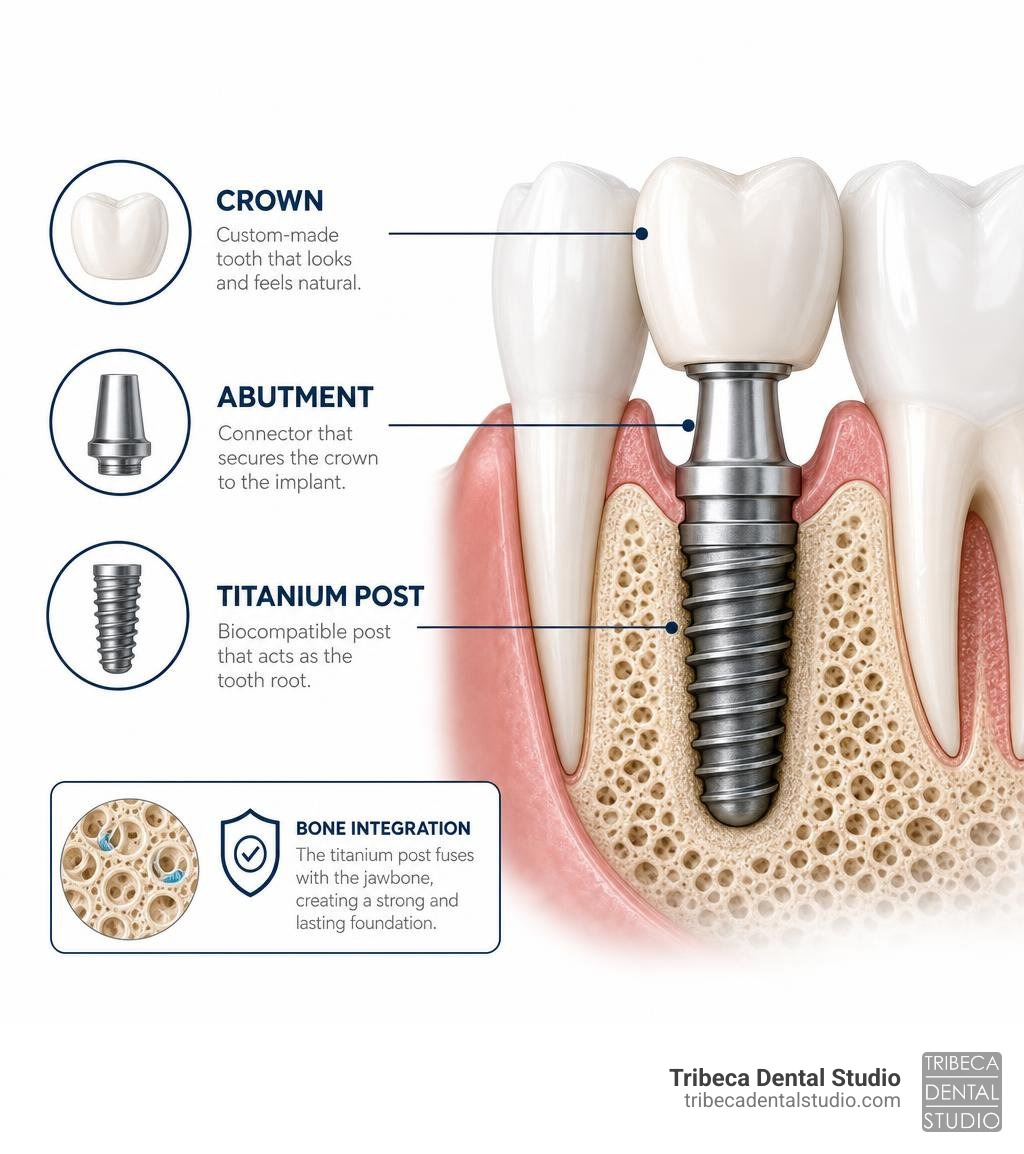
Dental implants in New York vocab explained:
What Are Dental Implants and How Do They Work?
To understand why dental implants have become the clinical gold standard of modern restorative dentistry, it helps to look at what is happening beneath the gumline. When you lose a tooth, you do not just lose the visible crown; you also lose the root that anchored it to your jawbone.
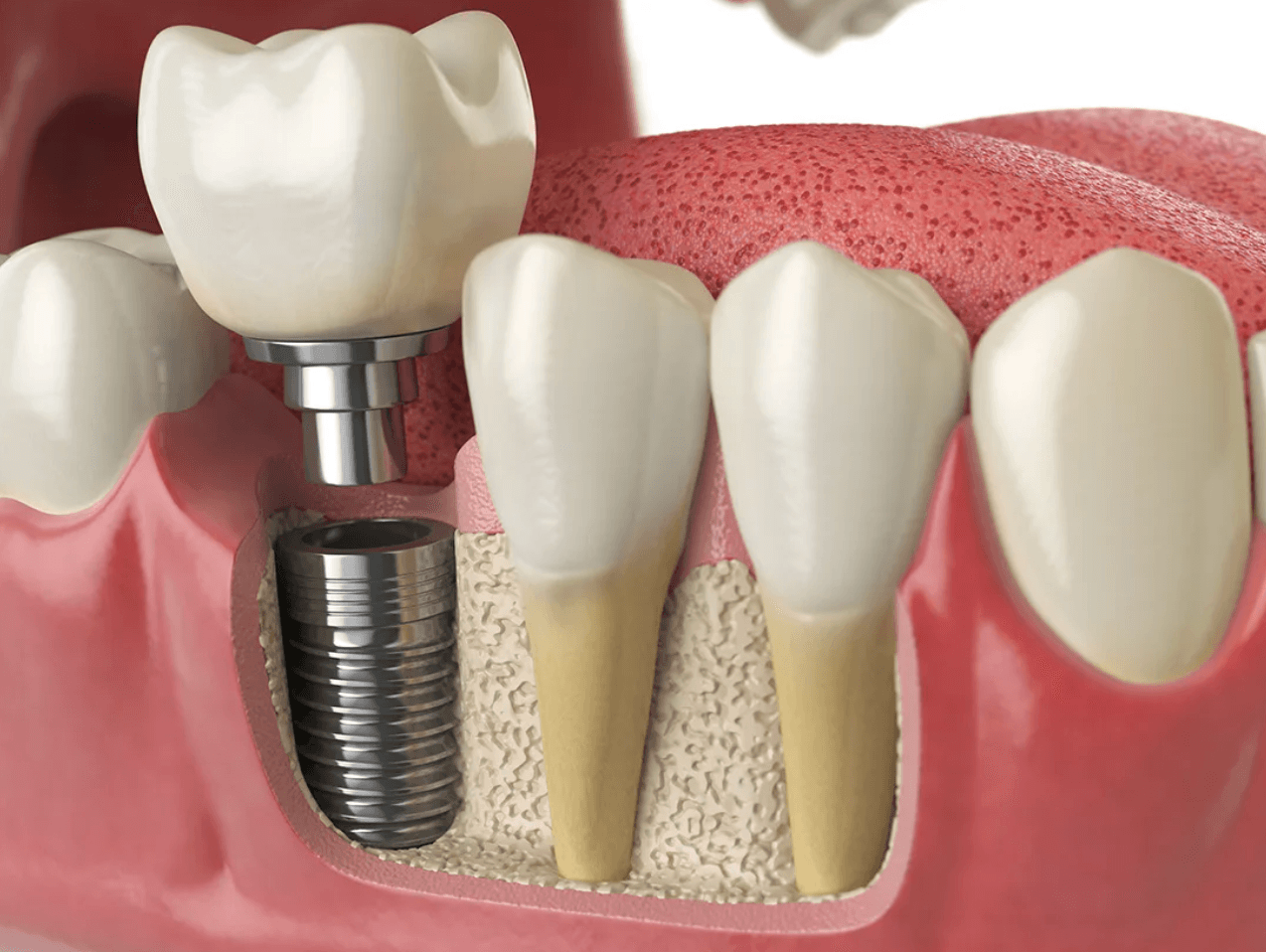
A dental implant is a complete, three-part system designed to mimic this entire natural tooth structure:
- The Titanium Post: This is a small, medical-grade screw that is surgically placed directly into the jawbone. Titanium is highly biocompatible, meaning the body accepts it seamlessly without rejection.
- The Abutment: A small connector piece that is attached to the top of the titanium post once healing is complete. It acts as the anchor for your new tooth.
- The Prosthetic Crown: The custom-made porcelain or zirconia ceramic tooth that is secured to the abutment, designed to match the exact shade, shape, and size of your natural teeth.
The magic that makes this system work so exceptionally well is a natural process called osseointegration. Over a period of several months, your jawbone actually grows around and fuses with the titanium post. The post becomes a permanent part of your anatomy, acting as a highly stable artificial tooth root.
Beyond restoring your ability to chew and smile, this biological fusion is vital for your long-term jawbone health. Your jawbone requires constant stimulation from the pressure of chewing to maintain its density and volume. When a tooth is lost, that stimulation stops, and the bone in that area begins to resorb, or dissolve. By replacing the root, dental implants in New York prevent bone loss and keep your facial structure strong and youthful.
At Tribeca Dental Studio, we hold our work to the highest clinical standards of modern implantology. We utilize cutting-edge digital planning to ensure every post is placed with absolute precision. To learn more about our specific treatment philosophies, visit our Dental Implants Service page.
The Key Benefits of Dental Implants in New York
Living in NYC means you are constantly on the move, meeting new people, dining at world-class restaurants, and speaking in environments. You need a smile that can keep up with your lifestyle. Compared to traditional tooth replacement options like dental bridges or removable dentures, dental implants offer unmatched physical, functional, and psychological benefits.
Let’s look at how they stack up against the alternatives:
Uncompromising Stability
Traditional dentures rest on top of the gums and are held in place by adhesives or suction. This means they can slip, click, or shift when you speak or chew. Implants are anchored directly into the bone, providing absolute stability. You can confidently bite into a NY bagel or a thick steak without worrying about your teeth moving.
Clear, Confident Speech
When dentures slip, they can cause you to mumble, slurr, or click your words. Because implants function exactly like natural teeth, they allow you to speak clearly and confidently, whether you are presenting in a Midtown boardroom or chatting at a downtown coffee shop.
Preservation of Facial Structure
When you lose teeth, the resulting jawbone loss can cause the lower third of your face to collapse slightly, leading to premature wrinkles, thin lips, and a “sunken” facial appearance. Dental implants preserve your bone structure, keeping your facial contours full and youthful.
Longevity and Value
While dental bridges require grinding down adjacent healthy teeth to act as supports, implants stand completely on their own, preserving your remaining natural teeth. Furthermore, bridges and dentures typically need to be replaced every 5 to 10 years. Implants are built for the long haul, often lasting a lifetime with proper care.
To help you visualize your options, here is a quick comparison table:
| Feature | Dental Implants | Dental Bridges | Traditional Dentures |
|---|---|---|---|
| Average Lifespan | 20+ years (often a lifetime) | 5 to 15 years | 5 to 10 years |
| Bone Preservation | Excellent (prevents bone loss) | None | None (can accelerate bone loss) |
| Impact on Adjacent Teeth | None (protects healthy teeth) | Requires grinding down adjacent teeth | Can put stress on surrounding teeth |
| Stability & Fit | Permanent, non-slip | Fixed, but can fail if anchor teeth decay | Removable, prone to slipping |
| Maintenance | Brush and floss like natural teeth | Special flossing tools required | Must be removed and soaked daily |
Candidacy, Types, and the Surgical Process
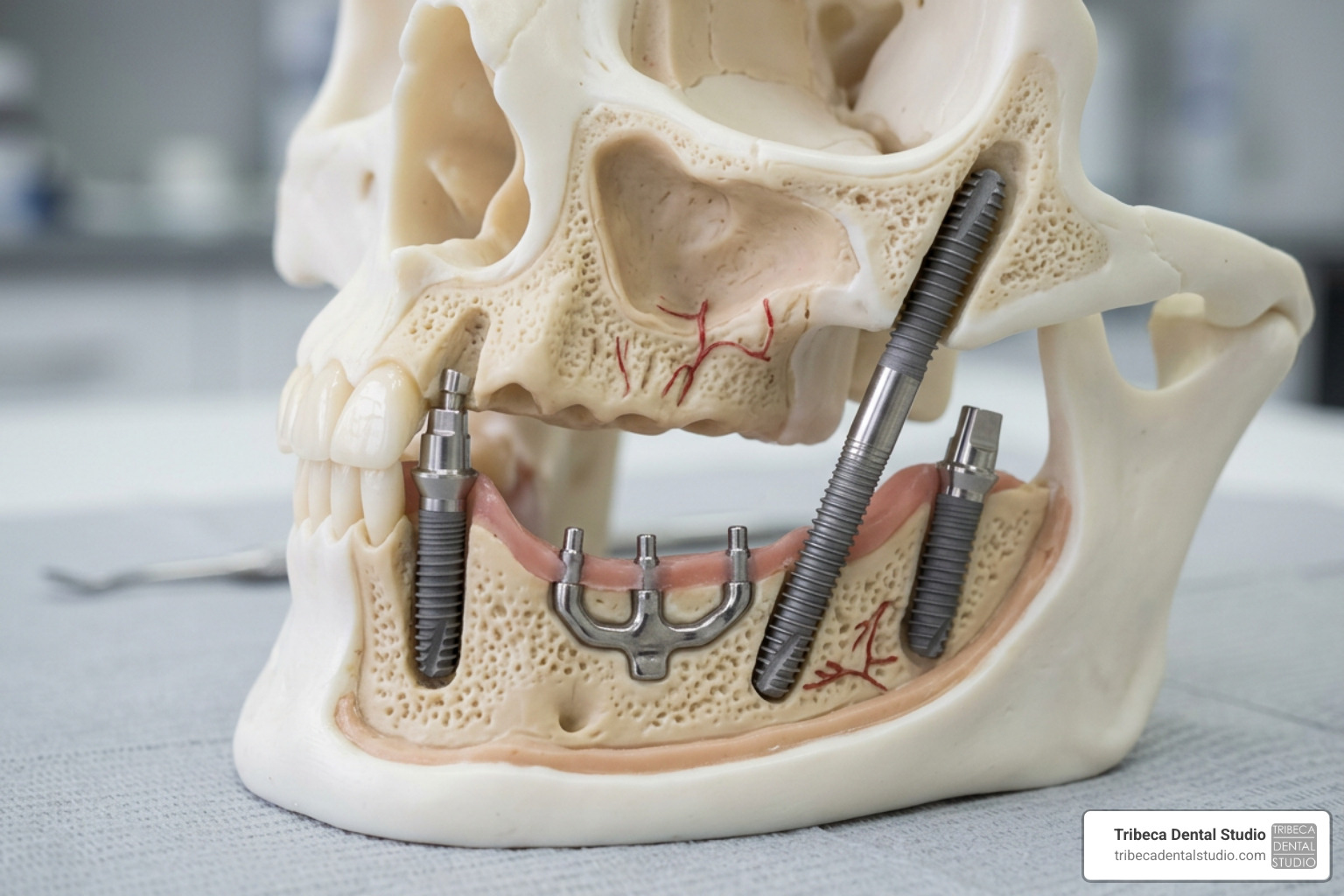
Every mouth is unique, which is why we never take a one-size-fits-all approach to restorative dentistry. Determining if you are a candidate, choosing the right type of implant, and understanding the surgical journey are the first steps toward reclaiming your smile.
Who is a Candidate for Dental Implants in New York?
Most adults who are in good general health are excellent candidates for dental implants in New York. However, successful implant placement relies on two primary foundational elements: healthy gum tissue and sufficient jawbone volume.
If you have experienced tooth loss due to severe periodontal (gum) disease, we will need to treat and resolve the infection before proceeding with implant surgery. Similarly, if your tooth has been missing for a long time, you may have suffered bone loss.
Fortunately, bone deficiency does not automatically disqualify you. We can perform a minor supportive procedure, such as a bone grafting or a sinus lift, to rebuild the bone structure and create a stable foundation for your implant. For patients looking to explore their options, you can read our guide on getting Dental Implants Without a Bone Graft to see if alternative techniques might work for you.
There are a few medical conditions and lifestyle factors that require careful management before surgery:
- Uncontrolled Diabetes: Can slow down the body’s natural healing process and interfere with osseointegration.
- Active Smoking: Smoking restricts blood flow to the gums and bone, significantly increasing the risk of implant failure. We strongly advise patients to commit to quitting or heavily reducing smoking before and after surgery.
- Immune-Compromising Conditions: May affect your body’s ability to heal and fight off infection post-surgery.
Choosing the Right Dental Implants in New York for Your Smile
Depending on how many teeth you are missing and the unique anatomy of your jaw, we offer several advanced implant configurations:
- Single-Tooth Implants: Ideal for replacing a single missing tooth without affecting the healthy teeth next to it.
- Implant Bridges: Used to replace multiple missing teeth in a row, using two or more implants as supportive anchors for a custom bridge.
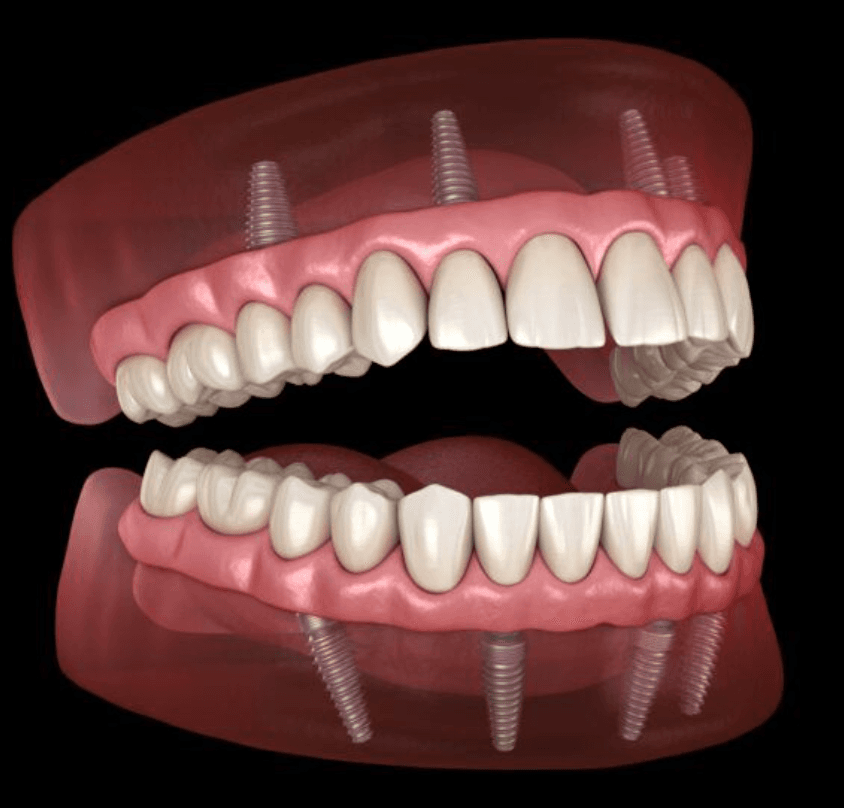
- All-on-4 / All-on-X: A life-changing full-arch solution where an entire row of upper or lower teeth is supported by just four to six strategically angled implants. This often eliminates the need for extensive bone grafting.
- Zygomatic Implants: An advanced, specialized option for patients with severe upper jawbone loss. These longer implants anchor into the sturdy zygomatic (cheek) bone instead of the jawbone.
- Mini Implants: Smaller in diameter than traditional implants, these are highly useful for stabilizing loose dentures or replacing smaller teeth in tight spaces.
To dive deeper into full-arch and specialized techniques, check out our comprehensive Best Dental Implants NYC Guide.
The Step-by-Step Procedure and Recovery Timeline
The journey to a restored smile is a carefully coordinated process designed to maximize your comfort and ensure a predictable outcome.
- The Consultation & Advanced Digital Mapping: We begin with a comprehensive exam, utilizing a high-definition 3D CBCT (cone beam computed tomography) scan. This allows us to map your jawbone, nerves, and sinuses in three dimensions to plan the exact placement of your implant before we even begin the procedure.
- The Surgical Placement: On the day of your surgery, we prioritize your comfort. Under local anesthesia or customized sedation, our highly experienced oral surgeon gently places the titanium post into the jawbone.
- The Healing Phase (Osseointegration): Over the next 3 to 6 months, the bone will naturally heal and fuse with the implant. In many cases, we can place a natural-looking temporary crown on the same day as surgery so you never have to walk out of our office with a gap in your smile. To learn more about same-day solutions, read our guide on Immediate Dental Implants NYC.
- The Abutment & Final Restoration: Once osseointegration is complete, we attach the abutment and take a precise digital impression of your mouth. Our state-of-the-art dental lab then crafts your custom porcelain or zirconia crown, which we securely attach to complete your smile.
Dental Implant Questions and What to Expect

Choosing dental implants is a major oral health decision, and we believe patients deserve clear, practical information before beginning care. At Tribeca Dental Studio, your visit starts with a careful evaluation of your teeth, gums, bite, bone structure, and smile goals so we can recommend an implant plan that fits your needs.
What happens during a dental implant consultation in NYC?
Your consultation typically includes a comprehensive exam, digital imaging, and a conversation about your medical history, dental history, and goals for treatment. We evaluate whether your gums are healthy, whether there is enough jawbone to support an implant, and whether any supportive treatment may be helpful before placement.
This planning step is especially important in New York City, where patients often want care that is efficient, precise, and coordinated. With advanced digital mapping, our team can plan implant placement around important structures such as nerves and sinuses while designing a restoration that looks natural in your smile.
How long do dental implants last?
With proper care, dental implants are designed to be a long-term tooth replacement option. The titanium post itself can remain stable for many years once it has fused with the bone.
The custom prosthetic crown on top experiences normal wear and tear from chewing, and it may eventually need replacement, much like a standard dental crown. To maximize the lifespan of your implants, you should care for them exactly like your natural teeth: brush twice a day, floss daily, and visit us for routine professional cleanings and check-ups.
What are the main risks or reasons for implant failure?
Dental implants have a strong record of success when carefully planned, placed by qualified specialists, and maintained with good oral hygiene. However, as with any surgical procedure, there are risks to understand.
One important concern is peri-implantitis, an inflammatory condition similar to gum disease that occurs when bacteria build up around the base of the implant, leading to bone loss. This risk can be reduced with excellent home care and consistent professional maintenance.
Other rare risks include poor osseointegration, where the bone does not fuse properly with the post, often due to smoking, uncontrolled systemic health conditions, or inadequate healing. Minor nerve or sinus irritation is also possible, which is why precise 3D digital planning is such an important part of modern implant dentistry.
Conclusion
Reclaiming a complete, healthy smile is a journey that can truly transform your daily life, your self-esteem, and your long-term health. At Tribeca Dental Studio, we are proud to be a trusted, leading practice for advanced implant dentistry right here in downtown Manhattan.
Led by Dr. Nina Izhaky and our highly experienced implant specialist Dr. Sam Morhaim, our multi-specialty team brings together periodontists, oral surgeons, and restorative dentists under one roof. This collaborative, dual-specialist model allows us to handle even the most complex cases—including specialized zygomatic implant care—with a deep commitment to predictable, high-success outcomes.
We treat our patients like family, offering a warm, welcoming, and highly personalized approach to your dental care. If you are ready to take the next step toward a stable, beautiful, and lasting smile, we invite you to reach out to us.
Schedule a consultation for Dental Implants in New York with our friendly team in Tribeca today, and let us help you smile with absolute confidence again!