Senior Smiles: The Ultimate Guide to Dental Implants
June 10, 2026
Why Tooth Loss Doesn’t Have to Be the End of the Story for Seniors
Dental implants for seniors are a safe, proven solution for replacing missing teeth — and age alone is not a barrier to getting them.
Quick answers:
- Are implants safe for seniors? Yes. Success rates for adults 65+ range from 94–98% when bone density is adequate.
- Is there an age limit? No. There is no upper age limit recognized by the American Dental Association or the American Academy of Implant Dentistry.
- Do they last? With proper care, implants can last 25+ years — and studies show a 97% success rate at 10 years.
- Does Medicare cover them? Standard Medicare does not. Medicare Advantage plans may offer partial coverage.
- What if I have bone loss? Bone grafting and advanced techniques like All-on-4 can restore candidacy for most patients.
Tooth loss is more common than most people realize. Around 13% of adults 65 and older have lost all of their teeth — and that number rises to 26% for those 75 and older. Beyond appearance, missing teeth affect how you eat, speak, and feel about yourself every day.
The good news? Modern dentistry has changed what’s possible for older adults. Research shows that implant survival rates for patients over 80 are essentially the same as for patients in their 50s. Health matters far more than age.
I’m Dr. Nina Izhaky, a graduate of New York University College of Dentistry and the founder of Tribeca Dental Studio, where I’ve helped numerous seniors navigate dental implants for seniors with personalized, compassionate care. With every specialist available on-site and the latest digital technology, we make sure each patient gets a plan built around their unique health profile — not a one-size-fits-all protocol.
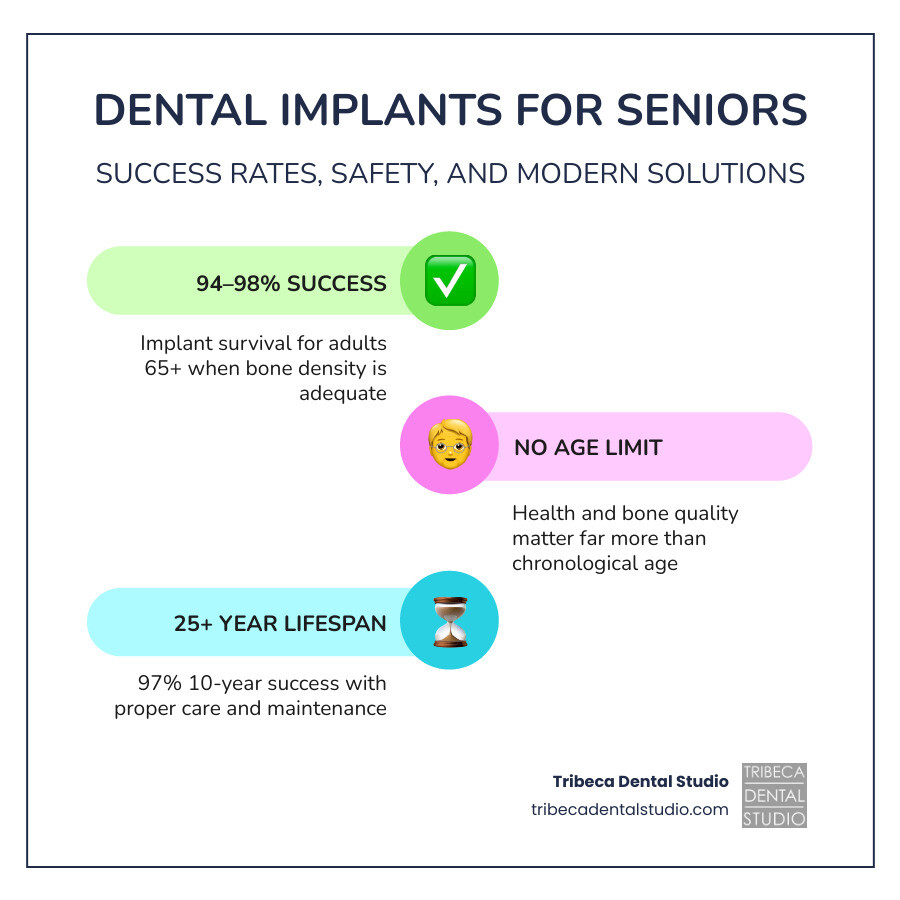
Dental implants for seniors terms made easy:
Are Dental Implants for Seniors Safe and Effective?
Many older adults wonder if they are “too old” for dental implant surgery. Some worry that their bodies will not heal as quickly, or that the treatment is too physically demanding. However, extensive clinical research shows that dental implants are highly safe and predictable for seniors.

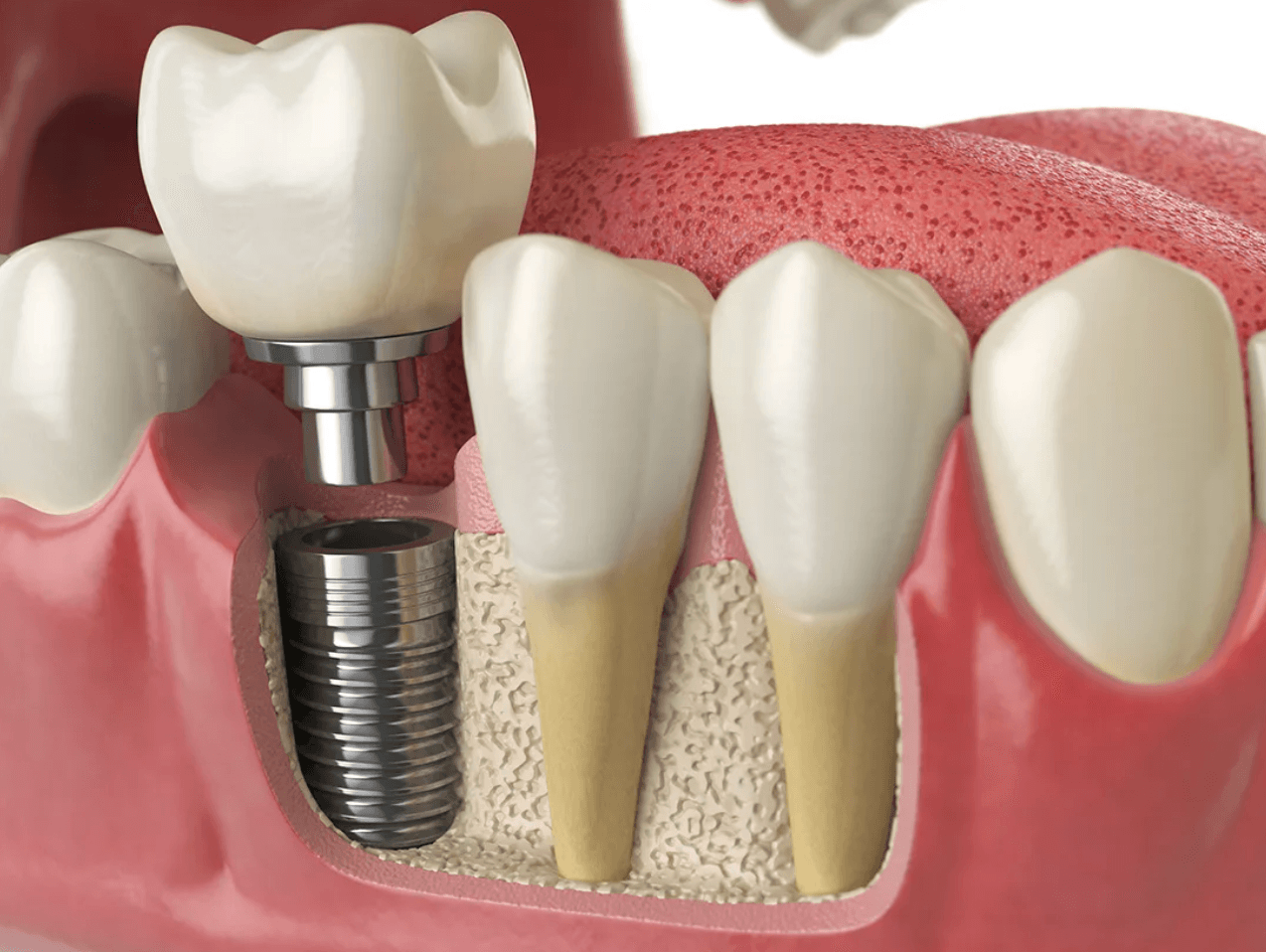
The core process of dental implants relies on osseointegration — the natural biological process where your jawbone fuses directly with the biocompatible titanium implant post. This biological mechanism does not disappear as we age. As long as your bone is healthy and you have the capacity to heal, your body will bond with the implant just as it would have decades earlier. For a deeper look at safety protocols, you can review our Is dental implant safety guide.
Clinical Success Rates in Older Adults
The statistics surrounding dental implants in older populations are incredibly reassuring. Clinical studies demonstrate that:
- High Overall Survival: A landmark PubMed study evaluating adults aged 60 and older identified an overall implant survival rate of 92.9%, with only a 7.1% failure rate over the long term.
- Minimal Age Gap: When comparing older patients (over 65) to younger cohorts over a 10-year period, researchers found a mere 2% difference in failure rates. This proves that older age does not significantly compromise the body’s ability to maintain an implant.
- Octogenarians Match Fifty-Year-Olds: In well-controlled clinical environments, the 5-year survival rate of dental implants in patients over the age of 80 is virtually identical to that of patients in their 50s.
While about 23.3% of implants placed in elderly patients may experience some degree of marginal bone loss (where minor thread exposure occurs over time), the implants themselves remain highly functional, stable, and pain-free.
Key Candidacy Factors Beyond Age
If chronological age doesn’t dictate success, what does? When we evaluate patients at Tribeca Dental Studio, we focus on physiological age rather than the date on your birth certificate. A vibrant 78-year-old who manages their health well is often a far better candidate for implants than a sedentary 45-year-old with unmanaged chronic conditions.
We look closely at three main factors:
- Systemic Health and Healing Capacity: Chronic conditions like diabetes or cardiovascular disease must be well-controlled. For example, we look for a stable HbA1c level (ideally under 8%) to ensure your body can heal efficiently after placement.
- Periodontal (Gum) Health: Active gum disease is the leading cause of implant failure. We must treat and resolve any active periodontal infections before placing implants.
- Jawbone Quantity and Quality: The implant needs a solid “anchor” of bone. If you have experienced significant bone loss due to long-term tooth loss or osteoporosis, we may need to plan for bone rebuilding.
If you are looking to restore your smile in Manhattan, you can learn more about how we personalize these evaluations by visiting our guide on More info on dental implants in New York.
Comparing Tooth Replacement Options for Older Adults
To make an informed decision, it helps to see how dental implants compare to traditional removable options. Below is a direct comparison of the three main paths available to seniors:
| Feature | Traditional Removable Dentures | Implant-Supported Dentures (Snap-Ins) | Full-Arch Implants (Fixed, e.g., All-on-4) |
|---|---|---|---|
| Stability | Low (can slip, click, or shift) | Moderate to High (secured by 2–4 implants) | Maximum (permanently fixed to 4–6 implants) |
| Bite Force | Restores only 10–20% of natural bite | Restores 50–60% of natural bite | Restores up to 90% of natural bite force |
| Bone Preservation | None (accelerates jawbone loss) | Moderate (preserves bone around implant sites) | Maximum (stimulates and preserves entire jaw) |
| Maintenance | Daily removal, soaking, adhesives | Daily removal for cleaning, snap-in at day | Brush like natural teeth; no removal needed |
| Lifespan | Needs replacement/reline every 5–7 years | Denture replacement 5-7 years; implants last lifetime | Implants and restorations designed to last decades |
Choosing Dental Implants for Seniors Over Dentures
Traditional dentures have been the go-to solution for generations, but they come with significant biological trade-offs. When you lose a tooth, the jawbone no longer receives the chewing pressure (stimulation) it needs to stay strong. Without this stimulation, the bone naturally resorbs (shrinks).
Because traditional dentures simply sit on top of the gums, they do not stimulate the bone. In fact, the constant rubbing and pressure of a shifting denture can actually accelerate bone loss. This leads to changes in your facial structure — such as a “sunken” mouth appearance — and makes the denture fit progressively worse over time, requiring messy adhesives and frequent relines.
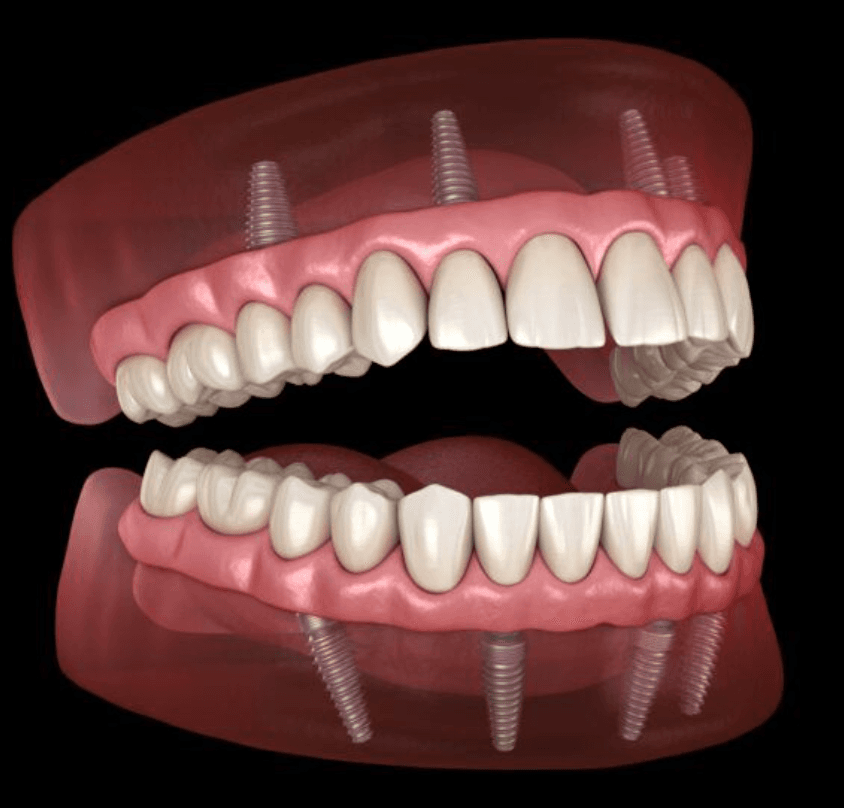
Dental implants act as artificial tooth roots. They stimulate the jawbone directly, stopping bone loss in its tracks and preserving your natural facial structure. Furthermore, because they are anchored securely in the bone, they eliminate the social anxiety of slipping dentures, allow you to speak clearly, and let you enjoy foods like apples, steak, and nuts again. For seniors with multiple failing teeth, transitioning to a fixed solution can be life-changing. You can read more about this in our guide with More info on All-on-4 dental implants.
The Middle Path: Implant-Supported Dentures
For seniors who want the stability of implants but are working within a specific budget, implant-supported dentures (often called “snap-in” dentures) offer an excellent compromise.
Instead of replacing every tooth with an individual implant, or using a completely loose denture, we place just 2 to 4 implants per arch. The denture is custom-made with special attachments that “snap” securely onto these implants.
This option:
- Prevents the denture from slipping or falling out while speaking or eating.
- Significantly improves chewing power compared to traditional dentures.
- Is highly cost-effective and often requires less bone volume, sometimes allowing us to use mini implants to avoid bone grafting.
If this balanced approach sounds appealing, you can find More info on implant-supported dentures to see how they fit into your lifestyle.
Advanced Solutions for Bone Loss and Medical Considerations
Many seniors assume they cannot get implants because they have been told they have “too much bone loss” or because they manage chronic health conditions. In 2026, advanced dental technology means these obstacles are highly manageable.
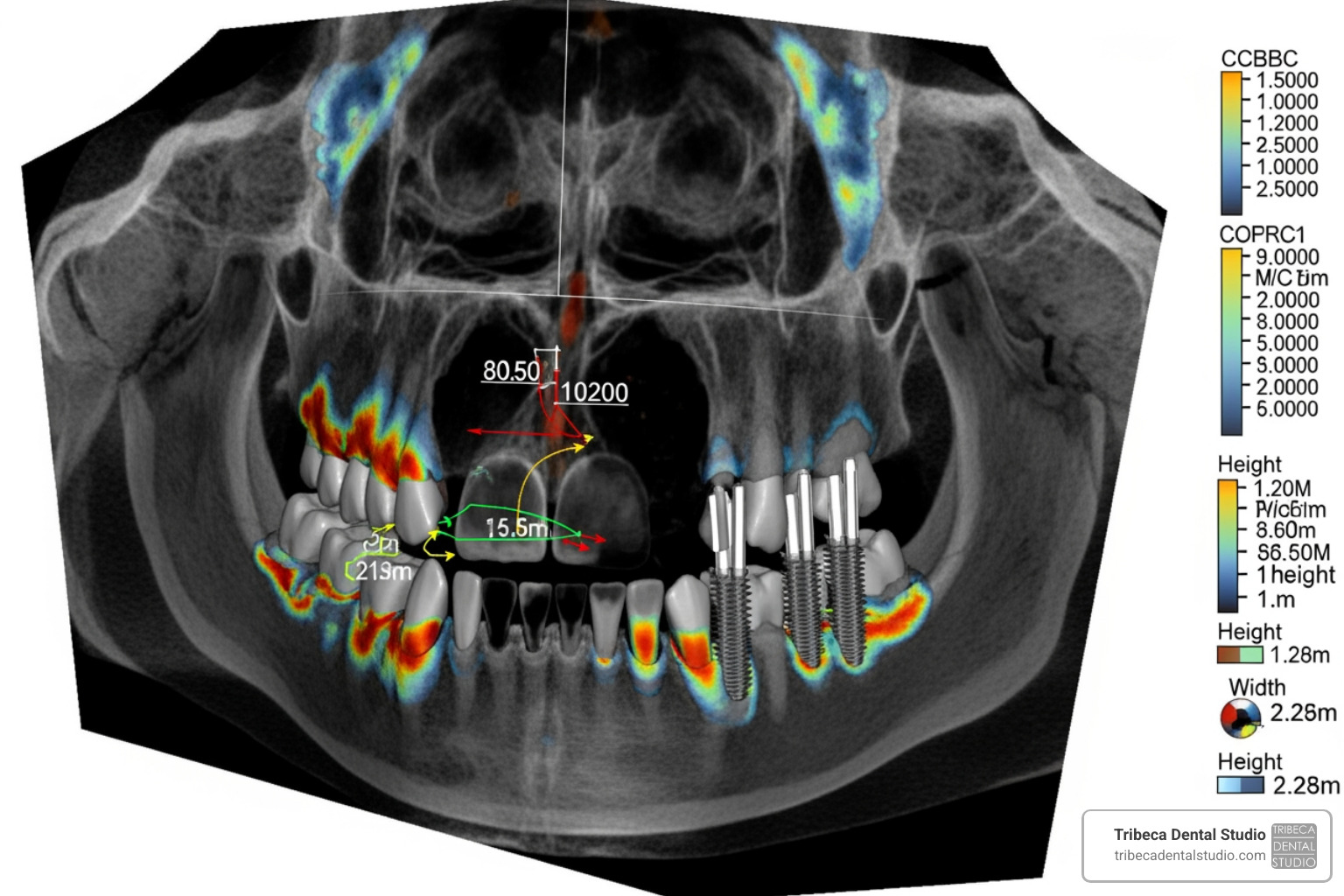
Customizing Dental Implants for Seniors with Bone Loss
If you have been missing teeth for years, or if osteoporosis has thinned your jawbone, we have highly successful ways to rebuild or bypass the lost bone:
- Bone Grafting & Sinus Lifts: We can perform minor bone grafts to add volume to the jaw. In the upper jaw, if the sinus cavities are too close to the implant site, a routine sinus lift can gently elevate the sinus floor to create space for new bone and a stable implant.
- Zygomatic Implants: For seniors with severe upper jaw bone loss who want to avoid extensive bone grafting, zygomatic implants are an incredible alternative. These longer implants anchor securely into the sturdy zygomatic bone (your cheekbone), completely bypassing the jawbone. Learn more with More info on zygomatic dental implants.
- Pterygoid Implants: Similar to zygomatic options, pterygoid implants utilize the strong bone at the back of the upper jaw, providing a highly stable foundation without the need for sinus grafts. Discover how this works with More info on pterygoid implants.
Managing Systemic Health and Medications
Having a medical condition does not automatically disqualify you from getting dental implants. At Tribeca Dental Studio, we routinely coordinate care with our patients’ primary physicians to ensure absolute safety:
- Cardiovascular Disease & Blood Thinners: Many seniors take anticoagulants (blood thinners) to protect their heart health. We have safe, specialized protocols to manage these medications during minor surgical procedures without compromising your cardiovascular safety. You can read our detailed guide with More info on dental treatment on anticoagulants.
- Osteoporosis & Bisphosphonates: If you take medications for osteoporosis (such as bisphosphonates), we will evaluate your dosage and history. Most patients on oral bisphosphonates can safely receive implants, though we take extra precautions to support healthy bone healing.
- Diabetes: Well-controlled diabetes is highly compatible with successful implant treatment. We simply work with you to ensure your blood sugar levels are stable leading up to and during your healing period.
The Dental Implant Procedure and Recovery Timeline
We design our surgical process to be as gentle, predictable, and stress-free as possible. Many of our senior patients are surprised to find that recovering from an implant placement is often easier and less painful than having a tooth extracted!
Step-by-Step Treatment Process
The dental implant journey typically spans 3 to 9 months, depending on your individual healing rate and whether bone grafting is required:
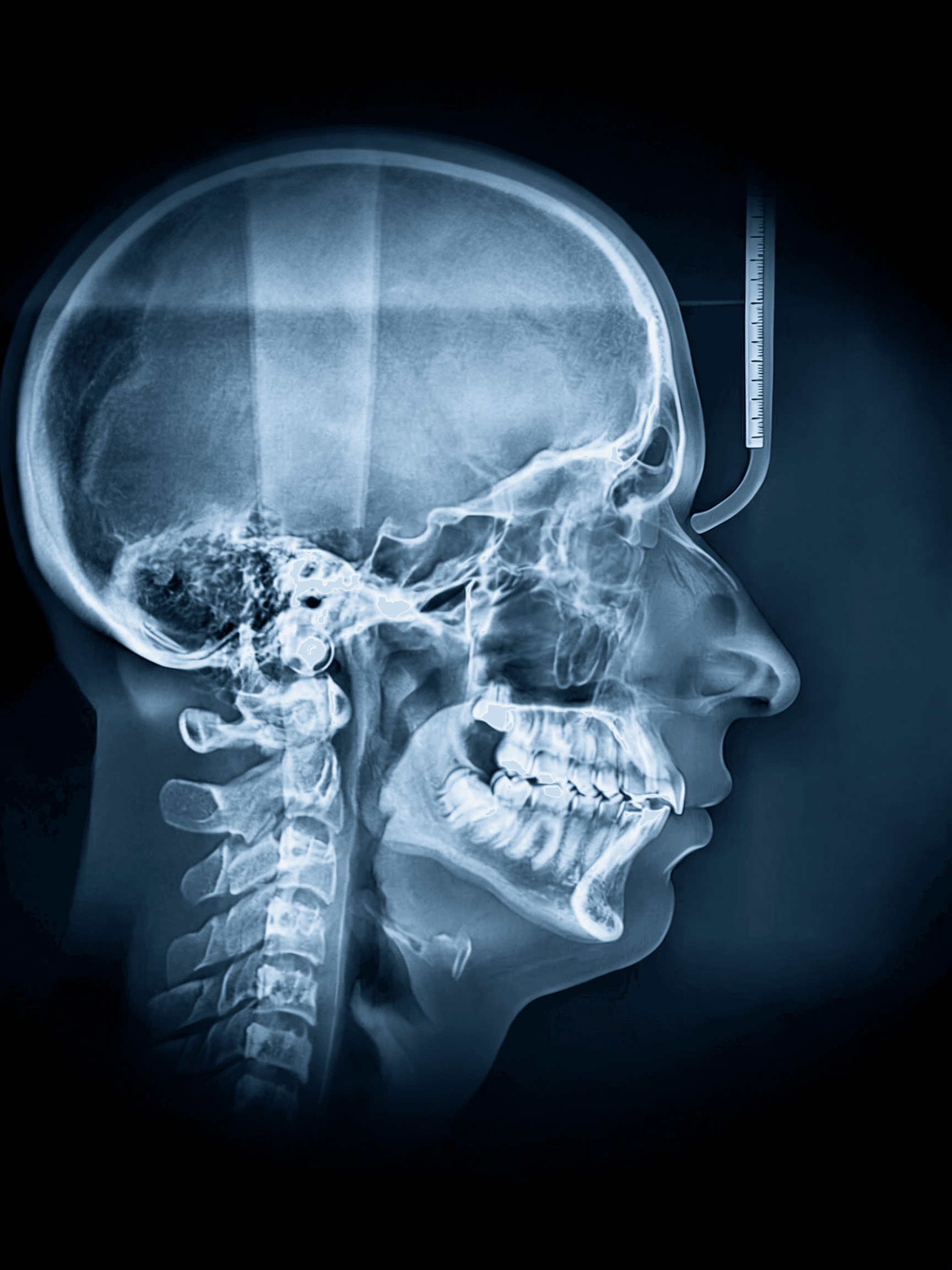
- Comprehensive Consultation: We begin with a detailed physical exam and a 3D Cone Beam CT (CBCT) scan. This advanced imaging allows us to map your jawbone, locate nerves and sinuses, and plan the exact placement of your implants digitally before we ever begin the procedure.
- Surgical Planning & Guided Surgery: Using digital templates, we perform guided surgery. This highly precise method minimizes tissue disruption, reduces surgical time, and accelerates your overall healing. Read More info on guided dental implant surgery to see how this technology protects you.
- Implant Placement: Under comfortable local anesthesia (with sedation options available if you feel anxious), we place the titanium post into the jawbone.
- Osseointegration (Healing): Over the next 3 to 6 months, you will wear a comfortable temporary bridge or denture while your bone naturally fuses with the implant.
- Abutment & Custom Crown: Once fully integrated, we attach a small connector (the abutment) and place your beautiful, custom-designed final ceramic or zirconia crown.
Post-Operative Care and Long-Term Maintenance
Caring for your new implant is straightforward, but diligent aftercare during the first few weeks is essential for long-term durability:
- Diet: Stick to a soft food diet (yogurt, eggs, pasta, smoothies) for the first few weeks to avoid putting excessive pressure on the healing implant.
- Hygiene: Keep your mouth clean by brushing gently and using any prescribed therapeutic mouth rinses. Once healed, you will brush and floss your implants exactly like natural teeth.
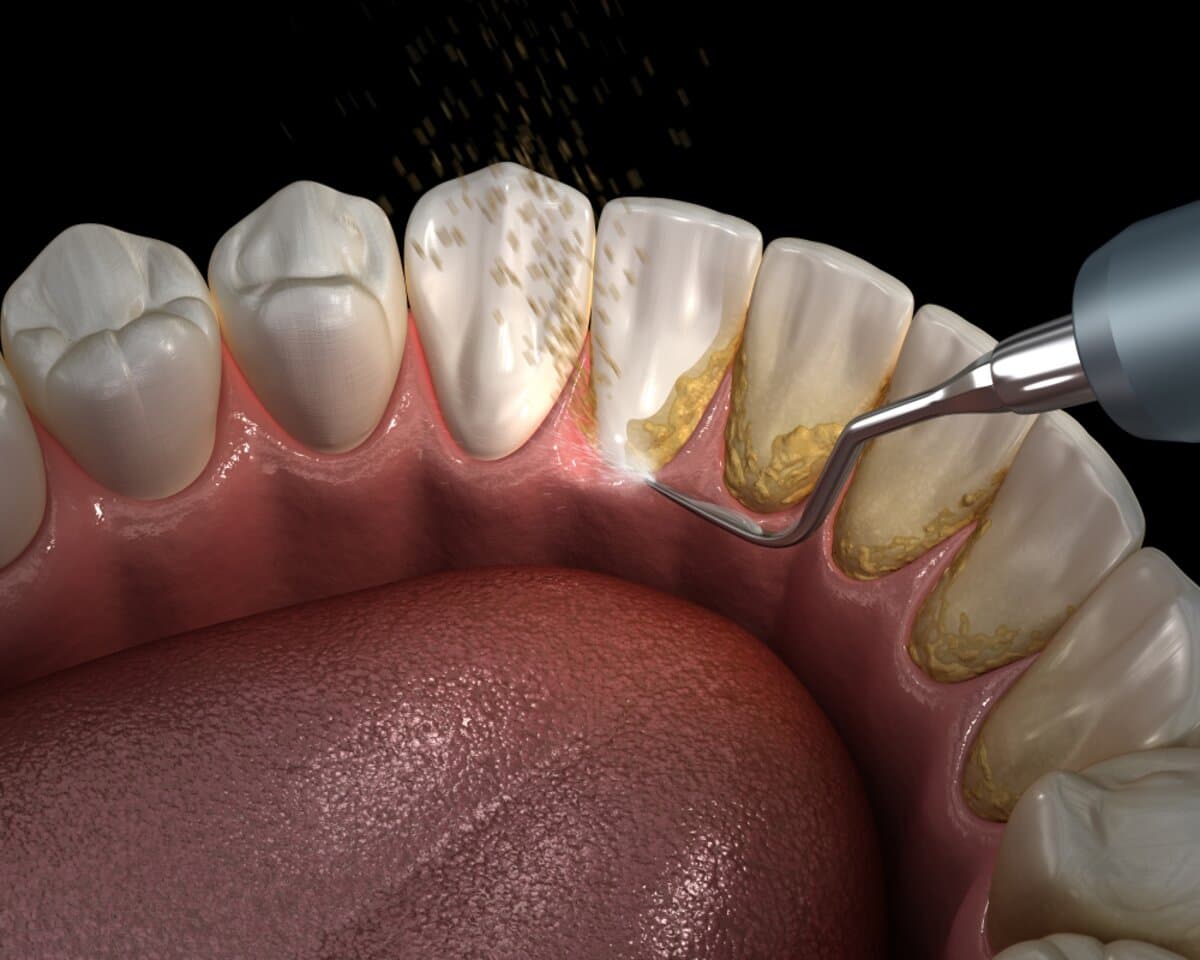
- Preventing Peri-Implantitis: Just like natural teeth can get gum disease, implants can develop a condition called peri-implantitis if plaque is allowed to build up. Regular dental cleanings and excellent home care are your best defense.
For a complete checklist on how to care for your mouth after surgery, read More info on dental implant post care.
Understanding the Cost of Dental Implants in 2026
We believe in complete financial transparency. While dental implants require a higher upfront investment than traditional dentures, they are often more cost-effective over your lifetime because they do not require constant adjustments, relines, or replacements.
Breakdown of Implant Costs
In 2026, the cost of dental implants can vary widely based on your specific needs, the health of your jawbone, and the type of restoration you choose:
- Single Dental Implant: A complete single implant (including the 3D scan, surgical placement of the titanium post, the abutment, and the final custom crown) typically averages $3,500 to $5,500 in the United States.
- Full-Arch Restorations: If you require a full set of teeth, options like All-on-4 or All-on-6 full-mouth restorations can range from $20,000 to $30,000+ per arch, depending on the materials used (such as acrylic vs. high-strength zirconia) and whether bone grafting is required.
To help you plan, we have put together comprehensive pricing guides. You can explore More info on dental implant costs or view our specialized guide with More info on full mouth dental implant costs.
Insurance, Medicare, and Financing Options
Navigating insurance and dental benefits can feel overwhelming, but there are several excellent ways to make treatment highly affordable:
- Original Medicare (Part A & B): Unfortunately, standard Medicare does not cover routine dental care or dental implants, except in extremely rare cases involving medically necessary jaw reconstruction after an accident or oral tumor.
- Medicare Advantage (Part C): Many Medicare Advantage plans now offer optional dental riders that provide $1,000 to $3,000 in annual dental benefits, which can help offset a portion of your implant costs.
- Flexible Financing: At Tribeca Dental Studio, we accept popular healthcare financing options like CareCredit, which often offer 0% interest promotional periods or low monthly payments (such as $166/month for a $4,000 treatment) to fit comfortably within a fixed retirement income.
For a detailed breakdown of how to maximize your benefits in New York City, read More info on dental implant cost NYC.
Frequently Asked Questions about Dental Implants for Seniors
Is there an upper age limit for getting dental implants?
No, there is absolutely no upper age limit. We have successfully placed implants in patients in their 80s and 90s. What matters is your overall physiological health, controlled systemic conditions, and having sufficient bone quality (or being a candidate for advanced bone-bypassing techniques).
Does Medicare cover the cost of dental implants?
Original Medicare does not cover dental implants. However, many private Medicare Advantage plans offer dental benefits that can cover a portion of the diagnostics, extractions, or restorations. We recommend checking with your specific provider, and our front-desk team is always happy to help you review your coverage.
How long do dental implants last in older adults?
Dental implants are designed to be a permanent solution. Clinical data shows a 97% success rate at 10 years and a 75% success rate at 20 years for seniors. With excellent oral hygiene and regular dental checkups, your implants can easily last for the rest of your life.
Conclusion
At Tribeca Dental Studio, we believe that everyone deserves a smile that allows them to eat comfortably, speak confidently, and live life to the fullest. Age should never stand in the way of your health, nutrition, or self-esteem.
Led by Dr. Nina Izhaky, our warm, welcoming team in the heart of Tribeca is dedicated to treating you like family. Because we house general dentists, oral surgeons, periodontists, and prosthodontists all under one roof, you won’t have to travel all over New York City for your care. We manage every step of your implant journey right here with personalized, state-of-the-art technology.
If you are ready to explore what dental implants can do for your quality of life, we invite you to take the first step. Schedule a consultation for dental implants with us today, and let’s keep you smiling for years to come!