Whiten Your Way The Ultimate Roundup of At-Home Teeth Whitening Solutions
April 15, 2026
The Best At-Home Whitening Products, Ranked
The best at home whitening options in 2025, ranked by effectiveness and ease of use:
- Whitening strips (e.g., Crest 3DWhitestrips) – Best for convenience and proven results
- Custom tray kits – Best for even coverage and deep stains
- LED + gel kits – Best for faster results
- Whitening pens – Best for touch-ups on the go
- Whitening toothpaste – Best for daily maintenance
A bright smile matters. And whether it’s coffee, wine, or just time that’s dulled your teeth, you don’t have to book a dental appointment to fix it.
At-home whitening has come a long way. Today’s options range from simple $20 strips to custom-fitted tray systems that rival what you’d get at a dentist’s office – at a fraction of the cost. The right choice depends on your stain type, sensitivity level, and how fast you want results.
Most people see noticeable whitening in 1-2 weeks. Results typically last 3-6 months, sometimes up to two years with good habits.
I’m Dr. Nina Izhaky, a graduate of NYU College of Dentistry and founder of Tribeca Dental Studio, and helping patients find the best at home whitening options for their unique smiles is something I do every day. Below, I’ve broken down everything you need to know to make a smart, safe choice.
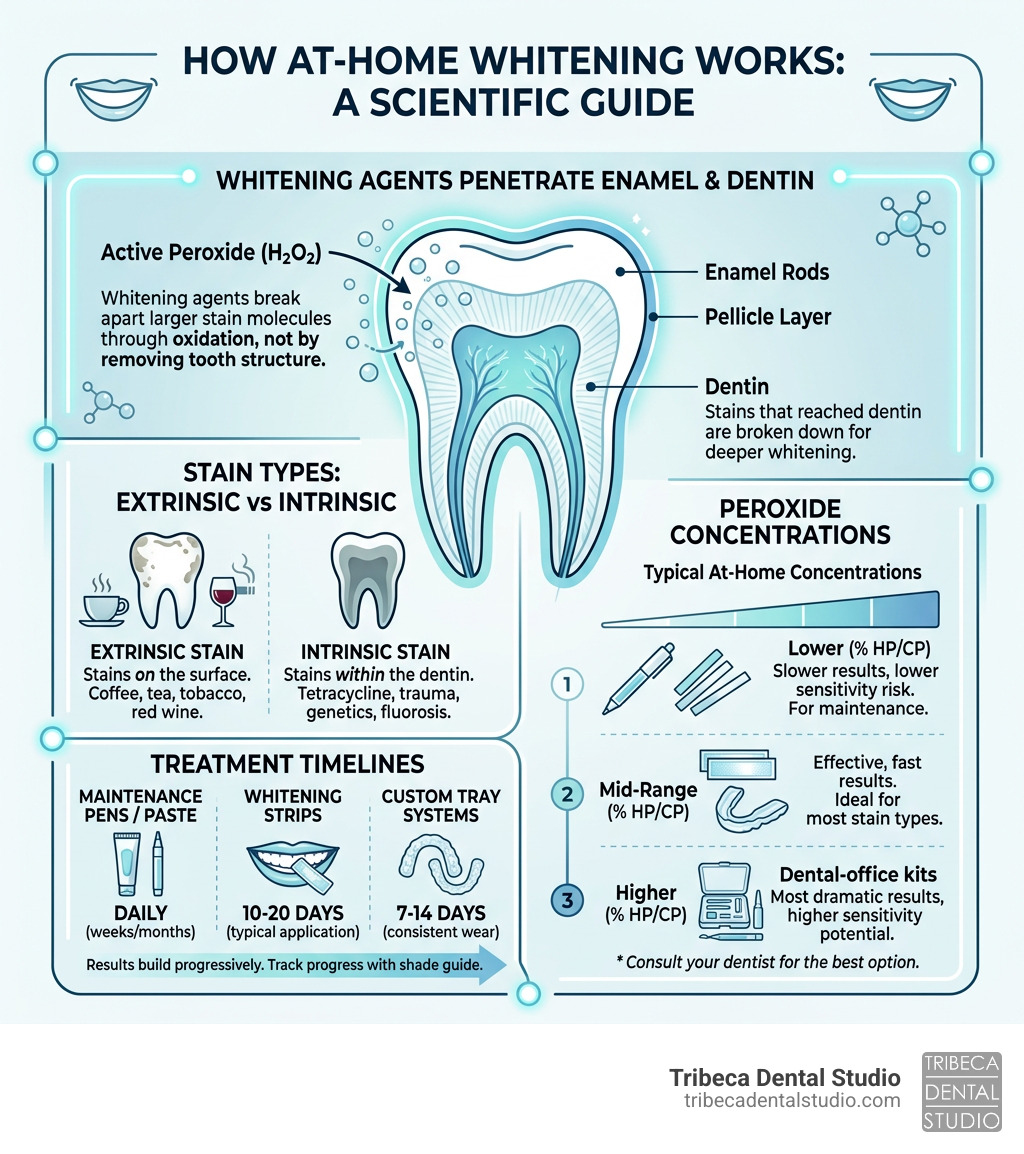
Best at home whitening terms to learn:
Choosing the Best At Home Whitening for Your Smile
When you are hunting for the best at home whitening solution, it helps to understand exactly what you are putting on your teeth. Not all brighteners are created equal, and the chemistry behind the “magic” matters for both your results and your safety.
Most effective products rely on one of two heavy hitters: Hydrogen Peroxide or Carbamide Peroxide. Hydrogen peroxide is the faster-acting of the two, often found in strips and pens. Carbamide peroxide is more stable and breaks down into hydrogen peroxide over a longer period, making it a favorite for tray systems that you might wear for an hour or more. In fact, scientific research on peroxide safety indicates that when used at the correct concentrations—typically 3% to 10% for hydrogen peroxide or 10% to 35% for carbamide peroxide—these agents are highly effective at bubbling stains out of the enamel matrix.
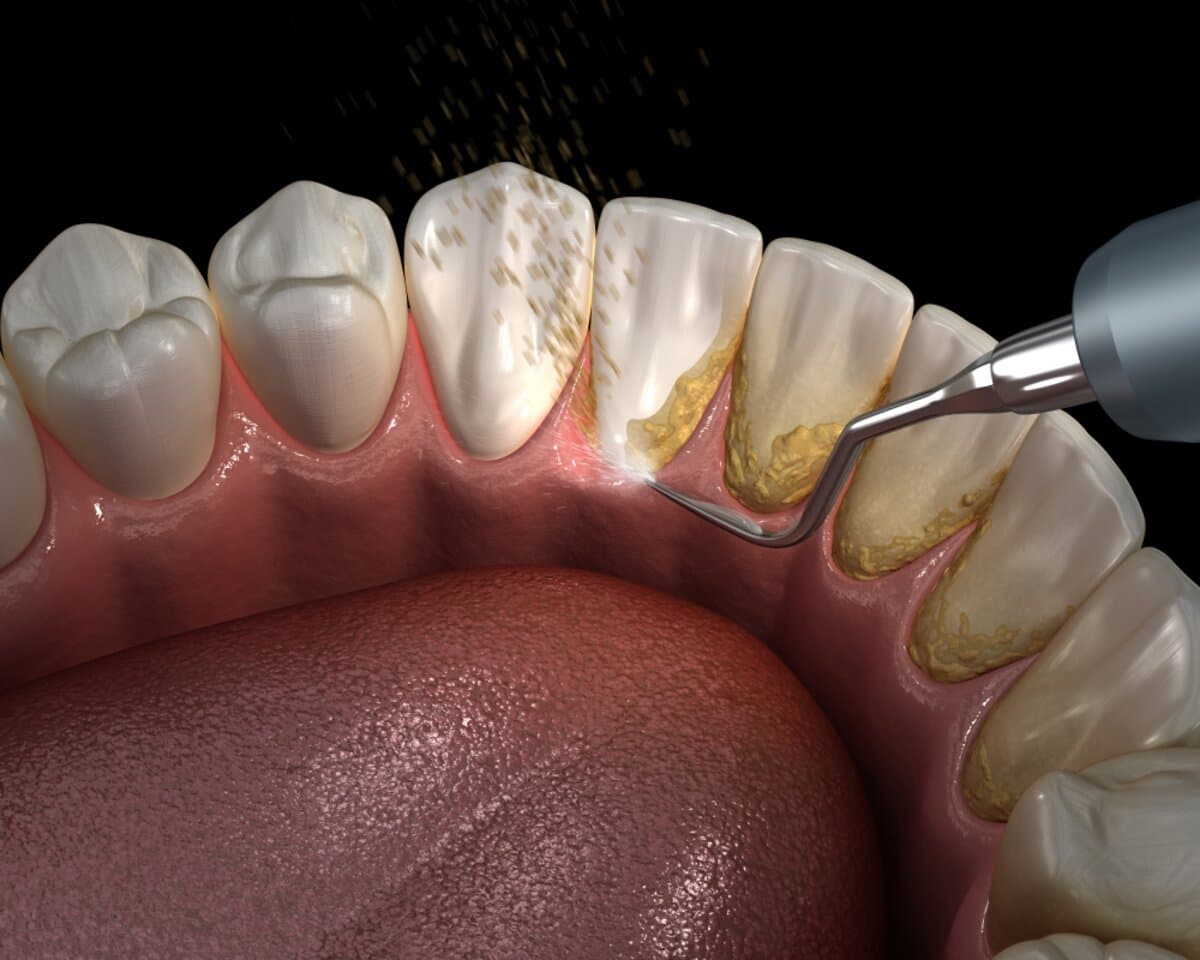
Think of your tooth enamel like a piece of chicken wire under a microscope. Over time, pigments from your morning latte or evening Cabernet get trapped in that “wire” mesh. Whitening agents penetrate the enamel to break those pigment bonds, essentially “lifting” the stains out. However, if you have effective teeth whitening as your goal, you must ensure your mouth is healthy first. We always recommend a professional cleaning before starting any routine; whitening works best on clean enamel, not on a layer of plaque or tartar!
Comparing Delivery Systems and Effectiveness
Choosing the best at home whitening method often comes down to how much time you have and how “hands-on” you want to be. Here is a quick look at how the most popular systems stack up:
| Method | Contact Time | Ease of Use | Best For |
|---|---|---|---|
| Whitening Strips | 30–60 Minutes | Very Easy | Convenience & Busy Lifestyles |
| Custom Trays | 45 Min – 3 Hours | Moderate | Deep Stains & Even Coverage |
| Whitening Pens | 1 Minute | Easiest | On-the-go touch-ups |
| LED Kits | 10–20 Minutes | Moderate | Rapid results seekers |
When shopping, we suggest looking for the ADA product guide to find products with the Seal of Acceptance. This ensures the product has been independently tested for safety and that it actually does what the box claims it will do.
Whitening Strips: The Best At Home Whitening for Convenience
Whitening strips are the “old faithful” of the dental world. They are incredibly popular because they require almost zero setup. Modern strips use advanced adhesion technology—often called “no-slip” or “advanced seal”—which allows the strip to mold to the shape of your teeth. This means you can talk, and sometimes even drink water, while you whiten.
Most strips require about 30 minutes of wear time. Brands like Crest have multiple versions, including “1-Hour Express” for those who need a boost before a big event, and “Professional Effects” for more dramatic, long-term results. While they are great for convenience, strips are flat. If you have very crooked teeth, the strip might not reach the nooks and crannies where teeth overlap, potentially leading to uneven whitening. For more on what works and what doesn’t, check out our guide on teeth whitening myths.
LED Kits and Trays: The Best At Home Whitening for Deep Stains
If you are looking for more “oomph,” LED kits and tray systems are often considered the best at home whitening choice for deep-set discoloration.
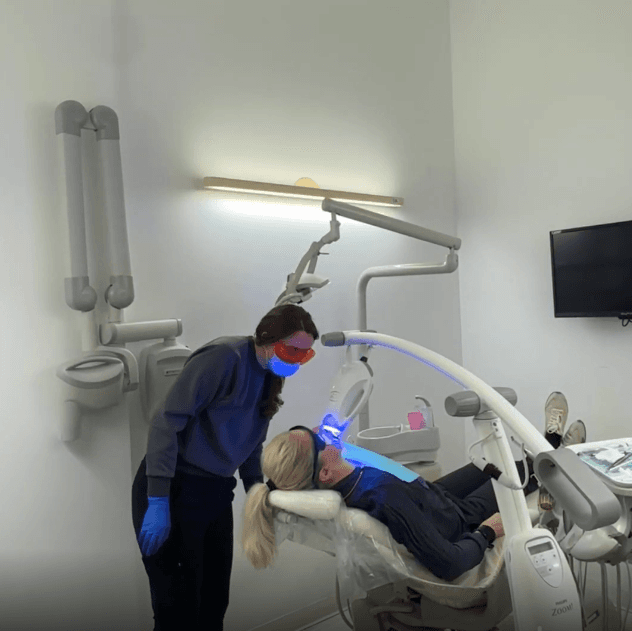
LED (Light Emitting Diode) kits use a blue light to “activate” the whitening gel. While the gel does the heavy lifting, the light helps accelerate the chemical reaction, often shortening the number of days you need to treat your teeth to see a difference. Some of the latest high-tech mouthpieces are even smartphone-powered, so you can whiten while scrolling through your feed.
Custom-fit trays take it a step further. These systems involve taking an impression of your teeth so the tray fits your unique smile perfectly. This ensures that every surface of every tooth—even the ones that are slightly turned or crowded—gets equal contact with the whitening gel.
Furthermore, some premium kits now include hydroxyapatite. According to scientific research on hydroxyapatite, this mineral (which is what your enamel is actually made of) helps repair and strengthen the tooth surface during the whitening process. This is a game-changer for anyone worried about thinning enamel.
Managing Sensitivity and Protecting Enamel
The most common “ouch” moment with whitening is tooth sensitivity. This happens because the peroxide temporarily opens up microscopic pores in your enamel to reach the stains. This can irritate the nerves inside your teeth, leading to that “zinging” sensation.
To find the best at home whitening experience without the pain, we recommend a few strategies:
- Look for Potassium Nitrate: This ingredient helps desensitize the nerve endings in your teeth.
- Use Desensitizing Gel: Many high-end kits include a “blue gel” (remineralization gel) to be used after whitening.
- Pre-treat with Sensitive Toothpaste: Brush with a sensitivity-focused toothpaste for two weeks before you start your whitening routine.
- Shorten the Sessions: If a kit says 30 minutes, try 15 minutes every other day to let your teeth adjust.
If you find that chemical whiteners are just too much for your smile, there are natural teeth whitening options. While they work more slowly, ingredients like baking soda or even oil pulling can help remove surface stains without the “zing.” For more tailored advice, read our sensitive teeth solutions.
Frequently Asked Questions about At-Home Whitening
How long do results from at-home whitening last?
Typically, you can expect your new glow to stay bright for 3 to 6 months. However, this depends entirely on your lifestyle. If you smoke or drink several cups of black coffee a day, the stains will return faster. We recommend a “touch-up” session once a month or every other week using a whitening pen or a single set of strips to maintain your results.
Will whitening work on crowns or veneers?
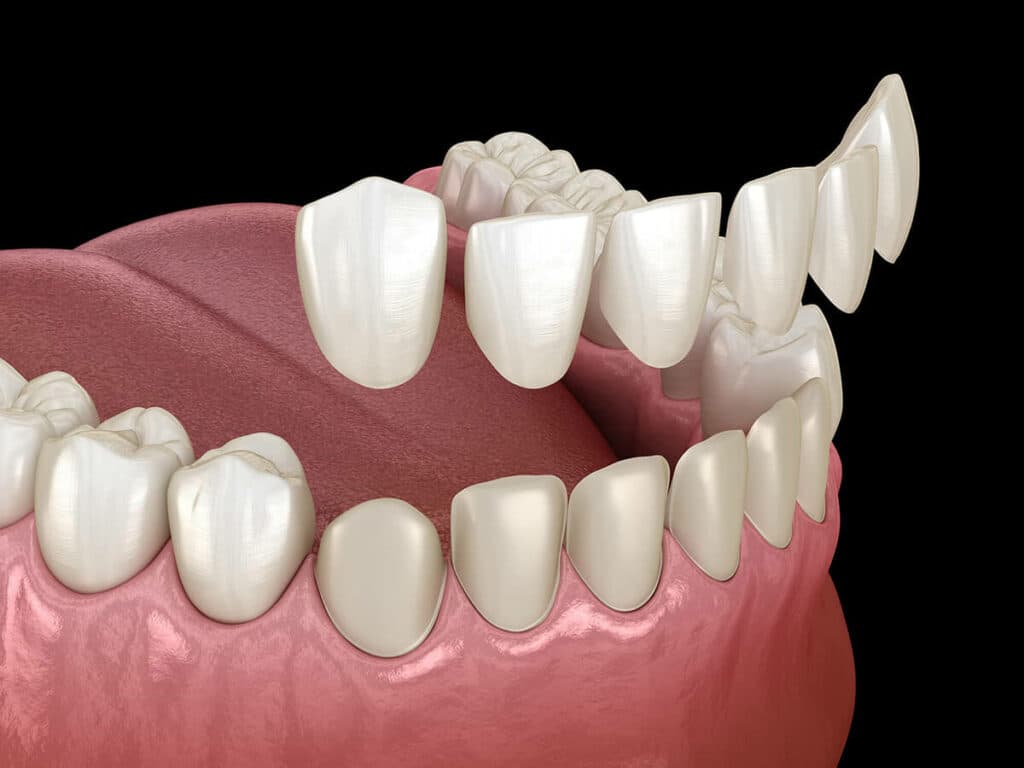
No. Whitening agents only work on natural tooth enamel. They will not change the color of porcelain crowns, veneers, composite fillings, or dentures. If you whiten your natural teeth, your dental work may suddenly look darker or more yellow in comparison. It is always best to talk to us before whitening if you have visible dental restorations.
Is professional whitening better than at-home kits?
“Better” depends on your goals. At-home kits are affordable and convenient. However, professional in-office treatments use much higher concentrations of peroxide (often up to 40%) and include specialized gum protection. A professional session can make your teeth up to eight shades lighter in just one hour, whereas a kit might take two weeks to achieve the same result. For those with stubborn, “intrinsic” stains (stains inside the tooth), professional help is often the only way to see a real change.
Conclusion
Finding the best at home whitening solution is a personal journey, but you don’t have to go it alone. At Tribeca Dental Studio, Dr. Nina Izhaky and our entire team are dedicated to a personalized approach to dentistry. We treat our Manhattan neighbors like family, ensuring that every treatment—from a routine cleaning to a full cosmetic makeover—is handled with care and advanced technology.
While at-home kits are fantastic for maintenance and mild staining, we are here for those times you want a truly transformative, professional result. Whether you’re prepping for a wedding in Tribeca or just want to feel more confident during your morning meetings, we can help you find the perfect shade.
Ready to see what a professional touch can do for your smile? Explore our professional teeth whitening services or visit us in the heart of NYC to start your journey toward a brighter, healthier smile.