The Golden Hue: What Natural Yellow Teeth Really Mean for Your Smile
February 14, 2026
Understanding the Natural Spectrum of Tooth Color
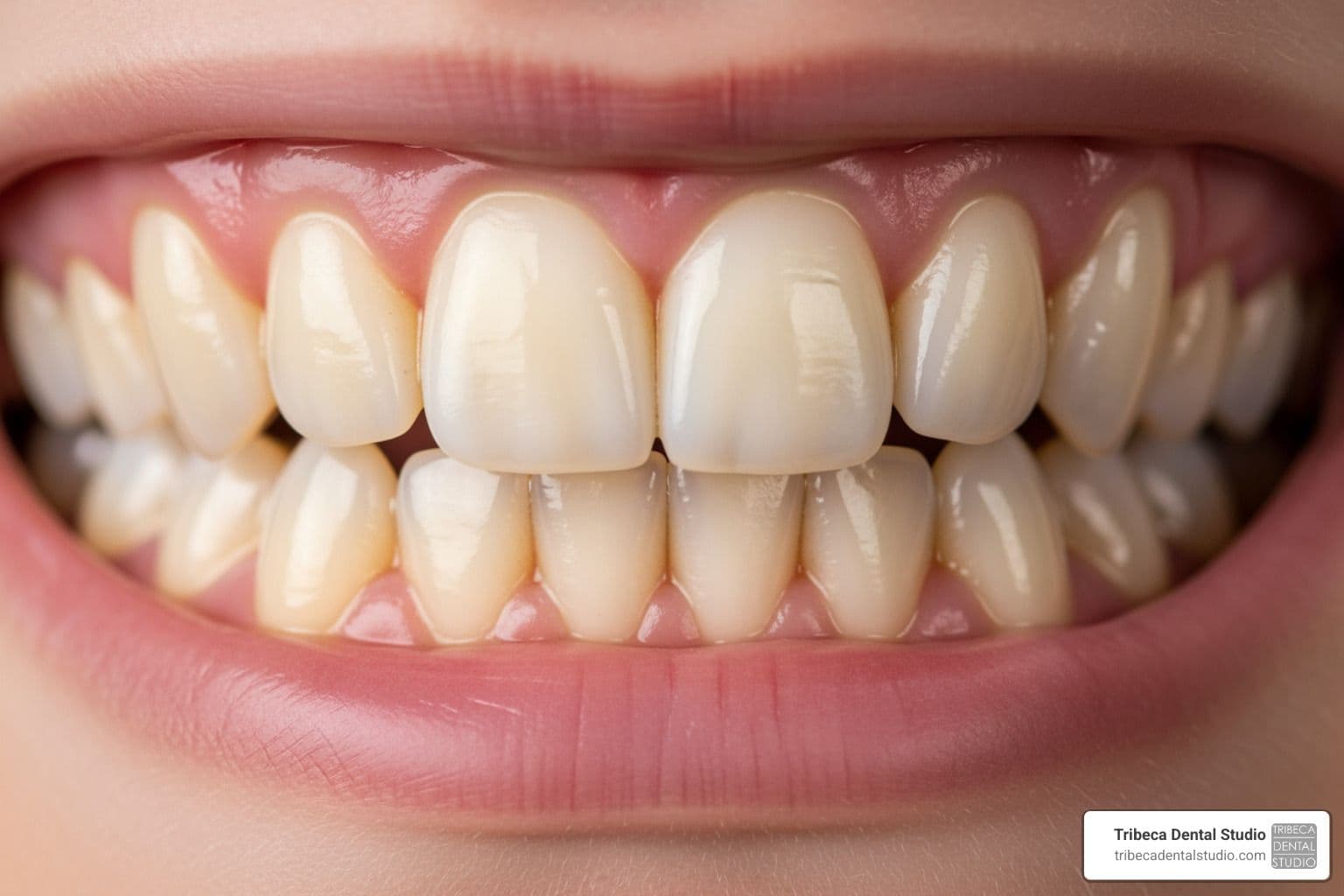
Natural yellow teeth are more common than you might think—and they’re often a sign of healthy, strong enamel and dentin, not poor dental hygiene. Here’s what you need to know:
What Natural Yellow Teeth Mean:
- Genetics determine tooth color, just like hair or eye color
- Dentin is naturally yellow, and shows through translucent enamel
- Thicker enamel appears whiter, while thinner enamel reveals more yellow
- Four natural tooth color groups exist: reddish brown, reddish yellow, gray, and reddish gray
- Natural yellowing is not a health problem—it’s often a sign of healthy teeth
One of the most persistent markers of American beauty standards is a set of perfectly straight, blindingly white teeth. The teeth-whitening market is projected to hit $11.66 billion by 2030. But here’s the truth: pure white is not a natural shade for most people. Your teeth are naturally white to light yellow, and that’s completely normal.
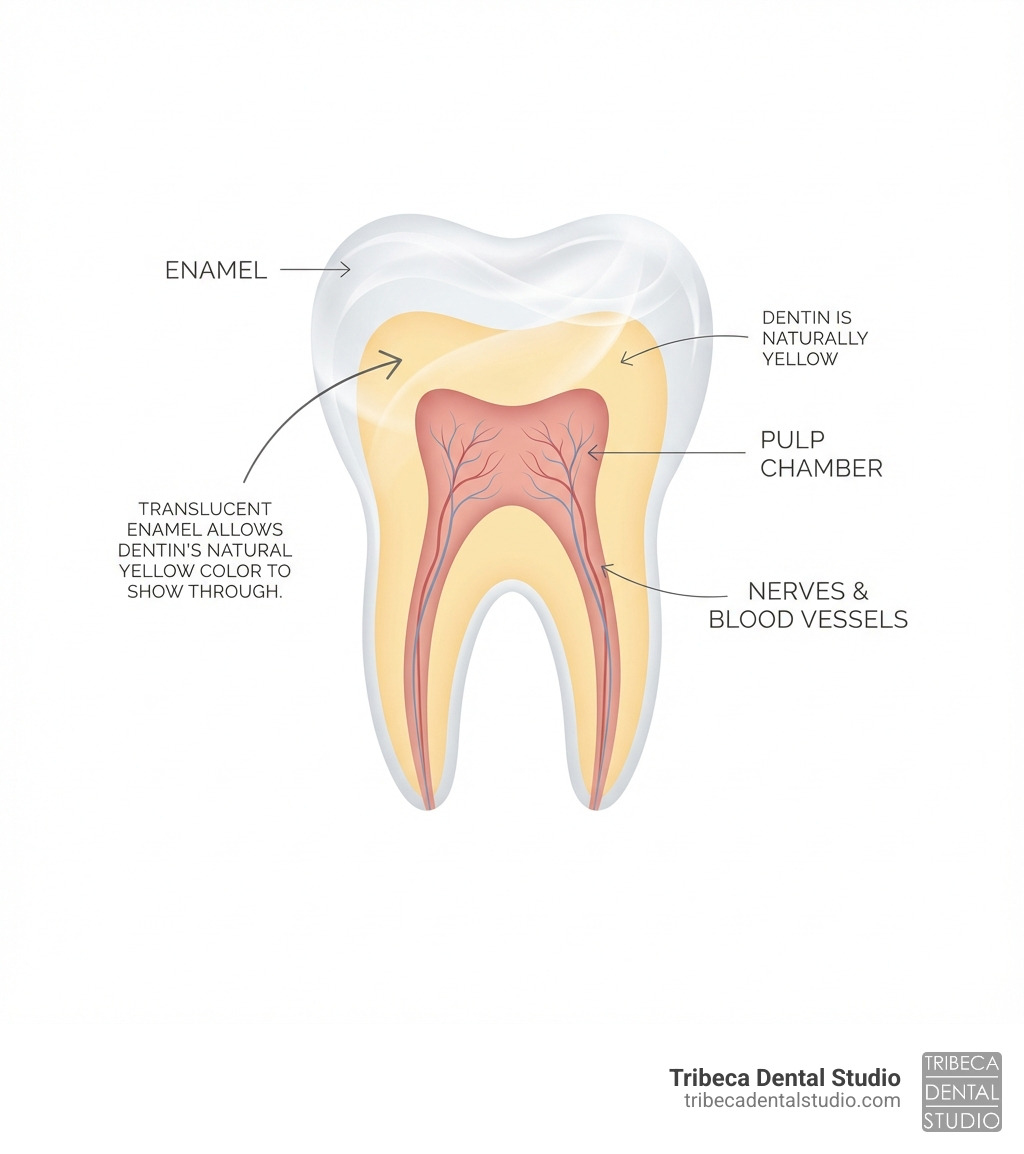
The outer layer of your tooth—the enamel—is somewhat translucent. Beneath it lies dentin, which has a naturally yellow or off-white hue. The thickness of your enamel, combined with the color of your dentin, determines your natural tooth color. This is genetics, not a flaw.
As Dr. Nina Izhaky at Tribeca Dental Studio, I’ve helped countless patients understand that natural yellow teeth are often a sign of healthy, strong enamel rather than a dental problem. My focus is always on personalized care that honors your unique smile while addressing your cosmetic goals safely and effectively.
The Science of Your Smile: Why Teeth Aren’t Naturally Paper-White
Have you ever wondered why your teeth aren’t the dazzling white you see in magazines? The answer lies in the incredible, intricate structure of our teeth. They are far more complex than simple white blocks, and their natural color is a fascinating interplay of layers and genetics.
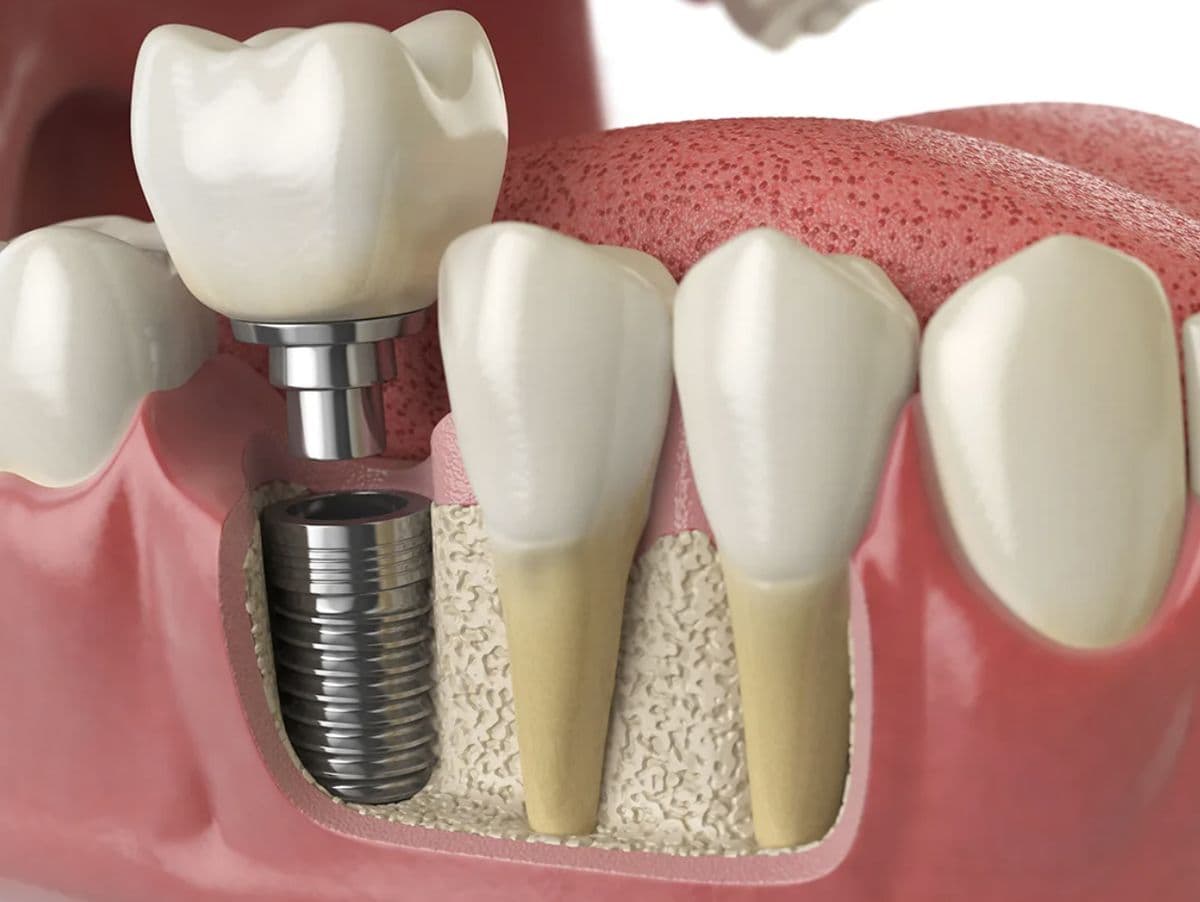
At the core of each tooth is the pulp, a soft tissue containing nerves and blood vessels that provides nourishment. Surrounding this core is the dentin, a denser, bone-like tissue that makes up the bulk of your tooth. Here’s the key: dentin is naturally yellowish. It’s this underlying hue that plays a significant role in your overall tooth color.
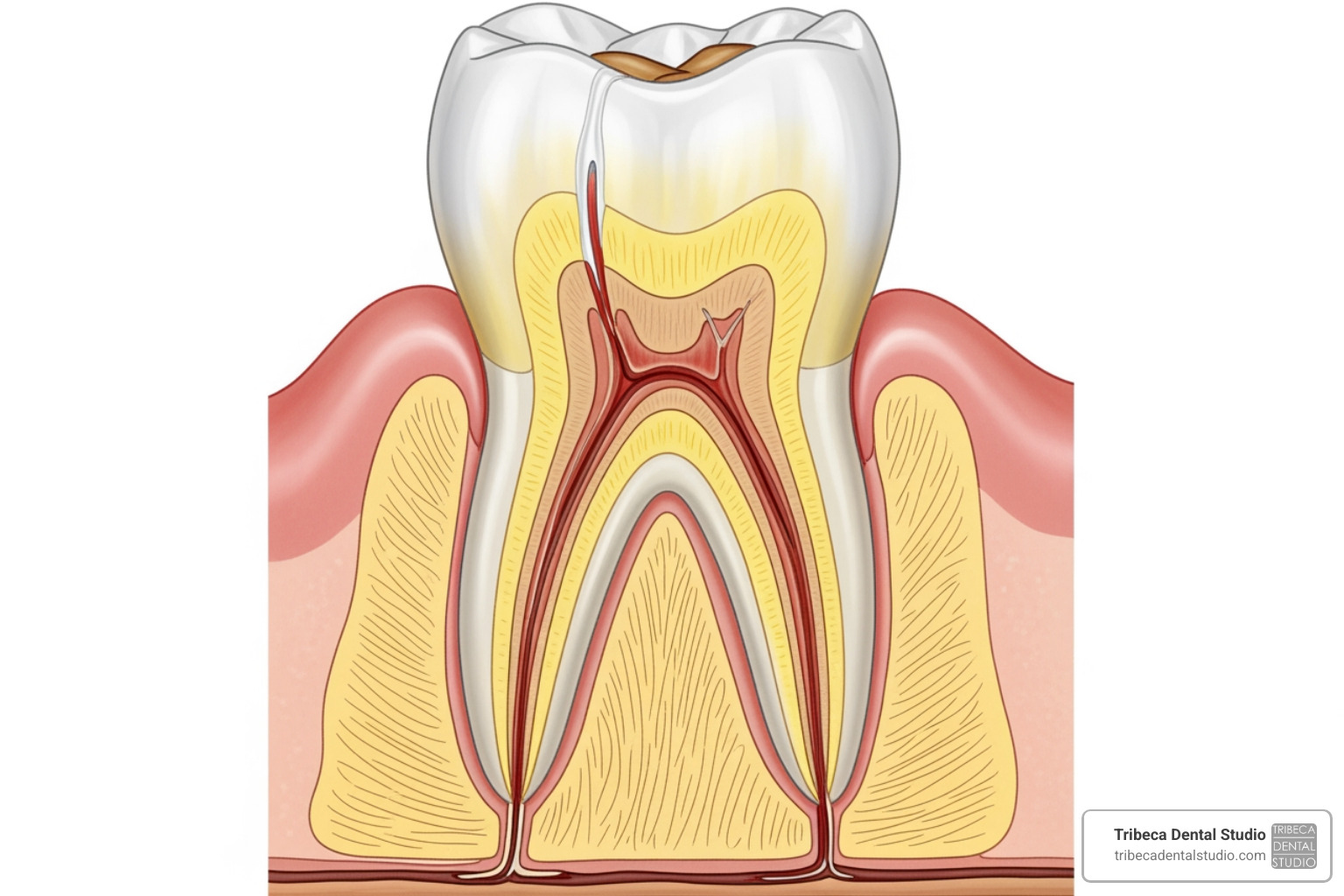
Above the dentin, protecting it from the outside world, is the enamel. This is the hardest substance in the human body, a crystalline layer that is typically white to slightly bluish-white. However, enamel is also somewhat translucent. Think of it like frosted glass: it allows some of the color from behind it to show through. This translucency means that the natural yellow of the dentin underneath is often visible, influencing the perceived color of your teeth.
The thickness of your enamel is a major factor. Thinner enamel allows more of the yellow dentin underneath to show through, making teeth appear more yellow even if they are healthy. Conversely, people with naturally thicker enamel and lighter dentin will have brighter teeth. It’s all about the unique combination of these layers.
Our natural tooth color is determined by genetics, much like our hair or eye color. We inherit traits that influence the thickness of our enamel and the hue of our dentin. There isn’t just one “natural” tooth color; instead, there’s a spectrum. Experts classify natural tooth colors into four basic groups: reddish brown, reddish yellow, gray, and reddish gray. This wide range means that a light yellow shade is perfectly normal and common.
To understand more about the fascinating components of our teeth, you can explore detailed diagrams of The structure of a tooth.
Are natural yellow teeth a sign of poor oral health?
It’s a common misconception that yellow teeth signify poor oral health. In many cases, a yellowish hue is perfectly natural, resulting from your unique genetics and tooth structure. As discussed, the yellow hue comes from dentin showing through healthy enamel. Your teeth can be strong and clean yet still have a yellowish tint—it’s simply genetic.
However, sudden or excessive yellowing, especially with other symptoms, can indicate an underlying issue. Pay attention to the following:
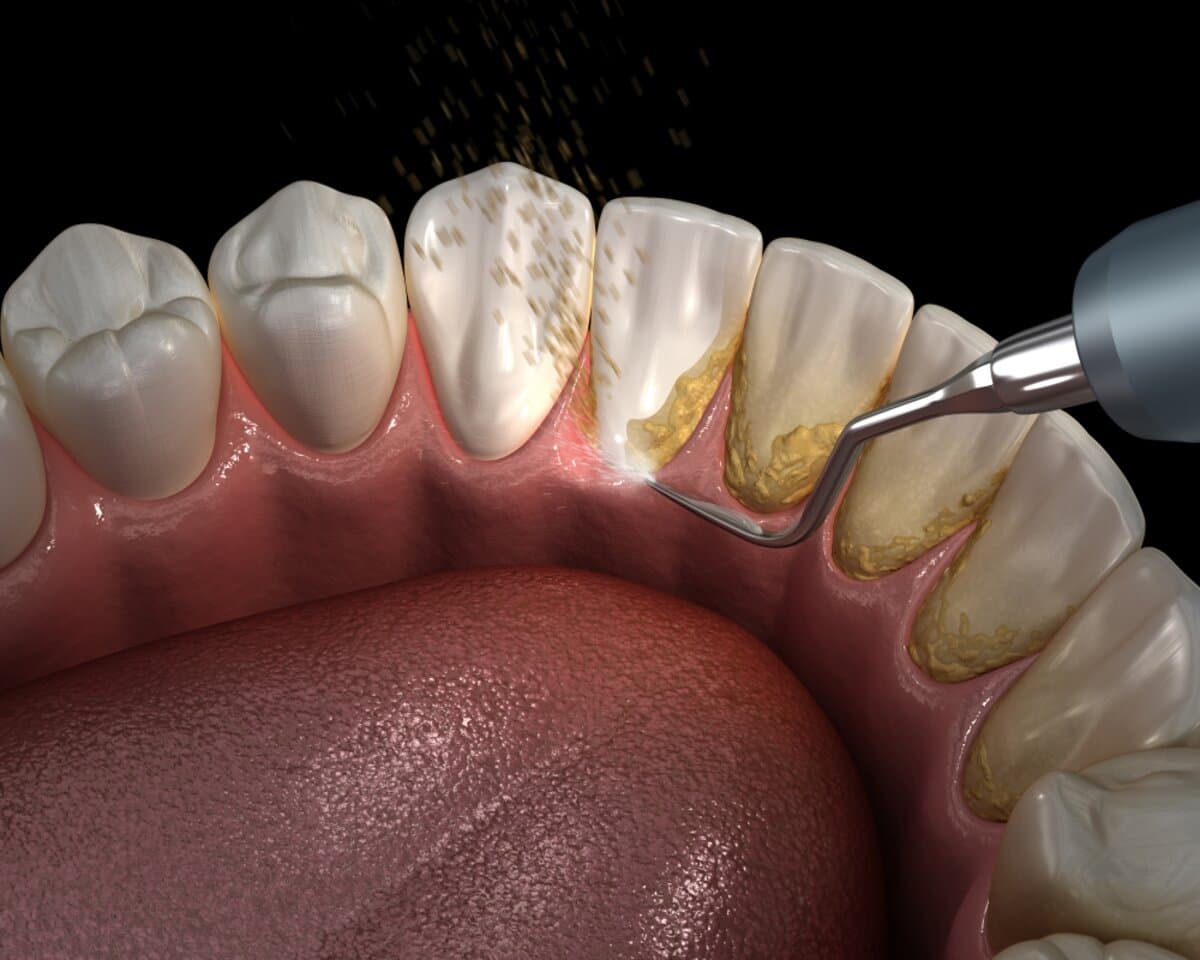
- Plaque and Tartar Buildup: If the yellowing is due to a fuzzy film or hard deposits on your teeth, that’s plaque and tartar. These are signs of inadequate oral hygiene and can lead to gum disease and cavities.
- Gum Health: If your teeth are yellowing and you also notice red, swollen, or bleeding gums, this could point to gingivitis or periodontitis, which require professional attention.
- Cavities and Enamel Damage: Yellowing in specific spots, combined with sensitivity or rough areas, might suggest enamel erosion or cavities. When enamel is weakened, more yellow dentin is exposed, and the tooth is more vulnerable to decay.
So, while healthy natural yellow teeth are normal, any changes in color, texture, or discomfort warrant a visit to Tribeca Dental Studio. We can determine if the yellowing is natural or requires extra care.
Beyond Genetics: What Else Causes Teeth to Yellow?
While genetics set your natural tooth color, lifestyle, habits, and medical history can make teeth appear more yellow over time. Without addressing staining, teeth can dull significantly over a lifetime.
Extrinsic Stains
These are surface stains that accumulate on the enamel, typically caused by what we eat, drink, and our habits.

- Diet and Acidic Foods: Coffee, tea, red wine, and dark sodas contain chromogens and tannins that stain enamel. Berries, dark sauces, and acidic foods like citrus also contribute. Acidic foods are particularly problematic as they weaken enamel, making it more prone to staining. For a comprehensive list of culprits, you can refer to this guide.
- Smoking and Tobacco: Nicotine and tar in tobacco products cause deep, stubborn yellow and brown stains. Long-term use leads to severe discoloration and a higher risk of gum disease. As Healthline notes, smoking exposes teeth to harmful, staining chemicals. Learn more about How smoking affects teeth.
Intrinsic Stains
Unlike extrinsic stains, intrinsic stains are deeper, affecting the dentin layer within the tooth. These are often more challenging to address with typical whitening methods.
- Aging and Enamel Wear: Over time, enamel naturally thins from chewing, grinding, and acids. Thinner enamel reveals more of the underlying yellow dentin, making teeth appear yellower with age.
- Medications: Certain medications, including some antihistamines, antipsychotics, and blood pressure drugs, can cause discoloration. Cancer treatments can also have this effect. Children exposed to antibiotics like tetracycline or doxycycline (even in utero) may develop permanent intrinsic stains. Excessive fluoride during tooth development can also cause fluorosis, leading to yellow or brown spots.
- Dental Trauma: An injury to a tooth can damage the pulp and cause the nerve to die. This acts like an internal bruise, causing the tooth to darken from the inside. This intrinsic discoloration requires specialized dental treatment.
- Poor Oral Hygiene: Neglecting oral hygiene won’t change your natural tooth color, but it will make teeth appear yellower. Plaque and tartar buildup create a surface for stains to adhere, causing a dull, yellow, or brownish look. Dry mouth worsens this by reducing saliva, which normally cleanses teeth and neutralizes acids.
Understanding these factors helps us appreciate that while some yellowness is natural, many external and internal elements can contribute to making our teeth appear even more yellow over time.
The Quest for a Brighter Smile: Whitening Options for Natural Yellow Teeth
The desire for a brighter smile is universal, and thankfully, there are many effective ways to achieve it, even if you have natural yellow teeth. At Tribeca Dental Studio, we believe in providing solutions that are safe, effective, and custom to your individual needs.
Professional Whitening
For a truly changed smile, professional whitening by a dentist is the safest and most effective option. These treatments use higher-concentration agents under controlled conditions for optimal, safe results.
- In-Office Treatments: For immediate, dramatic results, in-office whitening is a fantastic choice. At Tribeca Dental Studio, we use systems like Zoom2, which can whiten teeth dramatically in about an hour. A special gel is activated by light to lighten both enamel and dentin. It’s ideal for busy New Yorkers seeking fast, long-lasting results, with patients often achieving teeth three to eight shades whiter.
- Take-Home Kits Provided by Your Dentist: We offer custom take-home whitening kits with fitted trays and professional-grade gel for safe, effective whitening at home. These kits require daily 30-60 minute sessions for up to six weeks and provide excellent, lasting results.
- Whitening Toothpaste and Strips Recommended by Dental Professionals: For mild surface stains and maintenance, we may recommend specific whitening toothpastes or strips. Toothpastes use mild abrasives to scrub away stains, while dentist-recommended strips can also help remove surface discoloration.
Maintaining the results of any whitening treatment is key. Good dental hygiene, regular professional cleanings, and mindful dietary choices can help the effects of professional whitening last for up to three or four years. If you’re considering enhancing your smile, explore all our Cosmetic Dentistry options.
Limitations of whitening for natural yellow teeth
It’s important to have realistic expectations for teeth whitening, especially with naturally yellow teeth. Even professional treatments have limitations.
The primary limitation is your tooth structure. Professional treatments work by oxidizing stains on the enamel. If the yellow hue comes from your dentin, these treatments can only whiten the enamel so much. Whitening is limited by the natural shade of your teeth. We can reveal their brightest natural color, but we can’t change your genetic baseline.
For instance, if your enamel is thin, even the strongest whitening agents may not achieve a “Hollywood white” shade. Improper techniques can damage enamel, making the underlying yellow dentin more apparent and increasing sensitivity.
Furthermore, existing dental work like crowns, veneers, or fillings will not change color with whitening treatments. If you have these, we’ll need to consider how whitening your natural teeth might affect the overall uniformity of your smile.
For a deeper dive into what works and what doesn’t, check out our article on Teeth Whitening Myths Debunked.
The professional advantage for a radiant smile
Given the complexities of tooth color, professional guidance is the best approach. At Tribeca Dental Studio, we offer distinct advantages for a radiant smile:
- Expert Consultation: We start with a thorough exam to diagnose the cause of your yellowing—be it natural, extrinsic, or intrinsic stains. This allows us to recommend the most effective treatment plan.
- Customized Treatments: Our professional whitening is customized to your needs, sensitivity, and goals. For deep intrinsic stains or challenging natural yellow teeth, we may use advanced techniques like the KOR Whitening Deep Bleaching™ System, which penetrates deeper to address stubborn discoloration.
- Safety and Efficacy: Our medically supervised procedures prioritize your oral health. We use safe, professional-grade products and techniques to minimize sensitivity and protect your gums, ensuring an effective and healthy outcome.
- Handling Deep Stains: For yellowness from dentin or stubborn intrinsic stains, professional treatments offer the best chance of improvement. Unlike surface-level solutions, our in-office treatments are designed to work at a deeper level.
When you’re ready to explore how we can help you achieve a brighter, healthier smile, we invite you to Discover the Power of Professional Teeth Whitening at Tribeca Dental Studio.
DIY Whitening Dangers: Separating Fact from Fiction
The quest for whiter teeth often leads to tempting DIY home remedies. However, it’s crucial to separate fact from fiction, as many carry significant risks that can harm your teeth, especially if they are natural yellow teeth.
Here’s a comparison of professional whitening versus common DIY remedies:
| Feature | Professional Whitening | DIY/Home Remedies |
|---|---|---|
| Safety | Dentist-supervised, controlled concentrations, gum protection. Minimizes sensitivity and enamel damage. | Often unregulated, inconsistent concentrations, no gum protection. High risk of enamel erosion, increased sensitivity, gum irritation, and unpredictable results. |
| Effectiveness | Significant, noticeable, and long-lasting results. Addresses both extrinsic and intrinsic stains. | Limited to surface stains. Often yields minimal or temporary results. Ineffective for natural dentin yellowing. |
| Cost | Higher initial investment, but often more cost-effective long-term due to lasting results and safety. | Appears cheaper initially, but potential for dental damage (requiring costly repairs) makes it more expensive in the long run. |
| Speed | Rapid results (e.g., 1-hour in-office treatment). | Very slow, if any, noticeable results. |
| Customization | Custom to individual needs, tooth sensitivity, and desired shade. | Generic, one-size-fits-all approach. |
| Ingredients | Professional-grade hydrogen peroxide or carbamide peroxide. | Often abrasive substances (charcoal, baking soda), strong acids (lemon juice, apple cider vinegar), or unproven compounds (turmeric, fruit peels). |
| Expertise | Administered by trained dental professionals. | Relies on anecdotal evidence, internet advice, or personal experimentation. |
Activated charcoal risks
Activated charcoal is a popular but risky DIY whitener we advise against. There is little scientific evidence for its effectiveness, and its abrasive nature can permanently wear down enamel. This thinning enamel exposes more of the yellow dentin, making natural yellow teeth appear more yellow. It can also harm gums and cause recession.
Lemon juice and acid erosion
Using lemon juice or other acidic fruits to whiten teeth is a dangerous myth. The acid actively erodes tooth enamel, which is irreversible. This leads to sensitivity, cavities, and permanent damage. The American Dental Association (ADA) warns against this practice, as the acid can worsen tooth color.
Baking soda abrasiveness
Baking soda is a mild abrasive that can remove surface stains, and toothpastes containing it are considered safe and effective. However, using pure baking soda can be too abrasive on enamel. It’s safer to use a formulated toothpaste rather than applying it directly.
Oil pulling
Oil pulling (swishing oil in the mouth) is thought to whiten teeth by removing bacteria. While some research suggests it can reduce gingivitis, the ADA notes there is no reliable scientific evidence it whitens teeth or reduces cavities. It is not a substitute for brushing and flossing, and we don’t recommend it as a primary whitening solution.
When to see a dentist
If you’re concerned about the color of your teeth, or if you’re considering any whitening method, it’s always best to consult with us first. This is especially true if you have natural yellow teeth and are looking for effective, safe solutions. We can accurately diagnose the cause of your tooth discoloration, discuss the best treatment options for you, and ensure that any whitening efforts don’t compromise your oral health. The ADA stance on natural whitening also emphasizes seeking professional advice.
Frequently Asked Questions About Yellow Teeth
We hear many questions about tooth color at Tribeca Dental Studio. Here are some of the most common ones we address for our patients in Manhattan and New York City.
How can I tell if my yellow teeth are natural or stained?
Distinguishing between natural yellowing and staining can sometimes be tricky, but there are a few clues:
- Color Consistency: If your teeth have always had a yellowish hue, and it’s fairly uniform across all your teeth, it’s likely your natural color, primarily due to your dentin showing through.
- Lifestyle Factors: Consider your diet and habits. Do you frequently consume coffee, tea, red wine, or dark sodas? Do you smoke or use tobacco products? These are major contributors to extrinsic (surface) stains, which tend to accumulate over time.
- Plaque Buildup: If the yellowing is accompanied by a fuzzy feeling on your teeth, bad breath, or visible hardened deposits (tartar), it’s likely due to plaque and poor oral hygiene, not your natural tooth color.
- Dentist Evaluation: The most accurate way to know is to consult with us. We can examine your teeth, assess enamel thickness, and identify stains to give you a definitive answer.
Can naturally yellow teeth ever become truly white?
If your teeth are yellow due to your natural dentin color, they cannot become “paper white.” However, professional treatments can make them significantly brighter and whiter. Our whitening treatments lighten the dentin’s intrinsic color and remove deep stains. While limited by your natural tooth shade, we can reveal the brightest version of your smile.
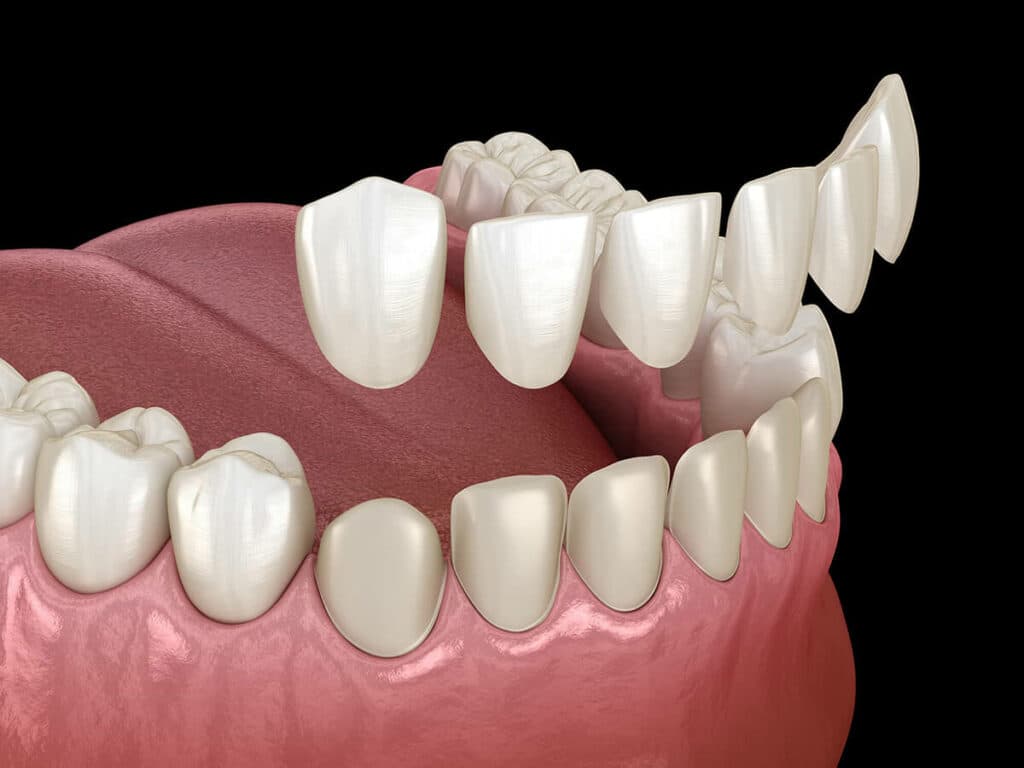
For a more dramatic change or for stains that don’t respond to bleaching, cosmetic options like porcelain veneers or dental bonding are available. Veneers are thin shells that cover the front of teeth for a new, whiter look. Bonding applies a tooth-colored resin to change tooth shape and color. We can discuss these options in your consultation. Find More info about Direct Bonding on our site.
How can I prevent my teeth from getting more yellow?
While you can’t change your genetic tooth color, you can take steps to prevent further yellowing from external factors. Here are our top tips:
- Maintain Stellar Oral Hygiene: Brush twice daily for two minutes with a fluoride toothpaste to strengthen enamel against stains and decay. Floss daily to remove plaque and food particles from between teeth and the gumline.
- Be Mindful of Your Diet: Limit your consumption of stain-causing foods and beverages like coffee, tea, red wine, dark sodas, and deeply pigmented fruits such as berries.
- Use a Straw: When drinking staining beverages, use a straw to minimize contact with your front teeth.
- Rinse After Eating/Drinking: After consuming acidic or staining items, rinse your mouth with water to wash away acids and staining compounds. Wait at least an hour after acidic foods before brushing to prevent enamel erosion.
- Quit Smoking and Tobacco Use: Quitting tobacco is one of the most impactful steps for your oral health and smile brightness.
- Regular Dental Cleanings: Schedule regular cleanings at Tribeca Dental Studio. Our hygienists remove stubborn plaque, tartar, and extrinsic stains, keeping your teeth looking their best. Learn more in our Best Teeth Cleaning NYC guide.
By implementing these preventative measures, you can significantly slow down the process of extrinsic yellowing and maintain the natural brightness of your smile for years to come.
Accept and Improve Your Natural Smile
Understanding that natural yellow teeth are often a sign of health and genetics can be incredibly liberating. We believe that a healthy smile is a beautiful smile, and our focus at Tribeca Dental Studio is always on your overall oral well-being.
Whether you’re embracing your natural hue or seeking to improve your smile, we’re here to provide personalized care that respects your individual needs and goals. Dr. Nina Izhaky and our compassionate team treat every patient like family, offering comprehensive and advanced dental solutions right here in Tribeca, Manhattan, New York City.
If you’re curious about your natural tooth color, concerned about staining, or simply want to explore options for a brighter smile, we invite you to connect with us. We’ll provide expert advice, safe and effective treatments, and the personalized attention you deserve.
Ready to discuss your smile goals? Schedule your professional teeth whitening consultation in NYC with us today. We look forward to welcoming you!