From Kitchen to Gleam: 10 Natural Ways to Whiten Your Teeth at Home
January 31, 2026
Why Natural Teeth Whitening Matters for Your Smile
Natural teeth whitening has become one of the most searched oral care topics, and for good reason. Americans spend over $1 billion annually on teeth whitening products and treatments, yet many people are seeking gentler, chemical-free alternatives they can try at home.
Quick Answer: Top Natural Teeth Whitening Methods
The safest natural approaches include:
- Baking soda paste – Mildly abrasive, removes surface stains (use 2x weekly max)
- Good oral hygiene – Brushing twice daily, flossing, regular dental cleanings
- Dietary changes – Limiting coffee, tea, red wine, and tobacco
- Crunchy fruits/vegetables – Apples, celery, carrots help scrub teeth naturally
- Calcium-rich foods – Cheese, milk strengthen enamel protection
Avoid: Lemon juice, vinegar, and excessive charcoal use (these can damage enamel permanently)
The truth is that while natural methods can help maintain brightness and remove surface stains, they work very differently than professional treatments. Most natural remedies focus on preventing new stains and gently removing existing surface discoloration, not changing your tooth’s underlying color.
This matters because tooth enamel is precious and irreplaceable. Once damaged by overly abrasive or acidic substances, it doesn’t grow back. The key is understanding which natural methods are genuinely safe and effective versus which trendy remedies could actually harm your teeth.
This guide will walk you through science-backed natural whitening methods, explain which popular remedies to avoid, and help you set realistic expectations. You’ll learn the difference between extrinsic stains (surface level) and intrinsic stains (deeper discoloration), why some foods stain more than others, and how to maintain a naturally bright smile through daily habits.
About Your Guide: I’m Dr. Nina Izhaky, and I’ve helped countless patients at Tribeca Dental Studio achieve their brightest, healthiest smiles through both professional treatments and guidance on safe at-home natural teeth whitening practices. My approach combines modern dental science with personalized care to ensure every method you try protects your enamel while delivering real results.
Understanding Tooth Discoloration: Why Do Teeth Turn Yellow?
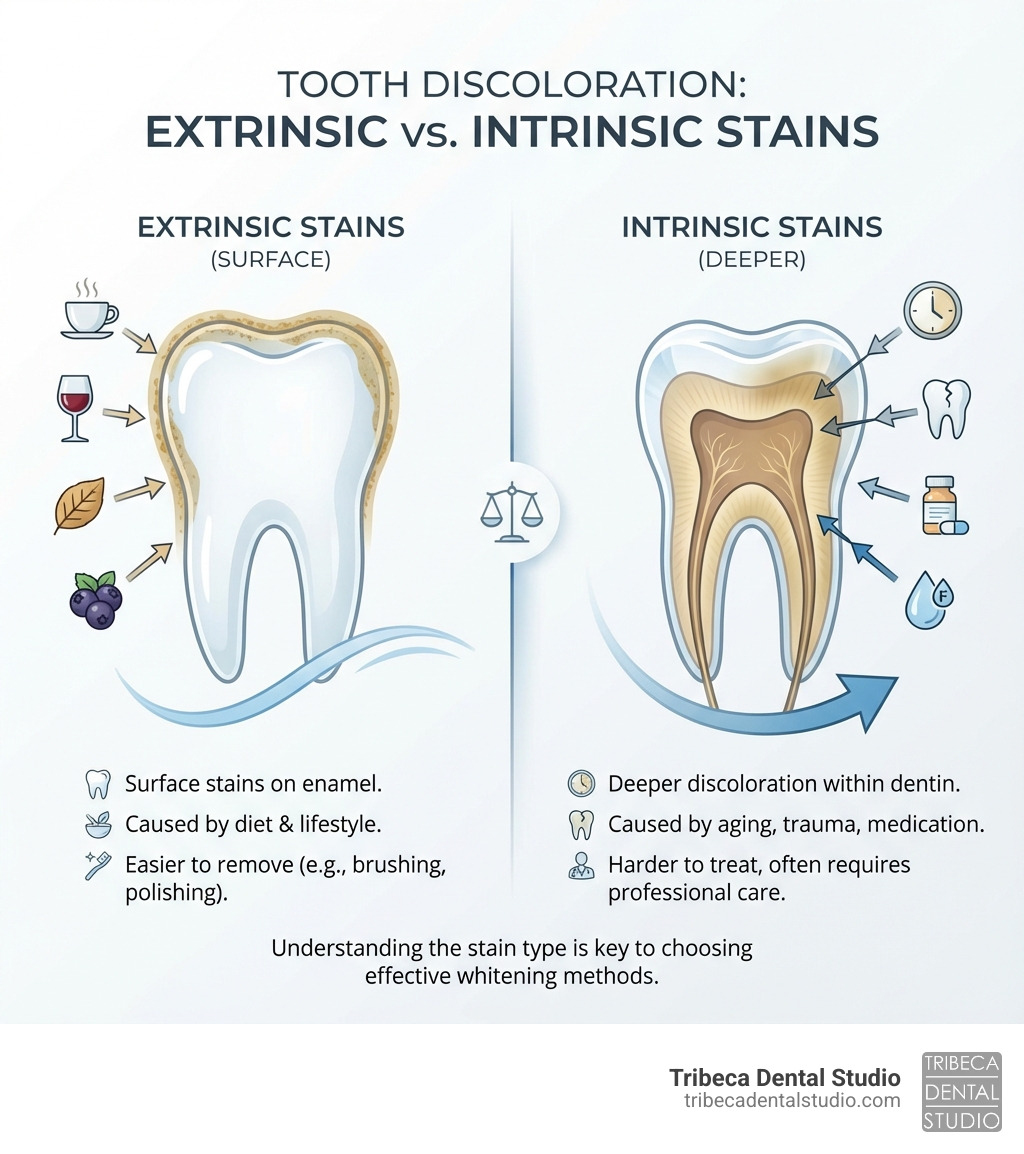
Before we dive into how to whiten your teeth, it’s important to understand why they might lose their sparkle in the first place. Tooth discoloration isn’t just one thing; it generally falls into two main categories: extrinsic and intrinsic stains.
- Extrinsic Stains: These are surface stains that accumulate on the enamel, the outermost layer of your teeth. Think of them like a film that coats your teeth, making them appear dull or yellow. They are typically caused by what we eat and drink, as well as lifestyle habits.
- Intrinsic Stains: These stains are deeper, affecting the dentin, which is the yellowish tissue beneath your enamel. Intrinsic discoloration can be caused by factors like certain medications, trauma, excessive fluoride exposure during tooth development, or simply the natural aging process. As we age, our enamel naturally thins, allowing more of the yellow dentin to show through.
The good news is that most natural teeth whitening methods are primarily effective against extrinsic stains. They work by gently removing these surface discolorations. Intrinsic stains, however, usually require professional treatments that use stronger bleaching agents to penetrate the tooth and lighten its internal structure.
So, what are the common culprits behind those pesky extrinsic stains? Here’s a rundown:
- Coffee and Tea: Our morning brew and afternoon tea, while delicious, are notorious for their staining pigments.
- Red Wine: The deep red hues of wine can leave noticeable marks on enamel.
- Dark Berries and Juices: Blueberries, blackberries, and their juices contain strong pigments that can cling to teeth.
- Smoking and Tobacco Use: Tobacco is one of the most significant contributors to severe tooth discoloration, leaving stubborn yellow and brown stains.
- Plaque Buildup: A diet high in sugar supports the growth of Streptococcus mutans, the primary type of bacteria that causes plaque and gingivitis. Plaque buildup can stain teeth, so brushing to remove it is key. If plaque isn’t regularly removed through good oral hygiene, it can harden into tartar, which is even more difficult to remove and can contribute to discoloration.
Understanding these causes is the first step toward preventing stains and maintaining a brighter smile. For more insights into what works and what doesn’t, check out our article on teeth whitening myths debunked.
Exploring Safe and Effective Natural Teeth Whitening Methods
When it comes to natural teeth whitening, our focus at Tribeca Dental Studio is always on methods that are both effective and, most importantly, safe for your precious enamel. Many natural remedies aim to remove surface stains through gentle abrasion or by neutralizing acids. It’s crucial to manage expectations, as these methods won’t deliver the dramatic results of professional treatments, but they can certainly contribute to a brighter, healthier smile over time.
Baking Soda: A Mild Abrasive for Natural Teeth Whitening
Baking soda, or sodium bicarbonate, is a time-tested ingredient found in many toothpastes, and it’s one of the most widely accepted natural teeth whitening agents.
How it works: Baking soda works in a couple of ways. Firstly, it’s a very mild abrasive. This gentle grittiness helps to scrub away surface stains caused by food, drinks, and tobacco. Secondly, baking soda is alkaline, meaning it helps neutralize acids in your mouth that are produced by bacteria. This can create a less hospitable environment for plaque-forming bacteria, further contributing to oral health. Studies published in The Journal of the American Dental Association have shown that baking soda is an effective stain remover and whitening ingredient for oral care. You can find more scientific research on baking soda’s effectiveness research on baking soda for stain removal.
How to make a paste:
- Mix about a tablespoon of food-grade baking soda with about a tablespoon of water in a small bowl (roughly equal parts baking soda and water). You’ll create a thick paste.
- Apply this paste to your teeth using your fingers or a soft-bristled toothbrush.
- Brush gently for about two minutes using circular motions, focusing on areas with stains.
- Rinse your mouth thoroughly with water.
Proper usage frequency and risks: While generally safe, excessive use of baking soda can still be too abrasive for some. We recommend using a baking soda paste no more than twice a week. If you experience any sensitivity or gum irritation, reduce frequency or discontinue use. It’s also important to note that baking soda alone lacks fluoride, which is essential for preventing cavities, so it should not replace your regular fluoridated toothpaste. Many ADA-accepted whitening toothpastes already contain baking soda for safe, daily stain removal.
Oil Pulling: An Ancient Practice
Oil pulling is an ancient Indian folk remedy that has gained popularity as a natural teeth whitening method. It involves swishing oil around your mouth to remove bacteria.
How it might work: Proponents suggest that oil pulling helps “pull” bacteria and toxins from the mouth, which can reduce plaque buildup and potentially lead to a brighter smile by removing some surface stains. Coconut oil is a popular choice due to its pleasant taste and potential antimicrobial properties.
Lack of strong scientific evidence: Despite its popularity, robust scientific evidence directly supporting oil pulling as an effective teeth whitener is largely absent. The American Dental Association (ADA) cautions that there is no documented tooth whitening derived from oil pulling. In fact, the ADA has noted that it has also been associated with adverse events ranging from lipoid pneumonia to upset stomach and diarrhea.
How to do it safely: If you choose to try oil pulling, we recommend the following:
- Place one tablespoon of organic coconut oil (or sunflower/sesame oil) in your mouth.
- Swish the oil around your mouth for 15-20 minutes, making sure not to swallow it.
- Spit the oil into a trash can (not the sink, as it can clog pipes) and rinse your mouth thoroughly with warm water.
- Follow with your regular brushing and flossing routine.
While oil pulling may contribute to overall oral hygiene by reducing bacteria, its direct impact on whitening is questionable. We always prioritize methods with stronger scientific backing for true whitening results.
The Hype vs. The Harm: “Natural” Methods to Avoid
The internet is rife with viral trends and DIY hacks for natural teeth whitening. While the allure of a quick, cheap fix from your pantry is strong, many of these methods carry significant risks that can lead to irreversible damage to your teeth. Our primary concern is always the health and integrity of your enamel.
The Dangers of Acidic Fruits and Vinegar
You’ve likely seen suggestions to use lemons, strawberries, or apple cider vinegar for whitening. While these ingredients might seem natural and harmless, their high acidity is a major red flag for your dental health.
- High Acidity and Enamel Erosion: Your tooth enamel is the hardest substance in your body, but it’s vulnerable to acids. Substances like lemon juice and apple cider vinegar are extremely acidic. When you rub these directly on your teeth, or even consume them frequently without rinsing, they can erode your enamel. This isn’t just about surface damage; enamel doesn’t grow back. Once it’s gone, it’s gone for good.
- Increased Sensitivity and Cavity Risk: Eroded enamel makes your teeth more sensitive to hot and cold and significantly increases your risk of cavities.
- Exposing Yellow Dentin: Ironically, as enamel wears away, it can expose the underlying dentin, which is naturally yellowish. This means that instead of achieving a whiter smile, you might actually make your teeth appear more yellow over time.
- Malic Acid vs. Citric Acid: While some fruits, like strawberries, contain malic acid (which can act as a natural astringent to prevent stains), many citrus fruits contain citric acid, a potent enamel eroder. The benefits of any mild stain prevention from malic acid are far outweighed by the risks of enamel damage from overall acidity.
- Dentist’s Advice: As dental professionals, we strongly advise against using acidic fruits or vinegar for teeth whitening. The risks far outweigh any potential, minimal, and temporary benefits. Whitening your teeth with vinegar isn’t safe, and can cause permanent enamel damage.
Activated Charcoal: A Gritty Reality
Activated charcoal toothpaste exploded onto the scene as a trendy natural teeth whitening solution, promising detoxifying and whitening powers. However, our stance at Tribeca Dental Studio aligns with leading dental organizations: we do not recommend activated charcoal for teeth whitening due to its abrasive nature and lack of proven efficacy.
- Abrasive Nature, Not Adsorption: While activated charcoal is known for its adsorptive properties (meaning it can bind to substances), its supposed whitening effect primarily comes from its abrasive nature, not its ability to “detox” or deeply whiten. This means it scrubs away surface stains, but often too aggressively.
- Potential for Enamel Wear: The abrasiveness of charcoal can wear down your enamel. We’ve seen RDA (Relative Dentin Abrasivity) values for charcoal toothpastes ranging from low to dangerously high. Excessive abrasion can thin your enamel, exposing the naturally yellower dentin underneath, making your teeth appear more yellow in the long run. Roughened tooth surfaces also tend to accumulate more plaque and stains over time.
- Lack of Whitening Evidence: Despite marketing claims, there is inadequate clinical and laboratory evidence to support the safety and efficacy of charcoal-based dental products for whitening. The Journal of the American Dental Association has published reviews highlighting the lack of evidence that charcoal products are safe or effective for teeth.
- No ADA Seal of Acceptance: The American Dental Association (ADA) has not granted its Seal of Acceptance to any charcoal toothpaste. This is a significant indicator of the lack of scientific evidence supporting its benefits and safety.
- Messiness and Potential to Stain Dental Work: Charcoal’s dark color is not only messy but can also get lodged in existing dental work like fillings, crowns, or veneers, making them appear discolored.
- Other Concerns: Many charcoal toothpastes lack fluoride, which is crucial for cavity prevention. There are also concerns about charcoal’s potential to disrupt the oral microbiome and even interfere with drug absorption if accidentally ingested.
In our professional opinion, the risks associated with activated charcoal far outweigh any unproven benefits for natural teeth whitening.
Prevention and Maintenance: Keeping Your Teeth Naturally Bright
The best offense is a good defense, especially when it comes to maintaining a naturally bright smile. While we’ve explored some effective natural teeth whitening methods, prevention and consistent oral hygiene are the cornerstones of long-term tooth brightness and health. By adopting certain daily habits and making smart dietary choices, you can significantly reduce stain accumulation and protect your enamel.
Best Oral Hygiene Practices
These are the non-negotiable steps for a healthy, bright smile:
- Brush Twice Daily, Every Day: This might seem obvious, but consistent, thorough brushing is paramount. Plaque forms quickly, so brushing your teeth at least twice a day for two minutes each time is essential to remove surface stains and plaque buildup. Dentists recommend regular brushing with a fluoride toothpaste to protect your enamel and prevent cavities.
- Floss Daily: Brushing alone isn’t enough. Flossing once a day removes food particles and plaque from between your teeth and along the gumline, areas where stains can easily accumulate and contribute to discoloration.
- Use a Soft-Bristled Toothbrush: A soft-bristled toothbrush is gentle on your enamel and gums while still being effective at cleaning. Brushing too hard or using a hard-bristled brush can actually damage your enamel and cause gum recession, making your teeth appear more yellow.
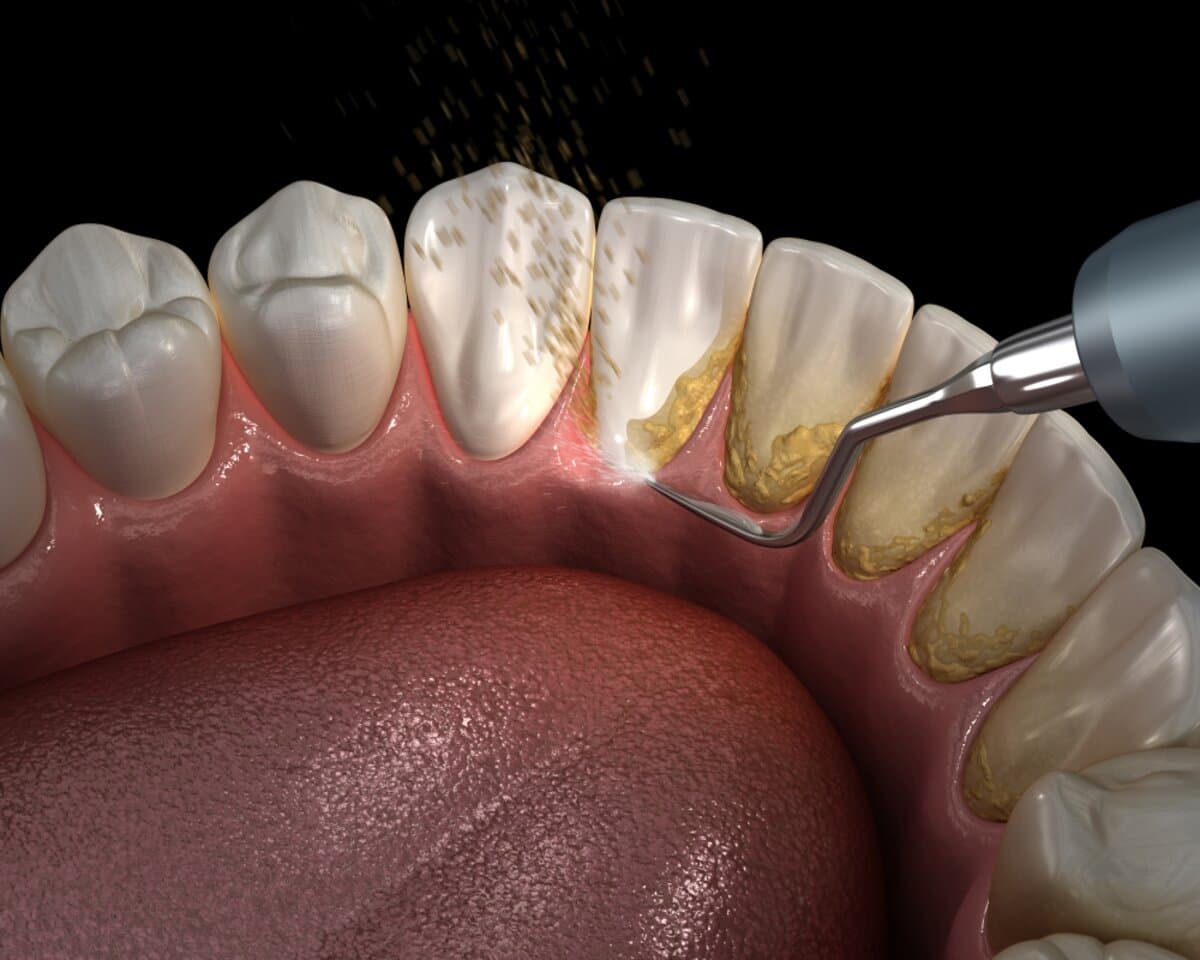
- Regular Dental Cleanings: Even with the best at-home care, professional dental cleanings are vital. Our team at Tribeca Dental Studio can remove stubborn plaque and tartar buildup that your toothbrush can’t reach, significantly reducing extrinsic stains. We also offer advanced treatments like Prophy Jet polishing, which uses a high-pressure stream of air, water, and specialized powder to gently yet effectively remove surface stains and polish your teeth, revealing a brighter smile.
Foods and Habits for Natural Teeth Whitening Maintenance
Beyond daily cleaning, what you put into your body plays a huge role in the color of your teeth.
- Limit Staining Foods and Beverages: We’ve already touched on the main culprits: coffee, tea, red wine, and dark berries. While you don’t have to eliminate them entirely, limiting your intake, rinsing your mouth with water afterward, or using a straw for beverages can help reduce their staining impact.
- Crunchy Fruits and Vegetables: Nature’s toothbrushes! Eating crisp, fibrous fruits and vegetables like apples, celery, and carrots can actually help clean your teeth as you chew. Their abrasive texture helps scrub away surface stains and stimulate saliva production, which naturally cleanses your mouth. Apples, for instance, are like natural toothbrushes.
- Calcium-Rich Foods: Dairy products like cheese and milk are excellent for your teeth. Calcium-rich foods, such as milk, cheese, and broccoli, can help protect your teeth from enamel erosion. Lactic acid in cheese helps guard against tooth decay, while calcium strengthens teeth and gums, and casein protects enamel. Stronger enamel means less transparency, preventing the yellow dentin from showing through.
- Drink Water After Meals and Staining Drinks: A simple yet effective habit. Swishing water around your mouth after eating or drinking anything that could stain can help rinse away pigments before they have a chance to settle on your enamel.
By combining diligent oral hygiene with smart dietary choices, you’re not just maintaining a brighter smile; you’re actively promoting overall dental health.
Natural vs. Professional: A Realistic Comparison
When considering natural teeth whitening versus professional dental treatments, have realistic expectations. While natural methods can support oral hygiene and help with mild surface stains, they fundamentally differ from the results you can achieve with professional care.
Here’s a comparison to help you understand the key differences:
| Feature | Natural Methods (e.g., Baking Soda, Oil Pulling) | Professional Whitening (In-Office) | Professional Whitening (Take-Home) |
|---|---|---|---|
| Effectiveness | Low to Moderate (surface stain removal only) | High (up to 10 shades brighter in one session) | Moderate to High (noticeable after 3-4 sessions/weeks) |
| Cost | Very Low (kitchen ingredients) | High | Moderate |
| Safety | Varies (safe if used correctly, high risk if not) | High (dentist-supervised, customized) | High (dentist-supervised, custom trays) |
| Speed of Results | Very Slow, subtle, long-term maintenance | Very Fast (results in about 1 hour) | Moderate (gradual over 1-2 weeks) |
| Stain Type | Primarily extrinsic (surface) stains | Extrinsic and intrinsic stains | Extrinsic and intrinsic stains |
| Customization | None | Fully customized to individual needs and sensitivity | Customized trays for optimal fit and even application |
As you can see, the effectiveness, speed, and safety profiles vary significantly. Natural methods are best viewed as a supportive measure for maintaining existing brightness and preventing new stains. If you’re looking for dramatic or long-lasting changes, especially for intrinsic stains, natural teeth whitening alone simply won’t be enough.
Professional whitening treatments, whether in-office or dentist-supervised take-home kits, use peroxide-based bleaching agents that can penetrate the enamel to lighten the internal tooth structure. These methods are carefully controlled by dental professionals to ensure safety and deliver predictable, significant results.
We understand the desire for a bright, white smile, and we’re here to guide you toward the most effective and safest options available. To explore the professional treatments that can truly transform your smile, we invite you to explore our professional teeth whitening options at Tribeca Dental Studio.
Conclusion: Your Safest Path to a Brighter Smile
Navigating natural teeth whitening can feel overwhelming, with countless remedies promising miraculous results. Our goal at Tribeca Dental Studio is to empower you with accurate, science-backed information, helping you distinguish between helpful habits and harmful fads.
We’ve learned that truly safe and effective natural methods primarily focus on preventing stains and gently removing surface discoloration. These include consistent, diligent oral hygiene practices like brushing twice daily, flossing, and regular professional cleanings. Incorporating crunchy fruits and vegetables, and calcium-rich foods into your diet also plays a supportive role in maintaining your teeth’s natural brightness and strengthening enamel.
However, we’ve also highlighted the dangers of popular but risky methods, such as using acidic fruits or vinegar, and abrasive activated charcoal. These can cause irreversible damage to your enamel, leading to increased sensitivity, cavities, and even making your teeth appear more yellow in the long run.
The most important takeaway is the value of professional guidance. Before starting on any natural teeth whitening regimen, or if you have concerns about your tooth color, it’s always best to consult with a dentist. We can assess the cause of your discoloration, evaluate your oral health, and recommend the safest and most effective path forward.
At Tribeca Dental Studio, we believe in a personalized approach to dentistry, treating each patient like family. We’re here to provide comprehensive, advanced, and welcoming oral healthcare right here in Tribeca, Manhattan. For those seeking significant, lasting, and safe results that go beyond what natural teeth whitening alone can offer, we encourage you to discover the power of professional teeth whitening with our expert team. Let us help you achieve the radiant, healthy smile you deserve.