Don't Wince, Just Whiten: Finding Your Perfect Sensitive Teeth Solution
February 27, 2026
Why Finding the Best Whitening for Sensitive Teeth Matters
Best whitening for sensitive teeth doesn’t have to mean choosing between a brighter smile and comfort. Here are your top options:
| Product Type | Best For | Results Timeline | Sensitivity Level |
|---|---|---|---|
| Desensitizing Toothpaste | Daily maintenance, budget-friendly | 2-4 weeks | Very Low |
| Gentle Whitening Strips | Moderate whitening at home | 1-2 weeks | Low to Moderate |
| Whitening Pens | Touch-ups, targeted stains | 2-3 weeks | Low |
| Professional Treatment | Fastest, most dramatic results | 1 visit | Controlled by dentist |
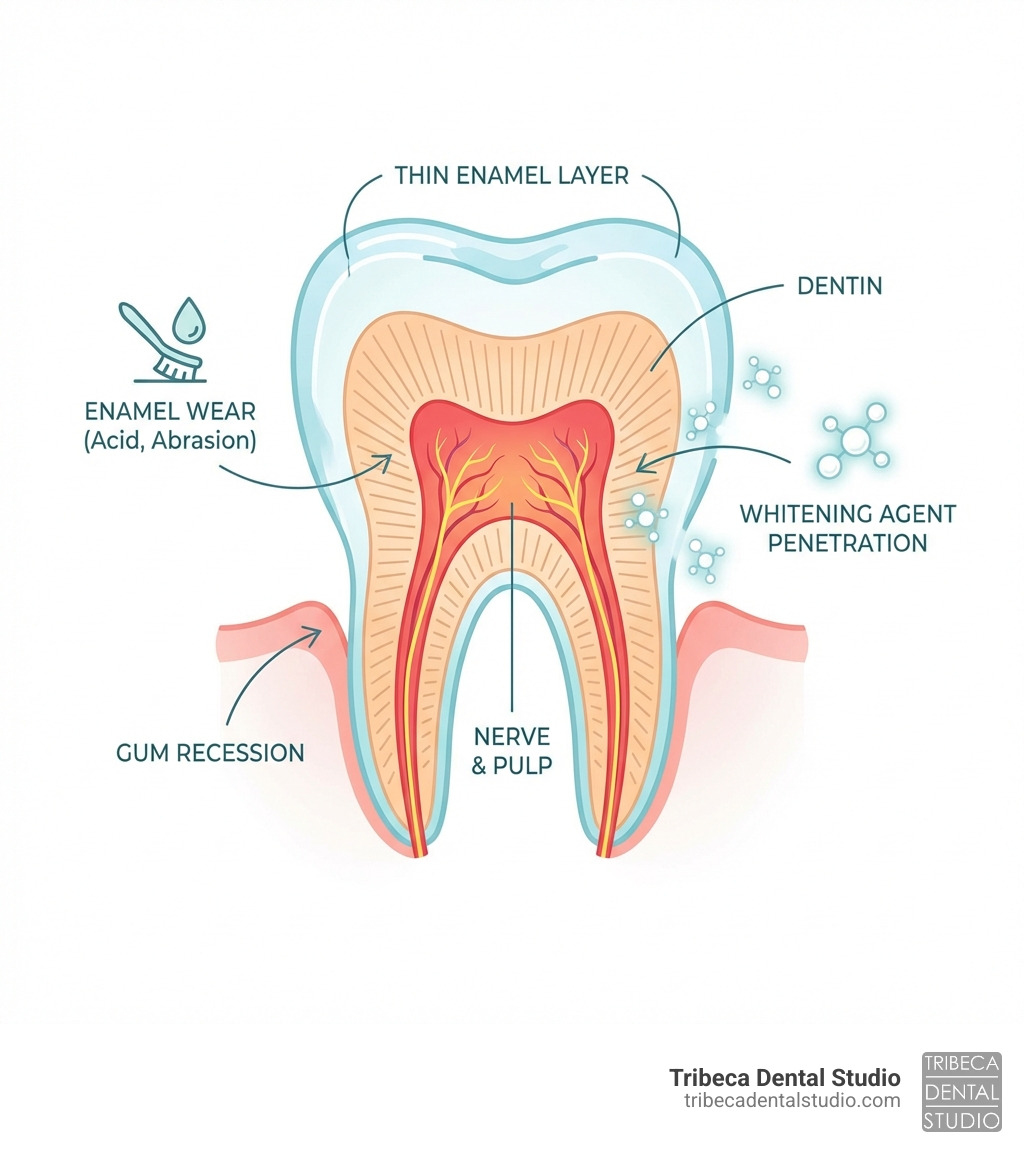
If you have sensitive teeth, finding a whitening product that won’t aggravate the problem and worsen your pain can be difficult. The sharp, brief sensations when consuming hot or cold foods after whitening happen because bleaching agents like hydrogen peroxide can penetrate enamel and expose underlying dentin and nerve endings.
But here’s the good news: you can probably whiten your sensitive teeth as long as you choose your method carefully.
The key is understanding what causes sensitivity in the first place. When the protective layer of enamel thins or gums recede, tiny tubes in the dentin lead directly to your tooth’s nerve center. Traditional whitening methods often use high concentrations of peroxide or abrasive particles that irritate these exposed nerves.
Modern whitening products solve this problem in several ways:
- Lower peroxide concentrations (like Crest’s 5.25% vs. standard 6.5%)
- Peroxide-free formulas using ingredients like coconut oil and essential oils
- Desensitizing agents such as potassium nitrate that block pain signals
- Nano-hydroxyapatite that actually repairs and strengthens enamel
The research shows results. Clinical studies demonstrate that Sensodyne Clinical White can whiten teeth by up to two shades within just two weeks, while LED whitening kits like Snow Diamond provided visible brightening after just one use—all without the typical sensitivity issues.
I’m Dr. Nina Izhaky, founder of Tribeca Dental Studio, and I’ve spent years helping patients find the best whitening for sensitive teeth that delivers results without discomfort. My modern, mercury-free practice focuses on personalized solutions that prioritize both your oral health and aesthetic goals.
Understanding Tooth Sensitivity and Whitening
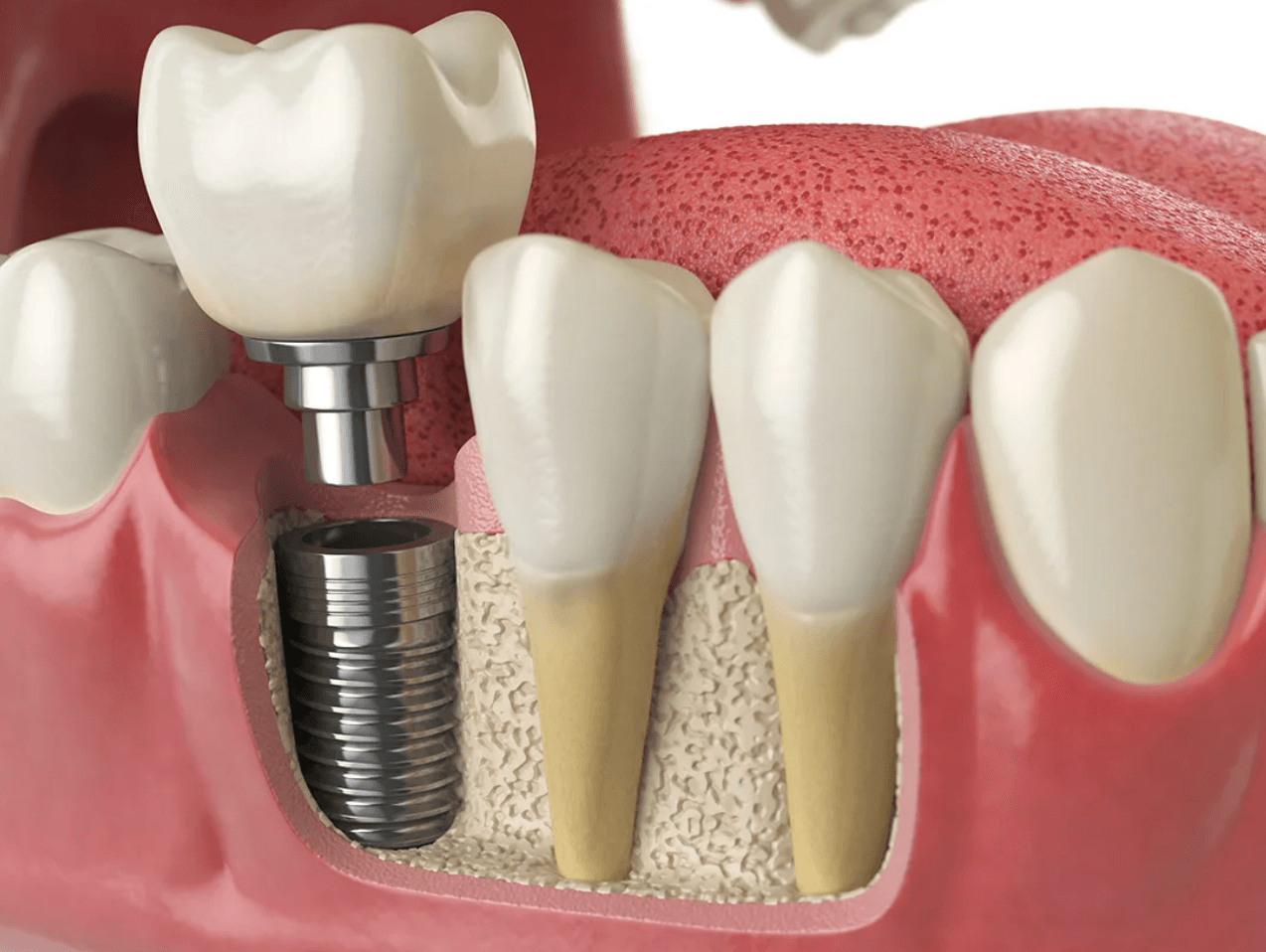
Before we dive into the best whitening solutions, let’s first understand why our teeth become sensitive, especially when it comes to whitening. Tooth sensitivity, often described as a sharp, fleeting pain, occurs when the inner layer of the tooth, called the dentin, becomes exposed.
Normally, a protective layer of enamel covers the dentin above the gum line, and cementum covers it below. However, several factors can lead to this exposure:
- Enamel Erosion or Wear: This can happen from aggressive brushing, acidic foods and drinks, teeth grinding (bruxism), or even just normal wear and tear over time. When enamel thins, the dentin’s microscopic tubules are no longer adequately protected.
- Receding Gums: Gum recession, often caused by periodontal disease, bruxism, or aggressive brushing, exposes the root surface of the tooth where dentin is covered by a thinner layer of cementum, making it more vulnerable.
- Cracked or Chipped Teeth: Damage to the tooth can create pathways to the dentin and pulp.
- Tooth Decay (Cavities): As decay progresses, it can expose the dentin.
- Dental Procedures: Sometimes, sensitivity can temporarily increase after procedures like fillings or cleanings.
We’ve discussed this in more detail in our guide, Why Does My Tooth Hurt When I Chew? Common Causes, Fast Relief.
Now, how does this relate to teeth whitening? Most effective whitening treatments use agents like hydrogen peroxide or carbamide peroxide. These agents penetrate the enamel and break down stain molecules. While doing so, they can also temporarily increase the porosity of the enamel and affect the fluid within the dentin tubules. This allows external stimuli (like cold air or the whitening gel itself) to reach the nerve inside the tooth more easily, causing that familiar “zing” of sensitivity. Some LED whitening lights can also contribute to sensitivity by dehydrating the teeth.
But don’t despair! The good news is that dental science has come a long way in developing methods and ingredients that allow us to achieve a brighter smile without the “ouch” factor. These advancements focus on:
- Desensitizing Ingredients: Ingredients like potassium nitrate work by calming the nerves inside the tooth, blocking the pain signals. Fluoride also helps by strengthening and remineralizing the enamel, making it more resistant to sensitivity. Sensodyne, for example, backs its Pronamel line with 17 years of scientific research on enamel protection.
- Nano-hydroxyapatite (n-Ha): This innovative ingredient is a synthetic version of the mineral that naturally makes up our tooth enamel. It works by filling in microscopic imperfections and tubules in the enamel, effectively rebuilding and strengthening the tooth structure, which naturally reduces sensitivity. Research shows n-Ha can reduce tooth sensitivity in as little as two weeks.
- Peroxide-Free Formulations: Some products opt for alternative whitening agents, such as essential oils (coconut oil, sage oil, lemon peel oil) or enzymes (papain, glucose oxidase), to lift stains without using peroxide, minimizing sensitivity risks.
- Lower Concentrations: Many products designed for sensitive teeth use lower concentrations of peroxide, allowing for a more gradual and gentler whitening process.
Understanding these mechanisms empowers us to choose the best whitening for sensitive teeth that suits our individual needs.
The Best Whitening for Sensitive Teeth: A Roundup of Gentle Options
When it comes to achieving a brighter smile with sensitive teeth, we have a variety of options, from daily at-home solutions to professional treatments. Each comes with its own set of pros and cons, and understanding them will help us make the right choice.
Desensitizing & Whitening Toothpastes
Whitening toothpastes designed for sensitive teeth are often our first line of defense. They offer a dual-action approach: gently removing surface stains while simultaneously providing sensitivity relief.
How They Work:
These toothpastes employ a few key strategies:
- Gentle Abrasives: Unlike harsher whitening toothpastes, these formulations use mild abrasives like hydrated silica or alumina to gently polish away surface stains without excessively eroding enamel. The RDA (Relative Dentin Abrasion) score is a good indicator of a toothpaste’s abrasiveness, with lower numbers being gentler.
- Chemical Stain Removers: Some toothpastes, like Sensodyne Clinical White, use ingredients such as sodium tripolyphosphate to chemically dissolve stain molecules, rather than just scrubbing them off.
- Potassium Nitrate: This common desensitizing agent works by reaching the nerve inside the tooth and blocking its ability to transmit pain signals, providing effective relief from sensitivity.
- Nano-hydroxyapatite (n-Ha): As mentioned, n-Ha helps remineralize and repair enamel, filling microscopic tubules and strengthening the tooth structure. Brands like Boka Ela Mint n-Ha and RiseWell use this innovative ingredient for a natural approach to whitening and sensitivity relief.
Pros:
- Dual-Action: You get both whitening and sensitivity protection in one product.
- Affordable & Accessible: Generally the most budget-friendly and widely available option.
- Easy to Use: Simply replace your regular toothpaste.
- Gradual & Gentle: Results are achieved slowly, minimizing the risk of sensitivity flare-ups.
Cons:
- Gradual Results: Don’t expect dramatic, immediate changes. Whitening can take 2-4 weeks, with some natural options taking 3-4 weeks.
- Surface Stains Only: Primarily effective on extrinsic (surface) stains. They won’t change the intrinsic color of your teeth.
Our Top Picks & Insights:
- Sensodyne Clinical White: This is often our top recommendation for sensitive teeth. Clinical studies show it can whiten teeth by up to two shades within just two weeks. It uses sodium tripolyphosphate and alumina for whitening, alongside potassium nitrate and sodium fluoride for sensitivity relief and enamel strengthening. Users online consistently rate it highly for effectiveness and comfort.
- Sensodyne Pronamel Gentle Whitening: A slightly less aggressive but highly comfortable option, this toothpaste relies on potassium nitrate to calm nerves and fluoride to strengthen enamel while mild abrasives lift stains. It’s a great choice for those with extremely sensitive teeth.
- Boka Ela Mint n-Ha: For those seeking a natural, fluoride-free approach, Boka uses nano-hydroxyapatite to remineralize teeth and gently whiten. Users report reduced sensitivity to hot and cold after a few weeks.
- RiseWell Natural Hydroxyapatite Toothpaste: Another dentist-formulated option with hydroxyapatite, it’s praised for its ability to strengthen enamel and reduce sensitivity. Research suggests hydroxyapatite can be as effective as, or even superior to, fluoride for remineralizing teeth.
- Opal by Opalescence Sensitivity Relief Whitening Toothpaste: From a brand known for professional whitening, this toothpaste brings that expertise to daily care. While specific studies on the toothpaste are less common, Opalescence whitening products generally do not weaken tooth enamel, which is a big plus for sensitive teeth.
Gentle At-Home Whitening Strips and Kits
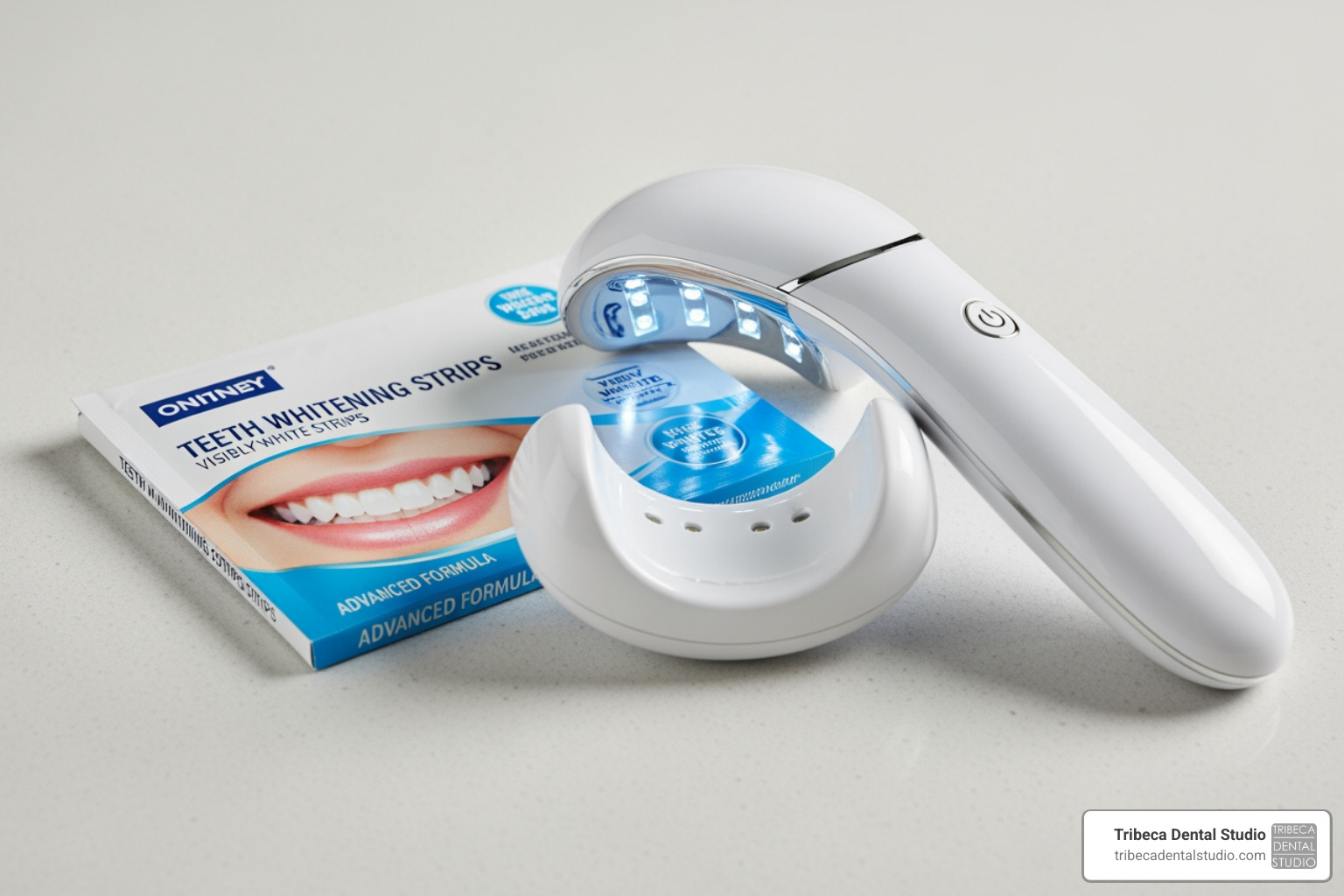
For a step up in whitening power from toothpastes, gentle whitening strips and at-home kits offer more noticeable results. The key is choosing those specifically formulated for sensitive teeth.
How They Work:
- Lower Peroxide Concentration: Many sensitive-friendly strips, like Crest Whitestrips for Sensitive Teeth, contain a lower percentage of hydrogen peroxide (e.g., 5.25% compared to standard 6.5%). This reduces the intensity of the whitening agent, leading to less sensitivity.
- Peroxide-Free Options: Brands like Lumineux Whitening Strips use natural ingredients such as coconut oil, sage oil, lemon peel oil, and Dead Sea salt to lift stains without any peroxide. This makes them an excellent choice for those who react strongly to peroxide.
- LED Light Technology: Some kits combine whitening gels (often with lower peroxide levels) with an LED light. The light is thought to accelerate the whitening process. Products like the Snow Diamond Wireless Teeth Whitening Kit and Colgate Optic White ComfortFit LED Teeth Whitening Kit offer this combination. While LED lights can potentially dehydrate teeth and increase sensitivity, newer designs are often formulated to mitigate this, and the gels used are typically enamel-safe.
Pros:
- Noticeable Results: Generally provide more significant whitening than toothpastes alone. Clinical studies show Lumineux Whitening Strips can whiten by approximately two shades after two to three applications. Crest 3D Whitestrips Radiant Express are designed to start working immediately, with many users seeing visible whitening after just one hour.
- Convenient: Easy to use in the comfort of your home.
- Variety of Options: Strips, trays, and LED kits cater to different preferences.
Cons:
- Potential for Sensitivity: Even with sensitive formulations, some individuals may still experience temporary discomfort.
- Uneven Application: Strips or trays might not cover all tooth surfaces perfectly, potentially leading to uneven results.
- Contact Time: Requires dedicated time for application (e.g., 30 minutes daily for strips).
For a deeper dive into how these methods work, you can read our article on Teeth Whitening Myths Debunked: What Really Works for a Brighter Smile.
Our Top Picks & Insights:
- Crest 3DWhitestrips Sensitive + LED Light: A popular choice, this combines lower peroxide strips with an LED light. Testers reported a two-shade difference in just five days, with full results in about two weeks, experiencing minimal sensitivity.
- Lumineux Whitening Strips: An influencer favorite, these peroxide-free strips use essential oils to lift stains without enamel damage or sensitivity, making them ideal for very sensitive teeth.
- Snow Diamond Wireless Teeth Whitening Kit: This LED kit offered immediate whitening, brightening teeth one shade after the first use, without discomfort or sensitivity for many users.
- Crest Whitening Emulsions: This leave-on treatment provides noticeable lightening by two shades and is designed to be gentle, even for those with gum sensitivity.
- Colgate Optic White ComfortFit LED Teeth Whitening Kit: This kit claims to remove 10 years of stains in just three days of daily 10-minute use, leveraging advanced purple wavelength technology for amplified bleaching power while being enamel-safe.
The best whitening for sensitive teeth: Whitening Pens
Whitening pens offer a precise and convenient way to whiten teeth, especially for touch-ups or targeting specific stained areas. They are a great option if you’re looking for portability and ease of use without the fuss of strips or trays.
How They Work:
Whitening pens contain a gel, often with a lower concentration of hydrogen peroxide or a peroxide-free formula, which is dispensed onto a brush applicator. You then “paint” the gel directly onto your teeth. The gel dries quickly, forming a film that stays on your teeth, allowing the active ingredients to work over time. Some pens, like the Colgate Optic White Overnight Pen, are designed to be left on overnight for extended contact time.
Pros:
- Targeted Application: Ideal for addressing specific stains or areas that strips might miss.
- Portability & Convenience: Small and easy to carry, perfect for on-the-go touch-ups.
- Precision: Allows for more controlled application compared to strips.
- Leave-On Formula: Many are designed to be left on, giving the active ingredients more time to work, potentially leading to better results with gentler formulas. Lumineux even suggests applying their pen 60 seconds before consuming staining liquids for temporary protection.
Cons:
- Best for Minor Stains/Touch-ups: While effective, they may not provide the dramatic, overall whitening of strips or professional treatments.
- Difficult to Apply Evenly: Achieving a perfectly even coat across all tooth surfaces can be challenging.
Our Top Picks & Insights:
- Lumineux Bright Pen: This peroxide-free pen uses essential oils to gently whiten. Users noticed teeth becoming a shade lighter within two weeks without increased sensitivity or irritation. It’s also great for temporary stain prevention.
- VieBeauti Tooth Whitening Pens: Recommended for a pain-free whitening option, these pens are enamel-safe and easy to use daily, even when traveling.
- Colgate Optic White Overnight Pen: This pen stands out for its unique overnight formula, which stays on teeth much longer than competitors, maximizing the contact time for its active ingredients. It provides visible results in less than a week with consistent use.
Professional Teeth Whitening for Sensitive Teeth
When considering the best whitening for sensitive teeth, professional treatments offered by your dentist in Manhattan, NYC are often the safest and most effective choice, especially for those with significant sensitivity or stubborn stains.
How They Work:
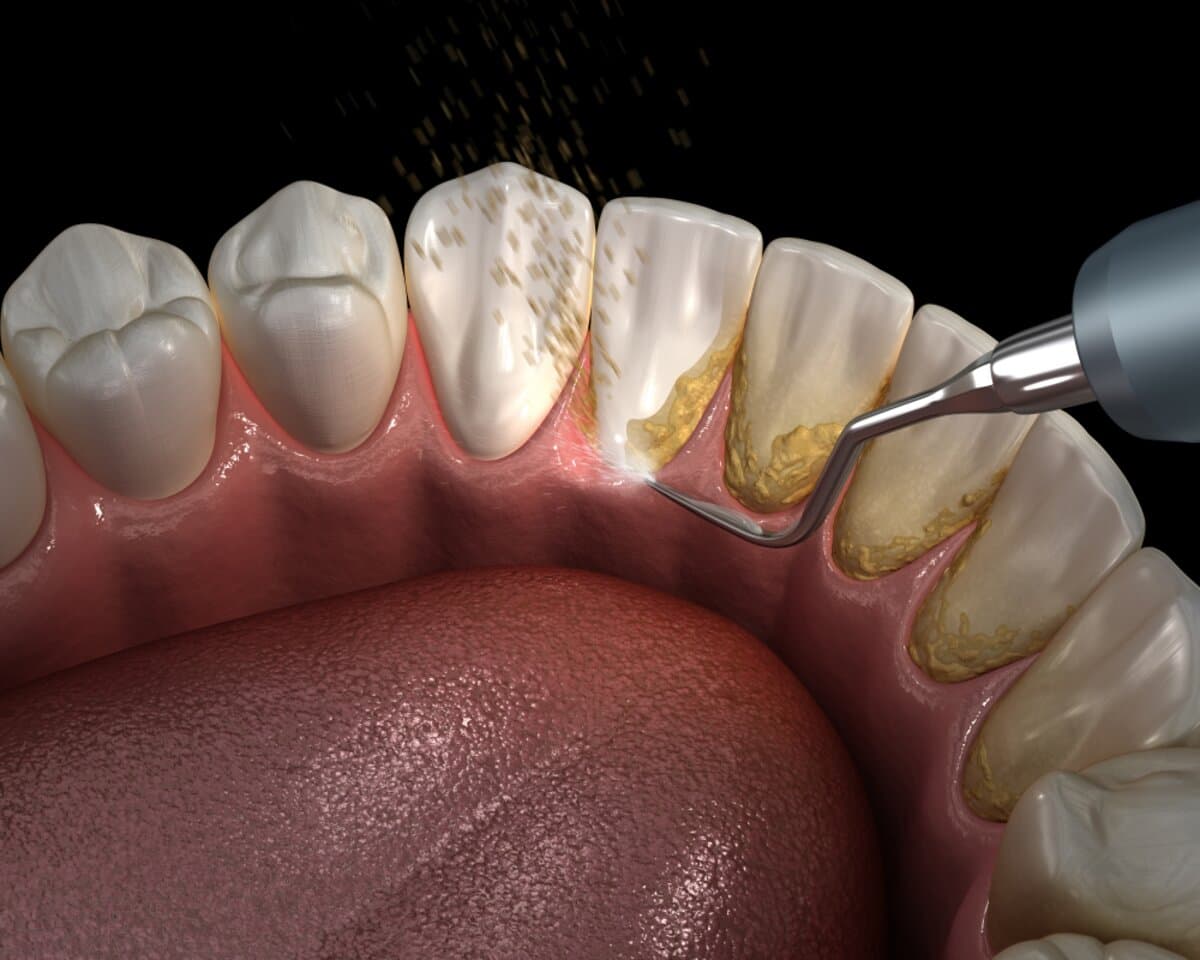
- In-Office Whitening: During an in-office session, a higher concentration of whitening gel (hydrogen peroxide or carbamide peroxide) is applied to your teeth. However, the process is carefully controlled by your dentist. We protect your gums and other soft tissues with a barrier, ensuring only your teeth are exposed to the whitening agent. We can also apply medical-grade desensitizing treatments before, during, or after the procedure to minimize discomfort. Treatments can be administered in gentle increments, and we can adjust the strength and duration based on your sensitivity levels. For deeper, intrinsic stains, specialized systems like KÖR Whitening can provide exceptional results, with some patients achieving up to 16 shades whiter.
- Custom Take-Home Trays: Your dentist can create custom-fitted whitening trays based on impressions of your teeth. These trays ensure the whitening gel (which is typically a lower concentration than in-office treatments but stronger than OTC products) fits snugly and evenly over your teeth, preventing leakage onto your gums. We can prescribe gels that contain desensitizing agents like potassium nitrate or fluoride, further protecting your sensitive teeth.
Pros:
- Safest Option: Performed under professional supervision, minimizing risks of gum irritation or excessive sensitivity.
- Fastest & Most Dramatic Results: Professional treatments can deliver significant whitening (3-8 shades, sometimes more) in just one visit.
- Customized for Sensitivity: Your dentist can tailor the treatment plan, including concentrations and desensitizing agents, specifically for your sensitive teeth.
- Even & Comprehensive Whitening: Ensures all visible tooth surfaces are treated uniformly.
- Addressing Underlying Issues: A dentist can assess and address any underlying causes of sensitivity or other dental issues before whitening.
Cons:
- Highest Cost: Generally more expensive than at-home options.
- Time Commitment: Requires scheduling appointments.
For those seeking the most impactful and controlled whitening experience, especially with sensitivity concerns, professional treatment is often the Most Effective Way to Whiten Teeth. We invite you to Discover the Power of Professional Teeth Whitening at Tribeca Dental Studio and see what’s possible for your smile.
Tips to Minimize Sensitivity During and After Whitening
Even with products specifically designed for sensitive teeth, it’s wise to take extra precautions to ensure your whitening journey is as comfortable as possible. Here are our top tips for minimizing discomfort:
- Use a Desensitizing Toothpaste Beforehand: Start brushing with a toothpaste specifically for sensitive teeth (containing potassium nitrate or nano-hydroxyapatite) for at least two weeks before beginning any whitening treatment. This helps build up protection.
- Whiten Every Other Day (or Less): If you’re using at-home strips or kits, consider whitening every other day instead of daily, or even reducing the treatment time. This gives your teeth a chance to recover.
- Follow Instructions Carefully: Never leave whitening products on longer than recommended. Overuse is a primary cause of increased sensitivity and gum irritation.
- Avoid Hot and Cold Extremes: During your whitening period, try to avoid extremely hot or cold foods and beverages, as these can trigger sensitivity.
- Post-Whitening Care: After your whitening session, rinse your mouth with water and consider applying a thin layer of your desensitizing toothpaste directly to any sensitive areas and leaving it on for a few minutes.
- Use a Soft-Bristled Toothbrush: Brush gently with a soft-bristled brush to avoid irritating your gums and enamel.
- Stay Hydrated: Drinking plenty of water helps maintain oral health and can contribute to enamel strength.
- Take Breaks: If sensitivity becomes uncomfortable, take a break from whitening for a few days or even a week, then resume when your teeth feel better.
Our goal at Tribeca Dental Studio is always Pain-Free Dentistry, and that extends to your cosmetic treatments as well. If sensitivity persists or becomes severe, please don’t hesitate to contact us.
Frequently Asked Questions about Whitening Sensitive Teeth
We often hear many questions from our patients in Manhattan, NYC about whitening their sensitive teeth. Let’s address some of the most common concerns.
Will whitening damage the enamel on my sensitive teeth?
When used correctly, most quality whitening products, especially those approved by the American Dental Association (ADA) and designed for sensitive teeth, are safe and will not damage your enamel. The temporary increase in sensitivity is usually due to the whitening agents temporarily increasing the porosity of the enamel and affecting the fluid in the dentin tubules, not permanent damage.
However, misuse or overuse can lead to issues. Leaving products on for too long, using concentrations that are too high for your teeth, or using abrasive products can potentially irritate gums or even cause enamel wear over time. This is where professional supervision becomes invaluable. With professional treatments, we ensure your gums are protected, and the strength and duration of the whitening agent are carefully controlled to prevent any harm. Products like those from Opalescence are specifically noted for not weakening tooth enamel.
How long does it take to see results with the best whitening for sensitive teeth?
The timeline for seeing results can vary significantly depending on the type of product and the initial shade of your teeth:
- Desensitizing & Whitening Toothpastes: These are the slowest, typically showing noticeable results within 2 to 4 weeks of consistent use. Sensodyne Clinical White, for example, can whiten teeth by up to two shades within just two weeks, while others like Tom’s of Maine Whiten+ might take 3-4 weeks.
- Gentle At-Home Whitening Strips and Kits: You can expect results faster than with toothpaste. Many users report noticeable changes within 1 to 2 weeks. Some quick-acting strips, like Crest 3D Whitestrips Radiant Express, can show visible whitening after just one hour-long application. LED kits, such as Snow Diamond, can provide an immediate brightening effect (one shade) after the first use, with more significant results over a few days or weeks. Colgate Optic White ComfortFit LED claims to remove 10 years of stains in just three days.
- Whitening Pens: Similar to strips, pens can show results within 2 to 3 weeks. The Lumineux Bright Pen, for instance, showed teeth becoming a shade lighter within two weeks.
- Professional Treatments: These are the fastest. You can often see dramatic results (3-8 shades lighter) in just one single visit to our Tribeca dental office.
Consistency is key for all methods, and individual results will always vary based on factors like diet, lifestyle, and initial tooth discoloration.
Do natural teeth whitening methods work for sensitive teeth?
Many “natural” teeth whitening methods are often touted as gentle alternatives, but we urge caution, especially for sensitive teeth. While some natural ingredients may offer mild stain removal, they are often significantly less effective than proven whitening agents and can sometimes be harmful.
- Baking Soda: While mildly abrasive and capable of removing some surface stains, overuse can be too abrasive for sensitive enamel and gums.
- Activated Charcoal: This is a method we strongly advise against. Activated charcoal is highly abrasive and can wear down your enamel, making your teeth more sensitive and potentially revealing the yellowish dentin underneath, making your teeth appear darker over time. It also lacks scientific evidence for intrinsic whitening and can interfere with the benefits of fluoride. Our expert, Dr. Solomon, generally advises patients to avoid charcoal toothpaste for whitening due to these risks.
- Fruit Peels (e.g., Lemon, Orange): The acidity in these fruits can erode enamel, leading to increased sensitivity and potential damage.
For truly safe and effective natural or alternative whitening for sensitive teeth, we recommend looking for peroxide-free products that use essential oils or innovative ingredients like nano-hydroxyapatite. These offer gentler stain removal and sensitivity relief without the risks associated with abrasive or acidic natural remedies. You can learn more in our Natural Teeth Whitening: Complete Guide.
Conclusion: Your Bright, Comfortable Smile Awaits
Navigating teeth whitening with sensitive teeth can feel like a challenge, but as we’ve explored, a bright, confident smile is absolutely within reach – without the discomfort. The best whitening for sensitive teeth comes down to understanding your unique oral health needs and choosing products and methods that prioritize both effectiveness and gentleness.
Whether you opt for the daily maintenance of a desensitizing whitening toothpaste, the targeted approach of a whitening pen, the convenience of gentle at-home strips and kits, or the transformative power of professional in-office whitening, there’s a solution custom for you. Key ingredients like potassium nitrate and nano-hydroxyapatite are revolutionizing how we approach whitening for sensitive smiles, offering both protection and results.
The most important step is to consult with a dental professional. At Tribeca Dental Studio, we pride ourselves on a personalized approach to dentistry, treating every patient like family. Our team, led by Dr. Nina Izhaky, is dedicated to providing comprehensive, advanced, and welcoming oral healthcare. We can assess the cause of your sensitivity, recommend the most suitable whitening options, and guide you through the process to ensure a comfortable and successful outcome.
Don’t let sensitivity hold you back from the smile you deserve. Explore our Cosmetic Dentistry services. For a personalized consultation on the best and safest whitening treatment for your sensitive teeth, explore our teeth whitening services. Let us help you achieve a radiant smile, comfortably and confidently.