Tooth health
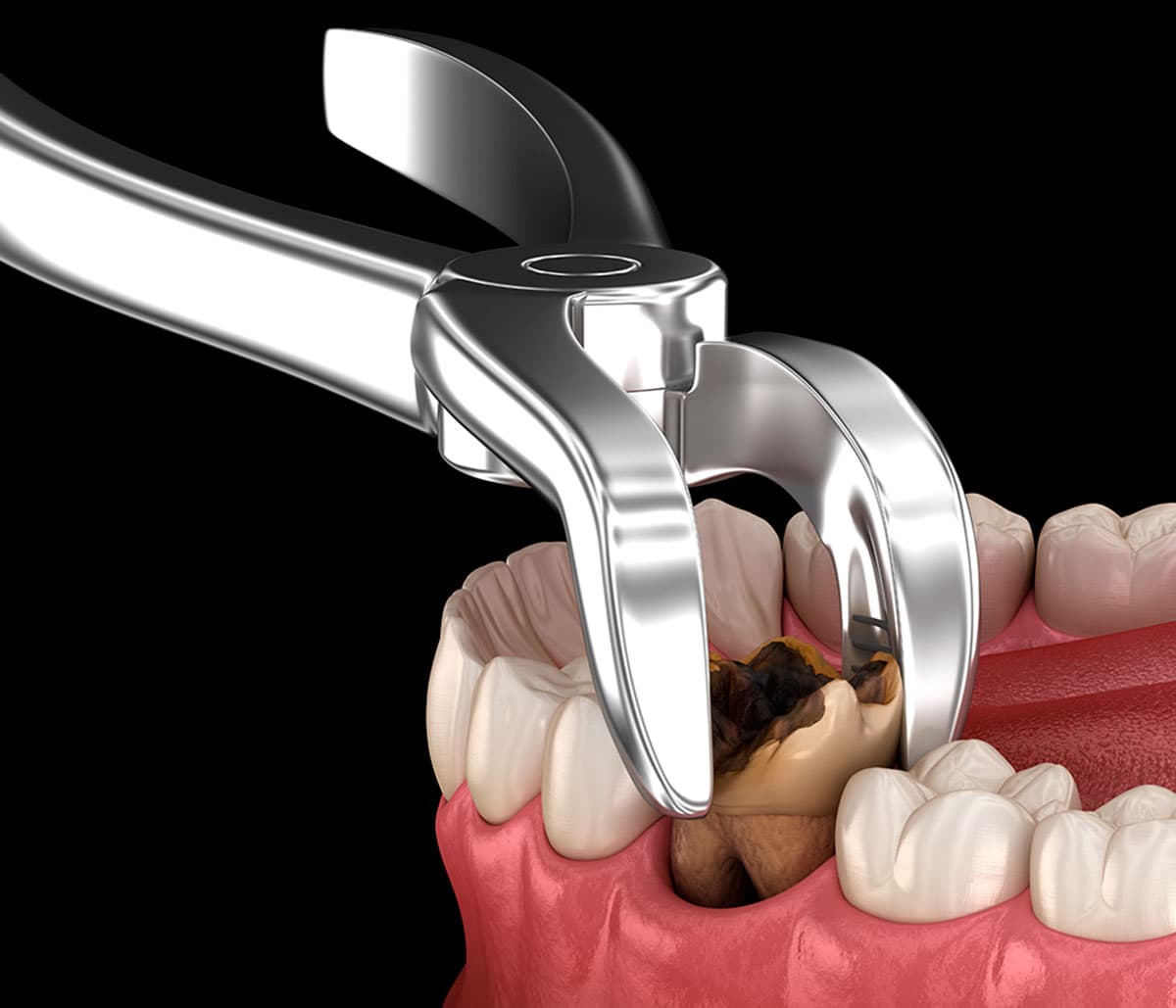
The tooth should be evaluated for decay, deeper fractures, old restorations, and structural weakness before cosmetic bonding is planned.
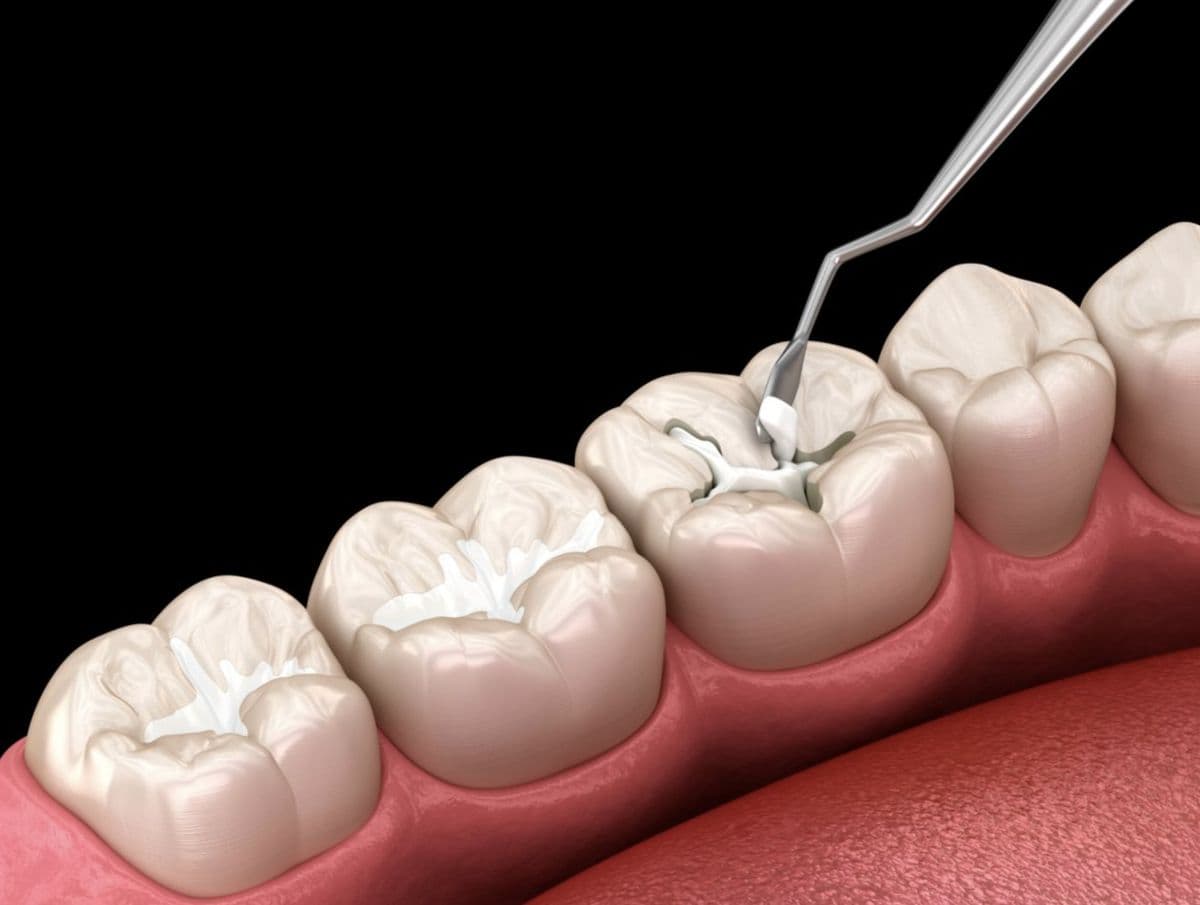
Direct composite dental bonding is a conservative way to refine selected small chips, gaps, worn edges, and tooth-shape irregularities. Tooth-colored resin is applied directly to the tooth, sculpted chairside, hardened with a curing light, and polished to coordinate with the surrounding smile.
Because not every chip, gap, discoloration, or worn tooth is a bonding case, the first step is an evaluation of tooth structure, bite, gum health, and your cosmetic goals.
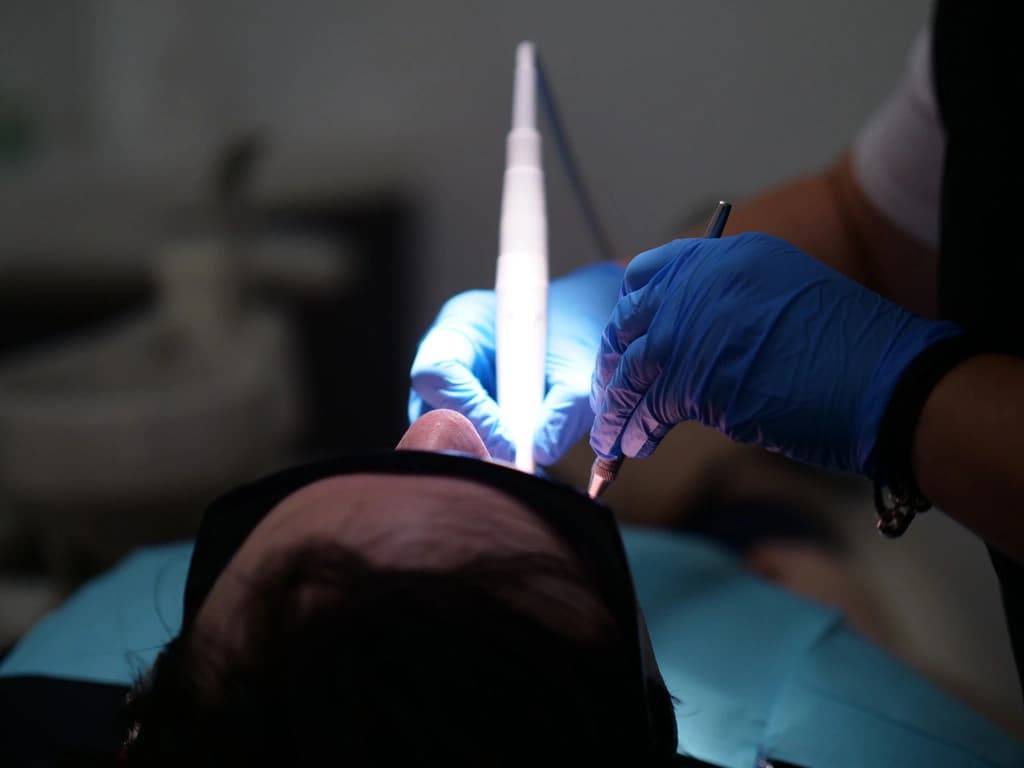
Designed for selective, conservative smile refinements rather than one-size-fits-all cosmetic treatment.
The short answer
Dental bonding repairs small chips, gaps, and worn edges in a single visit — no drilling, no temporaries, no waiting. We sculpt tooth-colored composite directly onto your tooth and polish it to blend in. It's the most conservative cosmetic fix we offer, ideal when the change you want is small but the difference it makes isn't.
Direct bonding does not require a laboratory-made restoration. Appointment length depends on the number of teeth and complexity of the planned changes.
Many cosmetic bonding cases can be performed with limited alteration of healthy tooth structure, although preparation varies by case.
Composite resin can be selected and layered to coordinate with neighboring enamel while reshaping a targeted area.
Dental bonding uses a tooth-colored resin composite that is applied directly to the tooth. Unlike a laboratory-made porcelain veneer, the dentist builds the restoration chairside, shaping the material to refine a specific contour or replace a small missing portion of tooth structure.
The same broad class of resin-based composite materials is also used in direct tooth-colored restorations. The clinical goal, preparation, layering, and load on the restoration determine whether bonding is suitable for a particular tooth.
Important: a visible chip can range from a superficial enamel defect to a deeper fracture. Cosmetic appearance alone does not show how much tooth structure is involved.
Bonding is generally considered for localized cosmetic or minor restorative changes when enough healthy tooth structure remains. A proper recommendation considers more than the front-facing appearance of the tooth.
The tooth should be evaluated for decay, deeper fractures, old restorations, and structural weakness before cosmetic bonding is planned.
Heavy grinding, clenching, nail biting, or using front teeth on hard objects can increase stress on composite edges.
Bonding works best for targeted refinements. Larger changes in color, alignment, or tooth position may call for another treatment approach.
Healthy, stable gum tissue helps the dentist evaluate tooth proportions and establish clean restoration margins.
The exact sequence varies with the tooth and goal, but direct composite bonding generally follows a conservative adhesive-restorative workflow.
If deeper damage, decay, or bite-related fracture is suspected, diagnostic imaging or another restorative plan may be recommended before cosmetic treatment.
Your dentist reviews the tooth, bite, neighboring teeth, shade, and the amount of change you want before recommending direct composite bonding.
Composite shades are selected to coordinate with the surrounding enamel. The tooth is cleaned and conservatively prepared as needed.
A controlled conditioning step and dental adhesive help the resin bond to the tooth surface.
The composite is placed in increments and sculpted to recreate contour, edge position, and natural proportions.
Each layer is hardened with a dental curing light according to the restorative material and technique being used.
The restoration is refined, the bite is checked, and the surface is polished for a smooth finish that integrates with neighboring teeth.
These treatments can overlap cosmetically, but they do not solve the same structural problems. The appropriate option depends on how much tooth needs to be changed or restored.
| Factor | Composite Bonding | Porcelain Veneers | Dental Crowns |
|---|---|---|---|
| Typical use | Localized chips, gaps, contour refinements | Broader anterior color and shape changes | More extensive structural restoration or full coverage |
| Fabrication | Directly sculpted chairside | Custom indirect ceramic restoration | Custom full-coverage restoration |
| Tooth preparation | Often limited; depends on the case | Varies by veneer design and tooth position | Usually greater because the restoration surrounds the tooth |
| Maintenance | May need polishing, repair, or replacement as it wears | Requires routine care and monitoring for chips or debonding | Requires routine hygiene and monitoring at the margins |
There is no single lifespan that applies to every composite bonding case. A small restoration on a protected surface experiences very different forces from a long incisal edge on a patient who grinds their teeth.
Instead of promising a fixed number of years, maintenance should focus on checking surface wear, color, edge integrity, contact between teeth, and the way the restoration meets the opposing bite.
A large fracture or heavily weakened tooth may need stronger structural coverage than a direct composite edge can provide.
Active decay or gum disease should be diagnosed and managed before elective cosmetic reshaping is prioritized.
Significant crowding, rotation, or bite discrepancies may be better addressed with orthodontic or multidisciplinary planning instead of adding material alone.
Severe grinding or repeated chipping can signal a force problem that should be considered before replacing the same edge again.
Tribeca Dental Studio is located at 54 Warren Street in New York, NY 10007. Patients considering cosmetic bonding can have the tooth, bite, neighboring restorations, and broader smile plan evaluated in one location in Tribeca.
For patients comparing bonding with whitening, porcelain veneers, tooth-colored fillings, or other cosmetic dentistry options, treatment sequencing can be planned before the final composite shade and contour are selected.
Dental bonding is a direct restorative and cosmetic technique that uses tooth-colored composite resin. The material is bonded to the tooth, shaped, light-cured, and polished to improve selected areas of shape, contour, or surface damage.
It may be a good option for a small chip when the remaining tooth is otherwise healthy and the fracture does not require a stronger restoration. A dental exam is needed to determine how deep the damage extends.
Composite can sometimes be added to the sides of teeth to reduce a small space. The bite, tooth proportions, gum health, and cause of the gap should be evaluated first so the result does not create an unfavorable contour.
Composite restorations can serve for years, but they are not permanent. Wear, staining, bite forces, grinding, diet, oral hygiene, and the size and location of the restoration all affect when polishing, repair, or replacement may be needed.
Many cosmetic bonding cases are very conservative and require little tooth reduction, but the exact preparation depends on the tooth, existing damage, old restorations, and the desired contour. It should not be described as universally no-prep or fully reversible.
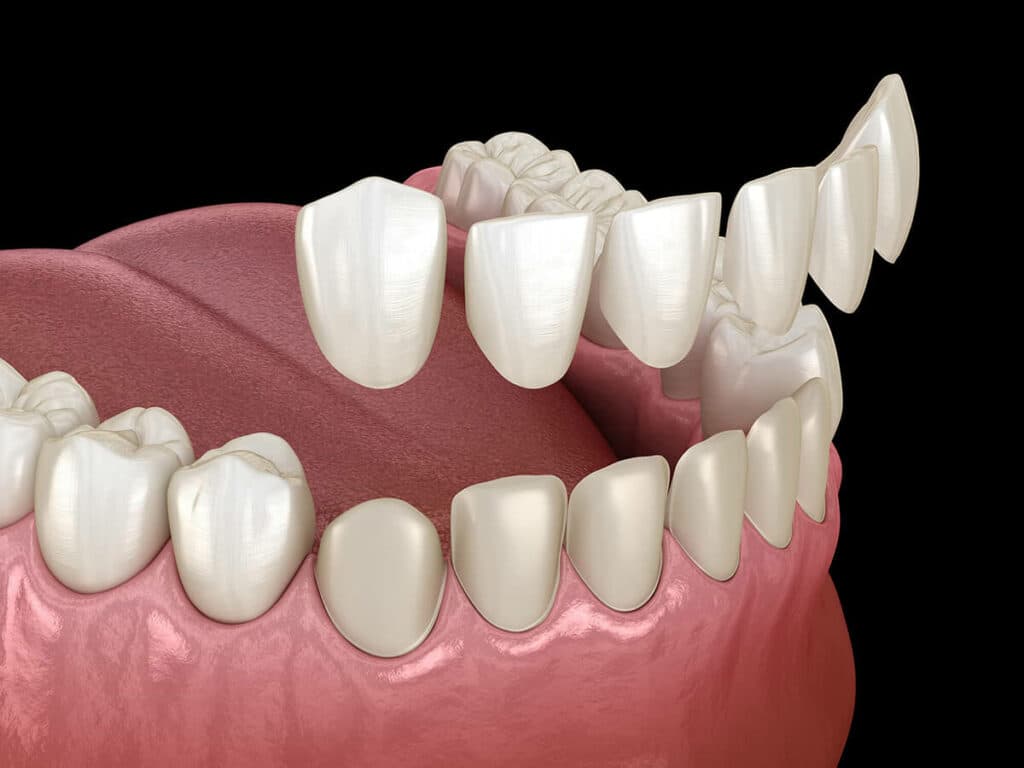
Bonding is placed directly with composite resin and is commonly used for localized changes. Porcelain veneers are laboratory-made coverings for the front of teeth and are generally considered for broader changes in color, form, or smile design. The right choice depends on tooth structure, goals, bite, maintenance expectations, and budget.
If whitening is part of your plan, it is often useful to discuss sequence before the composite shade is selected. Whitening changes natural tooth color but does not lighten existing composite in the same way.
Large fractures, extensive decay, major bite problems, severe tooth wear, significant misalignment, or heavy functional load may require a different restorative or orthodontic approach. The decision should follow an exam rather than appearance alone.
For broader changes in shape, color, proportion, or smile design.
Learn MoreDiscuss whitening before shade-matching new composite restorations when both treatments are planned.
Learn MoreComposite materials can also restore teeth affected by decay or small structural defects.
Learn MoreExplore a broader smile plan when more than one tooth or treatment type is involved.
Learn MoreSchedule an evaluation in Tribeca to compare direct composite bonding with veneers, whitening, fillings, or other options based on the condition of your teeth and the amount of change you want.