Speedy Smiles Your Guide to Quick At-Home Teeth Whitening
May 1, 2026
Why Quick Teeth Whitening at Home Actually Works
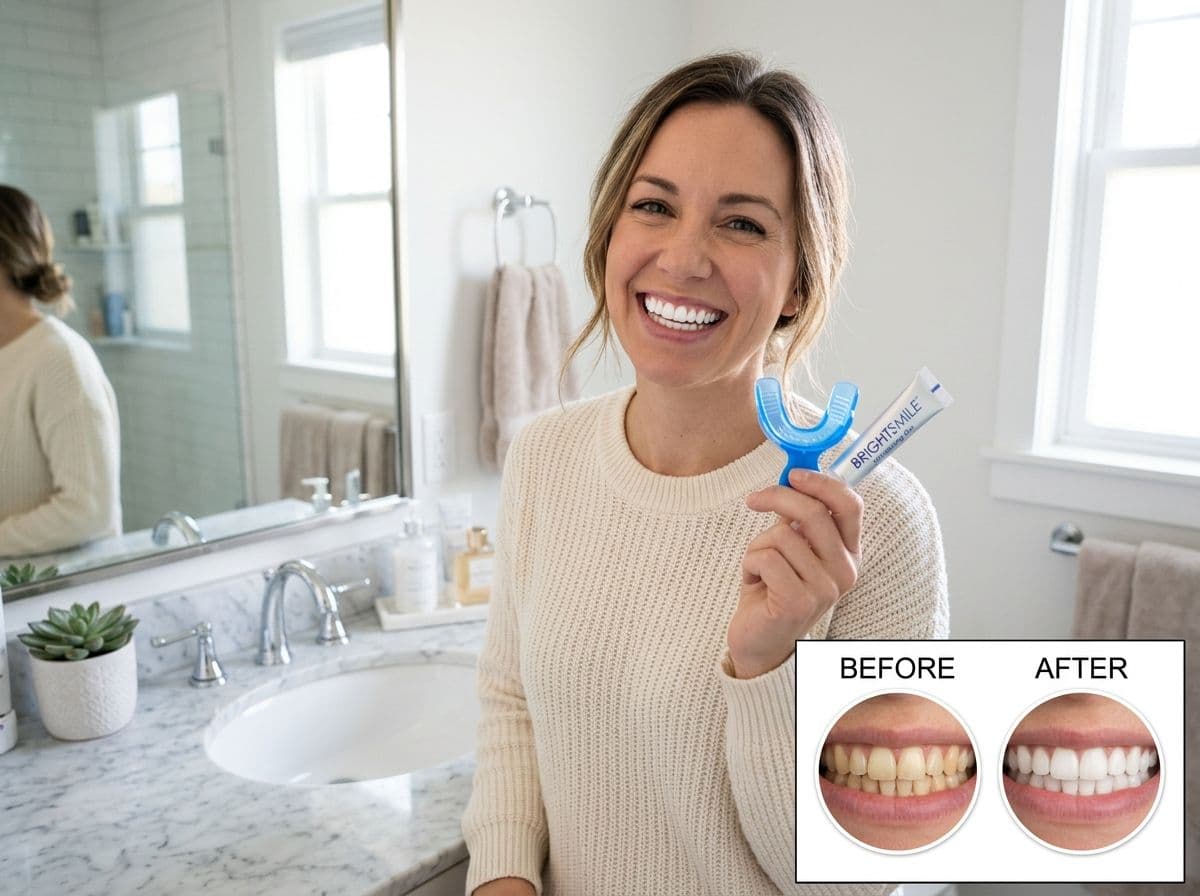
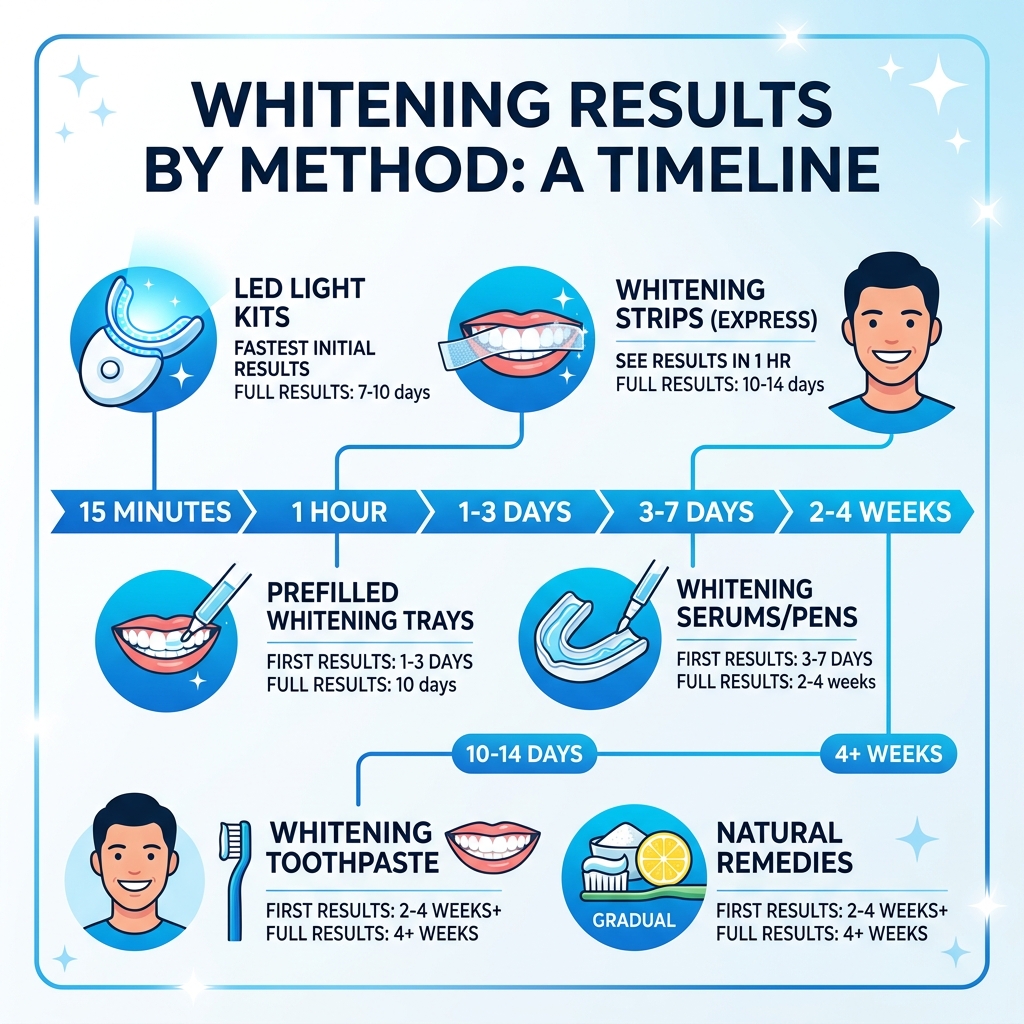
Quick teeth whitening at home is possible — and it works. Here are the fastest methods ranked by how soon you’ll see results:
| Method | First Results | Full Results |
|---|---|---|
| Whitening strips (express) | 1 hour | 10-14 days |
| LED light kits | 15-30 minutes | 7-10 days |
| Prefilled whitening trays | 1-3 days | 10 days |
| Whitening serums/pens | 3-7 days | 2-4 weeks |
| Whitening toothpaste | 2-4 weeks | 4+ weeks |
| Natural remedies (baking soda, etc.) | Gradual | 4+ weeks |
We all have that moment — you check the mirror before a big event and realize your smile isn’t quite as bright as you’d like. The good news? You don’t always need a dentist appointment to see a real difference. Over-the-counter whitening products have improved dramatically, with independent lab testing showing some strips whitening teeth by nearly 3 shades in under three weeks.
That said, not every method is created equal — and using the wrong product the wrong way can cause sensitivity, gum irritation, or even enamel damage.
I’m Nina Izhaky, a NYU College of Dentistry graduate and the founder of Tribeca Dental Studio, where I help patients find safe, embodiment solutions for quick teeth whitening at home and beyond. In the sections below, I’ll walk you through what actually works, what to avoid, and how to protect your smile in the process.
Quick teeth whitening at home further reading:
- best whitening for sensitive teeth
- natural teeth whitening
- professional teeth whitening for sensitive teeth
Choosing the Best Method for Quick Teeth Whitening at Home
When you are looking for quick teeth whitening at home, the sheer number of options can feel overwhelming. To choose correctly, we first need to understand the science of what is happening inside your mouth. Most effective whitening products rely on two main active ingredients: hydrogen peroxide or carbamide peroxide.
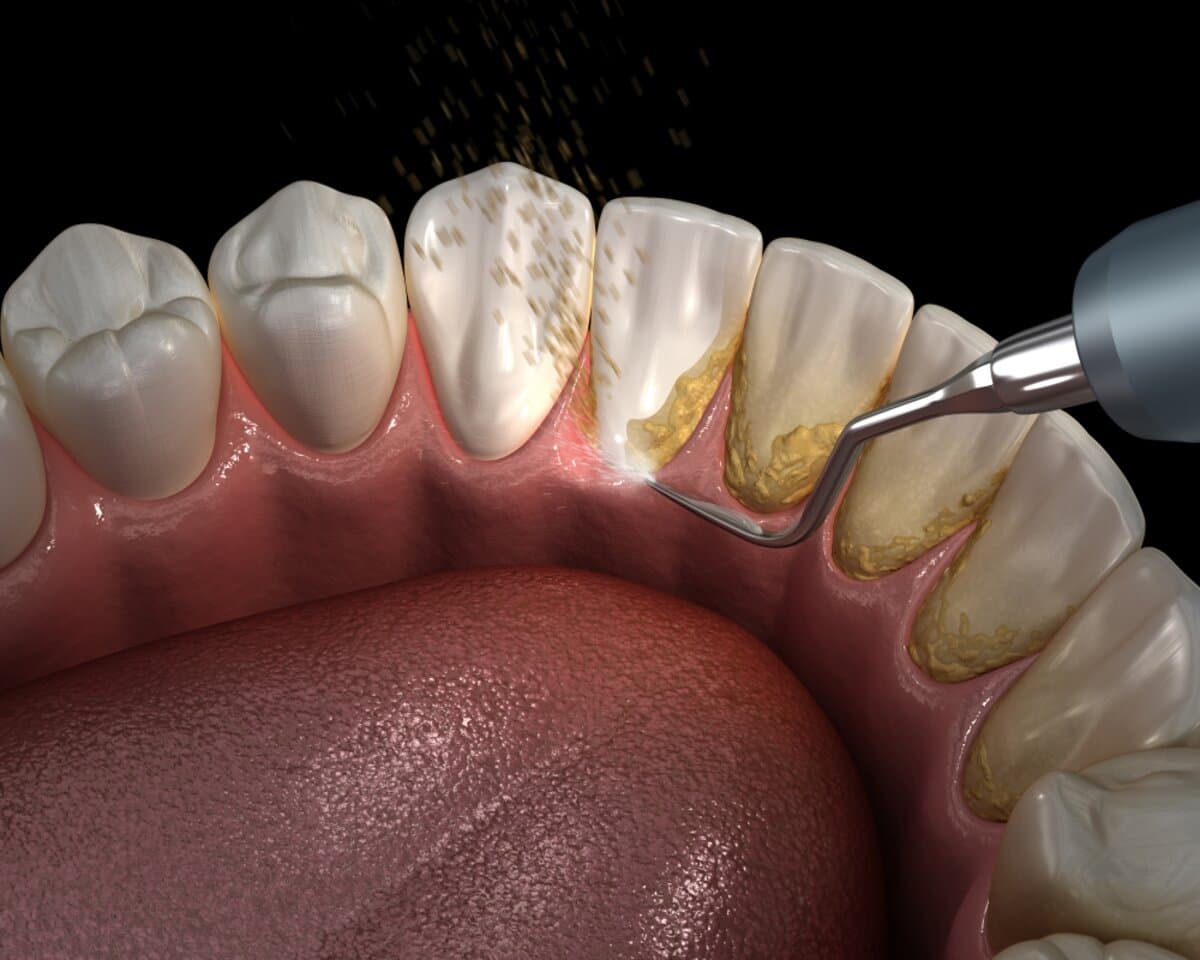
These chemicals work by releasing oxygen molecules that penetrate the porous surface of your enamel. Once inside, they break apart the chemical bonds of the molecules responsible for extrinsic discoloration (surface stains from things like coffee or tea). By breaking these bonds, the stains become smaller and less concentrated, making your teeth appear significantly brighter.
While many products claim to be the most effective way to whiten teeth, the “best” method usually depends on your specific goals, your budget, and how much time you have before that big event.
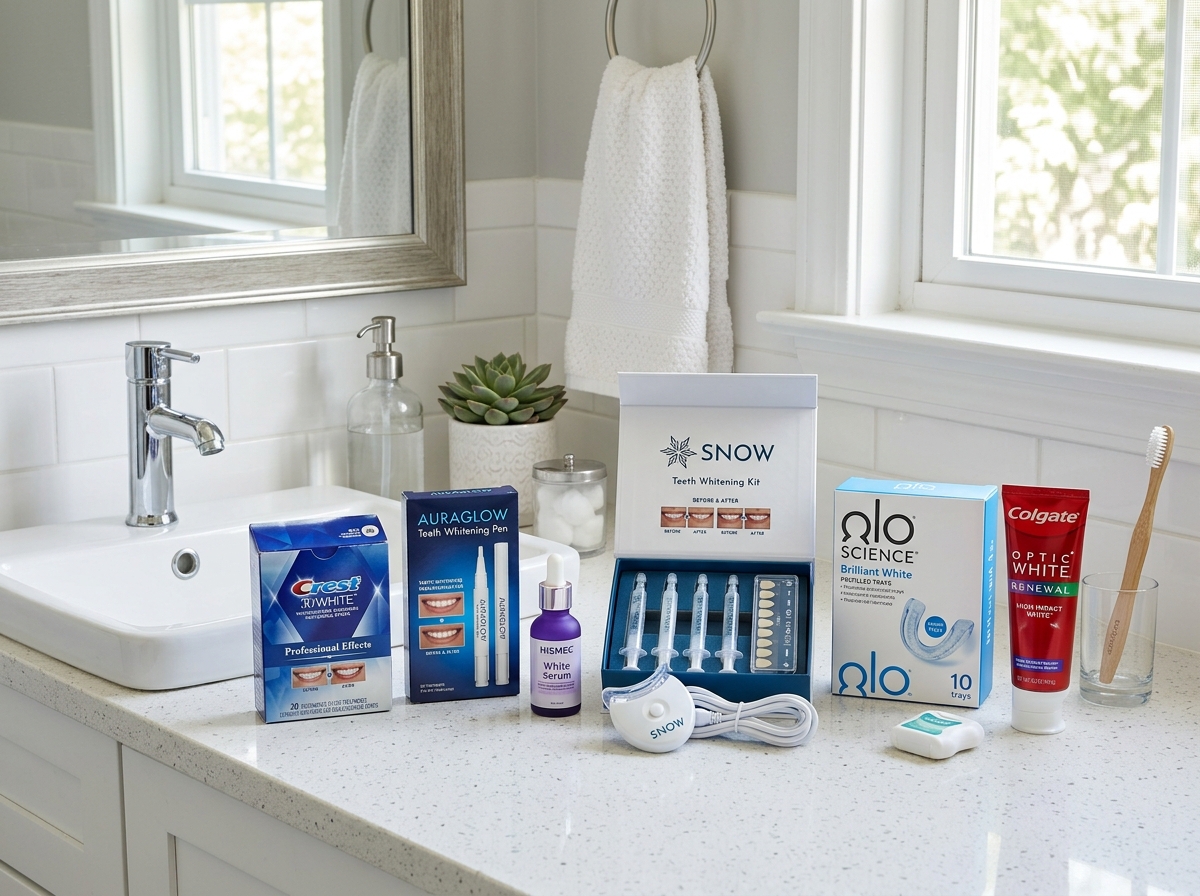
How long does quick teeth whitening at home take to show results?
The timeline for results varies wildly across delivery systems. If you need a “flash” result for a wedding tomorrow, you’ll want a different product than someone looking for a gradual, long-term shift.
- Immediate results (1 hour): High-impact strips like the “1-Hour Express” versions can lift surface stains in a single session.
- Short-term results (1-3 days): Prefilled trays and some LED kits can move your smile up several shades on a shade guide within just a few days of consistent use.
- Mid-term results (1-2 weeks): Products like the Crest 3D White Daily Whitening Serum have been shown in testing to whiten teeth by nearly 2.6 shades over a 14-day period.
- Long-term maintenance: Whitening toothpastes are great for maintenance but often take 4 weeks or longer to show even a one-shade difference.
Is quick teeth whitening at home safe for sensitive teeth?
This is the number one question we hear at our Tribeca office. Many people avoid whitening because they fear the “zingers” — those sharp, temporary pains caused by peroxide irritating the tooth nerve.
The good news is that 2026-era technology has made finding your perfect sensitive teeth solution much easier. Look for enamel-safe formulas that include:
- Potassium Nitrate: This ingredient helps block the transmission of pain signals from the tooth surface to the nerve.
- Hydroxyapatite: This is a naturally occurring mineral that can actually help repair and strengthen enamel during the whitening process, effectively “sealing” the pores that lead to sensitivity.
If you have highly sensitive teeth, we recommend choosing products with lower peroxide concentrations (around 3-6% hydrogen peroxide) or opting for “dissolvable” strips that reduce the total exposure time to just 15 minutes.
Top-Rated Delivery Systems for Fast Results
To get the most out of your quick teeth whitening at home, you need to understand the delivery system. How the gel stays on your teeth determines how evenly and quickly they will whiten.
| Product Type | Peroxide Concentration | Typical Wear Time | Best For |
|---|---|---|---|
| Express Strips | 10-14% Hydrogen Peroxide | 60 minutes | Last-minute events |
| LED Kits | 35% Carbamide Peroxide | 10-30 minutes | Tech-savvy users |
| Dissolvable Strips | 8-10% Hydrogen Peroxide | 15 minutes | On-the-go/Sensitive |
| Whitening Pens | Varies | 1-2 minutes | Spot treatments |
Professional-strength strips and serums
Whitening strips remain the gold standard for at-home use because they provide constant, direct contact with the tooth surface. Modern versions, such as Zimba Teeth Whitening Strips, utilize “no-slip technology.” This allows you to talk and even drink water while wearing them, ensuring the 10% concentration of whitening agent stays exactly where it belongs.
Serums are a newer innovation. These are often applied via a wand or pen and “dry” onto the teeth. They are excellent for people who find traditional strips uncomfortable or for those who want to target specific “darker” teeth in their smile.
LED light kits and dissolvable technology
If you want to speed things up, LED kits are a popular choice. The Crest 3D Whitestrips Professional Express White + Whitening Light uses a handheld blue light to accelerate the chemical reaction of the peroxide. While the light itself doesn’t whiten, the thermal reaction it creates helps the peroxide work more efficiently.
For those who hate the “slimy” feeling of removing strips, dissolvable technology is a game-changer. Products like the Rembrandt 1 Week Whitening Kit or newer 15-minute dissolving strips literally vanish in your mouth. You just “lick, stick, and shine,” with no messy cleanup required.
Natural Remedies and Lifestyle Shifts for Lasting Brightness
While chemical whiteners provide the fastest results, many of our patients ask for a natural teeth whitening complete guide to supplement their routine. Natural methods are generally safer for daily use but work much more slowly.
Dietary changes to prevent new stains
The most effective way to keep your teeth white is to prevent stains from forming in the first place. This starts with understanding natural yellow teeth causes.
- Crunchy Vegetables: Apples, carrots, and celery act as natural toothbrushes. Their abrasive texture scrubs away surface plaque and stains while you chew.
- Malic Acid: Strawberries contain malic acid, which can help dissolve superficial discolorations. (Just be sure to brush afterward, as they also contain sugar and citric acid!)
- Avoid Tannins: Dark liquids like coffee, red wine, and black tea are high in tannins, which “stick” to enamel. If you can’t give them up, try drinking through a straw or rinsing with water immediately after.
- Mouthwash: You might wonder, does whitening mouthwash work? While it won’t drastically change your shade, it is excellent for preventing new stains from settling into the enamel matrix.
Mechanical cleaning with household staples
You likely have whitening tools in your kitchen right now.
- Baking Soda: This is a mild abrasive that can scrub away surface stains. However, use it sparingly (no more than once or twice a week) to avoid wearing down your enamel.
- Oil Pulling: Swishing coconut oil for 15-20 minutes is an ancient practice. While the whitening evidence is mostly anecdotal, it does help reduce bacteria and plaque, which can make teeth look cleaner.
- Hydrogen Peroxide Rinse: A diluted mix (half water, half 3% peroxide) can act as a gentle daily bleach, though we recommend consulting us first to ensure your gums are healthy enough for this.
Be wary of teeth whitening myths like using pure lemon juice or undiluted apple cider vinegar. These are highly acidic and can permanently dissolve your enamel, leading to more yellowing as the underlying dentin is exposed.
Safety Protocols: Protecting Your Enamel and Gums
Achieving quick teeth whitening at home shouldn’t come at the cost of your oral health. Your enamel is the hardest substance in your body, but it isn’t invincible.
Avoiding overuse and chemical burns
The most common mistake we see is “over-whitening.” Using strips for longer than the recommended time or using them too many days in a row can lead to:
- Gum Irritation: If the whitening gel touches your soft gum tissue, it can cause chemical burns or white spots.
- Enamel Erosion: Over-bleaching can make the enamel porous and brittle.
- Dentin Exposure: If the enamel thins too much, the yellowish dentin underneath shows through, making your teeth look more yellow despite your efforts.
Always follow the instructions on the box. If you experience significant “zingers,” stop for 48 hours to let the nerves calm down. We often suggest that patients get a pro glow by using a desensitizing toothpaste for two weeks before starting any at-home whitening treatment.
When to consult a dental professional
Before you start any effective teeth whitening routine, it is vital to have a healthy foundation. You should see a dentist if:
- You have untreated cavities (whitening gel inside a cavity is incredibly painful!).
- You have gum disease or receding gums.
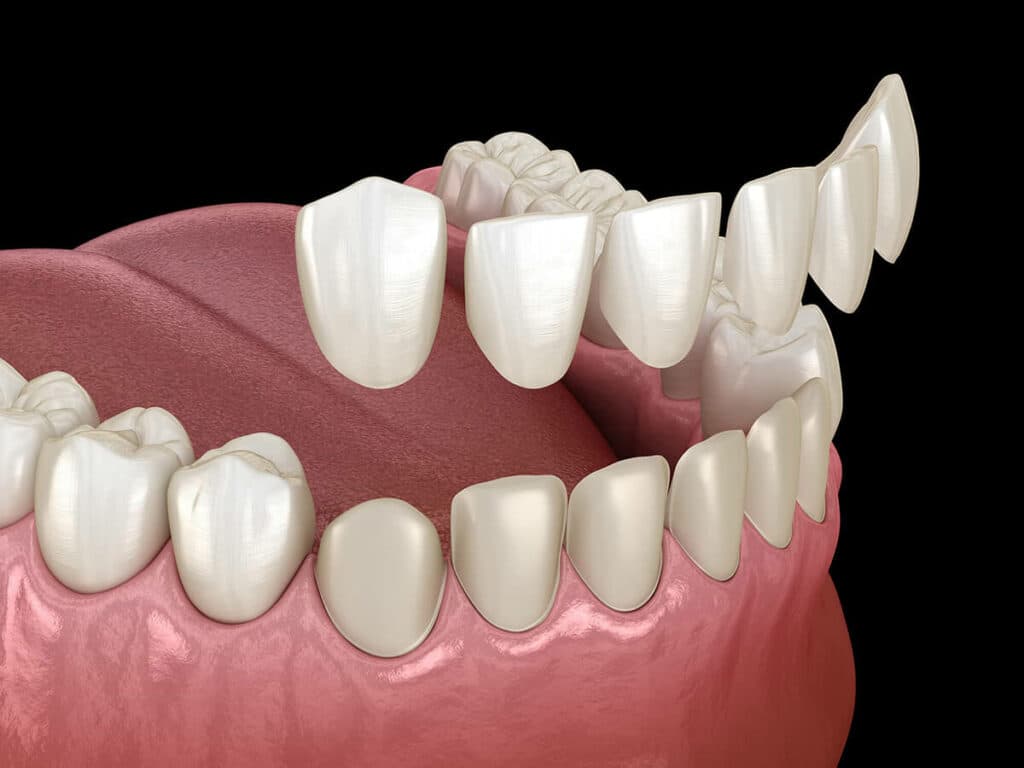
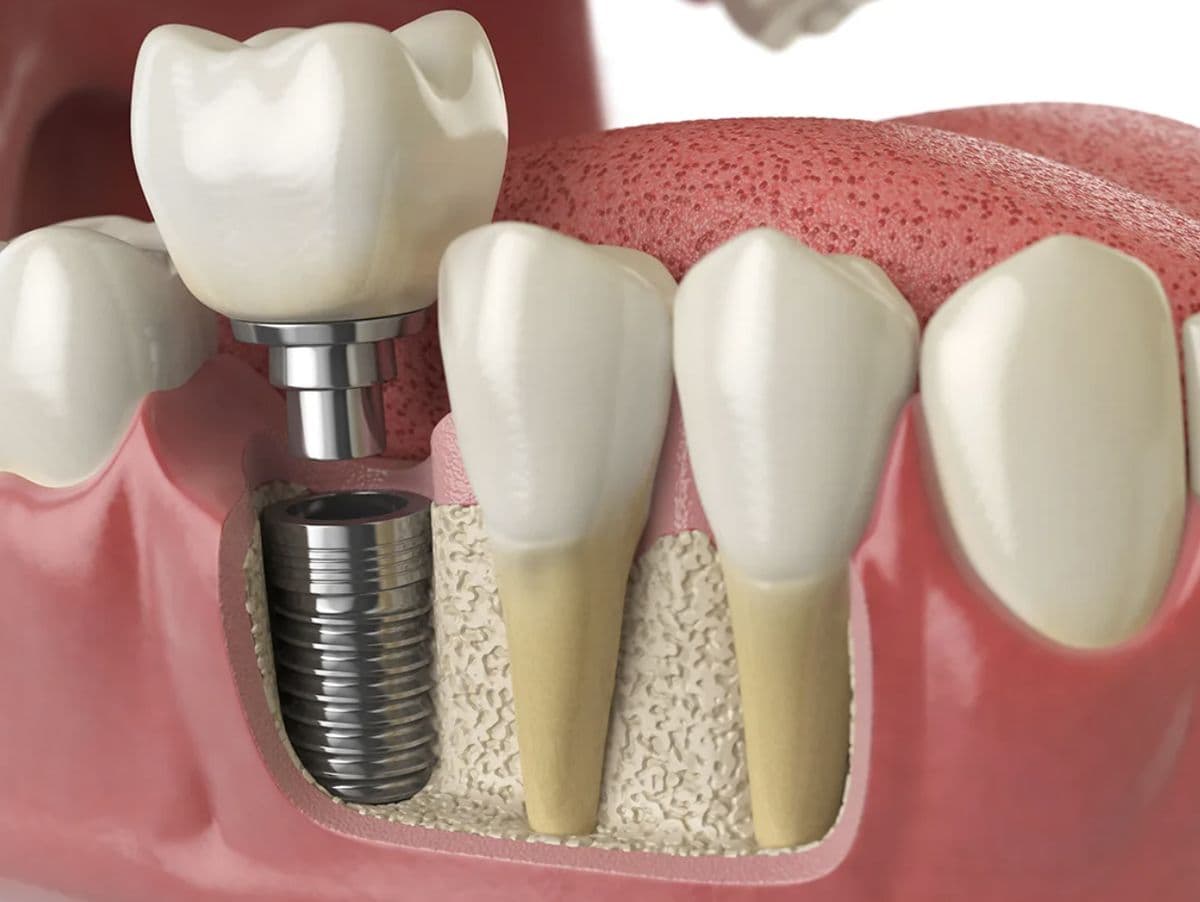
- You have existing dental work like crowns or veneers on your front teeth.
At Tribeca Dental Studio, we believe in a personalized approach to dentistry. We can help you determine if your stains are extrinsic (surface) or intrinsic (deep within the tooth), which dictates which product will actually work for you. If you’re in the New York City area, visiting the best teeth whitening NYC experts ensures your results are both fast and safe.
Frequently Asked Questions
Can I whiten my teeth in just one day?
Yes, but the results will be subtle. Using “1-Hour Express” strips or a high-concentration LED kit can lift 1-2 shades in a single day. For a “Hollywood” transformation, you typically need a full 7-to-10-day course of treatment or a professional in-office session.
Will home whitening work on crowns or veneers?
No. Whitening agents only work on natural tooth enamel. Porcelain restorations, composite fillings, and dentures will not change color. If you whiten your natural teeth, your crowns may suddenly look yellow or dark by comparison. Always talk to us before whitening if you have restorative work.
How do I maintain my results after whitening?
To keep that “speedy smile” bright, we recommend:
- Using a whitening toothpaste daily to remove new surface stains.
- Keeping a “touch-up pen” in your bag for use after drinking coffee or wine.
- Practicing excellent oral hygiene — brushing twice a day and flossing daily prevents the plaque buildup that holds onto stains.
Conclusion
Achieving quick teeth whitening at home is a fantastic way to boost your confidence and freshen up your look. Whether you choose the high-tech route with LED kits or the classic reliability of whitening strips, the key is consistency and safety.
At Tribeca Dental Studio, led by Dr. Nina Izhaky, we treat every patient like family. We know that a bright smile is more than just aesthetics — it’s about feeling your best. If you’re looking for more than what a box from the drugstore can offer, or if you want to ensure your whitening journey is supervised by the best in Manhattan, we invite you to explore our professional Teeth Whitening services.
Ready for a smile that lights up the room? Start your journey today, and remember — a healthy smile is the most beautiful smile of all!