Teeth Whitening Wisdom: What's the Best Way to Get That Gleam?
January 15, 2026
Your Guide to a Brighter Smile
The most effective way to whiten teeth depends on your specific needs, but professional in-office treatments deliver the fastest and most dramatic results under expert supervision.
Here’s a quick comparison of your main options:
| Method | Speed | Cost | Safety | Results |
|---|---|---|---|---|
| In-Office Professional | 1-2 hours | $300-$1,000 | Highest (dentist-supervised) | Up to 10 shades brighter |
| Dentist-Prescribed At-Home | 2 weeks | $150-$500 | High (custom trays) | Lasts up to 2 years |
| Over-the-Counter | 2-6 weeks | $5-$70 | Moderate (follow directions) | Requires frequent touch-ups |
With Americans spending over $1 billion annually on teeth whitening, the market is flooded with options—from $5 drugstore strips to $1,000 professional treatments—making it hard to find the right method.
Not all whitening methods are created equal. Some are safe and effective, while others can damage enamel, irritate gums, or waste money. Professional treatments use hydrogen peroxide concentrations up to 6,000 times stronger than OTC products, which explains the dramatic difference in results.
This guide will walk you through everything you need to know about teeth whitening. We’ll explain what causes discoloration, compare professional and at-home methods, discuss safety concerns, and help you maintain your bright smile long-term.
I’m Dr. Nina Izhaky, and at Tribeca Dental Studio, I’ve helped countless patients achieve their dream smiles. With years of experience guiding patients toward the most effective and safe whitening methods, I know every smile is unique. Let’s explore your options so you can make an informed decision for your teeth.
Why Do Teeth Turn Yellow? Understanding Discoloration
Before we dive into how to whiten your teeth, understand why they lose their pearly white luster in the first place. Tooth discoloration isn’t just one thing; it can stem from a variety of factors, both on the surface and deep within the tooth structure.
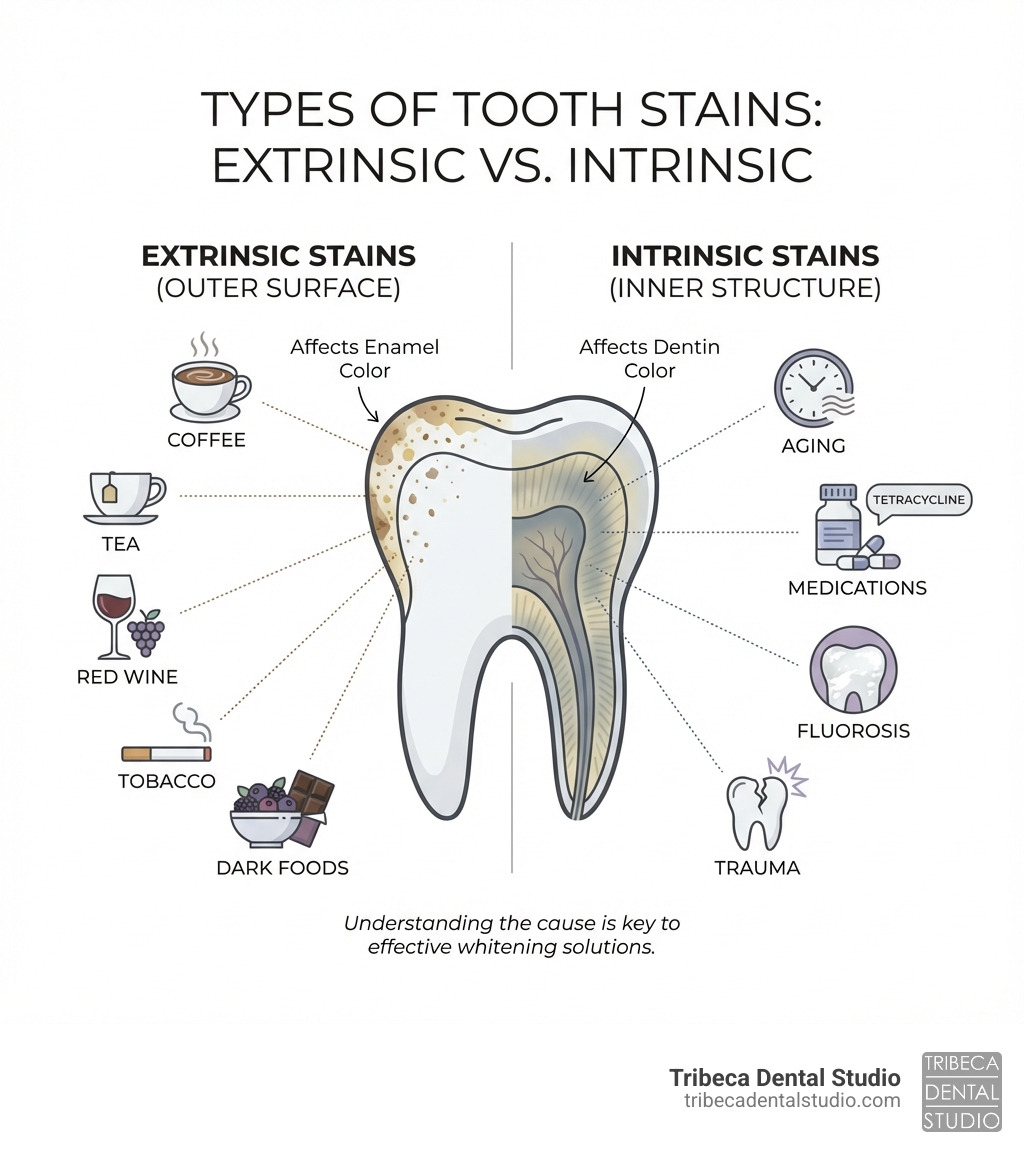
Extrinsic Stains
These are surface stains on the enamel (the tooth’s outer layer) caused by diet and lifestyle habits. They build up like a film over time.
Intrinsic Stains
Intrinsic stains lie deep within the dentin (the layer beneath the enamel). They are harder to remove than surface stains and may require more intensive treatments.
Age-Related Discoloration
As we age, our enamel naturally thins and becomes more translucent, allowing the yellowish dentin underneath to show through. The dentin also continues to grow, which can contribute to a yellower appearance over time.
Causes: Diet (Coffee, Tea, Red Wine)
Our daily routines play a huge role in tooth discoloration. Consuming dark-colored beverages like coffee, tea, and red wine regularly can lead to significant staining. These drinks contain chromogens and tannins that adhere to enamel. Even seemingly healthy options like berries and certain sauces (e.g., tomato-based) can contribute to extrinsic stains.
Causes: Lifestyle (Smoking, Tobacco)
Smoking and other tobacco products are notorious for causing stubborn yellow or brown stains on teeth. The nicotine and tar in tobacco penetrate the enamel, leading to deep and often difficult-to-remove discoloration.
Causes: Medication and Health Conditions
Certain medications can cause intrinsic staining. For example, tetracycline antibiotics, if taken during tooth development, can lead to permanent gray or brown discoloration. Some medical treatments, injuries, trauma, and even genetic factors can also affect tooth color.
Understanding the root cause of your discoloration is the first step in choosing the most effective way to whiten teeth for your unique situation. Regular dental check-ups and cleanings are also vital for preventing and managing stains. For more information on maintaining optimal oral health, check out our guide on preventive dentistry.
What is the Most Effective Way to Whiten Teeth: Professional vs. At-Home
When it comes to achieving a brighter smile, you have a spectrum of options, ranging from quick in-office procedures to convenient at-home remedies. The most effective way to whiten teeth often depends on your desired results, budget, and commitment level.
Professional Whitening Overview
Professional whitening treatments, performed or prescribed by a dentist, use higher concentrations of bleaching agents and are custom to your specific needs. This allows for more dramatic and faster results, with the added benefit of professional supervision to ensure safety and minimize side effects.
At-Home Whitening Overview
At-home methods offer convenience and lower costs, ranging from over-the-counter (OTC) products to dentist-prescribed kits. While generally less potent than in-office treatments, they can still deliver noticeable improvements over time if used correctly. The market for OTC products has seen significant growth, with an estimated 4% increase from 2017 to 2021, showing their widespread appeal.
Cost Comparison ($5 to $1,000)
The price of whitening your teeth varies widely. DIY at-home products can cost as low as $5, making them an attractive, easy, and cheap option. In contrast, professional whitening treatments at a dentist’s office can cost as much as $1,000 per visit, reflecting the higher concentration of active ingredients and expert care.
Effectiveness Comparison
Generally, professional treatments are more effective. Dentists can use hydrogen peroxide concentrations that are nearly 6,000 times stronger than what’s available in many over-the-counter products. This difference in strength translates to more significant and immediate whitening results. Many teeth whiteners are quite effective, particularly if you use them for an extended period of time.
Hydrogen Peroxide vs. Carbamide Peroxide
These are the two main active ingredients in most teeth whitening products.
- Hydrogen Peroxide: Often used in higher concentrations for in-office treatments, it breaks down quickly to release oxygen, which then penetrates the enamel to bleach intrinsic stains. Its rapid action makes it ideal for fast, dramatic results.
- Carbamide Peroxide: Commonly found in dentist-prescribed at-home kits and some OTC products, it breaks down into hydrogen peroxide and urea. This slower, more sustained release of hydrogen peroxide makes it suitable for gradual whitening over several weeks.
Here’s a detailed comparison of the different whitening methods:
| Feature | In-Office Whitening (Professional) | Dentist-Prescribed At-Home Kits | Over-the-Counter (OTC) Products |
|---|---|---|---|
| Cost | $300 – $1,000 per visit | $150 – $500 | $5 – $70 (strips, toothpaste, rinses) |
| Speed | Immediate, dramatic results (1-2 hours per session) | Gradual, noticeable results over 1-2 weeks | Gradual, subtle results over 2-6 weeks (or longer for toothpaste) |
| Effectiveness | High (up to 10 shades brighter in one session) | High (significant results over treatment period) | Moderate (mainly removes surface stains, less dramatic bleaching) |
| Safety | Highest (dentist supervision, gum protection) | High (custom trays minimize gum contact, professional guidance) | Moderate (risk of gum irritation/enamel damage if misused) |
| Longevity | 6 months – 1 year (with proper maintenance) | Up to 2 years (with proper maintenance) | A few months (requires frequent touch-ups) |
| Customization | Custom to individual needs, controlled application | Custom-fitted trays, precise gel application | One-size-fits-all, potential for uneven results |
| Active Agents | High concentration Hydrogen Peroxide | Carbamide Peroxide | Lower concentration Hydrogen Peroxide or Carbamide Peroxide, abrasives |
Professional In-Office Whitening: The Gold Standard
If you’re looking for the fastest and most dramatic results, professional in-office whitening is the most effective way to whiten teeth. It’s the gold standard for a reason.
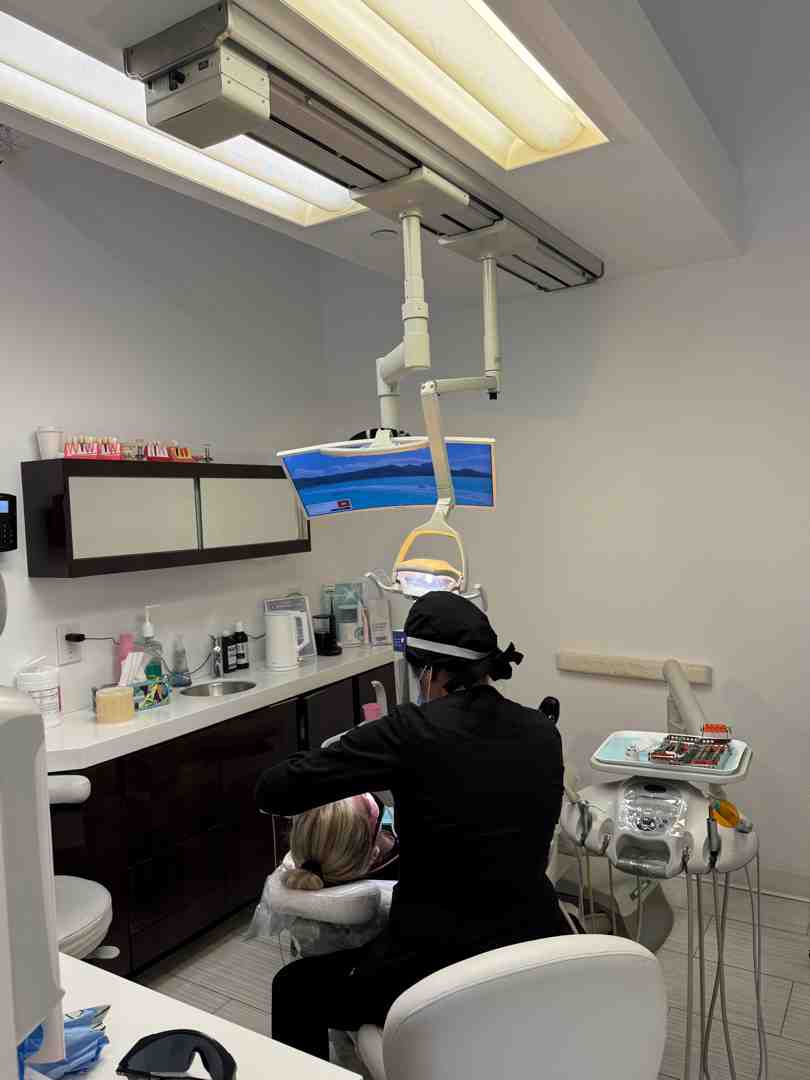
At Tribeca Dental Studio, we prioritize your safety and comfort. Our dentists supervise the entire process, ensuring high-concentration bleaching agents are applied effectively and safely. This professional oversight is crucial for protecting your gums and enamel. We use agents with concentrations up to 6% hydrogen peroxide, which is significantly stronger than what you’d find in an over-the-counter product. This allows us to deliver immediate, dramatic results, often brightening your smile by several shades in a single appointment, making it a good option for rapid results. The process involves protecting your gums before applying the whitening gel. Depending on the system, a special light may be used to accelerate the process. In-office whitening can be done in a single 60-90 minute session or a series of shorter visits.
To learn more about how we can transform your smile, explore our services at Discover the Power of Professional Teeth Whitening at Tribeca Dental Studio.
Dentist-Prescribed At-Home Kits
For those who prefer to whiten their teeth at home but still desire professional-level results and safety, dentist-prescribed at-home kits are an excellent choice. These kits bridge the gap between in-office treatments and generic OTC options.
The key to their effectiveness lies in the custom-fitted trays. Unlike one-size-fits-all trays from the drugstore, ours are custom-made from impressions of your teeth. This ensures a snug fit, which is vital for two reasons:
- Even Gel Distribution: The custom fit allows the professional-grade whitening gel to make uniform contact with all tooth surfaces, leading to consistent whitening.
- Gum Protection: A well-fitting tray prevents the bleaching agent from leaking out and irritating your gums.
You’ll receive a professional-grade whitening gel, typically containing carbamide peroxide, and clear instructions on how to apply it. You’ll wear the trays for a few hours daily or overnight for one to two weeks. The results are gradual but significant, and can last about two years, making this a safer and more effective option than generic OTC products. Our team can help you decide if this option is right for you. For more information on various cosmetic improvements, visit our page on cosmetic dentistry.
Over-the-Counter (OTC) Products
Over-the-counter (OTC) teeth whitening products are highly accessible and offer an attractive alternative for improving your smile easily and cheaply. This market has seen significant growth globally, valued at more than $3 million from 2017 to 2021. While they offer convenience and affordability, it’s important to understand their limitations and potential risks.
- Whitening Strips: These flexible plastic strips are coated with a thin layer of bleaching agents, typically hydrogen peroxide or carbamide peroxide. You apply them to your teeth daily for a recommended period, usually 5-30 minutes for 1-2 weeks. They are generally considered the most effective way to whiten teeth among OTC options for actual tooth color change, as they provide more concentrated whitening than toothpaste. However, they may not reach all surfaces and can lead to uneven results if your teeth are misaligned.
- Whitening Toothpaste: Whitening toothpastes contain mild abrasives (like baking soda) that help remove surface stains from your teeth through mechanical action. Some may also include chemical agents or bluing agents to create an optical illusion of whiter teeth. However, the effects of whitening toothpaste are usually not dramatic. They can’t change the natural color of your teeth or lighten stains that go deeper than the surface. For example, baking soda is a mild abrasive that can help remove stains, but it won’t bleach your teeth.
- Whitening Rinses: These mouthwashes often contain hydrogen peroxide or other stain-fighting ingredients. While they can help prevent new stains and remove some surface discoloration, their contact time with teeth is usually too short to produce significant bleaching effects. Their efficacy in altering tooth color is often limited. To understand more about these products, you can read our article, The truth about whitening mouthwash.
The main advantages of OTC products are their lower cost (as low as $5 for some DIY options) and ease of availability. However, they contain much lower concentrations of active ingredients compared to professional treatments, meaning results are less dramatic and require more frequent touch-ups. They are also ‘one-size-fits-all,’ which can lead to uneven whitening and potential gum irritation if the product comes into contact with soft tissues.
Understanding the Risks and Finding the Safest Method
While the desire for a brighter smile is strong, it’s crucial to approach teeth whitening with an understanding of the potential risks. Not every whitening method is good for your enamel or oral cavity, and some can cause more harm than good. Our priority at Tribeca Dental Studio is always your oral health.
Tooth Sensitivity
One of the most common side effects of teeth whitening is increased tooth sensitivity, especially to hot or cold temperatures. This occurs because the bleaching agents can temporarily open microscopic pores in your enamel, allowing stimuli to reach the nerves inside the tooth. While this sensitivity is usually temporary and subsides after treatment, it can be uncomfortable. Manufacturers sometimes add ingredients like potassium nitrate and fluoride to whitening products to help mitigate this.
Gum Irritation
Bleaching agents, particularly hydrogen peroxide, can irritate or even burn your gums if they come into direct or prolonged contact. This is a common risk with ill-fitting over-the-counter trays or improperly applied whitening strips and gels. Professional treatments include protective barriers to prevent this.
Enamel Damage from Abrasive Products
Prolonged use of highly abrasive whitening products, such as some whitening toothpastes or DIY remedies, can wear down your tooth enamel. Once damaged, enamel cannot regenerate, leaving your teeth more vulnerable to sensitivity, decay, and even making them appear yellower as the underlying dentin becomes more exposed.
The Importance of Professional Consultation
To minimize these risks and ensure you choose the most effective way to whiten teeth safely, professional consultation is paramount. We always recommend talking to a dentist before starting any at-home teeth-whitening process. A dentist can:
- Assess Your Oral Health: Ensure your teeth and gums are healthy enough for whitening and identify any underlying issues (e.g., cavities, gum disease) that need to be addressed first.
- Determine the Cause of Stains: Distinguish between extrinsic and intrinsic stains, as this dictates the most effective treatment approach.
- Recommend the Safest Method: Guide you towards the appropriate concentration and application method for your specific needs, protecting your enamel and soft tissues.
A dental check-up is always the first step. For more information on safe and effective whitening methods, you can consult this resource: Safe, effective whitening methods.
What is the most effective way to whiten teeth with sensitivity?
If you experience tooth sensitivity, you’re not alone. Many people do, especially during whitening treatments. But don’t worry, a brighter smile is still within reach!
The most effective way to whiten teeth if you have sensitivity involves a careful, dentist-managed approach:
- Desensitizing Agents: Many professional whitening products now include desensitizing agents like potassium nitrate and fluoride. These ingredients help to soothe the nerves and remineralize enamel, reducing discomfort.
- Dentist-Managed Treatment Plans: We can create a personalized plan that takes your sensitivity into account. This might involve using a lower concentration of whitening gel, shorter application times, or incorporating desensitizing toothpaste before and during treatment.
- Spacing Out Treatments: If sensitivity arises, we might recommend taking breaks between whitening sessions to allow your teeth to recover.
- Lower Concentration Gels: Dentist-prescribed at-home kits often offer gels with varying concentrations. We can start with a lower concentration to gradually whiten your teeth with minimal discomfort.
It’s crucial to communicate any sensitivity you experience with your dental professional. They can adjust your treatment plan or recommend specific products to manage the discomfort. For those with existing restorations or concerns about sensitivity, we can discuss options that protect your dental health. You can find more information about sensitivity in general on our page: Learn about options for sensitive crowns.
The Dangers of “Natural” and DIY Whitening Trends
In our age of social media trends and DIY hacks, it’s easy to be swayed by promises of “natural” teeth whitening. However, many of these popular remedies are not only ineffective but can also be genuinely harmful to your oral health. Our team at Tribeca Dental Studio strongly advises against untested natural methods.
-
Charcoal Toothpaste Risks: Charcoal toothpaste has gained significant popularity, often promoted by influencers. While activated charcoal is known for its adsorptive abilities, there is no scientific evidence that charcoal toothpaste effectively whitens teeth beyond removing surface stains through abrasion. In fact, the American Dental Association (ADA) has not granted its Seal of Acceptance to any charcoal toothpaste. Here’s why we don’t recommend it:
- Abrasiveness: Charcoal is abrasive. Regular use can wear down your tooth enamel, which, once damaged, cannot regenerate. This can lead to increased sensitivity and ironically, make your teeth appear yellower over time as the underlying dentin is exposed.
- Lack of Fluoride: Many charcoal toothpastes are marketed as “fluoride-free.” Fluoride plays a crucial role in preventing tooth decay by strengthening enamel and promoting remineralization. Opting for a fluoride-free toothpaste means missing out on vital cavity protection.
- Effect on Restorations: Charcoal particles can get lodged in existing dental work like fillings, crowns, or veneers, leading to black or gray staining along the edges.
- Other Concerns: Activated charcoal itself is classified as a carcinogen by some federal bodies, and certain charcoal toothpastes have been found to contain crystalline silica, another recognized carcinogen. Its broad adsorptive properties might also disrupt the oral microbiome.
For a deeper dive into these concerns, read Why the ADA cautions against charcoal toothpaste.
-
Fruit Acids (Lemon, Strawberry) Danger to Enamel: Rubbing acidic fruits like lemons or strawberries on your teeth is a dangerous trend. While the acids might temporarily make teeth appear brighter by stripping away surface layers, they also erode precious enamel. Eroding enamel with acidic foods can lead to permanent damage, increased sensitivity, and ultimately, yellower, sore teeth. Once enamel is gone, it’s gone for good.
-
Baking Soda’s Limited Effect and Abrasiveness: Baking soda is a mild abrasive that can help remove surface stains. The ADA acknowledges its potential in some toothpastes. However, using it directly or too frequently can still be abrasive and cause enamel wear. It does not have bleaching properties to change the intrinsic color of your teeth.
Many “natural” remedies lack scientific backing for their whitening claims and pose significant risks to your long-term oral health. When considering any whitening method, consult with a dental professional. We’re here to help you debunk common myths and find safe, effective solutions. Check out our article: Debunking common teeth whitening myths.
Keeping Your Smile Bright: Maintenance and Lifestyle
Achieving a brighter smile is just the first step; maintaining that radiance requires ongoing effort and smart lifestyle choices. The longevity of your teeth whitening results depends significantly on the method used and your daily habits.
How Long Results Last (Professional vs. OTC)
- Professional Treatments: Results from in-office whitening and dentist-prescribed at-home kits can be quite long-lasting. Professional treatments can last up to a year or more, and at-home professional treatments can last about two years, especially with proper maintenance.
- Over-the-Counter Products: OTC products, due to their lower strength, typically last for a few months. They require more frequent touch-ups along with proper oral care to maintain their effects. None of the teeth whitening options are permanent and will require repeat treatments over time.
The “White Diet” Post-Whitening
Immediately after a professional whitening treatment, your teeth are more susceptible to staining. We generally recommend adhering to a “white diet” for about 48 hours. This means avoiding any foods or drinks that could stain a white shirt. This includes coffee, tea, red wine, dark sodas, berries, tomato-based sauces, and anything with artificial colors. Sticking to clear or light-colored foods and beverages during this crucial period helps lock in your new brighter shade.
Impact of Smoking and Staining Foods
Lifestyle choices have a direct impact on how long your whitening results last.
- Smoking: Tobacco is one of the biggest culprits for re-staining teeth. Quitting smoking is not only beneficial for your overall health but also crucial for maintaining a white smile.
- Staining Foods & Drinks: Continued consumption of highly pigmented foods and beverages like coffee, tea, and red wine will inevitably lead to new stains accumulating on your teeth. While you don’t have to eliminate them entirely, moderation and good habits can make a big difference.
Importance of Regular Dental Cleanings
Regular dental cleanings are a cornerstone of maintaining a bright and healthy smile. Professional cleanings, typically every six months, remove plaque, tartar, and extrinsic stains that accumulate over time. The polishing action of a professional cleaning is essential for fighting surface stains and can significantly extend the life of your whitening results. For more details on maintaining your oral hygiene, explore our Guide to regular teeth cleaning in NYC.
Finding the most effective way to whiten teeth for long-term results
Achieving a dazzling smile is a journey, not a destination. To ensure your investment in teeth whitening lasts, consider these long-term strategies:
- Touch-Up Treatments: Since whitening isn’t permanent, periodic touch-up treatments are often necessary. For professional at-home kits, this might mean using your custom trays and gel for a few days every 6-12 months. Your dentist will advise you on the best schedule based on your individual needs and the longevity of your initial results.
- Using Whitening Toothpaste for Maintenance: While whitening toothpastes aren’t designed for primary whitening (they can’t change the natural color of your teeth or lighten deep stains), they can be effective for maintaining the results of professional treatments by removing new surface stains. Brush twice daily with a quality whitening toothpaste to keep new discoloration at bay.
- Good Oral Hygiene Practices: Brushing and Flossing: This is non-negotiable for both oral health and maintaining a white smile. Brushing twice a day with fluoride toothpaste and flossing daily removes food particles and plaque before they can cause stains or other dental problems.
- Drinking Staining Beverages Through a Straw: A simple yet effective trick! Using a straw for coffee, tea, soda, or other dark-colored drinks helps bypass your front teeth, minimizing their contact with staining agents.
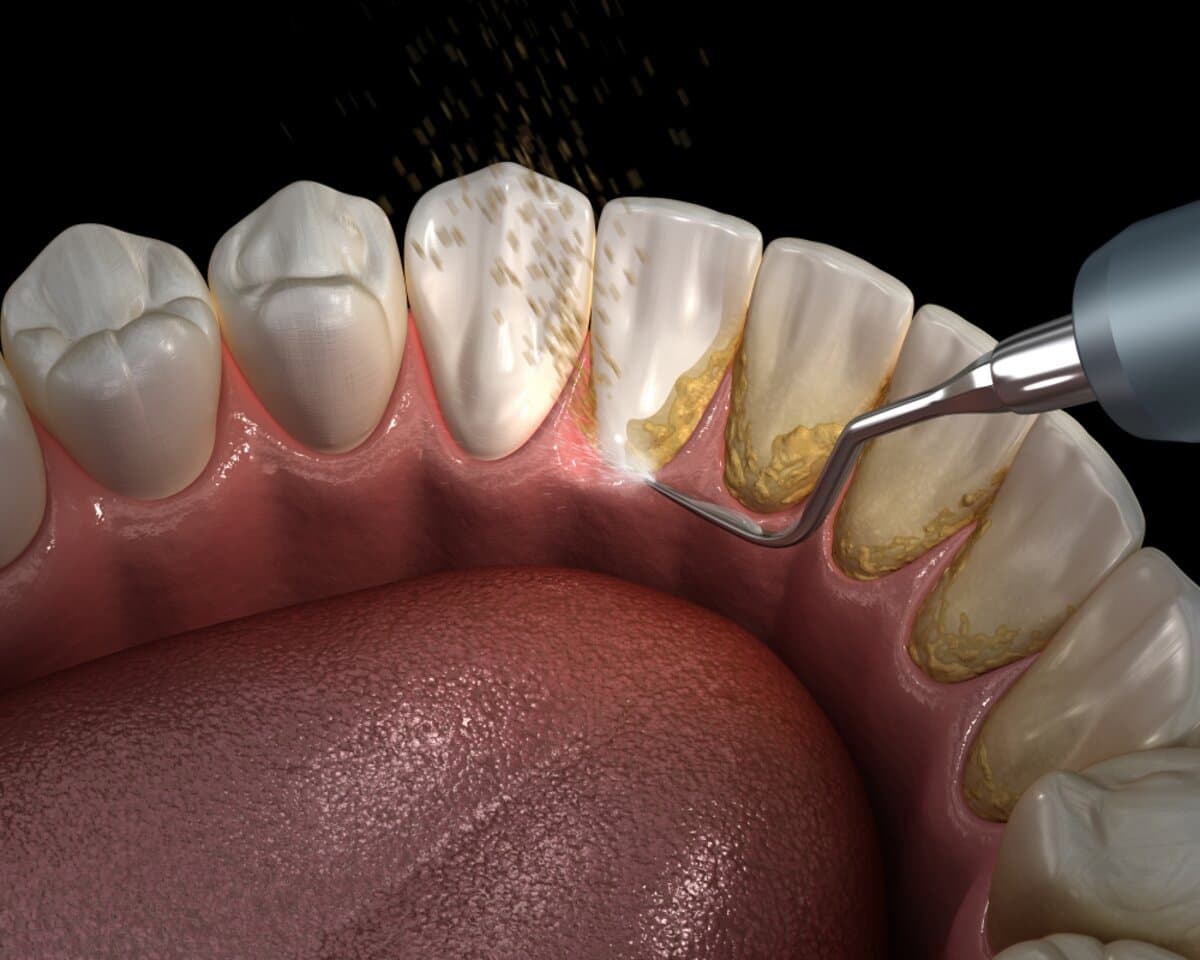
- Consider Advanced Stain Removal: For stubborn surface stains that accumulate between professional cleanings, treatments like Prophy Jet Polishing can be incredibly effective. This advanced cleaning technique uses a high-pressure stream of water, air, and fine powder to blast away stains, leaving your teeth feeling incredibly smooth and looking brighter. Learn more about Prophy Jet Polishing for stain removal.
By combining professional treatments with diligent at-home care and smart lifestyle choices, you can ensure your bright smile stays radiant for years to come.
Your Partner for a Radiant Smile in NYC
When it comes to achieving a truly dazzling smile, professional teeth whitening stands out as the most effective way to whiten teeth and the safest. While over-the-counter options offer a taste of whitening, the dramatic, lasting, and safe results come from the controlled environment and higher-grade materials available only through your dental professional.
At Tribeca Dental Studio, we believe in a personalized approach to dentistry, treating every patient like family. Our team, led by Dr. Nina Izhaky, is dedicated to understanding your unique goals, budget, and timeline to recommend the best whitening solution for you. We’ll assess your oral health, identify the causes of your discoloration, and guide you through the process, ensuring your comfort and safety every step of the way.
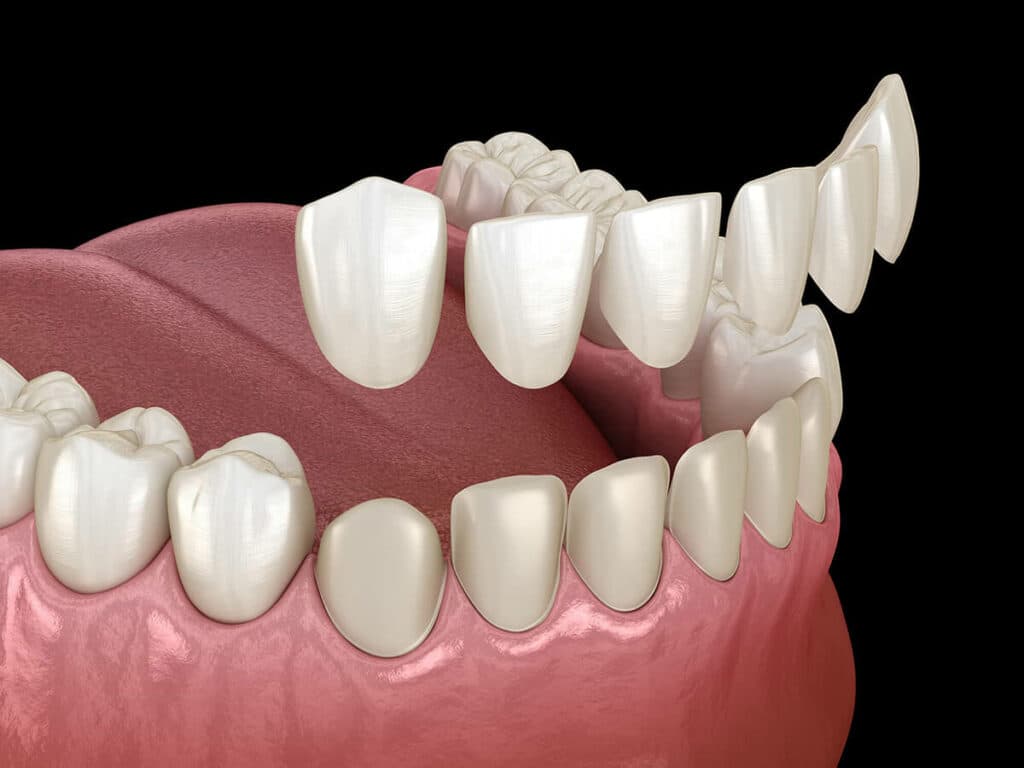
Teeth whitening isn’t a one-size-fits-all solution. For deep, intrinsic stains that don’t respond to traditional whitening, or for patients seeking a more permanent aesthetic change, other cosmetic options like veneers may be a better solution. We offer a full range of cosmetic dentistry services to help you achieve your ideal smile.
Don’t let discoloration dim your confidence. Whether you’re considering in-office whitening for a rapid change or a custom at-home kit for gradual, professional-level results, we are here to partner with you.
Ready to uncover your brightest smile? Book your teeth whitening consultation in NYC today at Tribeca Dental Studio. We look forward to welcoming you to our dental family and helping you achieve the radiant smile you deserve.