Why Protecting Your Extraction Site Matters
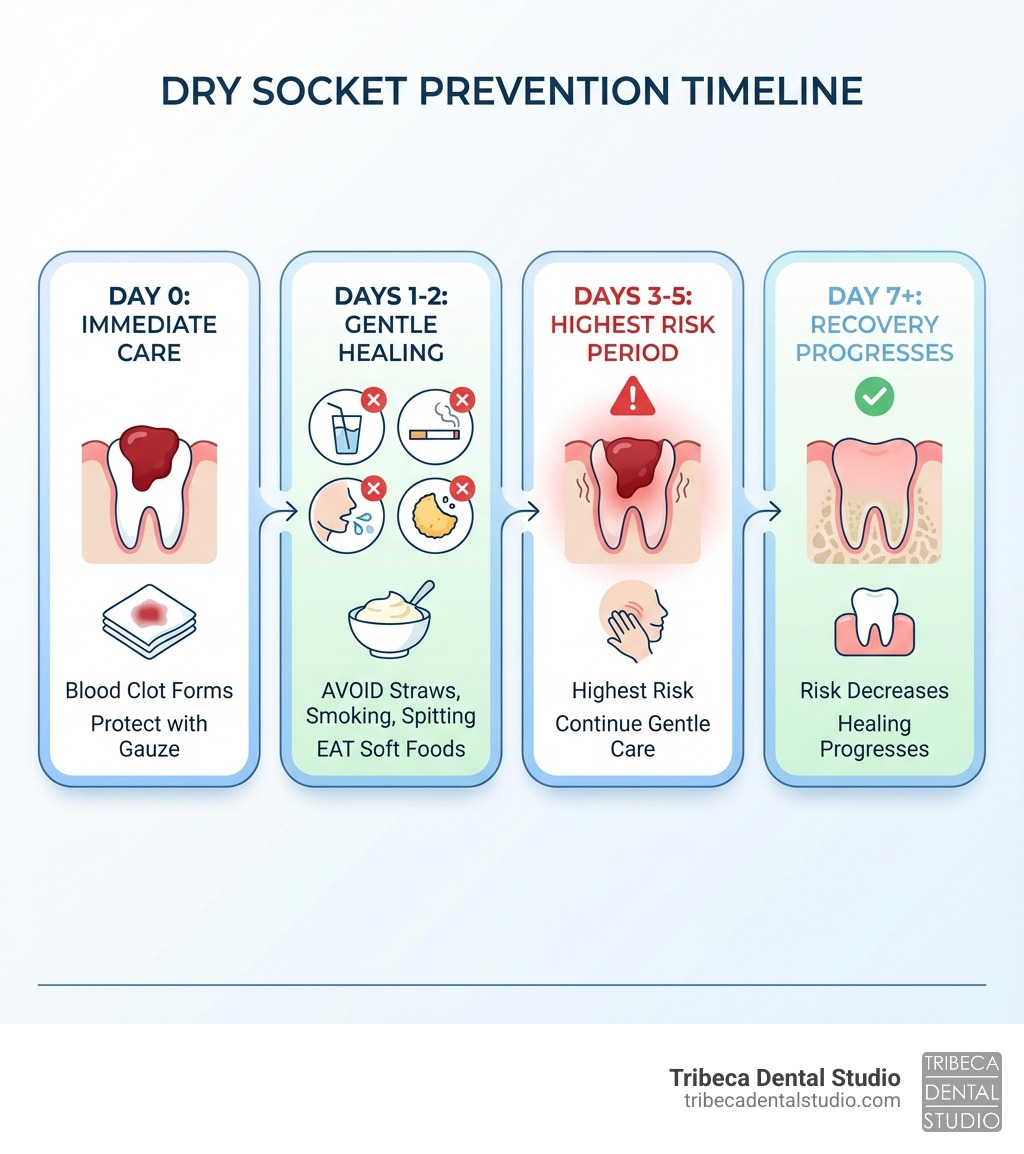
The best way to prevent dry socket is to protect the blood clot that forms after your tooth extraction. Here’s what you need to do:
Essential Prevention Steps:
- Avoid straws for at least one week after extraction
- Don’t smoke or use tobacco for at least 48 hours (ideally longer)
- Skip vigorous rinsing for the first 24 hours
- Eat only soft foods for the first few days
- Avoid spitting forcefully to keep the clot in place
- Rest and keep your head liftd after the procedure
- Follow all post-operative instructions from your dentist
Has your dentist just recommended a tooth extraction? You might have heard about dry socket—a painful complication that happens when the protective blood clot in your empty tooth socket becomes dislodged or never forms properly.
Dry socket affects about 2-5% of all tooth extractions, but that number jumps to 38% for wisdom tooth removals. The good news? It’s largely preventable when you know what to do (and what not to do) after your procedure.
When a dry socket develops, the underlying bone and nerve endings become exposed to air, food, and bacteria. This causes intense, throbbing pain that typically starts 2-4 days after your extraction and can radiate to your ear, eye, or neck. You might also notice a bad taste, bad breath, or even visible bone in the socket.
The blood clot that forms after extraction isn’t just covering a hole—it’s your body’s natural bandage. It protects sensitive nerve endings, prevents infection, and contains the cells your body needs to build new tissue and heal properly. Keeping this clot intact is the single most important thing you can do for a smooth recovery.
I’m Dr. Nina Izhaky, and at Tribeca Dental Studio, I’ve helped countless patients steer tooth extractions with minimal discomfort by teaching them the best way to prevent dry socket through proper post-operative care. My focus is always on personalized, compassionate care that puts your comfort and long-term oral health first.
What is a Dry Socket?
A dry socket, medically known as alveolar osteitis, is a painful dental condition that occurs after a tooth extraction. It’s a post-extraction complication where the blood clot that should form in the empty socket either fails to form or becomes dislodged before the wound has had a chance to properly heal.
Imagine your body performing a mini-miracle after an extraction: a blood clot quickly forms in the empty socket, sealing it off. This clot acts like nature’s very own bandage, protecting the sensitive bone and nerve endings underneath. If this clot is lost prematurely, the underlying bone and nerves are left exposed to the harsh environment of your mouth—food particles, bacteria, and even just air. This exposure leads to inflammation, intense pain, and delayed healing.
The pain from a dry socket can be significantly worse than the normal discomfort of a tooth extraction. It often starts 1 to 3 days after the procedure, just when you expect to start feeling better. This condition is what we want to help you avoid at all costs. You can learn more about the symptoms and causes of this condition from reliable sources like the Mayo Clinic.
Why the Blood Clot is Your Hero
It might not look like much, but that little blood clot is the unsung hero of your post-extraction recovery. Here’s why it’s so crucial:
- Natural Bandage: As we mentioned, it literally acts as a protective barrier, covering the exposed bone and nerve endings in the socket. Without it, these sensitive tissues are vulnerable.
- Protects Nerve Endings: The exposed nerves are the primary source of the severe pain associated with dry socket. The clot keeps them safely tucked away while healing begins.
- Foundation for New Tissue: The blood clot is more than just a barrier; it’s a scaffold. It contains all the necessary cells and growth factors your body needs to start forming new bone and gum tissue. It’s the very first step in rebuilding the area.
- Prevents Infection: By sealing off the wound, the clot helps prevent food particles and bacteria from entering the socket, which could lead to an infection.
- Contains Healing Cells: Within that clot are specialized cells designed to kickstart the healing process. When the clot is dislodged, these vital cells are lost, significantly slowing down recovery.
Protecting this tiny but mighty blood clot is truly the best way to prevent dry socket and ensure a smooth, comfortable recovery.
Are You at Risk? Key Factors for Dry Socket
While dry socket can happen to anyone after a tooth extraction, certain factors can increase your likelihood of developing this painful complication. Understanding these risks is another crucial step in prevention.
Lifestyle and Medical Risk Factors
Some everyday habits and medical conditions can significantly impact your body’s ability to form and maintain that essential blood clot.
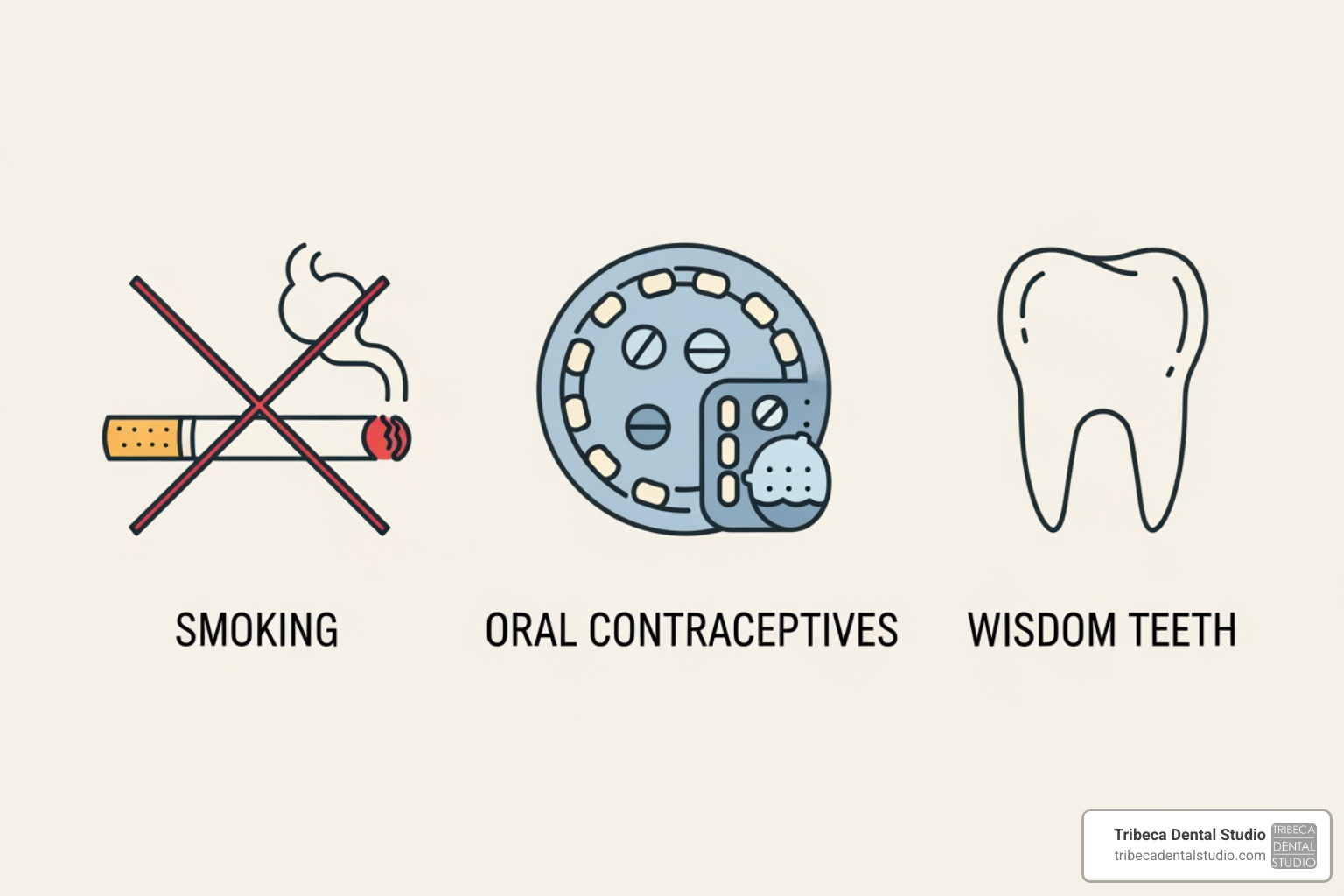
- Smoking and Tobacco Use: This is one of the biggest culprits. People who smoke are over three times more likely to develop dry socket than those who don’t. Why? The act of sucking on a cigarette can create enough negative pressure in your mouth to physically dislodge the clot. Beyond that, the chemicals in tobacco can restrict blood flow, impair healing, and disrupt the delicate blood clotting process itself. We strongly advise our patients to avoid smoking entirely for as long as possible after an extraction, ideally for at least 48 hours, but a full week or more is even better.
- Oral Contraceptives and Estrogen Levels: For women, certain medications, particularly oral contraceptives with higher estrogen levels, can increase the risk of dry socket. High estrogen levels may increase fibrinolytic activity, which means the blood clot is more likely to dissolve prematurely. If you’re using oral contraceptives, discuss this with our team before your extraction. We might recommend scheduling your procedure during specific days of your menstrual cycle when estrogen levels are lower to help mitigate this risk. You can find more information about how birth control can affect oral health from resources like Colgate.
- Poor Oral Hygiene: A mouth with existing bacteria or inflammation before the extraction can hinder proper clot formation and increase the risk of infection, making dry socket more likely.
- Previous History of Dry Socket: If you’ve had a dry socket before, you’re unfortunately more prone to getting one again. This means you’ll need to be extra vigilant with your post-operative care.
- Dehydration: A surprising factor, dehydration can slow down the blood’s ability to clot effectively. Staying well-hydrated before and after your procedure is important.
The Type of Extraction Matters
Not all tooth extractions carry the same risk for dry socket.
- Complex Extractions and Impacted Teeth: Extractions that are more difficult or traumatic, such as removing an impacted wisdom tooth, are associated with a higher risk. This is because the surgical manipulation can lead to more inflammation and a less stable clot.
- Wisdom Tooth Removal: As the statistics show, wisdom tooth extractions have a significantly higher incidence rate of dry socket (up to 38% compared to 1-5% for all extractions). Wisdom teeth, especially lower ones, are often impacted or difficult to remove, requiring more extensive surgical intervention. This can increase trauma to the surrounding bone and soft tissues, making clot stability more precarious. If you’re considering wisdom tooth removal, our oral surgery specialists at Tribeca Dental Studio are experts in minimizing trauma and ensuring optimal healing.
- Location of Extraction: Dry socket occurs more frequently in the lower jaw and molar area of the mouth, rather than in the front teeth. This is often linked to the nature of wisdom tooth extractions, which typically happen in the lower jaw.
The Best Way to Prevent Dry Socket: A Step-by-Step Guide
Now that we understand what a dry socket is and what increases your risk, let’s dive into the actionable steps you can take. This comprehensive guide will walk you through the essential do’s and don’ts to ensure your socket stays happy and healthy.
Before Your Tooth Extraction
Preparation is key to a smooth recovery. Taking a few proactive steps before your procedure can significantly reduce your risk of complications.
- Discuss Medications with Your Dentist: It’s vital to inform us about all medications, supplements, and herbs you are taking. Some, like blood thinners (e.g., aspirin, ibuprofen, fish oil, Eliquis), can affect blood clotting and increase bleeding. We may advise you to temporarily stop certain medications or adjust your dosage before your surgery.
- Plan for Rest: Arrange for time off work or school, and make sure you have someone to drive you home after the procedure, especially if you’re receiving sedation. Having a comfortable recovery space ready with soft foods and entertainment can make a big difference.
- Practice Good Oral Hygiene: While we’ll clean the area during your procedure, maintaining excellent oral hygiene in the days leading up to your extraction can reduce the bacterial load in your mouth, contributing to a healthier healing environment. Brush twice a day and floss once a day.
- Ask Questions: Don’t hesitate to ask us any questions you have about the procedure or post-operative care. We’re here to ensure you feel informed and comfortable. For more information about our tooth extraction services, you can visit our dedicated page.
Immediately After Extraction: The First 48 Hours
The first two days after your extraction are the most critical for clot formation and stability. This is when your vigilance truly pays off.
- Gauze Pressure: We will place a gauze pad over the extraction site immediately after your procedure. Bite down firmly on this gauze for at least 30-60 minutes to apply continuous pressure. This helps stop bleeding and encourages the blood clot to form properly. If oozing persists, you can replace the gauze with a fresh one and bite down again. A damp tea bag (black tea contains tannic acid, which helps with clotting) can also be used if bleeding continues. For detailed guidance, learn when to stop using gauze after tooth extraction.
- Avoid Spitting Forcefully: Resist the urge to spit for at least the first 24 hours. The suction created by spitting can easily dislodge that delicate blood clot. If you need to expel saliva, let it gently drool out into a tissue.
- No Straws: This is a big one! Drinking through a straw creates a strong suction in your mouth, which is a prime culprit for dislodging blood clots. Skip the straw for at least a week, or even longer if possible.
- No Vigorous Rinsing: For the first 24 hours, avoid rinsing your mouth vigorously. Gentle rinsing can be introduced after 24 hours, but always be cautious. If you rinse, simply tilt your head and let the liquid soak the area, then let it gently fall out of your mouth.
- Rest and Lift Your Head: Take it easy on the day of your surgery and for the next 24-48 hours. Avoid strenuous physical activity, bending over, or lifting heavy objects. When resting or sleeping, keep your head liftd with pillows. This helps minimize swelling and discomfort.
- Pain Management: Take any prescribed pain medications as directed. We may also recommend applying a cold pack to the outside of your cheek near the extraction site for 20-minute intervals during the first day to help with swelling.
Your Diet for a Happy Recovery
What you eat (and how you eat it) plays a significant role in preventing dry socket.
- Soft Foods are Your Friends: Stick to a diet of soft, easy-to-chew foods for the first few days. Think:
- Yogurt
- Smoothies (without a straw!)
- Mashed potatoes
- Broth or pureed soups (lukewarm, not hot)
- Scrambled eggs
- Pudding
- Applesauce
- Avoid the “No-Go” Foods: Steer clear of anything that could irritate the extraction site or dislodge the clot:
- Hard, crunchy foods: Chips, nuts, popcorn (small pieces can get stuck)
- Spicy foods: Can cause irritation
- Hot foods and drinks: Can increase blood flow and potentially disrupt the clot
- Chewy foods: Can pull on the clot
- Foods with small seeds or particles: Like berries with tiny seeds, rice, or grains that can lodge in the socket.
- Stay Hydrated with Water: Drink plenty of water to aid healing and prevent dehydration. Sip it gently from a glass – remember, no straws!
- Avoid Alcohol and Carbonated Drinks: Alcohol can interfere with healing and interact with medications. Carbonated beverages, like soda, can create bubbles and pressure that might dislodge the clot. Skip these for at least the first 24-48 hours, or longer.
- Chew Carefully: Try to chew food on the opposite side of your mouth from the extraction site to minimize disturbance.
Oral Hygiene: Gentle Care is Key
Keeping your mouth clean after an extraction is important, but it needs to be done with extreme gentleness.
- Gentle Brushing: You can brush your teeth the day after your extraction, but be extremely careful around the surgical site. Avoid brushing directly over the clot for the first few days. Focus on keeping the rest of your mouth clean.
- Saltwater Rinses (After 24 Hours): After the first 24 hours, gently rinse your mouth with warm salt water several times a day (a teaspoon of salt in 8 ounces of warm water). Don’t swish vigorously; instead, tilt your head and allow the warm water to bathe the area, then gently let it drain out. This helps keep the area clean and promotes healing.
- Avoid Alcohol-Based Mouthwashes: For the first few days, avoid any mouthwashes that contain alcohol, as they can irritate the healing tissue.
- Do Not Poke: Resist the urge to poke or prod the extraction site with your tongue, fingers, or any objects. This can easily dislodge the clot and introduce bacteria.
Recognizing the Signs and What to Do
Even with the best preventative measures, sometimes a dry socket can still occur. Knowing the symptoms is crucial so you can seek prompt treatment and relief.
Common Symptoms of Dry Socket
Unlike normal post-extraction discomfort, which gradually improves, dry socket pain tends to worsen or persist intensely.
- Severe, Throbbing Pain: This is the hallmark symptom. The pain typically starts 2-4 days after your extraction, often when you expect to be feeling better. It’s usually a deep, aching, throbbing pain that over-the-counter pain relievers can’t touch.
- Radiating Pain: The pain often isn’t confined to the socket itself. It can spread to your ear, eye, temple, or neck on the same side as the extraction.
- Partial or Total Loss of Blood Clot: If you look into the socket (gently, please!), you might see an empty-looking hole where the tooth was. Sometimes, you might even see exposed bone, which looks whitish. A healthy healing socket would typically have a dark, intact blood clot.
- Unpleasant Odor or Bad Taste: The exposed bone and trapped food particles can lead to a foul odor and a persistent, bad taste in your mouth, which can also contribute to bad breath.
- Low-Grade Fever: While less common, a low-grade fever (below 101°F) can sometimes accompany a dry socket. If your fever is higher, it could indicate a more serious infection.
If you experience these symptoms, especially worsening pain a few days after your procedure, it’s important to contact us right away. For more details on the duration and treatment, check out our guide on how long dry socket lasts, symptoms, and prevention.
When to Call Your Dentist
Don’t tough it out if you suspect a dry socket. Prompt treatment can significantly alleviate your pain and speed up healing.
- Unmanageable Pain: If your pain is severe and not responding to the pain medication we prescribed or recommended, it’s definitely time to call.
- Fever or Swelling: While some swelling is normal, persistent or increasing swelling, especially accompanied by a fever (above 101°F), could indicate an infection or another complication.
- Pus or Discharge: Any signs of pus or unusual discharge from the extraction site warrant immediate attention.
- Suspected Exposed Bone: If you gently examine the site and believe you see exposed bone, contact us.
- Any Concerns: We treat our patients like family at Tribeca Dental Studio. If you have any concerns at all about your recovery, please don’t hesitate to reach out. It’s always better to be safe than sorry!
Professional Treatment for Dry Socket
If you do develop a dry socket, don’t worry—we’re here to help. Our team can provide effective treatments to manage the pain and promote healing.
- Socket Irrigation (Cleaning): The first step usually involves gently cleaning the socket to remove any food debris or bacteria. We might use a saline solution or a special antibacterial rinse.
- Medicated Dressing: After cleaning, we’ll typically place a medicated dressing into the socket. This dressing usually contains ingredients like eugenol (clove oil derivative) and other anesthetics or antimicrobial agents. It acts as a protective barrier, soothes the exposed nerves, and promotes healing. This dressing may need to be changed every 1 to 3 days until your symptoms improve.
- Prescription Pain Medication: While dry socket pain is often severe, over-the-counter pain relievers might not be enough. We can prescribe stronger pain medication if needed. Sometimes, a combination of over-the-counter ibuprofen and acetaminophen can be very effective.
- Follow-up Appointments: We’ll schedule follow-up visits to monitor your healing, change the dressing, and ensure you’re comfortable. With proper care, a dry socket usually heals within 7 to 10 days as new tissue forms to cover the exposed area.
Frequently Asked Questions about Dry Socket Prevention
Is some pain normal after a tooth extraction?
Yes, absolutely! It’s normal to experience some mild to moderate discomfort, tenderness, and swelling for the first few days after a tooth extraction. This is your body’s natural response to the procedure, and it should gradually improve with each passing day. You might also notice some slight bleeding or oozing. We’ll provide you with pain medication recommendations, and these sensations should be manageable.
However, if your pain intensifies after day 2 or 3, becomes severe and throbbing, and radiates to other parts of your face, ear, or neck, that is not normal and could be a sign of dry socket.
Can I get a dry socket if I have stitches?
Yes, unfortunately, it is still possible to develop a dry socket even if you have stitches after your tooth extraction. Stitches are placed to help close the gum tissue, stabilize the wound, and often help to hold the blood clot in place initially. However, they don’t guarantee that the blood clot will remain undisturbed or won’t dissolve prematurely.
The primary cause of dry socket is the loss of that protective blood clot, and factors like smoking, vigorous rinsing, or drinking through a straw can still dislodge it, even with stitches in place. That’s why following all of our detailed aftercare instructions is crucial, regardless of whether you have stitches. For more insights, you can learn more about dry socket with stitches.
How long am I at risk for developing a dry socket?
The highest risk period for developing a dry socket is typically within the first 3 to 5 days following your tooth extraction. This is the window when the blood clot is most vulnerable to dislodgement or premature dissolution.
After the first week, the risk decreases significantly as the extraction site begins to fill with new granulation tissue and the healing process advances. By 7-10 days, the socket usually starts to be covered by new tissue, making it much less likely for a dry socket to occur. However, it’s still wise to continue gentle care and avoid extreme activities until the area is fully healed, which can take several weeks.
Your Partner in a Smooth and Healthy Recovery
At Tribeca Dental Studio, we understand that a tooth extraction can be a daunting experience. Our goal is not just to perform the procedure with the utmost care and precision, but also to empower you with the knowledge and support you need for a comfortable and complication-free recovery.
The best way to prevent dry socket is a combination of our expert surgical technique and your diligent adherence to post-operative instructions. We’re here every step of the way, treating you like family and ensuring your oral health journey is as smooth as possible.
Don’t let the fear of dry socket deter you from necessary dental care. With proper preparation and attentive aftercare, you can significantly reduce your risk and ensure a happy, healthy recovery.
If you have any questions before or after your procedure, or if you’re experiencing any discomfort, please don’t hesitate to reach out to our team at Tribeca Dental Studio in Manhattan, New York City. We’re always here to help.
Schedule your consultation for tooth extractions or oral surgery today!