Dental Treatment on Anticoagulants: Safe Care for Blood Thinner Patients in Tribeca NYC
December 16, 2025
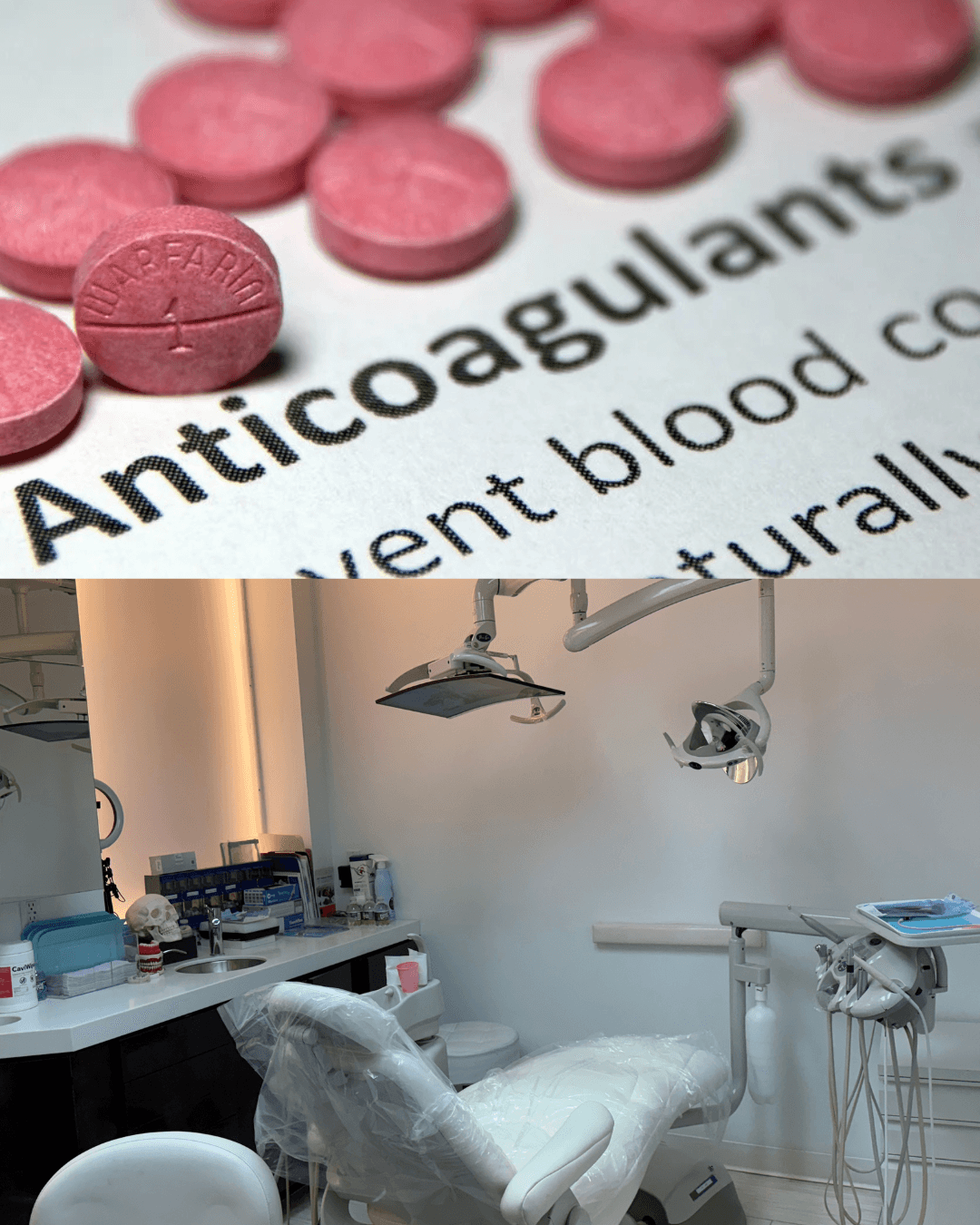
If you’re on lifelong anticoagulants (blood thinners) like Warfarin, Eliquis, Xarelto, or Pradaxa, you might worry about dental procedures. Conditions such as atrial fibrillation, deep vein thrombosis, or heart valve replacements often require these medications to prevent clots – but does that mean skipping essential dental care?
At Tribeca Dental Studio in NYC, the answer is no. We specialize in safely treating patients on anticoagulants without interrupting their therapy. With proper planning and advanced techniques, you can get everything from cleanings to extractions or implants done right here in Tribeca.
This guide explains how we make it possible, what to expect, and why you don’t have to choose between your heart health and your smile.
Understanding Anticoagulants and Dental Risks
Anticoagulants work by slowing blood clotting, which is lifesaving for preventing strokes or embolisms. However, during dental procedures involving bleeding (e.g., extractions, gum surgery, or implants), there’s a small risk of prolonged bleeding.
The good news? Modern dentistry has evolved. Studies show that most routine dental treatments can proceed safely without stopping anticoagulants, as long as INR levels (for Warfarin) are monitored and local hemostatic measures are used.
At Tribeca Dental Studio, we collaborate with your cardiologist or primary care doctor to review your INR (typically aiming for 2.0–3.5) and adjust plans accordingly. No more unnecessary risks or delays.
Common Dental Procedures Safe on Anticoagulants
Not all treatments carry the same risk. Here’s what we handle safely at our Tribeca office:
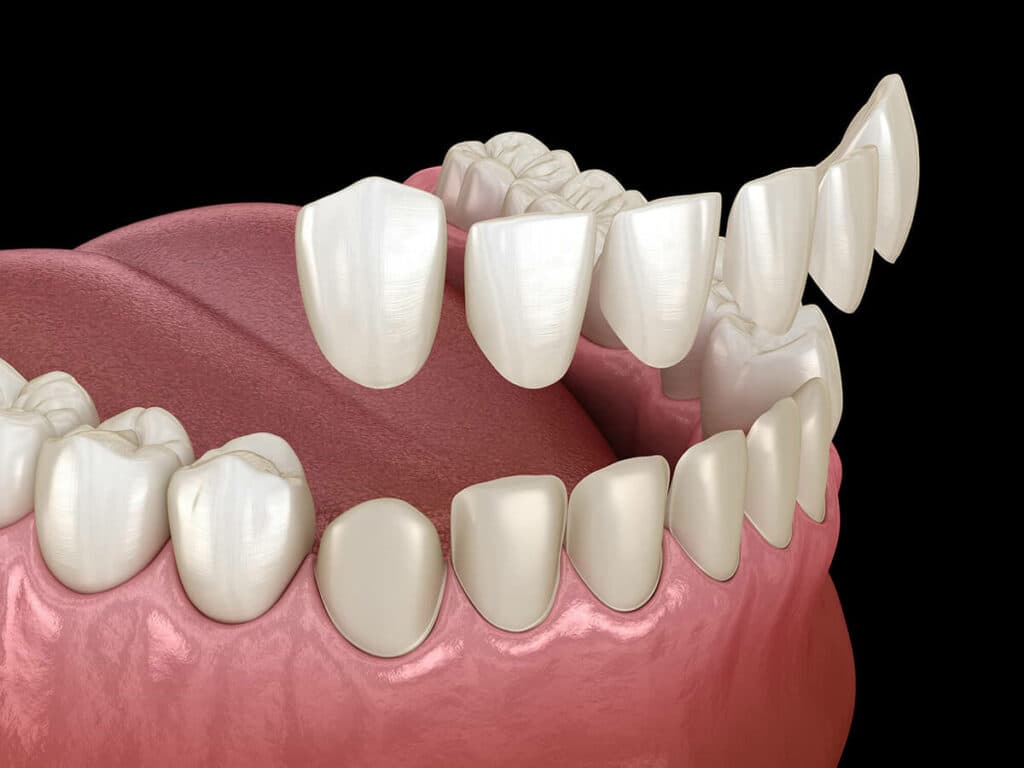
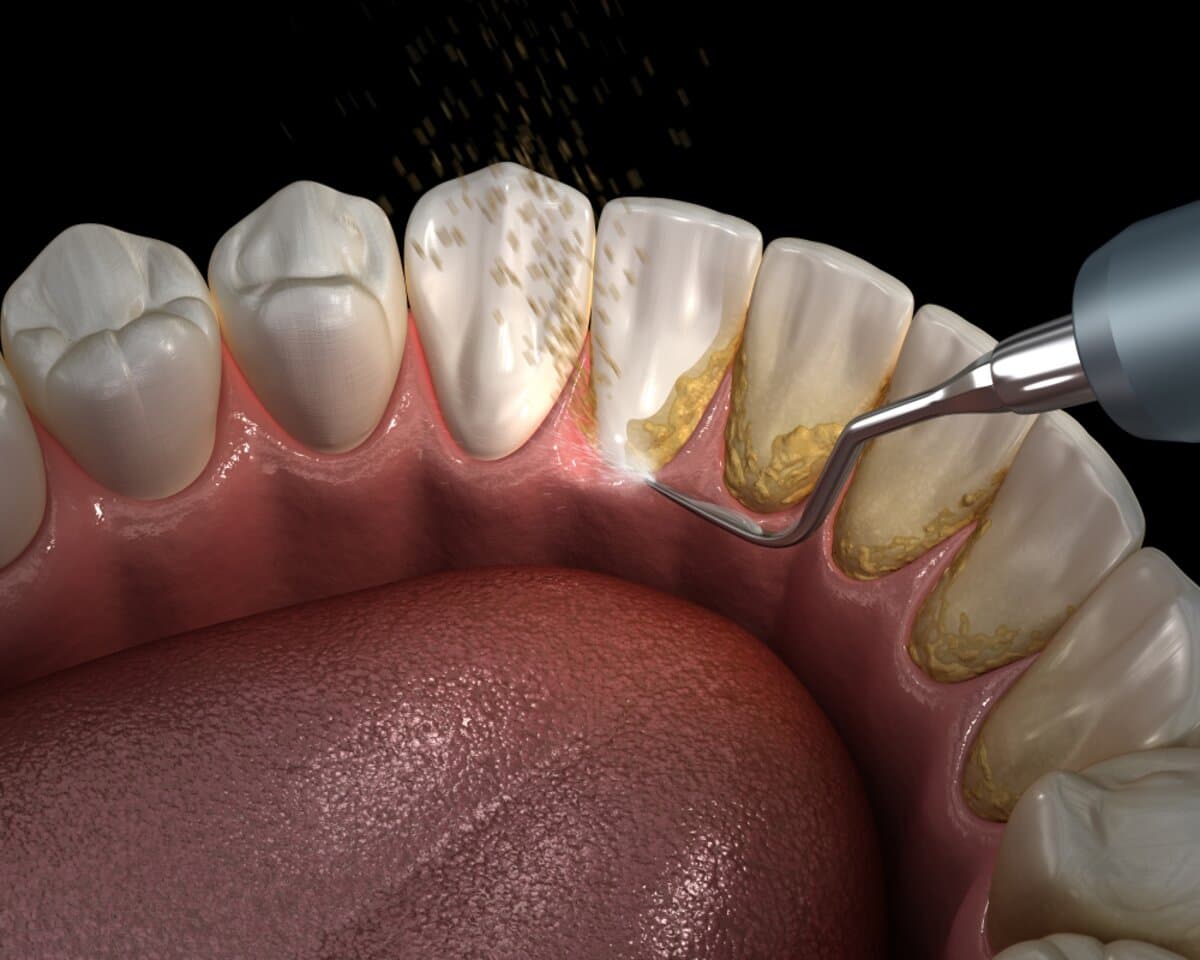
- Routine Cleanings & Exams: Low risk – no bleeding involved. We proceed as normal.
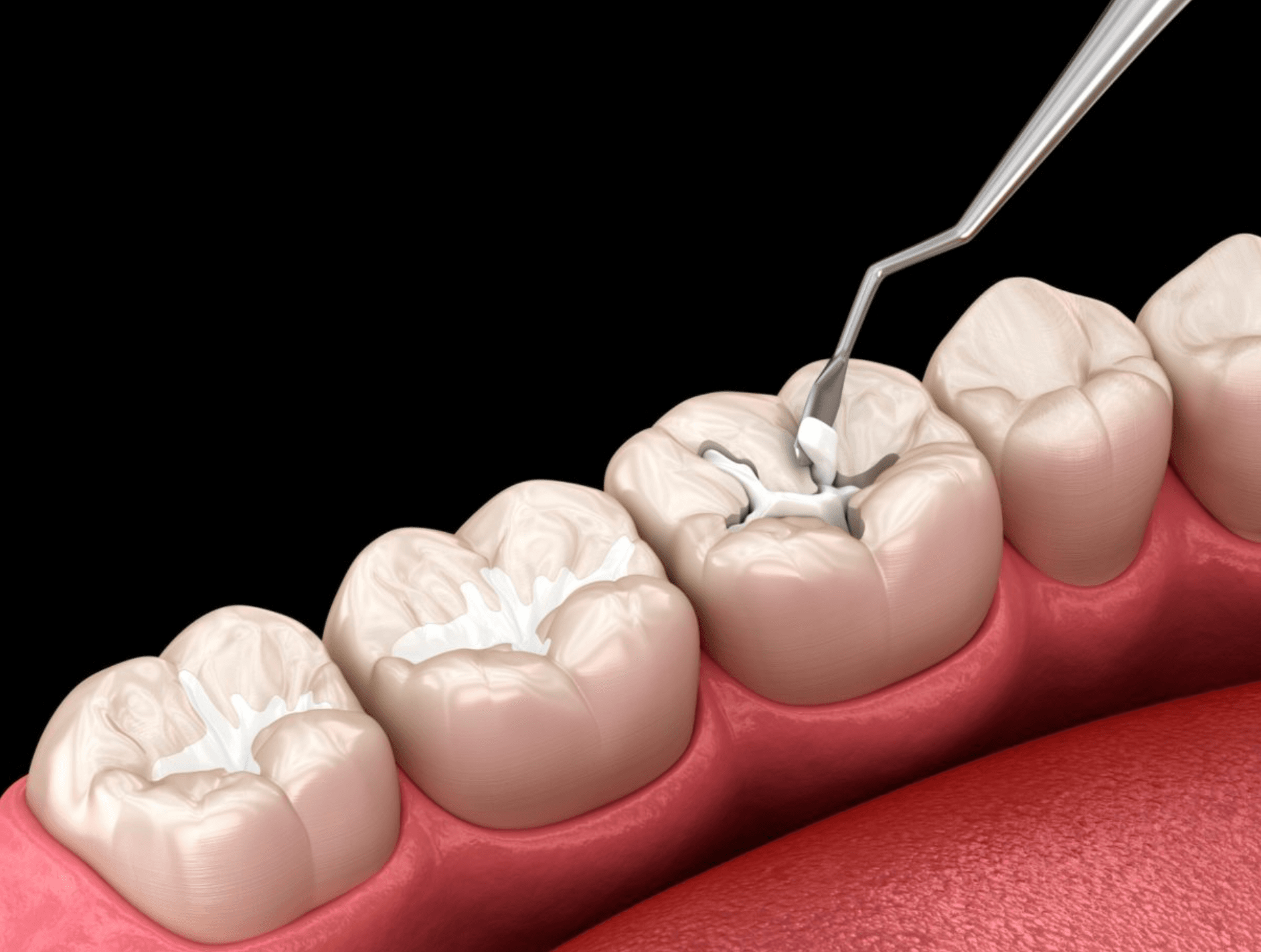
- Fillings & Crowns: Minimal bleeding; local anesthetics without epinephrine if needed.
- Root Canals: Enclosed procedure; rarely causes significant bleeding.
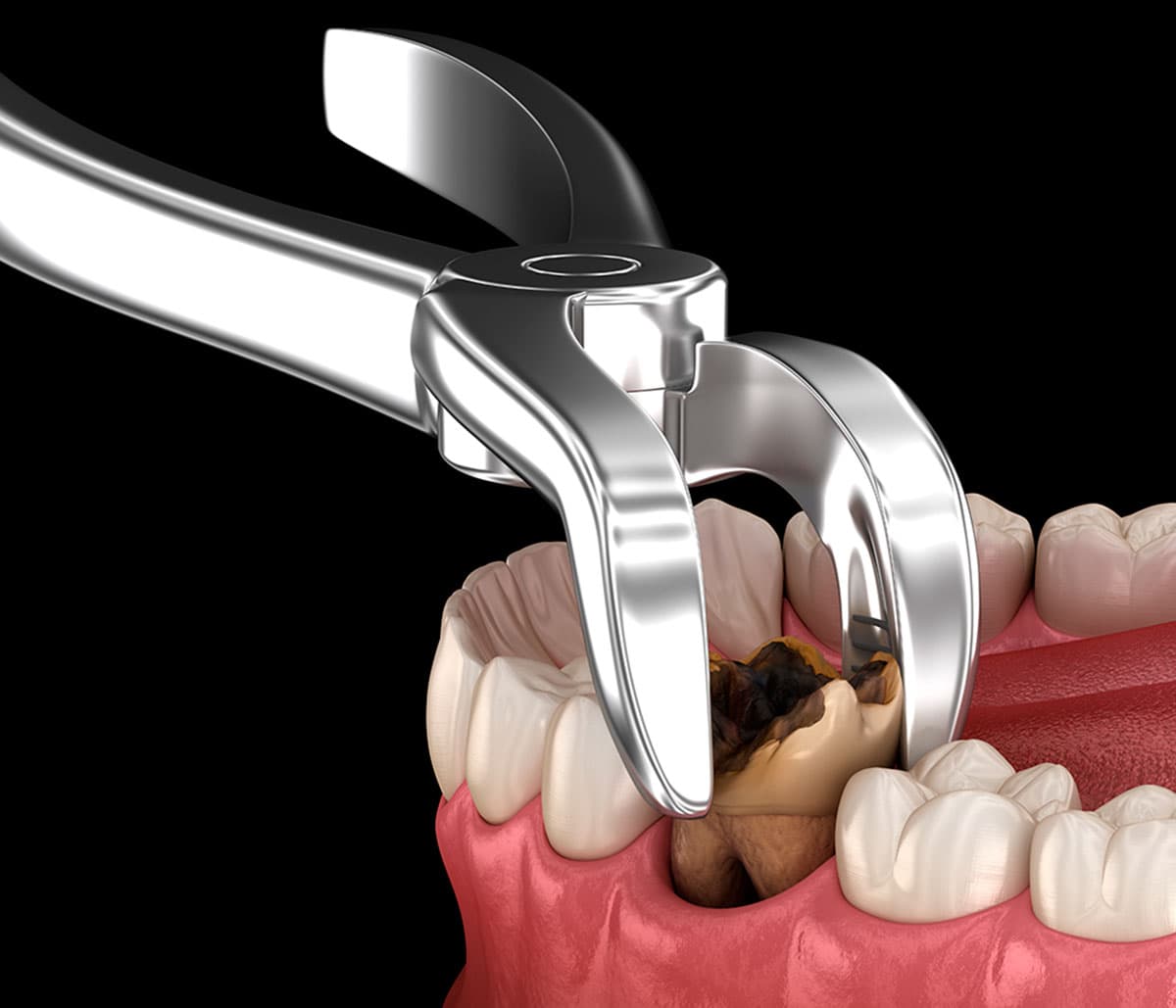
- Extractions & Oral Surgery: Higher risk, but managed with local measures like sutures, hemostatic agents (e.g., Surgicel), or tranexamic acid rinses. We avoid stopping meds unless INR >3.5.
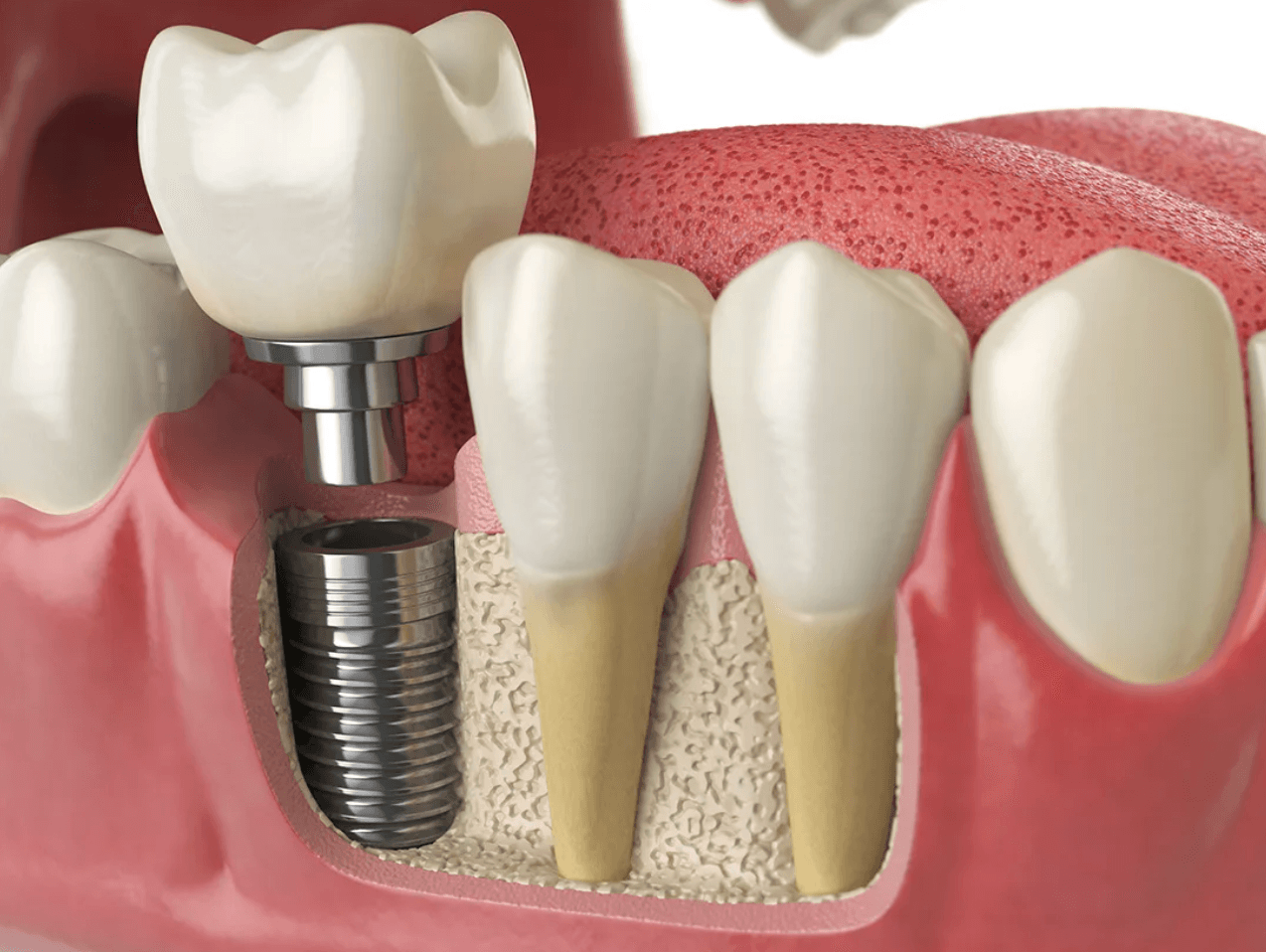
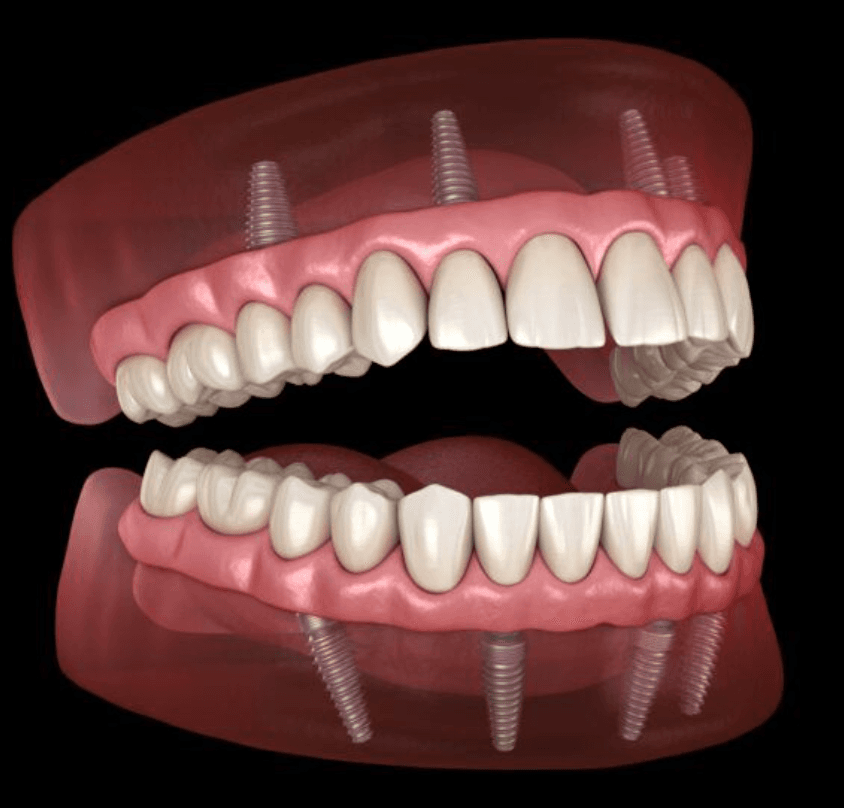
- Dental Implants: Possible with careful planning; we use guided surgery to minimize trauma.
For complex cases, we offer same-day monitoring and follow-up to ensure no complications.
Step-by-Step: How We Treat Anticoagulant Patients Safely
- Pre-Treatment Consultation: Free INR check (if on Warfarin) and medical history review. We coordinate with your physician.
- Customized Plan: Adjust anesthesia, use atraumatic techniques, and prepare hemostatic tools.
- During Procedure: Minimize bleeding with precise incisions and immediate clot promotion.
- Post-Op Care: Bite on gauze, prescribe rinses, and provide 24/7 emergency access. Most patients resume normal activities same-day.
Our success rate? Over 99% complication-free for anticoagulant patients in 2025.
Risks and When to Adjust Meds
While rare, uncontrolled bleeding can occur (1–5% risk for extractions). Signs include persistent oozing >24 hours. We only recommend pausing anticoagulants for high-risk surgeries (e.g., multiple extractions) under medical supervision – bridging with heparin if needed.
Always disclose your meds upfront – it’s key to safe care.
Why Tribeca Dental Studio for Anticoagulant Patients?
- Experienced team trained in medical-dental collaboration
- State-of-the-art tools for minimally invasive procedures
- Convenient Tribeca location with flexible scheduling
- Patient-first approach: No rushing, full explanations
Don’t let blood thinners stop your dental health. See our Smile Gallery for real transformations, including safe implant cases.
Ready for Safe Dental Care?
If you’re on anticoagulants and need treatment, call (212) 561-5303 or book online. We’re here for Tribeca and surrounding NYC areas – let’s keep your smile healthy without compromise.
Disclaimer: Individual cases vary. Always consult your physician before dental procedures. This is educational info, not medical advice.
FAQ
Q: Can I get a tooth extraction while on blood thinners? A: Yes, safely in most cases without stopping meds. We use local hemostatics to control bleeding.
Q: Do I need to stop anticoagulants for dental work? A: Rarely – only for high-risk procedures, and always with doctor approval.
Q: What if my INR is high before dental treatment? A: We reschedule or adjust if >3.5; otherwise, proceed with precautions.
Q: Is dental implant surgery safe on Eliquis or Xarelto? A: Absolutely, with planning. Success rates remain high (95%+).
Q: How long after dental work on anticoagulants should I watch for bleeding? A: 24–48 hours; contact us if it persists.