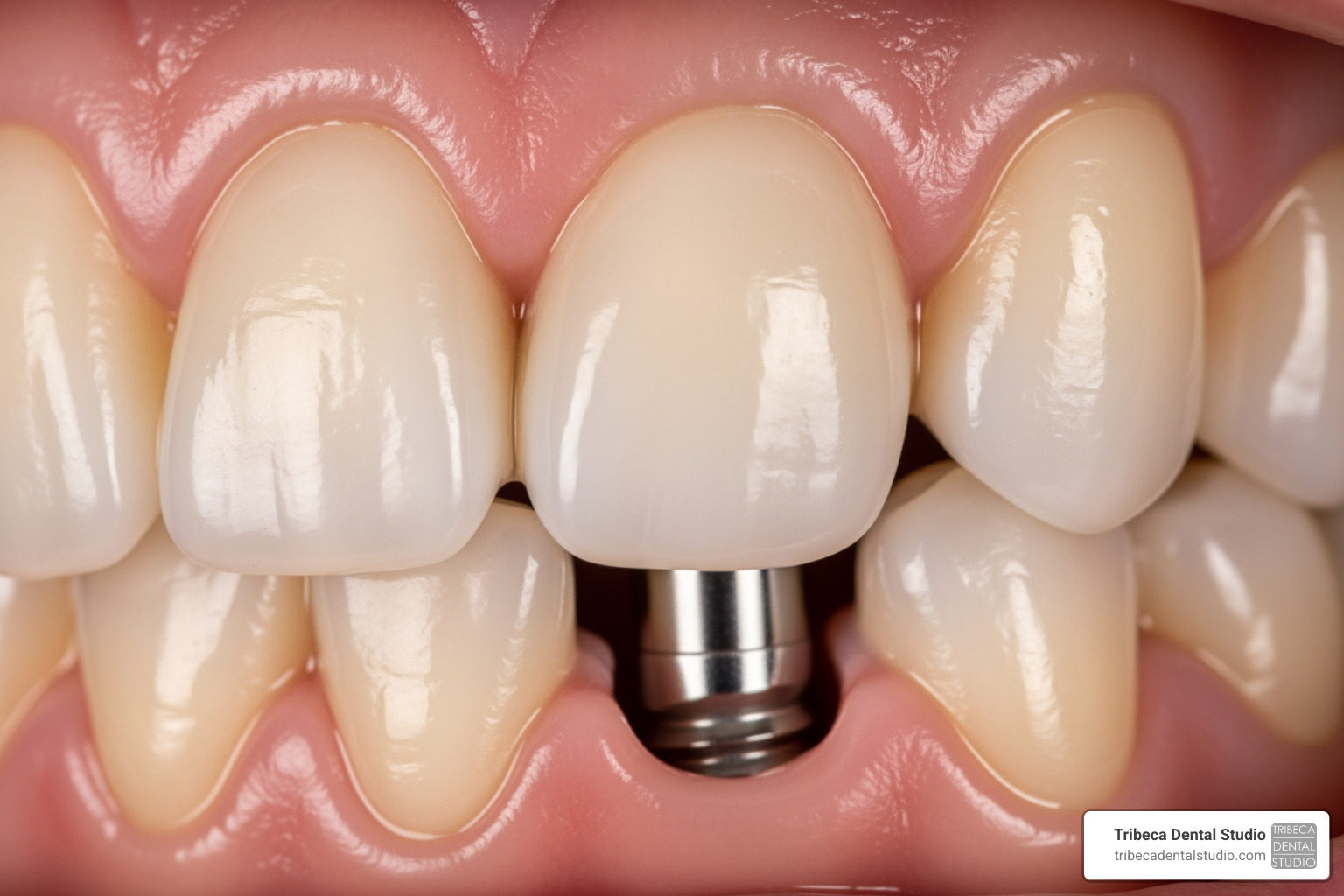
Why Understanding Dental Implant Safety Matters
Is dental implant safe? Yes, dental implants are considered safe for most people when performed by qualified professionals. Here’s what you need to know:
Quick Answer:
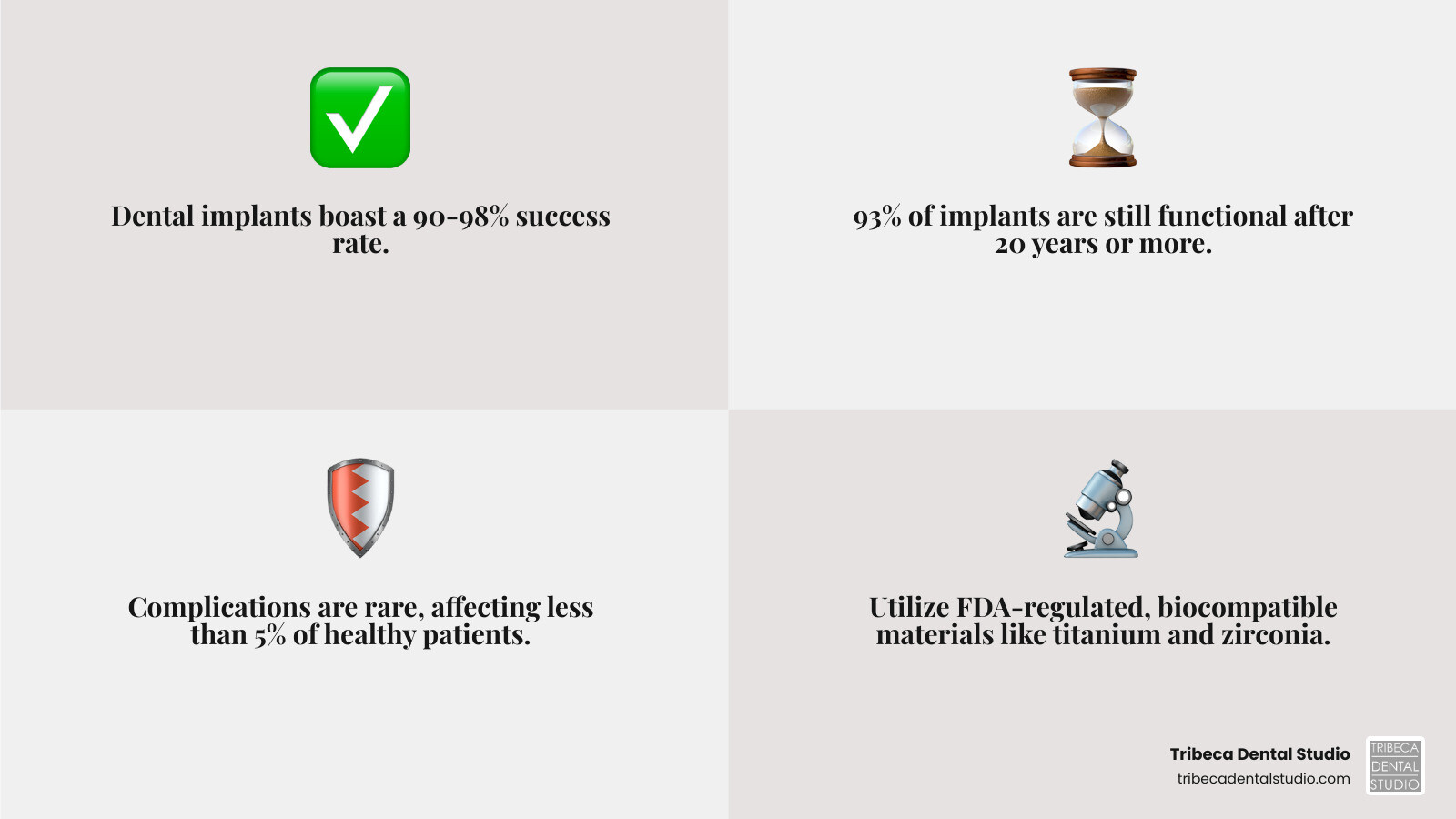
- High Success Rate: Dental implants have a 90-98% success rate
- Long-Lasting: 93% of implants survive 20 years or longer
- Biocompatible Materials: Made from tested materials like titanium that fuse safely with bone
- FDA-Regulated: All implant systems must meet strict safety standards
- Low Risk: Complications occur in less than 5% of healthy patients
When considering replacing a missing tooth, it’s natural to have safety questions. Decades of research prove that dental implants are one of the safest, most predictable options. Modern implants use biocompatible materials—like titanium or zirconia—that your body accepts. The post fuses with your jawbone through a natural process called osseointegration, creating a stable foundation that can last a lifetime.
However, safety also depends on your provider’s expertise, your overall health, proper planning, and committed aftercare. Some people face higher risks from factors like smoking or uncontrolled diabetes, but these challenges can often be managed with proper preparation.
I’m Dr. Nina Izhaky, and I’ve dedicated my career to helping patients achieve healthy, confident smiles with personalized, modern dental care. Addressing patient concerns about whether dental implants are safe is central to creating successful treatment plans that prioritize both safety and exceptional results.
Understanding what makes implants safe—and what factors might affect your outcome—empowers you to make the best decision for your oral health. Let’s explore the truth about dental implant safety together.
The Foundation of Safety: Materials and FDA Regulation
The safety of dental implants begins with their materials, a cornerstone of their success. Since 1965, dentistry has safely used hypoallergenic implants, allowing for extensive research into materials that are both strong and highly compatible with the human body.
The primary material is titanium because it’s uniquely biocompatible. Your body accepts it without causing irritation, corrosion, or degradation. This allows for a process called osseointegration, where the jawbone fuses directly to the implant surface, creating an incredibly stable and durable foundation for your new tooth. For more detail on titanium’s unique properties, you can read about its metal profile.
Zirconia, a ceramic material, is another popular option. It’s an excellent alternative for patients with metal sensitivities or who prefer a non-metal option. Like titanium, zirconia is highly biocompatible and supports successful osseointegration. Both materials are chosen for their strength, durability, and proven safety record.
But how do we know these materials are truly safe? The FDA (U.S. Food and Drug Administration) plays a crucial role. The FDA classifies dental implants as medical devices and subjects them to rigorous evaluation to ensure their safety and effectiveness.
To ensure patient safety, the FDA requires manufacturers to demonstrate that their implant systems are as safe and effective as existing options. This involves extensive material testing for biocompatibility, along with evaluations of the design, manufacturing, and clinical performance. This strict oversight means any implant system we use in our Tribeca, NYC office has met high standards for quality and safety. You can find more comprehensive information on how the FDA regulates dental implants and what patients should know directly from the FDA.
So, to answer your questions: What materials are dental implants made from, and are they safe? They are primarily made from highly biocompatible titanium or zirconia, and yes, they are very safe due to stringent testing and regulation. And How does the FDA regulate dental implants to ensure safety? Through comprehensive evaluation of materials, design, and clinical data to ensure they meet established safety standards.
Understanding the High Success Rate of Dental Implants
One of the most reassuring aspects of dental implants is their high success rate. When patients ask, “What is the typical success rate of dental implants?” we’re happy to share that it’s consistently high, ranging from 90% to 98%. For the vast majority of patients, this means a successful and long-lasting solution.
This high success rate extends to long-term durability. A significant 2022 study found that 93% of implants survived 20 years after placement. With proper care, modern implants can often last a lifetime.
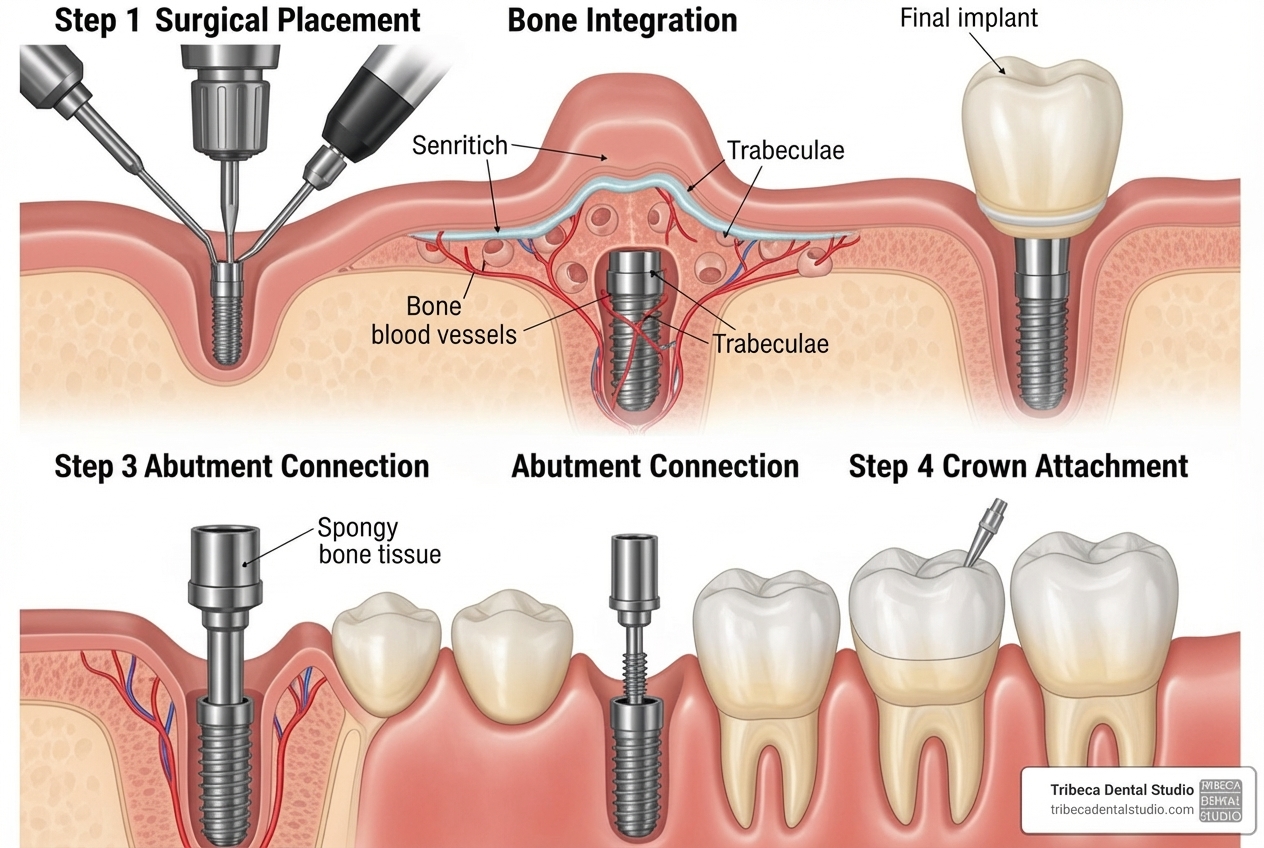
The key to this success is a biological process called osseointegration. After the implant post (usually titanium or zirconia) is surgically placed into your jawbone, bone cells naturally grow around and fuse with it, forming a rock-solid anchor. This fusion process, which can take three to nine months, is critical for the implant’s stability. During this healing phase, the implant becomes an integral part of your jaw, just like a natural tooth root.
Once osseointegration is complete, the implant provides a strong foundation for your artificial tooth, preventing it from slipping or causing bone damage.
However, success also depends on a few key factors. The expertise of the dental professional is paramount; our board-certified implant specialists at Tribeca Dental Studio ensure meticulous planning and execution. Secondly, your commitment to proper oral hygiene and regular check-ups is crucial. As the 2022 study noted, patients with gum disease who didn’t follow supportive care had a higher risk of implant failure. So, while implants are durable, they still require your care.
Is Dental Implant Safe? A Look at Potential Risks and Complications
While dental implants have an impressive safety record, it’s important to discuss potential risks, as with any medical procedure. Understanding these possibilities helps you make an informed decision and allows us to take steps to minimize them.
What are the potential risks and complications associated with dental implants? Complications are rare, with failure rates under 5% in healthy patients when safety protocols are followed. Potential issues fall into two categories: surgical (early) and implant-related (late) risks:
Surgical Risks (Early Complications): These occur during or shortly after the procedure:
- Infection at the implant site: A small risk with any surgery. We use strict sterile protocols and may prescribe antibiotics.
- Damage to surrounding structures: Injury to nearby teeth, blood vessels, or tissues. Careful 3D imaging and planning help us avoid this.
- Nerve damage: In rare cases, this can cause pain, numbness, or tingling in the teeth, gums, lips, or chin.
- Sinus issues: Implants in the upper jaw could protrude into sinus cavities. Advanced imaging and techniques like sinus lifts help prevent this.
- Excessive bleeding or swelling: Some is normal, but excessive amounts could be a complication.
Implant-Related Risks (Late Complications): These can develop months or years later:
- Failure of osseointegration (implant failure): The implant may not fuse with the jawbone due to insufficient bone, infection, or other factors. It may need to be removed.
- Peri-implantitis: An infection around the implant, similar to gum disease. If untreated, it can lead to bone loss and implant failure. It’s often linked to poor oral hygiene.
- Abutment screw loosening or fracture: The connecting screw can sometimes loosen or, rarely, fracture.
- Improper placement: Incorrect positioning can affect the bite or long-term stability, highlighting the need for a skilled specialist.
- Difficulty cleaning: A poorly designed crown can create hard-to-clean areas, increasing infection risk.
Risk Mitigation:
At Tribeca Dental Studio, we prioritize minimizing these risks through:
- Thorough patient evaluation: Assessing your overall health, oral health, and bone density.
- Advanced diagnostics: Using 3D imaging (CBCT) for precise placement planning.
- Skilled specialists: Our team, led by Dr. Nina Izhaky, has extensive training and experience.
- Sterile surgical environment: Adhering to the highest standards of sterilization.
- Personalized aftercare instructions: Providing detailed guidance for healing and long-term care.
While complications are possible, they are generally rare and, with proper professional care and adherence to post-operative instructions, most can be successfully managed or prevented.
Factors That Influence Implant Safety and Success
The long-term success of your dental implant is influenced by individual factors, including your health, habits, and your dental team’s expertise.
Patient Candidacy: A thorough evaluation is essential. Ideal candidates have good overall health, healthy gums, and enough jawbone to support an implant. We will discuss how any pre-existing conditions or medications might affect your suitability.
Pre-existing Conditions & Lifestyle Choices: Certain health issues and habits can increase the risk of implant failure, as detailed below.
Provider Expertise & Treatment Planning: The skill of your dental professional is critical. An experienced specialist uses 3D imaging (CBCT scans) to map your jawbone and plan precise placement, minimizing risks and optimizing success. At Tribeca Dental Studio, our team, including our board-certified implant specialist Dr. Nina Izhaky, provides this expertise. You can learn more about our specialist here: More info about our board-certified implant specialist.
How Smoking and Health Conditions Affect Safety
What factors can increase the risk of dental implant failure? Lifestyle choices and pre-existing health conditions are significant factors.
Smoking Risks: Smoking is a major risk factor for implant failure. Tobacco chemicals restrict blood flow, impairing healing and increasing infection risk. Studies show smokers have significantly higher failure rates:
- A 2020 study reported an implant failure rate of 11% for smokers versus 5% for non-smokers.
- Another 2022 study found that people who smoke have a 140% higher risk of failure.
We strongly advise quitting smoking before and during the healing phase to improve your chances of success.
Pre-existing Medical Conditions: Your overall health is linked to your body’s ability to heal.
- Uncontrolled Diabetes: Impairs healing and increases infection risk. With well-controlled diabetes, however, implants can be a safe option.
- Osteoporosis: This bone-weakening condition can affect jawbone density, which may be too soft to support an implant.
- Autoimmune Disorders: Certain conditions or medications that suppress the immune system can slow healing or increase infection risk.
- Gum Disease (Periodontitis): Active gum disease must be treated before implant placement, as the same bacteria can attack implant tissues (peri-implantitis).
- Inadequate Bone Density: Insufficient jawbone prevents a secure anchor. This doesn’t rule out implants, as a common and safe bone grafting procedure can build up the bone. Learn more about bone grafting here: More info about bone grafting.
We always conduct a thorough medical history review to ensure any underlying health conditions are managed effectively before proceeding with implant surgery.
Is dental implant safe for older individuals?
Many older individuals worry age might disqualify them from dental implants. However, age itself is not a barrier to successful treatment. We frequently help seniors in Tribeca, NYC, improve their quality of life with implants.
Are dental implants safe for older individuals? Yes. The primary considerations are overall health, medical conditions, and bone density—not chronological age.
What older individuals should consider:
- Slower Healing Times: Healing may be slower with age, possibly extending the osseointegration period, but this doesn’t typically prevent success.
- Overall Health: Pre-existing conditions like heart disease or diabetes are more common in older adults and must be well-managed. A 2020 study highlighted this. Our evaluation ensures any conditions are stable before proceeding.
- Bone Density: Long-term tooth loss can reduce jawbone density. Bone grafting is a viable solution to create a strong foundation if needed.
Many seniors are excellent candidates, and the benefits—improved chewing, speech, and confidence—can be life-changing. You’re never too old for a permanent, healthy smile. For more information, check out our resource: Dental implants for seniors.
The Recovery Process and What to Expect
Understanding what is the recovery process like after dental implant surgery? is vital for a successful outcome. Most patients find the recovery surprisingly manageable.
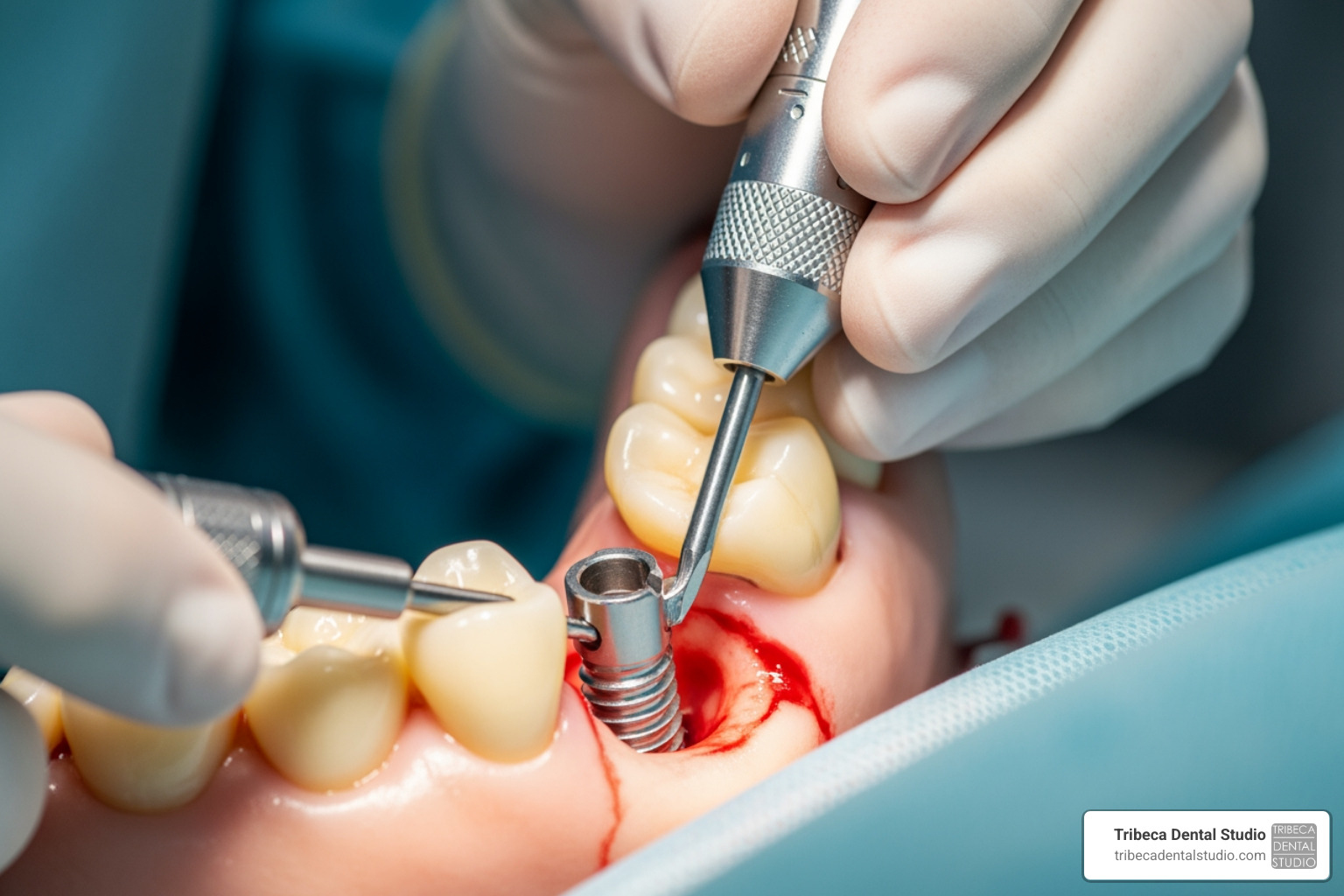
During the Procedure: You won’t feel pain during placement due to local anesthesia. We also offer sedation options for a more relaxed experience and monitor you for safety. You can learn more about dental anesthesia options here: Information on dental anesthesia.
Immediately After Surgery: It’s normal to experience some discomfort as the anesthesia wears off, including:
- Swelling: At the surgical site. Use an ice pack for the first 24-48 hours to reduce it.
- Minor bleeding: Some oozing is normal for the first day.
- Pain: Usually mild to moderate, manageable with over-the-counter or prescription pain relievers. Most patients report less pain than expected.
Healing Timeline: The crucial osseointegration period, where the jawbone fuses with the implant, takes three to nine months or longer. During this time, eat soft foods, maintain excellent oral hygiene as instructed, avoid smoking, and attend all follow-up appointments to monitor healing.
Once osseointegration is complete, we will place the abutment and your final custom-made crown. Long-term success depends on good oral hygiene and regular dental check-ups.
Alternatives to Dental Implants
While dental implants are an excellent solution, they aren’t for everyone. Are there any alternatives to dental implants if they are not suitable? Yes. At Tribeca Dental Studio, we present all viable options so you can make an informed choice for your needs, health, and budget.
Here are the primary alternatives:
-
Dental Bridges: A bridge is a fixed restoration that replaces missing teeth by joining an artificial tooth to adjacent teeth, “bridging” the gap.
- Pros: Fixed solution, looks natural, restores chewing function, and is less invasive than implant surgery.
- Cons: Requires removing enamel from healthy adjacent teeth, which can weaken them. Bridges don’t stimulate the jawbone, leading to bone loss. Their typical lifespan is 5-15 years.
-
Removable Partial or Full Dentures: These are removable appliances that replace missing teeth. Partials are used when some natural teeth remain; full dentures replace an entire arch.
- Pros: Generally the most affordable option and are non-invasive.
- Cons: Can be less stable, sometimes slipping, which affects speech and eating. They require daily removal for cleaning and can cause gum irritation. They don’t prevent jawbone loss and need to be relined or replaced every 5-10 years.
-
Root Canal Therapy (when applicable): If a damaged or infected tooth can be saved, a root canal is an option. The procedure removes infected pulp, cleans the canals, and seals the tooth, which is then restored with a crown.
- Pros: It saves your natural tooth, which is always our first choice when possible.
- Cons: Not an option if the tooth is already missing or too damaged. The treated tooth can sometimes become brittle.
Making an informed choice requires discussing the pros and cons of each option for your specific situation. For a deeper dive, see our article: Crowns vs. Bridges vs. Implants: Which is Right for You?.
For extensive tooth loss, options like All-on-4 Dental Implants offer a full-arch solution that combines implant benefits with the convenience of a fixed prosthesis.
Frequently Asked Questions About Dental Implant Safety
Is dental implant safe if I have an existing medical condition?
Yes, in many cases. Safety depends on managing the condition (e.g., controlled diabetes) and requires a thorough evaluation. It’s crucial to discuss your full medical history with your dentist. While conditions like uncontrolled diabetes or active gum disease increase risks, our team at Tribeca Dental Studio works with you and your doctor to manage them. Once stabilized, implants are often a safe and effective solution.
Can a dental implant get infected years later?
Yes, though it’s uncommon with proper care. A late-stage infection called peri-implantitis can develop from poor oral hygiene, similar to gum disease. It’s treatable, especially when caught early. Maintaining excellent daily hygiene and attending regular check-ups at our Tribeca, NYC office are the best defenses. Early detection allows for successful treatment, preserving your implant.
What is the safest material for dental implants?
Titanium is the most common and time-tested material, known for its biocompatibility and strength, with a long track record of safely fusing with bone (osseointegration). Zirconia, a ceramic, is also a very safe and effective alternative, especially for patients with metal sensitivities. Both materials meet strict FDA safety standards and are considered excellent, durable choices.
Your Partner for a Safe and Successful Implant Journey
As we’ve explored, the answer to “Is dental implant safe?” is a resounding yes for most people. Dental implants are a secure, long-lasting, and aesthetic solution for missing teeth, supported by decades of research, high success rates, and strict regulatory oversight.
At Tribeca Dental Studio, we know that any surgical procedure can cause apprehension. That’s why our commitment to your safety and comfort is at the core of everything we do.
Key takeaways from our discussion:
- Implants are safe: They are made from biocompatible materials like titanium and zirconia, designed to integrate seamlessly with your body.
- Candidate selection is crucial: Your overall health, oral hygiene habits, and bone density play a significant role in your success. We carefully evaluate each patient to ensure implants are the right and safest choice for you.
- A skilled provider makes all the difference: The expertise of your dental team, from precise treatment planning to gentle surgical techniques and comprehensive aftercare, is paramount in minimizing risks and maximizing success.
- Personalized care is our promise: We treat every patient like family, taking the time to understand your unique needs, answer all your questions, and tailor a treatment plan that prioritizes your comfort and long-term oral health.
If you’re in Tribeca, Manhattan, or anywhere in New York City and considering dental implants, we invite you to experience the difference of personalized, advanced dental care. Dr. Nina Izhaky and our dedicated team are here to ensure your implant journey is as safe, comfortable, and successful as possible.
Don’t let questions about safety keep you from achieving the healthy, confident smile you deserve.
Schedule a consultation for dental implants in New York with us today. We look forward to welcoming you to our dental family.