Is Gum Recession Normal? Exploring Causes and Treatment Options
September 15, 2025
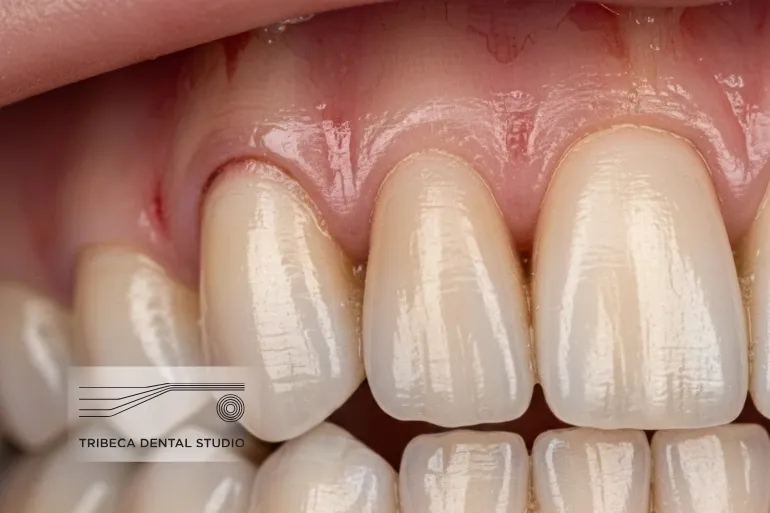
Gum recession is a common dental concern that affects millions, often progressing silently until noticeable symptoms emerge. It involves the gradual pulling back of gum tissue, exposing the tooth roots and increasing sensitivity, discomfort, and risk of decay.
While many assume gum recession is a normal part of aging, it typically signals underlying issues that require attention. Understanding its causes, risks, and treatment options is essential for maintaining long-term oral health and preventing irreversible damage.
What Is Gum Recession?
Gum recession occurs when the gum tissue surrounding the teeth wears away or pulls back, exposing more of the tooth or its root. This can lead to increased sensitivity, aesthetic concerns, and even tooth loss if untreated. It’s a progressive condition that often develops slowly, making early detection critical.
How Common Is Gum Recession?
Gum recession is frequently seen in adults over 40, but that doesn’t make it normal. Healthy gums are meant to protect tooth roots. When they start pulling back, it’s a sign of stress, infection, or mechanical damage. Receding gums are a clinical warning, not a harmless age-related change.
Common underlying causes include:
- Chronic plaque accumulation
- Periodontal infection
- Excessive brushing force
- Bite misalignment
- Hormonal fluctuations
- Bruxism or clenching
If you’re over 40 and noticing gum changes, it’s time for a professional evaluation. Early treatment can prevent long-term damage. For advanced concerns, our Periodontal disease treatment can help restore gum health and protect your smile.
Common Causes of Gum Recession
Several factors contribute to gum recession, and understanding them is key to prevention:
- Chronic Plaque Accumulation: Persistent plaque buildup irritates gum tissue, triggering inflammation that gradually erodes the gum line and exposes tooth roots.
- Periodontal Infection: Advanced gum disease destroys connective tissue and bone, causing gums to detach and recede from the teeth over time.
- Excessive Brushing Force: Brushing too hard or using stiff bristles can physically wear away gum tissue, especially near the cervical margins.
- Bite Misalignment: Uneven bite pressure places mechanical stress on specific teeth, leading to localized gum recession and structural imbalance.
- Hormonal Fluctuations: Shifts during puberty, pregnancy, or menopause increase gum sensitivity and vulnerability to inflammation and tissue breakdown.
- Bruxism or Clenching: Chronic grinding or jaw clenching exerts excessive force on teeth and gums, accelerating recession and weakening support structures.
Early Warning Signs of Gum Recession
Recognizing gum recession early can prevent irreversible damage. Watch for:
- Tooth sensitivity to hot, cold, or sweet foods
- Teeth appearing longer than usual
- Visible notches or grooves near the gum line
- Swollen, red, or bleeding gums
- Persistent bad breath
- Loose teeth or shifting bite
Potential Risks and Long-Term Effects
Root Exposure
As gums recede, tooth roots become exposed, leading to increased sensitivity and a higher risk of root surface decay, which is more difficult to treat than crown decay.
Tooth Mobility
Loss of gum and bone support weakens the structural foundation of teeth, causing them to loosen, shift, or feel unstable during normal function.
Aesthetic Concerns
Receding gums create uneven gum lines and longer-looking teeth, which can negatively affect smile symmetry and overall facial aesthetics.
Tooth Loss
Severe gum recession can compromise both soft tissue and bone support, eventually leading to complete detachment and loss of the affected tooth.
Systemic Health Risks
Chronic gum disease linked to recession has been associated with systemic conditions like heart disease, diabetes, and adverse pregnancy outcomes due to bacterial spread. For more insights, check the surprising link between Gum Disease and Alzheimer’s.
Why Early Treatment Matters
Gum recession is progressive; the longer it’s left untreated, the more tissue and bone you risk losing. Early intervention not only preserves gum structure but also prevents root exposure, tooth instability, and costly surgical procedures down the line. Timely care allows for less invasive treatments, better outcomes, and long-term protection of your oral health.
\According to the World Health Organization (WHO), oral diseases affect 3.5 billion people globally, with severe periodontal disease impacting over 1 billion.
Moreover, Regular Dental Checkups & Teeth Cleaning can help catch gum issues early before they escalate.
Can Gum Recession Be Reversed?
In its early stages, gum recession can sometimes be halted or slightly improved with proper care. However, true reversal often requires professional intervention. Gum tissue doesn’t regenerate on its own, but treatments can restore coverage and protect exposed roots.
Treatment Options for Gum Recession
Depending on severity, treatment may include:
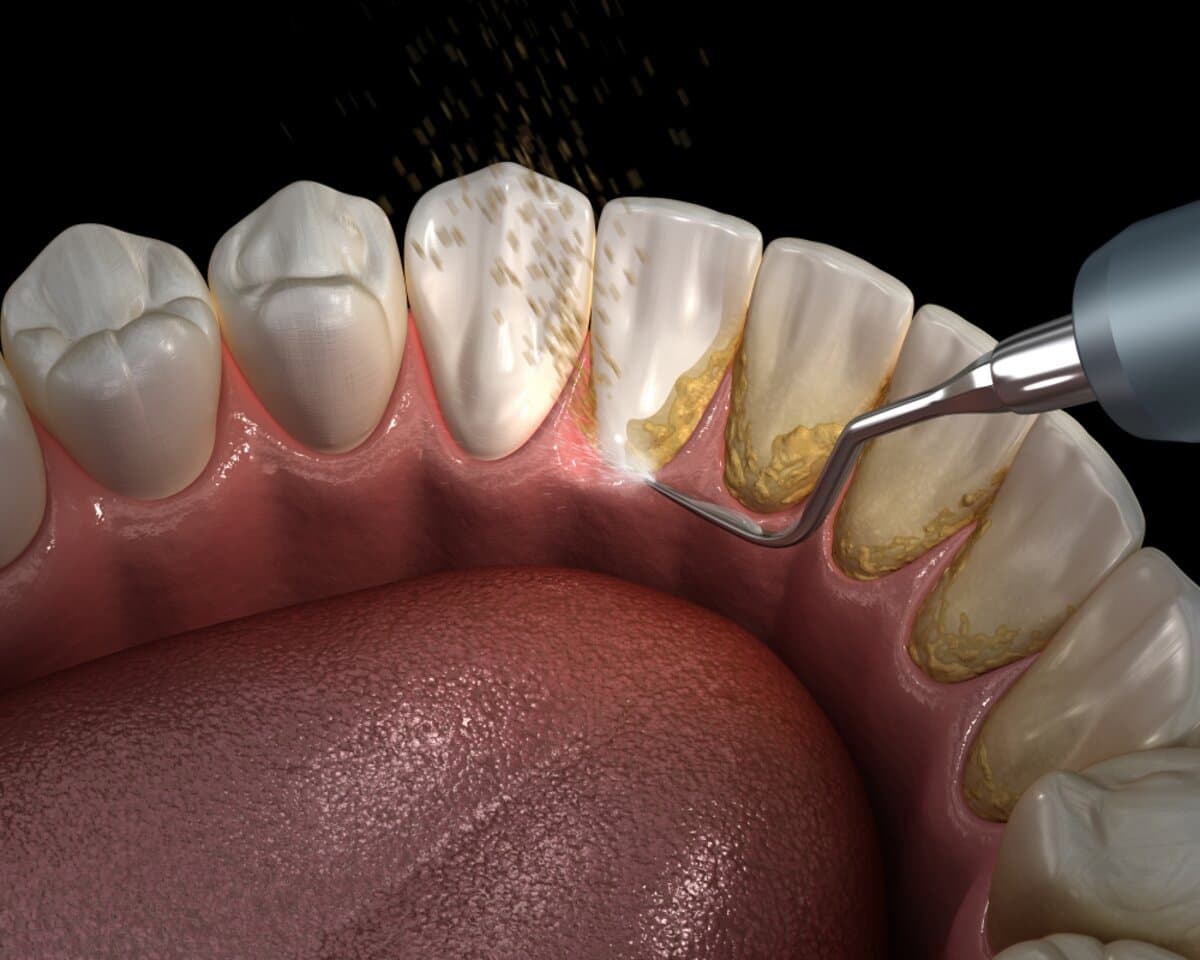
- Scaling and Root Planing: Deep cleaning to remove plaque and bacteria beneath the gum line
- Desensitizing Agents: Reduce discomfort from exposed roots
- Gum Grafts: A Surgical procedure where tissue is taken from another area (often the palate) and attached to the receded site
- Pinhole Surgical Technique: A minimally invasive method to reposition gum tissue
- Orthodontics: Correcting bite issues to reduce gum stress
- Laser Therapy: Targeted treatment for infected tissue and regeneration (learn more about our Laser Gum Treatment).
How to Prevent Further Gum Recession
Preventing gum recession starts with consistent, gentle care. Use a soft-bristled toothbrush and brush without excessive force to avoid damaging gum tissue. Daily flossing removes plaque between teeth, reducing inflammation. If you grind your teeth, a nightguard can protect against pressure-related recession.
Avoid tobacco products, which impair gum healing and accelerate tissue loss. Regular dental checkups help catch early signs before they worsen. Address bite misalignment promptly, and maintain a nutrient-rich diet to support gum strength. Long-term gum health depends on daily habits, not occasional effort; consistency is key to prevention.
When to See a Dentist for Gum Recession
About Tribeca Dental Studio
Tribeca Dental Studio, located at 54 Warren St, New York, NY 10007, has provided comprehensive dental care to Lower Manhattan since 2007. Led by Dr. Nina Izhaky, our practice combines general, pediatric, orthodontic, oral surgery, and periodontal care under one roof.
Our focus on airway health, dental implants, veneers, and pediatric dentistry sets us apart. We use 3D CBCT imaging, digital planning, and laser technology — including NightLase for snoring — to deliver precise, comfortable care.
To schedule a consultation, call (212) 561-5303 or book online. We welcome patients from Tribeca, SoHo, Battery Park City, the Financial District, and throughout downtown Manhattan.