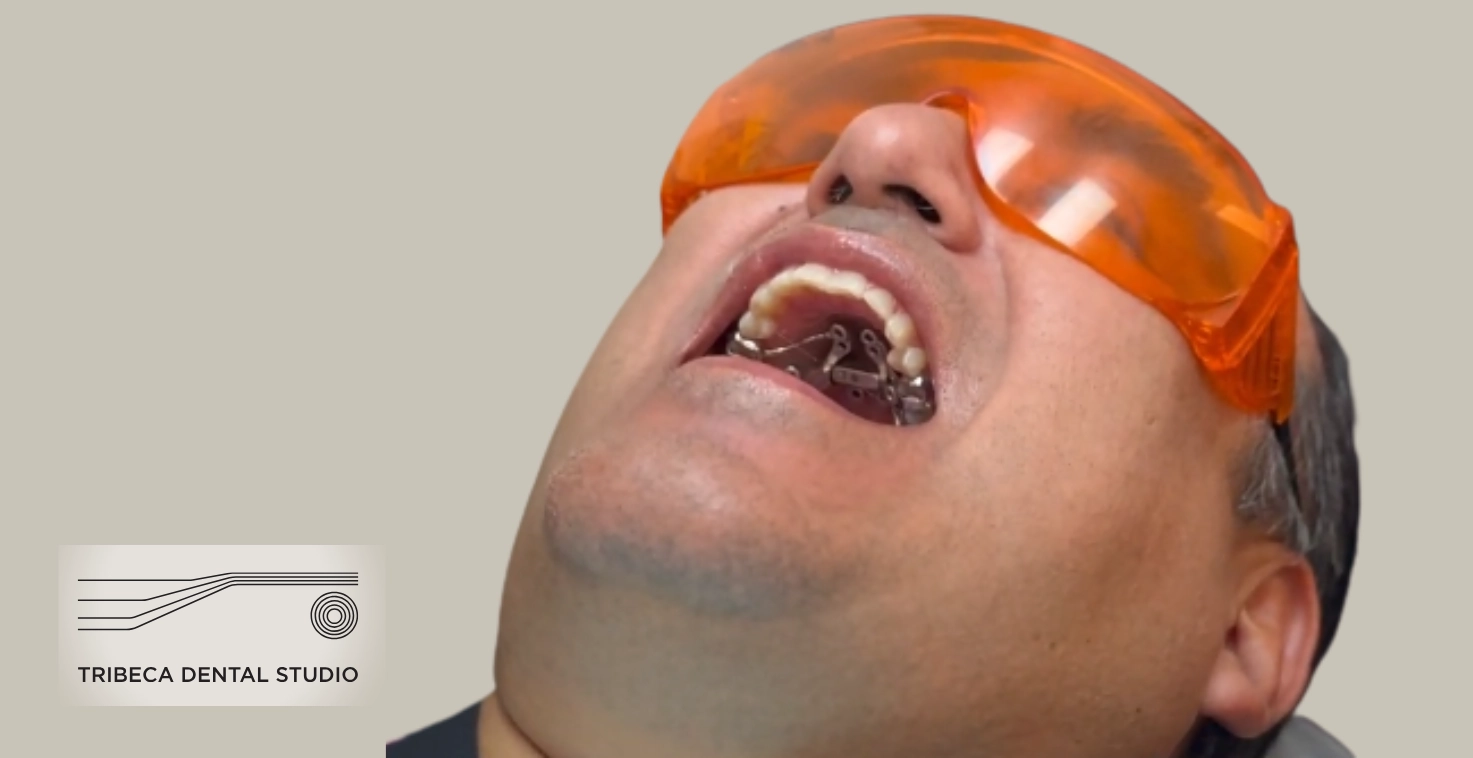
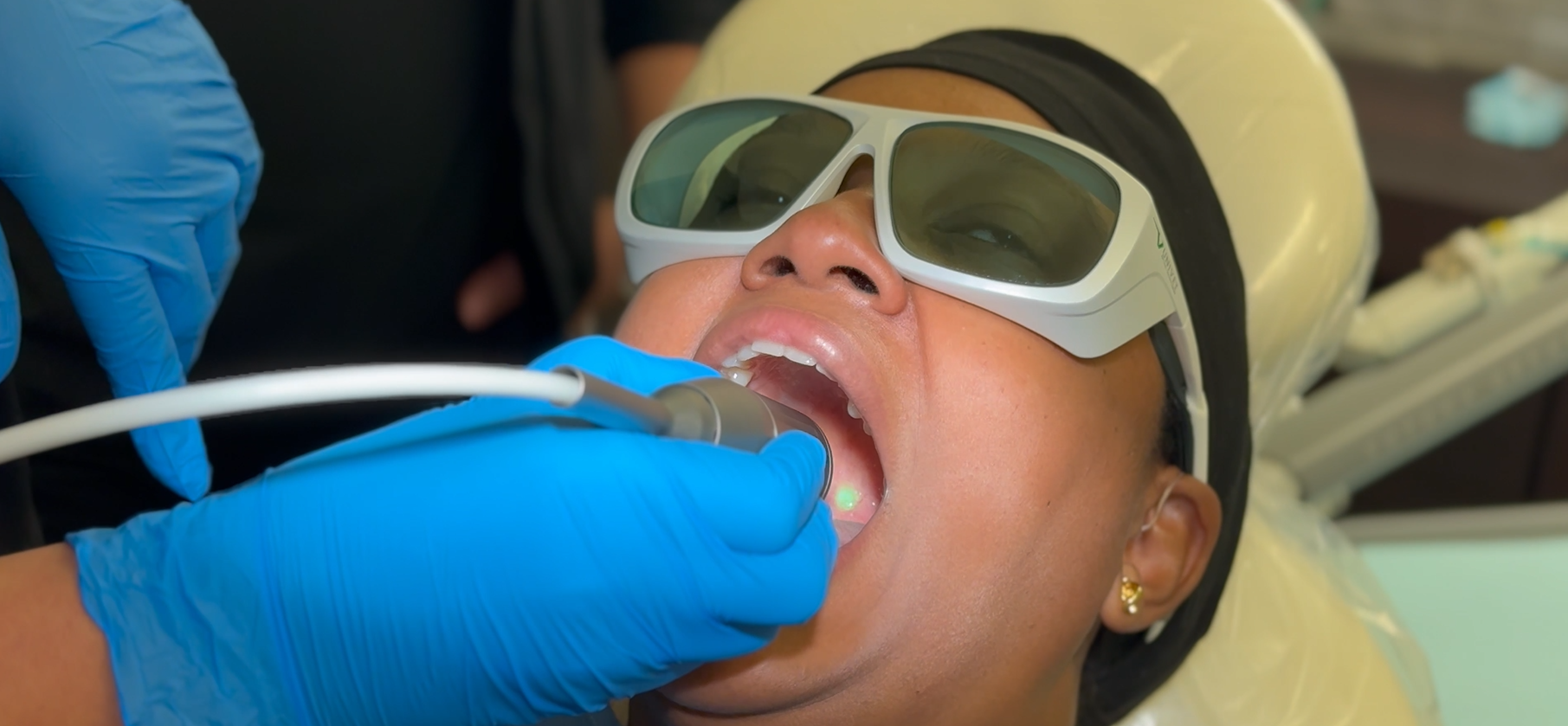
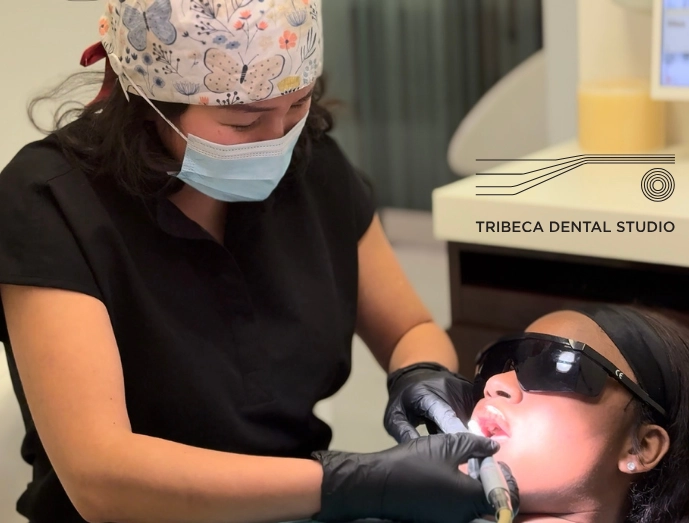
If you’re in NYC and experience sleep apnea, sinus issues, or TMJ symptoms, our airway specialist Dr. Reem Abdulrahman may have solutions for you. A narrow maxilla, or upper jaw, may be to blame. There could be a permanent or long-lasting alternative to using a CPAP machine each night, losing sleep, experiencing chronic headaches, and never shaking that neck and shoulder tension. Miniscrew-assisted rapid palatal expansion, or MARPE, expands patients’ palates to create space for teeth and literally help them breathe easier.
A narrow palate can cause patients a number of everyday problems, including:
- Sleep disordered breathing and all of its comorbidities
- Other airway problems like chronic congestion
- Crowded or misaligned teeth
- Chewing dysfunction
- TMD/TMJ
Ready to find out if MARPE is right for you?
What is MARPE?
Miniscrew-assisted rapid palatal expansion (MARPE) is an effective non-surgical and non-extraction treatment approach for expanding the upper jaw. A narrow maxilla is associated with nasal obstruction, crowded teeth, and hindered facial development. For many patients, MARPE represents a definitive sleep apnea treatment or TMJ treatment in NYC. There are a variety of reasons MARPE may be indicated, but sleep apnea and TMJ disorders are among the most common.
Conventional maxillary expander treatments are common for treating narrow maxilla. However, these are limited to children because the suture holding the maxillary bone together (known as the midpalatal suture) fuses around 12–15 years of age.
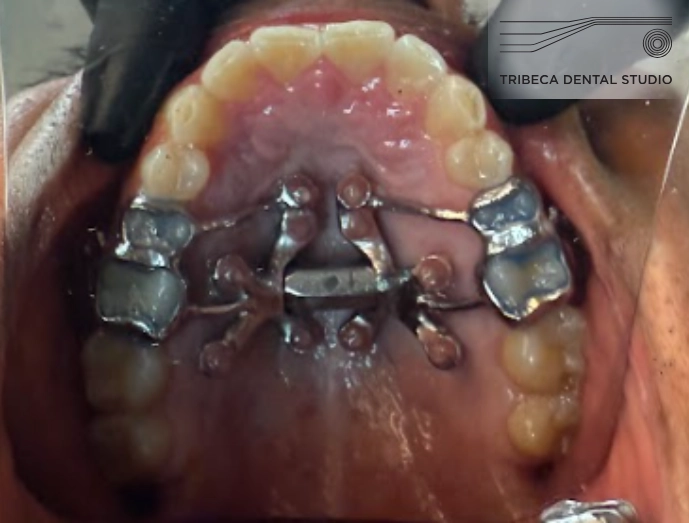
MARPE, on the other hand, is innovative because it makes palatal expansion available to adults by directly connecting the expander to the palatal bone. Dr. Reem specializes in a type of MARPE called MSE, which creates a parallel expansion rather than the typical V-shaped expansion that other MARPE methods offer. MSE and other MARPE treatments have helped many of her patients live more carefree lives.
How Does MARPE Work?
MARPE works by expanding the maxillary bone, thereby increasing the volume of the nasal cavity and oral cavity. This decreases nasal resistance and gives the tongue more room to sit upward and forward in the mouth, making the airway larger.
The process goes as follows:
- You and Dr. Reem will have a consultation, where you’ll discuss with her your symptoms (if any), needs, and goals.
- She’ll give her best recommendation for treatment, and you’ll set an appointment to begin your MARPE journey.
- On the day of your appointment, Dr. Reem will place a small piece of hardware similar to a retainer on the roof of your mouth. She fixes it to the palate with micro-screws (and proper pain management, of course).
- You will return home with a key that you’ll connect to the MARPE hardware and turn at regular intervals.
- This slowly creates outward pressure on your palate and expands it. Eventually, you’ll hear a pop when the two halves of the palate separate. No worries! That means it’s working.
- Once you’ve done the prescribed amount of key turning, you’ll passively wear the MARPE hardware for a few months until the bone regenerates and heals in its new, more spacious shape.
- The next step is braces or Invisalign® to move your teeth into their ideal positions.
Now you get to enjoy your smile as it was meant to be, along with easier breathing and plenty of room for your tongue. (Really, until you experience the latter, you can’t imagine what a relief it is for your tongue to have ample space in your mouth!)
What Does MARPE Do?
MARPE offers the following benefits to patients with narrow maxillae:
- Expands the palate
- Increases nasal volume and improves breathing
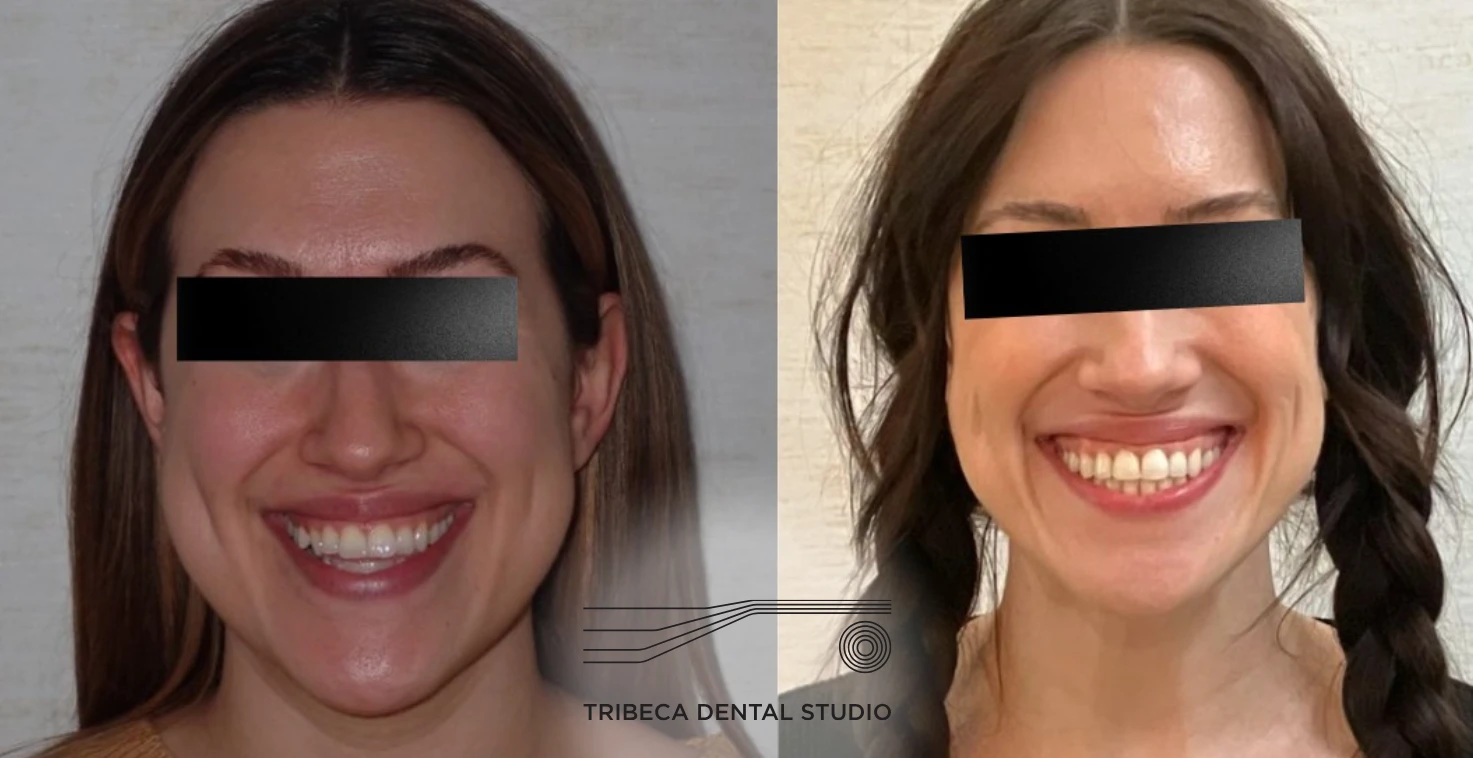
- Improves facial aesthetics
- Creates room for the tongue
- Reduces or eliminates crowding of teeth
- Helps patients avoid surgery
- Reduces the need for sleep appliances or CPAP
Types of Palatal Expanders and Why MARPE Is Different
Orthodontists use several types of expanders depending on the patient’s age and needs:
- Traditional Rapid Palatal Expander (RPE): Most effective in children before the mid-palatal suture fuses.
- Hyrax Expander: Tooth-borne device that attaches to molars to apply lateral pressure.
- Surgically Assisted RPE (SARPE): Requires jaw surgery for adults with fused sutures.
Why MARPE is different:
Unlike tooth-borne expanders or surgical methods, MARPE anchors to mini-implants, applying force directly to the bone rather than the teeth. This allows older teens and adults to achieve true skeletal expansion safely, without invasive surgery.
Benefits of MARPE for Children, Teens, and Adults
- Children: Guides proper jaw growth, creates space for erupting teeth, and reduces the need for extractions.
- Teens: Corrects bite discrepancies and airway restrictions during a critical growth stage.
- Adults: Expands the upper jaw non-surgically, improving breathing, aesthetics, and implant/orthodontic outcomes.
Regardless of age, MARPE helps achieve healthier, more stable results compared to traditional expanders.
Airway Health, Breathing, and Sleep Benefits
One of the most impactful advantages of MARPE is its effect on airway function. By expanding the upper jaw and nasal passages, MARPE can:
- Improve nasal breathing efficiency
- Reduce mouth breathing and snoring
- Lower risk of sleep-disordered breathing, including obstructive sleep apnea
- Support better oxygen flow during rest, leading to improved energy and concentration
For children, early intervention with MARPE may even prevent the long-term consequences of chronic airway restriction.
Cosmetic and Functional Outcomes of Palatal Expansion
Beyond health improvements, MARPE provides both cosmetic and functional benefits:
- Creates a broader, more balanced smile
- Enhances facial symmetry by correcting midface constriction
- Improves bite alignment, reducing strain on teeth and jaw joints
- Provides space for crowded teeth, supporting orthodontic stability
The result is not only a healthier airway and bite but also a smile that looks naturally full and harmonious.
The Process: Impressions, Appliance Placement & Activation
Here’s what you can expect with MARPE treatment at Tribeca Dental Studio:
- Consultation & Imaging: 3D scans and digital impressions map your palate and airway.
- Custom Appliance Design: A MARPE appliance is created to fit your unique anatomy.
- Placement of Miniscrews & Appliance: The device is anchored gently with tiny, temporary implants.
- Activation Period: You or your provider will adjust the appliance gradually, usually once per day.
- Retention Phase: After expansion, the device remains in place for several months to allow new bone to stabilize.
- Orthodontic Treatment (if needed): Braces or aligners may follow to refine alignment.
Most patients adapt quickly, and any initial pressure or mild soreness typically subsides within a few days.
Clinical Effectiveness and Long-Term Results
When evaluating palatal expansion options, one of the biggest questions patients have is whether the results will truly last. Why? Because traditional expanders often tip teeth outward instead of widening the underlying bone, which can lead to relapse once treatment ends.
That’s where MARPE stands apart. Studies show MARPE is highly effective at producing true skeletal expansion, even in mature teens and adults whose sutures are already more resistant to change.
The impact is significant:
- Greater skeletal vs. dental changes that create lasting stability
- Improved airway function for easier breathing and better sleep
- Results that endure into adulthood without the same risk of relapse
- High patient satisfaction in both function and appearance
When combined with orthodontics, MARPE creates a foundation for healthier, more stable results that are designed to last a lifetime. That’s why so many patients and orthodontists now consider MARPE the gold standard for modern palatal expansion.
Risks and Considerations of MARPE Treatment
Every orthodontic treatment comes with its own considerations, and MARPE is no exception. During the early stages, some patients may notice mild gum irritation or soreness around the miniscrew sites. A short adjustment period is also common as the mouth adapts, sometimes affecting speech or eating habits temporarily. In rare cases, a miniscrew may loosen, but this can be managed easily with replacement.
It’s also important to note that MARPE may not be suitable for individuals with certain medical conditions or very severe skeletal discrepancies.
That’s why at Tribeca Dental Studio, every patient undergoes a thorough evaluation before treatment begins. Our goal is to ensure that MARPE is not only effective but also the safest and most appropriate choice for your unique needs.
Frequently Asked Questions
Is the MARPE procedure painful?
The placement of the appliance and miniscrews is done under local anesthesia, so it is not painful. You may feel some pressure or mild discomfort for a few days after placement and with each activation, which is easily managed.
How long will I have to wear the MARPE appliance?
The active expansion phase typically lasts a few weeks, followed by a stabilization period of about 6 months.
Will I need braces after MARPE?
Yes, MARPE creates the foundational space needed to align your teeth. It is typically followed by a course of braces or Invisalign to achieve the final ideal tooth positions.
Find Out if You’re a Candidate for MARPE in NYC
If you’ve been told your jaw is too narrow or your breathing issues may be related to airway restriction, MARPE could be the solution. To learn more about MARPE and to find out if palatal expansion is for you, book your appointment at Tribeca Dental Studio in Lower Manhattan today. We may be able to help you put an end to sleep disordered breathing, chronic congestion, teeth crowding, or TMJ symptoms.
BOOK NOW