Dental implants require a strong, stable foundation, but when bone loss has occurred, that foundation may need to be rebuilt. At Tribeca Dental Studio, we offer advanced bone grafting in Tribeca, NY, to restore jawbone volume and prepare your mouth for long-term dental implant success.
Whether you’ve experienced bone deterioration due to tooth loss, gum disease, or trauma, our team provides safe, predictable solutions tailored to your anatomy and goals.
What Is Bone Grafting in Dentistry
Dental bone grafting is a surgical procedure that adds volume and density to your jawbone in areas where it has been lost. The procedure involves placing bone material (or a substitute) into the deficient area, which then serves as a scaffold for your own body to grow new, healthy bone.
This is most critically needed for dental implants. An implant, like a natural tooth root, requires a sufficient amount of strong, healthy bone to anchor it securely. Placing an implant in a jawbone that is too thin or soft is a primary cause of implant failure. Bone grafting ensures that the foundation is solid, maximizing the success and longevity of your implant. In some cases, bone grafting may be combined with other oral surgery procedures to address complex jawbone deficiencies.
Common Causes of Jawbone Loss
Several factors can contribute to jawbone deterioration, including:
- Tooth loss: Without roots to stimulate the bone, shrinkage begins quickly.
- Periodontal disease: Advanced gum disease destroys the supporting bone around teeth.
- Infections or cysts: Can erode bone tissue if left untreated.
- Trauma or injury: Accidents may fracture or damage bone structure.
- Long-term denture use: Conventional dentures rest on top of the gums and don’t provide stimulation, accelerating bone loss.
The longer bone loss goes untreated, the more difficult it can become to restore, which is why early treatment is so important.
Signs You Might Need a Bone Graft
You may not always realize your jawbone has weakened, but certain symptoms can point to bone loss.
Why does this matter? Because bone shrinkage doesn’t just affect your smile — it determines whether dental implants can be placed successfully.
Essentially, if your dentures feel loose, your face looks “sunken,” or you’ve been told you don’t have enough bone for implants, those are all signs a bone graft might be needed. Left untreated, bone loss will only progress, making future restoration more complex.
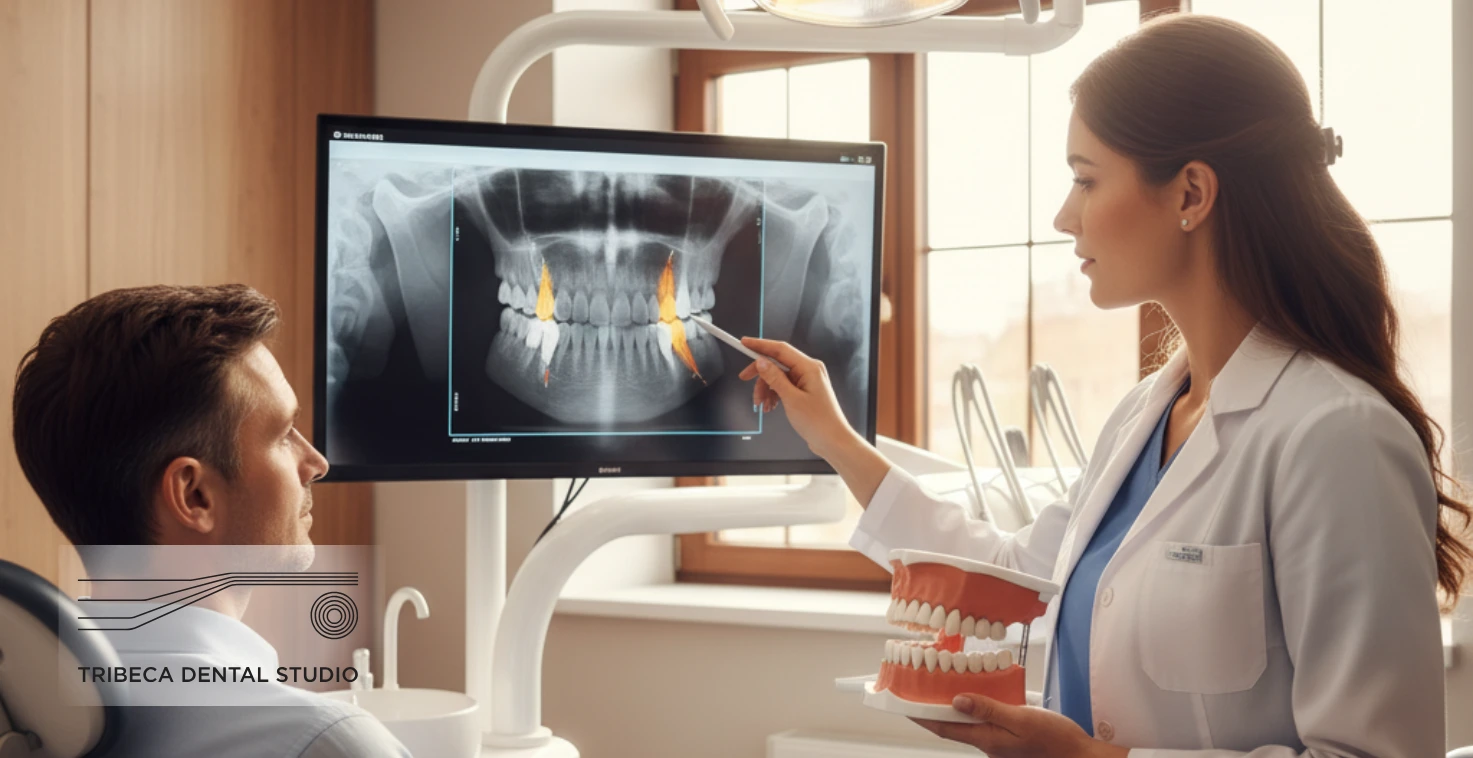
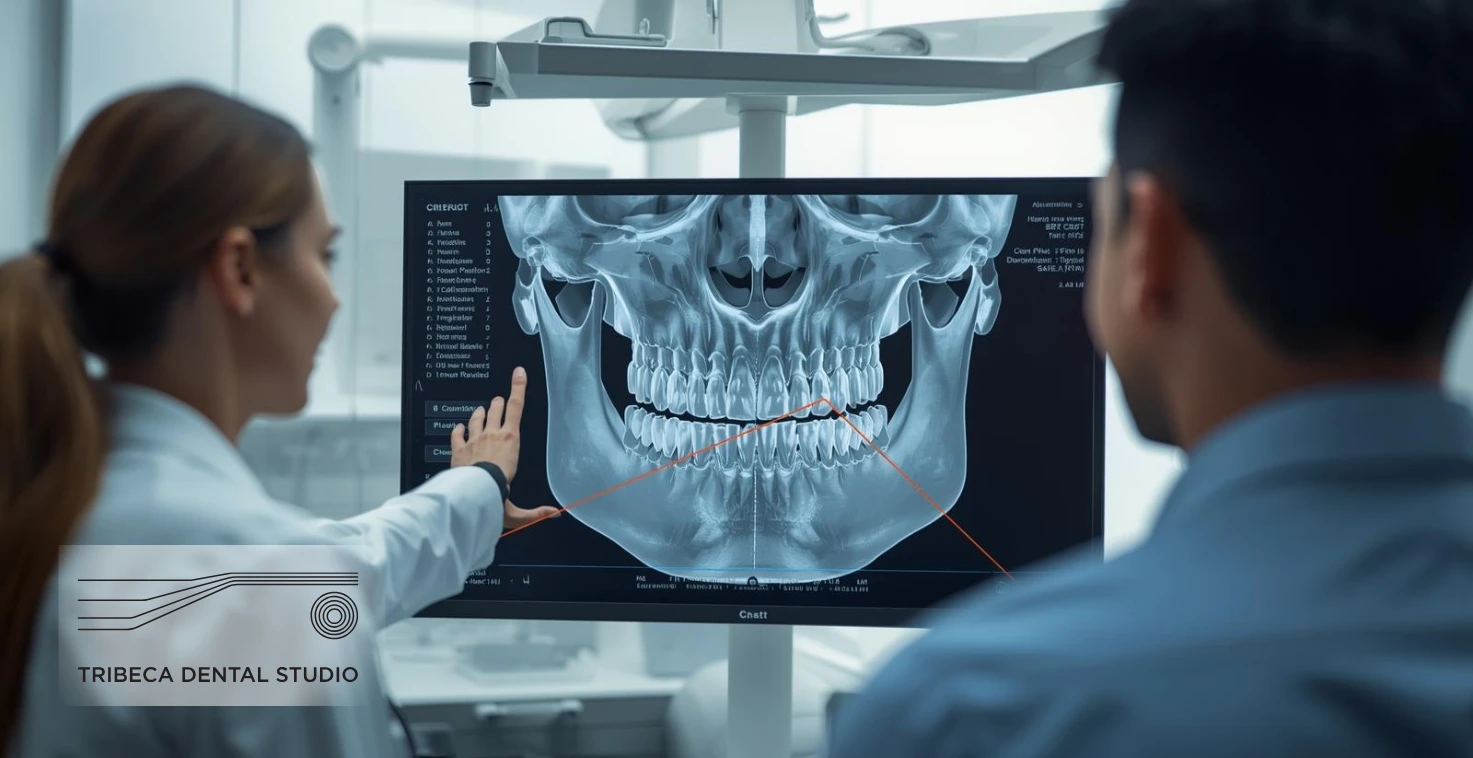
That’s why it’s so important to be evaluated by a dental professional. At Tribeca Dental Studio, we use advanced 3D imaging to identify hidden bone loss early and recommend the right grafting treatment before it becomes a bigger issue.
How Bone Grafting Works: Step-by-Step Process
Bone grafting may sound complex, but advances in technology make it a safe, predictable, and minimally invasive procedure. Here’s what you can expect:
- Consultation & Imaging – We use CBCT scans and digital X-rays to assess bone quality and plan your treatment.
- Anesthesia & Comfort – Local anesthesia (and sedation options if needed) ensures a pain-free experience.
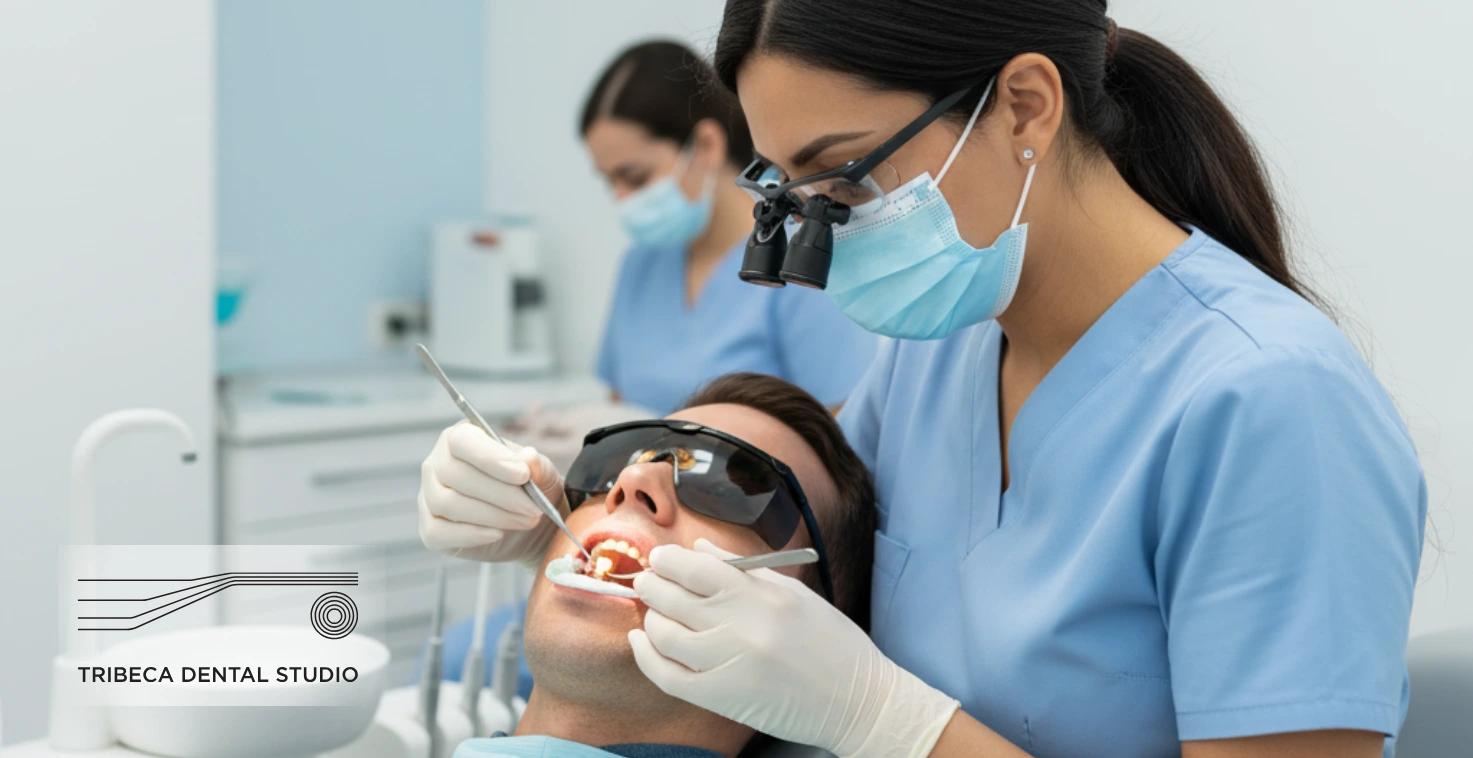
- Placement of Graft Material – Bone grafting material is carefully placed where your jawbone needs reinforcement.
- Healing & Integration – Over several months, your natural bone fuses with the graft material, creating new, healthy bone.
- Implant Placement (if needed) – Once healing is complete, the reinforced bone can securely hold dental implants.
Every patient’s timeline varies depending on the extent of bone loss and the type of grafting performed, but most people experience smooth, predictable healing.
Types of Bone Grafting Techniques
We personalize every graft based on location, severity, and implant goals:
- Socket Preservation: Placing a graft into the socket immediately after a tooth extraction to prevent bone loss from occurring.
- Sinus Lift: Adding bone to the upper jaw in the area of your molars and premolars when the sinuses are too close to the jaw for an implant.
- Ridge Augmentation: Increasing the width and height of the jawbone to create a suitable base for implants.
Each technique is performed with precision and minimal discomfort using advanced surgical tools and imaging.
Factors That Influence Bone Grafting Success
Bone grafting is considered a safe and predictable procedure, but like any treatment, certain factors can affect how well your body heals.
With advanced materials and techniques, your overall health and daily habits play a major role in whether the graft integrates successfully with your natural bone.
Essentially, conditions like diabetes or osteoporosis can slow healing, while smoking reduces blood supply and makes bone growth more difficult. Poor oral hygiene increases the risk of infection, while good nutrition, especially a diet rich in calcium and vitamin D, gives your body the building blocks it needs for recovery.
And perhaps most importantly, the expertise of your provider determines how precisely the graft is placed and how well your progress is monitored.
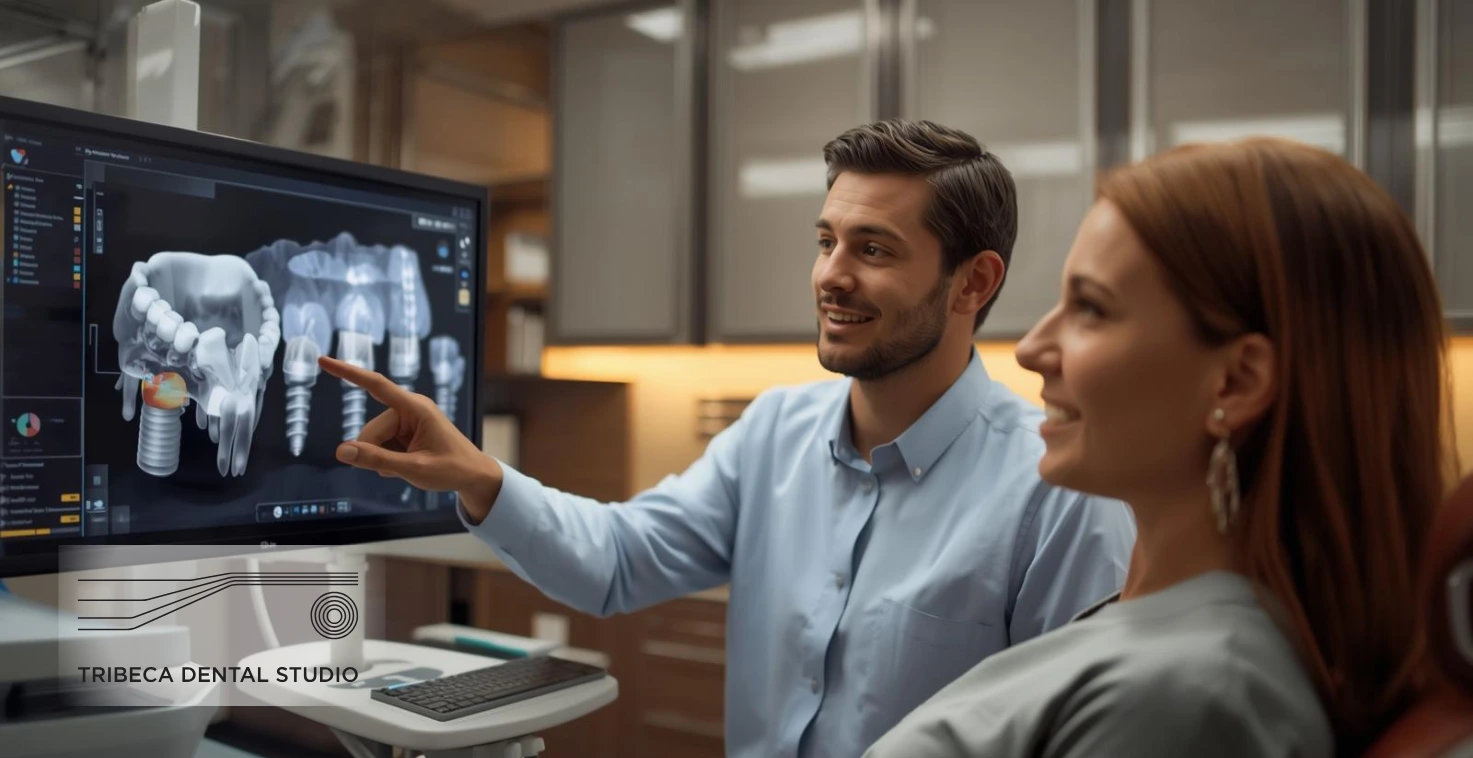
That’s why choosing the right dental team matters. At Tribeca Dental Studio, we combine advanced 3D surgical planning with high-quality grafting materials and attentive follow-up care, giving each patient the best possible chance for long-term success.
What Happens If You Skip Bone Grafting Before Implants?
If bone grafting is recommended but not performed, dental implants may fail. Without adequate bone:
- Implants may not fuse securely.
- Restorations can feel loose or unstable.
- Continued bone loss can change facial appearance.
- Future corrective procedures may become more complex and costly.
Bone grafting ensures implants are built on a strong, stable foundation, protecting both your smile and investment.
Frequently Asked Questions
Is bone grafting painful?
With local anesthesia and sedation, you will be comfortable during the procedure. Post-operative discomfort is typically mild and manageable with medication.
How long does it take to heal?
Healing times vary, but it generally takes several months for the graft to fully integrate with your jawbone.
Where does the bone material come from?
It can come from various sources, including your own body, a human donor, an animal source (processed for safety), or a synthetic, biocompatible material.
Restore Your Smile with Expert Bone Grafting in Tribeca, NYC
Don’t let jawbone loss stand in the way of your smile. At Tribeca Dental Studio, our bone grafting treatments rebuild strength, restore confidence, and prepare the way for long-lasting dental implants.
Call today to schedule your consultation or request an appointment online. Let us help you take the next step toward a healthier, stronger smile.
BOOK NOW