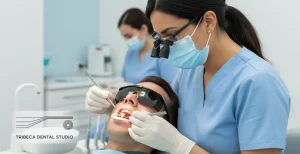
Chipping a tooth can happen unexpectedly, whether from biting into something hard, an accident, or natural wear over time. While a small chip might seem like a minor issue, it can affect your smile, confidence, and even your long-term oral health.
Fortunately, cosmetic dentistry offers several effective solutions to restore your tooth’s appearance and strength. Depending on the extent of the damage, treatments can range from bonding to veneers or crowns.
Common Causes of a Chipped Tooth
Chipped teeth are incredibly common, and they can happen to people of all ages. Some of the most frequent causes include:
- Biting down on hard foods like ice, nuts, or hard candy
- Accidents or trauma, such as a sports injury or fall
- Teeth grinding (bruxism), especially at night
- Tooth decay, which weakens the enamel and structure of the tooth
- Large fillings, which can reduce a tooth’s natural strength
Depending on the severity of the chip, the tooth might just have a rough edge, or it could involve deeper cracks that expose the dentin or pulp. In cases of a front tooth chipped, prompt dental care is crucial to restore both function and aesthetics.
What To Do Immediately After Chipping a Tooth
If you chip a tooth, quick action can prevent further damage:
- Rinse your mouth with warm water to keep the area clean.
- If there’s bleeding, apply gentle pressure with gauze.
- Use a cold compress on the outside of your cheek to reduce swelling.
- Avoid chewing on the affected side of your mouth.
- Save the broken piece, if possible, and bring it to your dentist.
- Schedule an appointment with your dentist as soon as possible.
Delaying care can increase the risk of the tooth becoming more damaged or infected. Quick professional attention is key when seeking front teeth repair options to preserve your natural smile.
Professional Cosmetic Dentistry Treatments for Chipped Teeth
Modern cosmetic dentistry provides several effective, minimally invasive ways to restore a chipped tooth. Your treatment will depend on how much of the tooth is damaged and its location.
1. Dental Bonding
Ideal for small chips in visible teeth. A tooth-colored resin is applied, shaped, and cured with a special light. It’s quick, painless, and cost-effective. It is a great choice for fix chipped tooth cases.
2. Porcelain Veneers
A thin custom shell is placed over the front of the tooth. Veneers are a popular option for front teeth and provide a natural, long-lasting result. They’re commonly used in chipped front tooth repair to restore both form and beauty.
3. Dental Crowns
For larger chips or when the tooth’s structure is compromised, a crown covers and protects the entire tooth. It restores both function and appearance. Crowns are also excellent for broken tooth replacement when the damage is severe.
4. Tooth-Colored Fillings
If the chip is small but functional (not just cosmetic), a composite filling may be used to repair the damage and prevent further wear. This option is often part of general teeth repair and protection strategies.
5. Inlays or Onlays
Used when the damage is too large for a filling but not extensive enough for a crown. These are custom restorations made from porcelain or resin. They’re part of advanced teeth fixing approaches for durable restoration.
Can a Chipped Tooth Get Worse If Left Untreated?
Yes, a chipped tooth may seem minor at first, but if left untreated, it can lead to more serious issues:
- Increased sensitivity due to exposed dentin
- Tooth decay as bacteria can enter through cracks
- Infection or abscess if the pulp becomes exposed
- Worsening of the fracture, especially under pressure or grinding
- Aesthetic concerns, especially in visible teeth
Addressing a chipped tooth early ensures better results and avoids more costly treatment later. When unsure how to fix chipped tooth, consulting a dentist immediately is the safest step.
FAQs
Is dental bonding permanent?
No, bonding typically lasts 3–10 years, depending on oral habits and maintenance. It can be touched up or redone as needed.
Does repairing a chipped tooth hurt?
Most procedures, especially bonding and veneers, are painless and may not even require anesthesia.
Can I repair a chipped tooth at home?
No. Home remedies may provide temporary relief, but only a dentist can properly repair the structure and ensure long-term oral health.
Will insurance cover the cost of cosmetic repairs?
This depends on your policy. If the repair is considered medically necessary (e.g., to protect the tooth), insurance may cover part of the cost. Purely cosmetic procedures may not be covered.
How can I fix teeth that are chipped or broken?
Professional dental treatments like bonding, veneers, or crowns can fix teeth effectively, restoring both appearance and function.
What is the best way to repair a chipped tooth at home?
You can’t fully repair a tooth at home, but keeping it clean and avoiding pressure helps until you see a dentist for teeth fix or bonding solutions.
Restore Your Smile with Our Cosmetic Dentistry Services
At Tribeca Dental Studio, we understand how even a small chip can affect your confidence and comfort. Our skilled cosmetic dentists offer a range of advanced treatment options to restore your smile beautifully and efficiently.
Whether you need bonding, veneers, or a custom crown, we’ll guide you through the best solution for your needs. Call us today at (212) 561-5303 or schedule your consultation online to explore your options and take the first step toward a flawless smile.