Understanding What You’ll Pay for Your Dream Smile
The cost of porcelain veneers typically ranges from $1,000 to $2,500 per tooth nationally, with NYC prices ranging from $2,000 to $4,500 per tooth. Here’s what you need to know:
Quick Cost Breakdown:
- Single veneer: $2,000 – $4,500 (NYC)
- Full smile makeover (6-10 veneers): $12,000 – $36,000+
- Lifespan: 10-20 years with proper care
- Insurance: Usually not covered (cosmetic procedure)
- Financing: Available through payment plans and healthcare credit
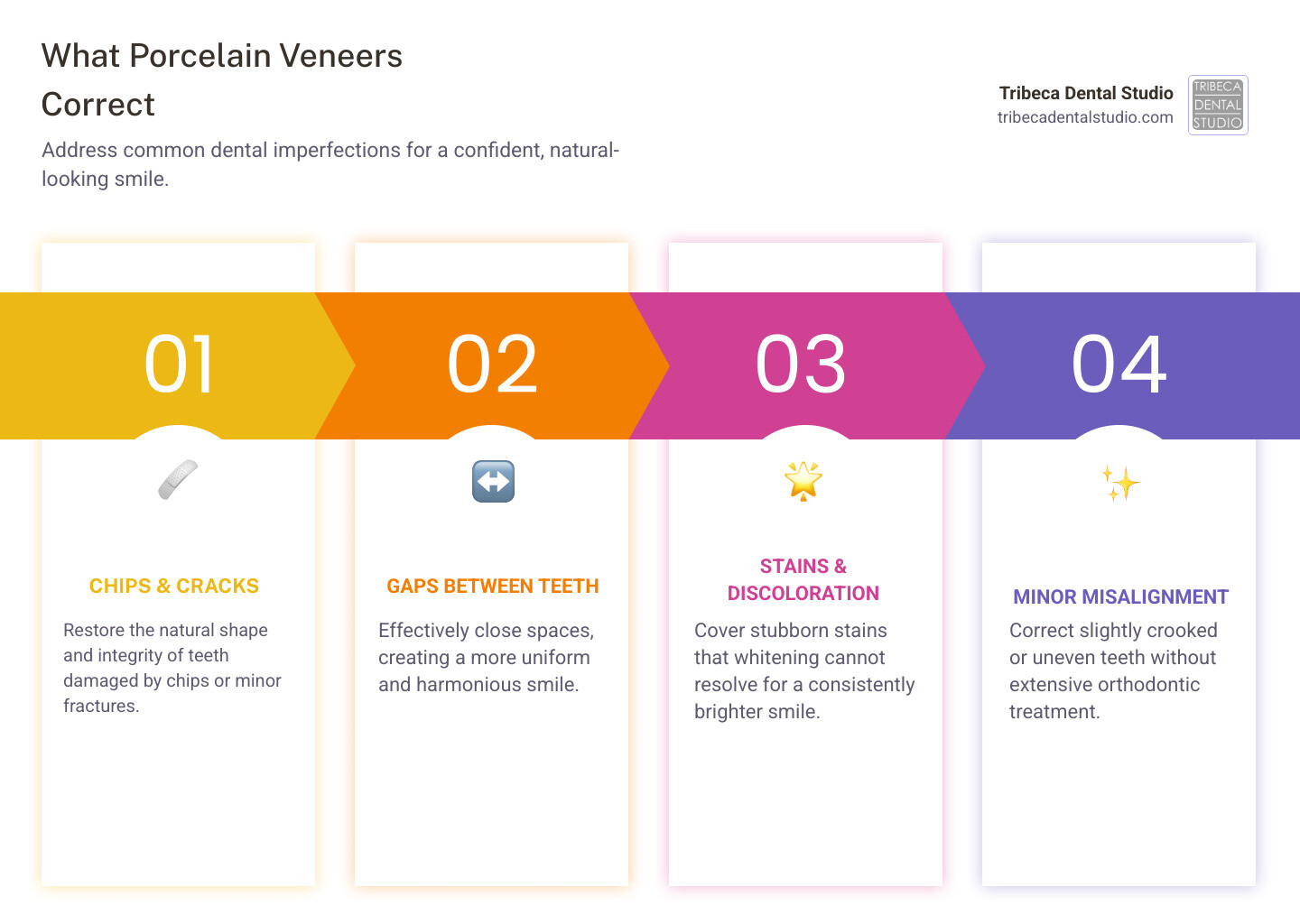
If you’re scrolling through Instagram and covering your mouth when you smile, you’re not alone. Porcelain veneers are thin ceramic shells that bond to the front of your teeth, changing chips, gaps, stains, and minor misalignment into a confident, natural-looking smile. But the price tags can feel confusing—why does one dentist charge $1,500 per tooth while another charges $4,000?
This guide breaks down exactly what influences the cost of porcelain veneers, what’s included in that price, and how to evaluate the true long-term value of your investment. We’ll cover everything from material quality and dentist expertise to hidden costs and financing options, so you can make an informed decision about your smile.
I’m Dr. Nina Izhaky, and I’ve helped countless patients steer the cost of porcelain veneers at my Tribeca practice, combining advanced digital technology with personalized care to create natural, lasting results. My goal is always to provide transparent pricing and explain exactly what you’re paying for—because your smile is an investment that should make sense both aesthetically and financially.
The Investment Breakdown: Understanding the Cost of Porcelain Veneers
When considering porcelain veneers, understand that the price reflects a blend of artistry, advanced dental science, and personalized care. It’s not just about the material itself, but the entire process that leads to your stunning new smile.
Average Cost of Porcelain Veneers Per Tooth
While the national average cost for a single porcelain veneer is around $1,765, with a broader range of $500 to $2,895, prices in a metropolitan area like New York City are typically higher. Here in NYC, you can expect the cost of porcelain veneers to typically range from $2,000 to $4,500 per tooth. This higher price point in Manhattan and Tribeca reflects the premium dental market, the high standard of living, and the specialized expertise often found in our city.
For more detailed information about porcelain veneers and Lumineers in our area, you can explore our services here: More info about porcelain veneers in NYC.
Cost for a Full Smile Makeover
Most patients seeking a significant smile change opt for a “full set” of veneers, which typically involves treating the most visible teeth—usually 6 to 10 veneers on the upper teeth. For some, we might also recommend including lower teeth to achieve complete harmony and balance.
A complete porcelain veneer change in NYC represents an investment of approximately $12,000 to $36,000 for 6-8 veneers, and can extend even higher depending on the number of teeth and complexity. While this might seem like a substantial figure, we often offer package pricing for full smile makeovers, which can provide better value than individual tooth pricing. This comprehensive approach ensures a harmonious smile that complements your facial features perfectly.
Understanding the full scope of a veneer treatment, from types to process, can be found in our detailed guide: Veneers in NYC: Cost, Types, Process & Best Dentist in Manhattan.
Key Factors That Influence Your Final Price
Several critical elements contribute to the overall cost of porcelain veneers:
- Dentist’s Expertise and Reputation: Just like any specialized craft, the skill and experience of your cosmetic dentist play a huge role. Dentists with extensive training, a proven track record of successful cosmetic cases, and a reputation for artistry will command higher fees. Their expertise ensures precise preparation, perfect fit, and natural-looking results that avoid common pitfalls. Choosing a top dentist in Tribeca, for instance, means you’re investing in years of specialized knowledge and artistic vision.
- Geographic Location (NYC): As we’ve mentioned, location is a significant factor. Dental practices in major urban centers like Manhattan and Tribeca, New York City, have higher operating costs, which are reflected in treatment prices. This means the cost of veneers in NYC will typically be higher than in smaller towns or less expensive regions.
- Material Quality (E-max, Zirconia): Not all porcelain is created equal! The type of ceramic material used directly impacts the cost, aesthetics, and durability.
- E-max porcelain is a popular choice for its exceptional translucency and strength, closely mimicking natural tooth enamel.
- Zirconia veneers offer extreme durability, making them suitable for patients with strong bites or grinding habits, though they can be less translucent than E-max. High-quality materials resist staining better and last longer, ultimately providing superior long-term value.
- Dental Lab Craftsmanship: The fabrication of your veneers is a meticulous process performed by skilled dental ceramists in a specialized lab. The laboratory component alone can represent $300-$600 per veneer. A master ceramist, working closely with your dentist, will carefully hand-craft each veneer to achieve the perfect shade, shape, and translucency. This custom, artistic work is a crucial part of the investment.
- Case Complexity: Simple cases involving minor corrections on a few teeth will naturally cost less than complex smile makeovers that require extensive planning, multiple veneers, or address underlying dental issues. The degree of tooth preparation needed, any existing alignment issues, and the overall desired change all contribute to the complexity and thus the cost.
At Tribeca Dental Studio, we pride ourselves on a personalized approach to dentistry, led by Dr. Nina Izhaky. We believe in treating every patient like family, ensuring you receive comprehensive care and transparent information at every step. Learn more about our philosophy: Tribeca’s Top Dentist: Personalized Care in the Heart of NYC.
What’s Included in the Price? The Complete Veneer Journey
Understanding what your investment covers can help explain the cost of porcelain veneers. When you commit to a smile makeover with us, you’re not just paying for the veneers themselves, but for a comprehensive, multi-step process designed to ensure a beautiful and lasting result.
The Step-by-Step Treatment Process
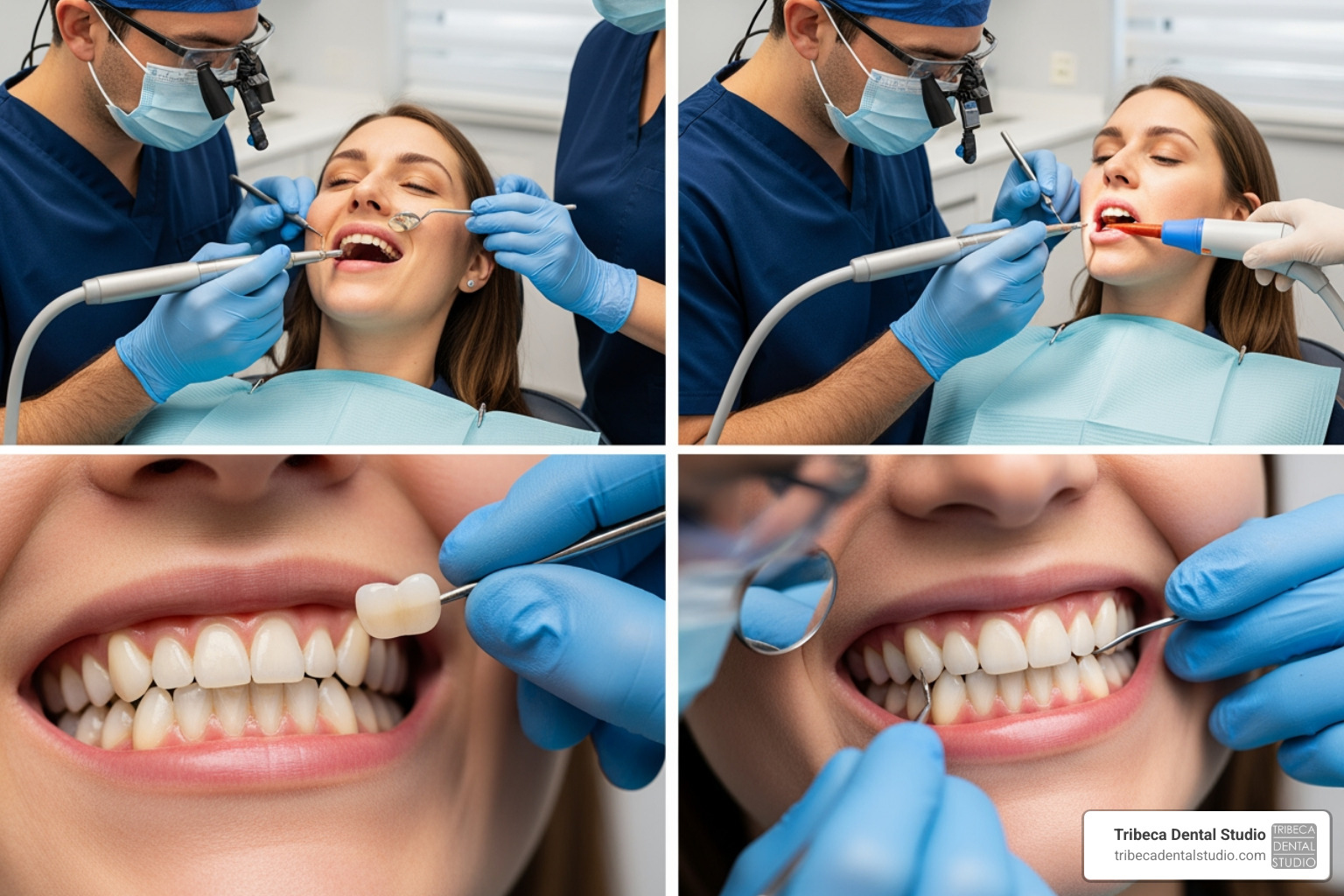
Our veneer treatment typically spans 2-3 office visits over 3-5 weeks, ensuring precision and patient comfort:
- Initial Consultation and Planning: This is where your journey begins! We’ll discuss your smile goals, assess your oral health, and determine if veneers are the right solution for you. We’ll use advanced diagnostic tools and digital imaging to create a precise treatment plan, often including digital smile design to preview your potential new smile. This initial phase is crucial for ensuring your satisfaction.
- Tooth Preparation: For traditional porcelain veneers, a minimal amount of tooth enamel (about 0.5-1mm, roughly the thickness of a fingernail) is gently removed from the front surface of the teeth. This creates space for the veneer and ensures a natural, non-bulky appearance. This step is irreversible, highlighting the importance of careful planning.
- Impressions and Temporary Veneers: After preparation, we take highly accurate impressions of your teeth. These impressions are sent to our trusted dental lab, where your custom porcelain veneers will be carefully crafted. While your permanent veneers are being made, we’ll place temporary veneers. These provisional veneers protect your prepared teeth, allow you to “test drive” your new smile, and provide us with valuable feedback on shape, size, and comfort before the final veneers are fabricated.
- Final Bonding and Placement: Once your custom veneers arrive from the lab, you’ll return for your final appointment. We’ll carefully check the fit, color, and shape of each veneer. Once you and Dr. Izhaky are completely satisfied, the veneers are permanently bonded to your teeth using a strong dental adhesive and a special light to cure it.
- Bite Adjustments and Refinement: After bonding, we’ll make any necessary minor adjustments to ensure your bite is comfortable and natural. This meticulous attention to detail at every stage is what sets a premium veneer experience apart.
To learn more about the procedure, you can visit: Learn about the veneer procedure.
Uncovering Potential “Hidden” Costs
While we strive for transparency in our pricing, it’s important to be aware of potential additional costs that might arise, depending on your individual needs. These aren’t hidden fees, but rather necessary steps to ensure the longevity and success of your veneers:
- Preliminary Treatments: Before veneers can be placed, your oral health must be optimal. Any existing issues like cavities, gum disease, or extensive tooth decay will need to be addressed first. These restorative treatments (fillings, gum therapy, etc.) are separate from the veneer cost and are essential for a healthy foundation.
- Teeth Whitening for Adjacent Teeth: If you’re only getting veneers on some teeth, you might consider professional teeth whitening for your natural, non-veneered teeth. Veneers are stain-resistant and won’t whiten, so achieving a uniform shade across your smile might require whitening the surrounding teeth beforehand. Learn more about professional teeth whitening: Discover the Power of Professional Teeth Whitening at Tribeca Dental Studio.
- Gum Contouring: Sometimes, to achieve the most aesthetic smile line, minor gum reshaping (gum contouring) might be recommended. This can cost anywhere from $600 to $2,000 per session, depending on the extent of the procedure.
- Diagnostic Wax-Ups: For complex cases, we might create a diagnostic wax-up – a 3D model of your proposed new smile. This allows for precise planning and visualization, ensuring you love the final outcome.
- Custom Night Guards for Bruxism: If you grind or clench your teeth (bruxism), we will strongly recommend a custom-fitted night guard. This protective appliance, costing typically $300-$800, is a crucial investment to protect your veneers from excessive force and extend their lifespan. Without it, you risk chipping or cracking your beautiful new smile.
We believe in open communication, and we’ll always provide a detailed breakdown of all costs involved during your consultation, so there are no surprises.
Comparing Your Options: Porcelain vs. Other Cosmetic Solutions
Understanding the cost of porcelain veneers also involves comparing them to other cosmetic dental treatments. Each option has its own benefits, lifespan, and price point, and the best choice depends on your specific needs, aesthetic goals, and budget.
| Feature | Porcelain Veneers | Composite Veneers | “No-Prep” Veneers (e.g., Lumineers) |
|---|---|---|---|
| Cost (per tooth, NYC) | $2,000 – $4,500 | $300 – $800 | $2,000 – $4,000 |
| Lifespan | 10-20 years | 5-7 years | 10-20 years |
| Aesthetics | Superior, highly natural, translucent, stain-resistant | Good, but less natural luster, prone to staining | Good, but can appear bulkier, less versatile for major changes |
| Preparation | Requires minimal enamel removal (0.5-1mm) | Minimal to no enamel removal | Minimal to no enamel removal (approx. 0.3mm) |
| Procedure | 2-3 visits (impressions, lab fabrication, placement) | 1 visit (direct application and sculpting) | 2-3 visits (impressions, lab fabrication, placement) |
| Reversibility | Irreversible (due to enamel removal) | Potentially reversible | Potentially reversible |
| Durability | Excellent strength and chip resistance | Moderate, more prone to chipping and staining | Good, but thinner material can be more fragile |
Porcelain vs. Composite Veneers
The choice between porcelain and composite veneers is often a balance of cost, aesthetics, and longevity.
- Cost Difference: Composite veneers are significantly more affordable, typically ranging from $300 to $800 per tooth in NYC, compared to porcelain veneers at $2,000 to $4,500 per tooth.
- Durability and Lifespan: Porcelain veneers are known for their exceptional strength and can last 10-20 years with proper care. Composite veneers, made from a resin material, typically last 5-7 years. While cheaper upfront, their shorter lifespan can mean higher long-term costs due to more frequent replacements.
- Stain Resistance: Porcelain is highly resistant to staining, maintaining its bright appearance over time. Composite resin is more porous and susceptible to staining from coffee, tea, and other foods.
- Natural Appearance: Porcelain mimics the translucency and light-reflecting properties of natural tooth enamel, resulting in a highly natural and aesthetic finish. Composite can look good, but often lacks the depth and luster of porcelain.
- Repairability: Composite veneers can often be repaired if chipped or damaged. Porcelain veneers, if damaged, usually require full replacement.
For a deeper dive into the differences, you can read our comparison: Composite Bonding vs. Composite Veneers.
Porcelain vs. “No-Prep” Veneers
“No-prep” veneers, such as Lumineers, offer an alternative for certain candidates, primarily differing in the amount of tooth preparation required.
- Minimal Enamel Removal: True to their name, “no-prep” veneers are ultra-thin (around 0.3mm) and require little to no removal of tooth enamel. This is a significant advantage for those who are hesitant about irreversible tooth alteration. Traditional porcelain veneers, while still minimally invasive, do require a small amount of enamel reduction.
- Reversibility: Because there’s little to no enamel removed, “no-prep” veneers can sometimes be reversible, meaning they can be removed without causing damage to the underlying tooth.
- Ideal Candidates: “No-prep” veneers are best suited for patients with naturally small teeth, gaps, or those looking for a subtle improvement. They are not ideal for significant shape changes or correcting moderate misalignment, as they can sometimes appear bulkier.
- Cost Comparison: In NYC, “no-prep” options like Lumineers typically range from $2,000 to $4,000 per tooth, similar to traditional porcelain veneers due to specialized materials and fabrication.
- Aesthetic Limitations: While a good option for specific cases, the thinness and lack of tooth preparation can sometimes limit the aesthetic possibilities, especially for patients requiring significant color or shape changes.
We offer both traditional porcelain veneers and Lumineers, and we can help you determine the best fit for your smile: Porcelain Veneers & Lumineers in NYC | Tribeca Dental Studio.
Other Alternatives: Bonding & Whitening
If veneers aren’t the right choice for you, or if your concerns are minor, several other cosmetic options are available:
- Dental Bonding for Minor Chips: For small chips, cracks, or minor gaps, dental bonding uses a tooth-colored resin applied directly to the tooth and sculpted into shape. It’s a more affordable solution, costing $250-$1,500 per tooth, but is less durable and stain-resistant than porcelain veneers. You can read more about options for chipped teeth here: Cosmetic Dentistry Options to Repair a Chipped Tooth.
- Professional Teeth Whitening for Discoloration: If your primary concern is tooth discoloration, a professional in-office whitening treatment can dramatically brighten your smile. This ranges from $300-$1,500 but does not address shape, alignment, or structural issues.
- Orthodontics for Alignment: For more significant alignment issues, traditional braces or clear aligners (like Invisalign) might be necessary. Orthodontic treatment typically costs $3,000-$8,000 and focuses on correcting the underlying tooth position rather than just masking the problem.
Each alternative has its own set of pros and cons regarding cost, longevity, and the types of issues it can address. We’ll discuss all suitable options during your consultation to find the perfect solution for your smile goals.
Financing, Insurance, and Long-Term Value
Investing in your smile is a significant decision, and understanding the financial aspects, including insurance coverage and financing options, is key. It’s also important to consider the long-term value that porcelain veneers provide.
Does Insurance Cover the Cost of Porcelain Veneers?
This is one of the most common questions we hear, and the answer is typically no. Most dental insurance plans classify porcelain veneers as an elective cosmetic procedure, meaning they are primarily for aesthetic improvement rather than medical necessity. As such, they are generally not covered.
However, there can be exceptions:
- Medically Necessary Cases: If veneers are required to restore a tooth damaged by trauma, fracture, or severe erosion, and are deemed medically necessary, some insurance plans might offer partial coverage. This is rare, but it’s always worth checking.
- Pre-Treatment Estimates: We always recommend contacting your insurance provider directly and requesting a pre-treatment estimate. This will clarify any potential benefits your specific plan might offer. We can also assist you in obtaining the necessary documentation.
Even if your insurance doesn’t cover the full cost of porcelain veneers, many practices, including ours, offer solutions to make your dream smile more accessible.
Financing Options for Your Smile Makeover
We believe that financial considerations shouldn’t stand in the way of achieving the smile you’ve always wanted. That’s why we offer various financing options to help manage the cost of porcelain veneers:
- Third-Party Financing: Companies like CareCredit specialize in healthcare financing, offering flexible payment plans that can break down the total cost into manageable monthly installments. Many plans include promotional periods with 0% interest for qualified applicants. You can explore CareCredit options here: CareCredit financing options.
- In-House Payment Plans: At Tribeca Dental Studio, we understand that every patient’s financial situation is unique. We often work with our patients to create customized in-house payment plans that fit their budget.
- Using HSA/FSA Accounts: If you have a Health Savings Account (HSA) or Flexible Spending Account (FSA), you can often use these tax-advantaged funds to pay for veneers, especially if there’s a medical component to your treatment (e.g., restoring damaged teeth).
Our team is always here to discuss these options with you and help you find the best solution to make your smile makeover a reality.
The Long-Term Value: Durability and Maintenance
While the upfront cost of porcelain veneers might seem significant, it’s crucial to consider their long-term value. Porcelain veneers are an incredibly durable solution, designed to last.
- Lifespan: With proper care and maintenance, high-quality porcelain veneers typically last 10 to 20 years, with many patients enjoying their beautiful smiles for even longer. When you amortize the cost over this lifespan, the annual investment can be quite reasonable—often comparable to other aesthetic investments like professional skincare or regular salon treatments. For general information on veneers, including their durability, you can refer to: General info on veneers.
- Maintenance Routine: Maintaining your veneers is straightforward and largely involves the same practices you use for your natural teeth:
- Brush twice daily with a soft-bristled toothbrush and non-abrasive fluoride toothpaste.
- Floss daily to keep the areas between your teeth and around the gum line clean.
- Attend regular dental check-ups and cleanings (typically every six months). These visits are essential for monitoring your oral health and the condition of your veneers.
- Avoid using your teeth as tools (e.g., opening packages, biting fingernails) and be mindful of very hard foods that could potentially chip them.
- If you grind or clench your teeth, wearing a custom night guard is paramount to protect your investment.
- Repair vs. Replacement Costs: While porcelain veneers are strong, they are not indestructible. If a veneer chips or cracks, it typically needs to be replaced rather than repaired, unlike composite veneers. Individual veneer replacement is possible, but achieving a perfect color match with existing, aged veneers can be challenging. Sometimes, replacing adjacent veneers is recommended to ensure seamless blending.
The long-term value of quality porcelain veneers extends beyond just their physical durability. It’s about the increased confidence, improved self-esteem, and the positive impact a radiant smile can have on your personal and professional life.
Frequently Asked Questions about Porcelain Veneer Costs
We understand you likely have many questions about the cost of porcelain veneers. Here are some of the most common inquiries we receive:
How much does a full set of porcelain veneers cost?
For a full smile makeover involving 8-10 porcelain veneers on the upper teeth, the typical investment in NYC can range from $15,000 to $36,000+. This range depends heavily on the factors we’ve discussed: the quality of materials (e.g., E-max vs. zirconia), the complexity of your case, the expertise of your dentist, and the specific dental lab used. We will always provide a personalized quote after a thorough consultation, outlining all costs involved.
Are cheaper veneers a good idea?
While less expensive veneer options, such as composite resin veneers (costing $300-$800 per tooth in NYC), might seem appealing initially, they often come with trade-offs. Cheaper options typically have a shorter lifespan (5-7 years for composite vs. 10-20 years for porcelain), are more prone to staining, and may not offer the same level of aesthetic quality or natural appearance.
Choosing providers based solely on the lowest price can lead to dissatisfaction and potentially higher total costs in the long run, as you might need replacements or repairs more frequently. We believe that the lowest price rarely represents the best value when it comes to something as important as your smile. Investing in quality materials, experienced craftsmanship, and comprehensive care ensures a durable, beautiful, and ultimately more cost-effective solution.
Do veneers hurt?
The process of getting porcelain veneers is typically comfortable. We use local anesthesia during the tooth preparation phase to ensure you don’t feel any pain. Most patients report minimal discomfort during the procedure itself.
After the temporary veneers are placed or after the final bonding, it’s common to experience some temporary sensitivity to hot or cold temperatures, or mild soreness around the treated area. This usually subsides within a few days and can be managed effectively with over-the-counter pain relievers. We’ll provide you with detailed aftercare instructions to ensure your comfort. You can learn more about potential discomfort here: Does it hurt to get veneers?.
Conclusion
Understanding the cost of porcelain veneers is about more than just a price tag; it’s about recognizing the investment in your confidence, your appearance, and your overall well-being. While the initial cost may seem significant, the durability, natural aesthetics, and transformative impact of quality veneers offer unparalleled long-term value.
At Tribeca Dental Studio, we are dedicated to providing comprehensive, advanced, and welcoming oral healthcare. We combine state-of-the-art technology with a personalized approach, treating each patient like family. Our goal is to ensure you receive a smile that not only looks incredible but also lasts for years to come.
If you’re ready to explore how porcelain veneers can improve your smile, we invite you to schedule a consultation with us. We’ll discuss your unique needs, answer all your questions, and provide a transparent breakdown of the costs involved, helping you make an informed decision about your smile journey.
Explore your cosmetic dentistry options to repair a chipped tooth and more.