Do Braces Fix Overbite or Make It Worse? Find Out Now
September 29, 2025
Have you ever wondered why some smiles look perfectly balanced while others seem misaligned? An overbite occurs when the upper front teeth extend noticeably over the lower teeth. While mild cases may appear cosmetic, more pronounced overbites can affect jaw movement, chewing efficiency, and long-term oral health.
Orthodontic care gradually realigns teeth and, in certain situations, the jaw itself. Understanding these corrective methods highlights treatment expectations, potential challenges, and the importance of timely intervention for a stable, comfortable bite.
What is an Overbite?
An overbite occurs when the upper front teeth extend noticeably over the lower front teeth. This condition can vary from mild to severe and is one of the most common forms of dental misalignment. Overbites may be categorized as dental, where tooth position is the cause, or skeletal, where jaw structure plays the primary role.
While often considered cosmetic, untreated overbites can interfere with chewing, speaking, and overall jaw function, creating long-term oral health challenges if not corrected. According to a study published in National Library of Medicine (NLM), deep overbite affects about 24.34% of children and adolescents worldwide
Causes of Overbite
Overbites result from a mix of genetic factors and acquired habits. Some causes are inherited, while others develop through daily behaviors or dental changes over time.
- Genetic jaw size or tooth spacing
- Thumb sucking or prolonged pacifier use
- Tongue thrusting during swallowing
- Teeth grinding or nail biting
- Chewing on non-food objects
- Untreated dental trauma or missing teeth
Types of Overbites You Should Know
Overbites are usually grouped into two main types, and each has its own impact on the teeth and jaw. Knowing which type a person has helps orthodontists decide the best way to fix it. In some cases, both forms can appear together, creating what is called a mixed overbite.
- Vertical Overbite: upper teeth cover lower teeth too much
- Horizontal Overbite: upper teeth stick out beyond lower teeth
- Mixed Overbite: combination of vertical and horizontal
Can Braces Fix an Overbite?
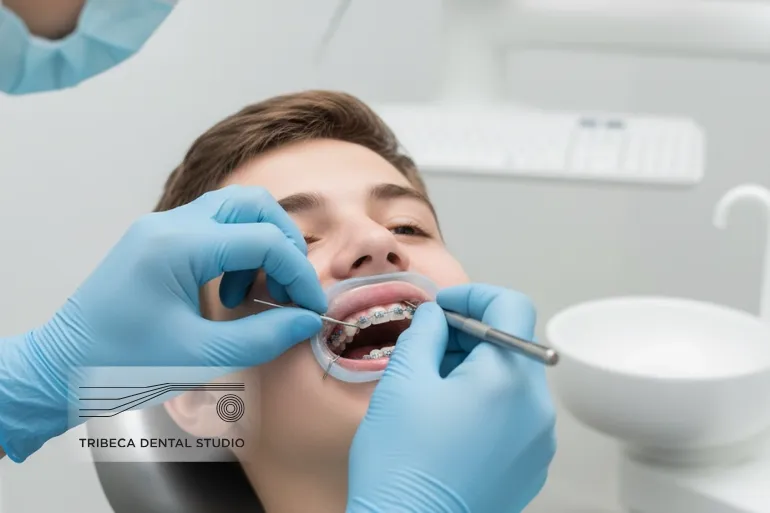
Braces are one of the most effective tools for correcting an overbite. By applying consistent, gentle pressure through brackets and wires, braces gradually shift teeth into healthier alignment. In many cases, elastics or additional appliances are used to influence jaw positioning, improving how the upper and lower arches meet.
Treatment duration varies with severity, but braces remain a reliable solution for both dental and skeletal overbites. Their ability to control precise movement makes them a cornerstone of orthodontic care.
How Braces Correct an Overbite Step by Step
Braces correct an overbite by applying steady, targeted pressure that reshapes both tooth alignment and jaw relationships. The process unfolds in stages, allowing careful control over movement and adaptation of surrounding tissues. Each step is essential for building a stable bite that not only looks balanced but also functions effectively in daily use.
- Assessment distinguishes dental from skeletal causes
- Leveling and aligning address crowding
- Archwires or extractions manage space
- Elastics guide upper and lower arches
- Torque and finishing adjust tooth angles
- Detailing improves bite contacts
- Retention maintains results during tissue adaptation
Braces vs. Invisalign for Overbite Correction
Braces and Invisalign approach overbite correction differently. Braces use fixed brackets and wires to deliver precise, continuous forces suitable for complex or severe cases. They allow orthodontists to control tooth movement in multiple directions.
Invisalign uses clear, removable aligners that gradually shift teeth through programmed stages. Aligners are more discreet and convenient but may be less effective for major skeletal issues. The choice depends on severity, lifestyle, and treatment goals, with both options capable of improving bite alignment.
When is the Best Time to Start Overbite Treatment?
The best time for overbite treatment is childhood or early adolescence, when jaw growth can be guided effectively. Appliances prevent worsening misalignment and support healthier development. Adults can also benefit, though treatment may take longer. Early evaluation reduces risks such as uneven tooth wear, jaw discomfort, and gum complications, ensuring better long-term oral health.
Problems That an Untreated Overbite Can Cause
Leaving an overbite untreated can lead to several complications. Excessive overlap may cause enamel wear, tooth sensitivity, and a higher risk of cavities. Jaw strain can contribute to temporomandibular joint discomfort, headaches, and muscle tension. Chewing and speech may be affected, while severe cases risk gum recession or tooth injury.
Misalignment can also alter facial balance, reducing confidence. According to PubMed reported survey data, about 8% of U.S. individuals aged 8–50 present with a severe overbite of 6 mm or more, while the average overbite across the population is 2.9 mm.
How Long Does it Take to Fix an Overbite with Braces?
The time to correct an overbite with braces depends on severity, age, and biological response. Mild cases may improve within 6–12 months, while moderate to severe cases often need 18–24 months.
Skeletal issues may extend treatment or require appliances. Consistent visits, elastic use, and oral hygiene improve outcomes. Retainers remain essential to maintain lasting correction.
How Successful is Braces Treatment for Overbite?
Braces are highly effective for most overbite cases, applying continuous forces to guide alignment. Dental overbites often respond quickly, while skeletal problems may require appliances or surgery.
Success relies on patient cooperation, including elastic wear and regular visits. Retainers are essential afterward to maintain stability, ensuring lasting improvements in bite function, comfort, and appearance.
Maintaining Results After Braces Treatment
Maintaining overbite correction requires proper retention after braces. Removable or fixed retainers hold teeth in place while bone and tissues stabilize. Consistent wear prevents relapse.
Good oral hygiene strengthens stability, and dental checkups detect early changes. Avoiding habits like nail biting or grinding further protects alignment, ensuring long-term balance and healthier bite function.
Alternative Treatments for Severe Overbites
Severe overbites may require more than braces. In children, functional appliances or palatal expanders can guide jaw growth and create space. Adults may need extractions to reduce protrusion or, in complex skeletal cases, orthognathic surgery to reposition the jaws.
Treatment choice depends on age, severity, and overall health, ensuring long-term structural correction and functional improvement.
Get Professional Orthodontics Help to Fix Your Overbite Today
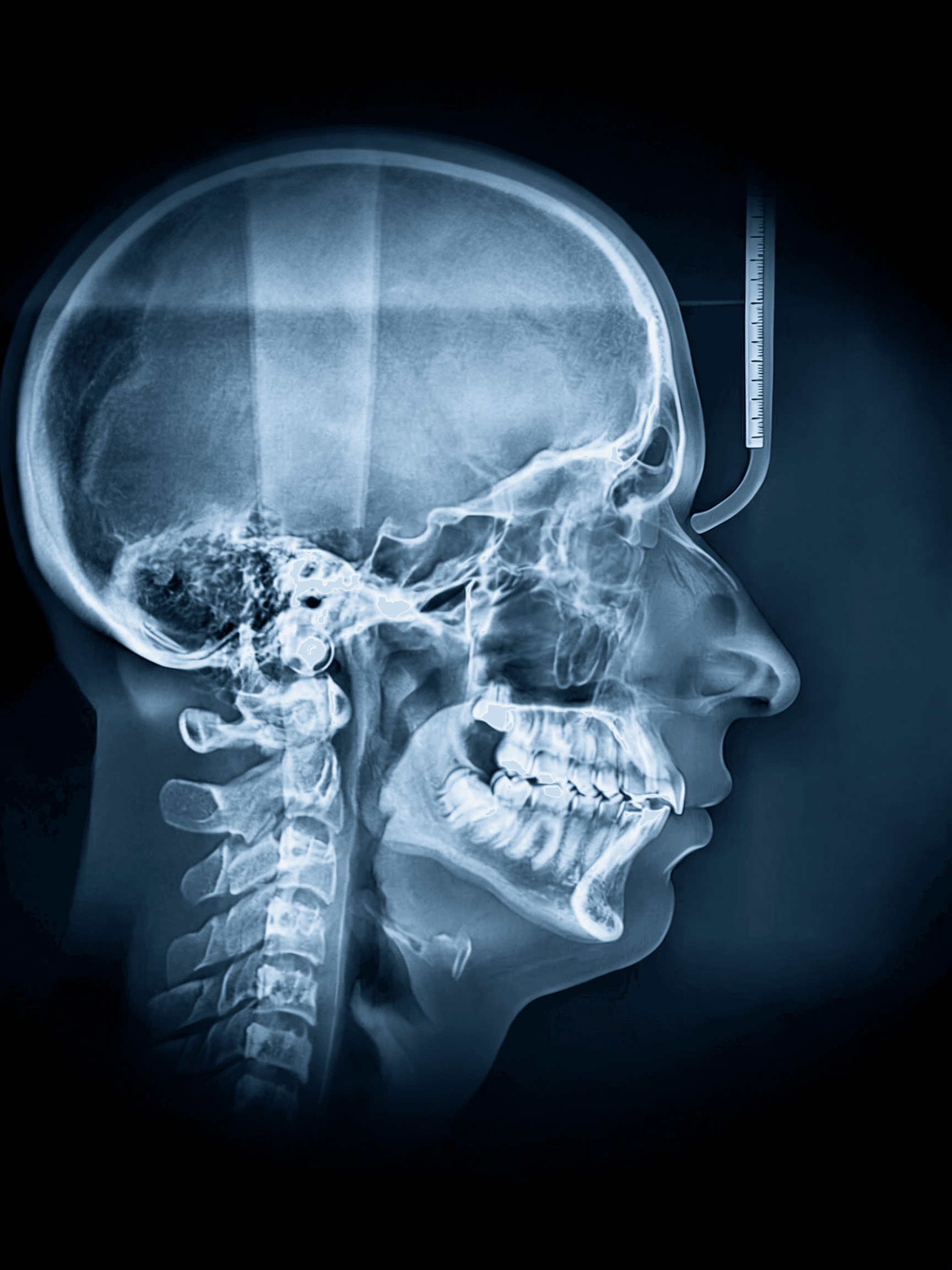
Correcting an overbite involves more than appearance. Orthodontists assess whether the cause is dental, skeletal, or both, using imaging and examination to create tailored plans. Braces, aligners, or appliances may be recommended. Timely treatment restores bite function, reduces strain on teeth and joints, and supports long-term oral health by ensuring stable, effective correction.
Your smile deserves the right care and attention. If an overbite is affecting your confidence, comfort, or daily life, the time to act is now. Explore modern orthodontic options that restore balance, improve function, and protect long-term health. Start your journey with Tribeca Dental Studio today toward lasting results and renewed confidence. Contact us today to schedule your orthodontic consultation at our NYC office.