Why Does It Hurt When I Chew? Common Reasons and Solutions
October 9, 2025
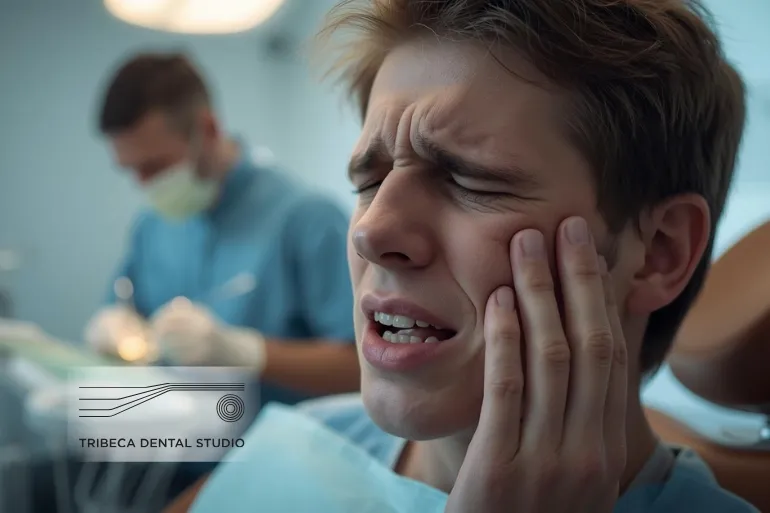
If you feel a sharp or throbbing pain each time you bite down, you’re not alone. Chewing discomfort is one of the most common dental concerns, often signaling an underlying oral health issue. In fact, according to the World Health Organization, oral diseases affect nearly 3.7 billion people worldwide, making them among the most widespread health conditions.
Understanding why it hurts when you chew is the first step toward finding relief and preventing further complications.
Possible Causes of Tooth Pain When Chewing
Tooth pain while chewing can result from various causes, ranging from mild sensitivity to more serious dental conditions. The pain may appear suddenly or develop gradually, and its source isn’t always limited to the tooth itself — it can involve surrounding gums, jaw muscles, or nerves.
Some of the most common triggers include:
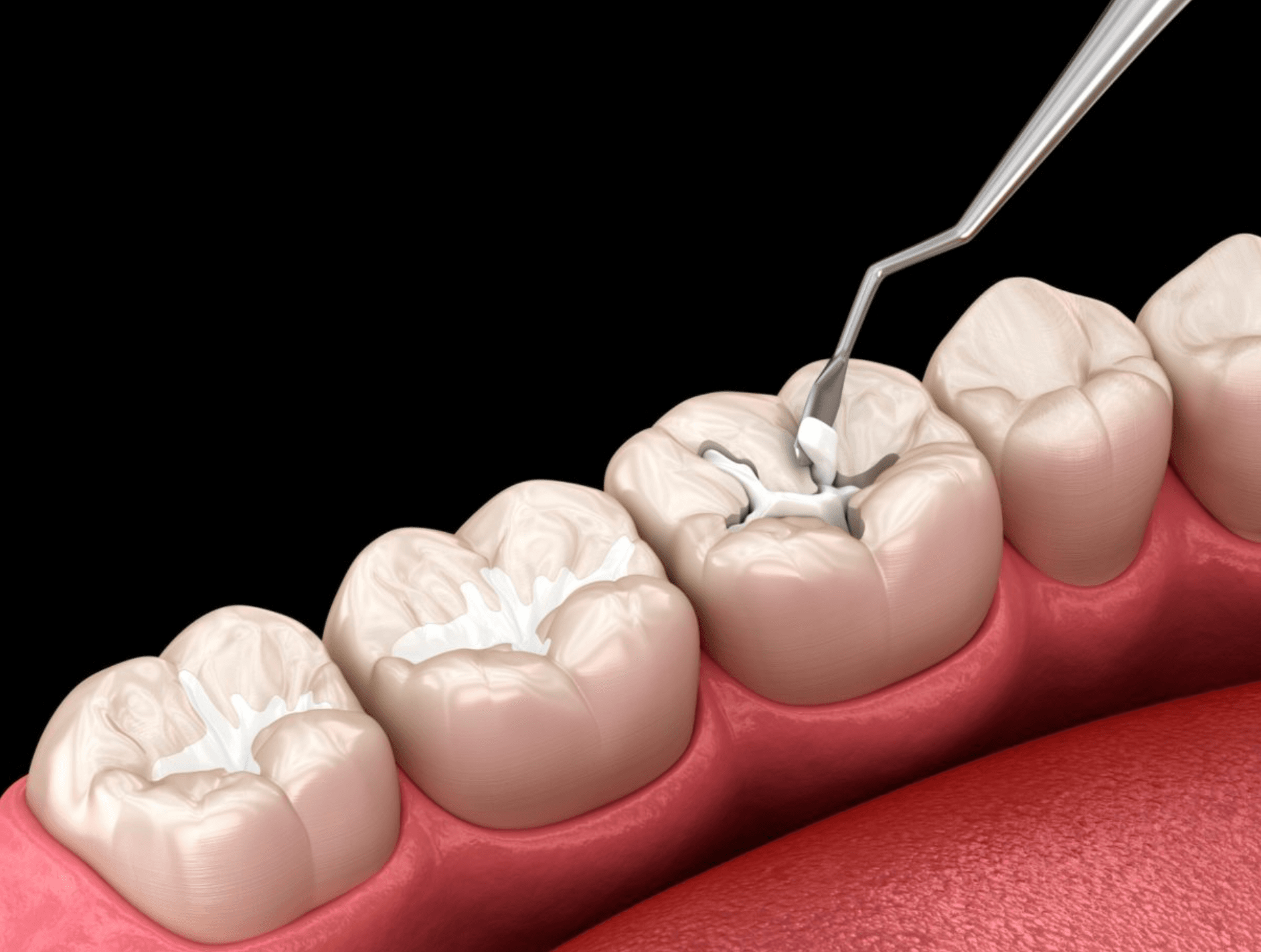
- Tooth decay (cavities) exposing inner nerves.
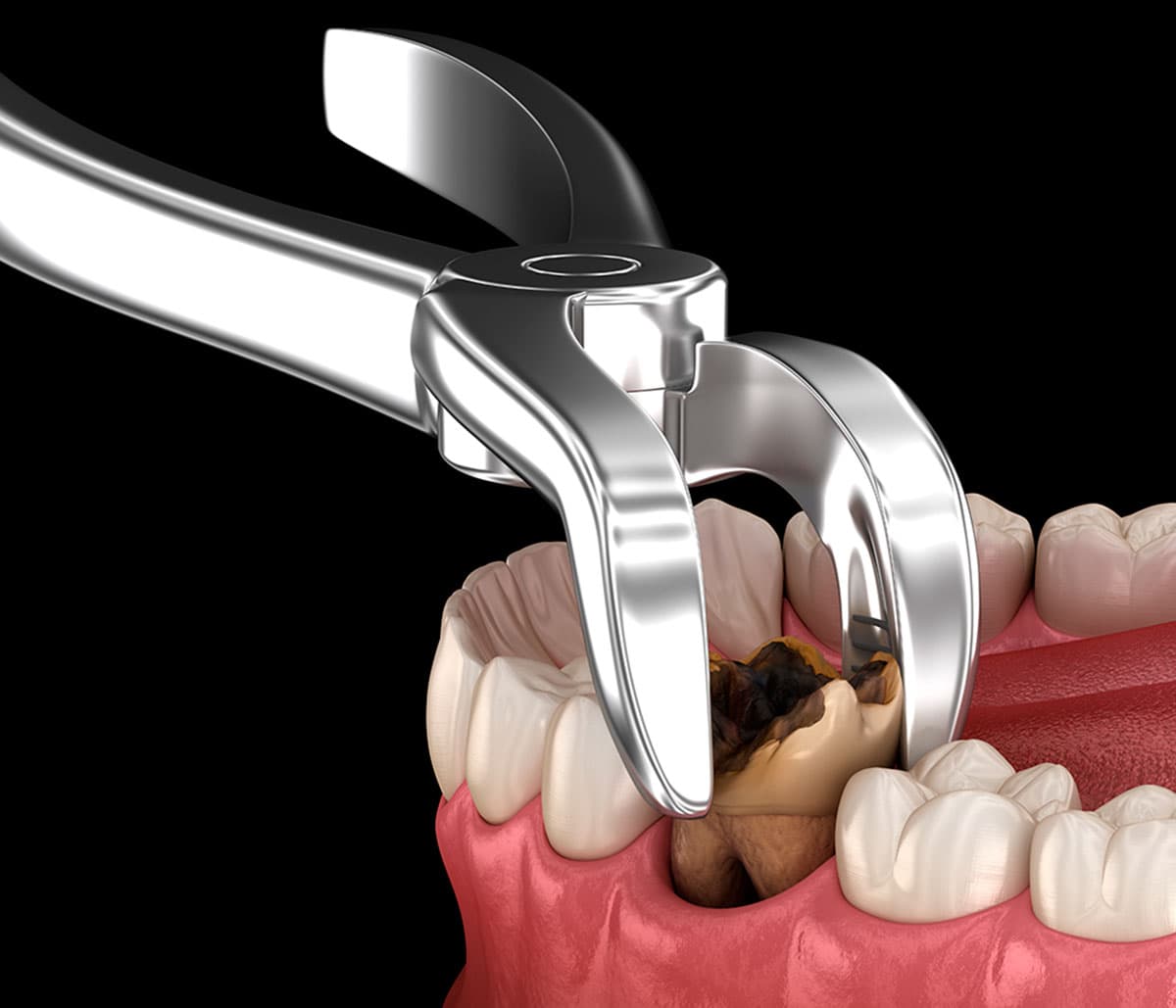
- Cracked or fractured teeth from trauma or grinding.
- Inflamed gums or infections causing pressure sensitivity.
- Dental restorations (like fillings or crowns) that no longer fit properly.
- Sinus infections creating pressure in the upper jaw area.
Sometimes, this discomfort can extend beyond the mouth — for example, when your nose hurts when you chew due to sinus pressure or congestion affecting nearby nerves.
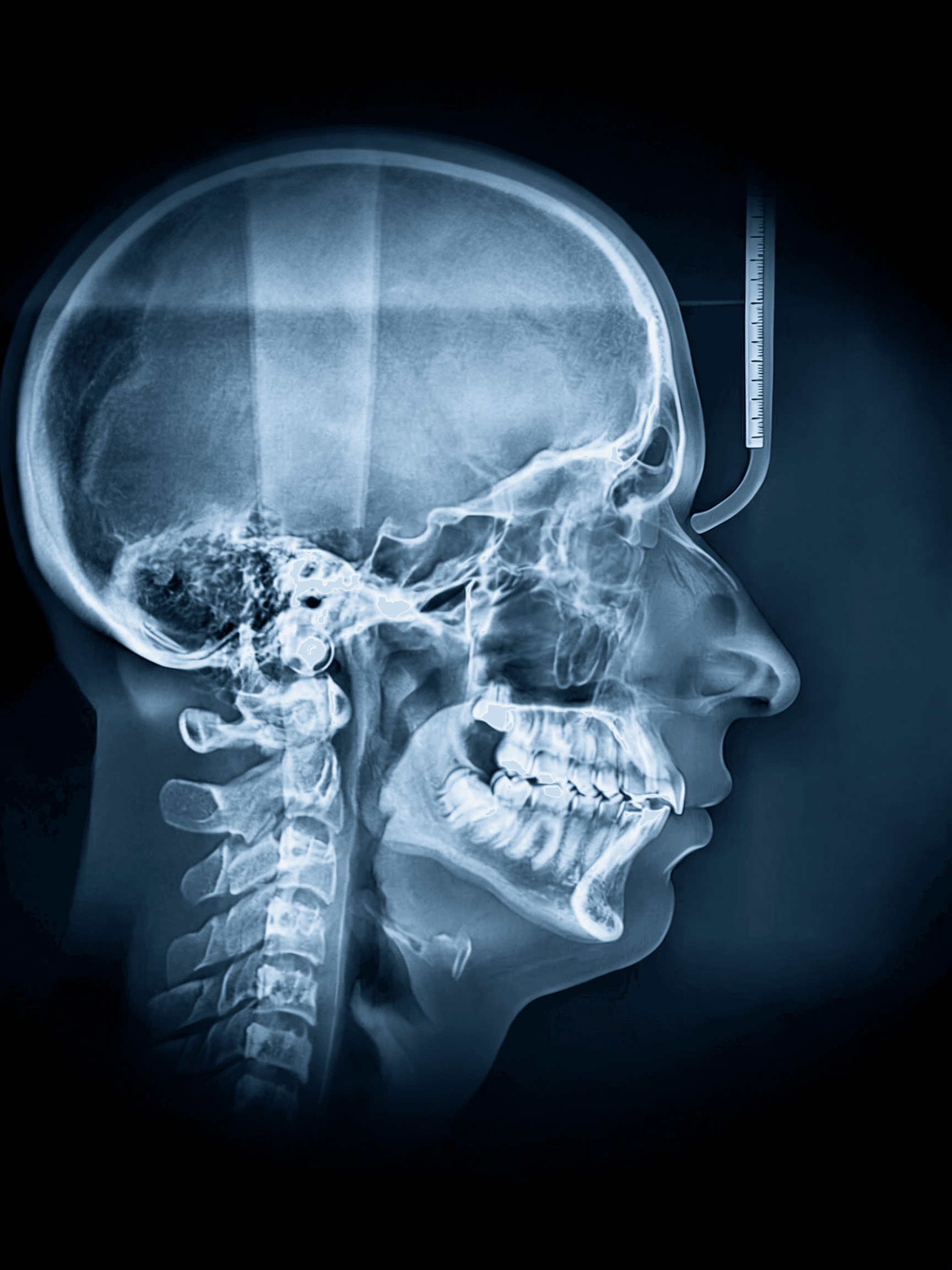
Pinpointing the root cause typically requires a thorough dental examination, as symptoms can overlap between several issues. If pain persists, scheduling a dental checkup and teeth cleaning can help identify and address early problems before they become severe.
Common Dental Issues That Make Chewing Painful
Several dental conditions are known to trigger pain when biting or chewing:
Tooth Decay (Cavities)
When plaque bacteria break down sugars, they produce acids that erode enamel. Once decay reaches the inner dentin, the tooth becomes sensitive to pressure and temperature.
Cracked Tooth Syndrome
Tiny, often invisible cracks can develop due to biting hard foods, teeth grinding (bruxism), or past dental work. These cracks allow bacteria and temperature changes to irritate the tooth pulp, leading to sharp pain while chewing.
Gum Disease (Periodontitis)
Inflammation and infection of the gums can cause them to recede, exposing tooth roots and leading to tenderness when chewing. Untreated gum disease may also cause tooth mobility.
Abscessed Tooth
A bacterial infection inside the tooth can form a pocket of pus at the root, causing intense, throbbing pain that worsens with pressure.
Worn Fillings or Dental Work
Old or poorly fitted restorations can create uneven bite pressure or microleaks, irritating the tooth structure beneath. In some cases, sinus pain when chewing can mimic tooth discomfort, especially when the upper molars share proximity to the sinus cavities.
Less Common Medical Conditions That Can Cause Chewing Pain
While dental problems are the leading cause of chewing pain, certain medical conditions can mimic toothache symptoms:
- Sinusitis: Inflammation of the sinus cavities can create pressure on the upper teeth roots.
- Temporomandibular Joint (TMJ) Disorders: Jaw joint dysfunction may cause discomfort radiating to the teeth, ears, or temples.
- Trigeminal Neuralgia: A nerve disorder leading to sharp, electric-like facial pain triggered by movement or touch.
- Ear or jaw infections: These can cause referred pain that feels like a toothache.
If you’ve ruled out dental causes but still experience persistent discomfort, a multidisciplinary evaluation may be necessary.
Types of Tooth Pain You May Experience When Chewing
Not all chewing pain feels the same, and the way it presents can tell your dentist a lot about what’s really going on. For instance, if you experience a sharp, sudden pain when biting down, it could point to a cracked tooth or a loose filling. These sudden jolts often mean something is triggering the inner nerves unexpectedly.
On the other hand, a dull, lingering ache or a feeling of pressure might suggest inflammation or an infection inside the tooth’s pulp. This kind of discomfort tends to worsen gradually and may come with sensitivity or swelling.
If your teeth react strongly to hot or cold foods, enamel erosion or gum recession could be to blame. When the protective outer layer wears away, the nerves underneath become more exposed, leading to sudden stinging sensations.
Finally, if pain continues even after you stop chewing, it may signal something more serious, like an abscess or nerve irritation. Paying attention to when and how your pain occurs, whether it’s sharp, throbbing, or temperature-related, gives your dentist valuable clues to make an accurate diagnosis and start the right treatment.
How to Relieve Pain When Chewing at Home
While professional care is essential, some temporary relief measures can help until your appointment:
- Rinse with warm salt water to reduce inflammation.
- Avoid hard or sticky foods that may worsen pain.
- Apply a cold compress to reduce swelling.
- Use desensitizing toothpaste for mild sensitivity.
- Maintain good oral hygiene to prevent bacterial buildup.
Avoid taking painkillers for extended periods without consulting your dentist; these only mask symptoms temporarily.
When You Should See a Dentist for Chewing Pain
If your chewing pain lasts more than a day or two, worsens over time, or comes with swelling, bad taste, or fever, it’s time to see a dentist. Ignoring tooth pain can lead to infections spreading deeper into the jaw or bloodstream.
Early diagnosis ensures simpler, more conservative treatments, saving your natural teeth and preventing serious complications.
Treatment Options for Painful Chewing
Treatment depends on the underlying cause, and may include:
- Cavity fillings to restore decayed teeth.
- Root canal therapy to treat infected pulp tissue.
- Crowns or onlays to protect cracked or weakened teeth.
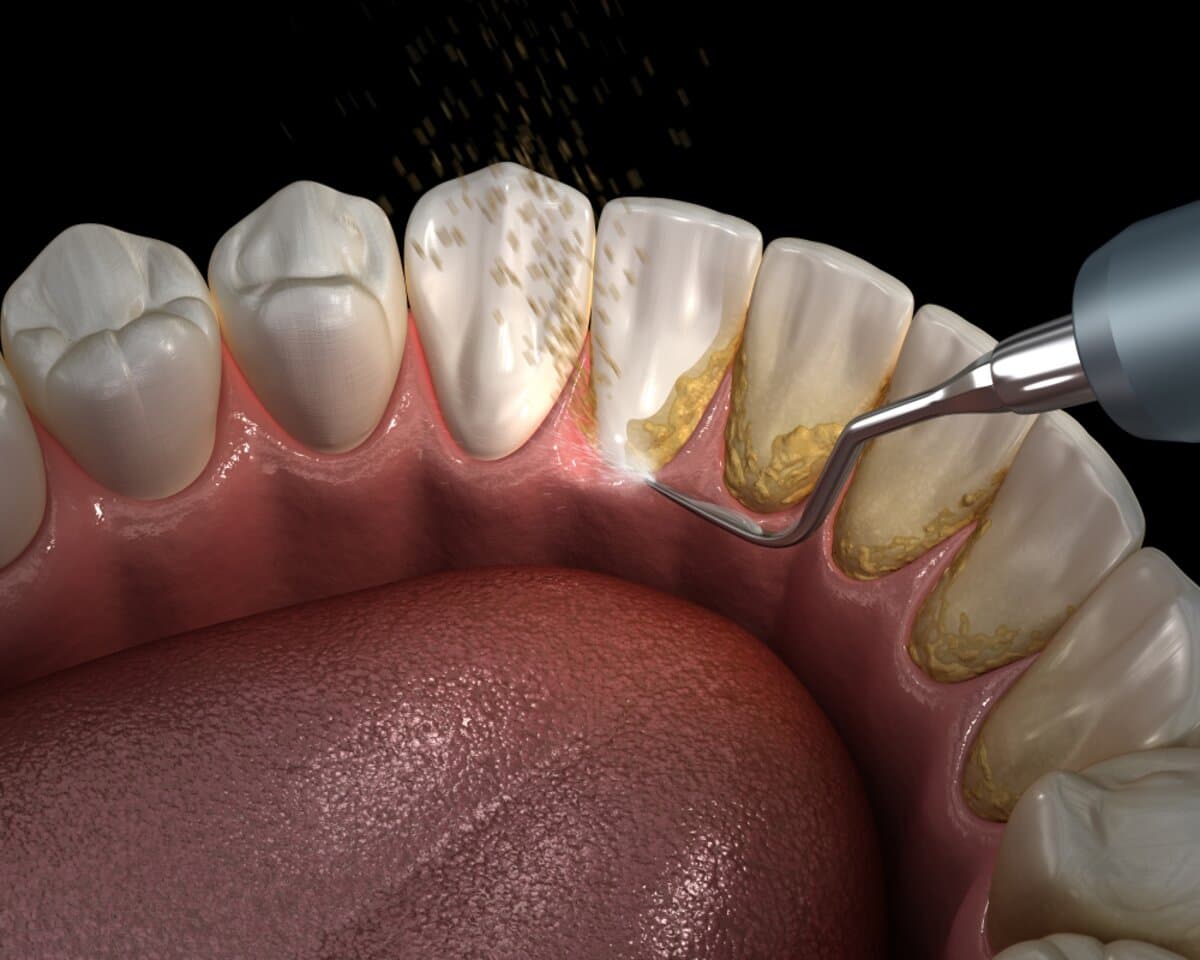
- Deep cleaning (scaling and root planing) for gum disease.
- Antibiotics or drainage procedures for abscesses.
- Bite adjustments or night guards for grinding-related pain.
Your dentist will tailor your treatment plan to the exact source of discomfort, ensuring long-term relief and restored function.
Preventing Tooth Pain When Chewing
Preventing chewing discomfort starts with consistent oral care and healthy habits:
- Brush twice daily with fluoride toothpaste.
- Floss to remove plaque between teeth.
- Limit acidic or sugary foods that erode enamel.
- Wear a night guard if you grind your teeth.
- Visit your dentist every six months for checkups and cleanings.
Good oral hygiene not only prevents pain but also protects your overall well-being, since oral health is closely linked to cardiovascular and systemic health.
Frequently Asked Questions
Q: What could it mean if my nose hurts when I chew?
A: Pain or pressure in your nose while chewing could be linked to sinus congestion or inflammation affecting nearby nerves. It’s often associated with sinus infections or upper jaw dental issues.
Q: Why does my nose bridge hurt when I chew?
A: Both symptoms may be related to sinus pressure buildup or inflammation that radiates through facial structures when you move your jaw. If this occurs often, consult your dentist or ENT specialist to rule out sinusitis or dental infection.
Stop the Pain Today – Schedule Your Dental Appointment
Chewing pain can interfere with eating, speaking, and your daily comfort, but relief is within reach. At Tribeca Dental Studio, our team combines advanced diagnostics with personalized care to uncover the exact cause of your discomfort and provide lasting solutions.
Whether you need a filling, bite adjustment, or root canal therapy, we’ll guide you every step of the way toward a pain-free smile. Don’t wait for the pain to worsen. Schedule your visit today and let us help you chew comfortably again.