Why You Need to Get a Chipped Tooth Fixed Right Away
If you need to get a chipped tooth fixed, you have several professional options depending on the severity of the damage:
- Dental Bonding – Best for minor chips, uses tooth-colored resin, completed in one visit, costs $100-$500
- Porcelain Veneers – Ideal for larger chips on front teeth, lasts up to 20 years, costs $500-$2,500
- Dental Crowns – Required for extensive damage, covers entire tooth, costs $800-$1,500
- Root Canal Therapy – Necessary when chip exposes the nerve, averages $700-$1,500 plus crown cost
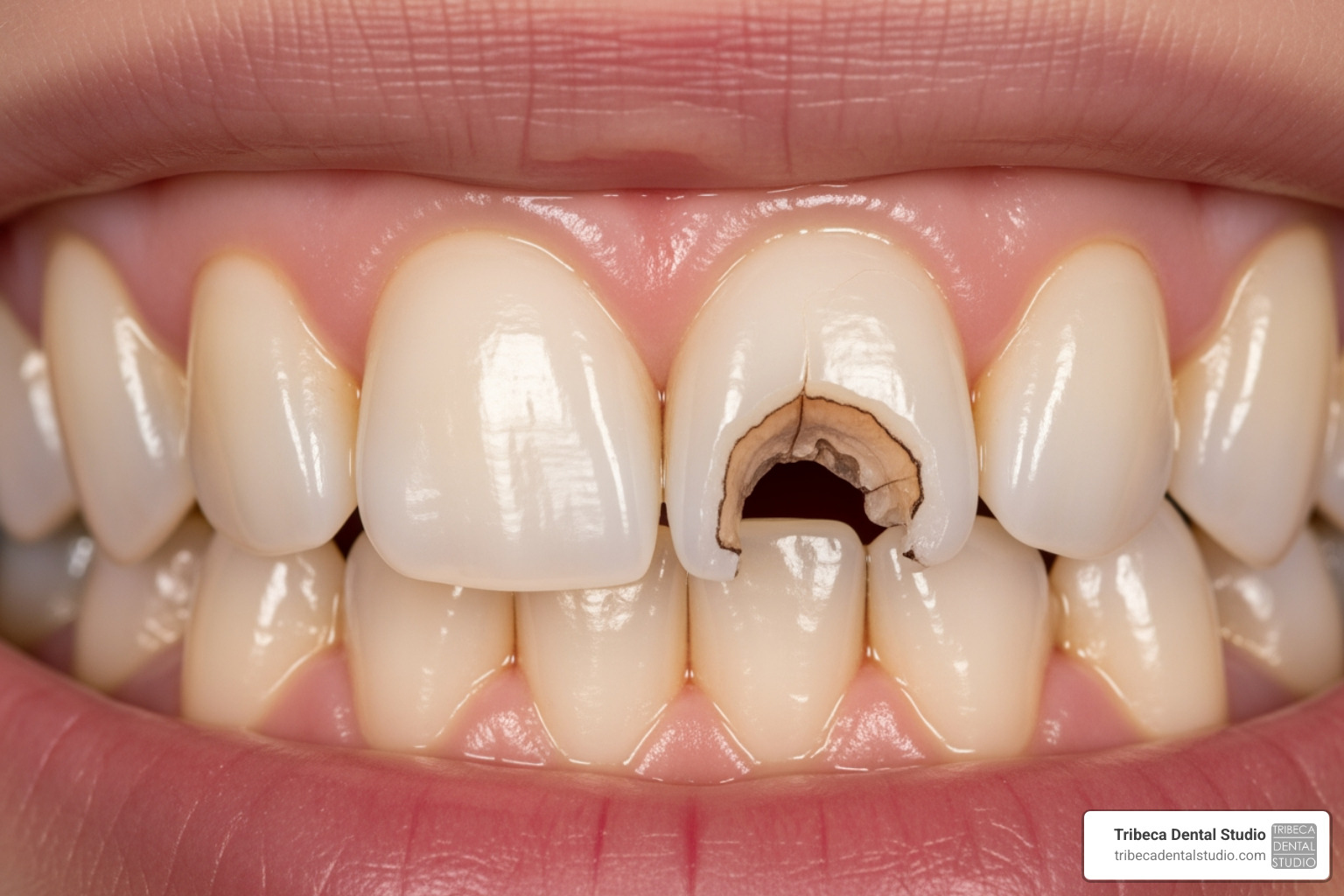
You’re crunching ice or biting into hard candy when you feel it—something hard in your mouth that doesn’t melt. That sick feeling hits as you realize it’s a piece of your tooth. Chipped teeth account for a majority of dental injuries, and while a small chip might seem harmless, leaving it untreated can lead to serious problems like infection, further breakage, or even tooth loss.
The good news? Modern dentistry offers fast, effective solutions to restore your smile. Whether your chip is barely noticeable or significantly large, professional treatment can fix the damage and prevent future complications. Most minor chips can be repaired in just one visit, while more severe breaks may require a few appointments.
Tooth enamel is the hardest tissue in your body, but it’s not indestructible. Once it chips, it won’t grow back on its own. That’s why prompt professional care is essential—not just for aesthetics, but to protect the delicate tissue beneath the enamel from bacteria and decay.
I’m Dr. Nina Izhaky, and at Tribeca Dental Studio, I’ve helped countless patients get chipped teeth fixed using the latest cosmetic and restorative techniques. With state-of-the-art technology and a personalized approach, we ensure every repair looks natural and lasts for years.
First Aid for a Chipped Tooth: What to Do Immediately
Chipping a tooth can be an unsettling experience, often leading to immediate panic. But don’t worry, there are crucial immediate steps you can take to manage the situation before you can see us at Tribeca Dental Studio. Taking swift action can prevent further damage, reduce pain, and improve the chances of a successful repair.
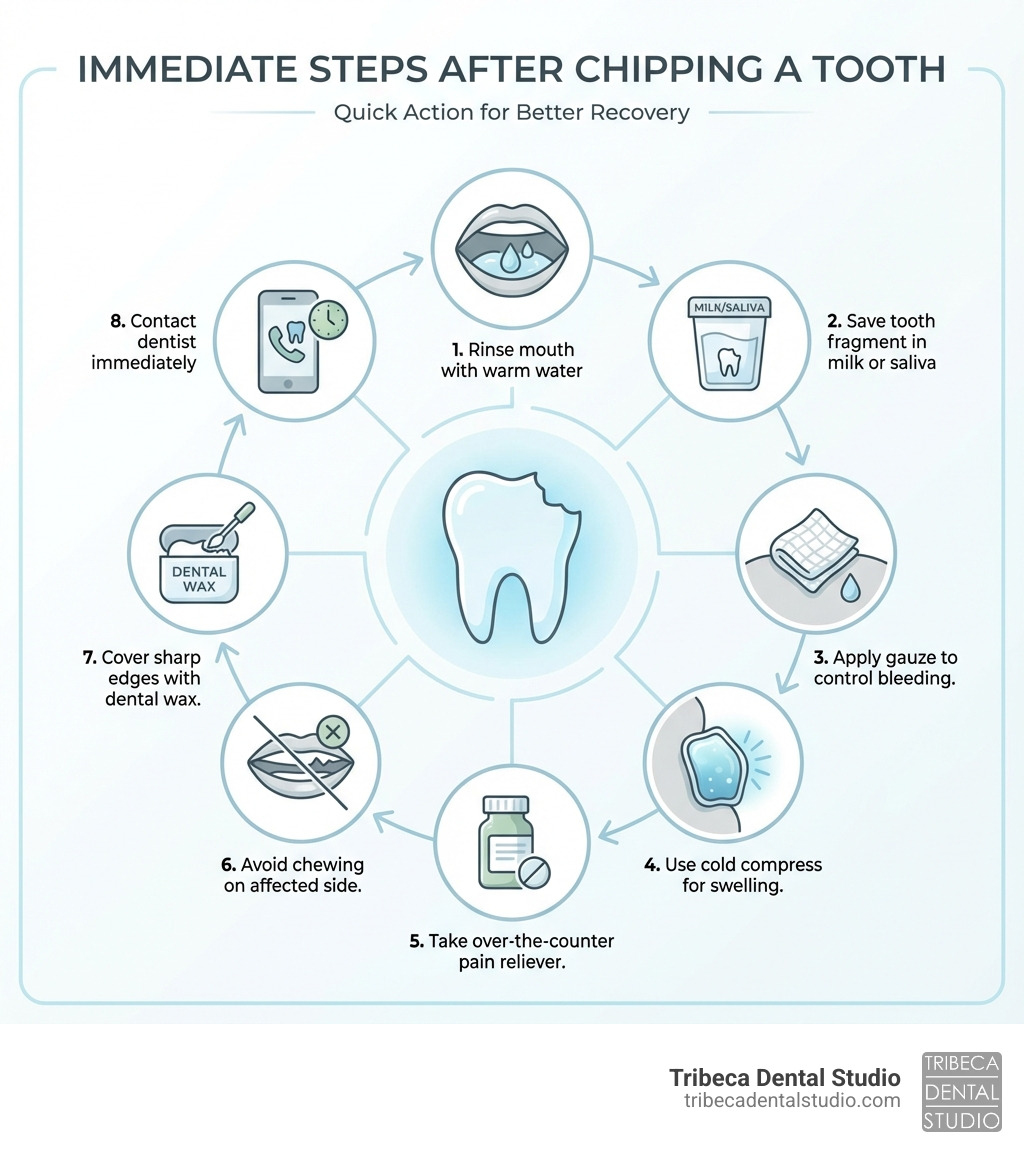
Here’s what to do right away if you chip a tooth:
- Rinse with warm water: Gently rinse your mouth with warm water to clean the area and remove any small tooth fragments or debris. If there’s any bleeding, a salt water rinse can also help.
- Save the tooth fragment: If you can find the piece of your tooth that broke off, save it! In some cases, we might be able to reattach it. Store the fragment in a small container of milk or, if milk isn’t available, in your saliva. This helps keep the tooth tissue viable.
- Control bleeding: If there’s any bleeding, apply gentle pressure to the area with a piece of sterile gauze or a clean, soft cloth for about 10-15 minutes.
- Reduce swelling: Apply a cold compress or an ice pack wrapped in a cloth to the outside of your cheek or lip near the injured tooth. This can help minimize swelling and reduce discomfort.
- Pain management: If you’re experiencing pain or sensitivity, over-the-counter pain relievers like ibuprofen can help. Follow the dosage instructions carefully.
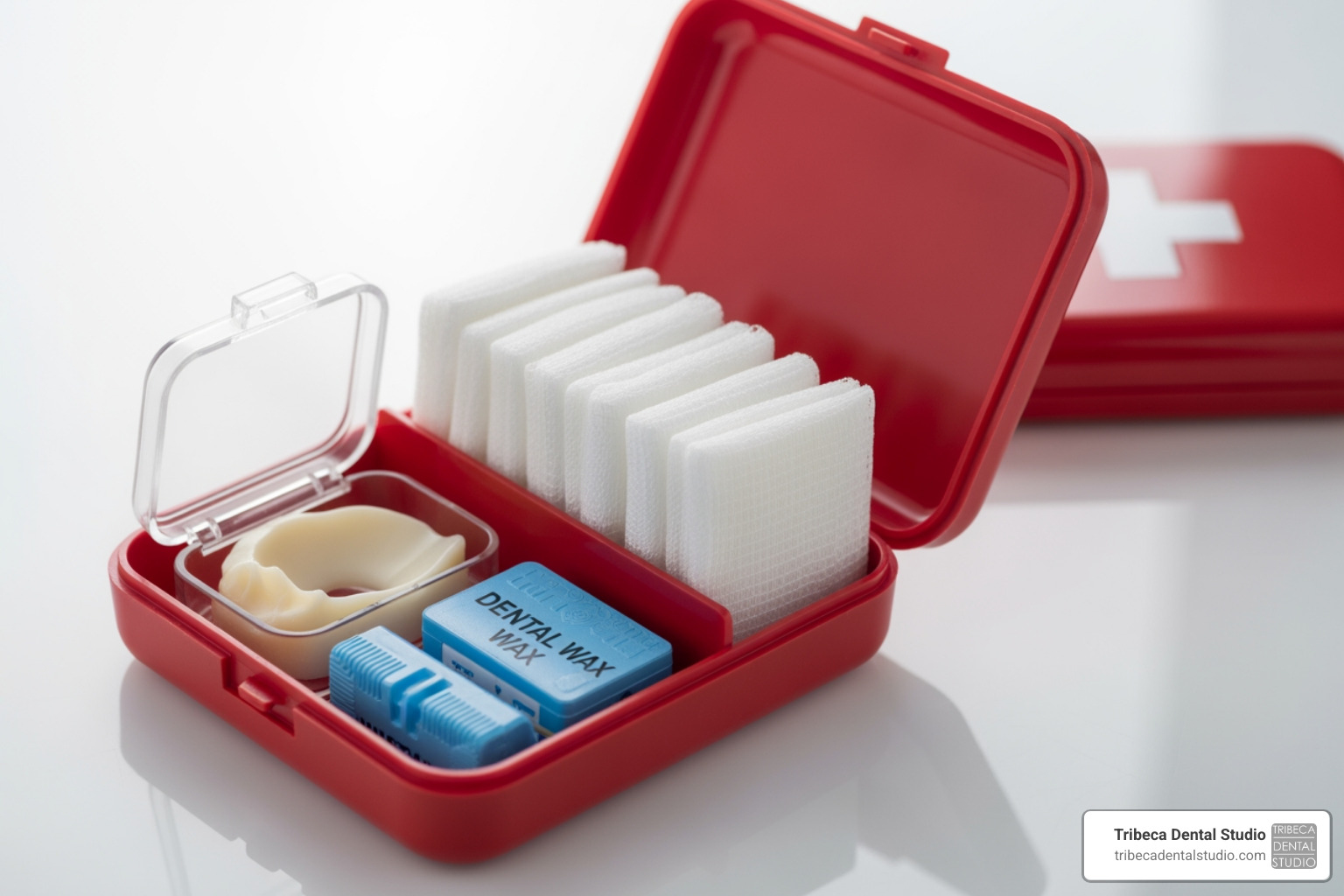
- Dental wax: If the chipped tooth has a sharp or jagged edge that is irritating your tongue, cheek, or gums, you can temporarily cover it with dental (orthodontic) wax. If you don’t have dental wax, a piece of sugar-free chewing gum can also work in a pinch. This protects your soft tissues from further irritation.
- Avoid chewing: Try to avoid biting or chewing on the affected side of your mouth to prevent further damage or discomfort. Stick to soft foods until you can see us.
When to Seek Emergency Care
While most chipped teeth can wait for a regular dental appointment, some situations warrant immediate attention. You should seek emergency dental care if you experience:
- Severe pain that isn’t controlled by over-the-counter medication.
- Uncontrolled bleeding from the mouth.
- Visible swelling in your face or gums, which could indicate an infection.
- If the chip is so severe that it has exposed the tooth’s pulp (the innermost part of the tooth containing nerves and blood vessels), as this can lead to rapid infection.
- If the tooth is knocked out completely. For a knocked-out permanent tooth, try to gently reinsert it into its socket without touching the root, or store it in milk/saliva and see us immediately.
In New York City, if you’re unsure, it’s always best to call us or an emergency dental service. Prompt action can make all the difference in saving your tooth and preventing complications.
Chipped vs. Cracked Tooth: Understanding the Difference
While often used interchangeably, there’s a distinct difference between a chipped and a cracked tooth, which affects treatment.
- Chipped Tooth: A piece of the hard outer layer (enamel) has broken off. Chips can be minor, affecting only the enamel, or larger, exposing the sensitive layer beneath (dentin).
- Cracked Tooth: A fracture line runs through the tooth, potentially extending towards the root. Unlike a chip (loss of structure), a crack is a separation within the tooth.
The severity of the damage determines the treatment. Minor chips may only need smoothing or bonding. Larger chips exposing dentin often require bonding or crowns to prevent sensitivity and decay. Cracks are more complex; if a crack reaches the tooth’s inner pulp (containing nerves and blood vessels), it can cause significant pain and infection. Treatment for cracked teeth may involve a crown, root canal, or, in severe cases, extraction. Accurately diagnosing the damage is critical, which is why a professional assessment is always necessary.
How to Get a Chipped Tooth Fixed: Professional Repair Options
Once you’ve taken immediate steps to manage a chipped tooth, the next crucial phase is professional repair. At Tribeca Dental Studio, we specialize in both cosmetic and restorative dentistry to address all types of dental injuries. Our goal is not just to fix the damage, but to restore the full function and aesthetic appeal of your smile.
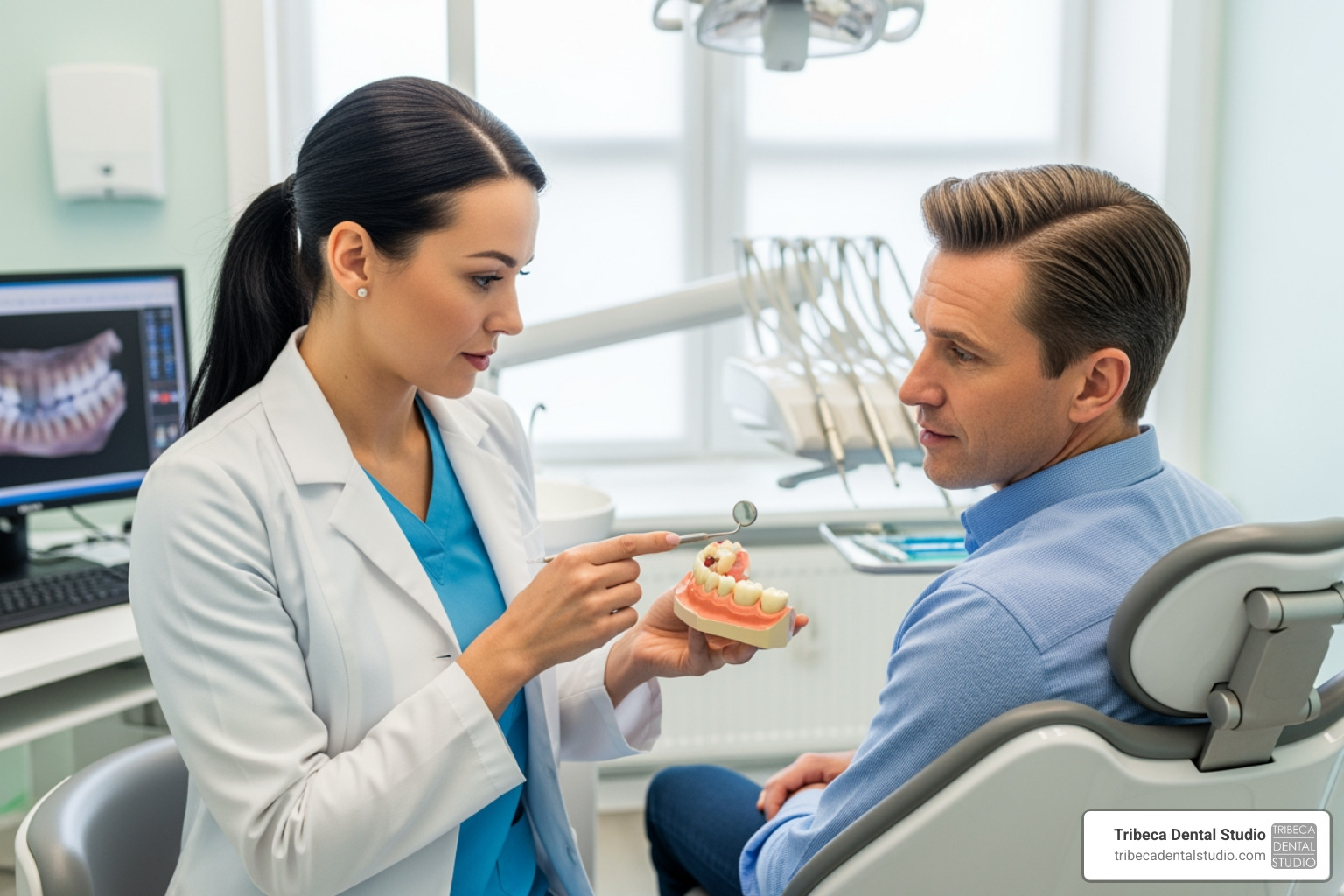
The treatment we recommend will depend on several factors, including the size and location of the chip, whether the pulp is exposed, and your overall oral health. Here’s a comparison of common professional options to get a chipped tooth fixed:
| Treatment Type | Cost (per tooth) | Longevity (with proper care) | Treatment Time | Best For |
|---|---|---|---|---|
| Dental Bonding | $100 – $500 | 3 – 10 years | 1 visit | Minor chips, front teeth, small aesthetic fixes |
| Porcelain Veneers | $500 – $2,500 | Up to 20 years | 2-3 visits | Noticeable chips, cosmetic improvements, front teeth |
| Dental Crowns | $800 – $1,500 | 5 – 15+ years | 2 visits | Large fractures, weakened teeth, molars, structural support |
| Root Canal + Crown | $700 – $1,500 (RC) + Crown Cost | Varies, tooth can last a lifetime with proper care | 1-2 visits (RC), plus 2 for crown | Severe breaks exposing pulp, infection, saving natural tooth |
How to get a chipped tooth fixed with Dental Bonding
For minor chips, especially on front teeth, dental bonding is a simple, affordable, and effective solution.
What it involves: We apply a tooth-colored composite resin to the chipped area, mold it to restore the tooth’s shape, and harden it with a special light. The final step is polishing it to blend seamlessly with your natural teeth.
Benefits:
- Ideal for: Minor chips, cracks, or gaps, particularly on front teeth.
- Quick & Convenient: The entire procedure is usually completed in a single visit.
- Affordable: It’s one of the most cost-effective cosmetic repairs.
- Longevity: Bonding can last 3-10 years with proper care. We recommend avoiding staining foods and drinks to maintain its appearance.
Want to learn more about the differences and benefits? Explore our options for More info about Composite Bonding and how it relates to Dental Fillings in NYC.
Dental Veneers for a Flawless Finish
For more noticeable chips on front teeth or a comprehensive cosmetic upgrade, dental veneers offer a durable and beautiful solution.
What it involves: Veneers are thin, custom-made porcelain shells bonded to the front of your teeth. After removing a minimal amount of enamel to ensure a natural fit, we take impressions. The custom veneers are then crafted and bonded to your teeth in a subsequent visit.
Benefits:
- Ideal for: Larger chips, discoloration, minor misalignment, or a full smile makeover.
- Aesthetic & Durable: Porcelain mimics natural tooth enamel and is highly resistant to stains.
- Longevity: Veneers can last up to 20 years with proper care, making them a valuable long-term investment in your smile.
You can dig deeper into the research on veneer longevity here. Find more about your options for Veneers in NYC at Tribeca Dental Studio.
When to get a chipped tooth fixed with a Dental Crown
For extensive chips, large fractures, or weakened teeth (especially molars), a dental crown is the recommended solution for restoring strength and function.
What it involves: A crown is a custom-made “cap” that covers the entire damaged tooth. The process typically takes two visits: one to prepare the tooth and take impressions, and a second to fit the permanent crown.
Benefits:
- Ideal for: Large fractures, weakened teeth, and molars that require significant structural support.
- Full Protection: A crown encases the entire tooth, restoring its original shape, size, and strength.
- Durable & Long-Lasting: Crowns are highly durable and can last for many years with good oral hygiene, making them an excellent restorative choice.
For more information on comprehensive solutions for damaged teeth, explore our Restorative Dentistry services. Crowns typically range from $800 to $1,500 per tooth, reflecting their robust nature and the protection they offer.
Root Canal Therapy for Severe Breaks
If a chip is deep enough to expose the tooth’s inner pulp (nerves and blood vessels), a root canal is necessary to save the tooth and prevent serious infection.
What it involves: Root canal therapy removes the damaged or infected pulp from inside the tooth. The tooth’s interior is then cleaned, disinfected, and sealed. Because a tooth becomes more brittle after this procedure, a dental crown is almost always placed afterward to protect it from future fractures and restore its function.
Benefits:
- Saves the Natural Tooth: The primary goal is to avoid extraction by treating infection and damage at the source.
- Pain Relief: Alleviates the severe pain caused by nerve inflammation or infection.
- Prevents Infection Spread: Eliminates harmful bacteria and stops the infection from spreading.
While the name can sound intimidating, modern root canal therapy is a routine and highly effective procedure. A root canal typically costs between $700 and $1,500, with an additional cost for the crown.
Your Dental Visit: What to Expect and How to Prepare
We understand that visiting the dentist, especially after a chipped tooth, can feel a bit daunting. At Tribeca Dental Studio, we believe in a personalized approach, treating every patient like family. Our goal is to make your experience as comfortable and stress-free as possible, ensuring you leave with a healthy, beautiful smile.
Here’s what you can expect during your chipped tooth appointment:
- Warm Welcome: From the moment you step into our Tribeca office, our caring team will greet you warmly and ensure you feel at ease.
- Comprehensive Examination: Dr. Nina Izhaky will perform a thorough examination of your chipped tooth and the surrounding oral structures. This includes visually assessing the extent of the damage, checking for sharp edges, and evaluating any signs of sensitivity or pain.
- X-rays: Depending on the severity of the chip and to rule out any underlying damage, we may take dental X-rays. X-rays provide a detailed view of the tooth’s root and bone, helping us detect any fractures or issues not visible to the naked eye.
- Diagnosis: Based on the examination and X-rays, Dr. Izhaky will provide a precise diagnosis, explaining the type and extent of the chip (e.g., craze line, fractured cusp, or a more severe break).
- Treatment Plan: We will discuss all suitable treatment options, outlining the pros and cons of each, their expected longevity, and what the procedure entails. We’ll answer all your questions and help you choose the best approach for your specific needs and preferences.
- Cost Discussion: Transparency is key. We’ll provide a clear breakdown of the costs associated with your chosen treatment plan, discuss insurance coverage, and explore payment options.
- Personalized Care: Our team ensures your comfort throughout the procedure. For most chipped tooth treatments, local anesthesia can be used to numb the area, making the process virtually painless. We provide detailed aftercare instructions to ensure a smooth recovery and lasting results.
We value your trust in us for your dental care. To prepare for your first visit, you can review our What to expect at your first visit page. We’re dedicated to providing comprehensive care, and you can learn more about our philosophy and Dr. Nina Izhaky, the Best Dentist in NYC, on our website.
Preventing Future Chips: Protecting Your Smile
While accidents happen, many chipped teeth can be prevented with a few simple precautions. Proactive measures can save you pain, time, and money in the long run. At Tribeca Dental Studio, we believe prevention is key to maintaining good oral health for life.
Here are our top tips for protecting your teeth from future chips:
- Avoid hard foods: This is a big one! Resist the urge to bite down on ice, hard candies, popcorn kernels, nuts, or anything else that puts excessive stress on your teeth. These are common culprits for chips and fractures.
- Wear a mouthguard: If you participate in contact sports (like basketball, hockey, or soccer), a custom-fitted mouthguard is non-negotiable. It acts as a shock absorber, protecting your teeth from impacts. We can help you get a comfortable, effective mouthguard right here in our office.
- Address teeth grinding (bruxism): If you grind or clench your teeth, especially at night, this constant pressure can significantly weaken your enamel and lead to chips or cracks over time. A nightguard, worn while you sleep, can protect your teeth from the damaging effects of bruxism.
- Don’t use teeth as tools: Your teeth are designed for chewing food, not for opening packages, biting fingernails, tearing tape, or holding objects. Using them for these tasks puts them at unnecessary risk of chipping or breaking. Grab a pair of scissors instead!
- Maintain good oral hygiene: Regular brushing (at least twice a day), flossing (once a day), and routine dental check-ups and cleanings are fundamental. Strong, healthy enamel is less prone to chipping. We can identify and treat underlying issues like cavities or weakened enamel that make teeth more vulnerable.
- Manage underlying conditions: Conditions like acid reflux (GERD) can erode tooth enamel, making teeth softer and more susceptible to chips. If you have GERD, managing it with your doctor can also benefit your oral health.
- Be aware of age as a risk factor: As we age, our enamel naturally weakens, making us more susceptible to chips and cracks. One study found that about two-thirds of people with cracked teeth were over the age of 50. This means that older adults should be particularly vigilant about preventive measures and regular dental check-ups. Also, if your tooth has previously chipped and you did not treat it, it is more likely to re-chip.
By incorporating these actionable steps into your daily routine, you can significantly reduce your risk of needing to get a chipped tooth fixed in the future.
Frequently Asked Questions about Fixing a Chipped Tooth
We often hear similar questions from our patients who have experienced a chipped tooth. Here are some of the most common ones, answered in detail:
What are the risks of not fixing a chipped tooth?
Ignoring a chipped tooth, even a small one, can lead to more serious problems. Potential risks include:
- Irritation and Sores: Sharp edges can cut your tongue, cheek, or gums.
- Increased Decay: The exposed inner layers of the tooth are more vulnerable to cavities.
- Further Damage: A weakened tooth is more likely to chip further or crack under normal chewing pressure.
- Infection and Nerve Damage: If the chip is deep, bacteria can infect the tooth’s pulp, leading to severe pain, an abscess, and the need for a root canal.
- Tooth Loss: In severe cases, an untreated chip can lead to so much damage that the tooth must be extracted.
Fixing a chip promptly restores your tooth’s appearance and prevents these complications.
How long does it take to fix a chipped tooth?
The timeline to get a chipped tooth fixed depends on the treatment:
- One Visit: Minor chips can often be fixed in a single appointment with dental bonding, which usually takes less than an hour.
- Multiple Visits: More complex treatments require two or more visits.
- Veneers and Crowns: These typically involve an initial visit for preparation and impressions, and a second visit to place the final restoration.
- Root Canals: This may take one or two visits, plus another appointment to place a protective crown.
We work efficiently to restore your smile while respecting your time.
How much does it cost to get a chipped tooth fixed?
The cost to get a chipped tooth fixed varies depending on the treatment needed. Here are general estimates per tooth:
- Dental Bonding: The most affordable option for minor chips, typically $100 to $500.
- Porcelain Veneers: A premium cosmetic solution, ranging from $500 to $2,500.
- Dental Crowns: For structural repair, costs generally range from $800 to $1,500.
- Root Canal Therapy: If the nerve is involved, the procedure averages $700–$1,500, plus the additional cost of a crown, which is almost always necessary.
These are estimates. We will provide a clear cost breakdown and discuss your insurance and payment options during your consultation.
Conclusion: Restore Your Confidence with a Flawless Smile
A chipped tooth doesn’t have to be a permanent fixture in your smile story. As we’ve explored, modern dentistry offers a range of effective and aesthetic solutions to get a chipped tooth fixed, changing that minor (or major) imperfection into a beautiful, healthy tooth. From quick bonding fixes for small chips to comprehensive crowns and veneers for more significant damage, we have the tools and expertise to restore your dental health and aesthetic appeal.
The key takeaway is the importance of prompt treatment. Delaying care can turn a simple fix into a complex problem, potentially leading to pain, infection, and even tooth loss. At Tribeca Dental Studio, we combine advanced techniques with a personalized approach, treating every patient like family. Dr. Nina Izhaky and our dedicated team are committed to providing comprehensive, compassionate care right here in the heart of New York City.
Don’t let a chipped tooth diminish your confidence or compromise your oral health. We’re here to help you regain your flawless smile and ensure it lasts for years to come.
Ready to take the first step towards a restored smile? Explore your Cosmetic Dentistry Options to Repair a Chipped Tooth and schedule your consultation with us today.