

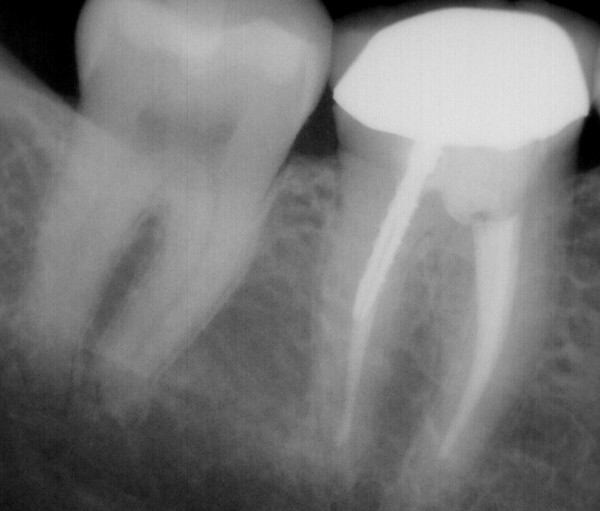
Root canals are one of the most common and effective dental procedures used to save a severely damaged or infected tooth. Still, almost every patient wonders the same thing:
“How long do root canals last?”
Here’s the good news:
A properly performed root canal typically lasts 10–15 years, and with excellent care, many remain healthy for life.
Thanks to advancements in modern dentistry—such as improved sterilization, digital imaging, and precision instruments—the long-term success rates of this treatment have never been higher. Regular check-ups, strong oral hygiene, and restoring the tooth with a crown when recommended all contribute significantly to a long-lasting result.
This guide covers everything you need to know about root canal lifespan, the factors that influence durability, and how to keep your treated tooth healthy for decades.
What Is a Root Canal and Why Is It Needed?
A root canal is a procedure designed to save a tooth that would otherwise need extraction. When the pulp (the inner tissue containing nerves and blood vessels) becomes infected or inflamed, a root canal removes the damaged tissue to stop pain and prevent further infection.
The root canal process includes:
-
Removing the infected pulp
-
Cleaning and disinfecting the canals
-
Shaping and sealing the inside of the tooth
-
Restoring the tooth with a filling or dental crown
Root canals are typically needed due to:
-
Deep decay
-
Cracks or fractures
-
Repeated dental procedures
-
Trauma to the tooth
By eliminating infection and sealing the tooth, a root canal preserves your natural smile and prevents serious complications.
How Long Do Root Canals Last? The Real Lifespan
✔ Average lifespan: 10–15 years
✔ With a crown & good hygiene: 20+ years
✔ With ideal care: Often a lifetime
Root canal longevity depends heavily on:
-
The complexity of the tooth
-
The quality of the procedure
-
Restoring the tooth properly
-
Patient habits and health
-
Follow-up dental care
Thanks to modern endodontic technology—such as digital imaging, rotary instruments, and advanced sterilization—root canal success rates today are higher than ever.
In many cases, a root canal prevents the need for extractions and more expensive treatments like implants or bridges.
Key Factors That Influence Root Canal Longevity
1. Tooth Location & Structure
Different teeth have different levels of complexity:
-
Front teeth: Usually 1 root → easier to treat, longer lifespan
-
Premolars: 1–2 roots → moderate complexity
-
Molars: 2–4 roots → more complex → slightly higher risk of reinfection
Molars, due to their deep grooves and multiple canals, may require more careful maintenance.
2. Quality of the Root Canal Procedure
The skill and precision of the dentist or endodontist have a major impact.
A high-quality root canal includes:
-
Complete removal of infection
-
Thorough cleaning
-
Accurate shaping of the canals
-
Perfect sealing
Modern tools like digital X-rays and rotary endodontic files improve accuracy and reduce the risk of missed canals or reinfection.
Choosing a reputable dental practice dramatically increases long-term success.
3. The Role of Dental Crowns
A dental crown is often recommended after a root canal—especially on molars.
Benefits of a crown:
-
Reinforces tooth structure
-
Prevents cracks and fractures
-
Protects against future decay
-
Restores full chewing function
A quality crown can add 10+ extra years to the lifespan of a root canal.
4. Patient Age and General Health
Younger patients often see longer-lasting results because their teeth and bone structures are generally healthier.
However, longevity is still excellent at any age, as long as patients:
-
Maintain proper oral hygiene
-
Keep regular dental check-ups
-
Manage health conditions like diabetes
5. Oral Hygiene & Daily Habits
Your long-term success depends greatly on how you care for the tooth.
Good habits include:
-
Brushing twice daily
-
Flossing every day
-
Using antimicrobial mouthwash
-
Avoiding sugary snacks
-
Wearing a nightguard if you grind your teeth
Smoking and high-sugar diets can significantly reduce root canal lifespan.
Modern Technology That Improves Root Canal Longevity
Today’s multi-specialty dental studios use advanced tools that dramatically improve outcomes, including:
-
Digital imaging for precise diagnosis
-
Rotary instruments for better cleaning
-
Advanced irrigation systems to remove bacteria
-
High-level sterilization to reduce infection risk
These innovations make root canals more predictable, safer, and longer-lasting.
How to Make Your Root Canal Last as Long as Possible
✔ Brush and floss daily
✔ Visit your dentist every 6 months
✔ Get a crown if recommended
✔ Avoid chewing ice and hard foods
✔ Wear a nightguard if you grind teeth
✔ Maintain a healthy diet
Following these simple steps can help your root canal last decades.
Signs of Root Canal Failure — When to Seek Help
Contact your dentist if you experience:
-
Persistent sensitivity
-
Pain when chewing
-
Swelling around the tooth
-
Bad taste or smell
-
A pimple-like bump on the gums
Early treatment can save the tooth and prevent further complications.
Why Choose a Multi-Specialty Dental Studio?
Multi-specialty dental studios offer complete care under one roof, including:
-
Endodontists
-
General dentists
-
Restorative specialists
-
Advanced imaging
-
On-site crown fabrication (in some clinics)
This ensures seamless communication and the highest standard of care — improving root canal longevity.
FAQ
Root canals typically last 10–15 years. With a high-quality procedure, a crown, and good oral hygiene, many last 20 years or even a lifetime.
Yes. Many root canals last a lifetime when the tooth is restored with a crown and maintained through regular dentist visits and proper hygiene.
Not all, but molars and premolars almost always benefit from one. A crown strengthens the tooth and reduces the chance of fractures.
Tooth location, the quality of the procedure, restoration (crown), oral hygiene, diet, age, and habits like grinding or smoking.
Persistent pain, swelling, pressure sensitivity, bad taste, or a gum pimple near the tooth.
Brush and floss daily, avoid chewing hard foods, wear a nightguard if you grind your teeth, and get regular dental checkups.
Conclusion: Root Canals Can Last a Lifetime With Proper Care
With modern dental technology, expert clinicians, and good oral hygiene, a root canal can last 20 years or even a lifetime.
Choosing a high-quality, multi-specialty dental practice ensures the best possible outcome and long-term oral health.
If you’re experiencing tooth pain or think you may need a root canal, schedule an evaluation — early treatment leads to the best, longest-lasting results.





Call or Text 212-561-5303
[email protected] 54 Warren St., New York, NY 10007SUNDAY: 9-2 PM