Investing in a Full Smile: What a Full Set of Implants Will Cost You
February 24, 2026
Understanding the Investment in Your Smile
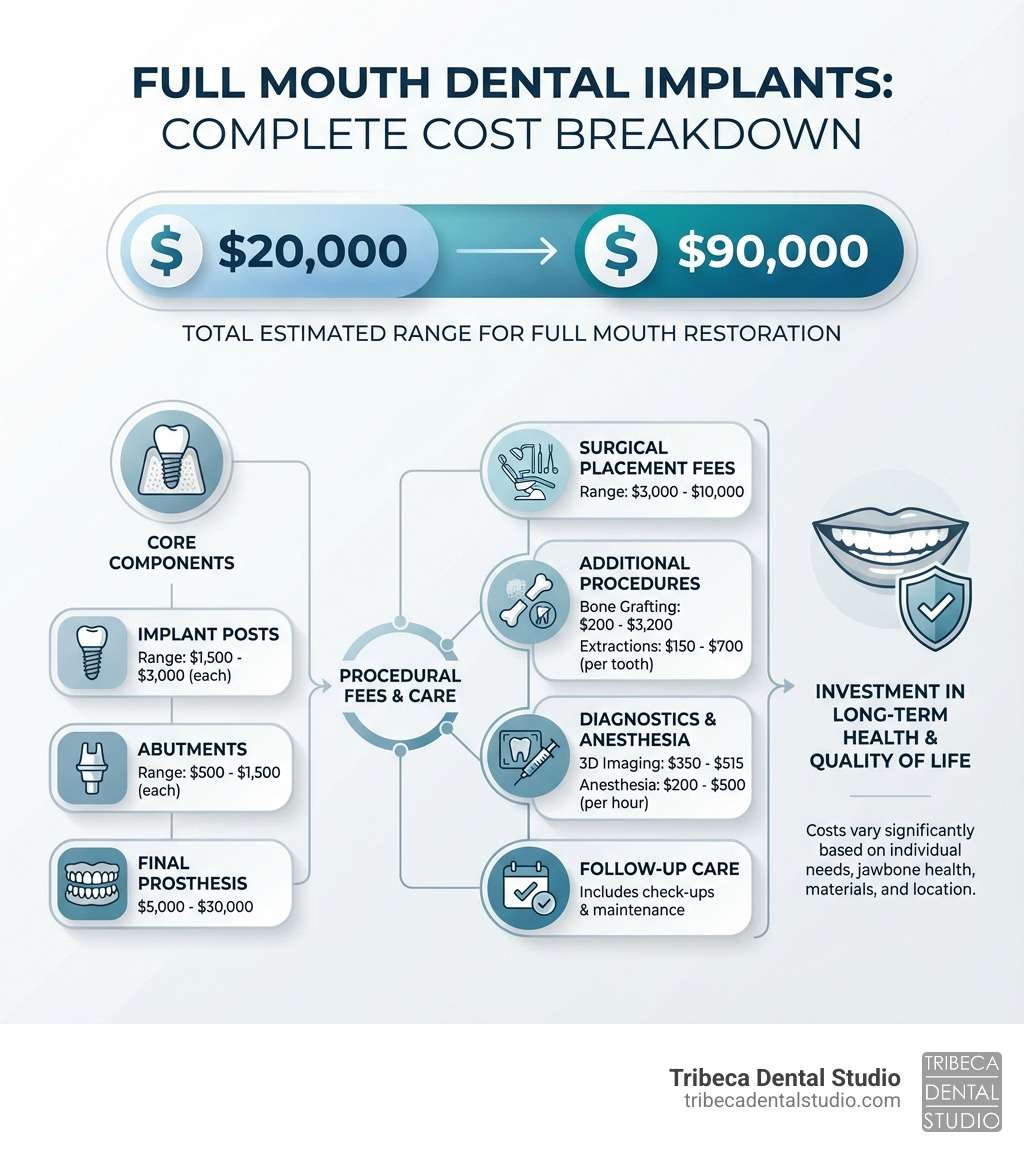
How much does a full set of teeth implants cost? Based on current data, the average cost ranges from $20,000 to $90,000 for a complete mouth restoration. Here’s a quick breakdown:
- Implant-Supported Dentures (Removable): $12,000 – $25,000 per arch
- All-on-4 or All-on-6 Fixed Bridges: $20,000 – $50,000+ per arch
- Individual Implants for Full Mouth: $60,000 – $90,000+
- NYC Area Premium: Costs typically start at $35,000+ for full mouth restoration
Missing teeth affects more than your smile. It impacts your ability to eat comfortably, speak clearly, and feel confident in social situations. When you’re considering replacing all of your teeth, you’re not just thinking about the immediate fix—you’re weighing a major investment in your health and quality of life.
The cost of full mouth dental implants varies widely because every patient’s situation is unique. Your jawbone health, the number of implants you need, the type of prosthesis you choose, and even where you live all play a role in determining your final price. In New York City, these costs tend to be higher than the national average, but you’re also gaining access to some of the most experienced specialists and advanced technology available.
As Dr. Nina Izhaky, a graduate of NYU College of Dentistry with experience in full mouth restorations, I’ve guided countless patients through the process of understanding how much does a full set of teeth implants cost and what makes this investment worthwhile. My state-of-the-art Tribeca practice focuses on personalized care using the latest digital technology to ensure you receive precise, predictable results.
The Big Picture: Average Cost of a Full Mouth Restoration
When we talk about how much does a full set of teeth implants cost, we’re discussing a significant investment, but one with profound and lasting benefits. Across the United States, full mouth rehabilitation using dental implants can cost anywhere from $6,000 to $90,000 or more. Each arch (upper or lower jaw) may cost between $3,000 and $50,000. This wide range reflects the highly individualized nature of dental implant procedures.
In a vibrant metropolis like New York City, these costs can naturally be on the higher end. For example, a full mouth of dental implants in NYC can easily surpass $35,000. This is often due to the higher operating costs, the advanced technology used, and the unparalleled expertise of dental professionals in our area. Despite the initial price tag, many patients find the long-term value, durability, and improved quality of life make it a worthwhile investment. For a deeper dive into our local offerings, you can learn More about Dental Implants in New York.
Understanding the average cost: how much does a full set of teeth implants cost?
The question of “how much does a full set of teeth implants cost?” is rarely met with a single, simple answer. Initial estimates can provide a general idea, but the exact figure often requires a comprehensive evaluation. This wide cost spectrum stems from the unique “fingerprint” of each patient’s dental anatomy and needs. What one person requires might be vastly different from another, even if both are seeking a “full set” of implants.
A quoted price is an estimate, and the final cost can sometimes differ. This isn’t a dental mystery; it’s because the full extent of necessary preparatory work or specific material choices might only become clear after a thorough examination and diagnostic imaging. That’s why a detailed consultation is paramount. During your First Visit, we conduct a comprehensive assessment to provide you with the most accurate and personalized cost estimate possible.
What is included in the initial quote?
When we provide an initial quote for your full mouth dental implants, we aim to be as transparent as possible about what’s included. While specifics can vary based on your individual treatment plan, a typical comprehensive quote will cover several key components:
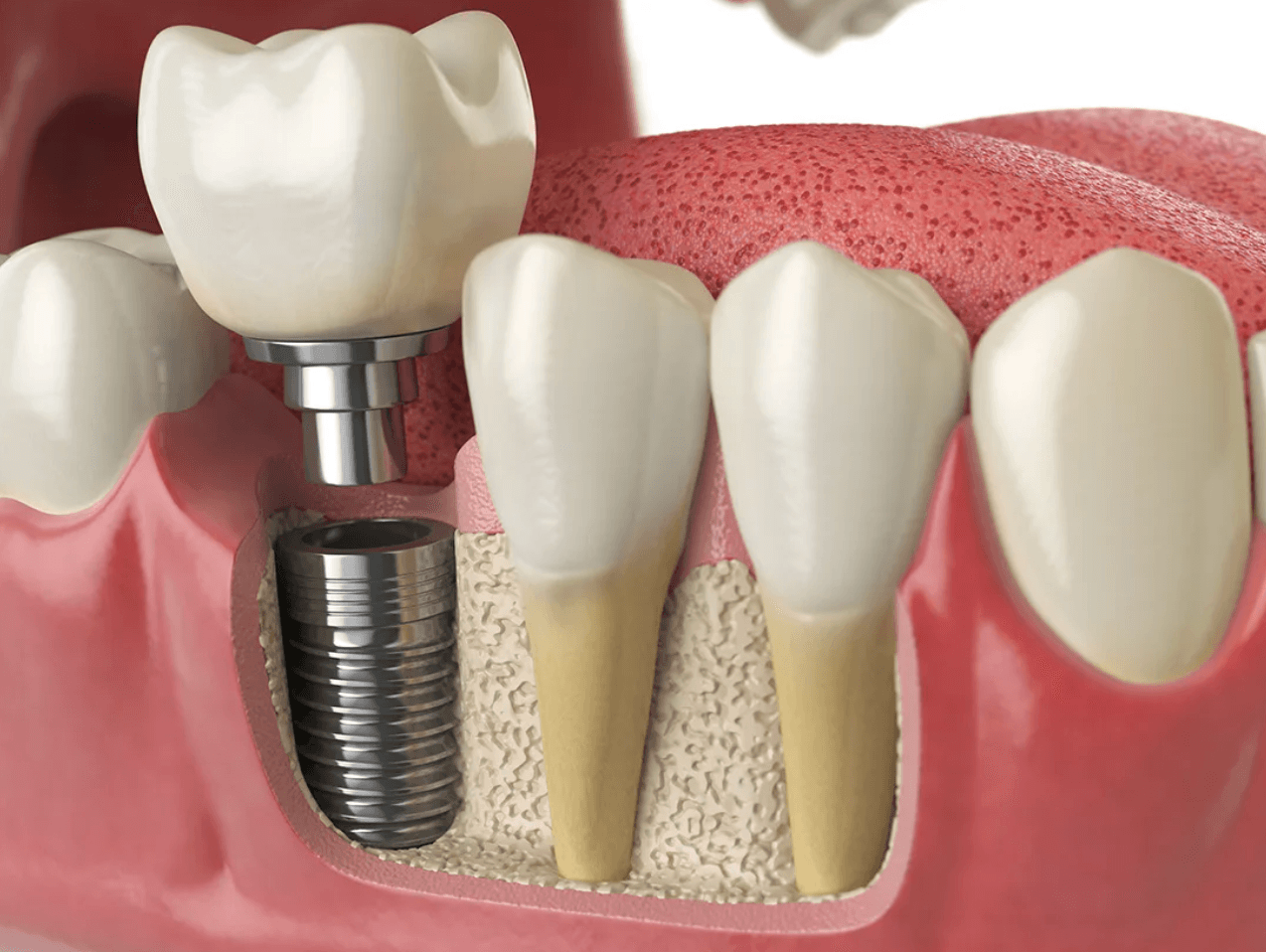
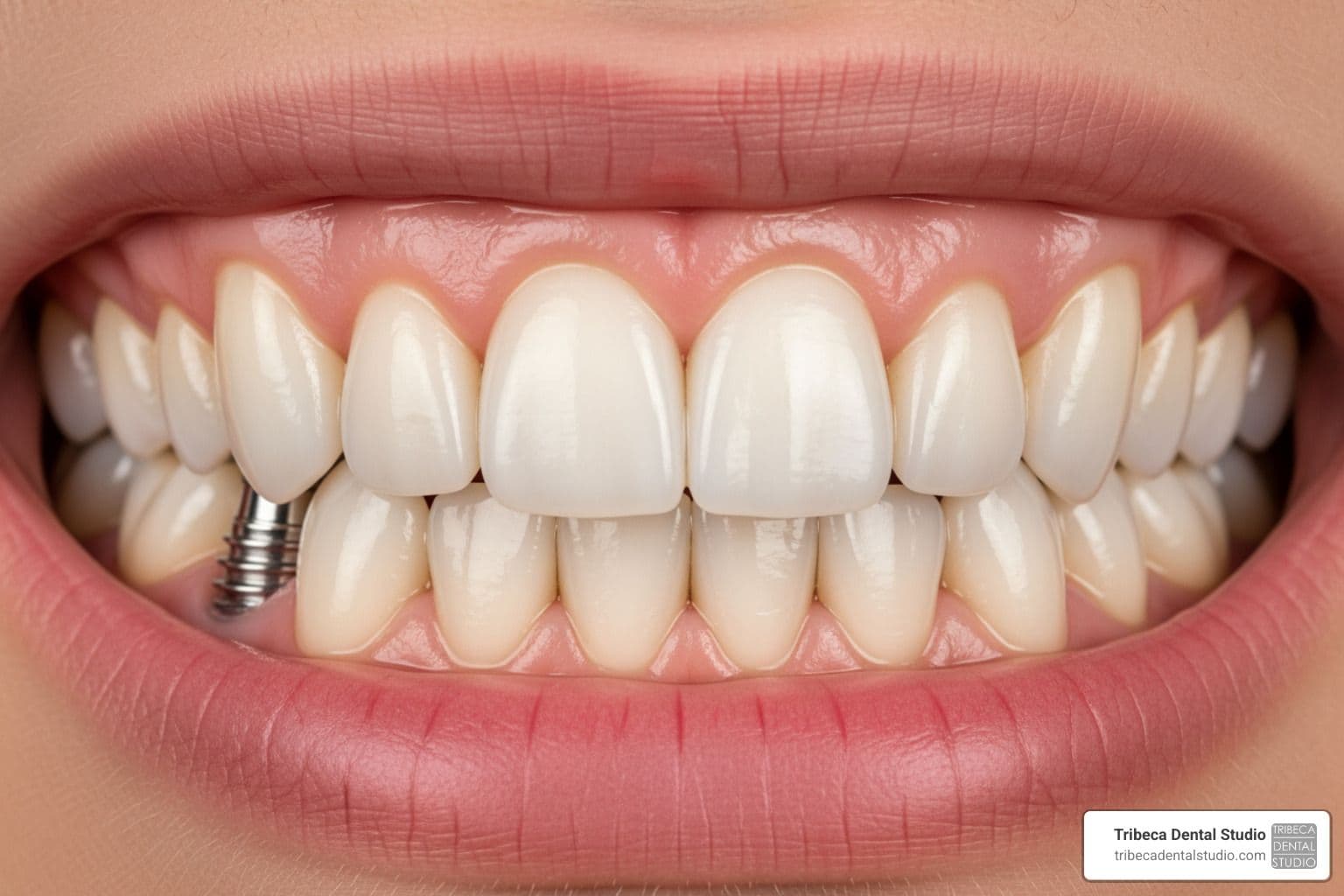
- Implant Posts: These are the titanium (or sometimes zirconia) screws surgically placed into your jawbone to act as artificial tooth roots. These are the foundation of your new smile.
- Abutments: These small connector pieces attach to the implant posts and extend above the gum line, serving as anchors for your new teeth.
- Final Prosthesis (Bridge or Denture): This refers to the visible part of your new teeth—the custom-made full arch bridge or denture that will be secured to the abutments.
- Surgical Placement: The fees associated with the precise surgical procedure to place the dental implants.
- Temporary Teeth: In many cases, we can provide you with temporary teeth immediately after implant placement, allowing you to leave our office with a functional and aesthetic smile while your implants heal.
- Follow-up Visits: This typically includes post-operative checks and adjustments to ensure your healing is progressing well and your new smile feels comfortable.
We believe in clear communication, so you’ll always understand exactly what you’re paying for and why.
What’s Behind the Price Tag? Key Factors Influencing Cost
The journey to a full, confident smile with dental implants is highly personalized, and so is its cost. When considering how much does a full set of teeth implants cost, several critical factors come into play, shaping the final investment.
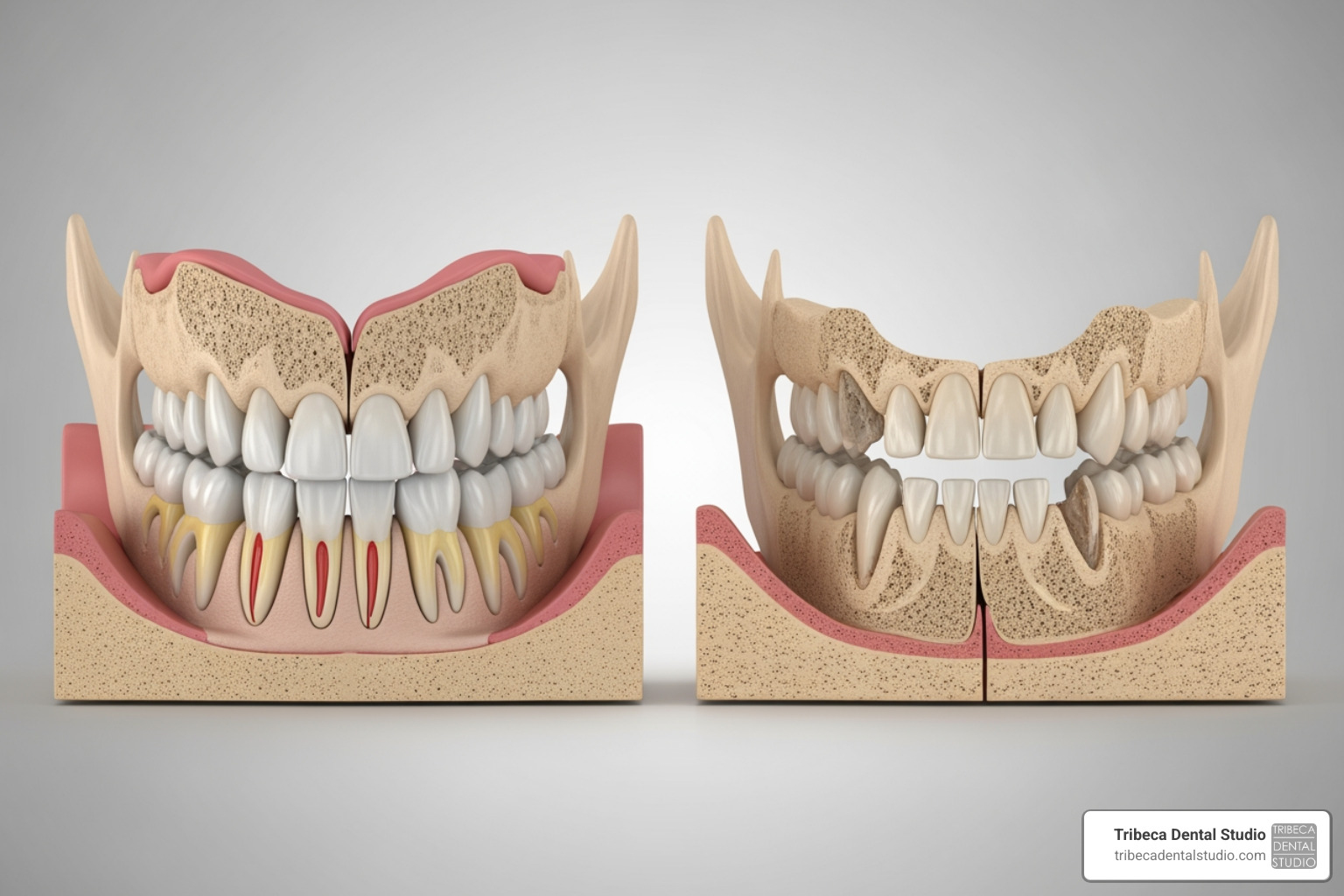
One of the most significant factors is the number of implants required. While some full arch solutions use as few as four implants per jaw (like All-on-4), other cases might require more to provide optimal support and stability. Each implant adds to the overall cost.
Material choices also play a crucial role. Dental implants are typically made from titanium, a biocompatible material known for its strength and ability to fuse with bone (a process called osseointegration). However, alternative materials like zirconia are also available and can have different cost implications. Similarly, the material used for your prosthesis – the visible teeth – can vary. Acrylic is often a more economical choice, while high-quality porcelain or zirconia offers superior aesthetics and durability, mimicking natural teeth more closely.
Your geographic location is another undeniable factor. As we mentioned, getting a full set of dental implants in New York City often means a higher price point compared to some other regions. This reflects the advanced resources, technology, and specialized expertise available in our Manhattan and Tribeca practices.
Finally, the dentist’s expertise is paramount. Implant surgery is a complex medical procedure requiring specialized knowledge and extensive training. Choosing a dentist with a proven track record and expertise in implant dentistry, especially a Board Certified Implant Specialist, significantly increases your chances of a successful outcome. While their fees might be higher, the peace of mind and long-term success they offer are invaluable. You can learn more about why choosing an expert matters by visiting Why a Board Certified Implant Specialist matters.
How much does a full set of teeth implants cost with additional procedures?
Sometimes, the path to a full set of dental implants isn’t a straight line. Many patients require preparatory procedures to ensure the jawbone is healthy and robust enough to support the implants. These additional steps, while essential for long-term success, will add to the overall cost of how much a full set of teeth implants cost.
Common preparatory procedures include:
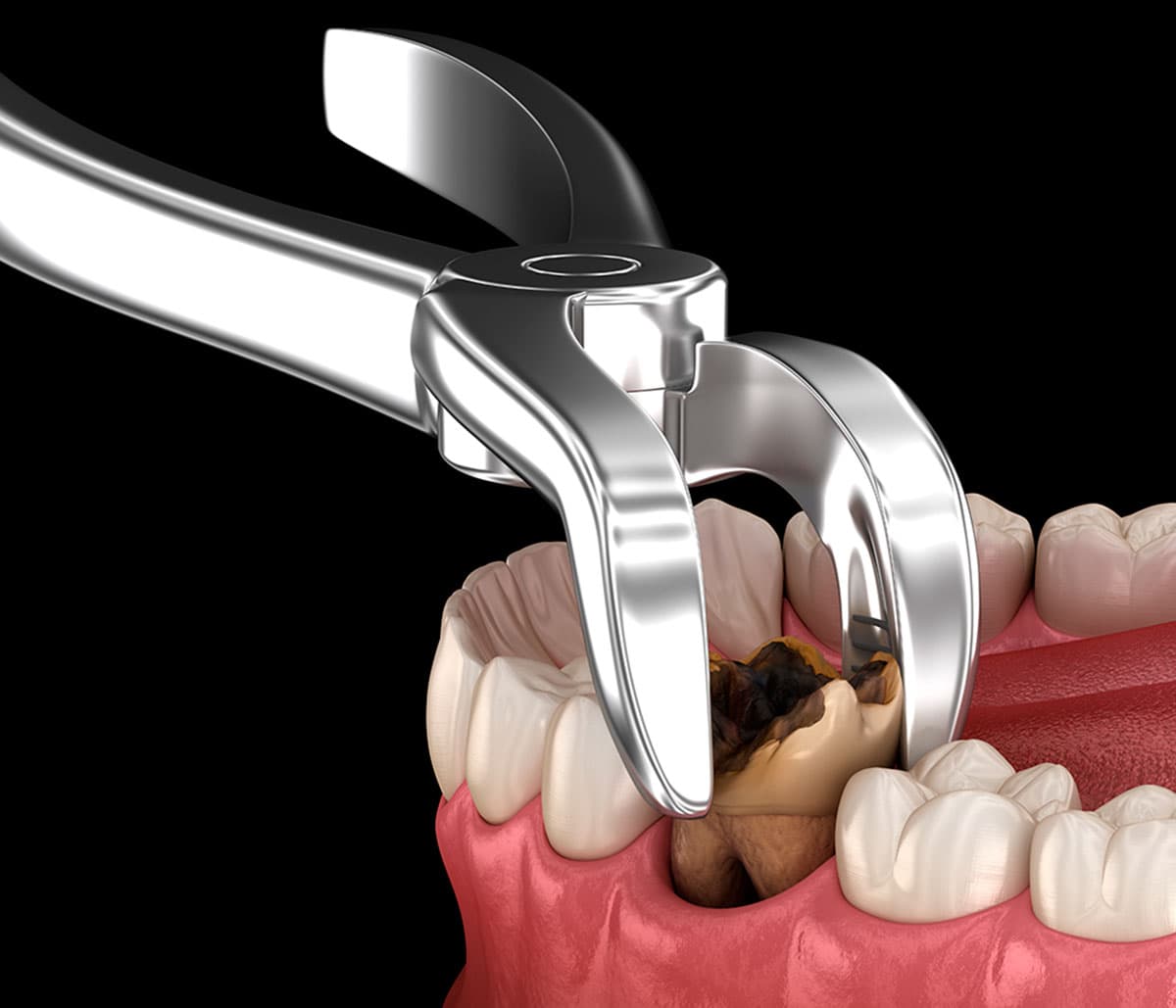
- Tooth Extraction: If you have failing or severely damaged teeth that need to be removed before implant placement, this will be an additional cost. The cost for a single tooth extraction can range from $150 to $700. For more information, see our guide on Tooth Extraction NYC.
- Bone Grafting: If your jawbone has insufficient volume or density due to tooth loss, infection, or trauma, bone grafting may be necessary. This procedure adds more volume and density to your jaw, creating a stable foundation for the implants and preventing your body from rejecting them. Costs for bone grafting can range from $200 to $3,200, depending on the extent and material used. Learn more about Bone Grafting.
- Sinus Lift: Specifically for the upper jaw, a sinus lift might be needed if the maxillary sinus is too close to the jawbone, preventing implant placement. This procedure raises the sinus floor and adds bone material. For details, visit our page on Sinus Lift.
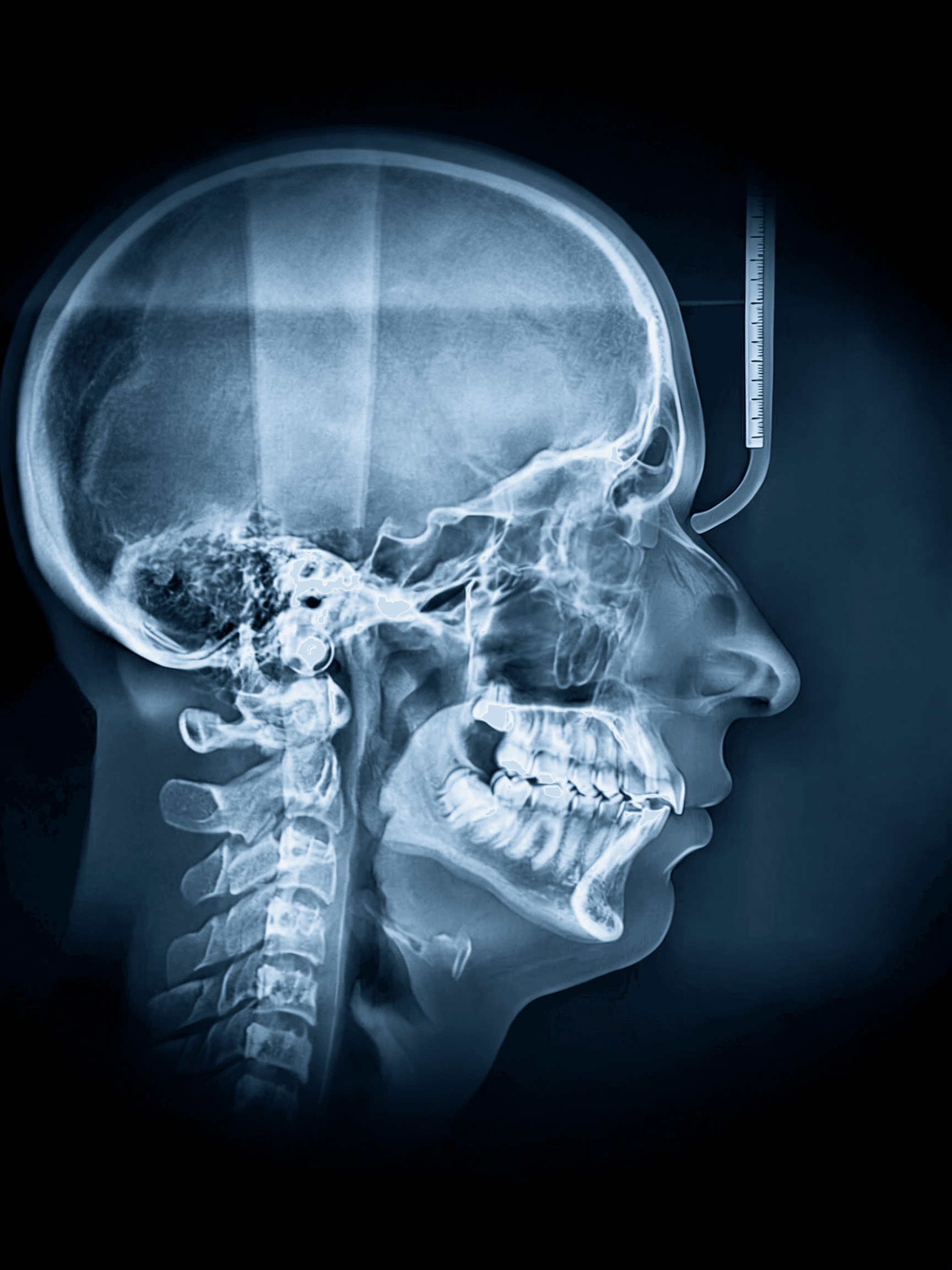
- 3D Imaging (CBCT Scans): Before any surgery, advanced 3D imaging, such as Cone Beam Computed Tomography (CBCT) scans, is crucial for precise planning. These scans provide detailed views of your jawbone structure, nerve pathways, and sinus cavities, ensuring accurate implant placement. While some practices include this, others might charge $350 to $515 for the service.
- Anesthesia or Sedation: To ensure your comfort during the surgical procedures, various anesthesia and sedation options are available. The cost can range from $200 to $500 per hour, depending on the type of sedation and the length of the procedure.
These additional procedures are not optional if deemed necessary; they are vital steps to ensure the longevity and success of your full mouth dental implants.
Who is an ideal candidate and how does it affect the price?
Understanding who is an ideal candidate for full mouth dental implants is important, not just for treatment success, but also for understanding the cost implications. Generally, ideal candidates share a few key characteristics:
- Good overall health: Patients should be free of significant medical conditions that could affect healing or implant success.
- Sufficient jawbone density: A strong, healthy jawbone is crucial for supporting the implants.
- Non-smokers: Smoking can impair healing and increase the risk of implant failure.
If you meet these criteria, you’re likely to have a more straightforward implant journey, which often translates to a lower overall cost. Why? Because fewer preparatory needs mean lower cost. If your jawbone is already healthy and you don’t require extractions or extensive grafting, you’ll avoid the additional fees associated with those procedures.
However, we understand that not everyone starts as an “ideal” candidate. Many patients come to us with some degree of bone loss or other oral health challenges. The good news is that advancements in dental technology and techniques mean that even individuals with severe bone loss can often be candidates for implants, sometimes through specialized procedures like zygomatic implants. While these more complex cases will increase the overall investment, they offer life-changing results. You can explore solutions for Dental implants for severe bone loss.
Finally, having realistic expectations is key. Dental implants are a wonderful solution, but they require a healing period and commitment to oral hygiene. A clear understanding of the process and outcomes will help you appreciate the investment.
Comparing Your Options: Types of Full Mouth Implants and Their Costs
When it comes to replacing an entire arch or a full set of teeth with implants, you have exciting options that cater to different needs, preferences, and budgets. The choice between fixed and removable solutions, for instance, significantly impacts patient lifestyle and functional goals.
Implant-Supported Dentures (Removable Implant Dentures)
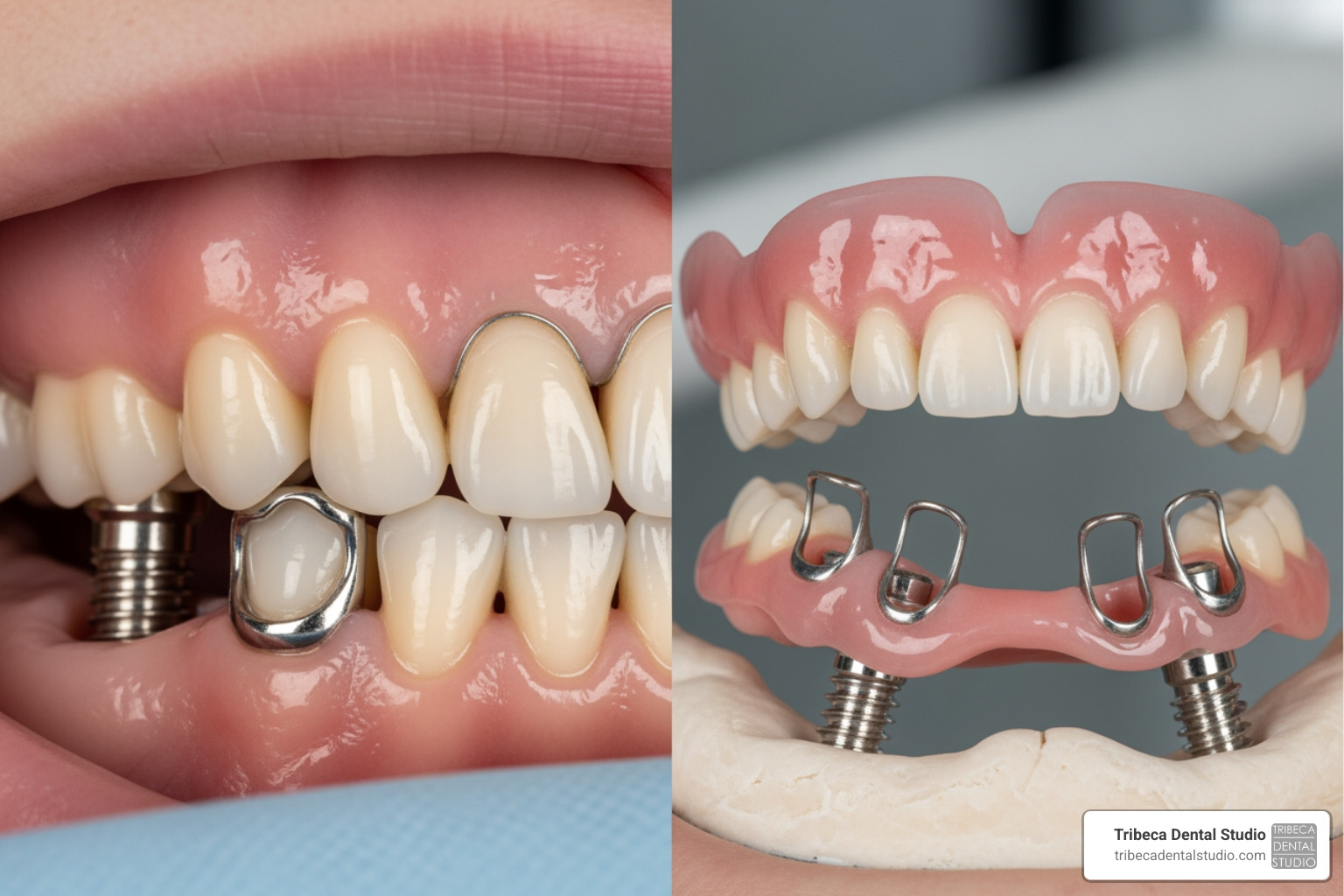
Also known as “snap-in dentures,” these offer a fantastic middle ground between traditional dentures and fully fixed implant bridges. They are an excellent option for patients seeking improved stability and comfort without the higher cost of a completely fixed solution.
- Cost Range: For one arch, implant-supported dentures typically cost between $12,995 and $25,000.
- Number of Implants: These dentures are usually secured by 2 to 6 implants per jaw. These implants provide a stable anchor point.
- Removable for Cleaning: A key feature of snap-in dentures is their removability. You can easily take them out for daily cleaning, ensuring optimal oral hygiene for both the prosthesis and your gums.
- Improved Stability, Comfort, and Function: Compared to traditional dentures that rely on suction or adhesive (which, let’s be honest, can be a bit of a sticky mess), implant-supported dentures are much more stable. They significantly reduce movement, improving your ability to chew, speak, and smile confidently. They feel more realistic and offer superior function.
All-on-4® or All-on-6 Fixed Bridges
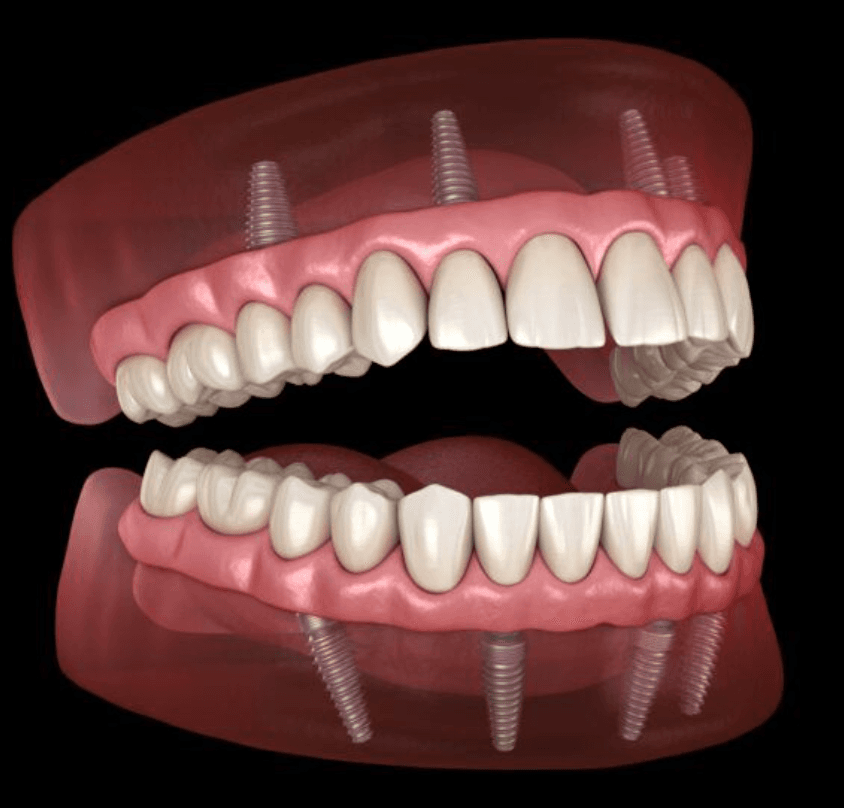
For those seeking the closest possible experience to natural teeth, All-on-4® or All-on-6 fixed bridges are often the gold standard. These solutions provide a permanent, non-removable set of teeth that are designed to look, feel, and function like your original smile.
- Cost Range: A premium fixed bridge, such as an All-on-4 or All-on-6 concept, can range from $21,995 to $90,000+ per arch. For a complete set (upper and lower), the cost can be between $24,000 and $50,000.
- Number of Implants: As the names suggest, these solutions typically involve placing 4 to 6 dental implants strategically in each jaw. These implants are carefully positioned to maximize support, even in cases of some bone loss.
- Permanent, Non-Removable Prosthesis: Once secured, these bridges are fixed in place, meaning only your dentist can remove them. This offers incredible stability and confidence.
- Feels Like Natural Teeth: Patients often report that All-on-4 or All-on-6 bridges feel remarkably like their own natural teeth. They function just like them, too, allowing you to eat a wide variety of foods with ease and speak without worry. It’s truly a life-changing solution for many. You can explore more about All-on-4 Dental Implants: The Life-Changing Solution.
- Osseointegration Process: A critical step for these fixed solutions is osseointegration, the biological process where the dental implants fuse directly with your jawbone. This creates a strong, durable foundation for your new teeth, ensuring their longevity and stability.
How Much Does a Full Set of Teeth Implants Cost Compared to Alternatives?
When you’re trying to figure out how much does a full set of teeth implants cost, it’s only natural to compare it to other tooth replacement options. While the upfront investment for full mouth dental implants might seem higher than alternatives like traditional dentures or bridges, it’s crucial to consider the long-term vs. short-term costs, the impact on your quality of life, the preservation of your jawbone health, and ongoing maintenance requirements.
Dental implants are often described as a “lifetime investment,” and for good reason. They are designed to last for many decades, often a lifetime, with proper care. Alternatives, while initially less expensive, typically require replacement every few years, leading to accumulating costs over time. Furthermore, implants offer unparalleled stability and function, allowing you to eat, speak, and smile with confidence, which significantly improves your quality of life. Unlike dentures, implants also stimulate and preserve your jawbone, preventing the bone loss that can lead to a sunken facial appearance.
For a detailed comparison of your options, including crowns, bridges, and implants, we invite you to read our guide: Crowns vs. Bridges vs. Implants: Which is Right for You?.
TABLE comparing Full Implants vs. Traditional Dentures vs. Bridges
| Feature | Full Mouth Implants | Traditional Dentures | Dental Bridges |
|---|---|---|---|
| Initial Cost | High ($20k – $90k+) | Low ($2k – $5k) | Moderate ($5k – $15k for a section) |
| Lifespan | 25+ years (Lifetime) | 5-10 years | 10-15 years |
| Jawbone Health | Stimulates & preserves bone | Leads to bone loss | No effect on bone |
| Function | 90-100% natural chewing | 20-30% natural chewing | 60-70% natural chewing |
| Maintenance | Brush like natural teeth | Daily removal, soaking | Requires special flossing |
Let’s break down this comparison a bit further:
- Initial Cost: As you can see, the initial outlay for full mouth implants is significantly higher. However, remember this is often a one-time investment for a lifetime solution. Traditional dentures are the cheapest upfront, but their costs accumulate over time due to frequent replacements, relines, and adhesives. Dental bridges fall in the middle but are typically for replacing a section of teeth, not a full mouth, and also have a limited lifespan.
- Lifespan: This is where implants truly shine. With minimal care and appropriate hygiene, dental implants can last many decades or even a lifetime. Traditional dentures typically last 7 to 10 years, while dental bridges need replacement every 5 to 15 years. Over a lifetime, the cumulative cost of replacing dentures or bridges can often equal or even surpass the initial cost of implants.
- Jawbone Health: This is a critical, often overlooked, benefit of implants. Dental implants are unique because they replace the tooth root, stimulating the jawbone and preventing the bone loss that naturally occurs after tooth loss. Traditional dentures do not prevent bone loss; in fact, they can accelerate it, leading to a “sunken” facial appearance over time. Bridges also do not impact bone health positively, as they sit above the gum line.
- Function: Implants provide nearly 90-100% of your natural chewing ability. This means you can enjoy all your favorite foods without worry. Dentures offer only 20-30% of natural chewing power, making it difficult to eat certain foods. Bridges provide better function than dentures, around 60-70% of natural chewing.
- Maintenance: Caring for dental implants is much like caring for natural teeth – regular brushing, flossing, and dental check-ups. Traditional dentures require daily removal for cleaning and soaking, which can be inconvenient. Bridges require special attention to clean underneath them to prevent decay in the supporting natural teeth.
When weighing how much does a full set of teeth implants cost, we encourage you to look beyond the initial price and consider the unparalleled long-term benefits for your health, comfort, and confidence.
Planning Your Investment: Insurance, Financing, and Saving Money
Navigating the financial aspects of full mouth dental implants can feel overwhelming, but it doesn’t have to be. Understanding your options regarding insurance, financing, and potential ways to save can make this life-changing procedure more accessible.
One of the first things to understand is how dental procedures are classified by insurance companies. Dental implants are often considered “cosmetic” by many insurance providers, which can limit coverage. However, they are also a restorative solution with significant health benefits. This distinction can influence whether your plan offers any coverage. You’ll also encounter terms like annual maximums (the most your insurance will pay in a year) and whether a provider is in-network vs. out-of-network.
Does dental insurance cover full mouth implants?
The reality of dental insurance coverage for full mouth implants is that it’s highly variable. While some insurance plans might offer partial coverage, it’s rare for a plan to cover the entire cost. Many dental insurance policies classify implants as a major restorative procedure, and some may cover up to 50% of these costs. However, it’s common for implants to be considered cosmetic, leading to limited or no coverage.
Even if the implant itself isn’t fully covered, your insurance might cover partial coverage for crowns or extractions that are part of the overall treatment plan. This can still help offset some of the expenses. We always recommend contacting your insurance provider directly to understand your specific benefits. Be sure to ask about pre-authorization requirements, as some plans require approval before treatment begins to ensure coverage.
To help you steer the complexities of dental insurance, we’ve put together resources like Understanding your insurance policy. You can also find information on Our accepted insurance plans directly on our website. Our team is always here to assist you in understanding your benefits and maximizing any available coverage.
Are there financing options or ways to save?
Absolutely! We believe that financial considerations shouldn’t stand in the way of achieving a healthy, confident smile. Many patients find that exploring financing options makes the investment in full mouth dental implants manageable.
Here are some common ways to finance or save money on your full mouth dental implants:
- Third-Party Financing (e.g., CareCredit): These specialized healthcare credit cards offer flexible payment plans, often with low or no-interest options for a set period. This allows you to break down the total cost into manageable monthly payments.
- In-House Payment Plans: Many dental practices, including ours, understand the financial commitment involved and offer their own flexible payment arrangements. We can discuss a plan that fits your budget during your consultation.
- Flexible Spending Accounts (FSA) and Health Savings Accounts (HSA): If you have an FSA or HSA through your employer, you can use these tax-advantaged accounts to pay for dental implant procedures. This allows you to use pre-tax dollars for your healthcare expenses, effectively saving you money.
- Dental Schools: While not a direct service we offer, some dental schools offer free or discounted dental implants as part of their educational programs. This can be a significantly lower-cost option, though it often involves longer treatment times and is performed by students under supervision.
We are committed to helping you find a financial solution that works for you. Don’t hesitate to discuss these options with us during your consultation.
The Long-Term Value of a Permanent Smile
When we consider how much does a full set of teeth implants cost, it’s easy to focus solely on the initial financial outlay. However, the true measure of this investment lies far beyond the price tag. Full mouth dental implants offer a lifetime of benefits that profoundly impact your health, happiness, and overall quality of life.
Imagine being able to eat your favorite foods again without discomfort or fear. Implants restore nearly 90-100% of your natural chewing ability, leading to improved chewing and nutrition. This isn’t just about enjoying a steak; it’s about ensuring you can consume a varied diet, which is crucial for overall health and well-being.
Your smile is also a powerful tool for communication and self-expression. Missing teeth or ill-fitting dentures can affect your speech and make you self-conscious. Implants provide a stable, natural-feeling foundation, leading to restored speech and confidence. We’ve seen countless patients gain a new lease on life, eager to engage in social situations and laugh freely.
Beyond aesthetics and function, implants play a vital role in preventing a common consequence of tooth loss: facial collapse. When teeth are missing, the jawbone no longer receives the necessary stimulation, leading to bone resorption. This bone loss can cause the jaw to shrink, altering facial features and creating a “sunken” appearance. Dental implants, by integrating with the bone, actively prevent this and help maintain your natural facial structure, preventing facial collapse.
Finally, the longevity and durability of dental implants make them an exceptional investment. With proper care, implants can last many decades, often a lifetime. This means fewer replacements and fewer long-term costs compared to alternatives. To ensure their longevity, maintaining proper oral hygiene is crucial. Just like natural teeth, implants require diligent care, including regular brushing and flossing. You can find helpful tips on Maintaining proper oral hygiene.
Don’t just take our word for it; see the changes for yourself. We invite you to explore our Before and After Cases to witness the incredible impact full mouth dental implants have had on our patients’ lives.
Begin Your Journey to a New Smile in NYC
Investing in full mouth dental implants is a significant decision for your health and quality of life. Understanding the costs, procedures, and long-term benefits allows you to make an informed choice. At Tribeca Dental Studio, we believe in a personalized approach, ensuring you receive the best possible care custom to your unique needs. Ready to explore your options for a permanent, confident smile? Schedule your consultation for dental implants in New York today.