How Often Should You Floss? Know the Best Practices for Dental Care
September 29, 2025
What small daily habit can protect your smile more than you realize? Flossing is central to oral hygiene because it clears plaque and debris unreachable by brushing. Without it, bacteria gather between teeth and along gums, causing inflammation, cavities, and bad breath. Practiced consistently with brushing, flossing preserves gum health, strengthens defenses, and maintains lasting dental stability.
How Many Times a Day Should You Floss
Specialists advise flossing once daily to remove plaque and food particles between teeth. More frequent flossing offers little extra benefit and may irritate gums if done harshly. Consistency is key. A single careful session each day effectively protects against cavities, gum disease, and long-term oral complications.
Does It Matter If You Floss Before or After Brushing?
Flossing before brushing clears debris and plaque, allowing fluoride to coat surfaces more effectively. This sequence improves cleaning and strengthens enamel protection. Flossing afterward still helps but exposes fewer surfaces to fluoride.
The main difference is efficiency, making flossing first the preferred method for maximizing oral hygiene and gum health. NIDCR recommends brushing twice daily and flossing once daily as fundamental steps for maintaining oral hygiene. Professional dental cleanings paired with at-home care give you the strongest protection.
Why Daily Flossing Is Important for Oral Health
Daily flossing cleans the tight spaces a toothbrush cannot reach, removing trapped food and bacteria that cause plaque buildup. Without flossing, plaque hardens into tartar, leading to cavities and gum disease. Consistent flossing lowers this risk, supports fresher breath, and helps preserve gum stability, making it vital for lasting oral health.
What Happens If You Don’t Floss Regularly?
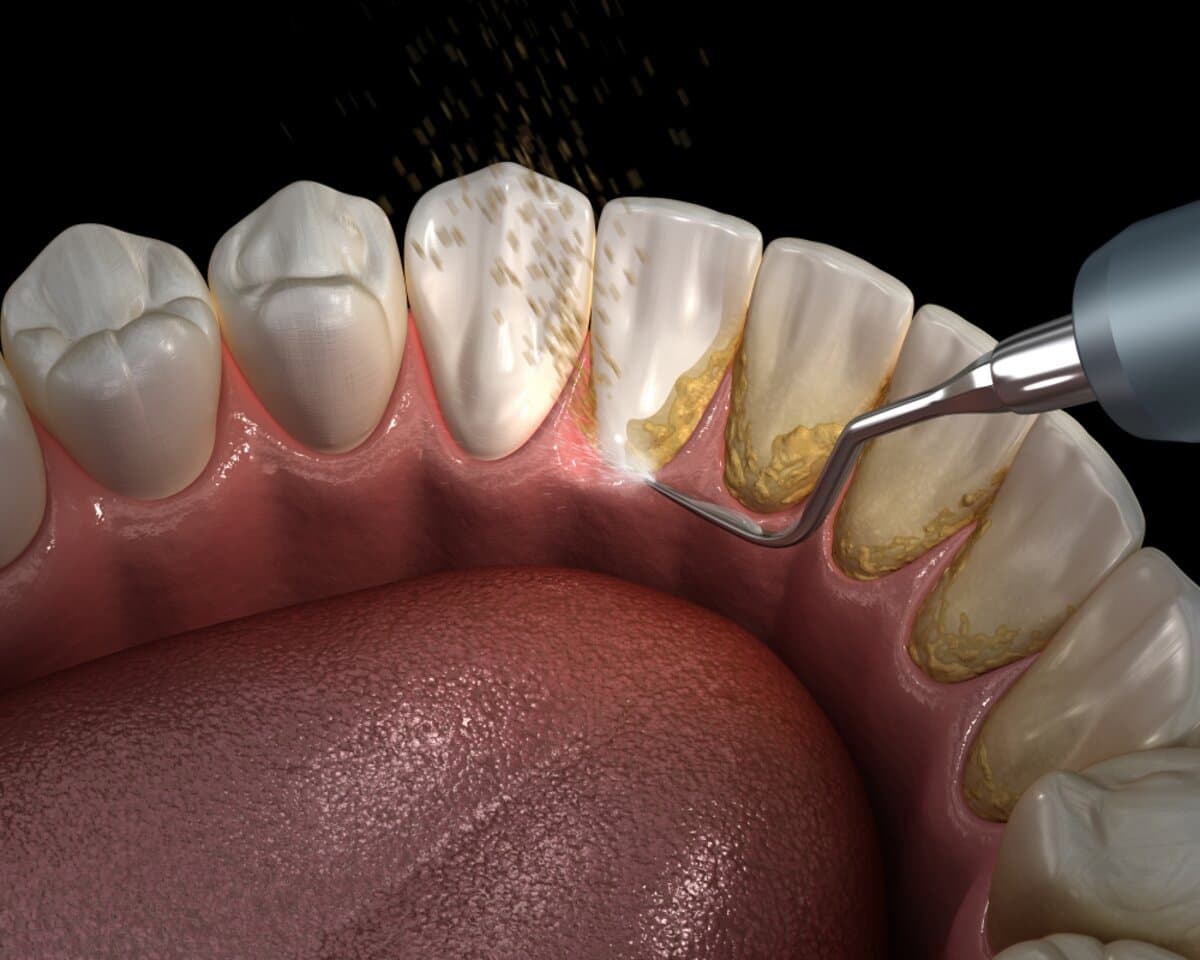
Skipping flossing allows plaque to accumulate between teeth and at the gumline. Over time, this buildup hardens into tartar, irritating gums and increasing the likelihood of gingivitis. Untreated inflammation can progress to periodontitis, causing gum recession and eventual tooth loss.
Food particles left behind also contribute to decay in hidden areas and persistent bad breath. Regular interdental cleaning prevents these avoidable complications from developing. For advanced cases, professional periodontal disease treatment may be necessary to restore gum health.
Flossing for Kids
Children benefit from flossing once their teeth begin to touch, as toothbrushes cannot clean tight spaces. Parents should guide young children, since proper technique requires coordination. Floss picks often make the process easier for small hands.
Establishing flossing early creates habits that carry into adulthood. Consistent practice helps prevent cavities between primary teeth and protects developing gums during important years of oral growth. Parents may also find it helpful to know why choosing the right pediatric dentist matters.
Flossing for Special Cases
Certain dental conditions require a more tailored approach to flossing to keep your mouth healthy.
Braces often trap food particles, so using floss threaders or interdental brushes is necessary for thorough cleaning.
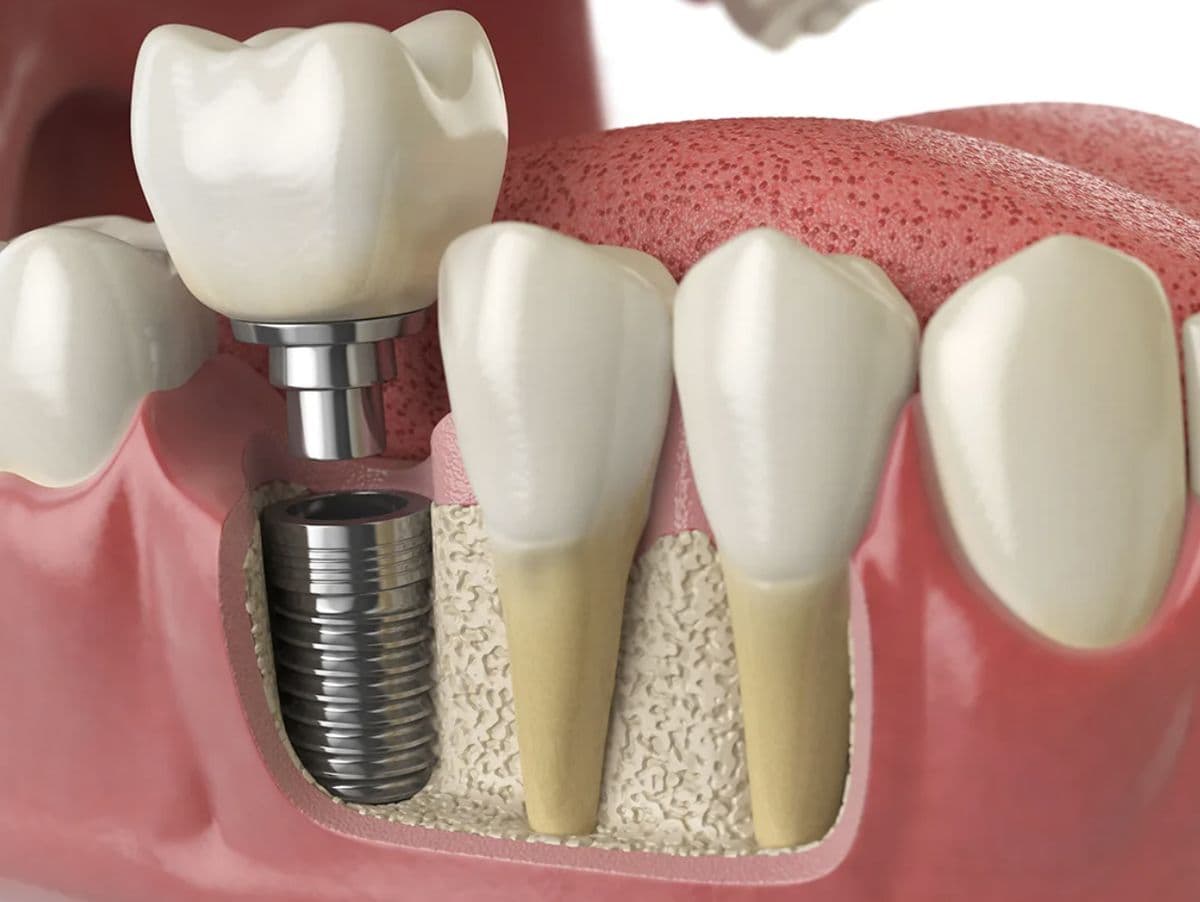
Dental implants need extra attention to plaque control to prevent inflammation and ensure long-term stability.
For gum disease, daily flossing helps reduce bacterial growth and supports ongoing treatment.
Each situation calls for adapted techniques, but maintaining consistent interdental cleaning is essential to protect vulnerable teeth and gums.
Can You Floss Too Much?
Flossing too often or with excessive force can irritate gum tissue and cause bleeding or soreness. Aggressive technique may also wear down enamel at the gumline and create spaces where bacteria accumulate more easily. WHO estimates that untreated dental caries affect 2.5 billion people worldwide.
When considering how often to floss, the goal is one careful session daily, using gentle motions that follow the tooth’s curve. Proper technique prevents harm, while excessive or harsh flossing introduces unnecessary risks to oral health.
Best Flossing Technique for Maximum Benefits
Mastering the correct technique ensures flossing removes plaque effectively without harming gum tissue. Proper technique also makes the process quicker and more comfortable, turning it into a manageable routine rather than a difficult chore.
- Use about eighteen inches of floss, winding most around one finger and the rest around the opposite.
- Guide the floss gently between teeth without snapping or forcing it.
- Curve it into a C-shape against each tooth surface, moving up and down.
- Use a clean section of floss for every new contact point.
Alternatives to Traditional Floss
Several interdental cleaning tools can substitute for string floss. Floss picks offer convenience and are easier for children or beginners. Interdental brushes fit larger gaps and efficiently remove debris.
Water flossers use a pressurized stream to flush bacteria and food particles from tight areas, making them useful for braces and implants. The most effective option is whichever tool is used correctly and consistently.
Finding a Flossing Routine That Works for You
Establishing a flossing routine relies on consistency more than timing. Some prefer evenings to clear the day’s debris, while others choose mornings for freshness. The method matters less than maintaining a daily habit. Keeping floss visible or using picks encourages adherence, helping flossing become automatic and supporting long-term oral health. Explore how to stop grinding teeth in sleep naturally since habits like bruxism that also affect oral health.
Professional Advice: What Dentists Recommend About Flossing
About Tribeca Dental Studio
Tribeca Dental Studio, located at 54 Warren St, New York, NY 10007, has provided comprehensive dental care to Lower Manhattan since 2007. Led by Dr. Nina Izhaky, our practice combines general, pediatric, orthodontic, oral surgery, and periodontal care under one roof.
Our focus on airway health, dental implants, veneers, and pediatric dentistry sets us apart. We use 3D CBCT imaging, digital planning, and laser technology — including NightLase for snoring — to deliver precise, comfortable care.
To schedule a consultation, call (212) 561-5303 or book online. We welcome patients from Tribeca, SoHo, Battery Park City, the Financial District, and throughout downtown Manhattan.