How To Stop Grinding Teeth in Sleep Naturally: Effective Remedies
September 22, 2025
Sleep Bruxism Guide
How to Stop Grinding Teeth at Night
If you grind or clench your teeth during sleep, the goal is not simply to “force yourself to stop.” Sleep bruxism happens unconsciously, so treatment usually focuses on reducing contributing factors, improving sleep and stress habits, and protecting your teeth from excessive force.
Common approaches include improving sleep hygiene, reducing evening caffeine and alcohol, practicing jaw-relaxation techniques, managing stress, and using a professionally fitted night guard when appropriate.
Quick Answer: How to Reduce Teeth Grinding at Night
- Reduce stress before bed: breathing exercises, meditation, stretching, or another relaxing routine may help reduce muscle tension.
- Limit caffeine later in the day: especially if you notice that stimulants interfere with your sleep.
- Reduce alcohol and nicotine: both can negatively affect sleep quality and may be associated with bruxism in some people.
- Relax your jaw during the day: keep your lips together but your teeth slightly apart when you are not eating.
- Improve sleep habits: keep a consistent sleep schedule and create a calmer bedtime routine.
- Protect your teeth: a dental night guard can reduce damage caused by grinding forces.
- Get evaluated: persistent grinding, tooth damage, significant pain, or suspected sleep apnea should be professionally assessed.
What Is Teeth Grinding During Sleep?
Teeth grinding and clenching are forms of bruxism. Bruxism can happen while you are awake or while you sleep.
Awake bruxism: jaw clenching or teeth contact that happens while you are awake, often during concentration, stress, or emotional tension.
Sleep bruxism: involuntary jaw-muscle activity that occurs during sleep and may include grinding or clenching.
Because sleep bruxism happens while you are unconscious, you may not realize you are doing it until a partner hears grinding sounds or your dentist notices unusual tooth wear.
How Do You Know If You Grind Your Teeth at Night?
Signs of nighttime grinding are not identical for everyone. Some people grind loudly, while others primarily clench their jaws.
If you notice tooth wear, fractures, sensitivity, or persistent jaw discomfort, consider discussing the symptoms during your routine dental checkup .
What Causes Teeth Grinding at Night?
Sleep bruxism does not always have one single cause. In many people, several biological, behavioral, and sleep-related factors may contribute at the same time.
- Stress and emotional tension: stress can contribute to increased jaw-muscle activity in some people.
- Sleep disruption: bruxism episodes can occur around changes in sleep and brief arousals.
- Caffeine and other stimulants: especially when consumed later in the day or in large amounts.
- Alcohol: can affect normal sleep architecture and may worsen grinding in some individuals.
- Smoking and nicotine: stimulant effects may interfere with normal sleep.
- Certain medications: some medications can be associated with bruxism as a side effect.
- Sleep-related breathing disorders: some patients with sleep bruxism also have conditions such as obstructive sleep apnea.
- Individual susceptibility: family and neurological factors may also play a role.
Tribeca Dental Studio also provides information about sleep apnea treatment options for appropriately evaluated patients.
How to Reduce Teeth Grinding in Your Sleep Naturally
You cannot consciously control your jaw while you are asleep, so “natural” approaches are primarily aimed at reducing triggers and creating conditions that support better sleep and less muscle tension.
1. Reduce Stress Before Bed
Stress management will not eliminate every case of sleep bruxism, but it can be useful when emotional tension contributes to clenching.
- 5–10 minutes of slow breathing
- light stretching
- meditation or mindfulness
- journaling
- a warm shower
- reducing stimulating work immediately before sleep
2. Improve Your Sleep Routine
Consistent sleep habits may help reduce sleep disruption and improve overall sleep quality.
- Go to bed and wake up at approximately the same time each day.
- Keep your bedroom dark, quiet, and comfortable.
- Reduce bright screens shortly before bedtime if they interfere with falling asleep.
- Avoid heavy meals immediately before bed when they disturb your sleep.
- Give yourself a consistent wind-down period before sleeping.
3. Reduce Evening Caffeine, Alcohol, and Nicotine
If you regularly drink coffee, energy drinks, or other caffeinated beverages late in the day, try moving them earlier and observe whether your sleep improves.
Alcohol may make you feel sleepy initially, but it can disrupt sleep later in the night. Nicotine is also a stimulant. Reducing these substances can improve sleep quality even when they are not the sole cause of bruxism.
4. Practice Jaw Relaxation During the Day
Many people who clench while sleeping also keep unnecessary tension in their jaw during the day.
Simple jaw position:
Allow your lips to touch gently while keeping your upper and lower teeth slightly apart. Your tongue can rest comfortably against the roof of the mouth without force.
Set a few reminders during the day to check whether you are clenching while working, driving, studying, or concentrating.
5. Use Warmth for Tense Jaw Muscles
A warm compress against the jaw for a short period before bed may feel relaxing when the muscles are tense. Gentle massage around the jaw and temples can also provide temporary comfort.
Avoid aggressive self-massage if it increases pain, and seek professional evaluation if jaw symptoms are persistent or severe.
Does a Night Guard Stop Teeth Grinding?
A night guard is one of the most common dental approaches for patients who grind or clench their teeth during sleep.
A night guard's main job is protection. It creates a barrier between the upper and lower teeth and can reduce the amount of direct tooth-to-tooth wear and damage. It does not necessarily eliminate the neurological or sleep-related activity causing bruxism.
Custom Night Guard vs. Over-the-Counter Guard
| Feature | Custom Dental Guard | OTC Guard |
|---|---|---|
| Fit | Made from an impression or digital scan of your teeth | Generic or boil-and-bite fit |
| Comfort | Designed specifically for your bite | Varies significantly by product and fit |
| Durability | Designed for repeated use and monitored by a dentist | Varies depending on material and grinding intensity |
| Professional evaluation | Yes | Usually no |
When Should You See a Dentist for Teeth Grinding?
Occasional jaw tension may not mean you have clinically significant bruxism. However, persistent symptoms or visible tooth damage should be evaluated.
Schedule an evaluation if you notice:
- worn or flattened teeth;
- repeated chipped or fractured teeth;
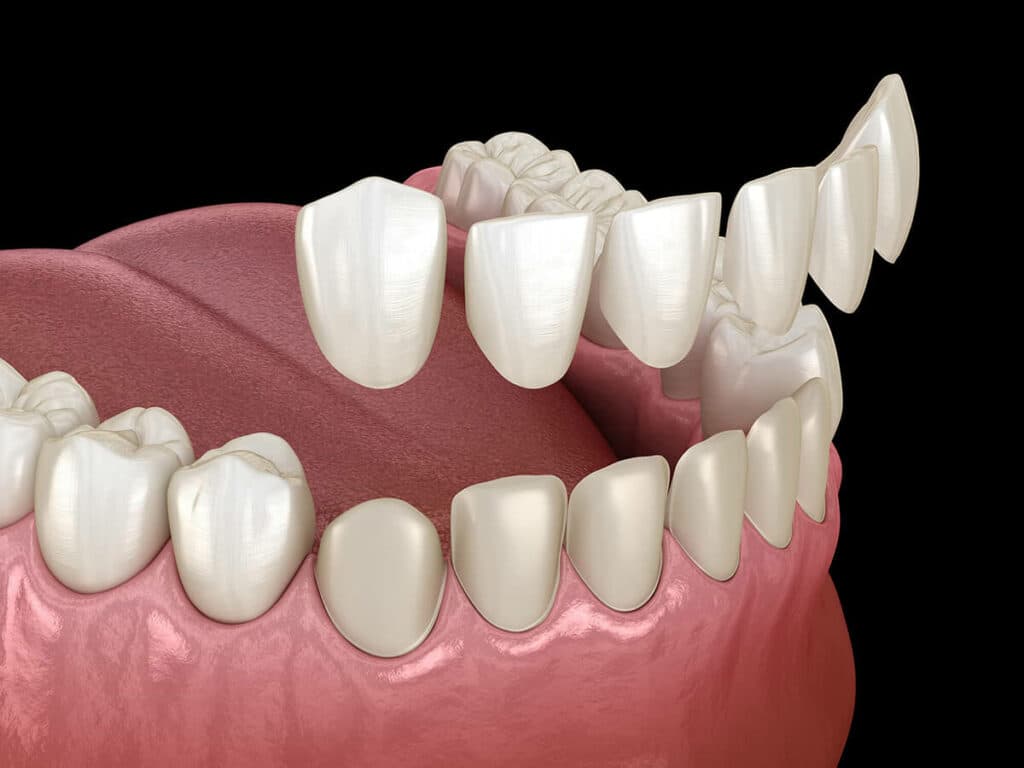
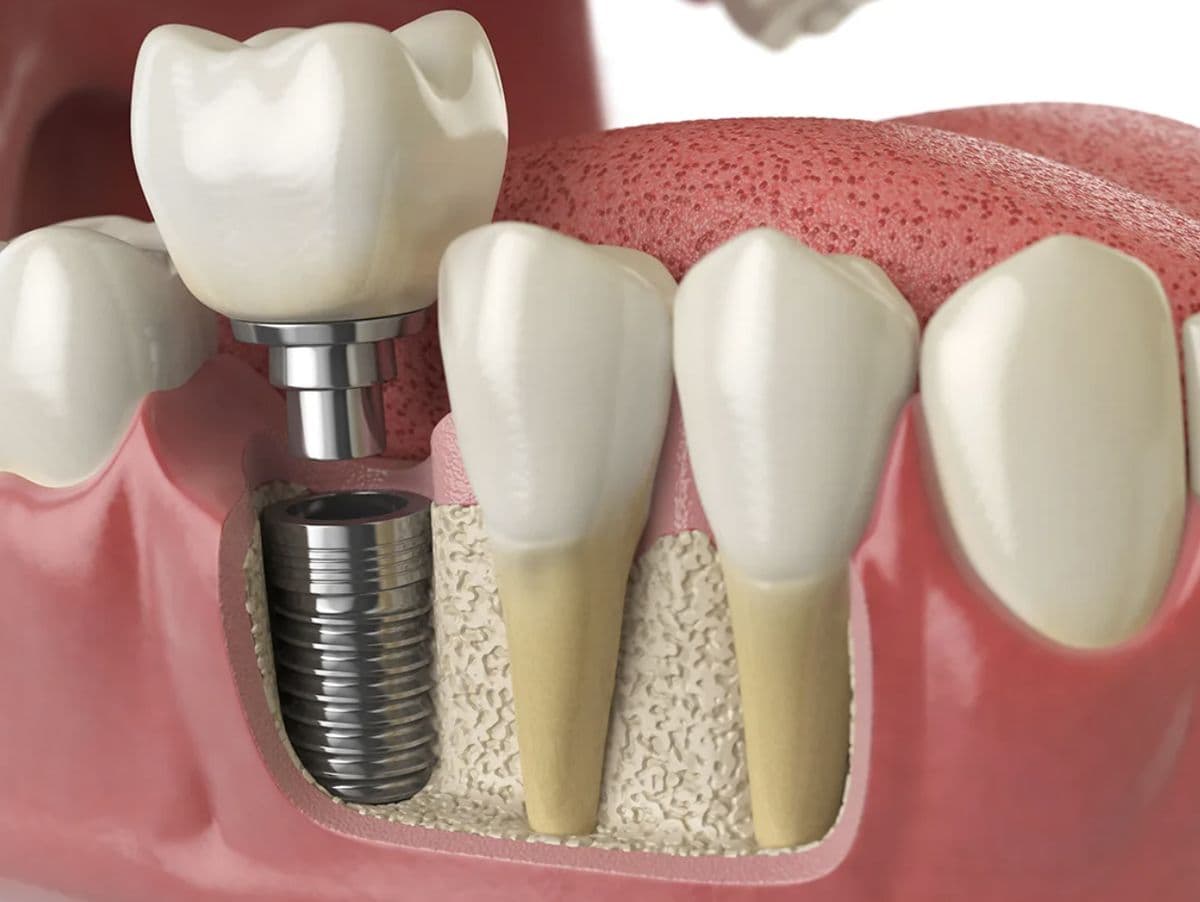
- damaged fillings, veneers, or crowns;
- persistent morning jaw pain;
- frequent morning headaches;
- new tooth sensitivity;
- difficulty opening or closing the jaw;
- or symptoms suggesting a sleep-related breathing disorder.
Professional Treatment Options for Sleep Bruxism
Treatment depends on what is contributing to the grinding and how much damage it has caused.
Dental Night Guard
Protects teeth and restorations from grinding forces.
Repair of Damaged Teeth
Bonding, crowns, or other restorative treatment may be needed when grinding has damaged tooth structure.
Stress Management
Behavioral strategies may help when stress and tension contribute to clenching.
Sleep Evaluation
Appropriate when symptoms suggest snoring, sleep apnea, or another sleep-related condition.
Medication Review
A healthcare professional may review whether a medication could be contributing to bruxism.
Jaw & Muscle Evaluation
Persistent jaw pain may require additional assessment depending on your symptoms.
How to Prevent Damage From Teeth Grinding
Even if you cannot completely eliminate sleep bruxism, you can reduce the chance that it causes significant dental damage.
- Attend regular dental examinations.
- Use a protective appliance when recommended.
- Avoid chewing ice and other very hard objects.
- Do not use your teeth to open packaging.
- Address broken or worn restorations promptly.
- Monitor stress and sleep quality.
- Discuss persistent snoring or breathing symptoms with an appropriate healthcare professional.
Frequently Asked Questions About Grinding Teeth at Night
How can I stop grinding my teeth at night?
Because nighttime grinding is unconscious, there is no simple instruction you can follow while asleep. Management usually involves reducing contributing factors, improving sleep habits, managing stress, and protecting the teeth with a night guard when indicated.
What is the main cause of teeth grinding during sleep?
There is not always one cause. Sleep bruxism may be influenced by stress, sleep patterns, stimulant use, alcohol, smoking, medications, and certain sleep-related conditions.
Can stress cause nighttime teeth grinding?
Stress can contribute to jaw clenching and grinding in some people. However, sleep bruxism may also involve factors unrelated to stress.
Does a night guard stop grinding?
A night guard primarily protects the teeth from grinding forces. It does not necessarily eliminate the underlying muscle activity or sleep-related bruxism.
Can teeth grinding damage crowns and fillings?
Strong repetitive forces can contribute to wear, chipping, or fracture of natural teeth and dental restorations. A dentist can evaluate whether additional protection is appropriate.
Why does my jaw hurt when I wake up?
Morning jaw soreness can have several causes, including overnight clenching or grinding. Persistent pain should be evaluated because symptoms alone cannot confirm the cause.
Does caffeine make teeth grinding worse?
High caffeine intake, particularly later in the day, may interfere with sleep and may be associated with bruxism in some people. If you consume significant caffeine, reducing evening intake is a reasonable lifestyle adjustment.
Can sleep apnea cause teeth grinding?
Sleep bruxism and obstructive sleep apnea can occur in the same patient, but grinding alone does not diagnose sleep apnea. Snoring, gasping, witnessed breathing pauses, and excessive daytime sleepiness should be discussed with a healthcare professional.
Get Help for Nighttime Teeth Grinding
Grinding your teeth during sleep can gradually wear enamel, damage restorations, contribute to sensitivity, and leave the jaw muscles feeling sore or fatigued.
The right approach depends on whether your main issue is tooth wear, jaw-muscle tension, sleep quality, stress, damaged dental work, or another contributing factor.
At Tribeca Dental Studio, we can evaluate signs of bruxism, examine your teeth and existing restorations, and discuss whether a custom night guard or another dental treatment is appropriate.
Concerned About Grinding Your Teeth at Night?
Schedule an evaluation at Tribeca Dental Studio to check for tooth wear, fractures, jaw tension, and other signs of bruxism.
Book an Appointment