Why Do Gums Hurt After Flossing? Simple Fixes That Work Fast
November 10, 2025
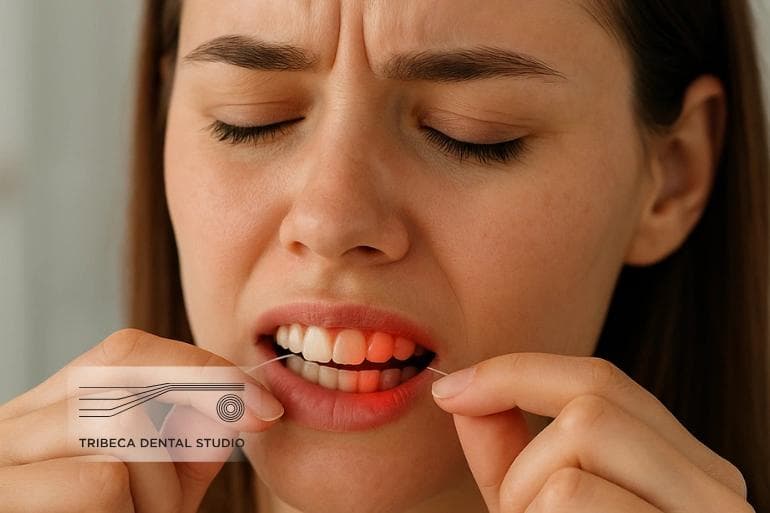
Why Do My Gums Hurt When I Floss?
If your gums hurt when you floss, the most common reasons are irritated or inflamed gum tissue, flossing too aggressively, restarting flossing after a long break, or an underlying gum problem such as gingivitis.
A little temporary tenderness can happen when you begin cleaning between your teeth regularly, but persistent pain, swelling, or bleeding should not simply be ignored. Healthy flossing should clean the sides of your teeth without repeatedly injuring the gum tissue.
The location and pattern of the discomfort matter. Soreness affecting several areas may point toward inflamed gums or technique, while sharp pain in one specific area can sometimes be related to trapped food, an irritated gum pocket, exposed root surface, tooth decay, or another dental problem.
Quick answer:
- Gums hurt everywhere after flossing: inflammation or aggressive technique may be contributing.
- Gums bleed when you floss: plaque-related gingivitis is a common reason, particularly if flossing has not been consistent.
- One spot hurts when flossing: the area may need closer evaluation for irritation, trapped debris, gum inflammation, or a tooth-related problem.
- Floss hurts only after starting again: irritated gums may initially be tender, but discomfort should improve rather than continually worsen.
- Pain is severe, persistent, or associated with swelling: schedule a dental evaluation.
Common Reasons Your Gums Hurt After Flossing
Gum pain after flossing does not automatically mean something serious is wrong. However, discomfort is useful feedback that either the gum tissue is already irritated or the way the area is being cleaned needs to change.
Common causes include:
- Flossing too hard or snapping floss into the gums.
- Starting to floss again after a period without regular interdental cleaning.
- Gingivitis caused by plaque accumulation along the gumline.
- Using an interdental cleaning method that does not suit the space between particular teeth.
- Exposed tooth roots or gum recession.
- Food trapped between teeth or beneath the gumline.
- Tooth decay, a damaged restoration, or another localized dental issue.
- More advanced periodontal disease in some patients.
The American Dental Association notes that plaque left between teeth can contribute to inflamed gums that become swollen or bleed during brushing and interdental cleaning. Cleaning between the teeth remains an important part of oral hygiene even when the gums are initially sensitive.
Can Flossing Too Hard Make Your Gums Hurt?
Yes. Aggressive flossing can irritate or injure the gum tissue. One common mistake is forcing the floss through a tight contact and allowing it to snap directly into the gums.
Instead, guide the floss gently between the teeth using a controlled motion. Once it reaches the gumline, curve it around the side of one tooth in a C shape and move it gently up and down against the tooth surface.
Then repeat the same motion against the neighboring tooth before removing the floss.
Signs You May Be Flossing Too Hard
- The gum feels cut or raw immediately after flossing.
- You repeatedly snap floss against the same gum tissue.
- Pain occurs only immediately after flossing and corresponds to where the floss contacts the gum.
- You notice small areas of trauma despite otherwise healthy-looking gums.
- Your technique involves forceful sawing directly into the gum rather than cleaning the sides of each tooth.
The goal is to remove plaque from the tooth surfaces, not scrub or cut the gums.
For more information about frequency, see our guide on how often you should floss.
Why Do My Gums Bleed When I Floss?
Bleeding gums can happen for several reasons, but one of the most common is gum inflammation caused by plaque accumulation.
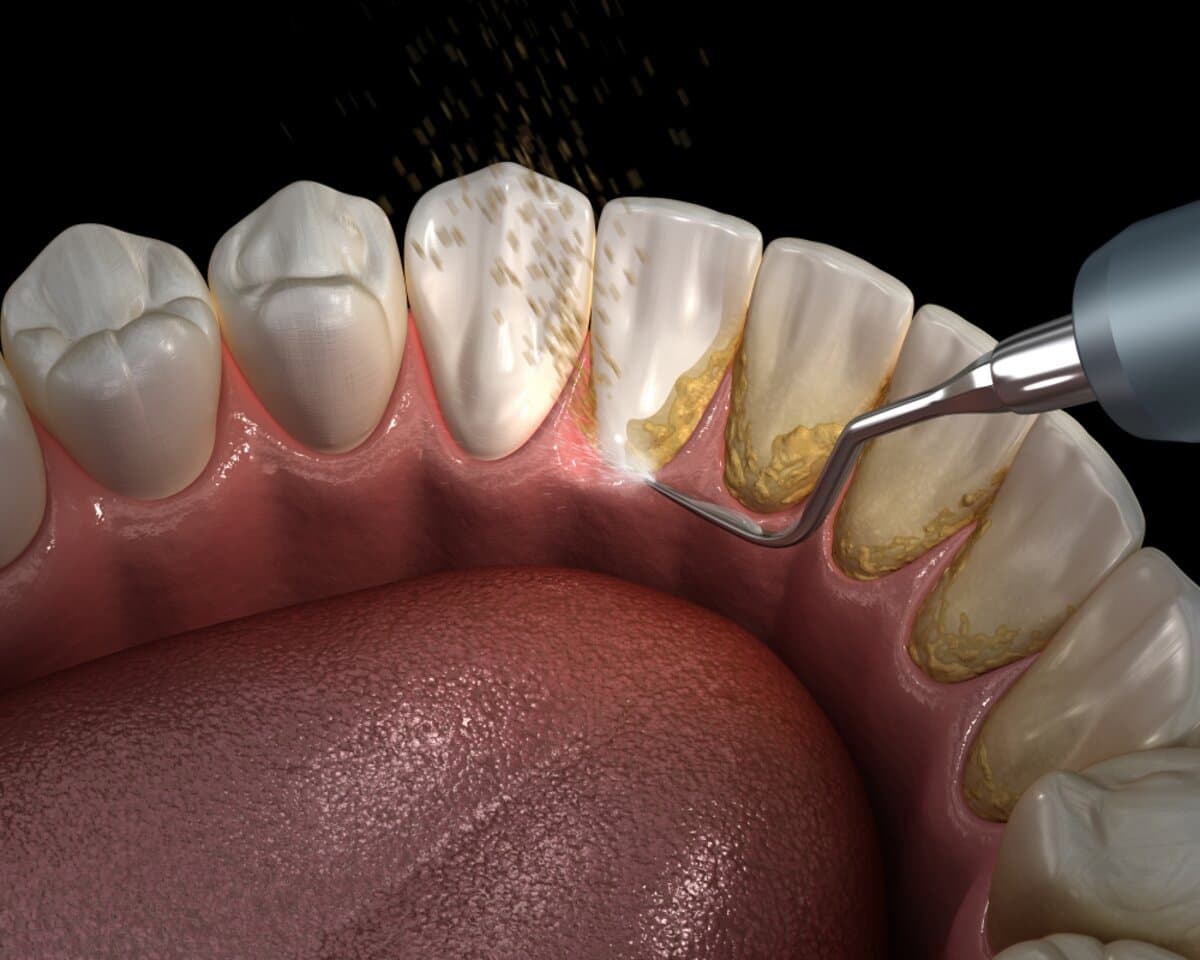
When plaque remains around and between teeth, the nearby gum tissue can become red, swollen, tender, and more likely to bleed when disturbed by brushing or flossing. This early stage of gum disease is called gingivitis.
If you recently restarted flossing after a period without cleaning between your teeth, the gums may initially bleed because inflamed tissue is being disturbed. According to the American Dental Association, this can improve as consistent oral hygiene reduces plaque and inflammation.
However, repeated bleeding should not automatically be dismissed as “normal.” If your gums continue bleeding regularly, appear swollen, or become increasingly painful, schedule a dental evaluation.
Can Gingivitis Make Your Gums Sore After Flossing?
Yes. Gingivitis is inflammation of the gums and can cause tenderness, redness, swelling, or bleeding during brushing and flossing.
Plaque builds up continuously on teeth. When it remains near the gumline and between teeth, the body's inflammatory response can make the gum tissue more sensitive to contact.
The National Institute of Dental and Craniofacial Research notes that plaque-related gingivitis can often be reversed with effective daily oral hygiene and professional dental care when needed.
If gum inflammation is allowed to progress, however, some patients can develop periodontitis, which affects deeper tissues supporting the teeth.
Learn more about periodontal disease treatment at Tribeca Dental Studio.
Why Do My Gums Hurt After I Start Flossing Again?
If you have not flossed consistently for a while, the tissues between your teeth may already be inflamed because plaque has accumulated in areas your toothbrush cannot fully reach.
When you begin cleaning those areas again, the gums may temporarily feel tender or bleed. This does not mean flossing itself is inherently damaging the gums.
Continue using a gentle, controlled technique rather than stopping interdental cleaning altogether. If pain or bleeding does not improve, becomes worse, or affects one specific area repeatedly, have the area examined.
Why Does One Spot Hurt When I Floss?
Pain isolated to one space between two teeth deserves more attention than generalized mild tenderness.
Possible explanations include:
- food repeatedly becoming trapped between two teeth;
- localized gum inflammation;
- a tight or unusual contact between teeth;
- an exposed or sensitive root surface;
- decay between teeth;
- a rough or damaged filling or crown;
- a periodontal pocket;
- or trauma caused by repeatedly forcing floss through the same area.
It is not possible to identify the cause based on pain alone. If the same spot repeatedly hurts, bleeds, catches floss, or causes the floss to shred, mention it during your dental examination.
Why Do My Teeth Hurt After Flossing?
Sometimes the discomfort people describe as “gum pain” actually comes from the tooth itself.
Tooth sensitivity after flossing can occur when a root surface has become exposed due to gum recession. Pain between two teeth can also sometimes be associated with decay, a defective restoration, food impaction, or another localized dental problem.
If one particular tooth consistently hurts after floss passes alongside it, especially if the pain is sharp or accompanied by temperature sensitivity, have the area evaluated rather than simply changing floss.
How to Floss Without Hurting Your Gums
Good flossing technique removes plaque from the sides of teeth while minimizing unnecessary trauma to the gums.
Step-by-Step Flossing Technique
- Use a comfortable length of floss. Around 18 inches gives you enough clean material to move from tooth to tooth.
- Guide the floss gently between the teeth. Avoid forcing it downward or snapping it into the gum.
- Curve the floss around one tooth. Form a C shape so the floss wraps around the side of the tooth.
- Move the floss gently up and down. Clean the side of the tooth and carefully reach slightly beneath the gumline.
- Repeat against the neighboring tooth. Each space contains two tooth surfaces that need cleaning.
- Move to a clean section of floss. Continue throughout the mouth without aggressively scraping the tissue.
The ADA specifically advises guiding floss gently and avoiding snapping it into the gums.
What Type of Floss Is Best for Sensitive Gums?
There is no single floss that works best for every mouth. The shape of your teeth, tightness of the spaces, dental restorations, gum condition, and dexterity all influence which interdental cleaner is easiest to use.
| Interdental Cleaner | May Be Useful For |
|---|---|
| Waxed floss | Tight contacts where unwaxed floss catches or shreds |
| Dental tape | People who prefer a wider, flatter floss surface |
| Spongy / specialty floss | Cleaning around some bridges, braces, or larger spaces |
| Floss picks | People who have difficulty handling conventional string floss |
| Interdental brushes | Larger spaces between teeth or situations where recommended by a dental professional |
| Water flossers | An alternative interdental cleaning method that may be easier for some patients to use |
The ADA notes that the most appropriate interdental cleaner can depend on the characteristics of the individual patient and the spaces between their teeth.
How to Relieve Sore Gums After Flossing
If soreness is mild and appears related to irritation, focus on protecting the tissue while maintaining gentle oral hygiene.
- Use gentler flossing technique. Do not repeatedly snap floss into painful tissue.
- Continue cleaning carefully. Plaque accumulation can worsen inflammation.
- Use a soft-bristled toothbrush. Avoid aggressively scrubbing the gumline.
- Rinse gently with warm salt water. This may temporarily soothe irritated tissues for some people.
- Avoid repeatedly touching the sore area. Give minor mechanical irritation an opportunity to settle.
- Have persistent pain examined. Home care cannot determine whether a localized tooth or periodontal problem is present.
Should I Stop Flossing If My Gums Hurt?
Usually, mild tenderness alone is not a reason to stop cleaning between your teeth altogether.
If inflammation is caused by plaque buildup, completely avoiding the area may allow more plaque to accumulate. Instead, use a gentle technique and pay attention to whether the soreness improves.
However, do not keep repeatedly traumatizing an area that is severely painful, swollen, or bleeding heavily. Persistent or significant symptoms should be evaluated by a dental professional.
How Long Should Gums Hurt After Flossing?
There is no exact number of days that applies to every patient because the reason for the soreness matters.
Minor irritation from technique may settle relatively quickly after you begin flossing more gently. Gums inflamed because of plaque may improve as oral hygiene becomes more consistent.
What matters most is the trend: the discomfort should be improving rather than becoming progressively worse.
Arrange an evaluation if pain persists, repeatedly returns in the same place, or is accompanied by other warning signs.
When Should You See a Dentist About Gum Pain After Flossing?
Schedule a dental evaluation if gum pain is persistent, worsening, or associated with signs that suggest something beyond minor irritation.
Warning Signs to Watch For
- Gums that bleed regularly despite gentle cleaning.
- Persistent redness or swelling.
- Pus or drainage around the gumline.
- Persistent bad breath or unpleasant taste.
- Gum recession.
- A tooth that feels loose or appears to be shifting.
- Pain when chewing.
- Significant sensitivity around one tooth.
- Floss that repeatedly catches or tears in one particular area.
- Swelling that is increasing rather than improving.
Periodontal disease can eventually damage the supporting structures around teeth, so ongoing gum symptoms are worth investigating rather than simply adapting to them.
Consider scheduling a dental checkup and professional teeth cleaning if you have persistent symptoms.
How Are Persistent Sore or Bleeding Gums Treated?
Treatment depends entirely on the cause. There is no single procedure used for everyone whose gums hurt after flossing.
After examining your gums and teeth, a dentist or dental hygienist may recommend:
- Improved home-care technique when plaque or traumatic flossing is contributing.
- Professional dental cleaning when hardened tartar is present.
- Scaling and root planing when clinically indicated for periodontal disease.
- Treatment of a cavity or damaged restoration if tooth-related disease is causing localized pain.
- Periodontal treatment for deeper gum disease when appropriate.
- A different interdental cleaning method based on your gum condition and spacing between teeth.
Advanced periodontal procedures are not appropriate simply because gums hurt after flossing. The underlying diagnosis should determine treatment.
Learn more about gum disease treatment and LANAP laser gum therapy at Tribeca Dental Studio.
How to Keep Your Gums Healthy Between Dental Visits
Daily plaque control is one of the most important steps you can take to protect your gums.
- Brush thoroughly twice a day with fluoride toothpaste.
- Clean between your teeth daily using an appropriate interdental cleaner.
- Use gentle technique rather than force.
- Replace a toothbrush when the bristles become worn or frayed.
- Avoid tobacco.
- Pay attention to recurring bleeding, swelling, or sensitivity.
- Follow the dental examination and cleaning schedule recommended for your individual oral health needs.
Frequently Asked Questions About Gums Hurting After Flossing
Why do my gums hurt when I floss?
Common reasons include gum inflammation, flossing too aggressively, restarting flossing after a period without regular interdental cleaning, exposed roots, or a localized tooth or gum problem. Persistent pain should be evaluated.
Why are my gums sore after flossing?
Mild soreness can occur when inflamed gums are cleaned or when flossing technique is too aggressive. If soreness continues, worsens, or repeatedly occurs in one spot, a dentist can determine whether there is an underlying problem.
Is it normal for gums to hurt after flossing?
Brief mild tenderness may occur, particularly when someone begins flossing again, but healthy flossing should not repeatedly cause significant pain. Ongoing pain is worth discussing with your dentist.
Why do my gums bleed when I floss?
Plaque-related gum inflammation is a common cause of bleeding during flossing. Aggressive technique can also contribute. Regular or persistent bleeding should be evaluated rather than assumed to be normal.
Should I stop flossing if my gums bleed?
Not necessarily. If plaque-related inflammation is contributing, stopping interdental cleaning may allow more plaque to accumulate. Continue cleaning gently unless your dental professional gives you different instructions, and seek an evaluation if bleeding persists.
How long until my gums stop hurting after flossing?
It depends on the cause. Minor irritation should improve when technique is corrected, while inflamed gums may take time to respond to improved oral hygiene. Pain that persists or becomes worse should be examined.
Why do my teeth hurt after flossing?
Pain that feels like it comes from a tooth rather than the gum can sometimes be associated with an exposed root, sensitivity, tooth decay, food impaction, or a restoration problem. Recurrent pain in the same tooth should be professionally evaluated.
Can flossing too hard damage your gums?
Aggressive flossing can mechanically irritate the gums. Guide floss between the teeth gently and curve it around the tooth rather than snapping it directly into the gum tissue.
What floss is best for sensitive gums?
The best option depends on the spaces between your teeth and your individual oral health. Waxed floss, dental tape, interdental brushes, floss holders, and water flossers are different options. A dental professional can recommend an appropriate method.
Does bleeding when flossing mean I have gum disease?
Not always. Bleeding can also occur from mechanical irritation or after restarting flossing. However, gingivitis is a common cause of gums that bleed easily, so persistent bleeding should be evaluated.
Protect Your Gum Health
If your gums hurt when you floss, the answer is usually not to abandon interdental cleaning. Instead, look at how you are flossing, where the pain occurs, whether the gums are inflamed, and whether symptoms are improving or getting worse.
Gentle daily cleaning can help control plaque, while persistent pain, recurring bleeding, swelling, or one specific painful area may require professional evaluation.
At Tribeca Dental Studio in New York City, we can evaluate gum health, check for plaque and tartar buildup, look for localized tooth problems, and recommend an interdental cleaning method appropriate for your teeth and gums.
Schedule an appointment at Tribeca Dental Studio if your gums remain painful, swollen, or bleed regularly when you floss.