Can You Get Dry Socket With Stitches? Don’t Miss These Signs!
October 10, 2025

After a tooth extraction, some level of soreness is expected as your mouth heals. However, when pain intensifies a few days after surgery instead of improving, it could indicate a condition known as dry socket. Even if your dentist placed stitches to close the area, this painful complication can still occur when the protective blood clot inside the socket becomes dislodged or fails to form properly.
While it may sound alarming, understanding the signs, causes, and treatment options for dry socket can help you manage discomfort and recover smoothly.
What Is a Dry Socket?
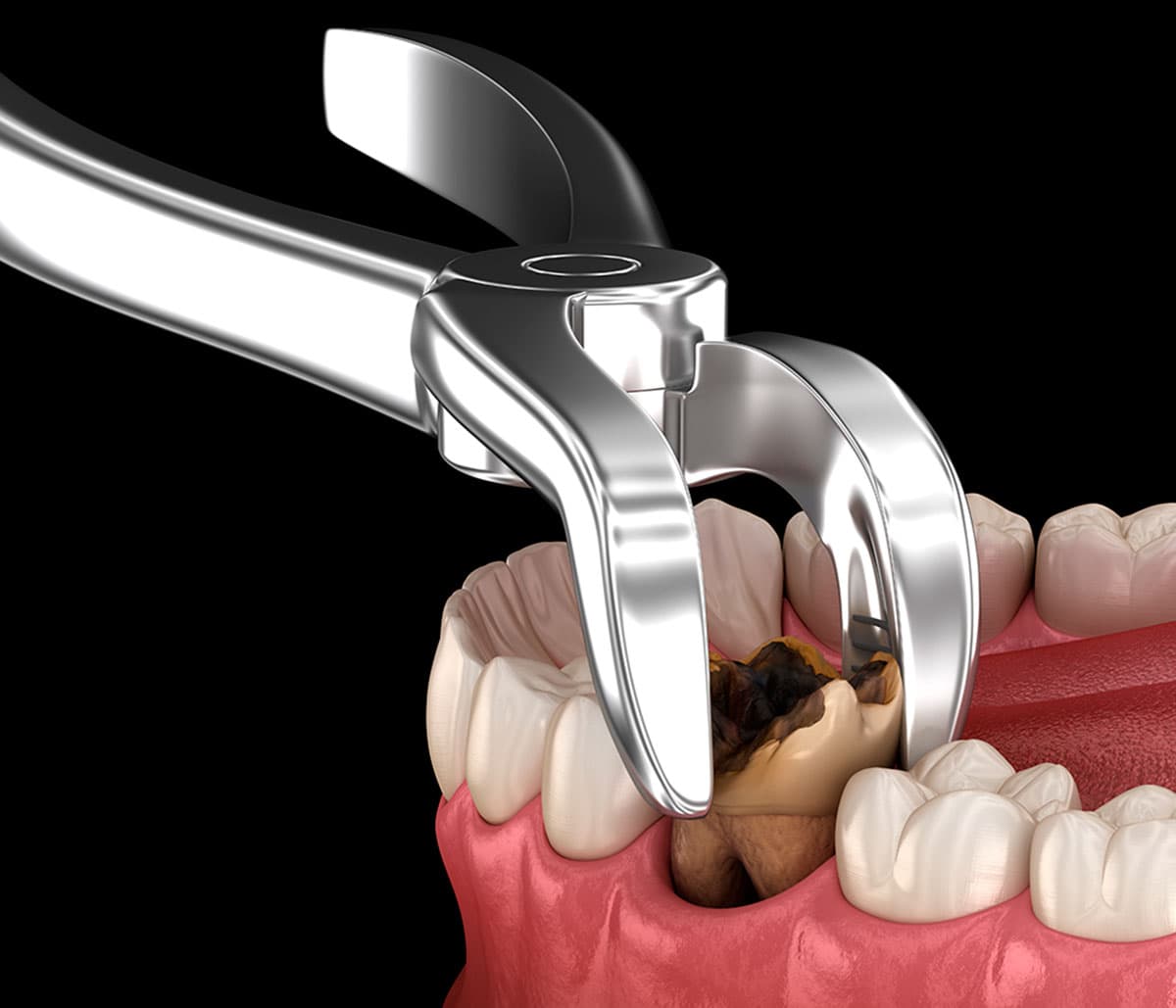
A dry socket, or alveolar osteitis, happens when the bone and nerve beneath an extracted tooth are exposed due to the loss or failure of the protective blood clot. This clot is crucial for shielding the area, aiding healing, and preventing infection.
Without it, air, food particles, and bacteria can irritate the bone, leading to sharp pain and delayed recovery. Although dry socket with wisdom teeth stitches can occur after any extraction, it’s particularly common after wisdom tooth removal because of the location and complexity of the surgery.
Difference Between Normal Healing and Dry Socket
It’s important to distinguish normal post-extraction healing from a dry socket, as their symptoms can initially seem similar.
- Normal healing: Mild discomfort, light bleeding, and swelling are common. Pain typically lessens within a few days, and a dark blood clot is visible in the extraction site.
- Dry socket: Pain worsens between the second and fourth day post-surgery, often radiating to the ear, eye, or neck. The socket appears empty, sometimes showing exposed bone, and there may be a foul odor or unpleasant taste in the mouth.
If you notice increasing pain after initial improvement, it’s best to have your dentist examine the area.
Why Dry Socket Can Occur Even With Stitches
Many patients assume that stitches completely prevent dry socket, but sutures alone can’t always protect the fragile clot underneath. Stitches close the gum tissue, yet the blood clot inside the socket can still dissolve or detach due to certain actions or habits.
Common reasons include:
- Using a straw or smoking, which creates suction and pulls the clot loose.
- Spitting or rinsing forcefully within the first 24 hours after surgery.
- Poor oral hygiene leading to bacterial contamination.
- Excessive touching or poking the surgical site.
- Hormonal factors, such as the use of oral contraceptives.
Even with careful stitching, a dry socket after bone graft or other surgical procedure can still form if the clot doesn’t remain stable.
Symptoms of Dry Socket With Stitches
When you’re recovering from a tooth extraction, some soreness is normal, but knowing the difference between expected discomfort and something more serious is key to healing properly.
Why? Because when a dry socket develops, the pain you experience is far more intense than typical post-surgery soreness and usually doesn’t improve with time. It signals that the protective blood clot has been lost, leaving bone and nerves exposed beneath the stitches.
Essentially, what feels like a deep, throbbing pain isn’t just surface irritation; it’s your body alerting you that the extraction site isn’t healing as it should. The pain often radiates to nearby areas like the ear, temple, or neck, and can worsen when you eat or speak.
You might also notice a visible, empty-looking socket despite having stitches in place. Other telltale symptoms include bad breath, an unpleasant taste in the mouth, swelling or tenderness around the jaw, and difficulty opening your mouth fully.
That’s why it’s important to contact your dentist as soon as you notice these warning signs. Early treatment can relieve pain quickly, reduce infection risk, and get your recovery back on track.
How Long Does a Dry Socket Last With Stitches
Once treated, pain from a dry socket generally improves within a few days, though full healing may take up to two weeks. The timeline depends on how quickly you seek care and how your body responds to treatment.
Your dentist may use medicated dressings, antiseptic rinses, or prescribed pain relievers to promote healing. As new tissue begins covering the exposed bone, discomfort gradually subsides. For advanced cases, procedures such as bone grafting can help rebuild tissue and speed up recovery.
Risk Factors That Increase the Chances of Dry Socket After Extraction
Certain habits and health factors make some patients more prone to dry socket than others. These include:
- Smoking or vaping: Nicotine reduces blood flow and delays healing.
- Oral contraceptives: Elevated estrogen levels can affect clot formation.
- Previous infections or gum disease: Increase inflammation and bacteria in the mouth.
- Poor post-operative care: Ignoring aftercare instructions or rinsing too soon.
- Traumatic extractions: Especially for impacted or difficult teeth.
Being aware of these risks can help you take preventive steps during recovery. If you’ve experienced gum issues before extraction, check out our blog post on early signs of gum disease you should never ignore to better protect your oral health.
Treatment Options for Dry Socket With Stitches
If you suspect a dry socket, don’t attempt home remedies without guidance; professional dental care is essential for effective relief.
Common in-office treatments include:
- Flushing the socket: Your dentist will gently clean out any debris or food particles.
- Medicated dressings: Placed directly into the socket to soothe pain and promote healing.
- Antibiotic rinses or gels: Used if an infection is suspected.
- Pain management: Over-the-counter or prescribed medications may help control discomfort.
Follow-up visits are often necessary to replace the medicated dressing until the site heals completely. Patients who experience recurrent infections may benefit from periodontal disease treatment to maintain long-term gum and bone health.
How to Prevent Dry Socket With Stitches
Prevention starts with proper aftercare immediately following extraction. A few small precautions can greatly reduce your risk:
- Avoid rinsing, spitting, or drinking through a straw for the first 24 hours.
- Don’t smoke or vape during the first week after surgery.
- Stick to soft foods such as yogurt, mashed potatoes, and smoothies.
- Keep the surgical area clean by gently rinsing with warm salt water after meals (starting 24 hours post-surgery).
- Follow all post-operative instructions from your dentist carefully.
Consistent care and patience go a long way in preventing complications.
Foods and Habits to Avoid During Healing
Certain foods and behaviors can irritate the extraction site and increase the risk of dry socket:
- Crunchy or hard foods: Chips, nuts, or crusty bread can dislodge the clot.
- Hot beverages or soups: Heat may dissolve the clot prematurely.
- Alcohol: Can interfere with medications and delay healing.
- Vigorous exercise: Raises blood pressure and may trigger bleeding.
Stick with cool, soft foods and plenty of hydration to support a smooth recovery.
When to See Your Dentist for Dry Socket Concerns
Knowing when to call your dentist can make all the difference in your recovery. If your pain becomes sharper or more intense several days after the extraction, it’s likely more than normal healing. Visible bone, an empty socket, or a foul taste or odor are also clear warning signs of dry socket. When over-the-counter pain relievers no longer help, it’s time to act.
Prompt professional care can ease discomfort, prevent infection, and help your mouth heal properly without further complications.
Get Professional Help for Tooth Extraction and Dry Socket Treatment
A dry socket can make recovery after a tooth extraction far more uncomfortable than it needs to be. While it can occur even with stitches, it’s completely manageable with timely dental care and proper aftercare.
At Tribeca Dental Studio, our experienced team provides compassionate, personalized treatment for patients recovering from extractions or dealing with dry socket. Whether you need soothing medicated dressings, gentle socket cleaning, or customized guidance for healing, we’re here to help you feel better fast.
Book your appointment today and let our team restore your comfort and protect your smile during recovery.