Permanent Crown Sensitive to Cold and Hot: Causes & Treatment Options
October 10, 2025
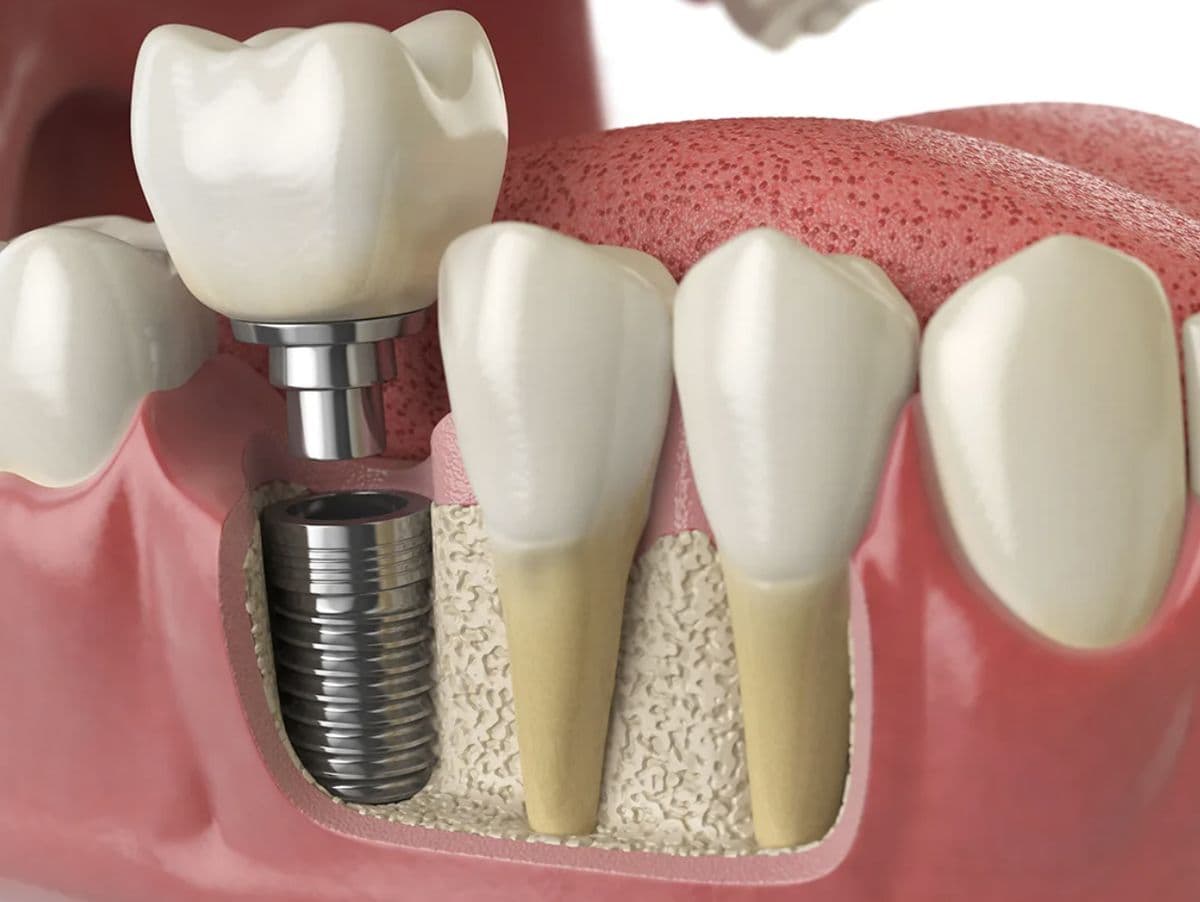
Dental crowns are designed to restore strength, function, and aesthetics to damaged teeth. But what happens when your newly placed permanent crown starts reacting to hot coffee or cold water? Sensitivity after crown placement is more common than you might think, and while it’s often temporary, it can sometimes signal a deeper issue.
Let’s explore why your permanent crown might be sensitive to temperature changes, how long it typically lasts, and what you can do to manage or eliminate the discomfort.
Causes of Sensitivity After Getting a Permanent Crown
After crown placement, the underlying tooth remains alive, meaning its nerve and pulp can still react to changes in temperature or pressure. Several factors can lead to sensitivity:
- Nerve inflammation: During crown preparation, enamel removal can irritate the nerve, causing temporary inflammation.
- Exposed dentin: If parts of the dentin are uncovered, hot or cold sensations can reach the nerve endings.
- Dental cement: Certain bonding materials can cause short-term irritation as they set.
- Bite misalignment: If the crown is slightly high, chewing pressure may trigger nerve pain.
A study listed in the National Library of Medicine looked at many dental cases and found that two problems were the most common — irreversible pulpitis (about 34.6% of the cases) and chronic apical periodontitis (about 34.9% of the cases).
In other words, in that particular group of patients, around one-third had nerve inflammation inside the tooth, and another one-third had infection around the root tip — both of which can cause ongoing pain and may need a root canal therapy.
It’s also possible to experience a crown sensitive to cold after 2 months, which might mean the nerve is still healing or reacting to temperature changes. In some cases, patients even notice a crown sensitive to cold after a year, suggesting minor nerve irritation or small structural shifts that develop over time.
Difference Between Temporary and Permanent Crown Sensitivity
Temporary crowns are made from acrylic or resin and don’t insulate as well as porcelain or ceramic. This often results in greater temperature sensitivity until the permanent crown is placed. Once the final crown fits properly, discomfort should decrease as the material provides better thermal protection.
If the sensitivity intensifies after permanent placement, it may indicate a bite imbalance, nerve irritation, or leakage beneath the crown that requires dental evaluation.
How Long Does Sensitivity Last After a Crown?
Most patients experience mild sensitivity for a few days to a couple of weeks after receiving a permanent crown. This is considered normal and typically resolves as the tooth settles and the surrounding tissues heal.
However, if sensitivity persists beyond three weeks, worsens over time, or is accompanied by sharp pain, it’s time to consult your dentist. Lingering discomfort may indicate an issue with the crown’s fit, the underlying tooth, or the nerve.
Common Reasons a Crowned Tooth May Hurt Years Later
Even long after receiving a crown, sensitivity may return due to:
- Receding gums: Exposing the tooth root below the crown margin.
- Decay under the crown: Bacteria can enter through microscopic cracks or worn cement.
- Loose or damaged crown: Over time, crowns can loosen or lose their seal.
- Nerve deterioration: The tooth pulp may slowly degenerate, leading to recurring pain. This can make a crown tooth hurts years later, especially if underlying infection or decay develops unnoticed.
Regular dental checkups and X-rays are crucial for detecting these changes early and preventing more serious issues.
Practical Tips to Manage Sensitivity with a Permanent Crown
While waiting for a resolution or your dental visit, you can try these self-care steps:
- Use a desensitizing toothpaste (with ingredients like potassium nitrate or stannous fluoride) to block nerve response.
- Brush with a soft-bristled toothbrush, focusing on gentle strokes around the crowned tooth to avoid irritating gums.
- Avoid very hot or very cold foods and drinks until sensitivity decreases.
- Chew on the opposite side of your mouth to reduce stress on that tooth.
- Rinse with lukewarm salt water to soothe inflamed tissues.
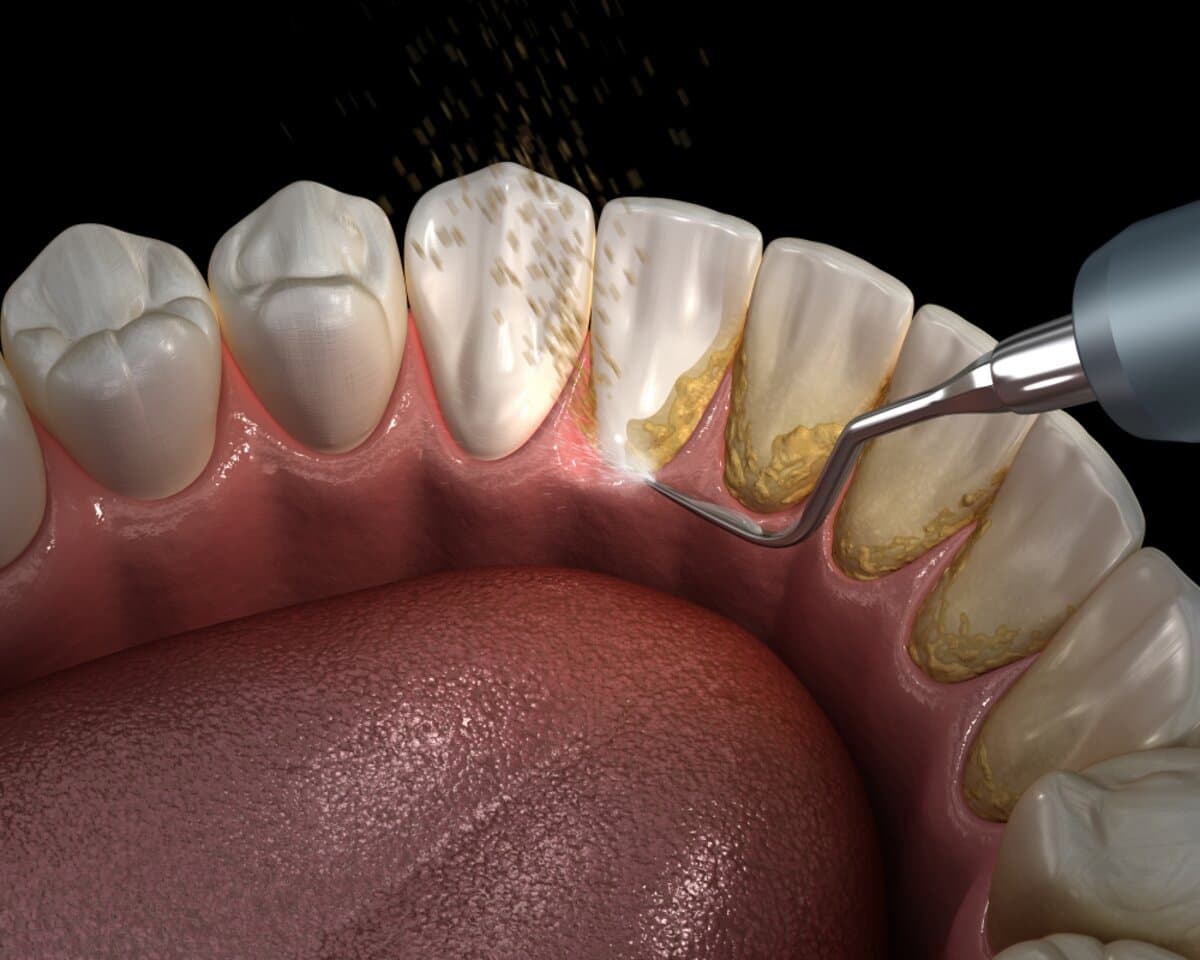
These strategies may ease discomfort, but they do not address the root cause if a problem exists. For deeper gum-related causes, learn more about advanced periodontal disease treatment offered at Tribeca Dental Studio.
When Sensitivity Signals a Problem and You Should See a Dentist
Some post-crown sensitivity is nothing to worry about, but lingering or worsening pain is often your body’s way of saying something’s wrong.
If the pain continues long after you eat or drink something hot or cold, it may point to more than temporary nerve irritation. Sensitivity that appears when you bite down, or swelling and gum irritation near the crown, can signal deeper issues such as pulp inflammation, infection, or even an ill-fitting restoration.
Essentially, discomfort that lasts beyond a few weeks isn’t just part of the adjustment period—it’s a warning sign. A dentist can evaluate whether the nerve is inflamed or the crown needs adjustment before the problem worsens.
That’s why it’s best not to ignore prolonged or sharp pain after getting a crown. Timely evaluation ensures your tooth and your investment in treatment stay protected.
Professional Treatment Options for Persistent Sensitivity
When at-home care isn’t enough, your dentist may recommend:
- Bite adjustment to remove high contact points.
- Fluoride or desensitizing treatments to strengthen enamel and reduce thermal response.
- Crown replacement if leakage or decay is detected beneath the crown.
- Root canal therapy for cases involving nerve inflammation or infection.
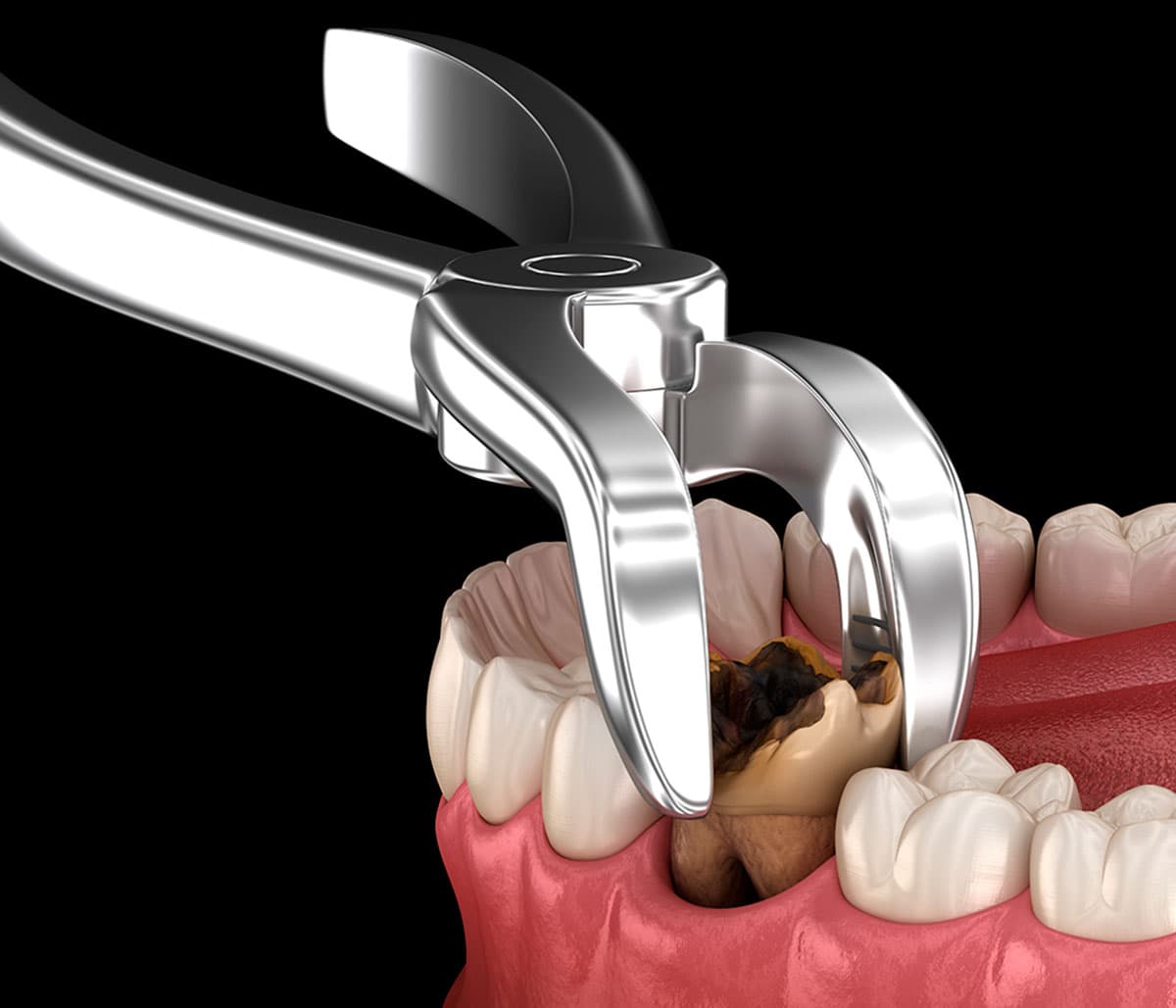
In cases where decay or infection has progressed beyond repair, gentle tooth extraction and oral surgery may be necessary to restore your oral health and comfort. Each treatment is designed to relieve pain and protect the long-term function of your restored tooth.
Get Relief from Crown Sensitivity with Expert Dental Care
Sensitivity after a permanent crown is often temporary, but it shouldn’t disrupt your daily life. If pain lingers or intensifies, professional evaluation can pinpoint the cause and provide fast, lasting relief. At Tribeca Dental Studio, our experienced dental team uses advanced diagnostic tools and precision crown placement techniques to ensure comfort, protection, and longevity.
Schedule your consultation today and experience the difference of expert, personalized dental care.