How Long Does It Take For a Tooth Nerve to Die? Shocking Truth!
October 9, 2025
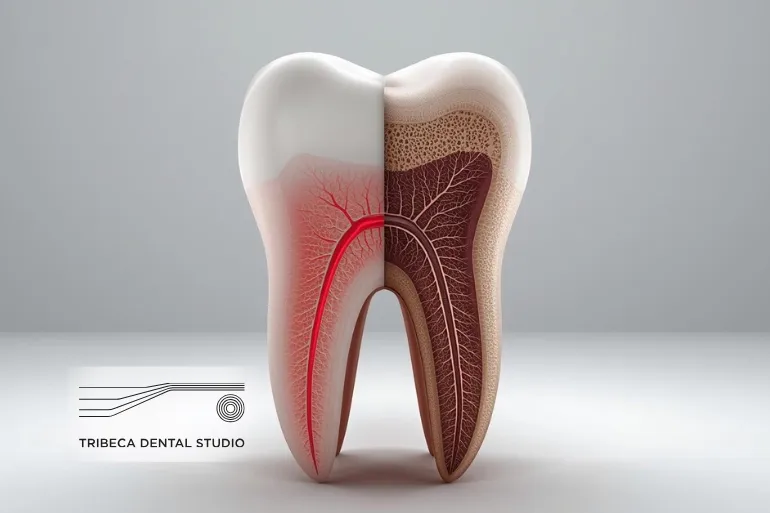
Have you ever wondered why a toothache can suddenly disappear without treatment? This often happens when the pulp, the living core of nerves and blood vessels, loses its vitality. Decay, cracks, or trauma reduce blood flow until the tissue breaks down and the tooth becomes non vital. Early symptoms may include sharp sensitivity to cold or pressure, followed by throbbing discomfort that eventually subsides as the nerve dies. Although the pain fades, necrotic tissue invites bacteria and infection, making timely diagnosis and care essential.
What Does It Mean When a Tooth Nerve Dies?
A dead nerve in tooth occurs when the pulp, which supplies nutrients and sensation, loses its blood flow. Without circulation, the tissue breaks down and the tooth becomes non vital. This process does not happen instantly but follows damage from deep decay, cracks, or trauma that compromise the pulp chamber.
As the nerve deteriorates, pain may shift from sharp or temperature related sensitivity to intermittent throbbing before subsiding entirely. Even without pain, the dead tissue remains inside the tooth and creates conditions where bacteria can thrive. If you notice similar symptoms, your dentist may recommend Root Canal Therapy to remove the infected pulp and save the natural tooth.
Common Causes of Tooth Nerve Death
Nerve death in a tooth results from conditions that interrupt blood supply or allow bacteria to invade the pulp. Deep cavities erode enamel and dentin, eventually reaching the pulp where infection develops. Physical trauma, such as a blow to the mouth, can rupture vessels and cut off circulation to the tooth. Cracks or fractures expose inner layers, creating direct pathways for bacteria.
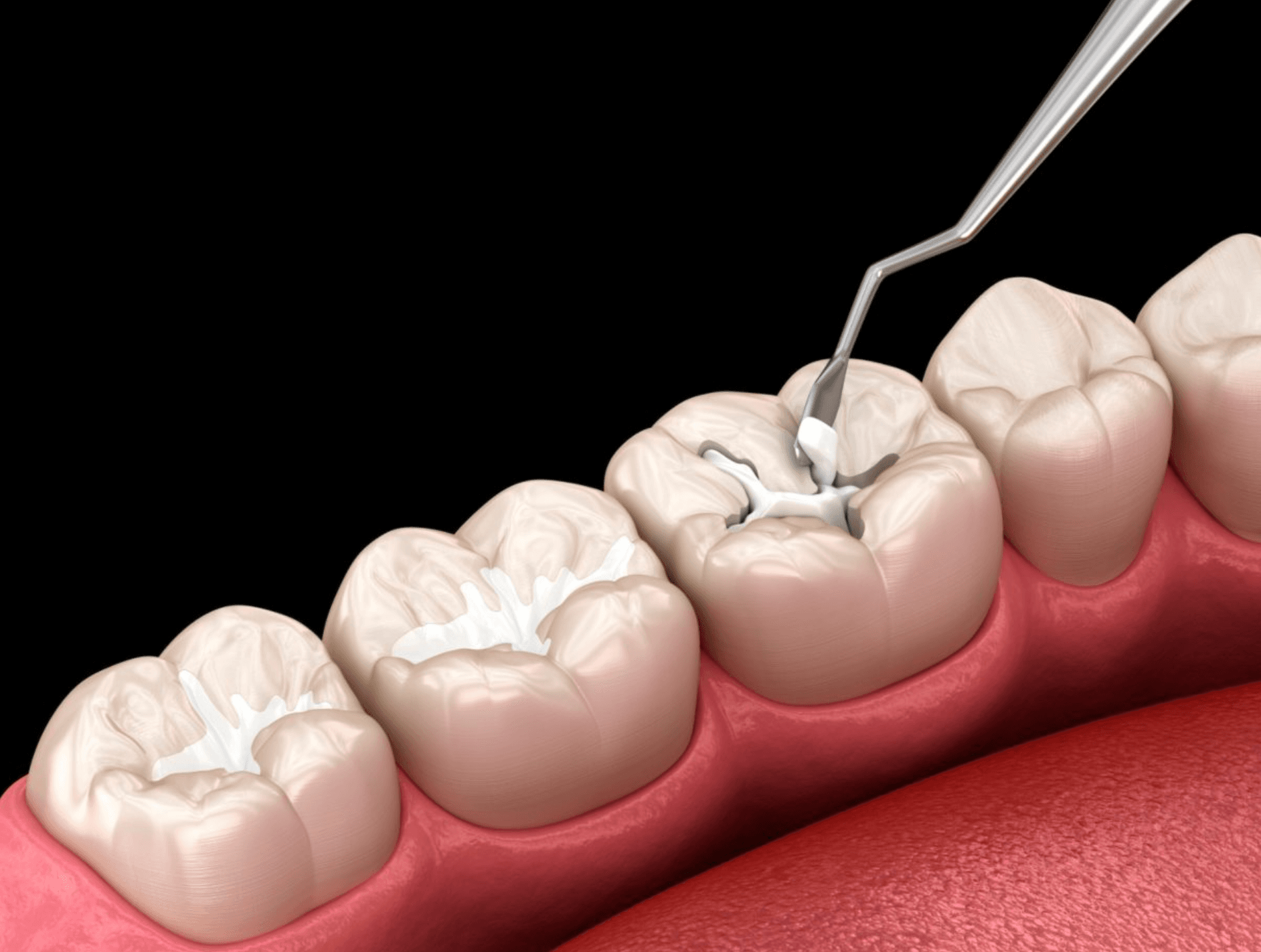
Extensive wear from grinding or repeated dental procedures may also weaken pulp vitality. Each pathway disrupts tissue health and accelerates necrosis, often signaling an early stage of tooth nerve dying. In some cases, Tooth-Colored Fillings can restore damaged enamel and prevent deeper pulp infection before nerve death occurs.
Signs and Symptoms of a Dying Tooth Nerve
A dying tooth nerve often produces changes in sensation and appearance before complete necrosis occurs. Early signs include sharp pain with cold drinks, hot foods, or biting pressure. As the pulp deteriorates, discomfort may become persistent, throbbing, or radiating into the jaw.
Discoloration such as a yellow, gray, or darkened shade signals reduced blood flow. Swelling of surrounding gums, increased sensitivity to touch, or the appearance of a small pimple-like lesion may indicate infection spreading from the pulp toward the root. For more insight into recognizing oral health issues early, check out the early signs of gum disease you should never ignore.
Can a Tooth Nerve Heal on Its Own?
A tooth nerve has limited ability to recover, and the outcome depends on the extent of damage. In mild cases where irritation is caused by shallow decay or brief trauma, reducing exposure to heat, cold, or pressure may allow the pulp to stabilize.
Once inflammation becomes severe or infection reaches the pulp chamber, natural healing is no longer possible. The nerve tissue cannot regenerate once necrosis begins, and without dental intervention, the process progresses toward irreversible damage and eventual tooth death.
What Happens If a Dead Tooth Is Left Untreated?
An untreated dead tooth often harbors bacteria that spread through the root into bone and gum. This can cause an abscess with swelling, pain, and pus drainage. Over time, infection may damage the jawbone, weaken nearby teeth, and in severe cases enter the bloodstream.
Even if pain subsides, the tooth becomes brittle and prone to fracture, making timely treatment essential. For severe cases with extensive infection, Dental Crowns & Bridges can help restore structure and function after treatment.
Treatment Options for a Dead Tooth Nerve
Once a tooth nerve has died, treatment focuses on removing infected tissue and preserving remaining structure. The most common procedure is root canal therapy, where the pulp chamber is cleaned, disinfected, and sealed to prevent reinfection.
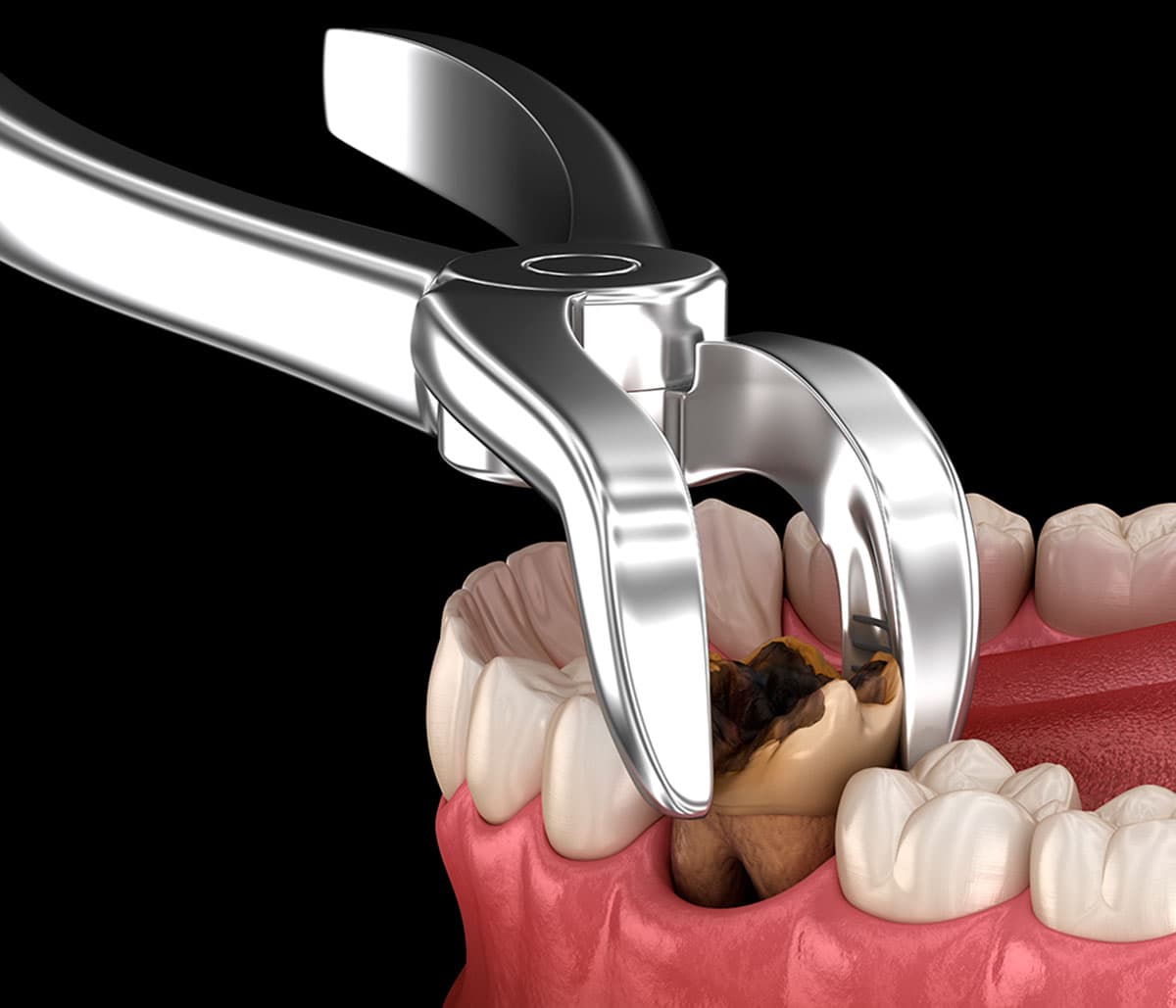
A crown is often placed afterward to strengthen the brittle tooth. In cases where damage is too extensive, extraction may be required to protect surrounding teeth and bone. Prompt management reduces the risk of abscess formation, supports oral health, and maintains function in the affected area.
The National Library of Medicine reports that irreversible pulpitis affects about 34.58% of cases and chronic apical periodontitis about 34.89%, emphasizing the frequent need for root canal therapy or extraction when a tooth nerve has died.
How to Prevent Tooth Nerve Damage
Tooth nerve protection relies on daily oral hygiene that prevents bacterial growth. Brushing with fluoride toothpaste and flossing reduce the risk of decay reaching the pulp. Mouthguards shield against sports injuries, and night guards minimize damage from grinding.
Regular dental visits allow early detection of decay, cracks, or gum disease, helping preserve pulp vitality and reducing the need for invasive treatments.
When to See a Dentist for Tooth Nerve Pain
Dental evaluation is vital if nerve pain lasts more than a day or two, worsens with temperature changes, or affects chewing. Sharp sensitivity may signal inflammation, while throbbing pain, gum swelling, or tooth discoloration suggest deeper damage.
Severe pain with fever or facial swelling requires urgent care. Prompt attention helps stop progression to irreversible nerve death and reduces the risk of infection.
Visit Professional Dental Care for Tooth Nerve Problems
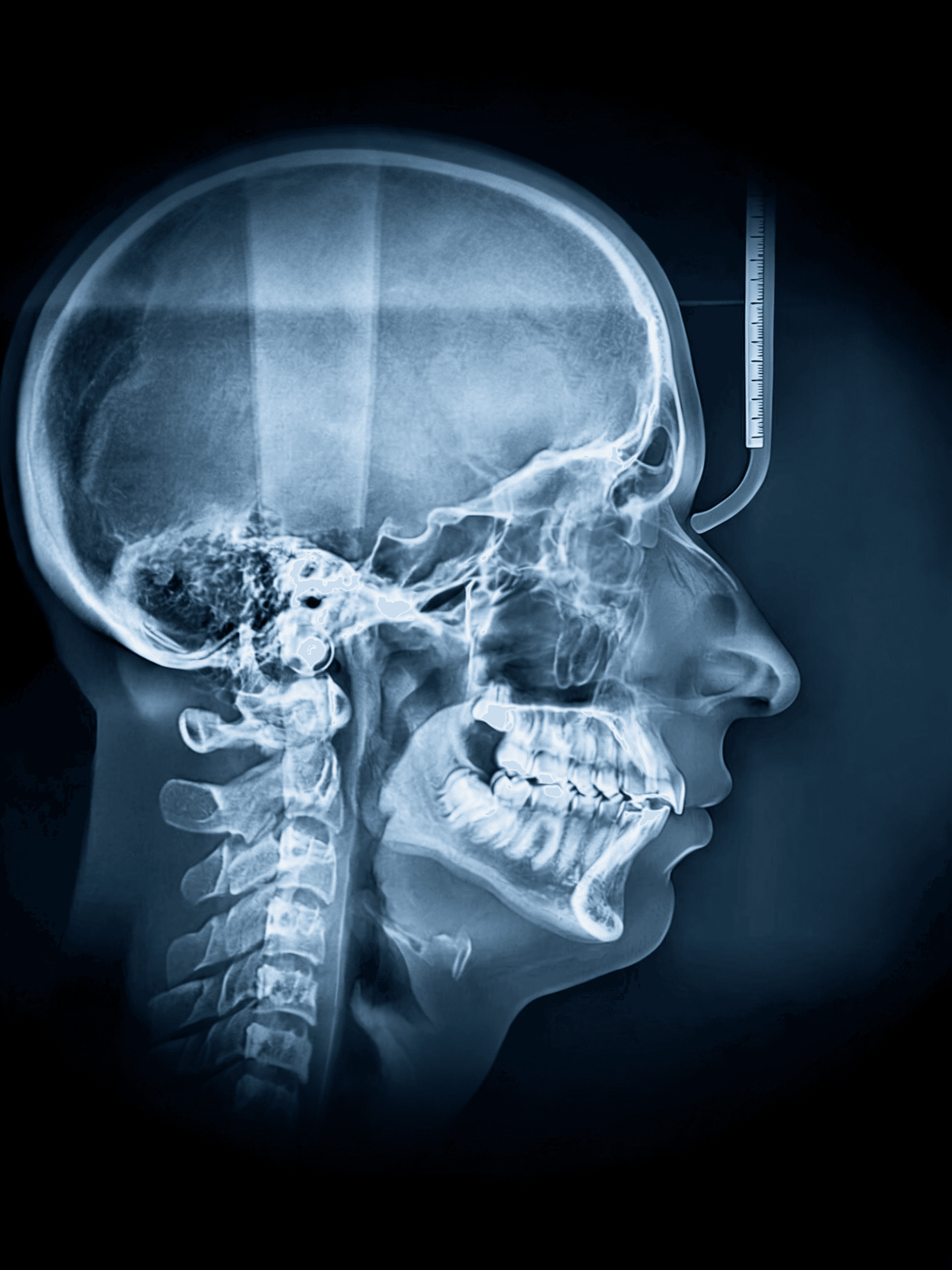
Professional dental care is essential to diagnose the condition of a tooth nerve and assess if it can be saved. Dentists use imaging and tests to detect decay, fractures, or infection. Fillings and crowns may protect a weakened nerve, while root canal therapy or extraction treat irreversible damage. Regular examinations also support tailored preventive strategies, lowering the risk of future nerve-related problems.
Protect your smile with expert care at Tribeca Dental Studio. Our team provides advanced diagnosis and treatment for tooth nerve problems, from early intervention to root canal therapy and preventive care. Schedule your visit today and take the first step toward lasting oral health and stronger, healthier teeth.