Soothe Your Smile: Conquering Dry Mouth After Tooth Extraction
December 19, 2025
Understanding Dry Mouth After Your Tooth Extraction
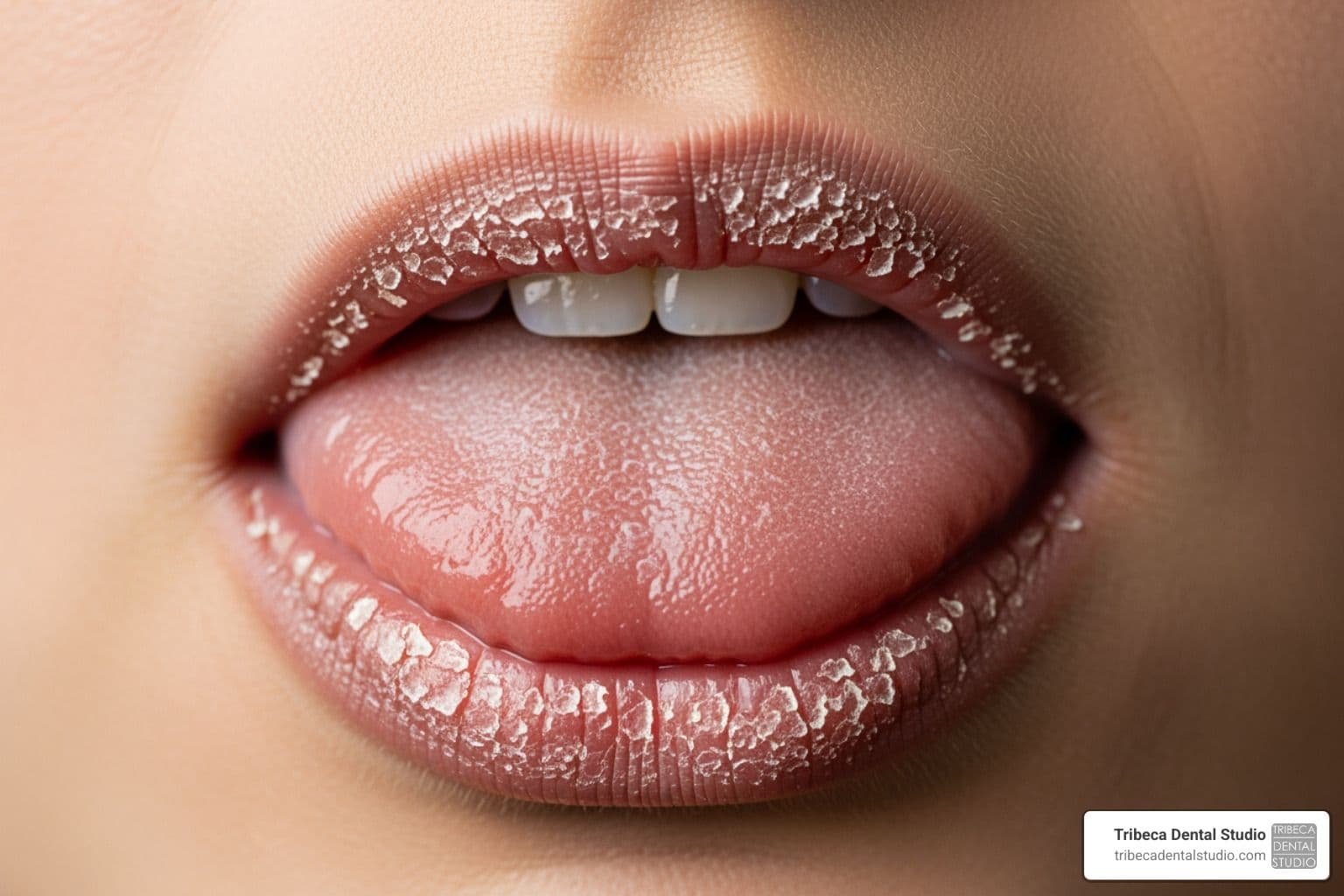
Dry mouth after extraction is a common and usually temporary side effect that many patients experience. If you’re dealing with this uncomfortable sensation, here’s what you need to know right away:
Quick Relief for Dry Mouth After Extraction:
- Sip water frequently throughout the day to keep your mouth moist
- Avoid alcohol, caffeine, and tobacco, which worsen dryness
- Use a humidifier at night to add moisture to the air
- Chew sugar-free gum or suck on sugar-free candy to stimulate saliva flow
- Breathe through your nose instead of your mouth when possible
Most cases of dry mouth after extraction resolve within a few hours to a few days as anesthesia wears off and your body recovers. The sensation typically occurs because general or local anesthesia reduces saliva production, pain medications can have drying side effects, and you may be breathing through your mouth more during recovery.
While dry mouth is uncomfortable, it’s different from dry socket, a more serious complication. Dry mouth is simply reduced saliva, whereas dry socket involves a dislodged blood clot and severe pain requiring immediate dental care.
I’m Dr. Nina Izhaky, and in my years of practice at Tribeca Dental Studio, I’ve guided countless patients through smooth post-extraction recoveries, including managing dry mouth after extraction and other common side effects. My team and I prioritize your comfort and ensure you have clear, practical strategies for healing well at home.
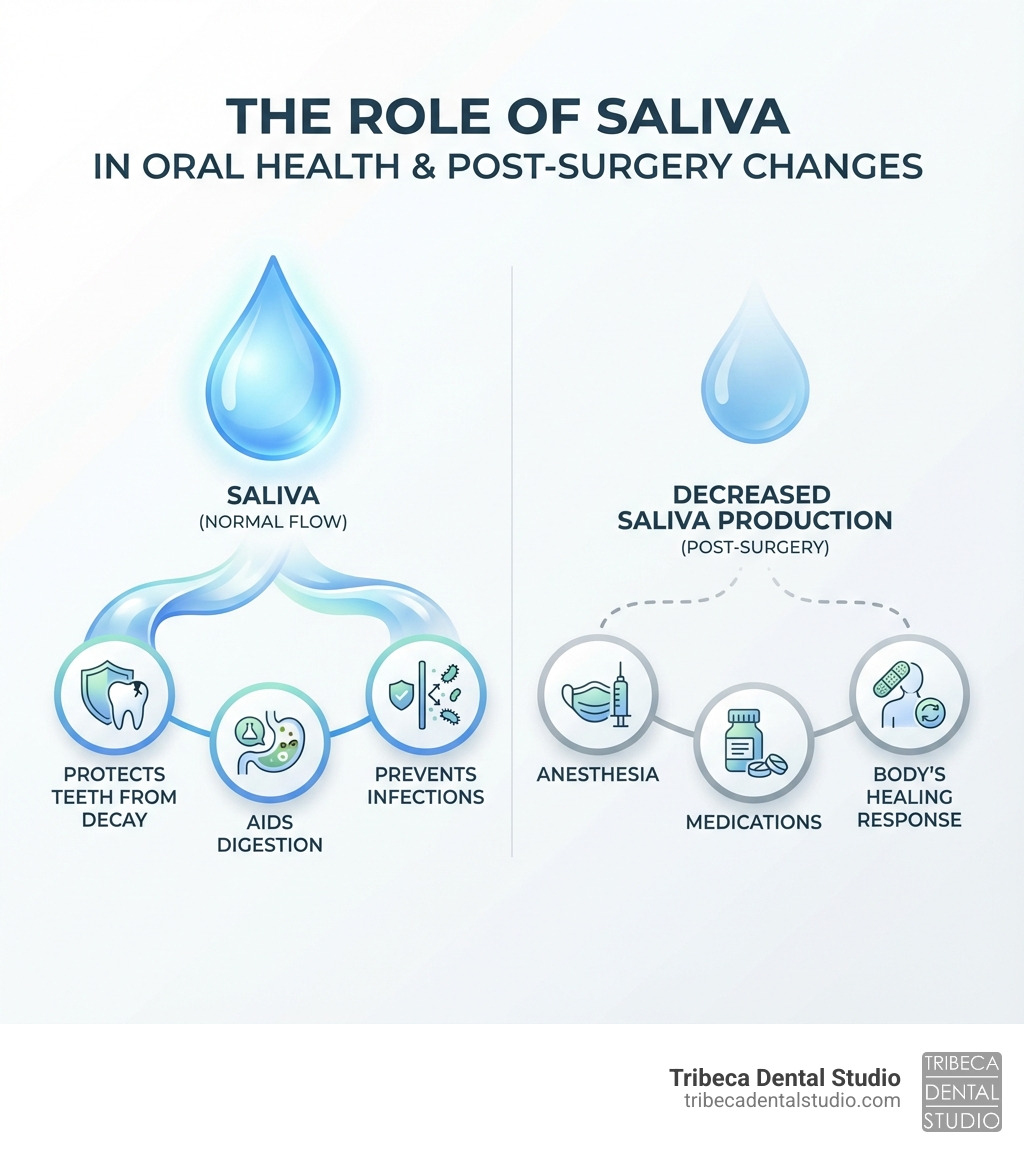
Why Do I Have Dry Mouth After My Tooth Extraction?
Experiencing dry mouth after extraction is a very common occurrence, and it’s usually nothing to worry about. However, understanding why it happens can help you manage it more effectively. Several factors contribute to this uncomfortable sensation, ranging from the immediate effects of your dental procedure to your body’s natural healing process.
Common Causes of Dry Mouth After Extraction
When we talk about dry mouth, or xerostomia, after a tooth extraction, we’re referring to a temporary reduction in saliva flow. Saliva is crucial for keeping your mouth moist, washing away food particles, neutralizing acids, and protecting your teeth from decay. When its production is interrupted, you feel that familiar sticky, parched sensation.
Here are the primary culprits behind dry mouth after your procedure:
- Anesthesia Side Effects: Whether you received local anesthesia to numb the area or general anesthesia for a more complex procedure, both can temporarily affect your salivary glands. General anesthesia, in particular, can result in mild side effects like dry mouth and a sore throat upon waking up. According to Medline Plus, these effects should typically subside within a few hours. Dental procedures themselves often require us to keep the area dry using air, cotton rolls, or suction to ensure optimal visibility and precision during treatment. This necessary step can also contribute to a feeling of dryness that lingers after your appointment.
- Post-operative Medications: Many medications prescribed after an extraction can have dry mouth as a side effect. This includes:
- Pain relievers: Especially stronger prescription pain medications.
- Antibiotics: Used to prevent infection, some antibiotics can reduce saliva flow.
- Over-the-counter medications: Certain antihistamines and decongestants, which you might take for other conditions, are also known to cause dry mouth.
- Mouth Breathing: After an extraction, especially if there’s some swelling or discomfort, you might find yourself breathing more through your mouth than your nose. This increased airflow can quickly dry out your oral tissues.
- Dehydration: It’s easy to become slightly dehydrated after a surgical procedure. You might be hesitant to drink as much as usual due to discomfort, or you might be avoiding certain beverages. Reduced fluid intake directly impacts saliva production.
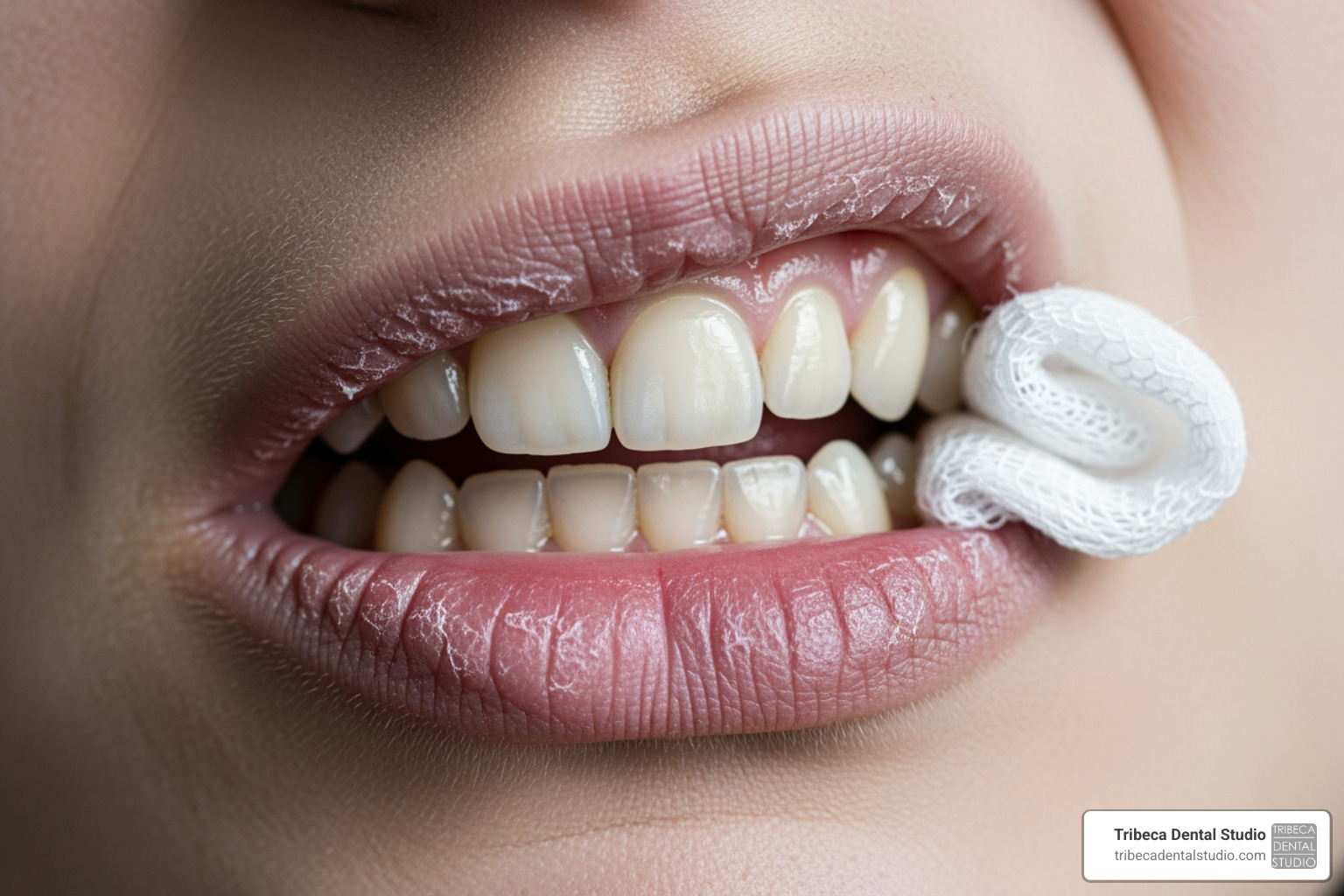
- Natural Healing Response: Your body is working hard to heal the extraction site. This physiological process can temporarily reduce non-essential functions, including optimal saliva production. The initial gauze placed after extraction to control bleeding can also absorb saliva and contribute to the feeling of dryness.
- Stress and Anxiety: The stress associated with a dental procedure can also reduce saliva flow. The “fight or flight” response naturally diverts resources away from functions like digestion and saliva production.
For more information on the procedures and care involved in tooth extractions, including our advanced techniques at Tribeca Dental Studio, you can explore our resources on Oral Surgery.
How Long Does It Typically Last?
The good news is that for most patients, dry mouth after extraction is a temporary symptom. In the majority of cases, it resolves within a few hours to a few days.
- Anesthesia effects: If dry mouth is primarily due to anesthesia, it should subside as the anesthesia wears off, usually within the first 24 hours.
- Medication duration: If your dry mouth is a side effect of prescribed medications, it should improve once you complete your course of medication or switch to an alternative under your dentist’s guidance.
- Individual healing time: Every patient heals differently. While some might feel back to normal within a day, others might experience mild dryness for a few days as the initial swelling reduces and comfort improves. If your dry mouth lasts longer than a week, or if it’s accompanied by other concerning symptoms, it’s a good idea to reach out to us.
Managing and Relieving Dry Mouth After Extraction
When you’re recovering from a tooth extraction, comfort is key. While dry mouth after extraction is often temporary, it can be quite bothersome. Fortunately, there are many effective strategies you can employ at home to manage and relieve your symptoms.
Immediate Relief Strategies
These simple tips can provide quick relief and help keep your mouth moist during your recovery:
- Sip water frequently: This is perhaps the most straightforward and effective method. Keep a glass of water nearby and take small sips throughout the day. This helps to keep your oral tissues hydrated.
- Suck on ice chips: Not only do ice chips provide moisture, but the cold can also be soothing for any residual discomfort or swelling around the extraction site. Just be gentle and avoid chewing.
- Use a humidifier: Especially at night, a humidifier in your bedroom can add moisture to the air, which can be very helpful if you tend to breathe through your mouth while sleeping.
- Chew sugar-free gum: Chewing stimulates saliva flow, and sugar-free options prevent the risk of cavities. Look for gums containing xylitol.
- Suck on sugar-free hard candy: Similar to gum, sugar-free hard candies can help stimulate your salivary glands. Again, xylitol-containing options are a great choice.
- Use over-the-counter saliva substitutes: These products, available as sprays, gels, or rinses, can provide temporary relief by mimicking natural saliva. Look for those containing carboxymethylcellulose or hydroxyethyl cellulose.
- Avoid alcohol-based mouthwashes: Many commercial mouthwashes contain alcohol, which can further dry and irritate your mouth. Opt for alcohol-free formulations or simply a warm saltwater rinse (after the first 24-48 hours, as advised by us).
For more tips on managing dry mouth generally, the Mayo Clinic provides comprehensive dry mouth treatment tips.
Lifestyle and Dietary Adjustments to Make
Beyond immediate relief, certain lifestyle and dietary changes can significantly reduce the severity and duration of dry mouth after extraction.
- Avoid caffeine: Beverages like coffee, tea, and some sodas are diuretics, meaning they can contribute to dehydration and worsen dry mouth.
- Avoid alcohol: Alcohol is a dehydrating agent and can further irritate dry oral tissues. It’s best to abstain from alcoholic beverages during your healing period.
- Avoid tobacco: Smoking and other tobacco products are detrimental to oral health and significantly impede healing. Smoking also creates suction, which is a major risk factor for dry socket. People who smoke are over three times more likely to develop dry socket than those who don’t.
- Limit salty, spicy, and acidic foods: These types of foods can be irritating to a dry and healing mouth. Stick to bland, soft foods initially.
- Choose soft, moist foods: Opt for foods that are easy to chew and swallow, and that don’t require a lot of moisture from saliva. Examples include soups, yogurt, mashed potatoes, scrambled eggs, and smoothies.
- Breathe through your nose: Consciously try to breathe through your nose as much as possible. Mouth breathing, especially at night, can exacerbate dryness.
- Stay hydrated: This cannot be stressed enough. Plenty of water helps your body function optimally, including producing saliva.
If you’ve had a wisdom tooth removed, these tips are especially important, as wisdom tooth extractions can sometimes involve more extensive procedures. You can find more detailed post-operative care instructions on our Wisdom Tooth Removal page.
Protecting Your Smile: Oral Hygiene with Post-Extraction Dry Mouth
Dry mouth after extraction isn’t just uncomfortable; it can also pose risks to your oral health if it persists. Saliva plays a vital protective role in your mouth, and its reduction can leave your teeth and gums more vulnerable.
How to Maintain Oral Hygiene and Protect Your Teeth
Maintaining good oral hygiene is crucial during your recovery, but it needs to be done gently to protect the extraction site. Here’s how to steer oral care with dry mouth:
- Gentle brushing: You can continue to brush your teeth twice a day with a soft-bristled toothbrush. However, be very careful around the extraction site. Avoid direct contact with the wound for the first few days. The Cleveland Clinic emphasizes that brushing and flossing regularly helps keep your mouth healthy and lowers your risk of infection.
- Protect the socket: The blood clot that forms in the empty socket is essential for healing. Do not disturb it. Avoid vigorous rinsing, spitting, or poking the area with your tongue or fingers.
- Fluoride toothpaste: Use a fluoride toothpaste to help protect your teeth from decay, as dry mouth increases your risk.
- Alcohol-free mouthwash: If you choose to use mouthwash (typically after the first 24-48 hours, depending on our instructions), make sure it’s alcohol-free. Alcohol can further dry and irritate your mouth.
- Saltwater rinses: After the initial 24 hours, gentle rinses with warm salt water several times a day can help keep the area clean and promote healing. Mix half a teaspoon of salt in a glass of warm water, swish gently, and let it drain out rather than spitting forcefully.
Dry Mouth vs. Dry Socket: Understanding the Difference
It’s important to distinguish between dry mouth after extraction and a “dry socket” (alveolar osteitis), as they are very different conditions, though both can be uncomfortable.
| Feature | Dry Mouth (Xerostomia) | Dry Socket (Alveolar Osteitis) |
|---|---|---|
| What it is | Reduced saliva flow, leading to a feeling of dryness. | Occurs when the protective blood clot in the extraction site dislodges or dissolves too early, exposing bone and nerves. |
| Main Symptom | Sticky, parched feeling in the mouth; difficulty speaking/swallowing. | Severe, throbbing pain at the extraction site, often radiating to the ear, eye, temple, or neck. |
| Appearance | Mouth feels dry, but extraction site looks normal (dark blood clot present). | Empty-looking socket, sometimes with exposed bone visible (whitish layer); no blood clot. |
| Onset | Can start immediately after surgery or as anesthesia wears off. | Typically develops 1 to 3 days after the tooth extraction. |
| Causes | Anesthesia, medications, dehydration, mouth breathing, stress. | Dislodged blood clot due to suction (straws, smoking), vigorous rinsing, trauma, infection. |
| Seriousness | Uncomfortable, but usually temporary and manageable at home; can increase cavity risk if persistent. | Painful complication requiring professional dental treatment to relieve discomfort and promote healing. |
| Prevalence | Very common after extractions. | Affects about 2% to 5% of all tooth extractions (Cleveland Clinic). More common with wisdom teeth (38% of wisdom tooth extractions). |
Dry socket is a more serious complication. It occurs when the blood clot, which is vital for protecting the underlying bone and nerves during healing, is lost. This can cause intense pain that non-prescription medicine usually can’t relieve. Risk factors for dry socket include smoking (smokers are over three times more likely to develop it), using straws, and vigorous rinsing. If you’re concerned about dry socket, please refer to our detailed guide: Can You Get Dry Socket With Stitches?.
When to Call Your Dentist
While dry mouth after extraction is often a temporary and manageable condition, there are instances when it warrants professional attention. Knowing when to contact us at Tribeca Dental Studio is crucial for your comfort and recovery.
Signs Your Dry Mouth Requires Professional Attention
We encourage you to reach out to us if you experience any of the following:
- Symptoms lasting over a week: If your dry mouth persists for more than 5-7 days and isn’t improving with home care strategies, it’s time for us to take a look. While dry mouth is temporary, prolonged dryness can signal an underlying issue or increase other risks.
- Difficulty swallowing or speaking: Saliva is essential for these basic functions. If persistent dryness makes them difficult, it affects your quality of life and could indicate a more significant problem.
- Burning sensation, sores, or white patches: These symptoms can be signs of irritation, infection (like oral thrush, which is more common with dry mouth), or other oral complications that need immediate assessment and treatment.
- Worsening pain at the extraction site: As discussed, dry mouth is different from dry socket. If you experience severe, throbbing pain that doesn’t subside or worsens, especially 1-3 days post-extraction, it could be a dry socket. You’ll likely notice an empty socket or exposed bone. In such cases, contact us immediately.
- Signs of infection: Look out for fever, swelling that increases after 2-3 days, pus or foul-smelling discharge from the extraction site, or a persistent bad taste. These are clear indicators that an infection might be present, requiring prompt intervention.
Our team at Tribeca Dental Studio is here to support your healing journey. If you’re experiencing any concerning symptoms or simply need reassurance, don’t hesitate to contact us. For urgent concerns, our Emergency Dentistry services are available to provide timely care.
Long-Term Risks of Persistent Dry Mouth After Extraction
If dry mouth after extraction persists beyond the initial healing period and becomes chronic, it can lead to more significant oral health problems. This is because saliva plays many protective roles:
- Increased tooth decay (cavities): Saliva helps wash away food particles and neutralize acids produced by bacteria. Without adequate saliva, your teeth are more susceptible to acid attacks and decay.
- Gum disease (gingivitis and periodontitis): Reduced saliva can lead to an accumulation of plaque and bacteria, increasing your risk of gum inflammation and more severe gum disease.
- Oral infections: Saliva contains enzymes and antibodies that help control bacteria and fungi in your mouth. Persistent dry mouth makes you more prone to infections like oral thrush (candidiasis).
- Bad breath (halitosis): Without saliva to cleanse your mouth, food particles and bacteria can accumulate, leading to unpleasant odors.
- Difficulty with daily functions: Chronic dry mouth can make it uncomfortable to eat, speak, and swallow, significantly impacting your quality of life.
The healing process after a tooth extraction involves several stages, from initial blood clot formation (hemostasis) to tissue regrowth and maturation. Saliva plays a role throughout this process by keeping the oral environment clean and moist. Persistent dry mouth can slow down this healing, making the tissues more fragile and susceptible to secondary issues.
If you’re concerned about the duration of your dry mouth or any other post-extraction symptom, we are your partners in oral health. While a dry socket usually heals within seven to ten days with proper care, persistent dry mouth has its own set of implications. You can learn more about dry socket recovery on our How Long Does Dry Socket Last? page.
Conclusion
Experiencing dry mouth after extraction is a common part of the healing process, often stemming from anesthesia, medications, or simply the body’s focus on recovery. While uncomfortable, it’s usually temporary and can be effectively managed with simple home strategies. Remember to sip water frequently, stimulate saliva with sugar-free gum or candy, use a humidifier, and avoid dehydrating substances like caffeine, alcohol, and tobacco. Maintaining gentle, yet thorough, oral hygiene is also paramount to protect your healing mouth and prevent further complications.
It’s crucial to differentiate this common dryness from a dry socket, which involves severe pain due to a dislodged blood clot and requires immediate professional attention. By following our post-operative instructions and being mindful of your body’s signals, you can significantly contribute to a smooth and comfortable recovery.
At Tribeca Dental Studio, we believe in a personalized approach to dentistry, treating every patient like family. Dr. Nina Izhaky and our dedicated team are committed to ensuring you have all the information and support needed for a seamless healing journey. If your dry mouth persists, worsens, or is accompanied by other concerning symptoms, please do not hesitate to contact us. Your comfort and oral health are our top priorities.
To learn more about our comprehensive tooth extraction services and how we can support your oral health, please visit our dedicated page: Learn more about our Tooth Extraction services.