Understanding Dry Socket Pain and Your Treatment Options
Best medicine for dry socket depends on the severity of your pain and whether you’re managing it at home or receiving professional care. Here’s what works:
Professional Treatments:
- Medicated dressings with eugenol (clove oil) or lidocaine placed directly in the socket
- Prescription pain medications for severe discomfort
- Socket irrigation with saline or chlorhexidine to remove debris
Over-the-Counter Options:
- Ibuprofen (NSAIDs) for pain and inflammation
- Acetaminophen for moderate pain relief
Supportive Home Care:
- Gentle saltwater rinses (after 24 hours)
- Cold compresses for swelling
- Clove oil applied carefully to the area
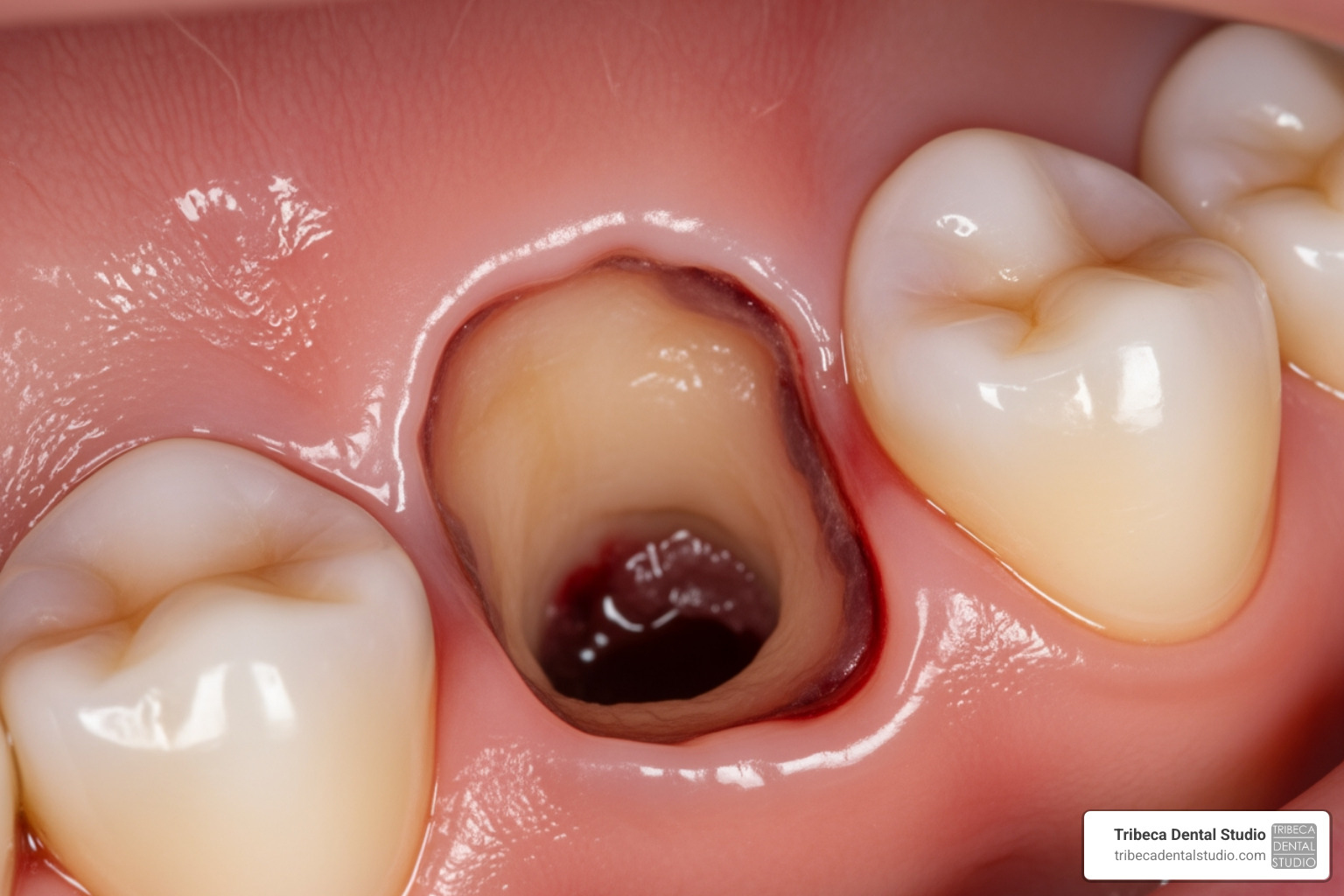
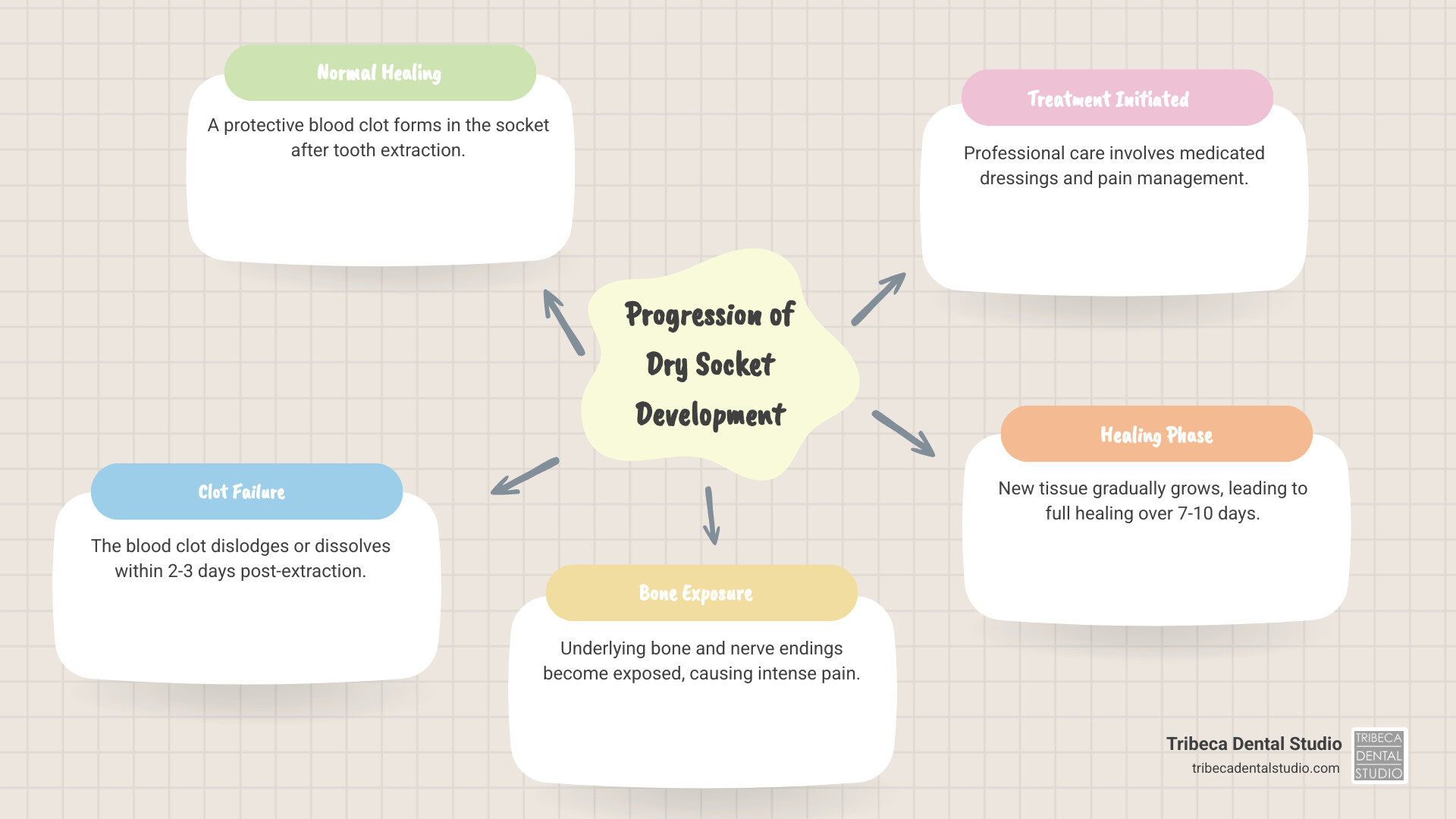
Dry socket, or alveolar osteitis, happens when the protective blood clot at your extraction site dislodges or never forms properly. This leaves the underlying bone and nerve endings exposed, which explains why the pain is so intense—often radiating to your ear, temple, or neck. The condition affects about 2% to 5% of all tooth extractions, but that number jumps to 30% or more for surgical removal of lower wisdom teeth.
The exposed bone creates a sharp, throbbing pain that typically starts 2-4 days after your extraction. Unlike normal healing discomfort, this pain doesn’t improve with basic pain relievers and often gets worse without treatment. You might also notice an empty-looking socket, visible bone, bad breath, or an unpleasant taste in your mouth.
As Dr. Nina Izhaky at Tribeca Dental Studio, I’ve helped countless patients find relief from dry socket pain through personalized treatment plans that combine professional care with effective at-home management, ensuring you get the best medicine for dry socket based on your specific needs. Let me walk you through everything you need to know about treating this painful condition.
Recognizing the Signs: When to Suspect a Dry Socket
Imagine you’ve just had a tooth extracted, expecting some mild discomfort, and suddenly, a few days later, a severe, throbbing pain kicks in. This isn’t your imagination playing tricks on you; it’s a classic sign of dry socket. This intense pain usually begins within one to three days after tooth removal and can be quite alarming. It’s a stark contrast to the normal, gradually improving pain you’d expect from a healing extraction site.
One of the most telling symptoms is pain that doesn’t stay put. Instead, it often radiates from the extraction site to your ear, eye, temple, or even down your neck. This widespread discomfort is due to the exposed nerves in your jawbone reacting to air, food, and fluids.
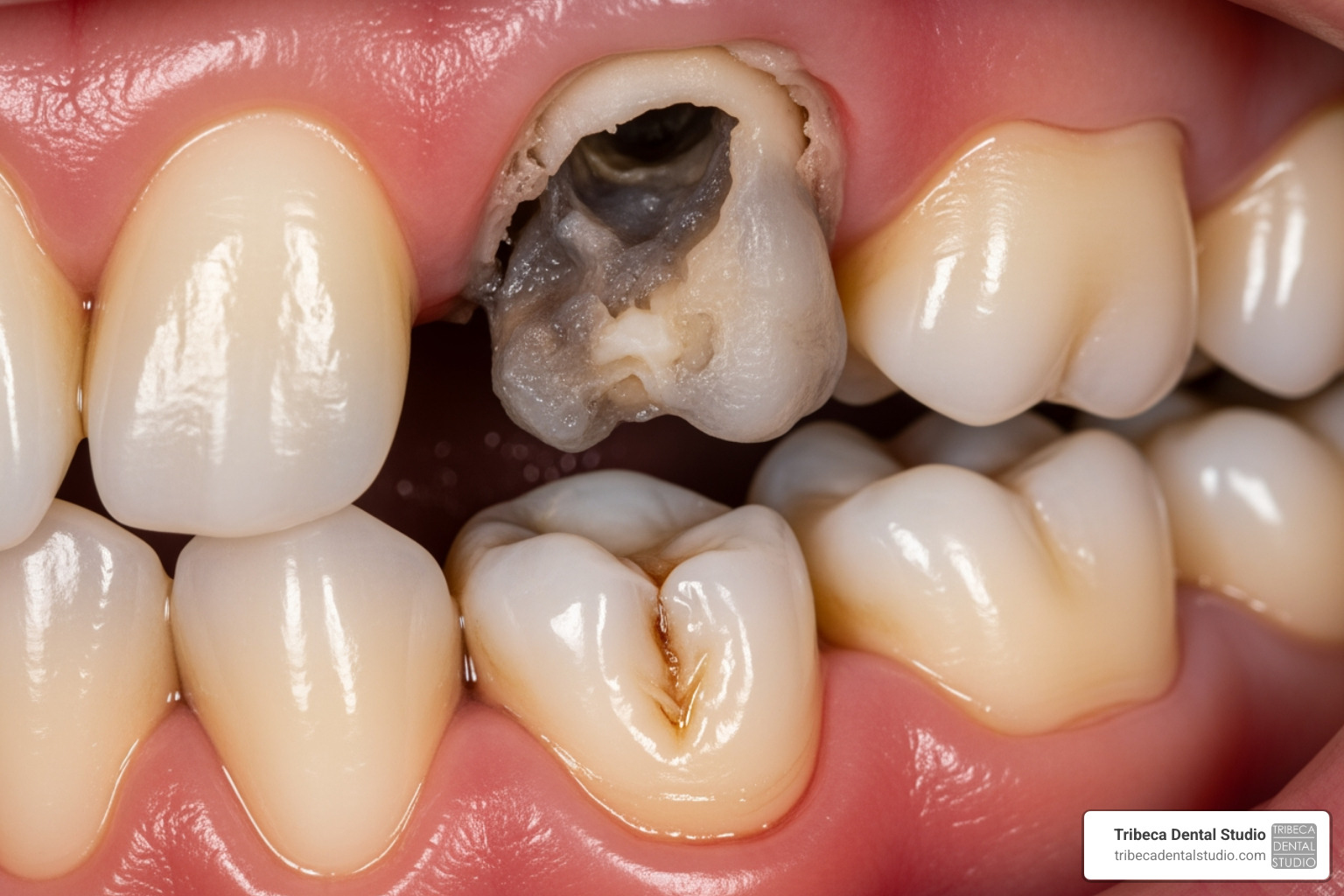
When you look into your mouth, you might notice that the socket where your tooth once was looks empty. Instead of a dark, protective blood clot, you might see exposed bone, sometimes with a whitish layer. This visible absence of the blood clot is a key indicator.
Other less pleasant signs can accompany the pain. You might experience persistent bad breath, also known as halitosis, or an unpleasant taste in your mouth. These symptoms can arise from food debris accumulating in the exposed socket or from bacterial activity.
If you experience any of these symptoms—especially severe, worsening pain that doesn’t respond to typical pain relievers—it’s crucial to seek professional dental care. While dry socket usually develops within the first three days after your dentist removes a tooth, don’t hesitate to reach out to us if you suspect something is wrong. For new or worsening pain after a tooth removal, prompt attention is key. If you’re in Tribeca, NYC, and need immediate assistance, please don’t hesitate to contact our team. You can also explore our resources on when to seek immediate care.
Professional Treatments: The Best Medicine for Dry Socket
When it comes to dry socket, professional dental care isn’t just an option; it’s often the most effective path to relief and healing. Our primary goals in treating dry socket are pain management and symptom reduction. We want to get you comfortable as quickly as possible and ensure your socket heals properly. For a comprehensive overview of dental extractions and post-care, you might find our guide to professional tooth extraction care helpful.
Your Dentist’s First Steps: Cleaning and Dressing the Socket
The first thing we’ll do when you come in with a suspected dry socket is gently clean the area. This process, known as socket irrigation, involves flushing the socket with a saline solution or an antibacterial mouthwash. This is crucial for removing any trapped food particles, bacteria, or debris that might be contributing to your discomfort or preventing healing. Think of it as giving your socket a much-needed bath!
After irrigation, the next critical step is to place a medicated dressing directly into the socket. This dressing serves multiple purposes: it covers the exposed bone and nerve endings, provides a soothing effect, and often contains ingredients that help with pain relief. A common and effective ingredient in these dressings is eugenol, which is derived from clove oil. Eugenol is a wonderful little compound that acts as a local anesthetic, an anti-inflammatory, and even has antibacterial properties. It’s like a triple threat against dry socket discomfort! This medicated dressing is often the best medicine for dry socket because it directly addresses the exposed tissue and provides immediate, targeted relief. We’ll typically change this dressing every one to three days until your symptoms are gone.
Prescription and OTC Options: Finding the best medicine for dry socket
While the medicated dressing works wonders locally, managing the broader pain and inflammation is also vital. For milder cases or as a complement to professional treatment, over-the-counter (OTC) pain relievers can offer some relief. Nonsteroidal anti-inflammatory drugs (NSAIDs) like ibuprofen are excellent choices because they tackle both pain and inflammation. Acetaminophen can also help with pain. However, it’s important to understand that medicine you can buy without a prescription usually isn’t enough to fully treat the severe pain associated with dry socket.
If your pain is significant and persistent, we will likely prescribe stronger pain medication. These prescription medications are specifically designed to alleviate severe discomfort and help you get through the healing process more comfortably. We might also prescribe other anti-inflammatory drugs to help reduce swelling and inflammation in the area. Our goal is to ensure you’re as pain-free as possible while your body heals. For additional information on dry socket treatment, the Cleveland Clinic offers valuable insights that align with our approach; you can read more here: Dry Socket: What It Is & How To Prevent It.
The Role of Antiseptics and Antibiotics in Treatment
You might be wondering if dry socket means you have an infection. While dry socket itself isn’t typically an infection in the traditional sense, the exposed bone and open wound can certainly become susceptible to bacterial overgrowth. This is where antiseptics and, sometimes, antibiotics come into play.
Antiseptics like chlorhexidine mouthwash and gel are invaluable. Rinsing with chlorhexidine (0.12% and 0.2%) before a dental extraction or beginning 24 hours after may significantly help prevent dry socket. Even better, placing a chlorhexidine gel (0.2%) directly into the socket immediately after tooth extraction can also help prevent this painful complication. There’s moderate-certainty evidence that these chlorhexidine applications probably result in a reduction in dry socket incidence, as detailed in scientific research on chlorhexidine for dry socket prevention. We often recommend using these rinses gently during your recovery to keep the area clean and reduce bacterial load.
Now, about antibiotics: in most dry socket cases, antibiotics aren’t routinely prescribed unless there’s clear evidence of an active infection. However, some newer research suggests that dry socket might be more of an infectious process than previously thought, with bacteria like Pseudomonas aeruginosa and Enterococcus faecalis potentially playing a role. In a pilot retrospective study, ciprofloxacin 500 mg three times per day was used to treat dry sockets that were resistant to conventional topical treatments. The results were quite encouraging: 11 out of 15 patients (73.3%) experienced complete relief of symptoms within 24 hours, and two patients (13.3%) had a partial response after 48 hours, with pain ameliorated from severe to moderate. While this is a promising area of research, we’ll always assess your individual situation to determine if antibiotics are the best medicine for dry socket in your specific case.
At-Home Care and Remedies to Support Healing
While professional treatment is crucial for dry socket, what you do at home plays a significant role in supporting healing and managing your pain. We’ll provide you with detailed self-care instructions to help promote a smooth recovery.
Soothing the Socket: Safe Home Care Techniques
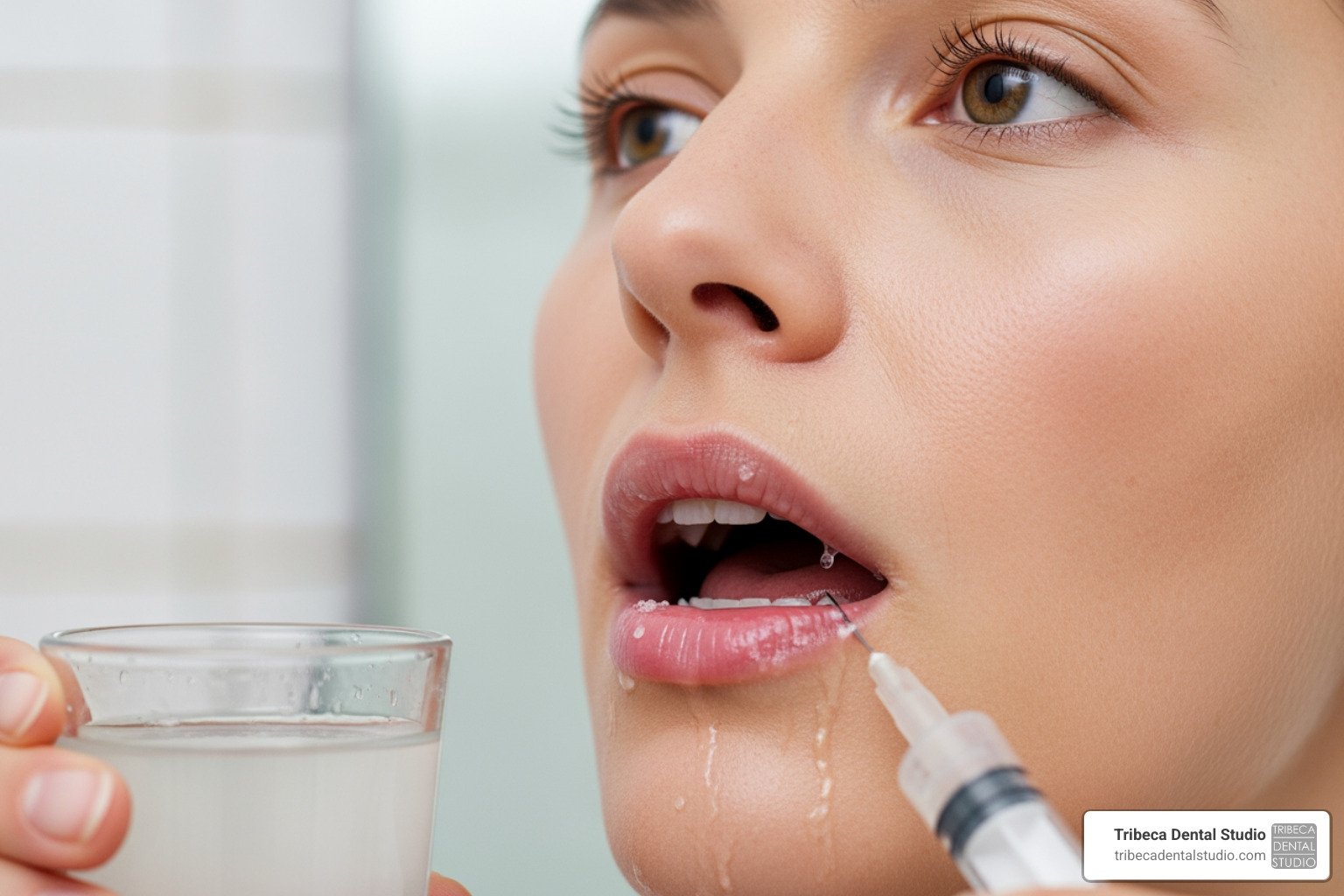
One of the simplest yet most effective home care techniques is the saltwater rinse. We recommend dissolving half a teaspoon of table salt into eight ounces of warm (not hot!) water. Swish this solution gently around your mouth for about a minute, or use a syringe your surgeon provides to gently flush the socket. Doing this at least three times a day, especially after meals, can help keep the area clean and reduce bacteria.
For managing discomfort, alternating between cold and heat therapy can be beneficial. For the first 24 hours after your extraction, using cold packs against your face for fifteen minutes at a time can help reduce swelling. After that initial period, heat, in the form of warm washcloths, can be very soothing for dry socket pain.
Maintaining gentle oral hygiene is also essential. Continue to brush your teeth carefully, especially around the extraction site, to keep your mouth clean without dislodging any healing tissue. Our team can give you specific guidance on brushing and flossing tips after an extraction to ensure you don’t disturb the healing process.
What you eat matters! Stick to a soft food diet to avoid irritating the socket. Here’s a list of soft foods that are usually safe and comforting during recovery:
- Yogurt
- Smoothies (no straws!)
- Applesauce
- Mashed potatoes
- Soups (lukewarm, not hot)
- Scrambled eggs
- Pudding
- Cooked pasta (soft varieties)
- Cottage cheese
- Ice cream (without hard pieces)
Natural Remedies: What Does the Science Say?
Beyond basic hygiene, several natural remedies have shown promise in alleviating dry socket symptoms. However, always consult with us before trying any new home remedy, especially essential oils, to ensure they are safe for your specific situation.
- Clove Oil: This potent oil contains eugenol, which we mentioned is often used in professional dry socket pastes. Eugenol has anesthetic, anti-inflammatory, and antibacterial benefits. You can carefully apply a few drops of clove oil to a sterile gauze pad and place it gently over the affected area for about 20 minutes. Start with a small amount to check for irritation.
- Honey Dressings: A 2014 study found that honey dressings for dry socket resulted in a significant reduction in inflammation, edema, pain, and discomfort, and even showed evidence of preventing further infection. To use, apply raw honey to a sterile gauze pad and place it over the socket, changing it every few hours.
- Black Tea Bags: Black tea contains tannic acid, a natural antibacterial agent that can also help reduce swelling and pain. Steep a black tea bag in boiling water for five minutes, then let it cool completely. Once cool, gently bite down on the tea bag over the dry socket for about 15 minutes. You can also rinse with the cooled tea.
- Chamomile Tea: Chamomile is known for its antioxidant properties, which promote healing, and its anti-inflammatory benefits, which can soothe swelling and pain. Similar to black tea, you can use cooled chamomile tea bags on the affected area or even sip on the cooled tea for a calming effect.
- Tea Tree Oil: With its antiseptic, antibacterial, and analgesic properties, pure tea tree oil can be another option. Again, use with caution and dilute if necessary. You can add a drop or two to sterile gauze, perhaps mixed with honey or black tea, and apply it to the socket.
- Oregano Oil: This oil boasts antibacterial benefits and may even be effective against some drug-resistant strains of bacteria. Apply oregano oil directly to the area or on sterile gauze.
These natural options can provide valuable comfort and support your healing journey, but they are generally used in conjunction with professional treatment, not as a replacement.
Preventing Dry Socket After Your Next Extraction
The old adage “an ounce of prevention is worth a pound of cure” certainly applies to dry socket. While we’re here to help if it happens, avoiding dry socket altogether is always the best medicine for dry socket prevention. Understanding the risk factors and following post-operative instructions diligently are your best defenses. For detailed aftercare instructions, especially after complex procedures, our Wisdom Tooth Removal aftercare page offers comprehensive guidance.
Key Risk Factors to Be Aware Of
Several factors can increase your likelihood of developing a dry socket:
- Smoking and Tobacco Use: This is a big one. People who smoke are over three times more likely to develop dry socket than those who don’t. The chemicals in tobacco can interfere with healing, and the sucking motion of smoking can dislodge the crucial blood clot. We strongly advise stopping all tobacco use before and after your extraction.
- Oral Contraceptives: For women, using hormonal birth control, particularly those with higher estrogen levels, can double the risk of dry socket and postoperative pain. Estrogen can affect blood clotting, slowing down the healing process.
- Poor Oral Hygiene: A mouth with existing bacteria or infection around the extraction site is more prone to dry socket. Good oral hygiene before surgery can help mitigate this risk.
- Difficult Extractions: Extractions that are particularly traumatic or require significant manipulation, such as impacted wisdom teeth, can increase the risk of dry socket.
- History of Dry Socket: If you’ve had a dry socket before, you might be more susceptible to developing it again.
- Using Straws: The suction created when drinking through a straw can easily dislodge the delicate blood clot. It’s a small action with potentially painful consequences!
Your Post-Op Care Checklist
To minimize your risk, here’s a checklist of crucial post-operative care instructions:
- Avoid Suction: This means absolutely no straws for at least a week after surgery. Also, avoid spitting forcefully.
- No Vigorous Rinsing: While gentle saltwater rinses are good, don’t swish vigorously, especially in the first 24 hours, as this can dislodge the clot.
- Soft Food Diet: Stick to soft foods for the first few days and avoid chewing on the extraction side. Steer clear of hard, crunchy, or chewy foods that could irritate the site or get stuck.
- Proper Hydration: Drink plenty of clear liquids.
- Avoiding Alcohol and Carbonated Drinks: Alcohol can delay healing, and carbonation can create pressure that dislodges the clot. Avoid these during your recovery.
- When to Stop Using Gauze: We’ll provide specific instructions on when to stop using gauze after your extraction, which is typically once bleeding has subsided.
By following these simple yet effective steps, you significantly increase your chances of a smooth, pain-free recovery and avoid the discomfort of a dry socket.
Frequently Asked Questions about Dry Socket
We understand you might have more questions about dry socket, especially when you’re looking for the best medicine for dry socket or trying to understand the healing process. Here are some of the most common questions we hear:
How long does it take for a dry socket to heal?
With proper care and treatment, a dry socket usually heals within seven to 10 days. The pain should gradually decrease once treatment begins, and new tissue will start to form to cover the exposed area. While it can be a painful week, it is a temporary condition. For more detailed information on the healing timeline, please visit our page on How Long Does Dry Socket Last?.
Can you get a dry socket even with stitches?
Yes, unfortunately, you can still develop a dry socket even if you have stitches. Stitches are primarily used to help close the wound and hold the gum tissue in place, which can aid in protecting the blood clot. However, they don’t guarantee that the blood clot won’t dislodge or dissolve prematurely. Factors like vigorous rinsing, smoking, or even the natural breakdown of the clot can still lead to a dry socket, even with stitches present. The stitches help, but they aren’t a foolproof shield. You can learn more about this on our page: Can you get dry socket with stitches?.
What is the fastest way to get rid of a dry socket?
The fastest way to get relief and promote healing from a dry socket is to seek professional dental treatment as soon as possible. While home remedies can offer temporary comfort, nothing compares to the targeted care a dentist can provide. This includes:
- Professional Cleaning: Irrigating the socket to remove debris.
- Medicated Dressings: Placing a soothing, medicated paste directly into the socket to cover exposed bone and nerves, providing immediate pain relief. This is often considered the best medicine for dry socket in terms of rapid symptom reduction.
- Prescription Pain Relief: If needed, we can prescribe stronger pain medication to manage severe discomfort.
Combining these professional treatments with diligent at-home care (gentle rinses, soft foods, avoiding irritants) will put you on the fastest path to recovery. At Tribeca Dental Studio, we prioritize your comfort and offer various Pain-Free Dentistry options to make your treatment as comfortable as possible.
Your Path to a Pain-Free Recovery
Dry socket can be a surprisingly painful complication after a tooth extraction, but it’s treatable and temporary. The best medicine for dry socket involves a combination of prompt professional care, effective pain management, and diligent at-home self-care. From medicated dressings to targeted pain relief and supportive home remedies, our goal is to alleviate your discomfort and ensure a smooth healing process.
At Tribeca Dental Studio, we believe in a personalized approach to dentistry, treating every patient like family. We understand that dental pain can be stressful, and we’re dedicated to providing comprehensive, advanced, and welcoming oral healthcare right here in Tribeca, NYC. If you suspect you have a dry socket or are experiencing any unusual pain after an extraction, don’t hesitate to reach out to us. Your path to a pain-free recovery starts with a call.
Schedule your consultation for expert oral surgery care with Dr. Nina Izhaky and our compassionate team today. We’re here to help you smile comfortably again!