Understanding the Connection Between Teeth Grinding and Anxiety
Grind teeth anxiety is a real and often overlooked issue affecting millions of people. If you’re searching for answers, here’s what you need to know:
How Anxiety Leads to Teeth Grinding:
- Stress activates your fight-or-flight response, causing involuntary muscle tension, especially in your jaw
- Your body releases cortisol, which keeps muscles tense even during sleep
- Approximately 70% of bruxism cases are linked to mental health issues like stress and anxiety
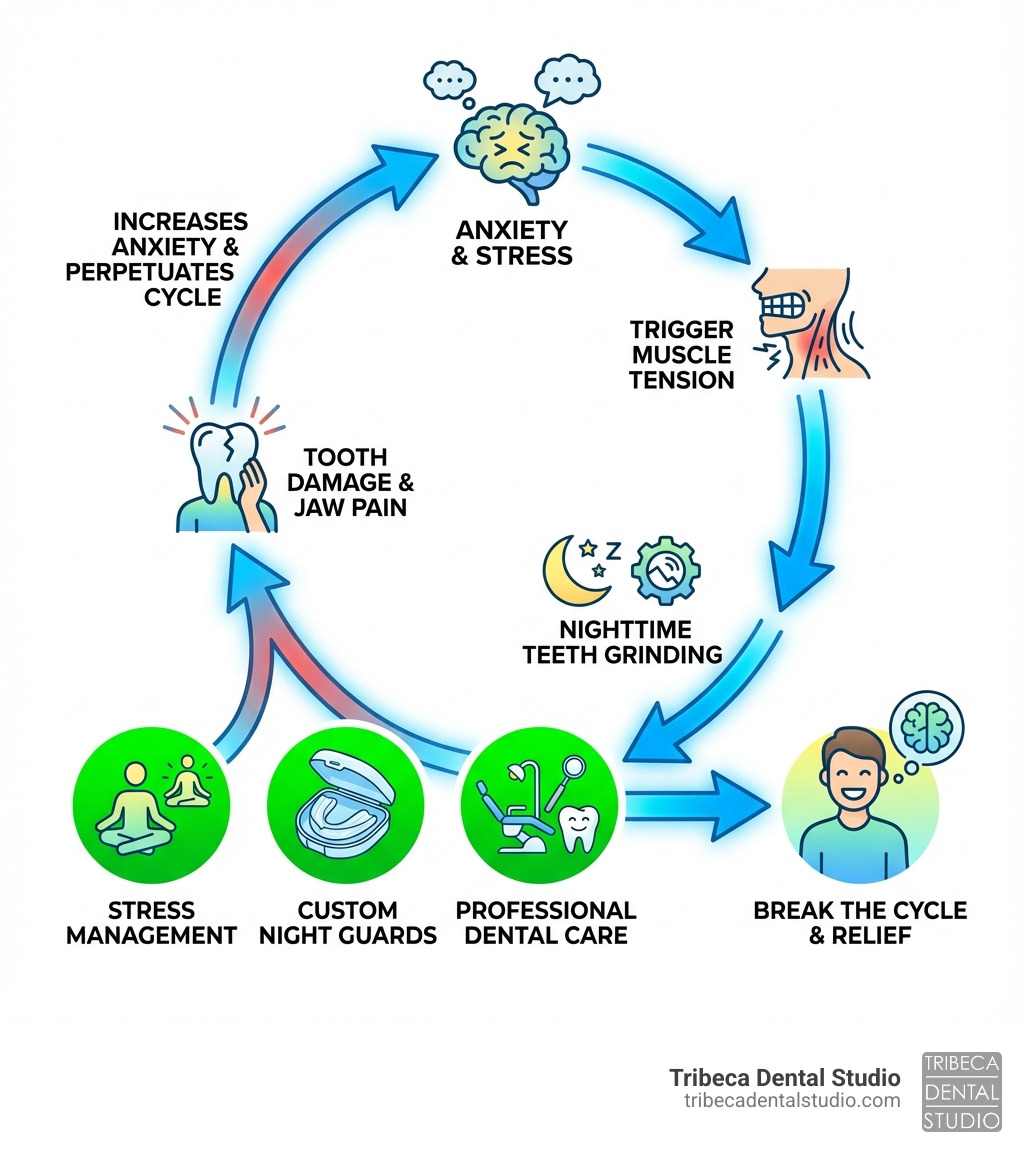
- The cycle perpetuates itself: grinding causes pain, which increases stress, leading to more grinding
Do you wake up with a sore jaw that feels like you’ve been chewing concrete all night? Maybe you’re experiencing dull headaches around your temples, or your partner has mentioned hearing grinding sounds at 3 AM. You’re not alone—and you’re probably not even aware you’re doing it.
Bruxism is the medical term for grinding or clenching your teeth, and it’s an unconscious habit that typically happens during sleep or when you’re focused. Many people don’t realize they grind their teeth until severe symptoms send them to the dentist. Research shows that around 70% of bruxism cases occur as a result of mental health issues such as stress and anxiety.
The connection is straightforward but often misunderstood. When you’re stressed or anxious, your body goes into a heightened state of alert. Your muscles tense up—including the powerful masseter and temporalis muscles that control your jaw. This tension doesn’t always release when you relax or fall asleep. Instead, it manifests as teeth grinding, creating a vicious cycle where the resulting pain and tooth damage can actually increase your anxiety levels.
I’m Dr. Nina Izhaky, and at Tribeca Dental Studio, I’ve helped countless patients break free from the painful cycle of grind teeth anxiety through personalized treatment plans that address both the dental damage and underlying causes. My approach combines state-of-the-art dental solutions with an understanding of how stress impacts your oral health, ensuring you get comprehensive care that actually works.
The Unspoken Link: How Chronic Stress Triggers Bruxism
We often talk about stress as an emotional state, but its impact on our physical body is profound. When we face perceived threats or pressures, our body initiates a “fight-or-flight” response. This ancient survival mechanism floods our system with hormones like adrenaline and cortisol. While useful for escaping danger, prolonged exposure to these hormones due to chronic stress can lead to a state of hyperstimulation, keeping our muscles tense and our minds racing, even when we’re trying to relax or sleep.
This constant state of tension can manifest in various physical ways, and the jaw muscles are particularly susceptible. The powerful masseter muscle, responsible for chewing, can clench involuntarily, leading to continuous pressure on your teeth. This is why many individuals experience grind teeth anxiety – the physical manifestation of psychological stress. Chronic stress also disrupts sleep patterns, making bruxism even more likely, as the jaw can clench or grind during disturbed sleep. Clinical studies suggest that stress is the main reason for 50–75% of patients seeking medical advice, highlighting its pervasive impact on our health, including somatic symptoms like teeth grinding.
Recognizing the Telltale Signs of Teeth Grinding
Because bruxism often occurs unconsciously, especially during sleep or intense concentration, many people are unaware they’re doing it. However, our bodies usually send us clues. Recognizing these signs early is crucial for preventing more severe, long-term damage.
Here are the telltale signs we often see in our Tribeca Dental Studio patients:
- Flattened or Chipped Teeth: The constant friction and pressure can literally wear down your tooth enamel, leading to teeth that appear shorter, flatter, or even chipped at the edges.
- Increased Tooth Sensitivity: As enamel wears away, the underlying dentin, which contains microscopic tubes leading to your tooth’s nerve, becomes exposed. This can cause sensitivity to hot, cold, or even sweet foods.
- Jaw, Neck, or Face Pain: Waking up with a sore jaw is a classic sign. The muscles involved in chewing, especially the masseter and temporalis, can become overworked and painful, radiating discomfort to your neck and face. This can feel like a dull, constant ache.
- Dull Headaches: Many patients report tension-type headaches, particularly around the temples, often present upon waking. This is due to the strain on the temporalis muscles.
- Earaches: In addition to the ear itself, jaw muscle pain can be referred to the ear area, mimicking an earache.
- Damaged Cheek Tissue: You might notice a raised ridge or white line on the inside of your cheek, caused by repeatedly biting or pressing your cheek against your teeth.
- Grinding Sounds Noticed by a Partner: Often, the first person to notice bruxism is a bed partner, who might be woken by the sounds of grinding or clenching.
If you recognize any of these symptoms, especially if they are persistent, it’s time to pay us a visit. Early detection and intervention are key to effective preventive care and maintaining your oral health.
The Long-Term Risks of Ignoring the Grind
Ignoring bruxism is like ignoring a leaky faucet – it might seem minor at first, but over time, it can lead to significant and often irreversible damage. The constant, forceful grinding and clenching puts immense stress on your entire oral system.
Here are the potential long-term consequences we aim to help our patients avoid:
- Severe Enamel Wear: Beyond just flattening, prolonged bruxism can completely wear through the protective enamel, exposing the softer dentin and making teeth highly vulnerable to decay and sensitivity.
- Cracked or Fractured Teeth: The intense pressure can cause teeth to crack, fracture, or even break. This can extend to existing fillings or dental crowns, leading to costly and complex restorative dentistry.
- Gum Recession: Chronic clenching can place excessive force on the teeth, which can contribute to gum tissue pulling away from the tooth roots, exposing them and increasing sensitivity and the risk of periodontal disease.
- Tooth Loss: In severe, untreated cases, the damage to teeth and supporting structures can be so extensive that teeth become loose and may eventually be lost.
- Temporomandibular Joint Disorders (TMD): The jaw joints (TMJs) are incredibly complex. Constant strain from bruxism can lead to inflammation, pain, clicking or popping sounds, limited jaw movement, and chronic discomfort in the jaw, face, and neck.
- Chronic Pain: Beyond dental issues, untreated bruxism can lead to persistent headaches, facial pain, and even neck and shoulder pain, significantly impacting your quality of life.
The consequences can be quite serious, ranging from significant pain to permanent damage to your teeth and jaw. As Dr. Daria Vasilyeva, a DDS and Assistant Professor at Columbia University’s College of Dental Medicine, notes, “It has some serious consequences, and some are irreversible, but it’s certainly manageable.” Our goal at Tribeca Dental Studio is to intervene before these irreversible consequences take hold.
Beyond Anxiety: Other Culprits Behind Your Bruxism
While stress and anxiety are major players in grind teeth anxiety, it’s important to understand that bruxism isn’t always solely tied to our emotional state. Other factors, both physical and lifestyle-related, can contribute to or exacerbate the condition.

Here are some other common culprits we investigate when diagnosing and treating bruxism:
- Misaligned Teeth (Malocclusion) or Missing Teeth: If your teeth don’t fit together properly, or if you have gaps from missing teeth, your jaw might unconsciously work harder to find a comfortable biting position, leading to grinding or clenching. This uneven pressure can also worsen existing bruxism.
- Sleep Disorders: Bruxism is often closely linked with other sleep-related issues. Obstructive Sleep Apnea (OSA), for example, can trigger grinding episodes as the body attempts to open the airway during sleep. We understand the complex relationship between sleep and oral health, which is why we offer comprehensive sleep apnea treatments, including various dental devices that can help.
- Lifestyle Factors: Our daily habits can significantly influence bruxism.
- Caffeine: Excessive consumption of caffeine, especially later in the day, can overstimulate the nervous system and increase muscle tension, leading to more clenching.
- Alcohol: While it might seem relaxing, alcohol disrupts sleep architecture, making it more fragmented and increasing the likelihood of grinding episodes during the night.
- Smoking: Nicotine is a stimulant that can also contribute to increased muscle activity and disturbed sleep, both of which are risk factors for bruxism.
- Certain Medications: Some medications, particularly selective serotonin reuptake inhibitors (SSRIs) used to treat depression and anxiety, can have bruxism as a side effect. If you suspect your medication is contributing, it’s crucial to discuss this with your prescribing doctor.
Understanding these varied causes allows us to develop a truly personalized and effective treatment plan, addressing every angle of your bruxism.
Personality Traits and the Propensity to Grind
Beyond transient states of anxiety, some individuals might be inherently more prone to bruxism due to stable personality traits. Research into the psychological aspects of bruxism has shown interesting connections. For instance, studies indicate that Neuroticism-related traits are associated with self-reported teeth grinding. This means individuals who score higher on measures of Neuroticism – characterized by emotional instability, anxiety, worry, and a tendency to experience negative emotions – are more likely to report that they grind their teeth.
This doesn’t necessarily mean that neurotic individuals experience more physical damage from grinding. Interestingly, some studies have found a discrepancy between self-reported bruxism and dentist-assessed physical evidence of wear and tear in these individuals. This suggests that while they may perceive or report grinding more often, possibly due to a heightened awareness of bodily sensations or a tendency to somaticize stress, the physical manifestation might not always be proportionally severe. However, they are also more likely to report other anxiety-related oral symptoms such as jaw clicking, difficulty chewing food, and dry mouth.
Other personality characteristics that may contribute to bruxism include:
- High-Stress Personality Types: Individuals who are constantly “on edge,” perfectionists, or those who internalize stress deeply.
- Aggressiveness or Competitiveness: Those with an aggressive or highly competitive nature may unconsciously clench their jaw as an outlet for these intense feelings.
- Hyperactivity: A general state of heightened activity or restlessness can extend to the jaw muscles, leading to increased clenching or grinding.
We take a holistic view of your health, considering not just your teeth and jaw, but also how your unique experiences and personality might be influencing your oral health.
A Holistic Approach to Managing Grind Teeth Anxiety
Addressing grind teeth anxiety effectively requires more than just fixing the damage to your teeth. It demands a multi-faceted approach that tackles the root causes, protects your smile from further harm, and manages symptoms to improve your overall quality of life. At Tribeca Dental Studio, we believe in combining advanced dental interventions with strategies that promote your mental and physical well-being.
Our goal is not just to treat the symptoms, but to empower you with tools and knowledge to take control of your bruxism. This comprehensive strategy focuses on:
- Addressing the Root Cause: Identifying and managing the underlying stress, anxiety, or other contributing factors.
- Protecting Teeth from Damage: Implementing dental solutions to shield your teeth from the destructive forces of grinding.
- Symptom Management: Alleviating pain and discomfort in your jaw, head, and neck.
Dental Interventions to Protect Your Smile
When it comes to protecting your teeth from the physical forces of bruxism, dental interventions are paramount. While they don’t stop the grinding itself, they act as a crucial barrier, preventing irreversible damage and alleviating muscle strain.
Here are the primary dental solutions we offer at Tribeca Dental Studio:
- Custom-Fit Night Guards or Occlusal Splints: This is often our first line of defense. Unlike generic over-the-counter guards, our custom-fit night guards are precisely molded to your unique dental anatomy. They create a protective barrier between your upper and lower teeth, absorbing the force of grinding and clenching. This not only prevents wear and tear on your teeth but also helps to relax your jaw muscles, reducing pain and discomfort.
- Bite Correction: If misaligned teeth (malocclusion) are contributing to your bruxism, we might recommend orthodontic treatments or other bite adjustments to ensure your teeth meet correctly. This can alleviate some of the underlying triggers for grinding.
- Airway Orthodontics Solutions: As we’ve seen, sleep disorders like sleep apnea can be intertwined with bruxism. Our airway orthodontics services can help address underlying anatomical issues that contribute to sleep-disordered breathing, which in turn can reduce bruxism. We offer a range of dental devices specifically designed for sleep issues, helping to stabilize your jaw and improve airflow.
- Botox Injections: For severe cases of chronic jaw pain and muscle hypertrophy (enlargement) due to bruxism, Botox injections can be a highly effective treatment. When precisely injected into the masseter muscles, Botox temporarily weakens them, reducing their ability to clench forcefully. This can provide significant relief from pain, headaches, and even reduce the visual appearance of a bulky jawline.
These interventions are custom to your specific needs, ensuring the most effective protection and relief for your oral health.
Lifestyle Changes and Stress Reduction Techniques
Since stress and anxiety are such significant drivers of bruxism, integrating lifestyle changes and stress reduction techniques into your daily routine is incredibly powerful. These aren’t just “nice-to-haves”; they are essential components of managing grind teeth anxiety.
Here’s how you can make a difference:
- Mindfulness and Meditation: Practicing mindfulness helps you become more aware of when you’re clenching your jaw during the day, allowing you to consciously relax. Regular meditation can lower overall stress levels and promote a calmer state.
- Yoga and Gentle Stretching: Physical activities like yoga combine movement, breathwork, and mindfulness, which are excellent for releasing tension throughout the body, including the jaw, neck, and shoulders.
- Deep Breathing Exercises: Simple deep breathing techniques can activate your parasympathetic nervous system, counteracting the “fight-or-flight” response and promoting relaxation.
- Regular Exercise: Physical activity is a fantastic stress reliever. Even moderate exercise can help burn off excess energy and reduce muscle tension.
- Improving Sleep Hygiene: A good night’s sleep is crucial. Establish a consistent sleep schedule, ensure your bedroom is dark, quiet, and cool, and avoid screens before bed. Quality sleep can significantly reduce nighttime bruxism episodes.
- Avoiding Caffeine and Alcohol Before Bed: These stimulants and sleep disruptors can exacerbate bruxism. Try to cut them out, especially in the hours leading up to sleep.
- Jaw Relaxation Exercises: Simple exercises, such as gently opening and closing your mouth, massaging your jaw muscles, or placing your tongue between your teeth to keep them slightly apart, can help train your jaw to relax.
These practices, when consistently applied, can significantly reduce the frequency and intensity of your bruxism, supporting not just your oral health but your overall well-being.
Therapeutic Interventions for Grind Teeth Anxiety
Sometimes, the anxiety component of bruxism runs deep, requiring more targeted psychological support. This is where therapeutic interventions can play a pivotal role, helping you address the underlying emotional triggers and develop healthier coping mechanisms.
- Cognitive Behavioral Therapy (CBT): CBT is a highly effective form of therapy that helps you identify and change negative thought patterns and behaviors that contribute to anxiety. For bruxism, CBT can help you recognize the specific stressors that trigger your clenching or grinding, develop relaxation techniques, and learn strategies to manage anxiety more effectively. It helps break the habit loop by addressing the mental processes that drive the physical action. The role of therapy, such as CBT, is to address the anxiety component of bruxism, providing long-term strategies for emotional regulation.
- Biofeedback: This technique uses electronic sensors to monitor physiological responses, such as muscle tension. By seeing real-time data, you can learn to consciously control these responses. For bruxism, biofeedback can teach you to relax your jaw muscles, especially during times of stress or before sleep, helping to reduce grinding.
- Addressing Underlying Anxiety: For many patients, bruxism is a clear physical symptom of deeper, unresolved anxiety. Working with a mental health professional can help uncover and address these underlying issues, leading to a significant reduction in bruxism.
- Developing Coping Strategies: Therapy provides a safe space to develop and practice healthy coping strategies for stress and anxiety, replacing the unconscious habit of grinding with constructive responses.
- Breaking the Habit Loop: Bruxism can become a learned habit, even if the initial anxiety trigger subsides. Therapy can help you become more aware of the habit and implement techniques to consciously break the cycle, especially for awake bruxism.
- The Role of Therapy in Managing Physical Symptoms of Stress: Mental health support isn’t just for your mind; it directly impacts your body. By reducing psychological stress, therapy can lessen the physical manifestations like jaw tension and pain, creating a virtuous cycle of healing.
We believe in a collaborative approach, often recommending patients explore these therapeutic avenues alongside their dental treatments to achieve the most comprehensive and lasting relief from grind teeth anxiety.
Frequently Asked Questions about Teeth Grinding and Anxiety
We often hear similar questions from our patients in Tribeca, Manhattan, who are concerned about their teeth grinding. Here are some of the most common ones:
Can teeth grinding cause anxiety?
This is a great question! It’s generally understood that anxiety causes bruxism, rather than the other way around. Anxiety stems from apprehensive behavior – our worries, fears, and stress responses. So, bruxism itself doesn’t directly cause anxiety.
However, the consequences of bruxism can certainly contribute to a cycle of anxiety. If you’re constantly waking up with jaw pain, headaches, or notice your teeth are becoming damaged, worrying about these symptoms can increase your overall stress levels. This worry is a form of apprehensive behavior, which can then fuel more anxiety, potentially exacerbating your grinding. It’s a classic feedback loop that we help our patients break.
What foods should I avoid if I grind my teeth?
While diet isn’t a direct cause of bruxism, certain foods and habits can aggravate your jaw muscles and worsen clenching. We recommend avoiding or limiting:
- Hard, Crunchy, or Chewy Foods: Anything that requires excessive chewing can tire and strain your jaw muscles, potentially leading to more grinding and clenching. This includes nuts, hard candies, pretzels, and tough meats.
- Chewing Gum: While it might seem harmless, constant gum chewing can overwork your jaw muscles and reinforce clenching habits.
- Alcohol: As mentioned, alcohol can disrupt sleep patterns and increase muscle tension, leading to more grinding episodes.
- Caffeine: High caffeine intake, especially in the evening, can overstimulate your nervous system and contribute to muscle tension.
Focusing on softer, easier-to-chew foods, especially when your jaw is sore, can give your muscles a much-needed break.
Can children grind their teeth due to anxiety?
Yes, absolutely. Bruxism is not just an adult issue; children can and do grind their teeth, and anxiety can be a significant factor for them too. Just like adults, children experience stress from various sources, such as changes at school, family issues, moving to a new home, or even exciting events.
Beyond anxiety, childhood bruxism can also be linked to:
- Teething: Discomfort from erupting teeth can lead to grinding.
- Allergies: Nasal congestion from allergies might cause a child to breathe through their mouth, leading to jaw positioning that encourages grinding.
- Misaligned Teeth: Similar to adults, bite issues can be a factor.
- Other Sleep Issues: Sleep disturbances can also trigger grinding in children.
If you’re concerned about your child grinding their teeth, we encourage you to schedule a consultation with us. We can assess the situation and recommend appropriate steps to protect their developing smile and address any underlying causes.
Take Control of Your Grind and Find Relief
Understanding the intricate connection between anxiety and bruxism – how our minds can literally make us grind our teeth – is the first step toward finding relief. We’ve seen how chronic stress can lead to a tightened jaw, how untreated grinding can cause irreversible damage, and how various factors beyond just anxiety can play a role.
The good news is that you don’t have to suffer in silence. With a combined approach that integrates personalized dental interventions, mindful lifestyle changes, and targeted therapeutic support, you can break free from the cycle of grind teeth anxiety. Protecting your smile and alleviating your discomfort is not just about dental health; it’s about reclaiming your peace of mind and improving your overall well-being.
At Tribeca Dental Studio, we are dedicated to providing comprehensive, advanced, and welcoming oral healthcare. We approach each patient like family, offering personalized assessments to diagnose the specific causes of your bruxism and craft a treatment plan that works for you. From custom-fit night guards to exploring underlying sleep issues and offering guidance on stress reduction, we are here to support you every step of the way.
Don’t let the nightly grind dictate your comfort or compromise your oral health. If you suspect you’re grinding your teeth, or if you’re experiencing any of the symptoms we’ve discussed, we invite you to reach out to us. Learn more about our advanced sleep apnea and bruxism treatments and how we can help you find lasting relief.