

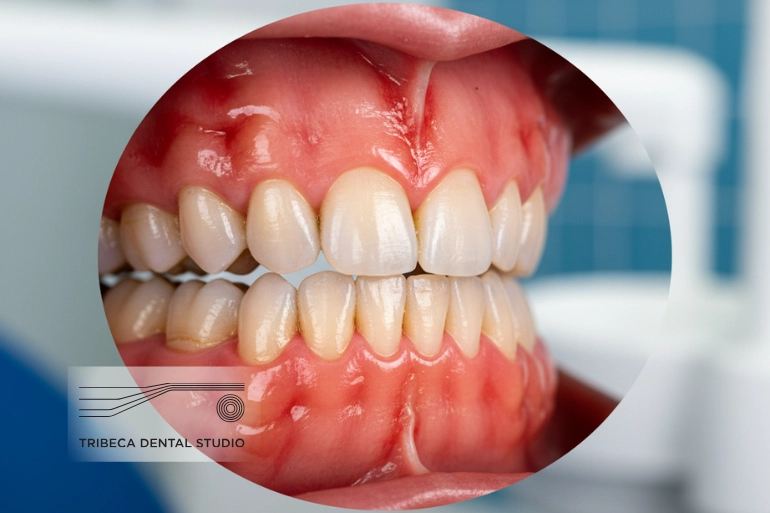
What if a simple gum infection could silently threaten both your smile and overall health? Periodontitis is a progressive gum disease that weakens the tissues and bone supporting your teeth. It often begins with plaque hardening into tartar, creating hidden pockets where bacteria thrive.
If left untreated, it can cause gum recession, loose teeth, and tooth loss. Beyond oral damage, studies link untreated gum disease to systemic issues like cardiovascular strain and chronic inflammation. According to WHO, severe periodontal diseases affect more than 1 billion people worldwide.
That’s why reversing gum disease early is crucial, not only to protect your smile but also to safeguard your overall well-being. Learn how our periodontal disease treatment services can help protect your gums before the damage becomes irreversible.
How Gum Disease Develops and Why It’s a Concern
Gum disease starts when plaque bacteria irritate the gums, leading to gingivitis. If untreated, inflammation creates pockets where bacteria multiply, advancing to periodontitis that harms connective tissue and bone support.
This progression can cause gum recession, loose teeth, and eventual tooth loss. Beyond oral health, chronic inflammation has been linked to heart disease, diabetes complications, and respiratory issues, underscoring the need for prevention and early treatment.
Can Gum Disease Be Reversed?
The reversibility of gum disease depends on its stage. Gingivitis, the earliest form, affects only the gums and can be reversed with hygiene and professional cleaning.
Once it progresses to periodontitis, deeper tissues and bone are affected, and full reversal is impossible. Treatment then aims to halt damage, making early recognition of bleeding, swelling, or bad breath essential.
Early Signs and Symptoms of Gum Disease
Gum disease often develops quietly, and the earliest changes can be easy to overlook. Paying attention to these warning signs is vital, as timely care prevents infection from advancing into deeper tissues. The condition usually starts with mild gum irritation caused by plaque buildup, but untreated inflammation can quickly worsen. Watching closely for these symptoms allows treatment to begin when it is most effective and least invasive.
- Gums that appear red, swollen, or tender instead of healthy pink
- Bleeding during brushing or flossing, even with gentle pressure
- Persistent bad breath or unpleasant taste linked to bacteria
- Receding gums that gradually expose more of the tooth surface
For more detailed insights, see the early signs of gum disease you should never ignore.
Importance of Professional Dental Cleaning and Exams
Professional dental cleaning removes tartar that brushing and flossing cannot reach, disrupting bacteria that irritate gums. Regular exams help detect gum recession, early tissue damage, and bone changes revealed through X-rays. Consistent cleanings and evaluations stop small problems from advancing, protecting gum health, preserving teeth, and supporting long-term oral stability.
Deep Cleaning: Scaling and Root Planing Explained
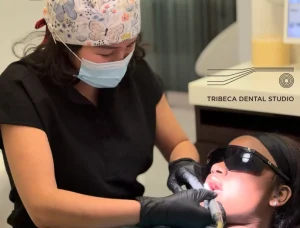
Scaling and root planing are treatments for gum disease that extend beyond basic cleaning. Scaling removes plaque and tartar from above and below the gum line, eliminating bacteria that drive infection. Root planing smooths tooth roots, discouraging bacteria from reattaching and allowing gums to heal.
Often done under local anesthesia, these procedures reduce pocket depth, strengthen gum attachment, and slow the progression of periodontitis when performed thoroughly and consistently.
Laser Therapy for Treating Gum Disease
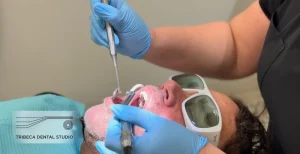
Laser therapy provides a precise way to treat gum disease by using concentrated light to remove bacteria and diseased tissue while sparing healthy areas. It reduces bleeding, swelling, and discomfort compared to traditional surgery while also stimulating healing and helping gums reattach to teeth. For moderate to advanced periodontitis, laser therapy supports recovery and preserves natural tissue more effectively than invasive methods.
Surgical Options for Advanced Gum Disease
In advanced stages of gum disease, surgery may be necessary to protect oral structures. Flap surgery lifts gums to clean deep pockets and reposition tissue for reduced depth. Bone or gum grafts restore lost support, while guided tissue regeneration encourages new bone growth. These surgical methods are used when non-surgical care cannot control damage, helping stabilize teeth and preserve long-term oral health.
Home Care Tips to Reverse Gum Disease Naturally
Consistent home care is essential for managing early gum disease.
Brush Twice Daily – Using fluoride toothpaste helps remove plaque before it hardens into tartar.
Floss Regularly – Flossing reaches areas a toothbrush cannot, preventing hidden plaque buildup.
Use Antimicrobial Rinses – These rinses reduce harmful bacteria and calm gum inflammation.
Eat a Nutrient-Rich Diet – Vitamins C and D play a vital role in gum healing and strengthening defenses.
Stay Hydrated – Proper hydration promotes saliva flow, which naturally helps control bacteria.
These combined habits foster healthier gums and reduce the risk of progression.
Best Oral Hygiene Practices to Stop Gum Disease Progression
Good oral hygiene requires more than quick brushing.
Brush Properly – Use a soft-bristled toothbrush for two minutes, twice daily, to safely remove plaque.
Floss Daily – Flossing clears debris and bacteria from between teeth where a brush can’t reach.
Rinse for Added Protection – Antibacterial or fluoride mouth rinses strengthen defenses against gum disease.
Replace Toothbrush Regularly – Change your toothbrush every three months to maintain effectiveness.
Use Advanced Tools if Needed – Interdental brushes or water flossers are especially helpful for people at higher risk.
These habits protect gums and help stop gum disease from progressing.
Lifestyle and Dietary Changes That Improve Gum Health
Daily lifestyle choices play a major role in gum health.
Quit Tobacco – Stopping tobacco use reduces inflammation and improves blood flow to the gums.
Limit Sugary Foods – Cutting back on sugar lowers bacterial growth and protects gum tissue.
Follow a Balanced Diet – Include fruits, vegetables, lean proteins, and whole grains to supply essential nutrients for gum repair.
Boost with Key Nutrients – Vitamin C strengthens connective tissue, while calcium supports the bone around teeth.
Adopt a Healthy Lifestyle – Regular exercise and quality sleep improve immunity, helping the body fight infection and maintain stronger gums.
These lifestyle choices work together to promote healthier gums and support long-term oral wellness.
Lifestyle and Dietary Changes That Improve Gum Health
Daily lifestyle choices play a major role in gum health.
Quit Tobacco – Stopping tobacco use reduces inflammation and improves blood flow to the gums.
Limit Sugary Foods – Cutting back on sugar lowers bacterial growth and protects gum tissue.
Follow a Balanced Diet – Include fruits, vegetables, lean proteins, and whole grains to supply essential nutrients for gum repair.
Boost with Key Nutrients – Vitamin C strengthens connective tissue, while calcium supports the bone around teeth.
Adopt a Healthy Lifestyle – Regular exercise and quality sleep improve immunity, helping the body fight infection and maintain stronger gums.
These lifestyle choices work together to promote healthier gums and support long-term oral wellness. According to the NIDCR, (62.4%) current smokers experience greatest prevalence of periodontitis. This is much higher than nonsmokers, showing the strong link between tobacco use and gum disease risk. You can read more about the surprising link between gum disease and Alzheimer’s.
How to Prevent Gum Disease From Returning
Preventing gum disease from returning requires consistent oral care and regular dental visits. Daily brushing, flossing, and antimicrobial rinses reduce plaque buildup, while professional cleanings remove tartar that home care cannot reach. Watching for early signs like bleeding or swelling allows timely intervention. A healthy diet, stress control, and avoiding smoking further strengthen natural defenses, lowering the risk of recurrence and supporting lasting gum stability.





Call or Text 212-561-5303
[email protected] 54 Warren St., New York, NY 10007SUNDAY: 9-2 PM